
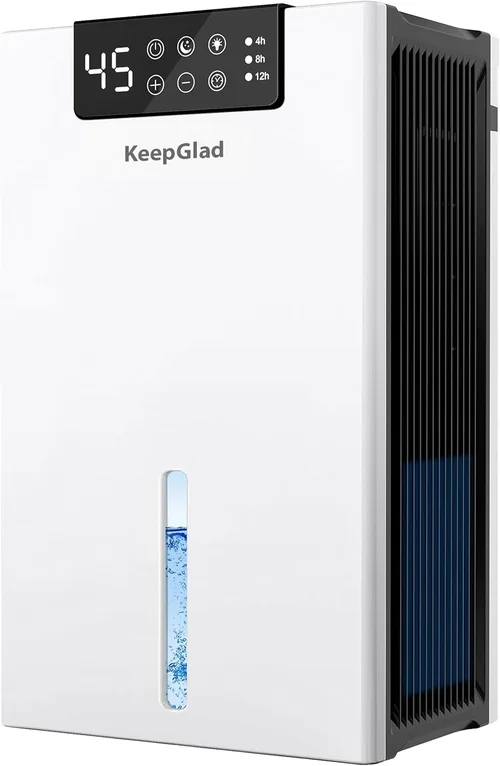
If you’ve ever woken up to a musty smell in your basement, noticed condensation fogging your windows, or spotted mold creeping along the corners of your bathroom walls, you already know how disruptive excess moisture can be. High humidity doesn’t just make your home feel clammy and uncomfortable—it can also trigger allergies, damage furniture and electronics, and even compromise the structural integrity of your property over time. That’s where a quality dehumidifier comes in. These unassuming appliances quietly pull moisture from the air, creating a healthier, more livable environment. But with dozens of models flooding the market—ranging from budget-friendly compact units to high-capacity industrial-grade machines—it’s easy to feel overwhelmed when trying to find the best deal.
This guide is designed to cut through the noise and help you make a smart, informed decision. Whether you’re dealing with a damp crawl space, a humid bedroom, or an entire finished basement, we’ll walk you through everything you need to know to choose the right dehumidifier at the best possible price. You’ll learn how to evaluate performance specs, compare different types of units, avoid common pitfalls, and time your purchase to snag the deepest discounts. We’ve analyzed real-world user feedback, expert reviews, and seasonal pricing trends to bring you actionable advice that balances cost, quality, and long-term value. By the end of this guide, you won’t just know which dehumidifier to buy—you’ll know when and where to buy it for maximum savings.
The dehumidifier market has evolved significantly in recent years. Energy-efficient compressors, smart humidity sensors, Wi-Fi connectivity, and eco-friendly refrigerants are now standard in many mid-to-high-tier models. At the same time, competition among brands like Frigidaire, GE, hOmeLabs, and Midea has driven prices down across the board—especially during seasonal sales. Yet, despite these advances, many buyers still end up overspending on features they don’t need or underspending on a unit that can’t handle their space. Our goal is to help you avoid both extremes. This isn’t just a list of “cheap dehumidifiers”—it’s a strategic buying guide focused on value, reliability, and real performance. Let’s dive into the key factors that matter most.
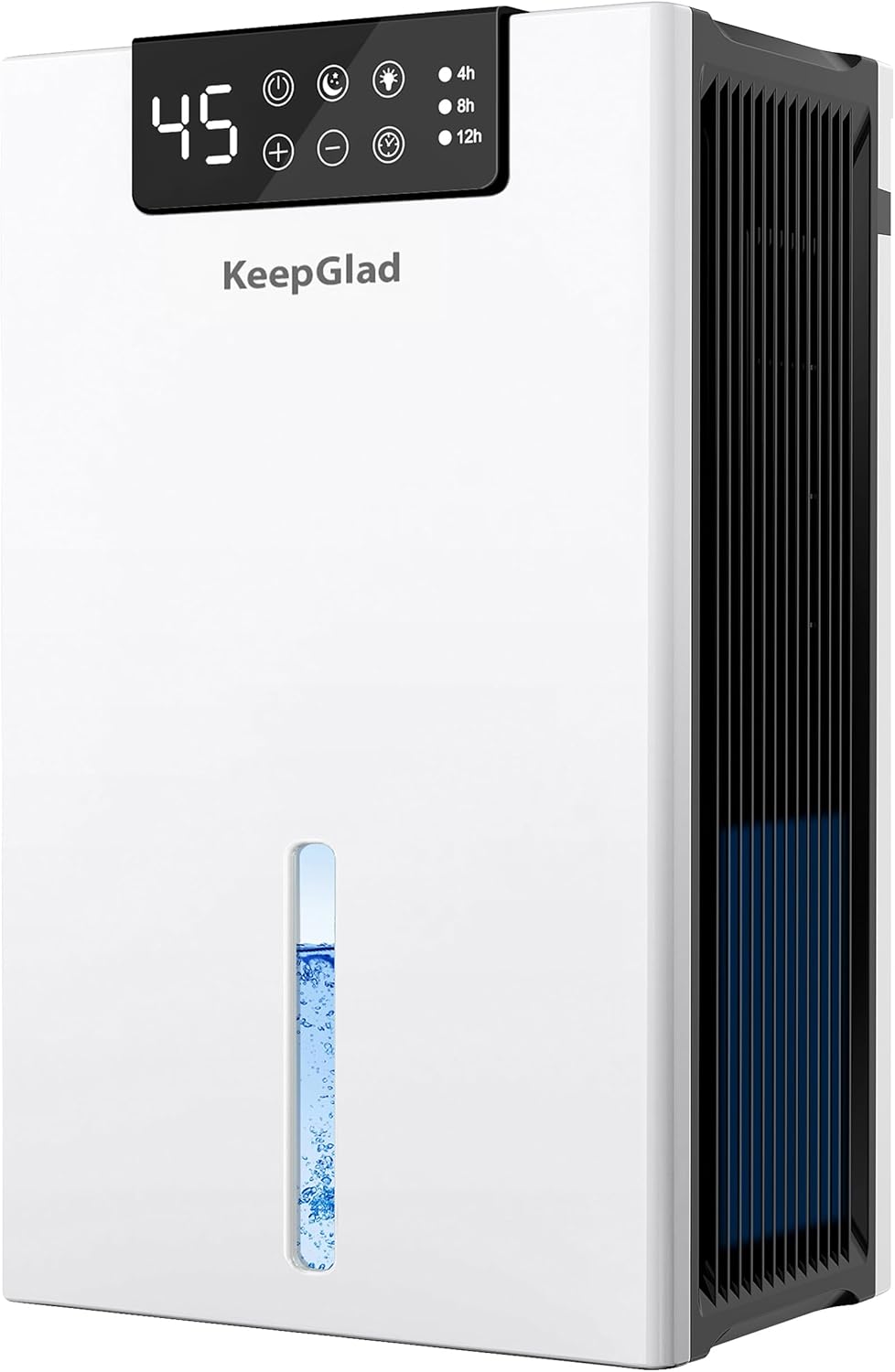
What to Look for When Buying Buying Guide
1. Budget & Price Range
Your budget is the foundation of any purchasing decision, and dehumidifiers are no exception. Prices can range from under $100 for basic 20-pint units to over $800 for commercial-grade systems capable of removing 70+ pints per day. However, the cheapest option isn’t always the most cost-effective. A poorly built unit may consume more electricity, break down sooner, or fail to maintain consistent humidity levels—costing you more in the long run through higher utility bills and premature replacement.
When setting your budget, consider not just the upfront cost but also operating expenses. Look for models with an Energy Star certification, which indicates they meet strict efficiency guidelines set by the U.S. Environmental Protection Agency. These units typically use 15–30% less energy than non-certified models, translating to noticeable savings on your monthly electric bill—especially if you plan to run the dehumidifier continuously. Additionally, factor in potential maintenance costs: some units require filter replacements every few months, while others have washable filters that reduce ongoing expenses.
A good rule of thumb is to allocate at least $150–$250 for a reliable residential dehumidifier that serves a single room or small basement. If you’re tackling a large space (1,500+ sq. ft.), expect to spend $300–$500 for a model with sufficient capacity and durability. Remember: investing a little more upfront often pays off in performance, longevity, and peace of mind.
2. Performance Specifications
Performance specs are where many buyers go wrong—either by underestimating their needs or getting swayed by marketing jargon. The most critical specification is pints per day (PPD), which indicates how much moisture the unit can remove in 24 hours under standard testing conditions (typically 60% relative humidity at 80°F). For example, a 30-pint dehumidifier is suitable for a moderately damp 500–700 sq. ft. space, while a 50-pint model is better for larger areas or spaces with persistent moisture issues like basements or laundry rooms.
But PPD alone doesn’t tell the whole story. You also need to consider the coverage area (measured in square feet) and the humidity range the unit can handle. Some dehumidifiers struggle in cooler temperatures (below 65°F), which is a problem if you’re using it in an unheated basement during winter. In such cases, look for units labeled as “low-temperature operation” or those using refrigerant-based systems designed for colder environments.
Another often-overlooked spec is the airflow rate, measured in cubic feet per minute (CFM). Higher CFM means the unit circulates air more efficiently, which helps it detect and respond to humidity changes faster. For large or poorly ventilated spaces, aim for a CFM of at least 150–200. Lastly, check the tank size—if you don’t want to empty it daily, opt for a 1–2 gallon tank or a model with a continuous drainage hose option.
3. Build Quality & Durability
A dehumidifier is a long-term investment, so build quality matters. Cheap plastic housings, flimsy control panels, and weak casters can turn a promising purchase into a frustrating experience within months. Look for units with sturdy, high-impact plastic exteriors, reinforced internal components, and corrosion-resistant coils—especially if you live in a coastal area or humid climate where metal parts are prone to rust.
Pay attention to the compressor type as well. Most residential dehumidifiers use either rotary or reciprocating compressors. Rotary compressors are generally quieter, more energy-efficient, and longer-lasting, making them ideal for bedrooms or living areas. Reciprocating compressors are louder but often more affordable and still effective for basements or garages where noise isn’t a concern.
Internal wiring and seals should also be robust. Units that feel lightweight or have loose panels may indicate cost-cutting in manufacturing. Reading detailed user reviews (not just star ratings) can reveal common failure points like leaking tanks, frozen coils, or malfunctioning humidistats. Brands with a reputation for durability—such as Frigidaire, Danby, and AprilAire—often justify their slightly higher price tags with better construction and fewer service calls.
4. Features & Functionality
Modern dehumidifiers come packed with features that go beyond basic moisture removal. While not all are essential, some can significantly enhance convenience and efficiency. The most useful include:
– Built-in humidistat: Allows you to set your desired humidity level (ideally between 30–50%) and automatically turns the unit on/off to maintain it.
– Auto-defrost: Prevents ice buildup on coils in cold environments, ensuring consistent operation year-round.
– Continuous drainage: Lets you connect a garden hose so the unit drains directly into a floor drain or sump pump—no more manual emptying.
– Washable air filter: Reduces recurring costs and maintenance hassle.
– Timer function: Enables scheduled operation (e.g., run only during off-peak electricity hours).
– Wi-Fi/smart controls: Available on select models, allowing remote monitoring and adjustment via smartphone apps.
Avoid “feature bloat”—don’t pay extra for Bluetooth connectivity or voice control unless you truly need it. Focus on features that solve your specific problems. For instance, if you travel frequently, a model with a full-tank alert and auto-shutoff is crucial to prevent flooding. If you’re sensitive to noise, prioritize units with decibel ratings below 50 dB.
5. Brand Reputation
Brand reputation isn’t everything, but it’s a strong indicator of reliability and customer support. Established manufacturers like Frigidaire, GE Appliances, and hOmeLabs have spent decades refining their designs and building trust with consumers. They typically offer better warranties, more accessible customer service, and wider availability of replacement parts.
That said, newer or lesser-known brands (like Midea or Tosot) can offer excellent value—especially if they’re rebranding proven OEM designs at lower prices. The key is to research beyond the logo. Check third-party review sites like Consumer Reports, Wirecutter, or Reddit communities for real user experiences. Look for patterns: Do multiple users report the same defect? Is customer service responsive when issues arise? A brand with a 4.5-star average but hundreds of complaints about leaking tanks should raise a red flag, even if it’s technically “well-reviewed.”
Also consider regional availability. Some brands dominate certain markets—for example, AprilAire is popular in North America for whole-house systems, while Euromonitor excels in European climates. Choosing a locally supported brand can simplify repairs and warranty claims.
6. Warranty & Support
A dehumidifier should last 5–10 years with proper care, so warranty coverage is a critical factor. Most reputable brands offer at least a 1-year limited warranty, but premium models often include 2–5 years of protection, sometimes with extended coverage on key components like the compressor.
Read the fine print carefully. Some warranties exclude “normal wear and tear,” improper installation, or use in commercial settings. Others require you to register the product within 30 days of purchase to activate coverage. If a brand offers only a 90-day warranty, treat it as a warning sign—it suggests they don’t stand behind their product.
Customer support quality varies widely. Test responsiveness before buying by calling or emailing their support line with a simple question. Are they knowledgeable? Do they resolve issues quickly? Brands like Frigidaire and hOmeLabs are known for responsive U.S.-based support, while some budget brands outsource service overseas, leading to frustrating delays.
7. Size & Portability
Even the most powerful dehumidifier is useless if you can’t move it where it’s needed. Consider the unit’s physical dimensions, weight, and mobility features. Most portable dehumidifiers weigh between 30–60 pounds and come with recessed handles and swivel casters for easy rolling. However, some heavier models (especially 70-pint units) may lack adequate wheels or have awkward handle placement, making them difficult to maneuver up stairs or across carpet.
If you plan to use the dehumidifier in multiple rooms, look for compact designs under 40 pounds with smooth-rolling wheels. For basement or crawl space use, a slightly bulkier unit is acceptable—but ensure it fits through doorways and down stairwells. Also check the power cord length; a short cord may require an extension, which can be a tripping hazard or violate safety codes.
8. User Reviews & Ratings
Never rely solely on manufacturer claims or professional reviews. Real-world user feedback reveals nuances that lab tests miss—like how a unit performs in a real basement during a rainy season or whether the humidistat is accurate. Platforms like Amazon, Home Depot, and Best Buy provide thousands of verified purchase reviews with photos and detailed pros/cons.
When reading reviews, focus on consistency. If 20+ users mention the same issue (e.g., “leaks after 3 months” or “humidistat reads 10% high”), it’s likely a design flaw—not an isolated incident. Conversely, repeated praise for quiet operation or easy maintenance is a strong endorsement. Pay less attention to extreme outliers (e.g., “died after one week” without context) and more to balanced, detailed accounts.
Use review filters to narrow results by verified purchases, recent reviews (within the last 12 months), and specific use cases (e.g., “used in basement”). This helps you find feedback relevant to your situation.
Different Types of Buying Guide

Common Buying Mistakes to Avoid
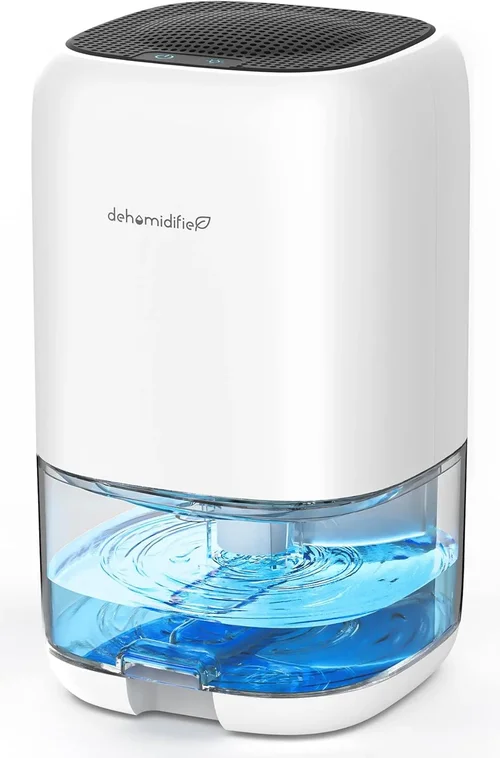
❌ Mistake: Buying Based Solely on Pints Per Day
Why it’s bad: PPD ratings are measured under ideal lab conditions (80°F, 60% RH)—not your actual basement at 65°F and 80% humidity. A 50-pint unit may perform like a 30-pint model in cooler temps, leaving your space under-dehumidified.
What to do instead: Match the unit to your space size and climate. Use online calculators or consult sizing charts that factor in temperature and humidity levels. When in doubt, size up slightly.
❌ Mistake: Ignoring Energy Efficiency
Why it’s bad: A cheap, inefficient dehumidifier can cost $50–$100 more per year in electricity—erasing any upfront savings. Over 5 years, that’s $250–$500 down the drain.
What to do instead: Always look for the Energy Star label. Compare the “energy factor” (liters of water removed per kilowatt-hour)—higher is better. Aim for at least 1.5 L/kWh.
❌ Mistake: Overlooking Drainage Options
Why it’s bad: If you forget to empty the tank daily, the unit shuts off and humidity spikes. In a damp basement, this can lead to mold growth within days.
What to do instead: Choose a model with a built-in pump or continuous drainage hose outlet. Even if you don’t use it now, it’s a valuable backup for vacations or busy weeks.
❌ Mistake: Skipping the Humidistat
Why it’s bad: Without a humidistat, the unit runs continuously or not at all—wasting energy and potentially over-drying your space (which can cause wood to crack).
What to do instead: Ensure the model includes a digital humidistat with adjustable settings. This is non-negotiable for consistent comfort and efficiency.
❌ Mistake: Buying the Cheapest Option Available
Why it’s bad: Budget units often use inferior compressors, thin plastic, and lack safety features like auto-shutoff. They may last only 1–2 years.
What to do instead: Invest in a mid-range model from a reputable brand. The extra $50–$100 pays for itself in durability and performance.
❌ Mistake: Not Checking Return Policies
Why it’s bad: If the unit doesn’t fit, is too loud, or underperforms, you could be stuck with a bulky, unusable appliance.
What to do instead: Buy from retailers with generous return windows (30–90 days) and free return shipping. Test the unit immediately upon delivery.
❌ Mistake: Forgetting About Noise Levels
Why it’s bad: A loud dehumidifier (60+ dB) can disrupt sleep, TV watching, or work-from-home calls—especially in open-plan spaces.
What to do instead: Check decibel ratings and opt for models under 55 dB for living areas. Desiccant units are typically quieter than compressor-based ones.
Budget Guidelines: How Much Should You Spend?
– Entry-Level ($80–$150): These are basic 20–30 pint units ideal for small bathrooms, closets, or RVs. Expect minimal features, shorter lifespans, and higher energy use. Best for occasional use or very small spaces. Avoid for basements or continuous operation.
– Mid-Range ($150–$350): This is the sweet spot for most homeowners. You’ll find reliable 30–50 pint models with Energy Star ratings, humidistats, auto-defrost, and decent build quality. Brands like hOmeLabs, Tosot, and Frigidaire dominate this tier. Perfect for single rooms, garages, or medium basements.
– Premium ($350–$600): These units offer higher capacity (50–70 pints), advanced features (Wi-Fi, pumps, large tanks), and superior durability. Ideal for large basements, whole-floor coverage, or humid climates. Look for models from Frigidaire, GE, or AprilAire.
– Luxury ($600+): Reserved for whole-house systems or commercial applications. These integrate with HVAC, offer remote monitoring, and handle extreme moisture loads. Only necessary for large homes, new builds, or professional use.
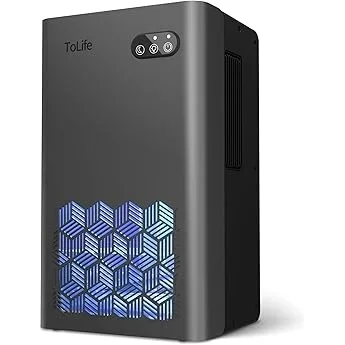
Expert Tips for Getting the Best Deal
– Buy in Spring (March–May): Retailers clear out winter inventory before summer AC season. You’ll find discounts of 20–40% on last year’s models.
– Watch for Holiday Sales: Black Friday, Presidents’ Day, and Memorial Day offer deep cuts—especially at Home Depot, Lowe’s, and Amazon.
– Check Warehouse Clubs: Costco and Sam’s Club often sell premium dehumidifiers at 15–25% below retail, sometimes with extended warranties.
– Consider Refurbished Units: Certified refurbished models from manufacturers (not third parties) can save 30–50% and come with full warranties.
– Use Price Tracking Tools: Set alerts on CamelCamelCamel (for Amazon) or Honey to notify you when prices drop.
– Bundle with Other Purchases: Some retailers offer discounts when you buy a dehumidifier with an air purifier or humidifier.
– Negotiate In-Store: At big-box stores, ask if they’ll match online prices or throw in free delivery/installation.
– Read Return Policies Carefully: Ensure you can return the unit if it doesn’t perform as expected—some “final sale” items aren’t refundable.
Frequently Asked Questions
Q: How do I know what size dehumidifier I need?
A: Calculate your room’s square footage and assess moisture level. Use this guideline: 20-pint for 500 sq. ft. (slightly damp), 30-pint for 700 sq. ft. (moderately damp), 50-pint for 1,500 sq. ft. (very damp). For basements, add 10–20% to the capacity.
Q: Can I run a dehumidifier all the time?
A: Yes, but it’s unnecessary and wasteful. Use the built-in humidistat to maintain 30–50% humidity. Most units cycle on/off automatically, so continuous operation isn’t needed.
Q: Do dehumidifiers use a lot of electricity?
A: It depends. A typical 50-pint Energy Star model uses about 500–700 watts. Running 10 hours/day costs roughly $15–$25/month, depending on local rates. Inefficient models can double that.
Q: Should I get a dehumidifier with a pump?
A: Only if you need to drain upward (e.g., from a basement to a sink). Pumps add $50–$100 but eliminate the need for gravity drainage. Most homes don’t require one.
Q: How often should I clean the filter?
A: Every 2–4 weeks during heavy use. A clogged filter reduces airflow and efficiency. Washable filters save money; disposable ones cost $10–$20 per replacement.
Q: Can a dehumidifier help with allergies?
A: Absolutely. By reducing humidity below 50%, it inhibits mold, dust mites, and mildew—common allergy triggers. Pair it with an air purifier for best results.
Q: Is it safe to leave a dehumidifier on overnight?
A: Yes, as long as it has auto-shutoff, overheat protection, and is placed on a stable surface. Modern units are designed for 24/7 operation.
Q: What’s the difference between refrigerant and desiccant dehumidifiers?
A: Refrigerant units cool air to condense moisture—best for warm, humid climates. Desiccant units use a moisture-absorbing material—better for cold or dry environments. Refrigerant types remove more water; desiccants are quieter and work in winter.
Q: How long do dehumidifiers last?
A: With proper maintenance, 5–10 years. Clean filters regularly, avoid blocking vents, and don’t operate in temperatures below 40°F unless rated for it.
Q: Can I use a dehumidifier in winter?
A: Only if it’s rated for low-temperature operation (look for “auto-defrost”). Standard models may freeze and stop working below 65°F.
Our Final Recommendations
– Best for Budget-Conscious Buyers: hOmeLabs 30 Pint Dehumidifier ($179) – Energy Star certified, quiet, and reliable for small to medium spaces. Great value under $200.
– Best Overall Value: Frigidaire FFAD5033W1 50 Pint ($299) – Excellent performance, large tank, continuous drainage, and strong warranty. Ideal for most basements.
– Best Premium Option: GE APER50LZ 50 Pint with Pump ($449) – Includes built-in pump, Wi-Fi controls, and ultra-quiet operation. Perfect for tech-savvy users with drainage challenges.
– Best for Beginners: Tosot 30 Pint Smart Dehumidifier ($199) – Simple controls, app connectivity, and compact design. Great first dehumidifier.
– Best for Advanced Users: AprilAire E080 Pro 70 Pint ($699) – Whole-home capable, professional-grade build, and integrates with smart thermostats. For serious moisture control.
Conclusion: Making the Right Choice
Choosing the right dehumidifier isn’t just about finding the lowest price—it’s about matching the right tool to your specific needs, space, and lifestyle. By focusing on key factors like capacity, efficiency, build quality, and essential features, you can avoid costly mistakes and invest in a unit that delivers lasting comfort and protection for your home. Remember to prioritize your must-have features, read real user reviews, and time your purchase to take advantage of seasonal sales.
Don’t rush the decision. A well-chosen dehumidifier will quietly work behind the scenes for years, improving air quality, preventing damage, and creating a healthier living environment. Whether you’re battling basement dampness or just want to breathe easier, the right model is out there—and with the insights from this guide, you’re now equipped to find it at the best possible deal. Take action today, and reclaim control of your home’s humidity.