
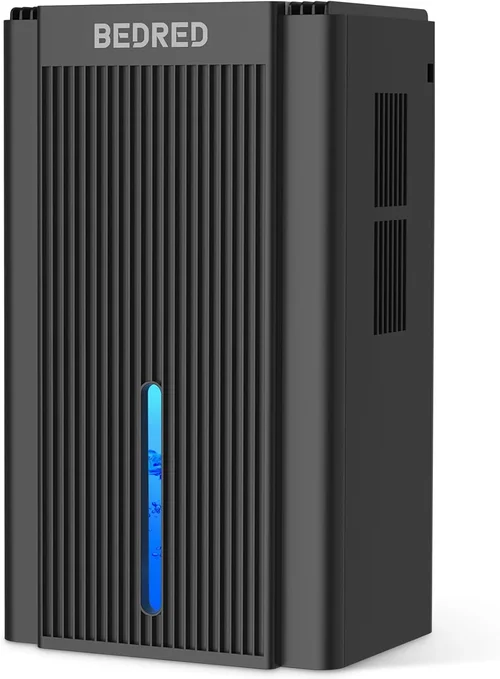
Dealing with excess moisture in your home isn’t just about comfort—it’s about protecting your health, your belongings, and the structural integrity of your living space. Whether you live in a humid climate, have a damp basement, or simply notice condensation on windows during certain seasons, a dehumidifier can be a game-changer. But with so many models on the market claiming to be “the best,” how do you choose the right one—especially for a 1,000-square-foot area?
This comprehensive buying guide is designed to cut through the noise and help you make an informed decision. We’ll walk you through everything you need to know: from understanding performance specs and energy efficiency to evaluating build quality, features, and long-term reliability. You’ll learn what separates a mediocre unit from a truly effective dehumidifier, how to avoid common purchasing pitfalls, and which models offer the best value for your specific needs. By the end, you’ll have the confidence to select a dehumidifier that delivers consistent results without overspending or underperforming.
The dehumidifier market has evolved significantly over the past decade. Today’s units are smarter, quieter, more energy-efficient, and better suited to modern homes than ever before. However, not all dehumidifiers are created equal—and choosing one sized or optimized for 1,000 square feet requires careful consideration. Oversized units waste energy and cycle too frequently, while undersized ones struggle to maintain comfortable humidity levels. This guide focuses specifically on that sweet spot: effective, efficient dehumidification for medium-sized spaces like apartments, townhomes, single-story houses, or finished basements up to 1,000 sq ft. Let’s dive in.

What to Look for When Buying Buying Guide
1. Capacity (Pints per Day)
The most critical specification when shopping for a dehumidifier is its moisture removal capacity, measured in pints per day (PPD). For a 1,000-square-foot space, you’ll typically need a unit rated between 30 and 50 pints per day, depending on humidity levels. Light dampness (like occasional musty smells) may only require a 30-pint model, while moderate to heavy moisture—such as standing water, frequent condensation, or visible mold—calls for a 40- to 50-pint unit. Always check the AHAM (Association of Home Appliance Manufacturers) rating, which tests performance under standardized conditions (60% relative humidity at 80°F). Avoid relying solely on manufacturer claims, as some inflate numbers based on ideal lab settings that don’t reflect real-world use.
2. Energy Efficiency & Operating Costs
Dehumidifiers run for hours each day, so energy consumption directly impacts your utility bill. Look for models with the ENERGY STAR® certification, which indicates they use at least 15% less energy than standard units. The energy factor (liters of water removed per kilowatt-hour) is another useful metric—higher is better. For example, a unit with an energy factor of 2.0 removes 2 liters of water for every kWh used. Over a year, this can translate to $30–$60 in savings compared to a less efficient model. Also consider the wattage: a typical 30-pint dehumidifier draws around 300–400 watts, while a 50-pint model may use 500–700 watts. Use a smart plug or energy monitor to track actual usage once installed.
3. Humidity Control & Sensors
Precise humidity control is essential for comfort and preventing over-drying. Most quality dehumidifiers include a built-in humidistat that lets you set your desired relative humidity level (ideally between 30% and 50%). Once reached, the unit automatically shuts off or switches to a low-power mode. Avoid models without this feature—they’ll keep running unnecessarily, wasting energy and potentially making your space too dry. Advanced units may offer digital displays, programmable timers, or even Wi-Fi connectivity so you can monitor and adjust settings remotely via a smartphone app. Some also include auto-restart after power outages, which is helpful during storms or brownouts.
4. Drainage Options
Emptying a water bucket every day is tedious and impractical for many users. That’s why drainage flexibility matters. Most dehumidifiers come with a removable bucket (typically 1–2 gallons) for manual emptying, but look for models that also support continuous drainage via a hose connection. This allows you to route water directly to a floor drain, sump pump, or even outside through a window. Gravity drainage works best when the outlet is lower than the unit; otherwise, you’ll need a model with a built-in condensate pump. Pumps add cost but are invaluable for basements or rooms without floor drains. Always ensure the hose port is accessible and compatible with standard garden hoses or vinyl tubing.
5. Noise Level
Since dehumidifiers often run overnight or in living areas, noise can be a dealbreaker. Measured in decibels (dB), most residential units range from 45 dB (quiet library) to 60 dB (normal conversation). For bedrooms or home offices, aim for 50 dB or lower. Compressor-based models tend to be louder than desiccant units, though newer inverter-driven compressors are significantly quieter. Check product specs for “low-noise” or “sleep mode” features, which reduce fan speed and compressor cycling during quiet hours. Real-world reviews often provide better insight than manufacturer specs—look for user feedback on nighttime operation.
6. Build Quality & Durability
A dehumidifier is a long-term investment, so robust construction matters. Look for units with metal housings (not flimsy plastic), sealed bearings in the fan motor, and corrosion-resistant coils—especially if used in basements or garages. The condenser and evaporator coils should be coated with anti-corrosion treatments like hydrophilic or epoxy coatings to extend lifespan. Internal components like the compressor and fan should be from reputable suppliers (e.g., Panasonic, LG, or GMCC). Avoid ultra-cheap models with thin casings or exposed wiring—they’re more prone to leaks, electrical issues, and premature failure.
7. Portability & Placement Flexibility
Even in a 1,000-square-foot space, you may want to move the dehumidifier between rooms (e.g., from basement to bedroom during humid months). Wheels and handles are essential for easy mobility. Four caster wheels (two locking) provide stability and smooth movement over carpet or tile. Weight matters too—most 30–50 pint units weigh 30–50 pounds, so ergonomic handles and balanced design help. Consider clearance requirements: most units need 6–12 inches of space around vents for proper airflow. If placing in a corner, ensure the intake and exhaust aren’t blocked.
8. Additional Features & Smart Capabilities
Beyond core functionality, modern dehumidifiers offer conveniences that enhance usability. Auto-defrost prevents ice buildup on coils in cold environments (below 65°F), crucial for basements or unheated spaces. Filter indicators remind you when to clean the air filter—a key maintenance task for airflow and efficiency. Some high-end models include air purification features like HEPA or activated carbon filters, which capture allergens, odors, and mold spores. Wi-Fi-enabled units (e.g., those compatible with Alexa or Google Home) allow remote monitoring and scheduling via apps. While not essential, these extras can justify a higher price if they align with your lifestyle.
Different Types of Buying Guide
For a 1,000-square-foot space, compressor-based dehumidifiers are generally the best choice due to their balance of power, efficiency, and affordability. Desiccant models are worth considering if your area stays cool year-round or if noise is a top priority. Avoid Peltier and mini units—they lack the capacity for whole-room dehumidification.
Common Buying Mistakes to Avoid
❌ Mistake: Buying Based Solely on Square Footage
Why it’s bad: Square footage alone doesn’t determine moisture load. A sunny, well-ventilated 1,000 sq ft apartment may need less dehumidification than a dark, poorly drained basement of the same size. Ignoring humidity severity leads to underpowered units that can’t keep up.
What to do instead: Assess your actual moisture problem. Use a hygrometer to measure indoor humidity. If it consistently reads above 60%, opt for a higher-capacity unit (40–50 pints). Consider factors like groundwater seepage, shower usage, or lack of ventilation.
❌ Mistake: Overlooking Drainage Needs
Why it’s bad: Many buyers assume they’ll just empty the bucket daily—but life gets busy. A full bucket means the unit stops working until manually emptied, defeating the purpose.
What to do instead: Choose a model with continuous drainage capability. Even if you don’t install a hose immediately, having the option future-proofs your purchase. Basement installations almost always benefit from a hose drain.
❌ Mistake: Ignoring Energy Efficiency
Why it’s bad: A cheap dehumidifier may cost less upfront but consume significantly more electricity over time. Non-ENERGY STAR models can increase your monthly bill by $10–$15 during peak season.
What to do instead: Prioritize ENERGY STAR certification and check the energy factor. Use online calculators to estimate annual operating costs based on local electricity rates.
❌ Mistake: Choosing the Loudest Model
Why it’s bad: A noisy dehumidifier disrupts sleep, concentration, and relaxation—especially if placed in open-plan living areas or bedrooms.
What to do instead: Read verified customer reviews focusing on noise levels. Look for decibel ratings under 52 dB for quiet operation. Test the unit in-store if possible.
❌ Mistake: Skipping Warranty and Support
Why it’s bad: Dehumidifiers contain complex components like compressors and sealed systems. Repairs can be costly, and some brands offer limited coverage.
What to do instead: Choose brands with at least a 2-year warranty (preferably 5 years on the compressor). Check if local service centers exist and whether parts are readily available.
❌ Mistake: Buying the Cheapest Option Available
Why it’s bad: Ultra-budget models often use inferior materials, lack safety certifications, and fail within 1–2 years. They may also pose fire or electrical hazards.
What to do instead: Set a realistic budget ($150 minimum for a reliable 30-pint unit). Invest in quality—it pays off in longevity, performance, and peace of mind.
❌ Mistake: Not Considering Maintenance
Why it’s bad: Dirty filters and clogged coils reduce efficiency, increase energy use, and shorten the unit’s lifespan. Neglecting maintenance voids warranties.
What to do instead: Choose models with washable, easy-access filters. Schedule monthly cleanings during humid seasons. Keep the unit level to prevent water leakage.
Budget Guidelines: How Much Should You Spend?
– Entry-Level ($100–$180): These are basic 30-pint compressor units suitable for light dampness in warm climates. Expect plastic builds, manual controls, and no continuous drainage. Brands like hOmeLabs or Eva-Dora offer decent entry options, but longevity may be limited. Ideal for seasonal use or small apartments.
– Mid-Range ($180–$300): This is the sweet spot for most 1,000 sq ft homes. You’ll find ENERGY STAR models with digital humidistats, auto-defrost, hose drainage, and quieter operation. Brands like Frigidaire, GE, and Tosot excel here. These units balance performance, efficiency, and durability—perfect for year-round use.
– Premium ($300–$450): Designed for demanding conditions, these 40–50 pint units feature robust compressors, advanced filtration, Wi-Fi connectivity, and extended warranties. Models from AprilAire or Midea’s high-end line include smart sensors, condensate pumps, and corrosion-resistant coatings. Worth it for basements, rental properties, or allergy sufferers.
– Luxury ($450+): Whole-house or commercial-grade dehumidifiers fall here. While overkill for 1,000 sq ft, they’re ideal if integrating with HVAC or managing extreme moisture. Expect professional installation, duct compatibility, and industrial-grade components. Only recommended for specialized needs.
Expert Tips for Getting the Best Deal
– Buy Off-Season: Dehumidifiers are cheapest in late fall and winter (October–February) when demand drops. Retailers often discount remaining summer stock by 20–30%.
– Check Retailer Return Policies: Choose stores with generous return windows (30–90 days). Test the unit for a week to ensure it meets your noise, drainage, and performance expectations.
– Look for Bundle Deals: Some retailers offer discounts when purchasing with air purifiers, hygrometers, or extended warranties. Amazon and Home Depot occasionally run “appliance bundles.”
– Verify ENERGY STAR Rebates: Many utility companies offer rebates ($20–$50) for ENERGY STAR dehumidifiers. Check your provider’s website before buying.
– Read Recent Reviews: Product performance can change with new manufacturing batches. Focus on reviews from the past 6–12 months for accuracy.
– Consider Refurbished Models: Certified refurbished units from reputable sellers (e.g., manufacturer outlets) often come with full warranties at 20–40% off retail.
– Test Before Committing: If buying in-store, ask to see the unit powered on. Listen for rattling, check hose connections, and verify display functionality.
– Register Your Warranty Immediately: Some brands require registration within 10–30 days of purchase to activate coverage. Keep your receipt and serial number handy.
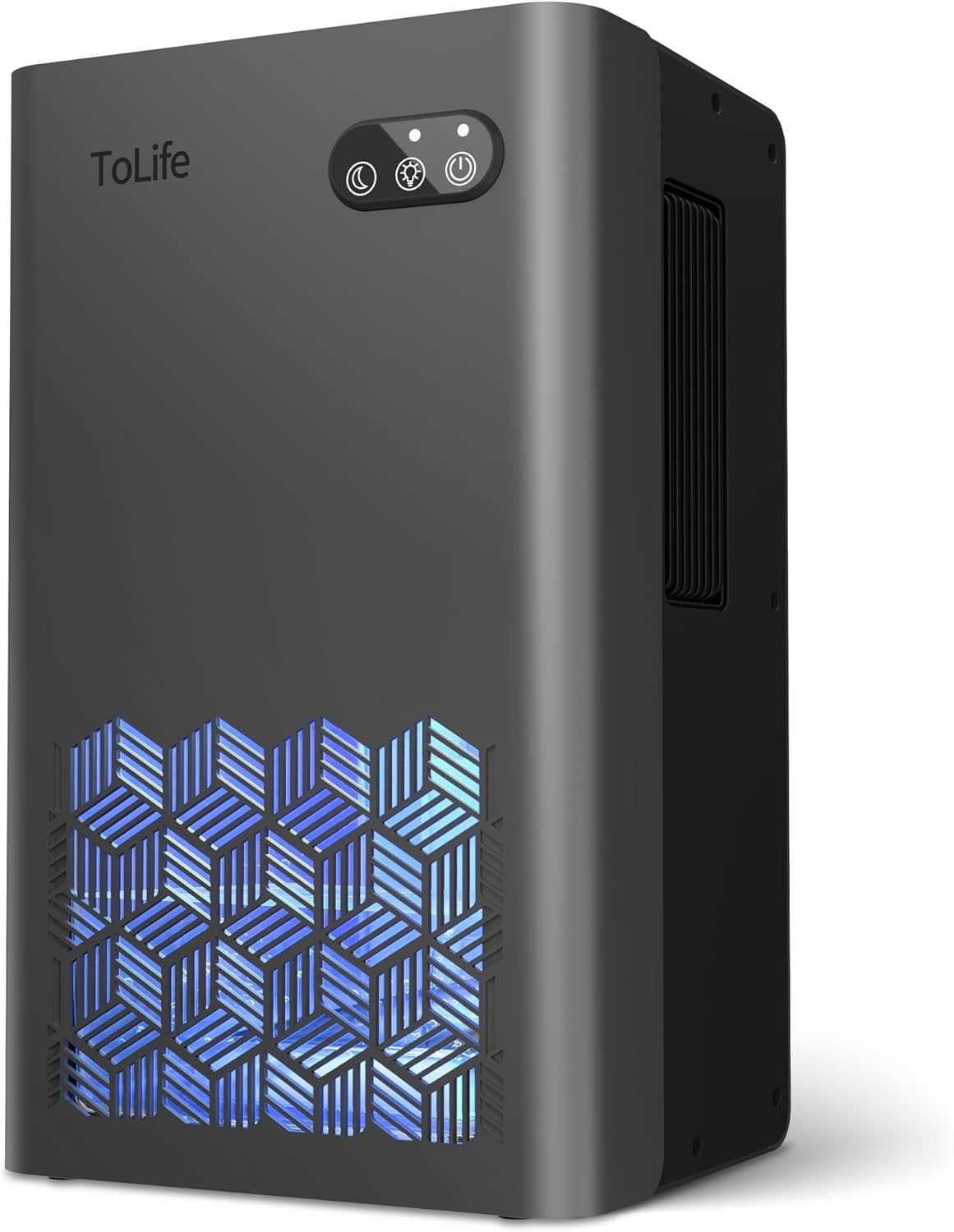
Frequently Asked Questions
Q: Can one dehumidifier cover my entire 1,000 sq ft home?
A: Yes, if placed centrally and your home has open floor plans or good air circulation. However, closed-off rooms (like basements or upstairs bedrooms) may need supplemental units. For multi-level homes, consider placing the dehumidifier on the main floor or using fans to distribute dry air.
Q: How often should I clean the filter?
A: Clean the air filter every 2–4 weeks during heavy use (spring/summer). Rinse it under warm water and let it dry completely before reinserting. A clogged filter reduces airflow by up to 30%, forcing the unit to work harder.
Q: Will a dehumidifier help with mold?
A: Yes—but only if humidity is consistently controlled below 50%. Dehumidifiers prevent new mold growth but won’t remove existing colonies. Always clean visible mold first (with proper safety gear) and fix any water sources.
Q: Can I run a dehumidifier in winter?
A: Only if the room stays above 60°F. Most compressor units shut down or defrost frequently below this temperature. For cold basements, choose a desiccant model or one with auto-defrost.
Q: Does a dehumidifier cool the room?
A: Not significantly. While it removes latent heat (moisture), the net effect is usually a slight warming due to compressor heat output. Use it alongside AC for best comfort.
Q: How do I know if my dehumidifier is working properly?
A: Monitor your hygrometer—humidity should stabilize at your set point (±5%). Check the bucket or drain hose for water output. If the unit runs constantly but humidity stays high, the coil may be iced over or the refrigerant low.
Q: Are portable dehumidifiers safe to leave unattended?
A: Yes, modern units have auto-shutoff when the bucket is full and thermal protection against overheating. Still, avoid placing them near curtains, paper, or flammable materials.
Q: Can I use a dehumidifier in an unheated garage?
A: Only with a cold-weather model (desiccant or compressor with auto-defrost). Standard units will ice up and stop working below 65°F.
Q: What’s the ideal humidity level for my home?
A: Between 30% and 50%. Below 30%, air becomes too dry (causing static and respiratory irritation). Above 50%, mold and dust mites thrive.
Q: Do dehumidifiers use a lot of electricity?
A: Compared to AC, no—but they’re not free to run. A 50-pint ENERGY STAR model uses about 500 watts and costs roughly $0.08–$0.12 per hour to operate, depending on your electricity rate.
Our Final Recommendations
– Best for Budget-Conscious Buyers: Tosot 30 Pint Dehumidifier – At under $180, it offers digital controls, continuous drainage, and solid build quality. Great for mild humidity in apartments or small homes.
– Best Overall Value: Frigidaire FFAD7033R1 70-Pint (AHAM-rated ~50 Pint) – Despite the 70-pint label, its AHAM rating aligns perfectly with 1,000 sq ft needs. ENERGY STAR certified, quiet (51 dB), and includes a washable filter and hose drain.
– Best Premium Option: AprilAire E080 Pro 80-Pint Crawl Space Dehumidifier – Overkill for most, but unmatched for severe moisture or unfinished basements. Features a condensate pump, 5-year warranty, and commercial-grade durability.
– Best for Beginners: hOmeLabs 4,500 Sq. Ft Energy Star Dehumidifier (50 Pint) – Simple interface, reliable performance, and excellent customer support. Includes casters, timer, and auto-restart—ideal for first-time buyers.
– Best for Advanced Users: Midea MAD50C1ZWS 50-Pint Smart Dehumidifier – Wi-Fi enabled, compatible with Alexa/Google, and includes a built-in pump. Perfect for tech-savvy homeowners who want remote monitoring and scheduling.
Conclusion: Making the Right Choice
Choosing the best dehumidifier for a 1,000-square-foot space doesn’t have to be overwhelming. By focusing on capacity, energy efficiency, drainage options, and real-world performance—not just price or marketing claims—you’ll find a unit that keeps your home comfortable, healthy, and protected from moisture damage. Remember: the right dehumidifier isn’t the most expensive or the flashiest—it’s the one that reliably maintains your ideal humidity level with minimal hassle.
Prioritize your specific needs: Do you need quiet operation for a bedroom? Continuous drainage for a basement? Smart features for remote control? Use this guide as your roadmap, and don’t rush the decision. A well-chosen dehumidifier can serve you faithfully for 8–10 years or more, paying dividends in air quality, energy savings, and peace of mind. When you’re ready, compare our top recommendations, read recent user reviews, and take advantage of off-season deals. Your home—and your lungs—will thank you.