
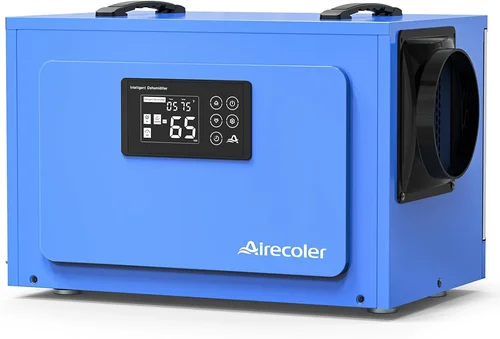
If you’ve ever opened your attic hatch on a humid summer day and been hit with a wave of damp, musty air, you know how quickly moisture can become a silent enemy in your home. Attics are notorious for poor ventilation, temperature extremes, and hidden condensation issues—conditions that create the perfect breeding ground for mold, mildew, wood rot, and pest infestations. Left unchecked, excess humidity in your attic can compromise your home’s structural integrity, reduce insulation effectiveness, and even impact indoor air quality throughout your living spaces. That’s where a high-quality attic dehumidifier comes in: not just as a convenience, but as a critical investment in your home’s long-term health.
This comprehensive buyer’s guide is designed to cut through the noise and help you make an informed, confident decision when selecting the best dehumidifier for your attic. Whether you’re dealing with seasonal dampness, chronic moisture buildup, or simply want to proactively protect your home, we’ll walk you through everything you need to know—from key performance specs and installation considerations to budget planning and expert tips. We’ve analyzed dozens of models, consulted HVAC professionals, and reviewed real-world user experiences to deliver actionable insights tailored specifically to attic environments. By the end of this guide, you’ll understand exactly what features matter most, which types suit your needs, and how to avoid common pitfalls that lead to wasted money or underperforming units.
The market for dehumidifiers has exploded in recent years, with options ranging from compact residential units to industrial-grade systems capable of handling massive square footage. However, not all dehumidifiers are created equal—especially when it comes to the unique challenges of attic spaces. Unlike basements or crawlspaces, attics often lack easy access, have limited power sources, experience extreme temperature swings, and may require specialized drainage or remote monitoring. This means that choosing the right unit isn’t just about picking the one with the highest pint-per-day rating. It’s about finding a balance of durability, efficiency, smart features, and reliability that aligns with your specific attic conditions and home setup. Let’s dive into the critical factors that will guide your decision.

What to Look for When Buying Buying Guide
1. Performance Specifications
When evaluating attic dehumidifiers, performance specs are your first line of defense against moisture. The most important metric is the unit’s moisture removal capacity, typically measured in pints per day (PPD). For attics, aim for a minimum of 50–70 PPD if your space is moderately humid, but consider 70+ PPD for larger attics (over 1,000 sq ft) or regions with high ambient humidity (like the Southeast U.S.). However, don’t rely solely on PPD—also check the operating temperature range. Many standard dehumidifiers shut down below 65°F, but attics can drop well below that in winter. Look for cold-climate models rated down to 41°F or lower.
Another key spec is the unit’s energy efficiency, expressed as liters of water removed per kilowatt-hour (L/kWh) or Energy Factor (EF). Higher EF means lower operating costs. Since attics often run dehumidifiers continuously during humid months, even small efficiency gains add up. Also verify the unit’s CFM (cubic feet per minute) airflow—higher CFM ensures better air circulation in tight or poorly ventilated attics. Finally, check the humidity control precision: units with digital hygrostats allow you to set exact RH levels (ideally 30–50% for attics), while mechanical controls may fluctuate by ±5–10%.
2. Build Quality & Durability
Attics are harsh environments—subject to dust, temperature extremes, and limited maintenance access. A flimsy plastic housing or thin-gauge metal won’t cut it. Prioritize dehumidifiers with robust, corrosion-resistant construction. Look for powder-coated steel cabinets, sealed electronics, and components rated for continuous operation. Internal parts like coils and compressors should be designed for longevity; some premium models use hot-gas defrost systems to prevent ice buildup in cold attics, extending compressor life.
Also consider ingress protection (IP) ratings if your attic is prone to dust or occasional water exposure. While full waterproofing isn’t typical, units with sealed control panels and protected electrical compartments offer peace of mind. Check for certifications like ETL, UL, or CSA—these indicate compliance with safety and durability standards. Remember: a dehumidifier that fails after two seasons costs more in the long run than a slightly pricier but durable model built to last a decade.
3. Features & Functionality
Smart features can make or break your attic dehumidifier experience. Auto-restart is essential—if power flickers (common in older homes), the unit should resume operation without manual intervention. Continuous drainage is non-negotiable for most attic installations; look for built-in condensate pumps or gravity drain compatibility with hose outlets. A built-in pump allows vertical drainage up to 15 feet, crucial if your attic floor is far from a downspout or exterior wall.
Remote monitoring via Wi-Fi or Bluetooth is increasingly valuable. Models with smartphone apps let you check humidity levels, adjust settings, or receive alerts if the unit malfunctions—all without crawling into the attic. Some units even integrate with smart home systems like Alexa or Google Home. Additional useful features include programmable timers, filter change indicators, and auto-defrost. Avoid “gimmick” features like ionizers or UV lights unless backed by independent efficacy data—they rarely justify the added cost in attic applications.
4. Size & Portability
While attics aren’t living spaces, portability still matters during installation and occasional maintenance. A unit that’s too heavy or bulky may require two people to maneuver through narrow hatches or pull-down ladders. Look for integrated handles, wheels, or lightweight designs (under 50 lbs for solo handling). However, don’t sacrifice performance for portability—some of the most effective attic dehumidifiers are stationary units designed for permanent mounting.
Consider the physical footprint: measure your intended installation area (often near the attic access point or central joist bay). Allow at least 6–12 inches of clearance on all sides for airflow. Wall-mountable or ceiling-hung models save floor space but require professional installation. If your attic has low headroom, opt for a low-profile design. Remember, once installed, you likely won’t move the unit often—so prioritize stability and secure placement over ease of relocation.
5. Brand Reputation & Reliability
Not all dehumidifier brands are equal when it comes to attic-specific performance. Stick with manufacturers known for HVAC expertise and long-term reliability. Brands like AprilAire, Santa Fe, and Dri-Eaz dominate the professional market with proven track records in challenging environments. Consumer brands like Frigidaire, hOmeLabs, or GE offer solid mid-tier options but may lack the ruggedness needed for year-round attic duty.
Research brand history: How long have they been making dehumidifiers? Do they specialize in whole-house or commercial systems? Check third-party reviews on sites like Consumer Reports, HVAC forums, or Reddit’s r/HomeImprovement. Avoid obscure brands with no service network—if your unit fails in year three, you’ll want local repair support or easy warranty claims. Also verify that the brand offers attic-specific models or configurations; generic basement units often underperform in unconditioned spaces.
6. Warranty & Support
A dehumidifier is a long-term investment, so warranty coverage is critical. Standard warranties range from 1 to 5 years, but attic units should ideally come with at least a 3-year comprehensive warranty covering parts and labor. Some premium brands offer 5–7 year compressor warranties—a sign of confidence in durability. Read the fine print: many warranties void if the unit is installed in an attic without proper ventilation or drainage, so ensure your setup complies.
Customer support quality varies widely. Test responsiveness by calling the support line before purchasing—ask technical questions about attic installation. Look for brands with U.S.-based support, detailed installation guides, and video tutorials. Extended warranty programs or service contracts can be worthwhile for high-end units. Avoid brands that require you to ship the entire unit for repairs; modular designs with replaceable components save time and hassle.
7. Budget & Price Range
Attic dehumidifiers span a wide price spectrum, from under $200 for basic models to over $2,000 for commercial-grade systems. Your budget should reflect your attic size, humidity severity, and how critical moisture control is to your home’s health. Don’t automatically go for the cheapest option—underpowered units run constantly, wear out faster, and may not achieve target humidity levels. Conversely, overspending on excessive capacity wastes money and energy.
Factor in total cost of ownership: electricity usage, replacement filters, and potential installation costs (e.g., hiring an electrician for dedicated circuits). A $600 unit that saves $50/year in energy versus a $400 model pays for itself in four years. Set a realistic budget based on your needs, not marketing claims. Mid-range ($500–$1,200) often offers the best balance of performance, features, and durability for most homeowners.
8. User Reviews & Real-World Performance
Spec sheets tell part of the story—real user experiences reveal the rest. Scour verified purchase reviews on Amazon, Home Depot, or specialty HVAC sites. Pay attention to comments about attic use specifically: Does the unit handle temperature swings? Is drainage reliable? How noisy is it (important if near bedrooms)? Look for patterns: if multiple users report compressor failure after 18 months, that’s a red flag.
Beware of fake reviews or inflated ratings. Focus on detailed, photo-backed reviews from users with similar attic conditions (e.g., “installed in 800 sq ft unvented attic in Florida”). Cross-reference with professional installer feedback—HVAC technicians often share insights on Reddit or forums about which brands they trust for attic jobs. Real-world performance trumps lab-tested specs every time.
Different Types of Buying Guide

Common Buying Mistakes to Avoid
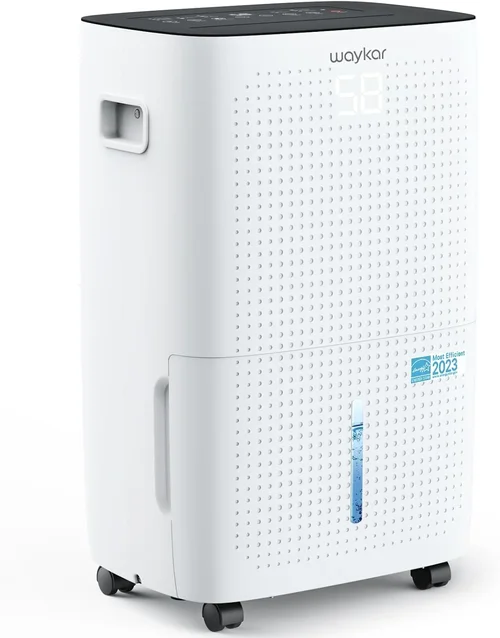
❌ Mistake: Choosing Based Solely on Pint Capacity
Why it’s bad: A 70-pint unit sounds impressive, but if it shuts off at 60°F, it’s useless in a cold attic during winter months when condensation still occurs. Oversized units also cycle on/off frequently, reducing efficiency and lifespan.
What to do instead: Match capacity to your attic’s square footage and climate. Use manufacturer sizing charts that factor in both area and local humidity. Prioritize operating temperature range over raw PPD.
❌ Mistake: Ignoring Drainage Requirements
Why it’s bad: Emptying a bucket weekly in a hard-to-reach attic is impractical and leads to neglect. Overflowing water can damage insulation or ceilings.
What to do instead: Invest in a unit with continuous drainage—either gravity-fed (with a nearby floor drain or exterior wall) or a built-in condensate pump. Ensure hose routing is feasible before purchase.
❌ Mistake: Overlooking Power Source Limitations
Why it’s bad: Many attics lack dedicated outlets or GFCI protection. Plugging a high-wattage dehumidifier into an overloaded circuit risks tripping breakers or fire hazards.
What to do instead: Have an electrician assess your attic’s wiring. Consider units with lower amp draws or install a dedicated 15–20A circuit. Never use extension cords permanently.
❌ Mistake: Buying a Basement Dehumidifier for Attic Use
Why it’s bad: Basement units aren’t designed for temperature extremes, dust, or lack of ventilation. They may overheat, freeze, or fail prematurely in attics.
What to do instead: Choose models explicitly rated for unconditioned spaces or “attic use.” Look for features like auto-defrost, sealed components, and high-temperature cutoffs.
❌ Mistake: Skipping Professional Installation
Why it’s bad: Improper mounting, poor drainage routing, or incorrect electrical connections can void warranties, cause leaks, or create safety risks.
What to do instead: For whole-house or hardwired units, hire a licensed HVAC technician. Even portable units benefit from expert advice on placement and ducting.
❌ Mistake: Neglecting Maintenance Needs
Why it’s bad: Clogged filters or dirty coils reduce efficiency by 30% or more. Inaccessible units often go unchecked until problems arise.
What to do instead: Choose models with easy-access filters and self-cleaning coils. Schedule bi-annual checks—clean filters, inspect drains, and verify humidity settings.
❌ Mistake: Falling for “Set It and Forget It” Marketing
Why it’s bad: No dehumidifier is truly maintenance-free. Humidity needs change seasonally; sensors drift over time.
What to do instead: Monitor performance quarterly. Use a standalone hygrometer to verify accuracy. Adjust settings as seasons change—higher RH in winter, lower in summer.
Budget Guidelines: How Much Should You Spend?
Entry-Level ($200–$400): These are typically small, portable refrigerant units best suited for tiny attics (under 500 sq ft) or seasonal use. Expect basic controls, manual drainage, and limited cold-weather performance. Ideal for renters or mild climates, but may struggle in high-humidity regions or year-round operation.
Mid-Range ($500–$1,200): This is the sweet spot for most homeowners. Units offer 50–70 PPD, digital hygrostats, continuous drainage options, and decent cold-weather operation (down to 50–55°F). Brands like hOmeLabs, Frigidaire, and AprilAire offer reliable models here with 2–3 year warranties. Great balance of cost, features, and durability.
Premium ($1,200–$2,500): Designed for serious moisture control, these include desiccant models, whole-house integrations, and commercial-grade refrigerant units. Features like Wi-Fi monitoring, condensate pumps, and extended temperature ranges (down to 41°F or lower) are standard. Perfect for large attics, historic homes, or humid climates.
Luxury ($2,500+): Industrial-strength systems for extreme conditions—think 100+ PPD, stainless steel construction, and full HVAC integration. Often used in museums, archives, or luxury estates. Overkill for average homes but unmatched in reliability and precision.
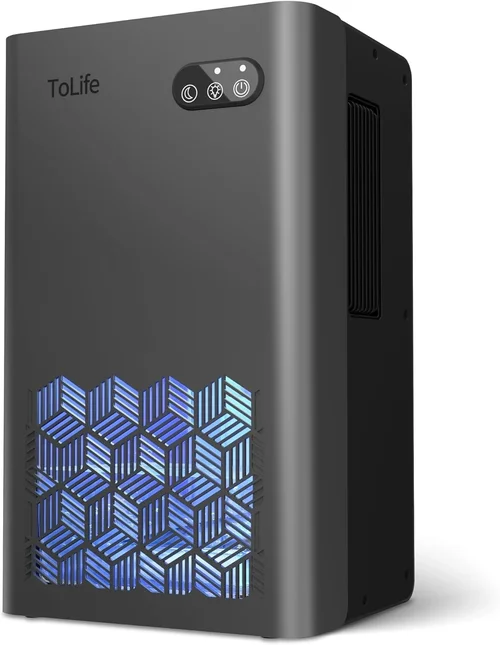
Expert Tips for Getting the Best Deal
1. Buy Off-Season: Prices drop significantly in late fall and winter (October–February) when demand is low. Retailers clear inventory for new models. You’ll save 15–30% versus spring/summer purchases.
2. Check HVAC Supply Houses: Local distributors often sell professional-grade units (like AprilAire or Santa Fe) at lower prices than big-box stores—and include technical support. Ask about contractor pricing even as a homeowner.
3. Bundle with Installation: Some HVAC companies offer discounts if you purchase the unit through them. They’ll ensure proper sizing, wiring, and drainage—saving future headaches.
4. Look for Energy Rebates: Utility companies in humid states (FL, TX, LA) often rebate ENERGY STAR dehumidifiers. Check DSIRE.org for local programs—rebates can cover $50–$200.
5. Read Return Policies Carefully: Attic units are heavy and expensive to return. Ensure the retailer offers free return shipping and a 30–60 day trial period. Avoid restocking fees.
6. Test Before Committing: If possible, rent a commercial unit for a week to verify it meets your needs. Many restoration companies offer short-term rentals.
7. Negotiate Extended Warranties: Dealers may discount extended coverage if bought upfront. Compare third-party warranty providers—they’re often cheaper than manufacturer plans.
8. Join Online Communities: Reddit’s r/HomeImprovement and HVAC-Talk forums frequently share deal alerts, user experiences, and installer recommendations. Knowledge is power.
Frequently Asked Questions
Q: Can I use a regular basement dehumidifier in my attic?
A: Not recommended. Basement units aren’t built for temperature extremes, dust, or lack of ventilation. They may overheat in summer or freeze in winter, leading to premature failure. Always choose a model rated for unconditioned spaces.
Q: How do I drain a dehumidifier in an attic with no floor drain?
A: Use a unit with a built-in condensate pump ( lifts water vertically up to 15 ft) or route a gravity hose to an exterior wall, window, or soffit vent. Ensure the hose has a slight downward slope and is secured to prevent kinks.
Q: What humidity level should I maintain in my attic?
A: Aim for 30–50% relative humidity. Below 30% risks wood drying and cracking; above 50% encourages mold. Use a standalone hygrometer to verify your dehumidifier’s readings.
Q: Do I need a dedicated circuit for my attic dehumidifier?
A: Highly recommended. Most units draw 5–8 amps. Sharing a circuit with lights or outlets can cause nuisance tripping. A dedicated 15–20A GFCI circuit ensures safe, reliable operation.
Q: How often should I clean the filter?
A: Every 2–4 weeks during peak season, or when the filter indicator lights up. Dirty filters restrict airflow, reducing efficiency by up to 30%. Use mild soap and water—never harsh chemicals.
Q: Will a dehumidifier increase my electric bill significantly?
A: It depends on usage and efficiency. A 500W unit running 12 hours/day costs ~$60/year at $0.12/kWh. ENERGY STAR models use 15–20% less energy. Compare EF ratings to minimize costs.
Q: Can I install a dehumidifier myself?
A: Portable units: yes, with basic tools. Hardwired or whole-house systems: hire a licensed electrician and HVAC pro. Improper installation voids warranties and poses safety risks.
Q: What’s the difference between refrigerant and desiccant dehumidifiers for attics?
A: Refrigerant units excel in warm, humid conditions but lose efficiency below 65°F. Desiccants use a moisture-absorbing wheel and work down to 20°F, making them ideal for cold attics—but they’re quieter and more expensive.
Q: How do I know if my attic really needs a dehumidifier?
A: Signs include musty odors, condensation on roof sheathing, mold growth, warped wood, or increased indoor humidity. Use a moisture meter on wood surfaces—above 16% indicates a problem.
Q: Can a dehumidifier replace attic ventilation?
A: No. Proper soffit, ridge, and gable vents are essential for airflow. A dehumidifier complements ventilation but doesn’t replace it. Combine both for optimal moisture control.
Our Final Recommendations
Best for Budget-Conscious Buyers: hOmeLabs HME020034N – At under $400, this 50-pint unit offers solid performance for small to mid-sized attics, digital controls, and continuous drainage. Lacks cold-weather operation but ideal for warm climates.
Best Overall Value: AprilAire E080V1 – Priced around $900, this 80-pint whole-house compatible unit features a condensate pump, Wi-Fi monitoring, and operates down to 50°F. Built like a tank with a 5-year warranty.
Best Premium Option: Santa Fe Compact 70 – A desiccant powerhouse ($2,200) that thrives in cold attics, removes 70 pints/day, and includes remote monitoring. Perfect for extreme climates or historic homes.
Best for Beginners: Frigidaire FFAD7033R1 – User-friendly 70-pint model ($600) with auto-humidistat, washable filter, and gravity drain. Great entry point with reliable performance.
Best for Advanced Users: Dri-Eaz F413 – Commercial-grade refrigerant unit ($1,800) with 130 PPD capacity, ducting options, and rugged construction. For large attics or professional restorers.
Conclusion: Making the Right Choice
Choosing the best dehumidifier for your attic isn’t just about buying an appliance—it’s about safeguarding your home’s structure, air quality, and long-term value. By focusing on performance specs that match your climate, prioritizing durability for harsh attic conditions, and investing in smart features like continuous drainage and remote monitoring, you’ll avoid the pitfalls that plague so many homeowners. Remember, the cheapest option rarely delivers the best results, and overspending on unnecessary capacity wastes resources. Instead, align your purchase with your specific needs: attic size, humidity severity, and how much maintenance you’re willing to perform.
Use this guide as your roadmap. Compare types, scrutinize real user reviews, and don’t hesitate to consult an HVAC professional for complex installations. And when in doubt, lean toward reliability over flashy features—your attic doesn’t need a smart speaker; it needs a workhorse that runs quietly and efficiently season after season. With the right dehumidifier in place, you’ll breathe easier knowing your home is protected from the silent threat of moisture. Now’s the time to act—before the next humid spell turns your attic into a mold factory.