
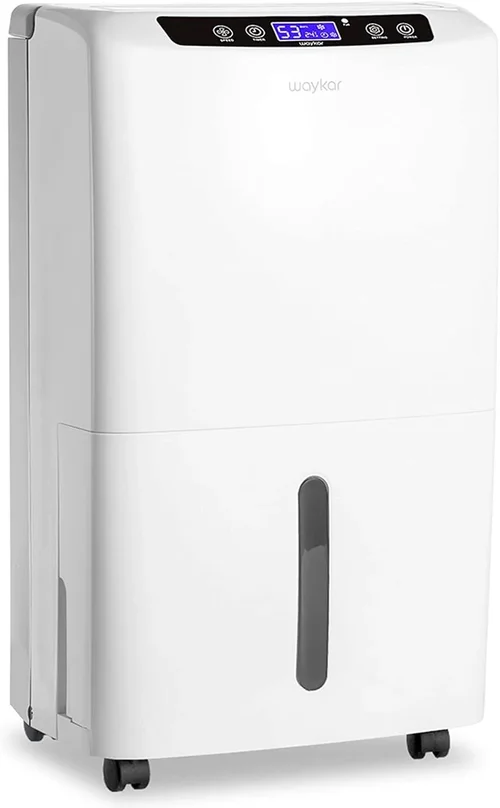
Dealing with excess moisture in a large room isn’t just about comfort—it’s about protecting your home, your health, and your belongings. Whether you’re managing a damp basement, a sprawling living area, or a humid garage, high humidity levels can lead to mold growth, musty odors, warped wood, and even respiratory issues. That’s why choosing the right dehumidifier for a large space is one of the most important home maintenance decisions you can make. But with so many models on the market—ranging from compact units to industrial-grade machines—it’s easy to feel overwhelmed.
This comprehensive guide is designed to cut through the noise and help you make an informed, confident decision. We’ll walk you through everything you need to know: from understanding key performance specs like pint capacity and coverage area, to evaluating build quality, smart features, and long-term reliability. You’ll learn how to match a dehumidifier to your specific room size, climate, and usage needs—whether you’re tackling seasonal humidity spikes or year-round moisture problems. By the end, you’ll have a clear roadmap to find the best dehumidifier for your large room, without overspending or settling for underpowered equipment.
The dehumidifier market has evolved significantly in recent years. Today’s models are more energy-efficient, quieter, and smarter than ever before. Brands like Frigidaire, hOmeLabs, GE, and AprilAire now offer units capable of handling spaces over 3,000 square feet, with advanced humidity sensors, automatic defrost, and even Wi-Fi connectivity. Yet, not all “large room” dehumidifiers are created equal. Some claim high pint ratings but fall short in real-world performance. Others prioritize flashy features over core functionality. Our goal is to help you separate marketing hype from genuine value, so you invest in a unit that delivers consistent, reliable results—season after season.
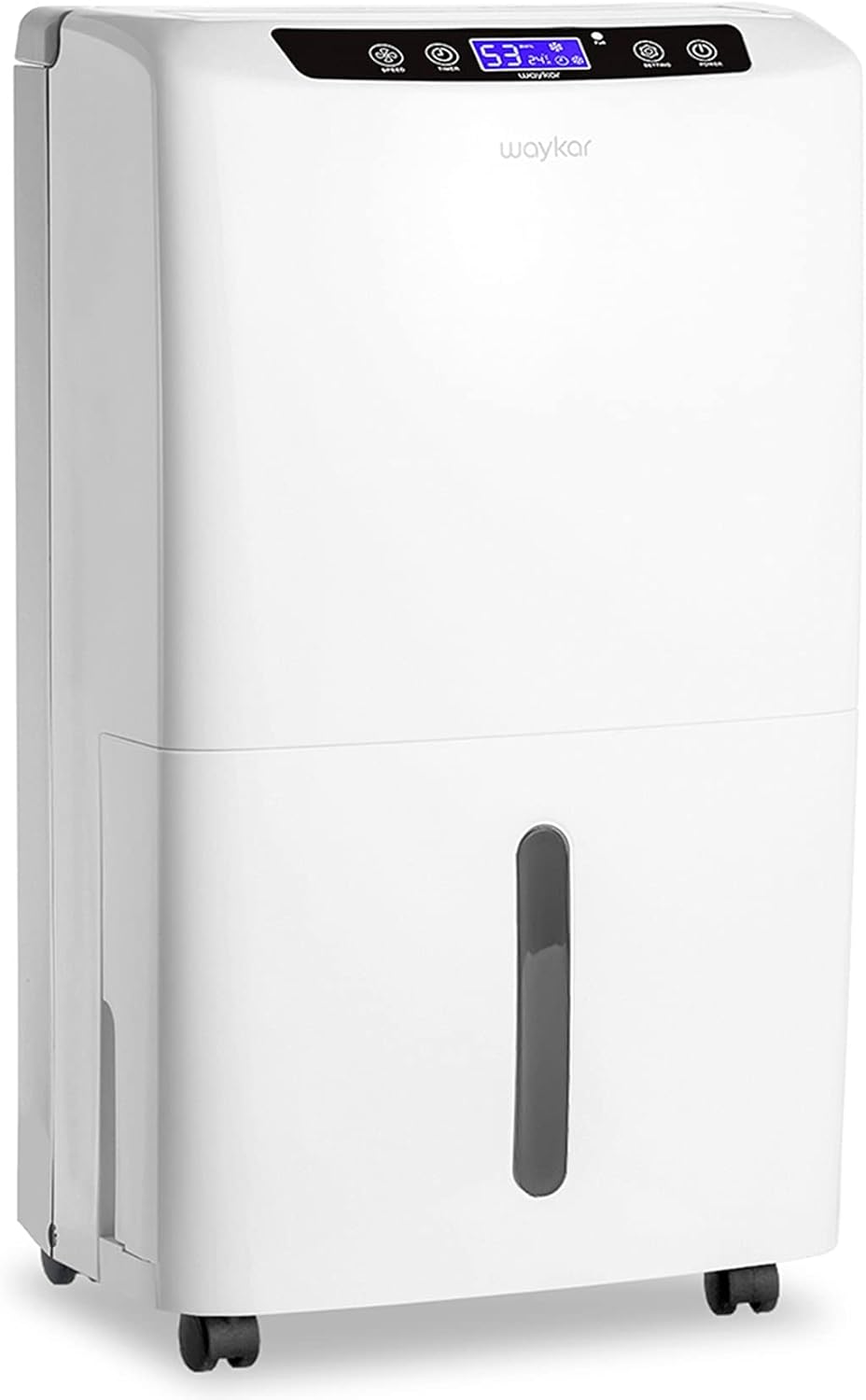
What to Look for When Buying Buying Guide
1. Pint Capacity and Coverage Area
The most critical factor when selecting a dehumidifier for a large room is its pint capacity—the amount of moisture it can remove from the air in 24 hours. For large spaces (typically 2,500 to 4,000+ square feet), you’ll generally need a unit rated between 50 and 70 pints per day (PPD). However, don’t rely solely on the manufacturer’s stated capacity. Many brands test under ideal lab conditions (80°F and 60% relative humidity), which don’t reflect real-world basements or garages that may be cooler and damper.
Always cross-reference the pint rating with the recommended coverage area. A 70-pint dehumidifier might be advertised for up to 4,000 sq. ft., but if your room is below grade (like a basement), has poor ventilation, or experiences frequent water intrusion, you may need a higher-capacity model or even dual units. Look for Energy Star-certified models, as they undergo more rigorous testing and often deliver better real-world efficiency.
2. Energy Efficiency and Operating Costs
Dehumidifiers run for hours each day, especially in humid climates or during summer months. A unit that removes moisture efficiently but consumes excessive electricity can quickly become a financial burden. Check the Energy Factor (EF) rating—measured in liters of water removed per kilowatt-hour (L/kWh). Higher EF values mean better efficiency. For example, a model with an EF of 1.8 is more efficient than one with 1.5.
Energy Star-certified dehumidifiers must meet strict efficiency guidelines and typically use 15–20% less energy than standard models. Over a year, this can translate to $30–$60 in savings, depending on local electricity rates and usage. Also consider the unit’s wattage: most large-room dehumidifiers draw between 500 and 750 watts. While this is normal, running multiple high-wattage appliances on the same circuit can trip breakers—so ensure your electrical setup can handle the load.
3. Build Quality and Durability
A dehumidifier is a long-term investment, and build quality directly impacts its lifespan. Look for models with robust casings made from high-impact plastic or metal, reinforced coils, and sealed compressors. Units with corrosion-resistant coatings are ideal for damp environments like basements or crawl spaces. Avoid flimsy plastic components or poorly sealed seams, which can lead to leaks or premature failure.
Internally, check for features like automatic defrost (essential for cold environments), washable air filters, and sturdy drainage systems. A well-built unit should last 5–7 years with proper maintenance. Brands like AprilAire and Santa Fe are known for their commercial-grade construction, while consumer favorites like Frigidaire and hOmeLabs offer solid mid-tier durability at lower price points.
4. Features and Functionality
Modern dehumidifiers come packed with features that enhance convenience and performance. Key functionalities to look for include:
- Humidistat: Allows you to set and maintain a target humidity level (ideally 30–50%). Units with digital displays offer precise control.
- Auto Shutoff: Turns off the unit when the water tank is full, preventing overflow.
- Continuous Drain Option: Lets you connect a garden hose for hands-free drainage—ideal for basements or unattended operation.
- Timer and Delay Start: Enables scheduled operation to save energy or run during off-peak hours.
- Wi-Fi and Smart Controls: Some premium models (like the GE Profile PHD50) offer app-based monitoring and voice control via Alexa or Google Assistant.
- Air Filtration: Built-in HEPA or activated carbon filters can improve indoor air quality by trapping dust, allergens, and odors.
While smart features are nice, prioritize core functionality. A dehumidifier that reliably removes moisture is more valuable than one with flashy apps but poor performance.
5. Noise Level and Operational Comfort
Large-room dehumidifiers often run for extended periods, so noise can be a significant concern—especially in living areas, bedrooms, or home offices. Most units operate between 45 and 60 decibels (dB), comparable to a quiet conversation or moderate rainfall. However, some compressors and fans can produce noticeable hums or rattles.
Check manufacturer specs for sound ratings. Units with insulated cabinets, variable-speed fans, or “quiet mode” settings tend to be quieter. If noise is a top priority, consider placing the dehumidifier in a utility room or basement and using ducting to direct airflow. Avoid models with exposed fans or poorly damped vibrations, as these can become annoying over time.
6. Portability and Design
Even in large rooms, you may need to move your dehumidifier between areas—such as from the basement to the garage or upstairs during humid seasons. Look for models with recessed handles, smooth-rolling casters, and a compact footprint. A unit that’s too heavy or awkwardly shaped can be difficult to maneuver, especially on stairs or over thresholds.
Design also affects placement flexibility. Front- or top-mounted control panels are easier to access, while side or rear drainage ports allow for tighter wall clearance. Some units feature cord wraps or built-in storage for hoses and filters—small details that enhance usability.
7. Brand Reputation and Customer Support
Not all dehumidifier brands are equal in terms of reliability and service. Established manufacturers like Frigidaire, GE, Whirlpool, and hOmeLabs have strong track records for performance and customer support. Look for brands with readily available replacement parts, clear warranty terms, and responsive customer service.
Research user forums, Reddit communities, and third-party review sites to gauge real-world experiences. A brand may advertise a “lifetime warranty,” but if their support team is unresponsive or parts are discontinued, the warranty becomes meaningless. Prioritize companies with U.S.-based support and online troubleshooting resources.
8. Warranty and Long-Term Value
A good warranty reflects a manufacturer’s confidence in their product. Most consumer dehumidifiers come with a 1- to 2-year limited warranty, covering parts and labor. Premium models may offer 3- to 5-year coverage, especially on compressors and coils—the most critical and expensive components.
Read the fine print: some warranties exclude “normal wear and tear,” improper installation, or use in commercial settings. Extended warranties are available but often not worth the cost unless you’re buying a high-end unit. Instead, focus on brands with strong reputations and consider purchasing from retailers that offer hassle-free return policies.
Different Types of Buying Guide

Common Buying Mistakes to Avoid
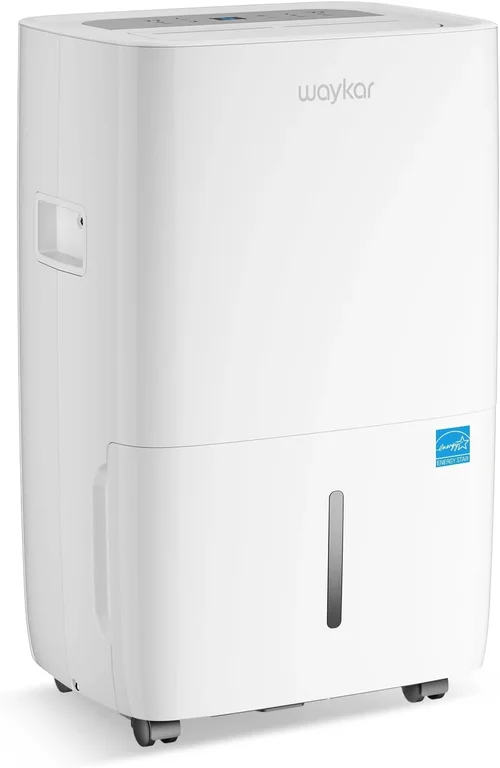
❌ Mistake: Choosing Based Solely on Pint Rating
Why it’s bad: A 70-pint dehumidifier sounds impressive, but if it’s only effective in warm, moderately humid conditions, it may struggle in a cold, damp basement. Manufacturers often inflate ratings under ideal lab settings, leading to underperformance in real homes.
What to do instead: Match the pint capacity to your room’s actual conditions. Use online calculators or consult HVAC professionals to determine the right size. When in doubt, go one size up—especially if your space has water intrusion or poor ventilation.
❌ Mistake: Ignoring Drainage Options
Why it’s bad: Emptying a 15–20 gallon water tank every day is tedious and impractical for large rooms. Without continuous drainage, you risk overflow, mold growth, or the unit shutting off prematurely.
What to do instead: Choose a model with a built-in pump or gravity drain hose outlet. A condensate pump (like those in the AprilAire 1820) can push water uphill to a sink or floor drain, enabling fully automated operation.
❌ Mistake: Overlooking Noise Levels
Why it’s bad: A loud dehumidifier can disrupt sleep, conversations, or work—especially if placed in open-plan living areas. Many buyers don’t realize how noisy compressor-based units can be until it’s too late.
What to do instead: Check decibel ratings and read user reviews about noise. Consider placing the unit in a utility closet or using sound-dampening mats. Desiccant models are quieter but less efficient in warm, humid climates.
❌ Mistake: Buying the Cheapest Option
Why it’s bad: Budget dehumidifiers often use inferior components, lack essential features, and fail within a year or two. The upfront savings can lead to higher long-term costs due to repairs, replacements, or increased energy bills.
What to do instead: Invest in a mid-range model ($300–$500) from a reputable brand. These units offer the best balance of performance, durability, and features. Look for seasonal sales or refurbished models from authorized dealers.
❌ Mistake: Neglecting Maintenance Requirements
Why it’s bad: A dirty filter or clogged coil reduces efficiency, increases energy use, and can cause the unit to overheat or fail. Many users forget to clean or replace filters regularly.
What to do instead: Choose a model with a washable, reusable filter and easy-access panels. Set calendar reminders to clean the filter monthly and inspect coils annually. Some smart models send maintenance alerts via app.
❌ Mistake: Assuming All “Large Room” Units Are Equal
Why it’s bad: Marketing terms like “whole-home” or “high-capacity” can be misleading. A unit rated for 3,000 sq. ft. may only perform well in ideal conditions, not in a poorly insulated basement.
What to do instead: Read independent reviews, check Energy Star ratings, and verify coverage claims with real user experiences. Consider professional assessment if you have severe moisture issues.
Budget Guidelines: How Much Should You Spend?
- Entry-Level ($150 – $250): These models are best for supplemental use or smaller zones within a large room. Expect 30–50 pint capacity, basic controls, and limited features. Ideal for occasional use or mild humidity. Brands: Tosot, Ivation.
- Mid-Range ($250 – $450): The sweet spot for most homeowners. Units in this range offer 50–70 pint capacity, Energy Star certification, continuous drain, and digital humidistats. Reliable for basements, garages, and large living areas. Brands: Frigidaire, hOmeLabs, GE.
- Premium ($450 – $700): For those who want top-tier performance and smart features. These models include Wi-Fi connectivity, advanced filtration, condensate pumps, and superior build quality. Best for high-humidity climates or whole-home use. Brands: AprilAire, Santa Fe, GE Profile.
- Luxury ($700+): Whole-home or commercial-grade systems designed for 24/7 operation. These integrate with HVAC systems, offer massive capacity (100+ pints), and include professional installation. Ideal for large estates, historic homes, or commercial properties. Brands: AprilAire, Dri-Eaz, Quest.
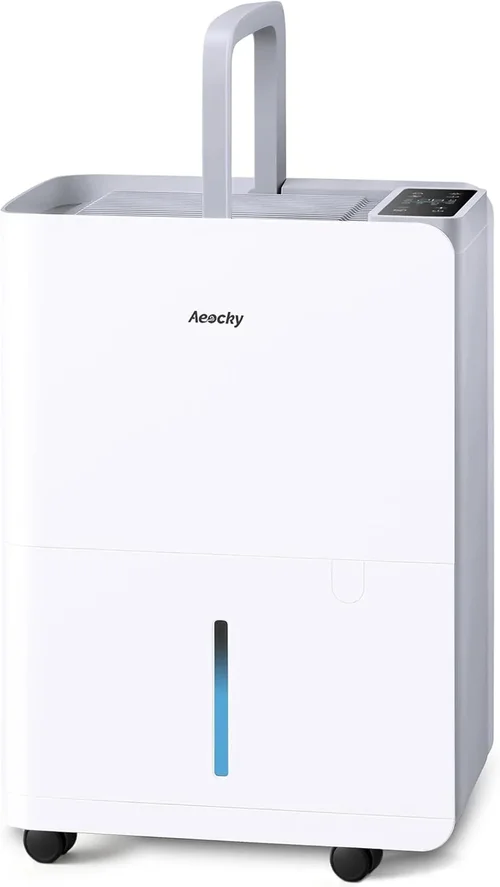
Expert Tips for Getting the Best Deal
- Buy During Off-Season: Dehumidifiers are cheapest in late fall and winter (November–February) when demand is low. Retailers often discount inventory to make room for air conditioners.
- Shop at Authorized Retailers: Purchase from Home Depot, Lowe’s, Amazon (sold by the brand), or manufacturer websites to ensure warranty validity and avoid counterfeit products.
- Look for Bundled Deals: Some brands offer free accessories (hoses, filters, pumps) with purchase. Check for rebates from utility companies—many offer $30–$100 back for Energy Star models.
- Consider Refurbished Models: Certified refurbished units from the manufacturer often come with full warranties and cost 20–30% less. Ideal for budget-conscious buyers.
- Check Return Policies: Ensure the retailer offers at least a 30-day return window. Test the unit immediately to verify performance, noise, and functionality.
- Read the Manual Before Buying: Some models require specific installation (e.g., leveling, clearance). Knowing the setup requirements upfront prevents frustration.
- Use Price Tracking Tools: Set alerts on CamelCamelCamel (for Amazon) or Honey to monitor price drops. Sign up for brand newsletters for exclusive discounts.

Frequently Asked Questions
Q: How do I know if I need a dehumidifier for my large room?
A: Signs include persistent musty odors, condensation on windows or walls, visible mold or mildew, warped wood, or a sticky feeling in the air. Use a hygrometer to measure humidity—if it’s consistently above 50%, a dehumidifier is recommended.
Q: Can one dehumidifier handle an entire house?
A: A single portable unit can manage a large open-plan area, but for multi-level homes, a whole-home dehumidifier integrated with your HVAC system is more effective. Portable units work best when placed centrally and moved as needed.
Q: How often should I empty the water tank?
A: It depends on humidity levels and tank size. Most large-room units have 1–2 gallon tanks and need emptying every 12–24 hours. Use continuous drainage to avoid manual emptying.
Q: Are dehumidifiers expensive to run?
A: A 70-pint Energy Star model uses about 500–700 watts and costs roughly $0.10–$0.15 per hour to run. At 8 hours daily, that’s $25–$35 per month—comparable to a refrigerator.
Q: Do dehumidifiers cool the room?
A: No. While they remove moisture, they actually emit a small amount of heat during operation. They improve comfort by reducing humidity, not temperature.
Q: Can I use a dehumidifier in winter?
A: Yes, but refrigerant models lose efficiency below 60°F. Use a desiccant dehumidifier or a model with auto-defrost for cold basements or garages.
Q: How long do dehumidifiers last?
A: With proper maintenance, most units last 5–7 years. Clean filters monthly, inspect coils annually, and avoid running the unit in excessively dirty or wet conditions.
Q: Should I buy a dehumidifier with a built-in pump?
A: If you plan to use continuous drainage or need to pump water uphill (e.g., from a basement to a sink), a built-in pump is essential. It adds $50–$100 to the cost but saves significant hassle.
Q: Can dehumidifiers help with allergies?
A: Yes. By reducing mold, dust mites, and mildew—common allergens—dehumidifiers can improve indoor air quality and alleviate allergy symptoms.
Q: What’s the ideal humidity level for a large room?
A: Between 30% and 50%. Levels above 50% promote mold growth; below 30% can cause dry skin and respiratory irritation. Use a humidistat to maintain this range.
Our Final Recommendations
- Best for Budget-Conscious Buyers: hOmeLabs 50-Pint Dehumidifier – Reliable performance, Energy Star rated, continuous drain option, and excellent user reviews under $300.
- Best Overall Value: Frigidaire FFAD7033R1 70-Pint Dehumidifier – High capacity, quiet operation, washable filter, and proven durability. A top pick for basements and large living areas.
- Best Premium Option: AprilAire E130 130-Pint Whole-Home Dehumidifier – Professional-grade, integrates with HVAC, ideal for entire houses in humid climates. Higher upfront cost but unmatched performance.
- Best for Beginners: GE APER50LZ 50-Pint Dehumidifier – Simple controls, reliable performance, and strong customer support. Great for first-time buyers.
- Best for Advanced Users: GE Profile PHD50PBYGWW Smart Dehumidifier – Wi-Fi enabled, app control, voice compatibility, and precise humidity management. Perfect for tech-savvy homeowners.
Conclusion: Making the Right Choice
Choosing the best dehumidifier for a large room doesn’t have to be overwhelming. By focusing on key factors like pint capacity, energy efficiency, build quality, and smart features, you can find a unit that delivers consistent performance and long-term value. Avoid common pitfalls like oversizing based on marketing claims or ignoring drainage needs. Instead, match the dehumidifier to your specific environment—whether it’s a chilly basement, a humid garage, or an open-plan living space.
Remember, the right dehumidifier does more than just remove moisture—it protects your home from structural damage, improves indoor air quality, and enhances overall comfort. While budget matters, prioritize reliability and functionality over flashy extras. And don’t forget to maintain your unit regularly to maximize its lifespan and efficiency.
Take the time to assess your needs, read real user reviews, and consider seasonal buying opportunities. With the insights from this guide, you’re now equipped to make a smart, informed decision. Invest wisely, and enjoy a healthier, drier, and more comfortable living environment for years to come.