
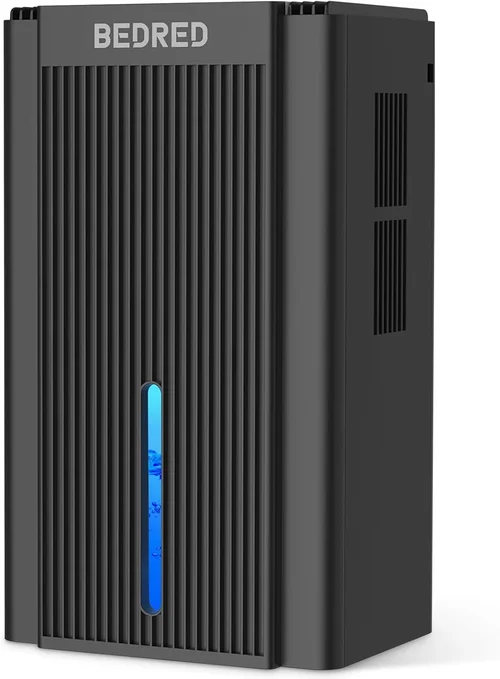
When it comes to maintaining a comfortable, healthy indoor environment in small spaces—like bedrooms, home offices, bathrooms, or closets—humidity control is often overlooked. Yet excess moisture can silently wreak havoc: triggering mold growth, worsening allergies, damaging electronics, and even affecting the structural integrity of your walls and furniture. This is where a reliable small room dehumidifier becomes not just a convenience, but a necessity. Whether you live in a humid climate, have a basement apartment, or simply notice condensation on windows during colder months, investing in the right dehumidifier can dramatically improve your air quality and overall well-being.
This comprehensive buying guide is designed to cut through the noise and help you make an informed decision. We’ll walk you through every critical factor—from performance specs and energy efficiency to noise levels and smart features—so you can confidently choose a unit that fits your space, budget, and lifestyle. You’ll learn how to avoid common pitfalls, understand what “pints per day” really means for your room size, and discover which brands deliver consistent reliability. By the end, you won’t just know which dehumidifier to buy—you’ll understand why it’s the best fit for your unique needs.
The market for small room dehumidifiers has exploded in recent years, with options ranging from basic $50 units to sleek, Wi-Fi-enabled models costing over $300. While this variety offers more choice than ever, it also increases the risk of buyer’s remorse if you don’t know what to prioritize. Some models claim high capacity but are too loud for bedroom use; others are whisper-quiet but lack the power to handle even moderate humidity. Our goal is to equip you with expert-level knowledge so you can navigate this crowded landscape with clarity and confidence.

What to Look for When Buying Buying Guide
1. Room Size & Coverage Area
The most fundamental consideration when choosing a small room dehumidifier is matching the unit’s capacity to your space. Manufacturers typically specify coverage in square feet (sq ft), but this number can be misleading if not interpreted correctly. A dehumidifier rated for “up to 500 sq ft” may only perform well in that area under ideal conditions—low humidity, moderate temperatures, and good airflow. In reality, factors like ceiling height, insulation quality, and ambient moisture levels significantly impact performance.
For accurate sizing, start by measuring your room’s dimensions. Multiply length by width to get square footage. Then, assess your humidity level: is it slightly damp (45–55% RH), moderately damp (55–65% RH), or very damp (65%+ RH)? A closet with musty smells needs less capacity than a sunroom with constant condensation. As a rule of thumb, a 30-pint model handles up to 500 sq ft in moderately damp conditions, while a 20-pint unit suits spaces under 300 sq ft. Always err on the side of slightly higher capacity—it ensures faster moisture removal and reduces strain on the compressor.
2. Pints Per Day (Capacity)
Pints per day (PPD) refers to how much water a dehumidifier can extract from the air in 24 hours under standard testing conditions (typically 80°F and 60% relative humidity). This metric is crucial because it directly correlates with the unit’s effectiveness. However, don’t assume a higher PPD always means better performance—especially in small rooms. Oversized units may cycle on and off too frequently, reducing efficiency and increasing wear.
For small rooms (under 400 sq ft), a 20–30 pint capacity is usually sufficient. If your space is prone to high humidity—like a bathroom without ventilation or a basement corner—opt for the upper end of that range. Conversely, a tiny closet or single-bedroom apartment might only need a 10–15 pint model. Remember: capacity should align with both room size and moisture severity. A 10-pint dehumidifier might struggle in a damp 300 sq ft room, while a 50-pint industrial unit would be overkill and unnecessarily loud.
3. Energy Efficiency & Operating Costs
Dehumidifiers run continuously in many climates, so energy consumption directly affects your utility bill. Look for units with the ENERGY STAR® certification, which indicates they meet strict efficiency guidelines set by the U.S. Environmental Protection Agency. ENERGY STAR models use 15–30% less energy than standard units, translating to significant savings over time—especially if you run the dehumidifier daily.
Check the wattage and annual energy use (usually listed in kWh/year). A typical 30-pint ENERGY STAR dehumidifier consumes around 300–400 watts and costs roughly $20–$35 per year to operate at average electricity rates. Non-certified models can double that cost. Also consider inverter technology: newer compressors adjust speed based on humidity levels, reducing energy waste compared to traditional on/off cycles. While these models cost more upfront, the long-term savings and quieter operation often justify the investment.
4. Noise Level (Decibel Rating)
In small rooms—particularly bedrooms or study areas—noise is a dealbreaker. Dehumidifiers generate sound from their compressor, fan, and internal airflow. Most residential units operate between 45–60 decibels (dB). For context, 45 dB is comparable to a quiet library, while 60 dB resembles normal conversation. Anything above 55 dB may disrupt light sleepers or concentration during work calls.
Look for models explicitly labeled as “quiet” or “low-noise.” Many manufacturers now publish dB ratings in product specs. Units with brushless DC motors, insulated compressor compartments, and variable-speed fans tend to be quieter. Avoid dehumidifiers that rely solely on loud reciprocating compressors without noise-dampening features. If possible, read user reviews mentioning noise—real-world feedback often reveals nuances not captured in lab tests.
5. Tank Size & Drainage Options
All dehumidifiers collect water in an internal tank, which must be emptied manually when full. Tank size ranges from 0.5 gallons (about 4 pints) to over 2 gallons (16+ pints). In small rooms with moderate humidity, a 1-gallon tank may need emptying every 12–24 hours. Frequent emptying is inconvenient and can lead to neglect, allowing mold to grow if the unit shuts off due to a full tank.
Consider continuous drainage options: most units include a hose connection (usually 5/16″ or 3/8″ barbed fitting) that lets you route water directly to a floor drain, sink, or sump pump. This eliminates manual emptying entirely—ideal for unattended operation. If drainage isn’t feasible, opt for a larger tank (1.5+ gallons) or a model with an auto-shutoff feature that pauses operation when the tank is full. Some premium units even include built-in pumps for upward drainage, useful in basements or elevated spaces.
6. Smart Features & Automation
Modern dehumidifiers increasingly offer smart capabilities that enhance convenience and efficiency. Wi-Fi connectivity allows remote control via smartphone apps (e.g., adjusting settings, checking humidity levels, or receiving full-tank alerts). Built-in hygrometers automatically maintain your desired humidity level (typically set between 40–50% RH), turning the unit on/off as needed. This prevents over-drying, which can cause static electricity and discomfort.
Other useful features include programmable timers (e.g., run only at night), filter change indicators, and multi-speed fan settings. While not essential, these additions simplify maintenance and optimize performance. However, weigh the cost: smart features often add $50–$100 to the price. If you’re tech-savvy and value automation, they’re worth it. But if you prefer simplicity, a basic model with manual controls may suffice.
7. Build Quality & Durability
A dehumidifier is a long-term investment, so construction matters. Look for sturdy materials: reinforced plastic casings, corrosion-resistant coils (especially important in humid environments), and sealed electrical components. Check hinge quality on the water tank—cheap designs crack after repeated removal. Internal components like compressors and fans should feel robust, not flimsy.
Brand reputation plays a role here. Established manufacturers (like Frigidaire, Honeywell, or Tosot) often use higher-grade parts and rigorous testing. Avoid ultra-cheap no-name brands sold exclusively online—they may cut corners on safety and longevity. Read warranty terms: a 2-year compressor warranty signals confidence in durability, while 1-year coverage on all parts is standard. User reviews mentioning “lasted 5+ years” are strong indicators of reliability.
8. Portability & Design
Even in small rooms, you may need to move the dehumidifier—between bedrooms, to a bathroom after showers, or during seasonal storage. Weight, handle design, and wheel quality affect ease of movement. Most small units weigh 25–40 lbs; look for recessed handles and smooth-rolling casters (preferably locking). Some models feature top-mounted controls and cord wraps for tidy storage.
Aesthetics matter too, especially in living spaces. Sleek, compact designs blend better with décor than bulky industrial units. Consider footprint: a tall, narrow model fits better in corners than a wide, flat one. If space is extremely limited (e.g., under a sink or in a closet), measure clearance for ventilation—most units require 6–12 inches of airflow around sides and back.
Different Types of Buying Guide

Common Buying Mistakes to Avoid
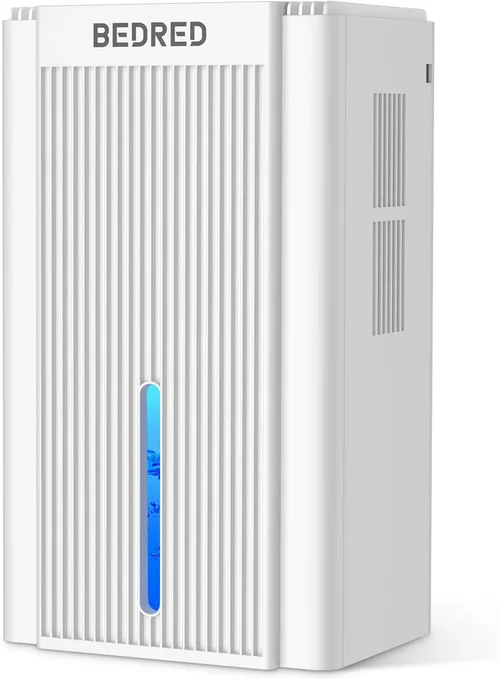
❌ Mistake: Choosing Based Solely on Price
Why it’s bad: The cheapest dehumidifiers often use low-quality components, lack safety certifications, and fail within a year. They may also consume more energy, costing more long-term. A $50 unit might seem like a bargain, but if it breaks after six months, you’ve wasted money and created mold risk.
What to do instead: Prioritize value over absolute low cost. Spend slightly more ($100–$150) for a reputable brand with good reviews and a solid warranty. Think of it as an investment in air quality and home protection.
❌ Mistake: Ignoring Noise Levels
Why it’s bad: A loud dehumidifier can disrupt sleep, concentration, or relaxation—especially in small, enclosed spaces. Many buyers regret not checking decibel ratings until after purchase.
What to do instead: Always check the dB rating and read user reviews about noise. If using in a bedroom, aim for under 50 dB. Consider desiccant or thermo-electric models for ultra-quiet operation.
❌ Mistake: Overlooking Drainage Needs
Why it’s bad: Manual tank emptying becomes tedious fast. If you forget, the unit stops working, and humidity rebounds. This is especially problematic in high-moisture areas like bathrooms.
What to do instead: Choose a model with continuous drainage capability. Even if you don’t use it immediately, having the option adds flexibility. For tanks, ensure they’re easy to remove and have spill-proof designs.
❌ Mistake: Buying for Peak Humidity Only
Why it’s bad: If you size your dehumidifier only for extreme conditions (e.g., summer storms), it may be too powerful for everyday use, leading to short cycling and inefficiency.
What to do instead: Base your choice on average humidity levels. Add 10–20% capacity buffer for safety, but avoid oversized units. Look for models with adjustable humidity settings to fine-tune performance.
❌ Mistake: Neglecting Filter Maintenance
Why it’s bad: Clogged filters reduce airflow, strain the compressor, and increase energy use. Many users don’t realize filters need regular cleaning—leading to premature failure.
What to do instead: Choose units with washable, reusable filters and clear maintenance indicators. Clean filters monthly during heavy use. Some models include HEPA or antimicrobial filters for allergy sufferers.
❌ Mistake: Not Checking Warranty Terms
Why it’s bad: Compressor failures are common after 1–2 years. If your warranty only covers parts (not labor or shipping), repair costs can exceed the unit’s value.
What to do instead: Opt for brands offering at least a 2-year comprehensive warranty. Register your product promptly and keep receipts. Avoid extended warranties unless they cover on-site service.
Budget Guidelines: How Much Should You Spend?
Entry-Level ($50–$100): These are typically thermo-electric or mini compressor units. Best for very small spaces (under 150 sq ft) with mild humidity. Expect basic controls, small tanks, and limited durability. Ideal for closets, RVs, or occasional use. Brands like Eva-Dry and Ivation offer decent options here, but don’t expect longevity.
Mid-Range ($100–$200): This is the sweet spot for most small room buyers. You’ll find reliable 20–30 pint compressor models from trusted brands (Frigidaire, Honeywell, Tosot) with ENERGY STAR ratings, decent noise levels (under 55 dB), and useful features like auto-humidistats and continuous drainage. These units balance performance, efficiency, and price—perfect for bedrooms, home offices, or bathrooms.
Premium ($200–$300): Designed for enthusiasts and those with specific needs. Expect advanced features: Wi-Fi connectivity, built-in pumps, multi-stage filtration, and ultra-quiet operation (under 48 dB). Models like the hOmeLabs HME020034N or AprilAire E080 offer superior build quality and smart automation. Great for tech-savvy users or allergy sufferers.
Luxury ($300+): Top-tier units with commercial-grade components, extended warranties (3–5 years), and professional installation options. Often used in high-end homes or specialized applications (e.g., wine cellars, art studios). While overkill for most small rooms, they deliver unmatched reliability and precision humidity control.
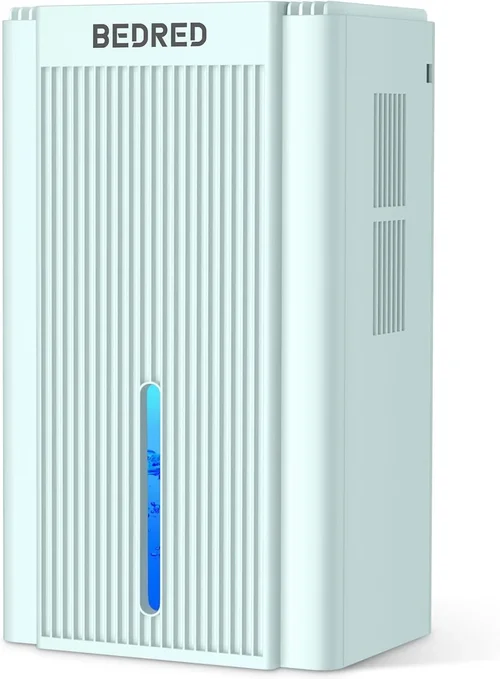
Expert Tips for Getting the Best Deal
- Buy Off-Season: Dehumidifier prices peak in spring and summer. Shop in fall or winter (October–February) for discounts up to 30%. Retailers clear inventory before the humid season returns.
- Check Multiple Retailers: Compare prices on Amazon, Home Depot, Lowe’s, and specialty HVAC sites. Use price-tracking tools like Honey or CamelCamelCamel to spot drops.
- Look for Bundled Deals: Some sellers include free hoses, filters, or extended warranties. These add-ons can save $20–$50 versus buying separately.
- Read Return Policies: Ensure the retailer offers at least a 30-day return window. Test the unit immediately—check for leaks, unusual noises, or failure to reach set humidity.
- Consider Refurbished Units: Certified refurbished models from manufacturers (e.g., Frigidaire Renewed) often come with full warranties at 20–40% off retail.
- Verify Certifications: Only buy units with UL, ETL, or CSA safety listings. Avoid uncertified imports—they may pose fire or shock risks.
- Ask About Local Rebates: Some utility companies offer rebates for ENERGY STAR dehumidifiers. Check your provider’s website before purchasing.
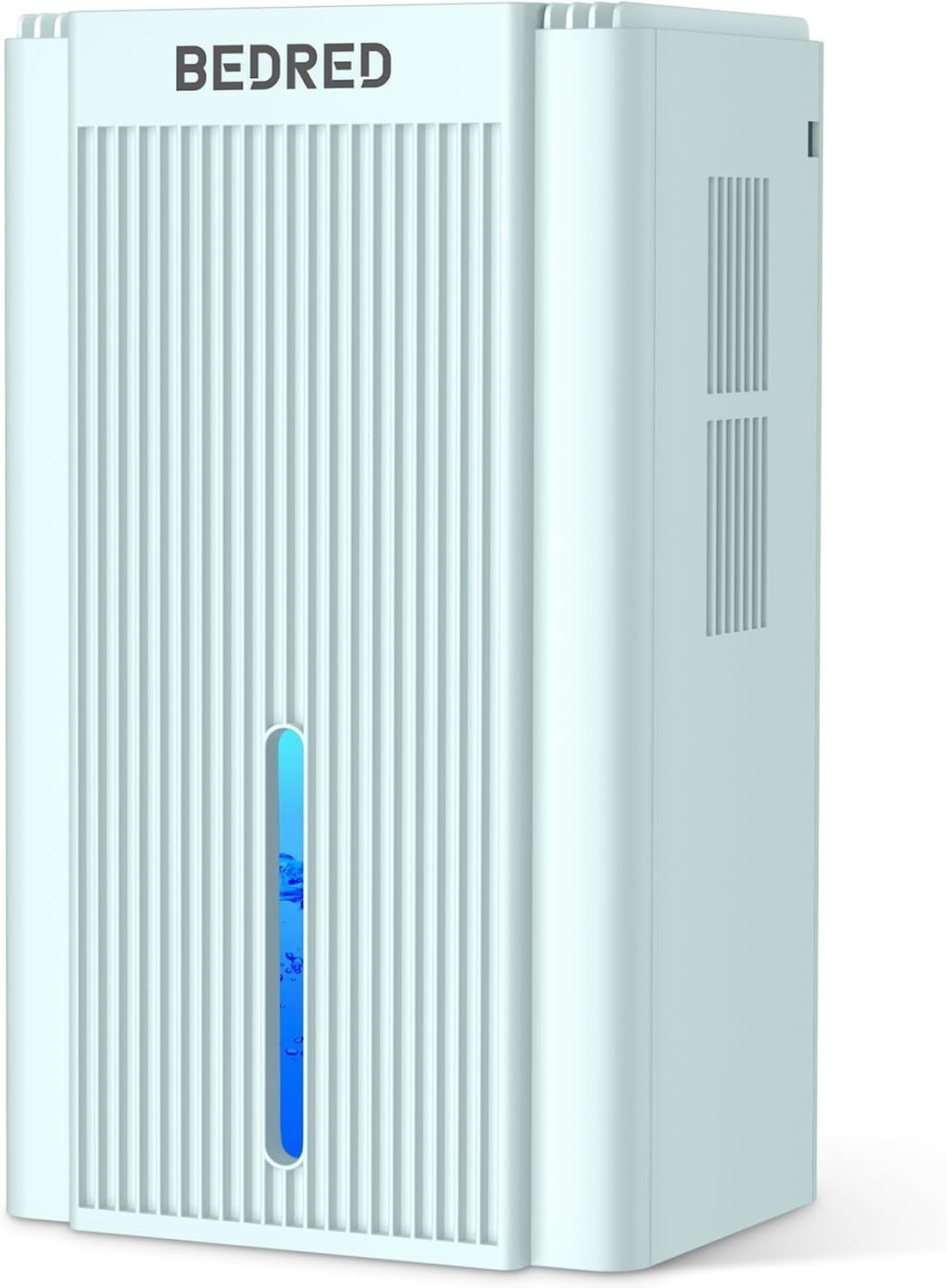
Frequently Asked Questions
Q: How do I know if my room needs a dehumidifier?
A: Signs include condensation on windows, musty odors, peeling paint, warped wood, or visible mold. Use a hygrometer (digital humidity meter) to measure relative humidity—if it’s consistently above 55%, a dehumidifier is recommended.
Q: Can a dehumidifier cool a room?
A: No. Dehumidifiers remove moisture, not heat. They may feel slightly cooler due to reduced humidity (which improves sweat evaporation), but they don’t lower air temperature like an air conditioner.
Q: Should I run my dehumidifier continuously?
A: Not necessarily. Most modern units have auto modes that maintain your set humidity level. Running 8–12 hours daily is usually sufficient. Avoid over-drying—keep humidity between 40–50% for comfort and health.
Q: Are desiccant dehumidifiers better than compressor types?
A: It depends. Desiccants excel in cold environments (<65°F) and are quieter, but less energy-efficient in warm, humid climates. Compressors are more efficient in typical room conditions but struggle in cold spaces.
Q: How often should I clean the filter?
A: Every 2–4 weeks during heavy use, or monthly otherwise. A dirty filter restricts airflow, reducing efficiency and potentially damaging the unit.
Q: Can I use a dehumidifier in an unheated basement?
A: Only if it’s a cold-climate model (desiccant or low-temperature compressor). Standard refrigerant units may ice up below 65°F. Check the operating temperature range before buying.
Q: Do dehumidifiers help with allergies?
A: Yes. By reducing humidity below 50%, they inhibit mold, dust mites, and mildew—common allergens. Pair with an air purifier for best results.
Q: What’s the ideal humidity level for a bedroom?
A: Between 40–50% relative humidity. This range prevents mold growth while keeping air comfortable for breathing and sleep.
Q: Can I move my dehumidifier while it’s running?
A: No. Always turn it off and wait 10–15 minutes before moving. Tilting can cause refrigerant or oil to shift, potentially damaging the compressor.
Our Final Recommendations
Best for Budget-Conscious Buyers: Tosot 30 Pint Dehumidifier – At around $130, it offers excellent capacity, ENERGY STAR efficiency, and reliable performance for rooms up to 500 sq ft. Includes continuous drainage and a washable filter.
Best Overall Value: Frigidaire FFAD3033W1 – A 30-pint ENERGY STAR model with low noise (51 dB), smart humidity control, and a large 1.7-gallon tank. Priced under $180, it’s a workhorse for most small rooms.
Best Premium Option: hOmeLabs HME020034N – Features Wi-Fi connectivity, built-in pump, and ultra-quiet operation (47 dB). Ideal for tech lovers who want app control and hassle-free drainage. Around $250.
Best for Beginners: Honeywell TP50WKN – Simple controls, clear display, and reliable performance. Includes auto-restart after power outages and a 1.7-gallon tank. Great for first-time buyers.
Best for Advanced Users: AprilAire E080 – Professional-grade 70-pint capacity (overkill for most small rooms but exceptional if you have a large damp space). Features whole-home integration, remote monitoring, and a 5-year warranty. Best for serious humidity challenges.
Conclusion: Making the Right Choice
Choosing the best dehumidifier for your small room isn’t about finding the most powerful or expensive model—it’s about matching the right combination of capacity, efficiency, noise level, and features to your specific environment and lifestyle. By prioritizing room size, understanding pints per day, considering energy use, and avoiding common pitfalls, you’ll invest in a unit that delivers lasting comfort and protection.
Remember: a dehumidifier is more than an appliance—it’s a guardian of your health and home. Whether you’re battling seasonal humidity, protecting cherished belongings, or simply seeking better sleep, the right choice will pay dividends in air quality, peace of mind, and long-term savings. Take the time to assess your needs, compare options thoughtfully, and don’t hesitate to spend a little more for quality and reliability. Your future self—and your walls—will thank you.