
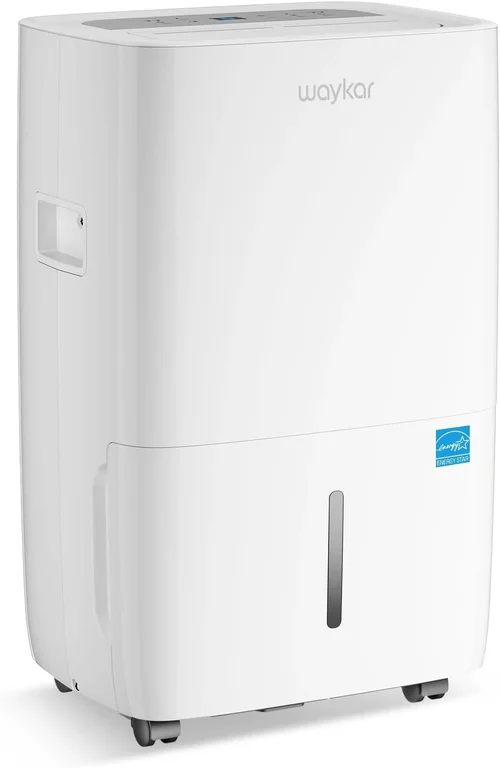
Dealing with excess moisture in your home isn’t just about comfort—it’s about protecting your health, your belongings, and the structural integrity of your living space. Whether you’re battling persistent dampness in a basement, musty odors in a crawl space, or high humidity levels that encourage mold and mildew growth, a dehumidifier can be a game-changer. But not all dehumidifiers are created equal. If you’re serious about tackling moisture at its source—especially in hard-to-reach or below-grade areas—you’ll want one equipped with a built-in pump.
A dehumidifier with a pump offers a significant advantage over standard models: it can actively expel collected water vertically or over long distances, eliminating the need for manual emptying or reliance on gravity drainage. This feature is especially valuable for basements, garages, RVs, or any location where placing a bucket or drain hose isn’t practical. In this comprehensive guide, we’ll walk you through everything you need to know to choose the best dehumidifier with a pump for your specific needs.
By the end of this article, you’ll understand the key performance metrics, design considerations, and smart shopping strategies that separate top-tier units from mediocre ones. We’ll break down technical specs in plain language, compare different categories of pump-equipped dehumidifiers, highlight common pitfalls to avoid, and provide expert-backed recommendations based on real-world use cases. Whether you’re a homeowner dealing with seasonal humidity spikes or a property manager maintaining multiple units, this guide will equip you with the knowledge to make a confident, informed purchase.
The market for dehumidifiers with pumps has expanded significantly in recent years, driven by growing awareness of indoor air quality and the rise of smart home technology. Major brands like Frigidaire, hOmeLabs, GE, AprilAire, and Midea now offer robust models with integrated condensate pumps, Wi-Fi connectivity, auto-defrost, and energy-efficient operation. However, this abundance of choice can also lead to confusion—especially when manufacturers use similar-sounding features to describe vastly different capabilities. Our goal is to cut through the marketing noise and deliver actionable insights grounded in engineering principles, user feedback, and long-term reliability data.

What to Look for When Buying Buying Guide
1. Pump Capacity and Lift Height
The heart of any dehumidifier with a pump is, unsurprisingly, the pump itself. But not all pumps are built to the same standard. When evaluating pump performance, two critical specs matter most: lift height (how high the pump can push water vertically) and horizontal discharge distance (how far it can move water sideways).
Most residential dehumidifiers with pumps offer a lift height between 10 and 16 feet. For example, if your basement floor is 8 feet below ground level and your nearest floor drain is another 6 feet up a utility sink, you’ll need at least a 14-foot lift capacity. Always add a 2–3 foot buffer to account for hose resistance and minor elevation changes.
Horizontal discharge typically ranges from 30 to 100+ feet, depending on the model. If you plan to route the hose through walls, under flooring, or across a large garage, opt for a unit with extended range. Some premium models even include dual-hose systems—one for intake and one for continuous drainage—which improves overall efficiency.
Also consider whether the pump activates automatically when the bucket fills or only when manually triggered. Fully automatic pumps sync with the unit’s control system and engage seamlessly, ensuring uninterrupted operation.
2. Moisture Removal Rate (Pints per Day)
This is arguably the most important performance metric: how much water the dehumidifier can extract from the air in 24 hours, measured in pints per day (PPD). The right PPD rating depends entirely on your space size and humidity level.
The Association of Home Appliance Manufacturers (AHAM) provides standardized testing conditions: 80°F and 60% relative humidity. Under these conditions, a “50-pint” dehumidifier removes 50 pints daily. However, real-world performance may vary. In hotter, more humid environments (like a Florida basement in July), output increases. In cooler spaces (such as a 60°F crawl space), efficiency drops—sometimes by 30–40%.
Use this general guideline:
– Small spaces (≤500 sq ft, mildly damp): 20–30 PPD
– Medium spaces (500–1,500 sq ft, moderately damp): 30–50 PPD
– Large or very wet spaces (1,500–2,500+ sq ft, extremely damp or flooded): 50–70+ PPD
Don’t oversize unnecessarily—a unit too powerful for your space will cycle on and off frequently, reducing lifespan and increasing wear. Conversely, an undersized model will run continuously, driving up energy costs without achieving target humidity.
3. Energy Efficiency and Operating Costs
Dehumidifiers are among the most energy-intensive appliances in a home, especially when running 8–12 hours daily. Look for the Energy Factor (EF) rating, expressed in liters of water removed per kilowatt-hour (L/kWh). Higher EF = more efficient.
As of 2023, ENERGY STAR-certified dehumidifiers must meet strict efficiency standards:
– ≤25 pints: ≥1.75 L/kWh
– 25–35 pints: ≥1.95 L/kWh
– 35–45 pints: ≥2.10 L/kWh
– 45–50 pints: ≥2.25 L/kWh
– >50 pints: ≥2.40 L/kWh
For context, a non-certified 50-pint model might cost $60–$80 annually to operate, while an ENERGY STAR unit could cut that to $35–$50. Over five years, that’s $125–$150 in savings—enough to offset a significant portion of the upfront cost.
Also consider variable-speed compressors and smart humidity sensors. These technologies adjust fan and compressor speed based on real-time conditions, avoiding unnecessary cycling and reducing wear.
4. Build Quality and Durability
A dehumidifier with a pump is an investment—you want it to last 7–10 years, not 2–3. Start by examining the chassis material. High-quality units use powder-coated steel or reinforced polymer resistant to rust and corrosion, especially important in damp environments.
Internal components matter too. Look for:
– Copper coils (better heat transfer than aluminum)
– Sealed bearings in the fan motor (prevents moisture damage)
– Reinforced condensate tanks (if included) with anti-microbial coating
– Robust pump housing—some cheaper models use plastic impellers that degrade over time
Check user reviews for reports of pump failure, compressor burnout, or control board issues. A common weak point in budget models is the pump motor, which can seize after 1–2 years of continuous use. Premium brands often use hermetically sealed pumps with longer service lives.
5. Smart Features and Automation
Modern dehumidifiers with pumps go far beyond basic on/off switches. Advanced models offer:
– Wi-Fi connectivity (via apps like Frigidaire SmartHQ or hOmeLabs app) for remote monitoring and control
– Auto-restart after power outage—critical if you rely on continuous operation
– Humidity setpoints (e.g., maintain 45% RH) with ±3% accuracy
– Filter change alerts and washable filters
– Defrost modes for cold-weather operation (down to 41°F or lower)
Some units even integrate with smart home ecosystems (Amazon Alexa, Google Assistant) or HVAC systems for whole-home humidity management.
Automation reduces user intervention and ensures consistent performance. For example, a unit that automatically switches to pump mode when the bucket reaches 80% capacity prevents overflow risks during your vacation.
6. Noise Level and Placement Flexibility
Dehumidifiers aren’t silent—they contain compressors, fans, and pumps—but noise levels vary widely. Measured in decibels (dB), most residential units range from 45 dB (quiet library) to 60 dB (normal conversation).
For living areas or bedrooms, aim for ≤50 dB. Basement or garage units can tolerate louder operation (55–60 dB). Check manufacturer specs, but note that real-world noise may be higher due to vibration or poor placement.
Placement also affects performance. Avoid enclosing the unit in tight spaces; allow at least 6–12 inches of clearance on all sides for proper airflow. Some models feature top-mounted air discharge, making them ideal for corner placement.
7. Warranty and Customer Support
Given the mechanical complexity of pump-equipped dehumidifiers, warranty coverage is crucial. Standard warranties range from 1 to 5 years, with pump-specific coverage often shorter.
Look for:
– Comprehensive warranty covering compressor, pump, and electronics
– Extended pump warranty (some brands offer 2–3 years just for the pump)
– Accessible customer service with U.S.-based support and readily available replacement parts
Brands like AprilAire and Santa Fe offer 5-year warranties on select models, reflecting confidence in their build quality. Avoid brands with vague warranty terms or overseas-only support.
8. Ease of Maintenance
Even the best dehumidifier requires regular upkeep. Key maintenance tasks include:
– Cleaning or replacing the air filter (every 1–2 months)
– Inspecting the pump hose for clogs or kinks
– Wiping down coils and drainage ports
– Checking for ice buildup in cold environments
Choose a model with tool-free access to the filter and pump compartment. Some units include quick-connect hose fittings for easy disassembly. Avoid designs where removing the front panel requires unscrewing multiple fasteners.
Different Types of Buying Guide

Common Buying Mistakes to Avoid
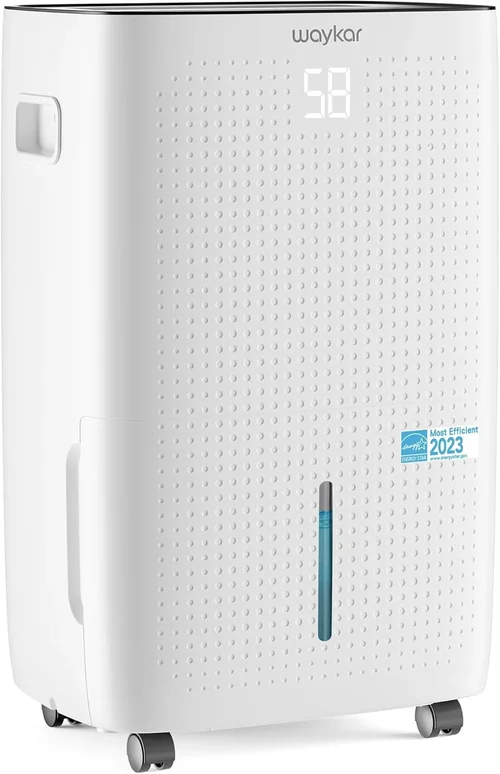
❌ Mistake: Ignoring Lift Height Requirements
Why it’s bad: Buying a dehumidifier with a pump that can’t reach your drain point renders the pump useless. You’ll be forced to manually empty the bucket or rig an unreliable siphon system.
What to do instead: Measure the vertical and horizontal distance from the dehumidifier location to your drain. Add 10–15% for hose friction and bends. Choose a unit with a pump rated for at least that distance.
❌ Mistake: Overlooking Cold-Weather Performance
Why it’s bad: Most compressor-based dehumidifiers lose efficiency below 65°F and may shut off entirely at 41°F. In unheated basements or garages, this leaves your space unprotected during winter.
What to do instead: If your space drops below 60°F, consider a desiccant dehumidifier or a model with auto-defrost. Desiccants work effectively down to 32°F and don’t rely on refrigerant cycles.
❌ Mistake: Choosing Based Solely on Price
Why it’s bad: Budget models often cut corners on pump quality, insulation, and control systems. A $250 unit may seem like a bargain—until the pump fails after 18 months, costing $100+ to replace.
What to do instead: Factor in total cost of ownership: energy use, maintenance, and expected lifespan. A $500 unit that lasts 8 years is cheaper long-term than a $250 unit replaced every 2 years.
❌ Mistake: Neglecting Airflow and Ventilation
Why it’s bad: A dehumidifier can’t work effectively if air can’t circulate freely. Placing it in a sealed closet or behind furniture restricts intake and exhaust, reducing efficiency by up to 40%.
What to do instead: Ensure 6–12 inches of clearance on all sides. Use fans to circulate air in stagnant areas. In large spaces, consider multiple units or a ductable system.
❌ Mistake: Assuming All “Pump Included” Models Are Equal
Why it’s bad: Some manufacturers include a basic pump as an afterthought—low lift, short hose, no auto-activation. Others integrate high-performance pumps with backup overflow protection.
What to do instead: Read the fine print. Look for specs like “16-foot lift,” “100-ft discharge,” and “automatic pump activation.” Watch unboxing videos to see the pump hose quality.
❌ Mistake: Skipping the Filter Maintenance Schedule
Why it’s bad: A clogged filter restricts airflow, forcing the compressor to work harder. This increases energy use, raises internal temperatures, and shortens component life.
What to do instead: Set calendar reminders to clean the filter monthly. Use a vacuum or mild soap solution. Replace if damaged or excessively dirty.
❌ Mistake: Not Testing Humidity Levels Before Buying
Why it’s bad: Guessing your humidity level leads to incorrect sizing. A 30-pint unit in a swampy basement will run nonstop and fail prematurely.
What to do instead: Use a hygrometer ($10–$20) to measure relative humidity over several days. Ideal indoor RH is 30–50%. If it’s consistently above 60%, you likely need a larger-capacity unit.
Budget Guidelines: How Much Should You Spend?
Entry-Level ($200–$350):
These models offer basic pump functionality with modest lift heights (10–12 ft) and limited smart features. Ideal for small, moderately damp spaces like a 500 sq ft basement or RV. Expect plastic construction, shorter warranties (1 year), and higher noise levels. Brands like Midea and Tosot dominate this tier. While affordable, they may lack durability for continuous use.
Mid-Range ($350–$600):
This is the sweet spot for most homeowners. Units in this range typically deliver 30–50 PPD, 12–16 ft lift, ENERGY STAR certification, and reliable pumps. Look for features like auto-defrost, washable filters, and app connectivity. Frigidaire, hOmeLabs, and GE offer excellent options here. Expect 2–3 year warranties and solid build quality.
Premium ($600–$900):
Designed for demanding environments, these dehumidifiers boast 50–70+ PPD, industrial-grade pumps, and advanced controls. Many include dual-hose systems, ducting kits, and integration with home automation. AprilAire and Santa Fe are leaders in this category. Ideal for flood recovery, large basements, or whole-home humidity management.
Luxury ($900+):
Top-tier systems are built for professionals and serious enthusiasts. Features include stainless steel cabinets, 5-year comprehensive warranties, remote sensors, and compatibility with HVAC systems. These are overkill for most residential users but invaluable for property managers, contractors, or those with extreme moisture challenges.
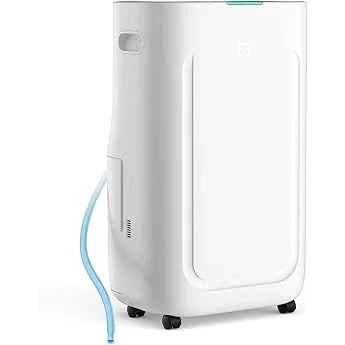
Expert Tips for Getting the Best Deal
– Buy in spring (March–May): Retailers often discount dehumidifiers before summer humidity peaks. You’ll find better deals than in July or August.
– Check warehouse clubs: Costco, Sam’s Club, and BJ’s frequently offer bundle deals (unit + hose + filter) at 10–20% off retail.
– Look for open-box or refurbished units: Certified refurbished models from manufacturer websites (e.g., Frigidaire Outlet) come with full warranties and save 20–30%.
– Use price-tracking tools: Set alerts on CamelCamelCamel (for Amazon) or Honey to catch sudden drops.
– Negotiate extended warranties: Some retailers (like Home Depot) will match or beat competitor warranty terms if asked.
– Test before committing: If buying in-store, ask to see the pump hose and check hose diameter (larger = less clogging). Verify noise level by running a demo.
– Read return policies carefully: Ensure you can return the unit if the pump doesn’t meet lift requirements—some stores charge restocking fees.
– Consider tax incentives: In some states, ENERGY STAR dehumidifiers qualify for utility rebates or tax credits—check DSIRE.org for local programs.

Frequently Asked Questions
Q: Can I use a regular dehumidifier with an external pump?
A: Technically yes, but it’s not recommended. External condensate pumps require precise installation, waterproof electrical connections, and constant monitoring. Integrated pumps are safer, more reliable, and designed to work seamlessly with the unit’s control system.
Q: How often does the pump need maintenance?
A: Inspect the pump hose monthly for kinks or debris. Clean the pump chamber annually with a vinegar solution to prevent mineral buildup. Most pumps are sealed and don’t require lubrication.
Q: Will a dehumidifier with a pump increase my electricity bill significantly?
A: It depends on usage. A 50-pint ENERGY STAR unit running 10 hours/day costs about $1.20–$1.50 daily ($36–$45/month). Compare that to the cost of mold remediation ($1,000+) or structural damage—it’s a worthwhile investment.
Q: Can I run the pump hose through a wall or floor?
A: Yes, but use a protective conduit and seal gaps with fire-rated caulk to prevent air leaks and pest intrusion. Ensure the hose has a slight downward slope toward the drain to avoid backflow.
Q: What’s the difference between a condensate pump and a drainage pump?
A: In dehumidifiers, they’re the same thing. “Condensate pump” is the technical term for the device that moves collected water. Some brands use “drainage pump” interchangeably.
Q: Do I still need a bucket if I have a pump?
A: Most pump-equipped models include a backup bucket in case of pump failure or power outage. Always keep it in place—it’s a critical safety feature.
Q: Can a dehumidifier with a pump be used in an attic?
A: Only if the attic is conditioned (heated/cooled) and accessible for maintenance. Most attics are too hot in summer and too cold in winter for standard dehumidifiers. Consider a ductable whole-house system instead.
Q: How do I know if my pump is working?
A: Listen for a faint humming when the bucket fills. Check the discharge hose for water flow. If the bucket overflows but the pump isn’t running, the float switch or pump motor may be faulty.
Q: Are dehumidifier pumps noisy?
A: Pump noise is usually minimal—a soft whir or click. If you hear grinding or loud vibrations, the impeller may be obstructed or the motor failing.
Q: Can I use the pump to drain into a sink or toilet?
A: Yes, as long as the fixture is above the dehumidifier and the hose is securely clamped. Avoid draining into septic systems without checking local codes.
Our Final Recommendations
Best for Budget-Conscious Buyers:
hOmeLabs 30-Pint Dehumidifier with Pump
At under $300, this model delivers reliable 12-foot lift, auto-defrost, and a washable filter. Ideal for small basements or RVs. While not the quietest, it offers exceptional value for the price.
Best Overall Value:
Frigidaire FH50PWW1 50-Pint Dehumidifier with Built-In Pump
With 16-foot lift, ENERGY STAR certification, and Wi-Fi control, this unit balances performance, efficiency, and smart features. The robust pump handles long runs, and the 2-year warranty provides peace of mind.
Best Premium Option:
AprilAire E080 Pro 70-Pint Dehumidifier with Pump
Built for professionals, this ductable system removes up to 70 pints/day and includes a high-capacity pump with 20-foot lift. Perfect for large basements, crawl spaces, or whole-home integration. Backed by a 5-year warranty.
Best for Beginners:
GE APER50LZ 50-Pint Dehumidifier with Pump
User-friendly controls, clear indicator lights, and straightforward setup make this ideal for first-time buyers. Includes a 15-foot pump hose and auto-restart—great for vacation homes.
Best for Advanced Users:
Santa Fe Compact 70 Dehumidifier with Dual Pump
Featuring dual condensate pumps for redundancy, this unit is engineered for 24/7 operation in extreme conditions. Includes remote humidity monitoring and compatibility with building management systems.
Conclusion: Making the Right Choice
Choosing the best dehumidifier with a pump isn’t just about specs—it’s about aligning technology with your environment, habits, and long-term goals. A well-chosen unit doesn’t just remove moisture; it protects your home’s foundation, preserves your belongings, and creates a healthier living space. By prioritizing pump capacity, energy efficiency, build quality, and smart features, you’ll avoid common pitfalls and invest in a solution that delivers lasting value.
Remember: the cheapest option isn’t always the most economical, and the most powerful unit isn’t always the right fit. Take time to assess your space, measure your needs, and read real user reviews. And when in doubt, lean toward slightly higher capacity and better build quality—you’ll thank yourself during that next rainy season.
Whether you’re safeguarding a cherished basement workshop or ensuring your rental property stays mold-free, the right dehumidifier with a pump is a silent guardian working around the clock. Use this guide as your compass, and make a choice that brings dry, comfortable air—and peace of mind—into your home for years to come.