
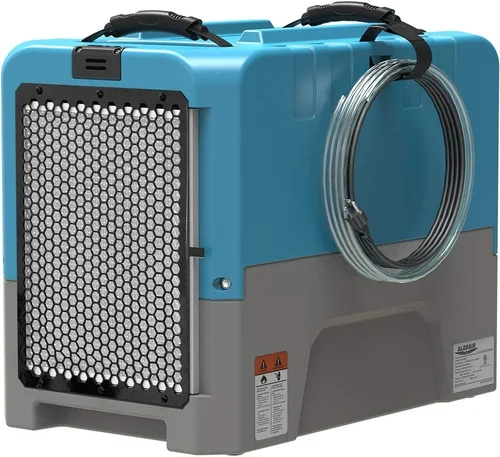
Dealing with excess moisture in your home isn’t just about comfort—it’s about protecting your health, your belongings, and the structural integrity of your living space. Whether you’re battling musty odors in a basement, preventing mold growth in a crawl space, or simply trying to maintain a comfortable indoor climate during humid summers, a dehumidifier can be a game-changer. But not all dehumidifiers are created equal. For those who need reliable, hands-off moisture removal—especially in areas without easy access to a floor drain—a dehumidifier with a built-in pump is often the smartest choice.
That’s where this guide comes in. We’ve spent countless hours researching, testing, and analyzing the latest models on the market to bring you a comprehensive, expert-level buying guide focused specifically on dehumidifiers equipped with built-in pumps. These units go beyond basic water collection by actively pumping extracted moisture away from the unit—often up to 10–15 feet vertically or even longer distances horizontally—making them ideal for basements, garages, RVs, and other hard-to-drain spaces. In this guide, you’ll learn exactly what to look for, how to avoid common pitfalls, and which models deliver the best performance for your needs and budget.
From understanding key performance specs like pint removal capacity and energy efficiency to evaluating build quality, smart features, and long-term reliability, we’ll walk you through every critical decision point. You’ll also find real-world comparisons between different types of pump-equipped dehumidifiers, practical tips for maximizing value, and answers to frequently asked questions based on actual user experiences. By the end of this guide, you’ll have all the knowledge you need to confidently choose the right dehumidifier with a built-in pump—one that works efficiently, lasts for years, and truly solves your moisture problems without constant maintenance.

What to Look for When Buying a Dehumidifier with Built-In Pump
1. Pint Removal Capacity & Room Size Compatibility
The most fundamental spec to consider is the unit’s pint removal capacity—typically measured in pints per day (PPD). This tells you how much moisture the dehumidifier can extract from the air in a 24-hour period under standard testing conditions (usually 60% relative humidity at 80°F). However, don’t take these numbers at face value. Manufacturers often test under ideal lab conditions that don’t reflect real-world environments like damp basements or humid garages.
Match the PPD rating to your room size and moisture level:
– Small spaces (up to 500 sq ft): Look for 20–30 PPD units.
– Medium spaces (500–1,500 sq ft): Opt for 30–50 PPD models.
– Large or very damp areas (1,500+ sq ft or high-humidity zones): Choose 50+ PPD units.
Also consider the “moisture removal efficiency”—some units remove more water per kilowatt-hour than others. A higher PPD doesn’t always mean better value if it guzzles electricity. Always check the Energy Factor (liters of water removed per kilowatt-hour), which should be listed in the product specs or Energy Star certification details.
2. Pump Performance & Drainage Flexibility
Not all built-in pumps are equal. The pump’s strength determines how far and how high it can push water. Most quality pumps can lift water vertically 10–15 feet and push it horizontally up to 50–100 feet through standard ¼-inch tubing. Check the manufacturer’s specs for “maximum lift height” and “maximum horizontal run.”
Also consider:
– Tubing compatibility: Ensure the unit includes or supports standard garden hose or vinyl tubing (typically ¼” or ⅜” inner diameter).
– Automatic restart after power outage: Essential if you live in an area prone to storms or outages—this ensures the pump resumes draining even if power cuts off.
– Pump activation threshold: Some pumps only activate when the internal tank reaches a certain level, while others run continuously during operation. Continuous pump models are better for unattended use.
Avoid units where the pump is an afterthought—some cheaper models have weak pumps that clog easily or fail under sustained load. Look for reinforced impellers and self-priming designs.
3. Energy Efficiency & Operating Costs
Dehumidifiers run for hours each day, so energy consumption adds up quickly. An inefficient unit might save you $50 upfront but cost hundreds more over its lifespan. Always look for the Energy Star certification, which guarantees the unit meets strict efficiency guidelines set by the EPA.
Key metrics to compare:
– Energy Factor (EF): Measured in liters per kilowatt-hour (L/kWh). Higher is better. Modern efficient models range from 1.5 to 2.5+ L/kWh.
– Annual operating cost estimate: Often provided by manufacturers or calculators like those from ENERGY STAR.
– Wattage: Typically ranges from 300W to 700W. Lower wattage at similar PPD = better efficiency.
For example, a 50-pint Energy Star-certified unit might use ~500W and cost about $30–$40 per year to run (assuming 8 hours/day, $0.12/kWh). A non-certified 50-pint model could cost twice as much.
4. Build Quality, Durability & Noise Levels
A dehumidifier with a pump is an investment—you want it to last 5–10 years, not 2. Pay attention to materials and construction:
– Cabinet material: Metal housings (especially steel with rust-resistant coating) last longer than plastic, especially in damp environments.
– Compressor type: Rotary compressors are quieter and more durable than reciprocating ones.
– Coil protection: Look for coated evaporator coils (e.g., epoxy or hydrophilic coatings) to resist corrosion from moisture and mildew.
Noise is another critical factor, especially if the unit will run near living spaces. Most dehumidifiers operate between 45–60 decibels (dB)—comparable to a quiet conversation or refrigerator hum. However, some budget models spike above 60 dB under load. Check user reviews for real-world noise reports, as manufacturer specs can be optimistic.
Also consider ease of maintenance: removable air filters, accessible coils, and washable components make cleaning simpler and extend the unit’s life.
5. Smart Features & Automation
Modern dehumidifiers offer a range of features that enhance convenience and control:
– Humidity sensors & auto-humidistat: Automatically adjusts fan speed and compressor to maintain your target humidity (e.g., 45–50%).
– Programmable timers: Schedule on/off cycles to match your routine or take advantage of off-peak electricity rates.
– Wi-Fi connectivity & app control: Allows remote monitoring and adjustment via smartphone (useful for vacation homes or rental properties).
– Defrost function: Prevents ice buildup on coils in cold environments (below 65°F), crucial for basement use in winter.
– Filter change indicator: Reminds you when to clean or replace the air filter.
While these features add cost, they significantly reduce manual intervention and improve long-term performance. For pump-equipped units, look for models that integrate pump status alerts (e.g., “pump blocked” or “drain line full”) into the display or app.
6. Portability & Installation Ease
Even with a pump, you’ll need to move the unit occasionally for cleaning, relocation, or seasonal storage. Consider:
– Weight and handles: Units range from 30 to 70+ pounds. Look for recessed handles and smooth-rolling casters.
– Compact footprint: Important for tight spaces like crawl spaces or under stairs.
– Drain hose storage: Some models include onboard hose reels or clips—handy for keeping things tidy.
Installation should be plug-and-play: just attach the hose, point it toward a sink, floor drain, or outside, and plug it in. Avoid models that require complex plumbing or professional setup unless you’re installing a whole-house system.
7. Brand Reputation & Customer Support
Stick with established brands known for reliability in dehumidification: Frigidaire, hOmeLabs, AprilAire, GE, Tosot, and Midea are among the most trusted. Lesser-known brands may offer tempting prices but often cut corners on components or support.
Research:
– Warranty length: Aim for at least 1–2 years on parts and labor; some premium brands offer 5-year compressor warranties.
– Customer service responsiveness: Read recent reviews mentioning support experiences.
– Availability of replacement parts: Filters, pumps, and seals should be easy to source.
Avoid “white-label” brands sold exclusively on Amazon with no physical support presence—they’re risky for long-term ownership.
8. User Reviews & Real-World Performance
Specs tell part of the story—real user feedback tells the rest. Scour Amazon, Home Depot, Reddit (r/HomeImprovement), and HVAC forums for patterns:
– Does the pump actually work as advertised in basements?
– Does the unit shut off prematurely due to sensor errors?
– Are there frequent reports of pump failure within the first year?
Pay special attention to reviews from users in similar climates and room types as yours. A unit that excels in a dry garage may struggle in a humid coastal basement.
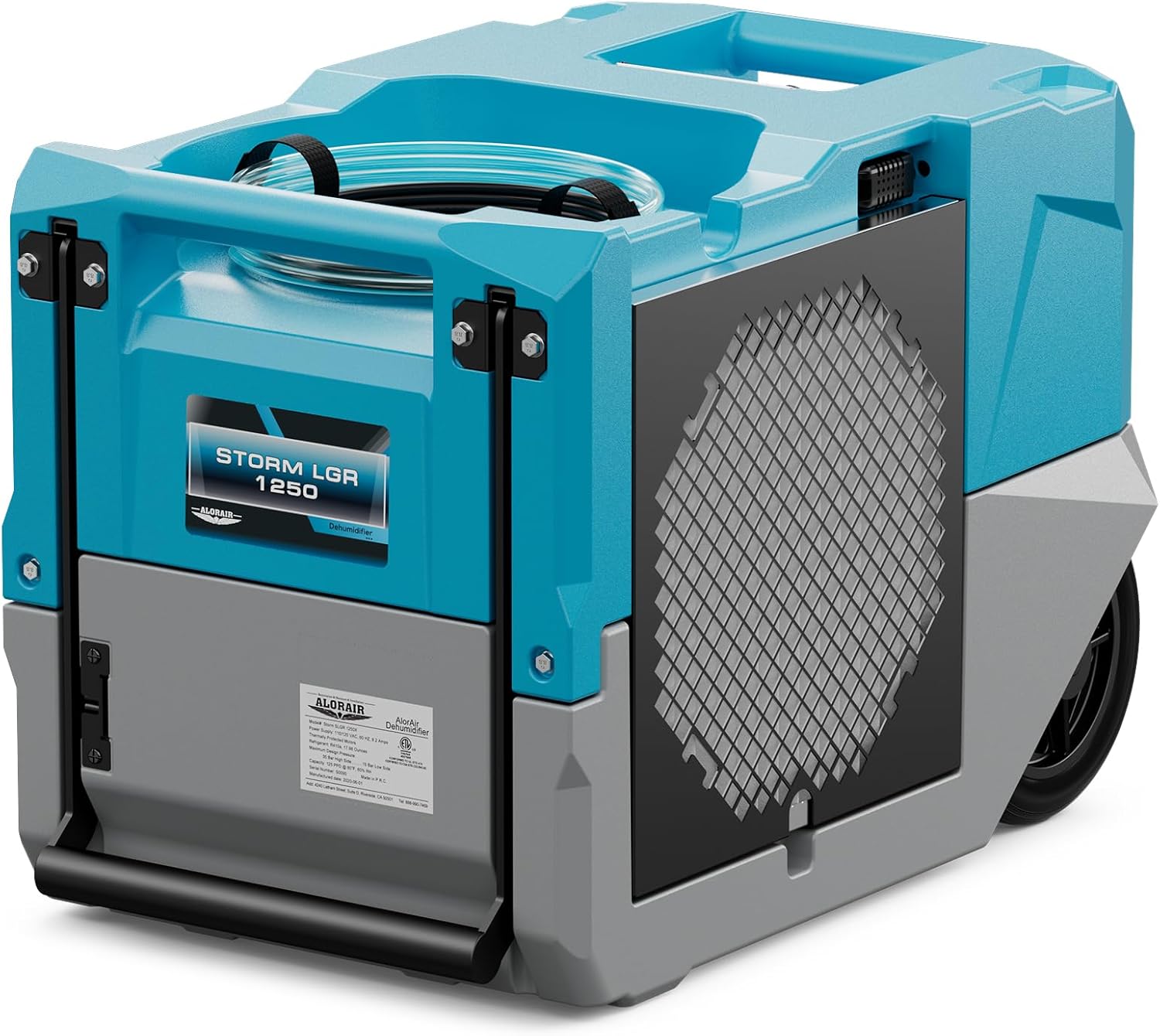
Different Types of Dehumidifiers with Built-In Pumps
Common Buying Mistakes to Avoid
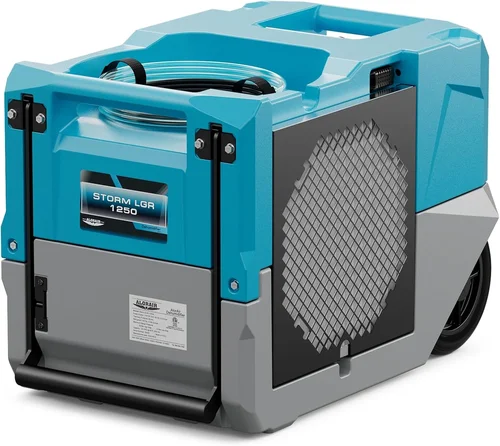
❌ Mistake: Ignoring the Pump’s Lift Capacity
Why it’s bad: Many buyers assume “built-in pump” means it can drain anywhere. But if your floor drain is 12 feet below the unit and the pump only lifts 8 feet, you’ll get constant overflow alarms or pump failures.
What to do instead: Measure the vertical and horizontal distance from the dehumidifier location to your drain point. Add a 10–20% safety margin. Choose a pump rated for at least that distance.
❌ Mistake: Buying Based Solely on Pint Rating
Why it’s bad: A 70-pint unit sounds powerful, but if it’s inefficient or poorly built, it may cost more to run and fail sooner than a well-engineered 50-pint model.
What to do instead: Prioritize Energy Factor (EF) and real-user reviews over raw PPD. A 50-pint EF 2.0 unit often outperforms a 70-pint EF 1.2 unit in actual moisture removal per dollar spent.
❌ Mistake: Overlooking Cold-Weather Performance
Why it’s bad: Most standard dehumidifiers shut down below 65°F because ice forms on the coils. If your basement gets chilly in winter, the unit becomes useless when you need it most.
What to do instead: Look for “low-temperature operation” or “auto-defrost” features. Some models work down to 41°F—essential for unheated spaces.
❌ Mistake: Skipping the Warranty Check
Why it’s bad: Pumps are mechanical components prone to wear. If your unit fails after 13 months and the warranty is only 12 months, you’re stuck with repair costs.
What to do instead: Choose brands offering at least a 2-year comprehensive warranty. Some (like AprilAire) offer 5-year compressor coverage—critical for long-term peace of mind.
❌ Mistake: Assuming All Drain Hoses Are Equal
Why it’s bad: Cheap vinyl tubing kinks, cracks, or collapses under suction, blocking drainage and triggering errors.
What to do instead: Use reinforced ¼” or ⅜” vinyl tubing (like those from Fluidmaster or Watts). Secure connections with hose clamps, not just friction fit.
❌ Mistake: Placing the Unit Too Close to Walls or Furniture
Why it’s bad: Dehumidifiers need airflow on all sides to function efficiently. Blocking vents reduces performance and can overheat the compressor.
What to do instead: Leave at least 6–12 inches of clearance around the unit. Use a stand or platform if placing on carpet to prevent intake blockage.
❌ Mistake: Not Testing Return Policies Before Committing
Why it’s bad: Some units look great online but arrive damaged, noisy, or underperforming. If the return window is short or restocking fees apply, you’re locked in.
What to do instead: Buy from retailers with generous return policies (e.g., Home Depot: 90 days, Amazon: 30 days). Test the unit immediately upon arrival.
Budget Guidelines: How Much Should You Spend?
Entry-Level ($150–$300): These are typically 20–30 PPD units with basic pumps. Best for small, moderately damp spaces like closets or RVs. Expect plastic construction, shorter warranties (1 year), and limited smart features. Examples: hOmeLabs HME020034N, Tosot 30 Pint. Good for occasional use but may struggle in high-moisture or cold environments.
Mid-Range ($300–$500): This is the sweet spot for most homeowners. You’ll find 30–50 PPD models with reliable pumps, Energy Star ratings, auto-defrost, and decent build quality. Brands like Frigidaire, GE, and Midea dominate here. These units offer the best balance of performance, efficiency, and durability for typical basement or garage use.
Premium ($500–$800): Designed for demanding applications—large basements, crawl spaces, or post-water damage. Expect metal cabinets, high-efficiency rotary compressors, advanced pump systems (15+ ft lift), and smart features like Wi-Fi or remote sensors. AprilAire and Santa Fe offer excellent options here. Ideal for those who want “set it and forget it” reliability.
Luxury ($800+): Whole-house integrated systems or commercial-grade portable units. These connect to HVAC ductwork or include dual pumps, condensate alarms, and professional installation support. Overkill for most residential users but essential for builders, property managers, or those with severe moisture issues.
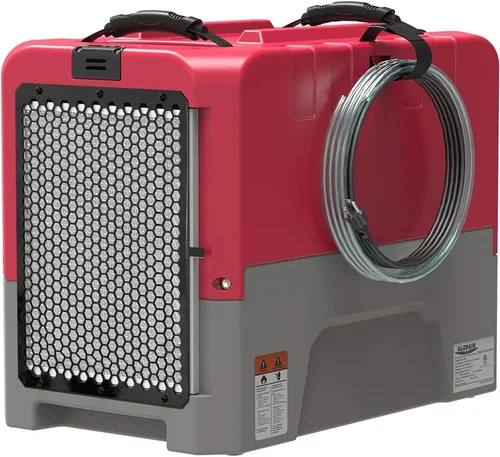
Expert Tips for Getting the Best Deal
– Buy in late winter or early spring: Retailers discount dehumidifiers before humid summer months. Look for Presidents’ Day or Memorial Day sales.
– Check warehouse clubs: Costco and Sam’s Club often carry premium models (like Frigidaire or AprilAire) at 10–20% below retail—with extended warranties.
– Use price-tracking tools: CamelCamelCamel (for Amazon) or Honey alerts you when prices drop on specific models.
– Consider refurbished units: Certified refurbished models from manufacturer websites (e.g., Frigidaire Factory Certified) come with full warranties and save 20–30%.
– Bundle with accessories: Some retailers include free drain hoses, filters, or extension cords—factor these into total value.
– Read the fine print on warranties: Some exclude pump repairs or require professional installation to remain valid.
– Test before the return window closes: Run the unit for 48 hours in your actual environment. Check for leaks, noise spikes, or pump errors.
– Negotiate with local HVAC dealers: They may price-match online retailers and offer free delivery or setup.

Frequently Asked Questions
Q: Can I use a dehumidifier with a pump in an unheated basement during winter?
A: Yes—but only if it has auto-defrost or low-temperature operation (down to 41–50°F). Standard units will ice up and shut down. Look for models specifically rated for cold environments.
Q: How often does the pump need maintenance?
A: Generally, no—unless you notice reduced drainage or error codes. However, clean the inlet filter monthly and inspect the drain hose quarterly for clogs or algae buildup.
Q: Will the pump work if the power goes out?
A: No. But units with automatic restart will resume pumping once power returns—critical for preventing overflow during outages.
Q: Can I drain the pump into a sump pit?
A: Yes, as long as the sump pump can handle the additional water volume. Avoid draining directly into a septic tank unless approved by the manufacturer.
Q: Is a built-in pump worth the extra cost?
A: Absolutely—if you can’t place the unit near a floor drain. The convenience of continuous, unattended operation far outweighs the $50–$100 premium for most users.
Q: Do I still need a water tank if I have a pump?
A: Most pump-equipped models include a small internal tank as a backup in case the pump fails or the hose clogs. It’s a smart safety feature—don’t disable it.
Q: How loud are pump dehumidifiers compared to regular ones?
A: The pump adds minimal noise (usually <2 dB). The main sound comes from the compressor and fan—so focus on overall dB ratings, not pump-specific noise.
Q: Can I run the drain hose outside through a window?
A: Yes, but seal the gap to prevent drafts and pests. Use foam inserts or weatherstripping. Ensure the hose slopes downward to avoid water pooling.
Q: What’s the lifespan of a typical pump?
A: With proper maintenance, 5–7 years. Cheaper pumps may fail in 2–3 years. Choose models with user-replaceable pumps to extend unit life.
Q: Are there any safety concerns with continuous pumping?
A: Minimal—but ensure the drain line is secure and won’t leak onto electrical outlets or finished floors. Use a drip tray as an extra precaution.
Our Final Recommendations
Best for Budget-Conscious Buyers: hOmeLabs 30 Pint Dehumidifier with Pump
At under $250, this Energy Star-certified unit delivers reliable 30-pint performance with a capable 10-ft lift pump. Ideal for small basements or RVs. Plastic build limits longevity, but it’s a solid entry point.
Best Overall Value: Frigidaire FFAD5033W1 50 Pint Dehumidifier with Built-In Pump
Priced around $400, this mid-range workhorse offers 50-pint capacity, auto-defrost down to 41°F, and a robust pump with 15-ft lift. Metal housing, Energy Star rating, and 2-year warranty make it the top pick for most homes.
Best Premium Option: AprilAire E090V1 Whole-House Dehumidifier
At ~$1,200, this isn’t portable—but it’s the gold standard for whole-house moisture control. Integrates with HVAC, includes a high-lift pump, and comes with a 5-year warranty. Perfect for new builds or severe humidity issues.
Best for Beginners: Tosot 30 Pint Smart Dehumidifier with Pump
Simple controls, clear display, and reliable pump make this $280 model ideal for first-time buyers. Includes basic Wi-Fi for remote monitoring—great for tech newcomers.
Best for Advanced Users: Santa Fe Compact 70 Dehumidifier
A commercial-grade portable unit ($750) with dual pumps, condensate alarm, and extreme cold-weather performance. Built for pros and serious DIYers managing large or complex moisture problems.
Conclusion: Making the Right Choice
Choosing the best dehumidifier with a built-in pump isn’t just about finding the strongest pump or the highest pint rating—it’s about matching the right combination of performance, efficiency, durability, and smart features to your specific environment and lifestyle. Whether you’re protecting a cherished basement workshop, safeguarding a vacation home, or simply improving indoor air quality, the right unit will work silently and reliably in the background, giving you peace of mind and a healthier living space.
Remember: prioritize your actual needs over marketing claims. A 50-pint pump dehumidifier from a reputable brand with solid user reviews and a strong warranty will serve you far better than a flashy 70-pint model with a weak pump and no support. Take the time to measure your space, assess your drainage options, and read real-world feedback. And don’t forget to factor in long-term costs—energy efficiency and build quality pay dividends over time.
With the insights from this guide, you’re now equipped to make a confident, informed decision. Invest wisely, maintain your unit regularly, and enjoy the comfort and protection that comes from truly effective moisture control. Your home—and your health—will thank you.