
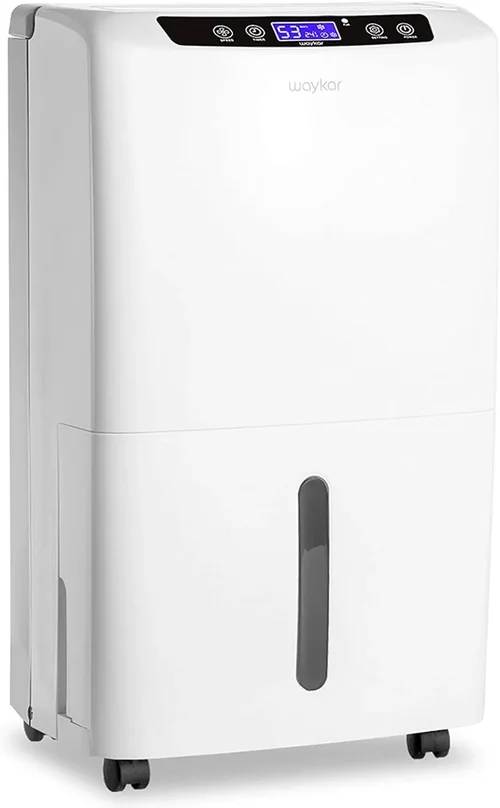
If you’ve ever opened your garage door on a humid summer morning only to be greeted by a damp, musty smell—or worse, found tools rusted, cardboard boxes soggy, or your car’s interior fogged up—you already know why a garage dehumidifier is essential. Garages are notorious for poor ventilation, temperature fluctuations, and exposure to outdoor moisture, making them prime breeding grounds for mold, mildew, and corrosion. Whether you use your garage as a workshop, storage space, or even a home gym, controlling humidity isn’t just about comfort—it’s about protecting your belongings, your health, and the structural integrity of your home.
This comprehensive buying guide is designed to cut through the noise and help you find the best dehumidifier for your garage. We’ll walk you through everything you need to know—from understanding key performance specs like pint capacity and energy efficiency, to comparing different types of units, avoiding common purchasing mistakes, and identifying the right model for your budget and space. With so many options on the market—from compact portable units to heavy-duty commercial-grade machines—it’s easy to feel overwhelmed. But by the end of this guide, you’ll have the knowledge and confidence to make a smart, informed decision that delivers long-term value.
The garage dehumidifier market has evolved significantly in recent years. Manufacturers now offer models specifically engineered for unconditioned spaces like garages, basements, and sheds, with features such as cold-weather operation, robust build quality, and smart controls. However, not all dehumidifiers are created equal—and using a standard household unit in a garage can lead to poor performance, frequent breakdowns, or even safety hazards. This guide will help you navigate those differences, understand what truly matters in a garage-specific dehumidifier, and choose a model that stands up to the unique challenges of your space.
What to Look for When Buying Buying Guide
1. Pint Capacity and Coverage Area
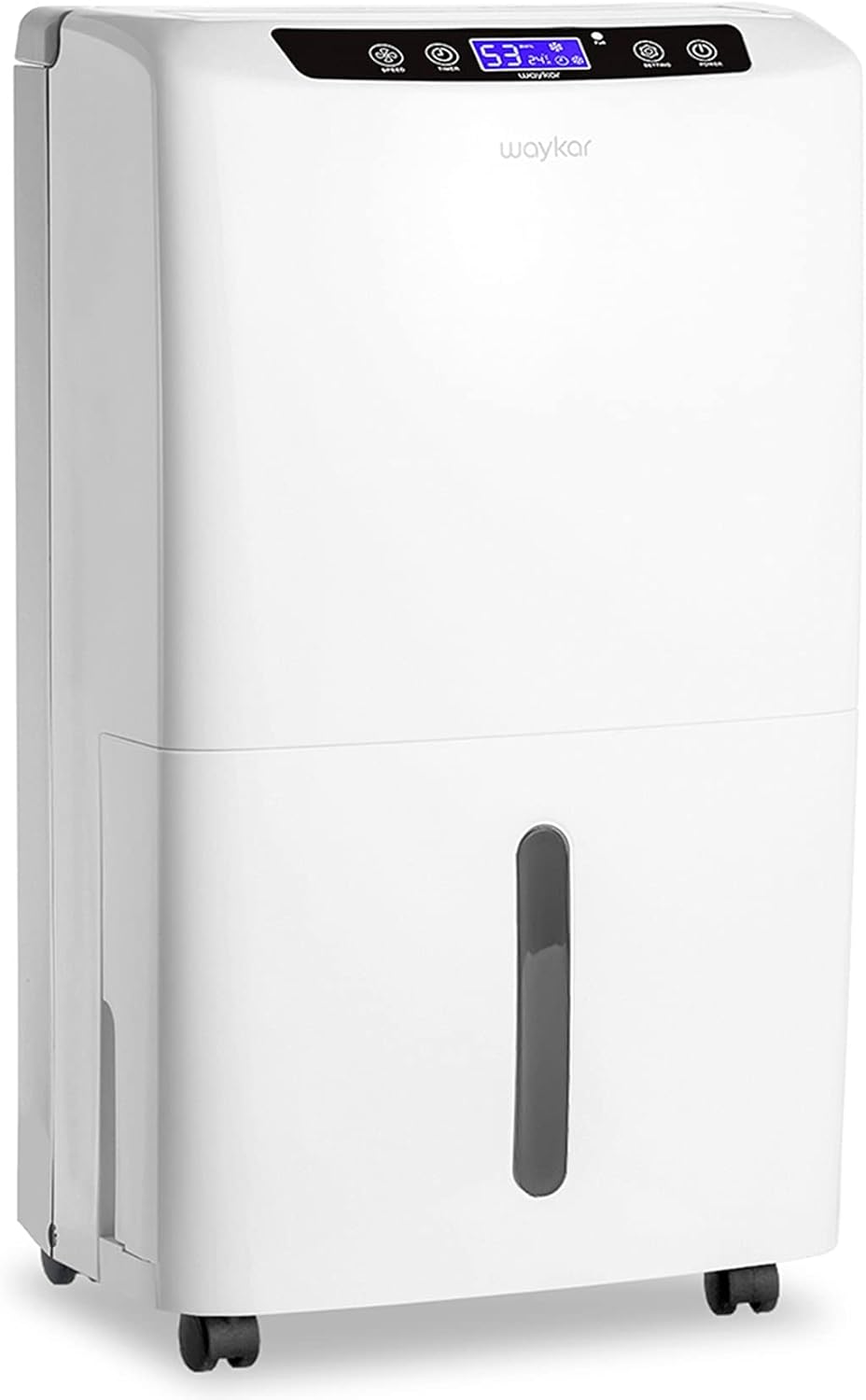
One of the most critical factors when selecting a garage dehumidifier is its pint capacity—the amount of moisture it can remove from the air in 24 hours. This is typically measured in pints per day (PPD). For garages, which are often larger and more exposed to outdoor humidity than indoor living spaces, you’ll generally need a unit with a higher capacity than what you’d use in a bedroom or closet.
Most garage dehumidifiers range from 30 to 70 pints per day. A 30–40 pint model may suffice for a small, well-insulated one-car garage (around 200–300 sq. ft.), but for a two- or three-car garage (400–600+ sq. ft.), especially in humid climates, you’ll want at least a 50-pint unit. Larger spaces or areas with chronic moisture issues (like those near lakes or in tropical regions) may require 60–70 pint models or even multiple units.
But capacity isn’t just about size—it’s also about conditions. Manufacturers often list capacity at 80°F and 60% relative humidity, which is ideal lab testing. In real-world garages, temperatures can drop below 60°F in winter, and humidity can soar above 80% in summer. Cold air holds less moisture, so a dehumidifier’s efficiency drops significantly in low temperatures. That’s why it’s crucial to look for models rated for “low-temperature operation” or “cold climate use,” especially if your garage isn’t heated.
2. Energy Efficiency and Operating Costs
Dehumidifiers can be energy hogs, especially if they run for hours each day. Since garages often require continuous or near-continuous operation, energy efficiency directly impacts your utility bill. Look for models with the ENERGY STAR® certification, which indicates they meet strict energy efficiency guidelines set by the U.S. Environmental Protection Agency.
Energy efficiency is measured in liters of water removed per kilowatt-hour (L/kWh) or pints per kilowatt-hour (pints/kWh). A higher number means the unit removes more moisture using less electricity. For example, a model that removes 1.5 liters per kWh is more efficient than one that removes 1.0 liter per kWh.
In practical terms, a 50-pint ENERGY STAR-certified dehumidifier might cost around $15–$25 per month to run if used 12 hours daily, depending on your local electricity rates. Non-certified models could cost significantly more. Over a year, that difference can add up to $50–$100 or more.
Also consider the unit’s wattage. Most garage dehumidifiers draw between 400 and 800 watts. Higher wattage doesn’t always mean better performance—it often just means higher energy consumption. Check the product specifications for both capacity and power usage to calculate efficiency.
3. Build Quality and Durability
Garages are harsh environments. Unlike climate-controlled living spaces, they’re subject to dust, temperature swings, vibrations from vehicles, and occasional bumps from stored items. A dehumidifier designed for indoor use may not survive long in such conditions. That’s why build quality is paramount.
Look for models with rugged, corrosion-resistant housings—typically made from high-impact plastic or powder-coated metal. Avoid units with flimsy plastic that cracks easily or thin metal that rusts. Internal components should also be robust: sealed compressors, reinforced coils, and heavy-duty fans are signs of a well-built machine.
Pay attention to the condenser and evaporator coils. These are often made of copper or aluminum, but premium models use enhanced coatings like hydrophilic or epoxy to resist corrosion from moisture and chemicals. This is especially important if your garage stores paint, solvents, or other corrosive materials.
Another durability factor is the condensate pump and drainage system. Units with built-in pumps or continuous drainage options are more reliable long-term than those relying solely on gravity drainage, which can clog or overflow.
Finally, check the warranty. A longer warranty (3–5 years) often reflects the manufacturer’s confidence in the product’s durability. Be wary of models with only a 1-year warranty—especially at lower price points.
4. Features and Functionality
Modern garage dehumidifiers come with a range of features that enhance convenience, performance, and safety. While not all are essential, some can make a big difference in usability and effectiveness.
– Humidistat: This allows you to set a target humidity level (e.g., 45% or 50%), and the unit will automatically turn on and off to maintain it. Without a humidistat, the dehumidifier runs continuously, which wastes energy and may over-dry the space.
– Auto-Defrost: Essential for cold garages. When temperatures drop below 60°F, frost can build up on the coils, reducing efficiency or shutting down the unit. Auto-defrost cycles melt the ice, allowing continuous operation.
– Continuous Drainage: Instead of emptying a bucket every few hours, you can connect a garden hose to drain water directly outside or into a floor drain. This is ideal for unattended operation.
– Built-in Pump: Some models include a condensate pump that can push water upward (e.g., to a sink or window), giving you more flexibility in placement.
– Air Filtration: A washable or replaceable air filter helps capture dust, pollen, and mold spores, improving air quality. Look for HEPA or activated carbon filters for enhanced filtration.
– Timer and Remote Control: Useful for scheduling operation during off-peak hours or controlling the unit from a distance.
– Smart Connectivity: Wi-Fi-enabled models let you monitor and control humidity levels via a smartphone app, receive alerts, and integrate with home automation systems.
While advanced features add convenience, they also increase cost and complexity. Focus on the ones that match your needs. For most garage users, a humidistat, auto-defrost, and continuous drainage are the most valuable.
5. Noise Level and Placement Flexibility
Dehumidifiers aren’t silent. They use compressors and fans, which generate noise—typically between 45 and 65 decibels (dB). For context, 50 dB is about the sound of a quiet conversation, while 65 dB is similar to a normal office environment.
In a garage, noise may be less of a concern than in a bedroom, but it’s still worth considering—especially if you use the space for hobbies, workouts, or as a home office. Look for models with noise levels below 55 dB if quiet operation is important.
Placement flexibility is another key factor. Garages often have limited outlet access, so cord length matters. A 6–8 foot power cord is standard, but longer cords (10+ feet) offer more placement options. Also consider the unit’s dimensions and weight. Most garage dehumidifiers weigh 30–50 pounds, so built-in handles and wheels are helpful for moving them around.
Some models are designed to be wall-mounted or placed on elevated surfaces to save floor space. If your garage is tight on room, look for compact or vertical designs.
6. Brand Reputation and Reliability
Not all dehumidifier brands are created equal. Some have a long history of producing reliable, high-performance units, while others focus on low-cost, short-lived models. When investing in a garage dehumidifier—especially a mid- to high-end model—brand reputation matters.
Top-tier brands like Frigidaire, hOmeLabs, AprilAire, and Santa Fe are known for their durability, customer support, and innovation. These companies often offer better warranties, more accessible replacement parts, and responsive customer service. They also tend to invest in R&D, resulting in more efficient and feature-rich products.
On the other hand, lesser-known or generic brands may offer tempting prices, but they often cut corners on materials, testing, and support. A $150 dehumidifier from an unknown brand might seem like a bargain, but if it fails after six months, it’s not a good deal.
Research customer reviews on trusted platforms like Amazon, Home Depot, or Consumer Reports. Look for patterns in feedback—consistent complaints about leaks, compressor failures, or poor customer service are red flags. Conversely, brands with high ratings and detailed, verified reviews are more likely to deliver a positive experience.
7. Warranty and Customer Support
A dehumidifier is a long-term investment, and a solid warranty protects that investment. Most reputable brands offer at least a 1-year limited warranty, but garage-specific models often come with 2–5 years of coverage, especially on the compressor and sealed system.
Read the fine print. Some warranties cover parts only, while others include labor and shipping. Others may require registration within 30 days of purchase. Also, check if the warranty is voided by misuse—such as operating the unit in temperatures outside the recommended range.
Customer support is just as important. If something goes wrong, you want a company that responds quickly and offers helpful solutions. Look for brands with U.S.-based support, live chat, phone assistance, and online troubleshooting guides. Avoid companies that only offer email support with slow response times.
8. User Reviews and Real-World Performance
Spec sheets and marketing materials can only tell you so much. To understand how a dehumidifier performs in real-world garage conditions, user reviews are invaluable. They reveal insights that specs can’t—like how well the unit handles cold weather, how often the bucket fills, or whether the humidistat is accurate.
When reading reviews, focus on verified purchases and detailed feedback. Look for comments about:
– Consistency in humidity control
– Ease of setup and maintenance
– Noise during operation
– Durability over time
– Customer service experiences
Be cautious of overly positive or negative reviews that lack detail—they may be fake or biased. Instead, look for balanced feedback that highlights both pros and cons. A model with 4.5 stars and hundreds of reviews is generally more trustworthy than one with 5 stars and only a handful of comments.
Also, check for updates from long-term users. Some reviewers return months later to report on reliability, which can be more informative than initial impressions.
Different Types of Buying Guide

Common Buying Mistakes to Avoid
❌ Mistake: Buying a Standard Home Dehumidifier for the Garage
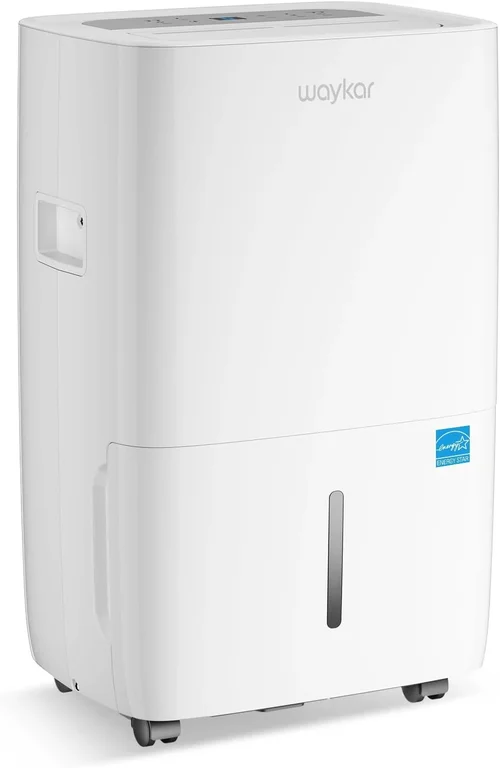
Why it’s bad: Most residential dehumidifiers are designed for climate-controlled indoor spaces and aren’t built to handle the temperature extremes, dust, and humidity levels typical in garages. They may shut down in cold weather, fail prematurely, or lack the capacity needed for larger spaces.
What to do instead: Choose a model specifically rated for garage, basement, or unconditioned space use. These units are built with cold-weather operation, rugged housings, and higher-capacity components in mind.
❌ Mistake: Ignoring the Humidistat
Why it’s bad: Without a humidistat, your dehumidifier runs nonstop, wasting energy and potentially over-drying the air. This increases wear and tear and raises utility bills.
What to do instead: Always select a model with a built-in humidistat. Set it to 45–50% relative humidity—ideal for preventing mold and rust without over-drying.
❌ Mistake: Overlooking Drainage Options
Why it’s bad: If you rely on manual bucket emptying, you’ll quickly tire of the chore—especially in humid conditions when the bucket fills every few hours. Overflowing water can damage floors and create slip hazards.
What to do instead: Opt for a unit with continuous drainage via hose or a built-in pump. This allows unattended operation and is essential for long-term use.
❌ Mistake: Choosing Based on Price Alone
Why it’s bad: The cheapest dehumidifier often costs more in the long run due to higher energy use, shorter lifespan, and poor performance. It may also lack essential features like auto-defrost or a humidistat.
What to do instead: Consider total cost of ownership—including energy efficiency, durability, and features. A $300 model that lasts 8 years is better value than a $150 model that fails in 2.
❌ Mistake: Not Checking Cold-Weather Performance
Why it’s bad: If your garage drops below 60°F in winter, a standard refrigerant dehumidifier will ice up and stop working. This leaves your space vulnerable to moisture damage during the coldest months.
What to do instead: Look for models with auto-defrost or consider a desiccant dehumidifier if you live in a cold climate. Check the operating temperature range in the specs.
❌ Mistake: Skipping User Reviews
Why it’s bad: Marketing materials highlight strengths but omit weaknesses. Without real user feedback, you might buy a unit that looks great on paper but fails in practice.
What to do instead: Read dozens of verified reviews. Pay attention to long-term experiences and look for patterns in complaints or praise.
❌ Mistake: Forgetting About Maintenance
Why it’s bad: A dehumidifier that isn’t cleaned regularly loses efficiency, breeds bacteria, and can become a source of mold. Filters clog, coils frost over, and buckets develop slime.
What to do instead: Choose a model with washable filters and easy-access components. Set a reminder to clean the filter monthly and inspect the unit seasonally.
Budget Guidelines: How Much Should You Spend?
– Entry-Level ($100 – $250): These are typically small, portable units with 20–30 pint capacity. Best for tiny garages or occasional use. Expect basic features, shorter lifespans, and limited cold-weather performance. Good for tight budgets but not ideal for long-term or heavy-duty use.
– Mid-Range ($250 – $500): This is the sweet spot for most garage owners. Units in this range offer 40–60 pint capacity, ENERGY STAR efficiency, auto-defrost, humidistats, and continuous drainage. Brands like hOmeLabs, Frigidaire, and Tosot dominate this category with reliable, feature-rich models.
– Premium ($500 – $800): For larger garages or high-humidity areas, premium models deliver 60–70+ pint capacity, advanced filtration, smart controls, and commercial-grade durability. These are ideal for workshops, car collectors, or homes in tropical climates.
– Luxury ($800+): Whole-house or commercial-grade dehumidifiers fall here. They’re built for 24/7 operation, integrate with ductwork, and offer massive moisture removal. Best for large properties, industrial use, or those who want a permanent, hands-off solution.
Expert Tips for Getting the Best Deal
– Buy in Spring: Dehumidifier sales peak in spring as humidity rises. Retailers often offer discounts to clear winter inventory. Avoid summer, when demand—and prices—spike.
– Shop Online for Better Selection: Online retailers like Amazon, Home Depot, and Lowe’s offer wider selections, detailed specs, and customer reviews. You can also compare prices across sites easily.
– Check for Rebates: Some utility companies offer rebates for ENERGY STAR-certified dehumidifiers. Check your local provider’s website for incentives.
– Read the Return Policy: Ensure the retailer allows returns within 30–60 days. This gives you time to test the unit and return it if it doesn’t perform as expected.
– Test Before Committing: Run the dehumidifier for a week and monitor humidity levels with a separate hygrometer. If it can’t maintain your target, consider a larger model.
– Look for Bundled Deals: Some brands offer free accessories like hoses, filters, or extended warranties with purchase.
– Avoid “As Seen on TV” Models: These are often overpriced and underperforming. Stick to reputable brands with proven track records.

Frequently Asked Questions
Q: Can I use a basement dehumidifier in my garage?
A: Yes, but only if it’s rated for unconditioned spaces and cold-weather operation. Many basement models are suitable, but check the specs for temperature range and build quality.
Q: How often should I clean my dehumidifier?
A: Clean the air filter monthly and wipe down the exterior and bucket weekly. Deep-clean the coils and internal components every 6–12 months.
Q: Will a dehumidifier heat my garage?
A: No, but it will release some heat as a byproduct of operation. This is minimal and not sufficient for heating. It may slightly raise ambient temperature, but don’t rely on it for warmth.
Q: Can I run a dehumidifier 24/7?
A: Yes, especially if you have continuous drainage. Most modern units are designed for continuous operation. Just ensure proper ventilation and maintenance.
Q: What humidity level should I maintain in my garage?
A: Aim for 45–50% relative humidity. This prevents mold, rust, and condensation without over-drying the air.
Q: Do I need a dehumidifier if my garage is insulated?
A: Insulation helps, but it doesn’t eliminate moisture. If you notice dampness, musty smells, or condensation, a dehumidifier is still recommended.
Q: Can a dehumidifier damage my car or tools?
A: No—when used properly, it protects them by reducing moisture. Over-drying is rare and usually only occurs if the humidistat is set too low.
Q: Are desiccant dehumidifiers better for garages?
A: They’re better in cold climates because they work efficiently below 60°F. However, they’re less energy-efficient in warm, humid conditions and may cost more to operate.
Q: How do I know if my dehumidifier is working?
A: Use a hygrometer to measure humidity levels. If they’re consistently below 50% and you’re not seeing condensation or mold, it’s working.
Q: Can I install a dehumidifier myself?
A: Yes, most portable units are plug-and-play. Whole-house models may require professional installation, especially if ductwork is involved.
Our Final Recommendations
– Best for Budget-Conscious Buyers: hOmeLabs 4,500 Sq. Ft Dehumidifier (50 Pint) – Excellent value, ENERGY STAR certified, auto-defrost, and continuous drainage. Ideal for small to mid-sized garages.
– Best Overall Value: Frigidaire FFAD7033R1 70 Pint – High capacity, reliable performance, and durable build. Great for larger garages in humid climates.
– Best Premium Option: AprilAire E080 Pro – Whole-house capable, ultra-quiet, and built for extreme conditions. Perfect for serious collectors or large workshops.
– Best for Beginners: Tosot 50 Pint Smart Dehumidifier – Easy to use, app-controlled, and packed with features. Great for tech-savvy users new to dehumidification.
– Best for Advanced Users: Santa Fe Compact 70 – Commercial-grade performance, ductable design, and exceptional durability. Ideal for professionals or high-moisture environments.
Conclusion: Making the Right Choice
Choosing the best dehumidifier for your garage isn’t just about picking the biggest or most expensive model—it’s about matching the right unit to your space, climate, and needs. By focusing on key factors like pint capacity, energy efficiency, build quality, and essential features, you can avoid common pitfalls and invest in a solution that delivers lasting protection and peace of mind.
Remember, a garage dehumidifier is more than a convenience—it’s a safeguard for your tools, vehicles, and health. Whether you’re battling summer humidity or winter condensation, the right unit will keep your space dry, clean, and functional year-round.
Take the time to assess your garage’s size, climate, and usage. Read reviews, compare specs, and prioritize durability and performance over flashy features. With the insights from this guide, you’re now equipped to make a confident, informed decision.
Don’t wait until mold starts growing or your tools begin to rust. Invest in a quality garage dehumidifier today—and enjoy a cleaner, safer, and more comfortable space for years to come.