
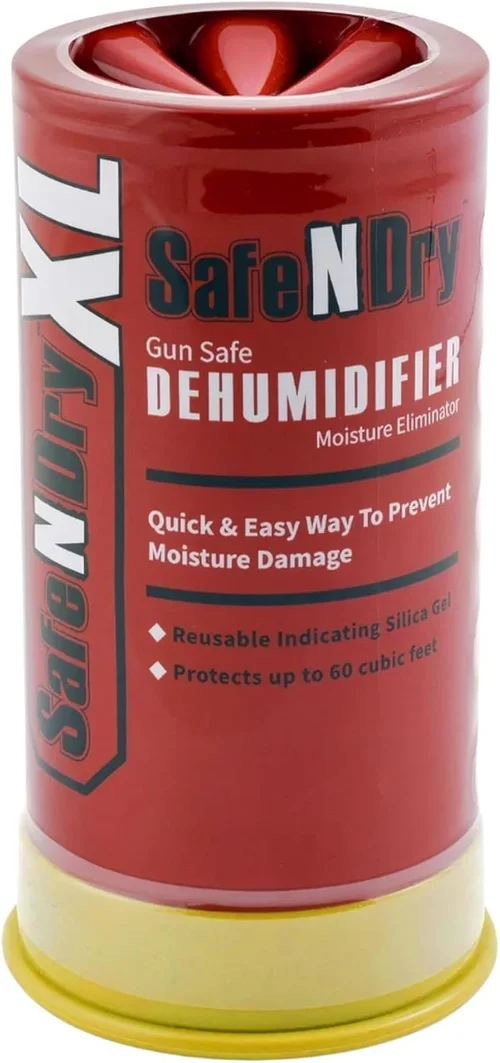
Protecting your firearms isn’t just about security—it’s about preservation. Whether you own a single heirloom rifle or an entire collection of tactical gear, moisture is one of the most insidious threats to the longevity and performance of your guns. Rust, corrosion, mold, and mildew can silently degrade metal finishes, wooden stocks, optics, and internal mechanisms over time—even inside a locked, seemingly secure gun safe. That’s where a high-quality gun safe dehumidifier comes in. These specialized devices are designed to maintain optimal humidity levels inside enclosed storage spaces, ensuring your firearms stay dry, functional, and ready when you need them.
This comprehensive buying guide is crafted for gun owners who take their investment seriously. Whether you’re a first-time buyer or a seasoned collector upgrading your setup, you’ll learn everything you need to know to choose the right dehumidifier for your specific needs. We’ll break down the key factors to consider—from performance specs and build quality to budget and brand reliability—and compare the different types available on the market today. You’ll also discover common pitfalls to avoid, expert tips for getting the best value, and clear recommendations based on real-world use cases. By the end of this guide, you’ll have the knowledge and confidence to make a smart, informed decision that protects your firearms for years to come.
The market for gun safe dehumidifiers has evolved significantly in recent years. What once was a niche accessory is now a must-have component of responsible firearm storage. Today’s options range from simple silica gel canisters to advanced electric rod systems and digital hygrometer-integrated units with automatic controls. With so many choices—and a wide range of price points—it’s easy to feel overwhelmed. Some products promise miracle results but deliver little more than false confidence, while others offer professional-grade protection at a surprisingly affordable cost. This guide cuts through the noise, offering expert analysis, practical advice, and honest evaluations to help you find the best solution for your safe, your collection, and your peace of mind.
What to Look for When Buying a Gun Safe Dehumidifier
1. Moisture Removal Capacity & Coverage Area
One of the most critical factors in choosing a gun safe dehumidifier is its ability to effectively control humidity within your safe’s interior space. Moisture removal capacity refers to how much water vapor the unit can extract from the air over a given period—typically measured in milliliters per day (mL/day) or as a coverage rating in cubic feet. A small pistol safe might only require a unit rated for 100–200 cubic feet, while a large walk-in vault could need coverage for 1,000+ cubic feet. Underestimating your safe’s volume is a common mistake that leads to inadequate dehumidification and eventual rust formation.
Look for products that clearly specify their coverage area and are designed specifically for enclosed metal cabinets or safes. Avoid generic room dehumidifiers, as they’re often too powerful, consume excessive energy, and may not fit inside your safe. Instead, opt for compact, safe-specific models that balance efficiency with space constraints. For example, a 36-inch electric rod dehumidifier is ideal for medium to large safes (up to 500 cubic feet), while smaller desiccant units work well in pistol boxes or compact cabinets. Always measure your safe’s internal dimensions and calculate its volume (length × width × height) before purchasing to ensure a proper match.
2. Power Source & Energy Efficiency
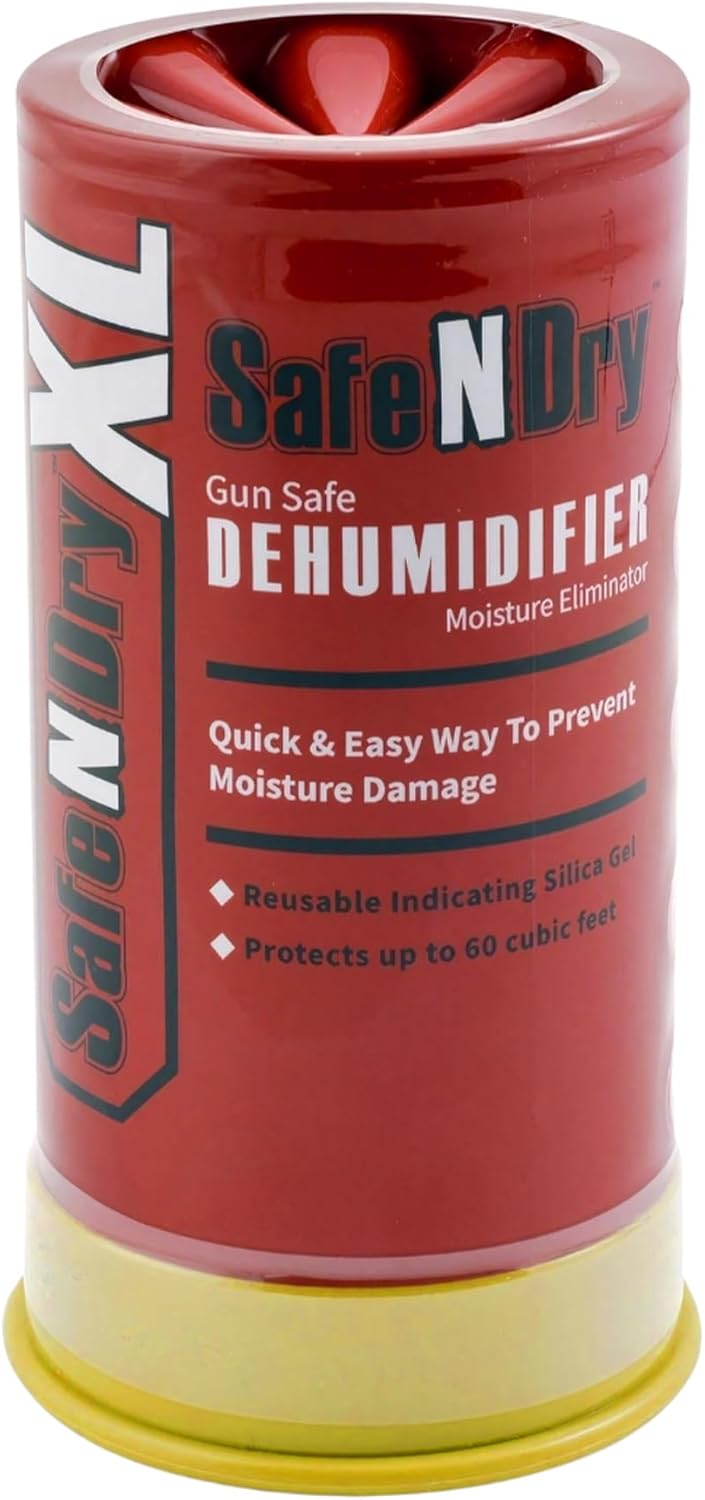
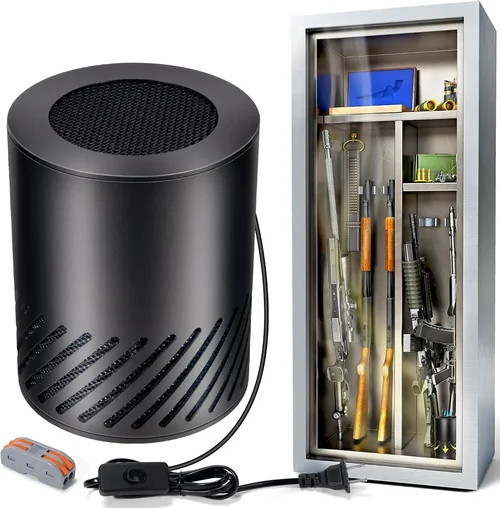
Gun safe dehumidifiers come in two primary power configurations: electric (plug-in) and non-electric (desiccant-based). Electric models, such as heating rods or thermoelectric units, plug into a standard wall outlet and run continuously or on a timer. They’re highly effective in larger safes and consistently humid environments but require access to power—either through a pre-drilled hole in the safe or an external power strip with a pass-through cord. Non-electric options, like silica gel canisters or rechargeable desiccants, don’t need electricity and are perfect for off-grid storage or small safes without power access. However, they require periodic recharging (usually in an oven or microwave) and may not keep up in high-humidity climates.
Energy efficiency is another important consideration, especially for electric models that run 24/7. Look for units with low wattage (typically under 20W) and automatic shut-off features that activate when optimal humidity is reached. Some advanced models include built-in hygrometers that monitor moisture levels and adjust operation accordingly, preventing unnecessary energy use. While desiccant units have no ongoing power costs, their recharging process consumes energy and time. For most users in temperate or humid regions, a low-wattage electric rod offers the best balance of performance, convenience, and long-term cost savings.
3. Build Quality & Durability
A gun safe dehumidifier is a long-term investment, so durability matters. Cheap plastic housings, flimsy wiring, and poorly sealed components can fail prematurely—leaving your firearms vulnerable just when you need protection most. Look for units constructed from high-grade materials like reinforced ABS plastic, stainless steel heating elements, and corrosion-resistant coatings. The internal wiring should be insulated and securely mounted, with strain relief on power cords to prevent fraying. For electric rods, ensure the heating element is evenly distributed and encased in a protective sheath to avoid hot spots that could damage nearby items.
Waterproofing is another key aspect. While most dehumidifiers don’t come into direct contact with liquid, condensation can accumulate inside the safe during temperature fluctuations. A well-built unit should resist moisture ingress and operate safely even in damp conditions. Additionally, check for certifications like UL listing or ETL certification, which indicate compliance with safety standards. Avoid no-name brands with vague specifications or missing safety information. A durable dehumidifier not only lasts longer but also reduces the risk of electrical faults or fire hazards inside your safe.
4. Features & Functionality
Modern gun safe dehumidifiers offer a range of features that enhance usability, performance, and peace of mind. The most valuable among these is a built-in digital hygrometer, which displays real-time humidity levels and often includes temperature readings. This allows you to monitor conditions without opening the safe, minimizing exposure to external moisture. Some models go further with programmable settings, allowing you to set target humidity levels (ideally between 45% and 55% RH for firearms) and receive alerts if levels drift outside the safe range.
Other useful features include automatic shut-off, LED status indicators, timer functions, and recharge notifications for desiccant units. For example, some silica gel canisters change color when saturated, signaling it’s time to recharge. Electric models may include thermal protection that cuts power if the unit overheats. While these extras aren’t strictly necessary, they significantly improve convenience and reliability. Avoid units with overly complex interfaces or unnecessary gimmicks—simplicity and consistency are more important than flashy displays. Focus on functionality that directly supports moisture control and safe operation.
5. Brand Reputation & Reliability
Not all dehumidifier brands are created equal. Established manufacturers with a track record in firearm accessories or climate control tend to produce more reliable, better-supported products. Brands like Lockdown, Eva-Dry, Hornady, and GoldenRod have built strong reputations for quality and customer service in the gun community. They often provide detailed product documentation, responsive support teams, and consistent performance across product lines. In contrast, generic or off-brand units sold under multiple names may lack quality control, use inferior components, or disappear from the market shortly after launch—leaving you without warranty support.
Research brand history, read user reviews across multiple platforms, and check forums like Reddit’s r/guns or The High Road for real-user feedback. A reputable brand doesn’t guarantee perfection, but it significantly reduces the risk of disappointment. Also consider whether the company specializes in gun storage solutions or simply repackages generic dehumidifiers. Specialized brands understand the unique challenges of enclosed metal environments and design their products accordingly—such as low-profile rods that fit under shelves or desiccants that won’t leak if tipped.
6. Warranty & Customer Support
A solid warranty is a strong indicator of a manufacturer’s confidence in their product. Most quality gun safe dehumidifiers come with warranties ranging from one to five years, covering defects in materials and workmanship. Electric models typically have longer warranties due to their complexity, while desiccant units may offer shorter coverage since they’re consumable by nature. Always read the fine print: some warranties exclude damage from improper installation, power surges, or environmental factors like flooding.
Equally important is the availability of responsive customer support. Can you easily reach a human being if your unit malfunctions? Does the company offer replacement parts or troubleshooting guides? Brands with dedicated support lines, online chat, or detailed FAQs tend to provide better post-purchase experiences. Avoid companies that only offer email support with slow response times or no phone number at all. A good warranty paired with reliable support ensures that your investment is protected long after the sale.
7. Size & Compatibility
Even the most powerful dehumidifier is useless if it doesn’t fit inside your safe. Measure your safe’s interior dimensions and consider shelf placement, door clearance, and cable routing before buying. Electric rod dehumidifiers are typically long and thin, designed to mount along the back or side wall using brackets or adhesive pads. Desiccant units are usually compact cylinders or rectangular boxes that sit on a shelf or hang from a hook. Ensure there’s enough clearance for airflow—most units need at least 1–2 inches of space around them to function efficiently.
Compatibility also extends to power access. If your safe lacks a pre-drilled hole for cords, you may need to modify it (which could void the warranty) or use a wireless desiccant alternative. Some safes come with built-in power outlets or USB ports, making electric models easier to install. For modular or stackable safes, consider whether the dehumidifier can be repositioned as your setup changes. Always check the product dimensions and installation requirements against your safe’s layout to avoid surprises.
8. User Reviews & Real-World Performance
Spec sheets and marketing claims can be misleading. The best way to gauge a dehumidifier’s true performance is by reading verified user reviews from actual gun owners. Look for patterns in feedback: Do multiple users report rust prevention over several months? Are there complaints about noise, overheating, or short lifespans? Pay attention to reviews from people in similar climates and with similar safe sizes—your experience in humid Florida will differ greatly from someone in dry Arizona.
Platforms like Amazon, OpticsPlanet, and Brownells allow filtering by verified purchase and include photos of real installations. Forum discussions often provide deeper insights, including long-term reliability and compatibility with specific safe brands. Be wary of overly positive reviews that sound scripted or lack detail—they may be fake. Instead, focus on balanced feedback that highlights both strengths and weaknesses. A product with consistently high ratings across diverse user groups is more likely to meet your expectations.
Different Types of Gun Safe Dehumidifiers

Common Buying Mistakes to Avoid
❌ Mistake: Buying Based Solely on Price
Why it’s bad: The cheapest option often sacrifices performance, durability, and safety. A $10 silica gel pack might seem like a bargain, but it could require weekly recharging in humid climates and offers no humidity monitoring. Similarly, ultra-low-cost electric rods may overheat or fail within months, risking fire or damage to your firearms.
What to do instead: Focus on value, not just cost. Invest in a unit that matches your safe size and climate needs. A mid-range electric rod ($60–$90) often provides years of reliable service, making it far more cost-effective than replacing cheap units repeatedly.
❌ Mistake: Ignoring Safe Size and Layout
Why it’s bad: A dehumidifier rated for 200 cubic feet will struggle in a 500-cubic-foot safe, leading to uneven drying and persistent moisture pockets. Conversely, an oversized unit may not fit or could create excessive heat near delicate items like wood stocks or optics.
What to do instead: Measure your safe’s internal volume and choose a model with a coverage rating that matches or slightly exceeds it. Consider shelf placement and airflow—mount rods vertically along walls and keep desiccants away from direct contact with firearms.
❌ Mistake: Overlooking Power Access Requirements
Why it’s bad: Installing an electric dehumidifier in a safe without a power pass-through can damage the door seal, void the warranty, or create a fire hazard. Drilling holes improperly may compromise the safe’s security rating.
What to do instead: Check if your safe has a pre-drilled hole or consult the manufacturer before modification. If not, consider a wireless desiccant or a model with a flexible cord that can be routed through the door gasket without sealing issues.
❌ Mistake: Assuming All Desiccants Are Equal
Why it’s bad: Not all silica gel is created equal. Low-quality beads may break down into dust, leak when saturated, or lose effectiveness after a few recharge cycles. Some “rechargeable” units require oven temperatures that can damage the container.
What to do instead: Choose desiccants with color-changing indicators (blue to pink) and food-safe, non-toxic gel. Look for units with sturdy, vented housings and clear recharge instructions. Avoid cheap bulk packs not designed for enclosed spaces.
❌ Mistake: Neglecting Maintenance
Why it’s bad: Even the best dehumidifier fails if not maintained. Desiccants left uncharged become moisture sources. Electric rods with clogged vents overheat. Dust buildup reduces efficiency over time.
What to do instead: Set calendar reminders to check and recharge desiccants every 2–6 weeks, depending on humidity. Clean electric units monthly with a dry cloth and ensure vents are unobstructed. Replace units according to manufacturer guidelines.
❌ Mistake: Relying on Hygrometer-Only Safes
Why it’s bad: Some safes include built-in hygrometers but no active dehumidification. While helpful for monitoring, they don’t remove moisture—only alert you to a problem after it’s already occurring.
What to do instead: Use the hygrometer as a diagnostic tool, but always pair it with an active dehumidifier. A digital display alone won’t prevent rust; it just tells you when it’s too late.
❌ Mistake: Buying Without Researching Climate
Why it’s bad: A dehumidifier that works in dry Arizona may fail in coastal Florida. High ambient humidity demands more aggressive moisture control, while arid regions may only need minimal protection.
What to do instead: Assess your local climate. If you live in a humid region (RH >60%), prioritize electric rods or high-capacity desiccants. In dry areas, a small rechargeable unit may suffice. Use a standalone hygrometer to track indoor humidity trends.
Budget Guidelines: How Much Should You Spend?
Entry-Level ($15–$40): This tier includes basic silica gel canisters and small rechargeable desiccants. Ideal for pistol safes, lockboxes, or temporary storage in low-humidity areas. Expect limited capacity, manual recharging, and no monitoring features. Best for occasional shooters or those on a tight budget, but not recommended for long-term protection of valuable firearms.
Mid-Range ($40–$90): The sweet spot for most gun owners. Includes reliable electric heating rods (like the GoldenRod 36-inch model) and mid-sized desiccant units with indicators. These offer consistent performance, decent coverage (up to 500 cu ft), and low maintenance. Perfect for home safes in moderate climates and collections of 5–20 firearms.
Premium ($90–$150): Designed for enthusiasts and professionals. Features thermoelectric units with digital hygrometers, automatic controls, and enhanced durability. Some models include dual-mode operation or smart alerts. Ideal for large safes, high-value collections, or humid environments where precision matters.
Luxury ($150+): Top-tier systems with hybrid technology, app connectivity, and industrial-grade components. Often used in vaults, museums, or by serious collectors. While overkill for most users, they offer unparalleled reliability, redundancy, and peace of mind for irreplaceable firearms.
Expert Tips for Getting the Best Deal
– Buy during off-seasons: Prices often drop in winter (January–March) when demand for safes and accessories is lower. Retailers may offer discounts to clear inventory.
– Check manufacturer websites: Brands like Lockdown and Eva-Dry occasionally run direct sales or bundle deals not available on third-party sites.
– Look for refurbished units: Some companies sell certified refurbished dehumidifiers at 20–30% off with full warranties—great for budget-conscious buyers.
– Bundle with safe purchases: Many safe retailers offer free or discounted dehumidifiers when you buy a safe. This can save $30–$60 compared to buying separately.
– Read return policies carefully: Ensure you can return or exchange the unit if it doesn’t fit or perform as expected. Avoid sellers with restocking fees or short windows.
– Test before relying: Run the dehumidifier for a week with a standalone hygrometer inside the safe. Verify it maintains 45–55% RH before storing valuable firearms.
– Consider long-term costs: Factor in electricity usage for electric models (typically $2–$5/year) and recharge frequency for desiccants. A slightly pricier efficient unit may save money over time.
– Join gun forums for deals: Communities like AR15.com or TheFirearmBlog often share exclusive promo codes or flash sales from trusted retailers.

Frequently Asked Questions
Q: How often should I recharge a desiccant dehumidifier?
A: It depends on humidity levels and safe size. In moderate climates, most silica gel units need recharging every 4–8 weeks. In humid areas, this may drop to every 2–3 weeks. Use the color indicator (if available) or a hygrometer to determine when recharging is needed.
Q: Can I use a regular room dehumidifier in my gun safe?
A: No. Room dehumidifiers are too large, consume excessive power, and aren’t designed for enclosed metal spaces. They can also create condensation inside the safe due to temperature differences. Always use a safe-specific model.
Q: Will a dehumidifier damage wood stocks or optics?
A: No—when used correctly. Maintaining 45–55% RH protects wood from warping and optics from fogging. Avoid placing heating rods directly against wooden stocks; mount them on walls or use low-heat models.
Q: Do I need a dehumidifier if my safe is in a dry basement?
A: Yes. Basements are often more humid than above-ground areas due to groundwater and poor ventilation. Even in dry climates, seasonal changes can cause moisture buildup. A hygrometer will confirm whether dehumidification is needed.
Q: How do I install an electric rod in a safe without a power hole?
A: You can route the cord through the door gasket if it’s flexible enough, but this may slightly reduce seal effectiveness. For best results, have a professional drill a small hole in the safe wall and install a grommet to protect the cord.
Q: Are rechargeable desiccants safe to use near firearms?
A: Yes, as long as they’re sealed and don’t leak. Choose units with sturdy, vented containers and avoid opening them inside the safe. Never place loose silica gel beads directly among firearms.
Q: Can a dehumidifier prevent rust completely?
A: It significantly reduces the risk, but doesn’t eliminate it entirely. Combine dehumidification with regular cleaning, oiling, and inspection. No system is 100% foolproof, but proper moisture control is the single most effective prevention method.
Q: What’s the ideal humidity level for gun storage?
A: Between 45% and 55% relative humidity (RH). Below 40%, wood may dry out and crack; above 60%, rust and mold become likely. Use a calibrated hygrometer to monitor levels accurately.
Q: Do dehumidifiers make noise?
A: Electric rods are silent. Thermoelectric units may produce a faint hum, but it’s usually undetectable inside a closed safe. Desiccants are completely silent.
Q: How long do gun safe dehumidifiers last?
A: Electric rods typically last 5–10 years with proper use. Desiccants can last indefinitely if recharged correctly, though the container may degrade over time. Replace units if they show signs of damage or reduced performance.
Our Final Recommendations
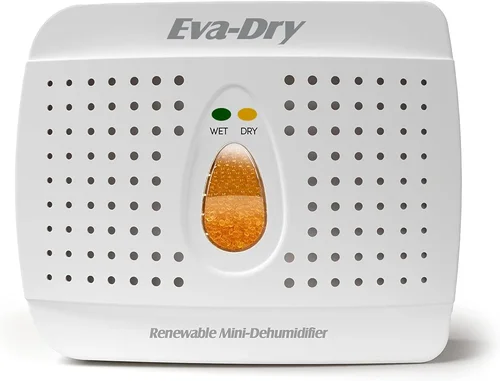
Best for Budget-Conscious Buyers: Eva-Dry E-333 Renewable Mini Dehumidifier
A compact, wireless desiccant unit that’s perfect for small safes or lockboxes. Recharges in 10–14 days, changes color when full, and requires no power. At under $25, it’s an affordable entry point for basic moisture control.
Best Overall Value: GoldenRod 36-Inch Dehumidifier Rod
A proven performer for medium to large safes. Low 10-watt consumption, even heat distribution, and a 5-year warranty. Reliable, efficient, and widely trusted by gun owners. Priced around $70, it offers excellent long-term value.
Best Premium Option: Lockdown Digital Dehumidifier with Hygrometer
Combines a thermoelectric dehumidifier with a built-in digital display for real-time monitoring. Automatically adjusts operation based on humidity levels and includes thermal protection. Ideal for high-end collections and humid climates. Around $130.
Best for Beginners: Hornady Rechargeable Gun Safe Dehumidifier
User-friendly silica gel canister with clear instructions and a durable housing. Great for first-time buyers who want simplicity and safety. No installation needed—just place and forget (until recharge time).
Best for Advanced Users: Eva-Dry EDV-4000 Thermoelectric Dehumidifier
Features dual-fan technology, programmable humidity settings, and a large water tank. Suitable for large safes or vaults and includes a remote hygrometer. For those who want precision control and smart functionality.
Conclusion: Making the Right Choice
Choosing the right gun safe dehumidifier isn’t just about preventing rust—it’s about preserving your investment, maintaining functionality, and ensuring your firearms are ready when you need them. From understanding coverage needs and power requirements to avoiding common pitfalls and selecting a trusted brand, every decision you make contributes to long-term protection. Whether you opt for a simple desiccant or a high-tech electric system, the key is matching the solution to your specific environment, safe size, and usage patterns.
Don’t let moisture quietly compromise your collection. Take action today by assessing your current setup, measuring your safe, and investing in a dehumidifier that delivers consistent, reliable performance. Remember: the cost of prevention is always less than the cost of repair. With the knowledge from this guide, you’re equipped to make a confident, informed choice that keeps your firearms safe, dry, and in peak condition for generations to come.