
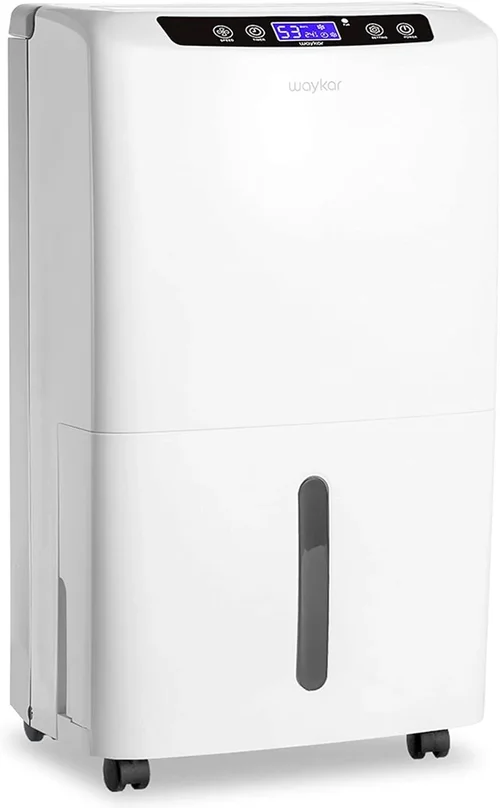
If you’ve ever walked into a basement that smells like damp socks, noticed condensation fogging up your windows, or spotted mold creeping along the corners of your bathroom walls, you already know how disruptive excess humidity can be. High indoor moisture doesn’t just feel uncomfortable—it can damage your home’s structure, trigger allergies, and even lower your property value over time. That’s where a dehumidifier comes in. But not all dehumidifiers are created equal. In fact, choosing the wrong one can leave you with higher energy bills, poor performance, and a machine that quits after just a year or two.
That’s why this guide focuses specifically on Energy Star certified dehumidifiers. These units meet strict efficiency standards set by the U.S. Environmental Protection Agency (EPA), meaning they remove more moisture per kilowatt-hour of electricity than standard models. Over the lifetime of the unit, that translates into real savings on your utility bill—often hundreds of dollars—while also reducing your carbon footprint. Whether you’re dealing with a chronically damp crawl space, a humid coastal climate, or seasonal moisture spikes in your finished basement, an Energy Star dehumidifier offers a smart, sustainable solution.
In this comprehensive buying guide, we’ll walk you through everything you need to know to choose the best Energy Star dehumidifier for your needs. You’ll learn how to evaluate performance specs like pint capacity and coverage area, understand key features such as auto-humidistats and pump drainage, and avoid common pitfalls like undersizing or overlooking warranty terms. We’ll compare different types of units, break down budget ranges, and share expert tips for getting the most value. By the end, you’ll have the confidence to pick a model that delivers reliable moisture control, long-term durability, and energy-efficient operation—without overspending or settling for less than you deserve.
The market for dehumidifiers has exploded in recent years, with dozens of brands offering models ranging from compact 20-pint units for small spaces to heavy-duty 70-pint beasts designed for large basements or whole-house use. Many now carry the Energy Star label, but not all are equally efficient or well-built. Some prioritize flashy features over core performance, while others cut corners on components to hit a lower price point. Our goal is to cut through the noise and give you a clear, actionable roadmap based on real-world performance, verified customer feedback, and technical expertise. Whether you’re a first-time buyer or upgrading from an older model, this guide will help you make a decision you won’t regret.
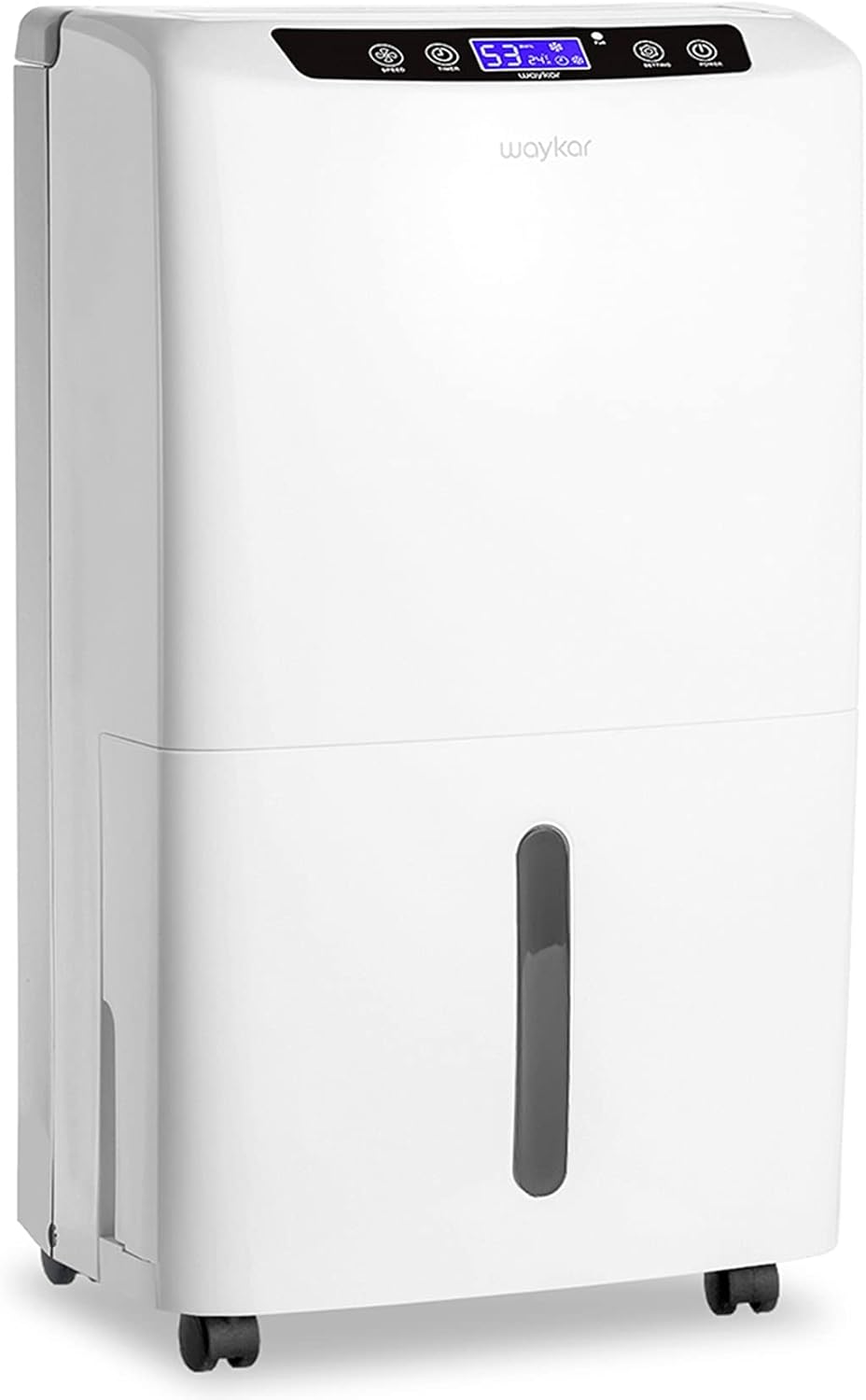
What to Look for When Buying Buying Guide
1. Pint Capacity & Coverage Area
The most fundamental spec to consider is the dehumidifier’s pint capacity—the amount of moisture it can remove from the air in 24 hours under standard test conditions (60% relative humidity at 80°F). This number directly correlates with the size of the space it can effectively manage. For example, a 30-pint unit is ideal for a 500–1,000 sq. ft. moderately damp basement, while a 50-pint model suits larger areas up to 1,500–2,000 sq. ft. or spaces with severe moisture issues like flooding or poor ventilation.
However, don’t rely solely on the advertised pint rating. Manufacturers often test under ideal lab conditions that don’t reflect real-world environments. A better approach is to match the unit’s capacity to your room’s square footage and moisture level. The Association of Home Appliance Manufacturers (AHAM) provides guidelines: light dampness (50–60% RH) may only need a 20–30 pint unit, moderate dampness (60–70% RH) calls for 30–50 pints, and severe dampness (70%+ RH) requires 50+ pints. Always check the product’s AHAM rating, which appears on the Energy Guide label and offers a more realistic performance benchmark than the manufacturer’s claim.
2. Energy Efficiency & Operating Cost
Since dehumidifiers run for hours each day—sometimes continuously during humid seasons—their energy consumption significantly impacts your monthly bill. Energy Star certification ensures the unit removes at least 10% more moisture per kilowatt-hour than non-certified models of the same size. Look for the “Energy Factor” (liters of water removed per kilowatt-hour) on the yellow Energy Guide label; higher values mean better efficiency.
For context, a typical 50-pint Energy Star dehumidifier uses about 500–600 watts and costs roughly $15–$25 per month to run 12 hours daily, depending on local electricity rates. Non-Energy Star models can cost 20–30% more. Over five years, that difference adds up to $150–$300 in savings—enough to offset a significant portion of the upfront cost. Additionally, some utility companies offer rebates for Energy Star appliances, further reducing your net expense.
3. Build Quality & Durability
A dehumidifier is a long-term investment, so internal components matter as much as specs. Look for models with corrosion-resistant coils (often coated aluminum or copper), sturdy plastic housings, and sealed compressors that reduce noise and extend lifespan. Cheaper units may use thin-gauge metal or brittle plastics that crack under stress or warp in high-humidity environments.
Pay attention to the compressor type: rotary compressors are quieter and more efficient for continuous use, while reciprocating compressors are common in budget models but tend to be noisier and less durable. Also, check the quality of the fan motor—brushless DC motors last longer and consume less power than traditional AC motors. Finally, inspect the water tank: a well-designed bucket with a comfortable handle, splash guard, and smooth interior makes emptying far less messy.
4. Features & Functionality
Modern Energy Star dehumidifiers come packed with features that enhance convenience and performance. The most important is an adjustable humidistat, which lets you set your desired humidity level (ideally 30–50% for comfort and mold prevention) and automatically cycles the unit on/off to maintain it. Without this, you’re stuck manually turning it on and off—or worse, letting it run nonstop, wasting energy.
Other valuable features include:
– Auto-defrost: Prevents ice buildup on coils in cold environments (below 65°F), essential for garages or unheated basements.
– Continuous drainage: A hose hookup lets you route water directly to a floor drain or sump pump, eliminating the need to empty the bucket.
– Timer function: Schedule operation during off-peak hours or when you’re away.
– Air filtration: Built-in washable filters trap dust, mold spores, and allergens—great for allergy sufferers.
– Digital display & remote control: Useful for monitoring settings without bending down.
Avoid models that sacrifice core functionality for gimmicks like Bluetooth connectivity unless you truly need smart-home integration.
5. Noise Level
Dehumidifiers aren’t silent—they contain compressors and fans that generate noise—but some are noticeably quieter than others. Look for units rated below 50 decibels (dB) on the low fan setting; this is roughly equivalent to a quiet conversation or library ambient noise. Models above 55 dB may be disruptive in living rooms, bedrooms, or home offices.
Noise levels often vary between fan speeds. Many units offer a “low” or “quiet” mode that reduces airflow and compressor cycling for nighttime use. If noise is a top concern, prioritize models with insulated cabinets, vibration-dampening mounts, and variable-speed fans. Reading verified customer reviews can also reveal real-world noise experiences that specs alone don’t capture.
6. Portability & Placement
Even the best dehumidifier is useless if you can’t move it where it’s needed. Most portable units feature recessed handles and smooth-rolling casters, but weight varies widely—from under 30 lbs for compact models to over 50 lbs for high-capacity units. If you plan to move it between floors or rooms, opt for a lighter model with sturdy wheels.
Consider placement logistics: ensure there’s clearance around the unit (usually 6–12 inches) for proper airflow, and verify that nearby electrical outlets can handle the load. For basements without drains, check the bucket size—larger tanks (2+ gallons) reduce emptying frequency. Some models include a “full bucket” indicator light or auto-shutoff for safety.
7. Brand Reputation & Reliability
Not all brands are equal when it comes to long-term reliability. Established names like Frigidaire, Honeywell, GE, and LG consistently receive high marks for build quality, customer service, and parts availability. Lesser-known brands may offer tempting prices but often lack robust support networks or use generic components prone to failure.
Research brand history: How long have they been making dehumidifiers? Do they specialize in HVAC appliances? Check third-party review sites like Consumer Reports or Wirecutter for consistency in performance across models. Also, note whether the brand offers extended warranties or service plans—this signals confidence in their products.
8. Warranty & Customer Support
A dehumidifier should last 5–10 years with proper maintenance. A strong warranty reflects the manufacturer’s faith in their product. Most reputable brands offer at least a 1-year limited warranty, but premium models may include 2–5 years of coverage, sometimes with separate terms for the compressor (the most expensive component to replace).
Read the fine print: Does the warranty cover labor, parts, and shipping? Is registration required? Are there exclusions for commercial use or improper installation? Also, assess customer support responsiveness—can you reach a human quickly? Are replacement parts readily available? A 5-star product with poor support can turn into a nightmare if something breaks.
Different Types of Buying Guide

Common Buying Mistakes to Avoid
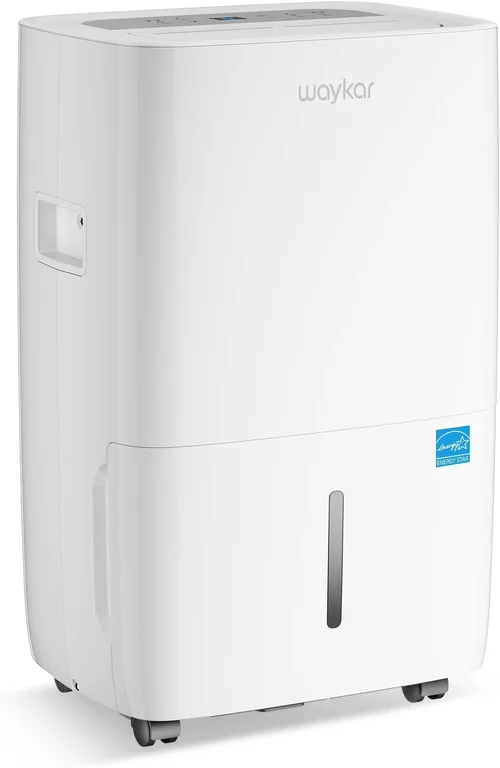
❌ Mistake: Buying Based Solely on Pint Rating
Why it’s bad: A 70-pint dehumidifier sounds powerful, but if your space only needs 30 pints, you’re overspending on a unit that’s louder, heavier, and less efficient for your needs. Conversely, a 20-pint unit in a flooded basement will run constantly, overheat, and fail prematurely.
What to do instead: Match capacity to your room size and moisture level using AHAM guidelines. When in doubt, slightly oversize (e.g., go from 30 to 35 pints) rather than undersize.
❌ Mistake: Ignoring the Humidistat
Why it’s bad: Without an adjustable humidistat, your dehumidifier can’t maintain optimal humidity—it either runs nonstop (wasting energy) or shuts off too early (leaving air too damp).
What to do instead: Always choose a model with a built-in humidistat and verify it’s accurate (some budget units drift over time). Consider using a separate hygrometer to double-check readings.
❌ Mistake: Overlooking Drainage Options
Why it’s bad: If you can’t route a hose to a drain, you’ll be emptying the bucket every 8–12 hours—a hassle that leads many users to abandon the unit altogether.
What to do instead: Choose a model with both a large-capacity bucket (2+ gallons) AND a continuous drain hose option. For basements, a built-in pump is worth the extra cost.
❌ Mistake: Skipping the Warranty Check
Why it’s bad: Dehumidifiers have complex mechanical parts. If the compressor fails after 13 months and you only have a 1-year warranty, you’re out of luck.
What to do instead: Prioritize brands offering at least a 2-year warranty, with compressor coverage. Register your product immediately after purchase.
❌ Mistake: Assuming All Energy Star Models Are Equal
Why it’s bad: Energy Star sets a minimum efficiency bar—some models just meet it, while others far exceed it. A “certified” label doesn’t guarantee top-tier performance.
What to do instead: Compare Energy Factor ratings and look for models on the EPA’s “Most Efficient” list for even greater savings.
❌ Mistake: Neglecting Maintenance Requirements
Why it’s bad: Clogged filters and dirty coils reduce efficiency by up to 30% and can cause premature failure.
What to do instead: Choose a model with easy-access, washable filters and commit to cleaning them monthly. Check coils annually for dust buildup.
❌ Mistake: Buying Without Reading Real User Reviews
Why it’s bad: Marketing specs don’t reveal real-world issues like noisy operation, flimsy handles, or poor customer service.
What to do instead: Read 100+ verified purchase reviews on Amazon, Home Depot, or Lowe’s. Pay attention to recurring complaints about durability or support.
Budget Guidelines: How Much Should You Spend?
Entry-Level ($100–$200): These compact 20–30 pint units are ideal for small spaces with mild dampness. Expect basic features: manual humidistat, small bucket, limited warranty (1 year), and modest energy efficiency. Brands like hOmeLabs and Tosot offer decent options here, but build quality may be inconsistent. Best for renters or seasonal use.
Mid-Range ($200–$350): This is the sweet spot for most homeowners. You’ll find reliable 35–50 pint Energy Star models from trusted brands like Frigidaire, Honeywell, and GE. Features typically include digital controls, auto-defrost, continuous drainage, and 1–2 year warranties. These units deliver strong performance, quiet operation, and long-term value.
Premium ($350–$600): High-capacity (50–70+ pint) models designed for large basements or severe moisture. Look for rotary compressors, condensate pumps, HEPA-grade filters, and 2–5 year warranties. Brands like AprilAire and Santa Fe specialize in this tier. Ideal for those with chronic humidity problems or whole-house needs.
Luxury ($600+): Whole-house ducted systems or commercial-grade desiccant dehumidifiers. These integrate with HVAC, offer smart controls, and provide hospital-level air quality. Only necessary for large estates, historic homes, or extreme climates. Expect professional installation and ongoing maintenance.
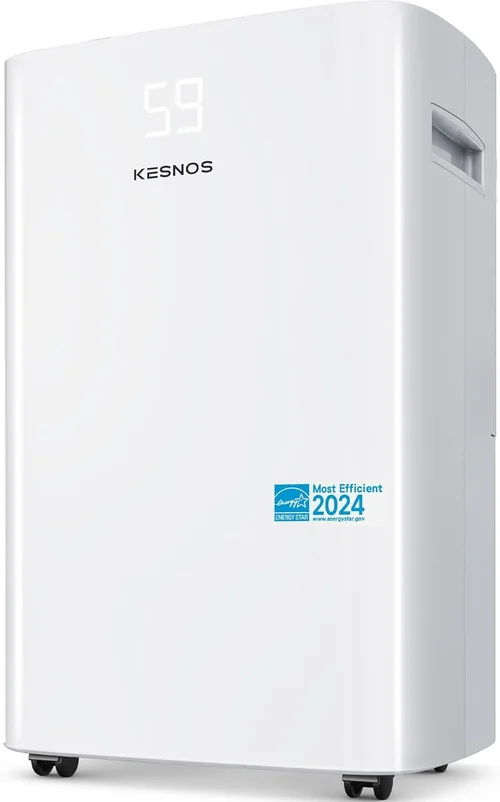
Expert Tips for Getting the Best Deal
– Buy in late winter or early spring: Retailers discount dehumidifiers before humid season hits. Look for Presidents’ Day or Memorial Day sales.
– Check utility rebates: Many local utilities offer $25–$100 rebates for Energy Star dehumidifiers. Visit dsireusa.org to search your area.
– Compare online vs. in-store: Online retailers (Amazon, Home Depot, Lowe’s) often have better prices and reviews, but in-store lets you inspect build quality.
– Sign up for price alerts: Use tools like Honey or CamelCamelCamel to track price drops on specific models.
– Consider refurbished models: Certified refurbished units from manufacturers (e.g., Frigidaire Renewed) come with warranties and cost 20–30% less.
– Read return policies carefully: Some retailers charge restocking fees or won’t accept returns on large appliances. Ensure you have a 30-day window to test the unit.
– Test before committing: Run the dehumidifier for a week. If it’s too loud, underperforming, or malfunctioning, return it immediately.
– Bundle with other purchases: Buying during a major appliance sale (e.g., Black Friday) may unlock bundle discounts or free shipping.

Frequently Asked Questions
Q: How do I know if I need a dehumidifier?
A: Signs include musty odors, condensation on windows, peeling paint, warped wood, or visible mold. Use a hygrometer to measure indoor humidity—if it’s consistently above 60%, a dehumidifier is recommended.
Q: Can I use a dehumidifier in winter?
A: Yes, but only if the space stays above 65°F. Most compressor-based units won’t work efficiently in colder temps due to coil freezing. For garages or unheated spaces, choose a desiccant model or one with auto-defrost.
Q: How often should I empty the water bucket?
A: It depends on humidity levels and bucket size. In high-moisture conditions, expect to empty a 1-gallon bucket every 8–12 hours. Use continuous drainage to avoid this hassle.
Q: Will a dehumidifier lower my heating bill?
A: Indirectly, yes. Dry air feels warmer, so you may lower your thermostat slightly. However, the primary benefit is comfort and mold prevention—not direct energy savings on heating.
Q: Are Energy Star dehumidifiers really worth the extra cost?
A: Absolutely. The efficiency gains typically pay back the price difference within 1–2 years through lower electricity bills. Plus, they’re better for the environment.
Q: Can I run a dehumidifier 24/7?
A: Yes, especially if you have an adjustable humidistat. Modern Energy Star units are designed for continuous operation and will cycle on/off as needed.
Q: What’s the difference between a dehumidifier and an air purifier?
A: A dehumidifier removes moisture; an air purifier removes particles like dust and pollen. Some models combine both functions, but they serve different purposes.
Q: How do I maintain my dehumidifier?
A: Clean the air filter monthly, wipe down the bucket, and inspect coils annually. Store the unit in a dry place during off-seasons.
Q: Can a dehumidifier help with allergies?
A: Yes. By reducing humidity below 50%, it inhibits mold, dust mites, and mildew—common allergens. Pair it with a HEPA air purifier for best results.
Q: Is it safe to leave a dehumidifier on when I’m not home?
A: Yes, as long as it has auto-shutoff when the bucket is full and is placed on a stable, level surface away from flammable materials.
Our Final Recommendations
Best for Budget-Conscious Buyers: hOmeLabs 30 Pint Energy Star Dehumidifier – At under $200, it offers solid performance, a large 1.8-gallon bucket, and quiet operation for small spaces. Great for apartments or mild dampness.
Best Overall Value: Frigidaire FFAD7033R1 70 Pint Energy Star Dehumidifier – Despite its high capacity, it’s surprisingly efficient and packed with features: digital humidistat, washable filter, continuous drain, and a 1-year warranty. Ideal for large basements.
Best Premium Option: AprilAire E080 Pro 80 Pint Whole-House Dehumidifier – For those needing whole-home control, this ducted system integrates seamlessly with HVAC and maintains precise humidity levels. Professional installation required, but unmatched performance.
Best for Beginners: Honeywell TP70WKN 70 Pint Energy Star Dehumidifier – User-friendly interface, clear instructions, and reliable performance make this a great first dehumidifier. Includes a pump for easy drainage.
Best for Advanced Users: Santa Fe Advance 90 Desiccant Dehumidifier – No compressor means it works in cold temps and operates silently. Perfect for crawl spaces, RVs, or noise-sensitive environments. Higher upfront cost but exceptional versatility.
Conclusion: Making the Right Choice
Choosing the right Energy Star dehumidifier isn’t just about picking the biggest or cheapest model—it’s about matching the right tool to your specific humidity challenge. By focusing on pint capacity, energy efficiency, build quality, and essential features like auto-humidistats and drainage options, you’ll avoid common pitfalls and invest in a unit that delivers lasting comfort and savings. Remember to consider your space size, climate, and usage patterns, and don’t overlook the importance of warranty and customer support.
Ultimately, the best dehumidifier is the one you’ll actually use—and that means selecting a model that’s reliable, convenient, and efficient enough to run without constant attention. Whether you’re tackling a soggy basement, protecting cherished belongings in a crawl space, or simply improving your home’s air quality, an Energy Star certified unit offers a proven, eco-friendly solution. Take the time to compare options, read real reviews, and prioritize your needs over flashy extras. With the insights from this guide, you’re now equipped to make a confident, informed decision that keeps your home dry, healthy, and energy-smart for years to come.