
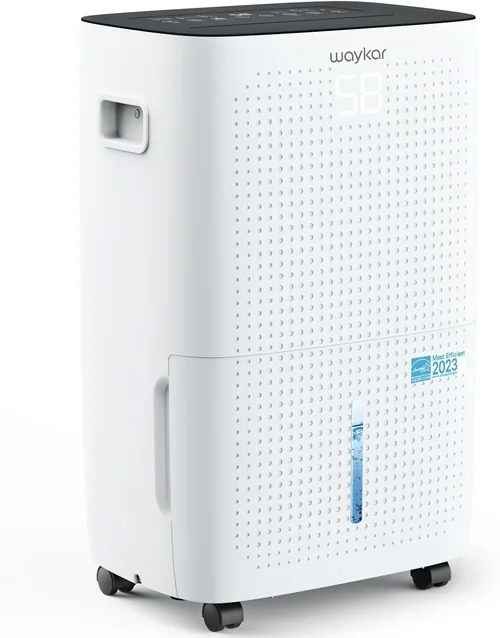
When it comes to maintaining a healthy, comfortable indoor environment, humidity control is often overlooked—but it shouldn’t be. Excess moisture in the air can lead to mold growth, musty odors, warped wood, damaged electronics, and even respiratory issues for sensitive individuals. While many homeowners turn to compressor-based dehumidifiers, there’s a quieter, more energy-efficient alternative that excels in cooler temperatures and compact spaces: the desiccant dehumidifier. Unlike traditional refrigerant models that rely on cooling coils to condense moisture, desiccant dehumidifiers use a moisture-absorbing material (typically silica gel or a similar compound) to pull water vapor from the air—making them ideal for basements, garages, RVs, boats, and bedrooms where noise and low-temperature performance matter.
This comprehensive buying guide is designed to help you navigate the often-confusing world of desiccant dehumidifiers with confidence. Whether you’re dealing with persistent dampness in a seasonal cabin, trying to protect valuable gear in a storage unit, or simply seeking a whisper-quiet solution for your bedroom, understanding how these devices work—and what sets the best apart from the rest—is essential. Over the next several sections, we’ll break down everything you need to know: from core performance specs and build quality to hidden costs, common pitfalls, and expert-backed recommendations. By the end, you’ll have a clear roadmap to choose the right desiccant dehumidifier for your specific needs—without overspending or settling for underperformance.
The market for desiccant dehumidifiers has grown significantly in recent years, driven by increased awareness of indoor air quality and the limitations of conventional dehumidifiers in certain environments. Today’s models range from ultra-compact units ideal for small closets to high-capacity industrial-grade machines capable of handling large, humid spaces. Brands like Eva-Dry, Afloia, Pro Breeze, and hOmeLabs have introduced innovative features such as auto-shutoff, reusable desiccant cartridges, smart humidity sensors, and even integration with home automation systems. However, this variety also means more choices—and more potential for confusion. Some units boast impressive moisture removal rates but consume excessive electricity, while others promise quiet operation but lack durability. This guide cuts through the marketing noise to deliver honest, data-driven insights so you can make an informed decision that balances performance, efficiency, and long-term value.

What to Look for When Buying Buying Guide
1. Moisture Removal Capacity
The single most important spec when evaluating any dehumidifier is its moisture removal capacity—typically measured in pints per day (PPD) or milliliters per hour (mL/h). For desiccant models, this number reflects how much water vapor the unit can extract from the air under standard testing conditions (usually 68–86°F and 60% relative humidity). Unlike compressor dehumidifiers, which lose efficiency as temperatures drop below 65°F, desiccant units maintain consistent performance even in cold environments like unheated basements or winterized cabins. That said, their PPD ratings are generally lower than comparable compressor models, so it’s crucial to match the unit’s capacity to your space size and humidity level.
For example, a small 10-pint desiccant dehumidifier may be perfect for a 200-square-foot closet or bathroom, while a 30+ pint model would be better suited for a 500–800 sq ft basement or garage. Always check the manufacturer’s recommended coverage area—but don’t rely solely on marketing claims. Real-world performance can vary based on ambient temperature, airflow, and initial humidity levels. If you’re dealing with severe dampness (e.g., standing water, active leaks, or chronic mold), consider a higher-capacity unit or pair your dehumidifier with other moisture-control strategies like improved ventilation or waterproofing.
2. Energy Efficiency & Operating Costs
Desiccant dehumidifiers are known for their quiet operation, but they often consume more electricity than compressor models because they use a heating element to regenerate the desiccant material. This regeneration process is what allows the unit to continuously absorb moisture without needing manual cartridge replacement—but it comes at an energy cost. When comparing models, check the wattage (typically listed in the specs) and calculate estimated monthly operating costs using your local electricity rate (usually $0.12–$0.25 per kWh).
For instance, a 300-watt desiccant dehumidifier running 8 hours a day would use about 2.4 kWh daily, costing roughly $0.30–$0.60 per day or $9–$18 per month. While this is higher than many compressor units, the trade-off is superior performance in cold climates and near-silent operation. Some newer models feature energy-saving modes, timers, or auto-humidity sensors that reduce runtime when optimal dryness is achieved—look for ENERGY STAR certification or similar efficiency ratings if long-term cost is a concern.
3. Noise Level
One of the standout advantages of desiccant dehumidifiers is their quietness. Most operate between 35–50 decibels (dB), which is comparable to a whisper or quiet library—making them ideal for bedrooms, nurseries, home offices, or media rooms. In contrast, compressor dehumidifiers often produce 50–60 dB of noise due to their internal fans and refrigerant cycles. If you plan to run your dehumidifier overnight or in a shared living space, prioritize models with noise levels below 45 dB.
Check product descriptions and user reviews for real-world noise feedback, as manufacturer specs can sometimes be optimistic. Some units include a “sleep mode” or “low-speed fan” setting that further reduces sound output. Keep in mind that noise can increase slightly when the unit is regenerating the desiccant (usually every few hours), but this cycle is typically brief and shouldn’t disrupt sleep or concentration.
4. Build Quality & Durability
Since desiccant dehumidifiers contain electronic components, heating elements, and moving parts (like fans), build quality directly impacts longevity and reliability. Look for units with sturdy plastic housings (preferably ABS or polycarbonate), sealed electrical compartments, and corrosion-resistant internal parts—especially if you’re using the dehumidifier in a damp basement or garage. Avoid flimsy designs with loose panels or weak hinges, as these are prone to breakage over time.
Internally, the desiccant wheel or cartridge should be made of high-quality silica gel or a proprietary composite that resists degradation. Some premium models use ceramic-based desiccants that last 5–10 years without replacement, while cheaper units may require cartridge swaps every 1–2 years (adding to long-term costs). Also, check for safety certifications like ETL, UL, or CE, which indicate compliance with electrical and fire safety standards.
5. Features & Functionality
Modern desiccant dehumidifiers come packed with smart features that enhance convenience and efficiency. Key functionalities to consider include:
– Auto-Humidity Control: Uses a built-in hygrometer to maintain your desired humidity level automatically.
– Timer Function: Allows you to set run times (e.g., 2, 4, or 8 hours) to save energy.
– Continuous Drain Option: Lets you attach a hose for unattended operation in high-moisture areas (though less common on desiccant models than compressor ones).
– Washable Air Filter: Captures dust and allergens; easy to clean and reuse.
– Compact Design & Handles: Makes moving the unit between rooms or storing it easier.
– Indicator Lights: Show power status, full tank alerts, or filter cleaning reminders.
Some high-end models even offer Wi-Fi connectivity, app control, or compatibility with smart home systems like Alexa or Google Home—though these are rare and usually found in premium-tier units.
6. Portability & Size
Desiccant dehumidifiers are generally lighter and more compact than compressor models, making them highly portable. Many weigh under 15 pounds and include integrated handles or recessed grips. This is a major advantage if you need to move the unit between rooms, take it on camping trips, or store it during off-seasons. However, larger-capacity models (30+ pints) can still be bulky, so measure your intended space and consider clearance for airflow (most units need 6–12 inches of space around vents).
Also, check the water tank size—if the unit doesn’t have a continuous drain option, you’ll need to empty the tank manually. Tanks range from 0.5 to 1.5 gallons; larger tanks mean less frequent emptying but add to the overall footprint. For overnight use, a 1-gallon+ tank is recommended to avoid mid-night interruptions.
7. Brand Reputation & Customer Support
Not all desiccant dehumidifier brands are created equal. Established names like Eva-Dry (known for compact, rechargeable units), Afloia (popular for mid-range home models), and Pro Breeze (offering a wide range of affordable options) have built reputations for reliability and customer service. Research brands that offer responsive support, clear user manuals, and accessible replacement parts.
Avoid unknown brands sold exclusively through third-party marketplaces unless they have overwhelmingly positive verified reviews and transparent contact information. A reputable brand will stand behind its product with a solid warranty and hassle-free returns.
8. Warranty & Return Policy
A good warranty is a strong indicator of a manufacturer’s confidence in their product. Most reputable desiccant dehumidifiers come with a 1–2 year limited warranty covering defects in materials and workmanship. Some premium brands offer extended warranties (up to 3 years) or optional protection plans. Always read the fine print: many warranties exclude damage from misuse, lack of maintenance, or commercial use.
Additionally, check the retailer’s return policy—especially if buying online. A 30-day return window gives you time to test the unit in your actual environment and ensure it meets your expectations. Avoid sellers with restocking fees or short return periods.
Different Types of Buying Guide

Common Buying Mistakes to Avoid
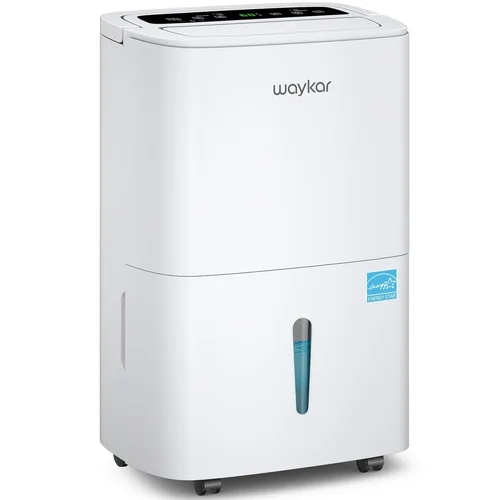
❌ Mistake: Choosing Based Solely on Price
Why it’s bad: The cheapest desiccant dehumidifier may save you $30 upfront but could cost more in the long run due to poor efficiency, frequent breakdowns, or short lifespan. Low-cost models often use inferior desiccant materials that degrade quickly or lack safety features.
What to do instead: Focus on total cost of ownership—including energy use, maintenance, and expected lifespan. A mid-range $150 unit that lasts 5 years is often a better value than a $60 model that fails after 18 months.
❌ Mistake: Ignoring Room Size and Humidity Level
Why it’s bad: An undersized dehumidifier will run constantly, overheat, and fail to reduce humidity effectively. Conversely, an oversized unit may cycle too frequently, wasting energy and shortening component life.
What to do instead: Measure your space (in square feet) and assess moisture severity. Use online calculators or consult manufacturer sizing guides. When in doubt, opt for a slightly larger capacity—but avoid extreme overkill.
❌ Mistake: Overlooking Noise for Bedroom Use
Why it’s bad: Even a “quiet” 50 dB can be disruptive in a silent bedroom, especially if the unit cycles on hourly. Compressor noise or fan whine can interfere with sleep.
What to do instead: Prioritize models rated below 45 dB and read user reviews mentioning nighttime use. Consider placing the unit in an adjacent room with the door slightly open if noise remains an issue.
❌ Mistake: Assuming All Desiccant Units Work the Same in Cold Weather
Why it’s bad: While desiccant dehumidifiers generally outperform compressor models below 65°F, some budget units still struggle in near-freezing conditions due to poor insulation or weak heating elements.
What to do instead: Verify cold-weather performance in specs or reviews. Look for units specifically marketed for basements, cabins, or winter use.
❌ Mistake: Neglecting Maintenance Requirements
Why it’s bad: Clogged filters or saturated desiccant wheels reduce efficiency and can cause overheating. Some users assume desiccant units are “maintenance-free,” but they still require periodic cleaning.
What to do instead: Choose models with washable filters and easy-access desiccant compartments. Set calendar reminders to clean filters monthly and inspect the unit quarterly.
❌ Mistake: Buying Without Checking Return Policy
Why it’s bad: If the unit doesn’t perform as expected in your specific environment, you could be stuck with a useless appliance—especially if the seller charges restocking fees or has a short return window.
What to do instead: Only buy from retailers with at least a 30-day return policy and free return shipping. Test the dehumidifier within the first week to ensure it meets your needs.
Budget Guidelines: How Much Should You Spend?
Entry-Level ($20 – $80): This tier includes mini rechargeable units and basic plug-in models ideal for small, low-humidity spaces like closets, gun safes, or RVs. Expect limited capacity (under 10 pints/day), no auto-humidity control, and minimal features. These are great for supplemental moisture control but won’t handle significant dampness. Brands like Eva-Dry and Dry-Packs dominate this space.
Mid-Range ($80 – $200): The sweet spot for most homeowners. These units offer 15–30 pint capacity, quiet operation (under 45 dB), auto-humidity settings, timers, and washable filters. They’re suitable for bedrooms, bathrooms, small basements, and garages. Models from Afloia, Pro Breeze, and hOmeLabs provide excellent value here—balancing performance, efficiency, and durability.
Premium ($200 – $400): Designed for larger spaces or demanding environments. Expect 30+ pint capacity, robust build quality, advanced controls (like programmable schedules or remote sensors), and sometimes Wi-Fi connectivity. These are ideal for chronic moisture problems, finished basements, or professional use. Look for brands like AprilAire or industrial-focused lines from established manufacturers.
Luxury ($400+): Top-tier desiccant dehumidifiers with commercial-grade components, ultra-low noise (<35 dB), smart home integration, and extended warranties. These are overkill for most residential users but may be justified for large estates, museums, or specialized applications like instrument storage or archival preservation.
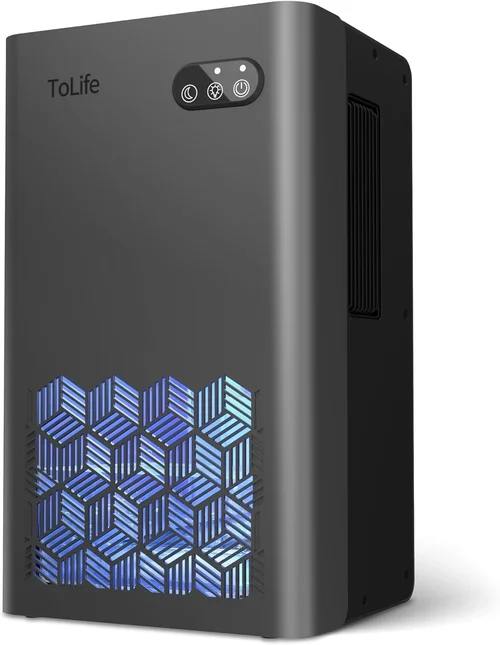
Expert Tips for Getting the Best Deal
– Buy Off-Season: Prices drop significantly in spring and early summer (March–May) as demand shifts to air conditioners. Avoid peak humidity months (July–September) when inventory is low and prices high.
– Check Retailer Promotions: Amazon, Home Depot, and Costco often run bundle deals or include free shipping during holidays (Black Friday, Prime Day). Sign up for price alerts using tools like Honey or CamelCamelCamel.
– Consider Refurbished Units: Certified refurbished desiccant dehumidifiers from reputable sellers (e.g., manufacturer outlets) can save 20–40% and often include the same warranty as new models.
– Read Verified Purchase Reviews: Focus on reviews from buyers who’ve used the unit in similar conditions (e.g., “used in my 600 sq ft basement”). Pay attention to comments about noise, energy use, and long-term reliability.
– Test Before Committing: If possible, try the unit in your actual space during the return period. Humidity levels can vary dramatically even within the same home.
– Factor in Long-Term Costs: A $10/month energy savings over 5 years adds up to $600—enough to justify a higher upfront cost for an efficient model.
– Look for Extended Warranties: Some credit cards offer free extended warranties on electronics purchases—check your card benefits before buying.
Frequently Asked Questions
Q: Do desiccant dehumidifiers work in cold temperatures?
A: Yes—this is one of their biggest advantages. Unlike compressor dehumidifiers, which lose efficiency below 65°F, desiccant models maintain consistent performance in temperatures as low as 40°F, making them ideal for unheated basements, garages, and winter cabins.
Q: Are desiccant dehumidifiers energy hogs?
A: They typically use more electricity than compressor units because of the heating element used to regenerate the desiccant. However, newer models with energy-saving modes and auto-humidity controls can minimize waste. Always check wattage and estimate operating costs based on your usage.
Q: How often do I need to empty the water tank?
A: It depends on the tank size and humidity level. Most mid-range units have 0.8–1.2 gallon tanks that need emptying every 8–24 hours in moderately damp conditions. Models with continuous drain options eliminate this chore.
Q: Can I leave a desiccant dehumidifier running 24/7?
A: Yes, most are designed for continuous operation. Just ensure proper ventilation, clean the filter regularly, and monitor for overheating (rare but possible in poorly ventilated spaces).
Q: Do desiccant dehumidifiers produce heat?
A: Slightly. The regeneration process releases a small amount of warm air, usually raising room temperature by 2–5°F. This is generally not noticeable unless the unit is in a very small, enclosed space.
Q: Are they safe to use around children and pets?
A: Yes, as long as the unit is placed out of reach and not blocked. Look for models with child-lock features and tip-over protection. Avoid placing near flammable materials.
Q: How long do desiccant dehumidifiers last?
A: With proper maintenance, most last 5–10 years. The desiccant wheel itself can often last the lifetime of the unit, though filters may need annual replacement.
Q: Can they help with allergies or asthma?
A: Absolutely. By reducing humidity below 50%, they inhibit mold, dust mites, and mildew—common triggers for respiratory issues. Pair with an air purifier for maximum benefit.
Our Final Recommendations
Best for Budget-Conscious Buyers: Eva-Dry E-333 Mini Dehumidifier – At under $40, this rechargeable unit is perfect for small spaces like closets or safes. No electricity needed, silent, and lasts 20–30 days per charge.
Best Overall Value: Afloia Q10 Pro Desiccant Dehumidifier – Priced around $130, it offers 22-pint capacity, 42 dB noise, auto-humidity control, and a 1.8L tank. Ideal for bedrooms and small basements.
Best Premium Option: hOmeLabs 30-Pint Desiccant Dehumidifier – With 30-pint capacity, Wi-Fi app control, and a sleek design, this $350 model excels in larger spaces and smart homes.
Best for Beginners: Pro Breeze 15-Pint Desiccant Dehumidifier – Simple controls, lightweight (11 lbs), and reliable performance make this $90 unit a great entry point.
Best for Advanced Users: AprilAire E080 Pro Desiccant Dehumidifier – A professional-grade $450 machine with 40-pint capacity, ducting options, and rugged construction for severe moisture challenges.
Conclusion: Making the Right Choice
Choosing the right desiccant dehumidifier isn’t just about picking the most powerful or cheapest model—it’s about finding the perfect balance of performance, efficiency, noise, and features for your unique situation. Whether you’re protecting cherished belongings in a damp basement, ensuring restful sleep in a humid bedroom, or maintaining optimal conditions in a seasonal cabin, the right unit can make all the difference. Remember to prioritize your specific needs: room size, humidity level, noise tolerance, and budget. Don’t fall for flashy marketing—focus on verified specs, real user experiences, and long-term value.
Take the time to compare models, read reviews, and test your top choice during the return window. And if you’re still unsure, start with a mid-range unit from a reputable brand—you can always upgrade later if needed. With the insights from this guide, you’re now equipped to make a confident, informed decision that will keep your indoor air dry, healthy, and comfortable for years to come.