
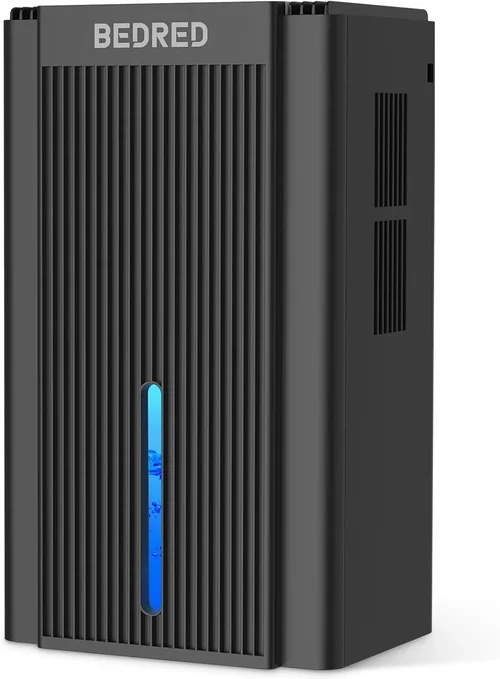
Dehumidifiers are one of those home appliances that often go unnoticed—until you really need one. Whether you’re battling damp basements, musty odors in closets, or excess humidity causing mold growth in your bathroom, a quality dehumidifier can make a dramatic difference in your indoor air quality and overall comfort. But with so many models, brands, and features flooding the market, choosing the right one—and knowing where to buy it—can feel overwhelming. That’s exactly why this guide exists: to cut through the noise and help you make a smart, informed decision.
In this comprehensive buying guide, you’ll learn everything you need to know about selecting and purchasing the best dehumidifier for your specific needs. We’ll walk you through the most important factors to consider—from performance specs and energy efficiency to build quality and warranty coverage. You’ll also discover the different types of dehumidifiers available, common pitfalls to avoid, and expert-backed tips for getting the best value for your money. Whether you’re a first-time buyer or upgrading from an older model, this guide is designed to empower you with knowledge, not marketing fluff.
The dehumidifier market has evolved significantly in recent years. What used to be a niche product for humid climates or seasonal use is now a staple in homes across the country—especially as extreme weather patterns and rising indoor humidity levels become more common. Today’s models are smarter, quieter, more energy-efficient, and packed with features like Wi-Fi connectivity, auto-defrost, and built-in pumps. But with innovation comes complexity. Prices range from under $100 for basic units to over $1,000 for high-capacity commercial-grade systems. Retailers range from big-box stores like Home Depot and Walmart to online giants like Amazon, specialty HVAC suppliers, and even direct-from-manufacturer sales. Our goal is to help you navigate this landscape with confidence, so you end up with a dehumidifier that performs reliably, lasts for years, and delivers real value.

What to Look for When Buying Buying Guide
1. Capacity & Performance Specifications
When it comes to dehumidifiers, capacity is king. This refers to how much moisture the unit can remove from the air in a 24-hour period, typically measured in pints. Choosing the right capacity is crucial—too small, and it won’t keep up with humidity levels; too large, and you’re overpaying for power you don’t need.
The ideal capacity depends on two main factors: the size of the space you’re treating and the severity of the humidity problem. For example, a small bathroom or closet (under 500 sq. ft.) with mild dampness may only need a 20–30 pint unit. A damp basement of 1,000–1,500 sq. ft. might require a 50–70 pint model. Extremely wet or flood-prone areas could demand 70+ pint units or even commercial-grade systems.
Look for the AHAM (Association of Home Appliance Manufacturers) rating, which standardizes testing under controlled conditions (80°F and 60% relative humidity). This allows for fair comparisons between brands. Avoid relying solely on manufacturer claims, as some exaggerate performance under ideal lab settings that don’t reflect real-world use.
Also consider the unit’s efficiency. Check the Energy Factor (EF), measured in liters of water removed per kilowatt-hour of electricity. Higher EF values mean better energy efficiency. ENERGY STAR-certified models meet strict efficiency guidelines and can save you 15–30% on operating costs compared to standard units.
2. Budget & Price Range
Your budget will naturally influence your options, but it’s important to view a dehumidifier as a long-term investment in your home’s health and comfort. While it’s tempting to go for the cheapest model, low-cost units often sacrifice durability, efficiency, and features—leading to higher long-term costs.
Entry-level dehumidifiers typically range from $80 to $150. These are best suited for small spaces with mild humidity issues. They often lack advanced features, have smaller tanks, and may be noisier. Mid-range models ($150–$300) offer better build quality, larger capacities, quieter operation, and useful features like auto-restart, timers, and digital controls. Premium units ($300–$600) include high-efficiency compressors, built-in pumps, Wi-Fi connectivity, and superior filtration. Luxury or commercial models can exceed $600 and are designed for large basements, crawl spaces, or whole-house applications.
When setting your budget, consider not just the upfront cost but also operating expenses. A $200 ENERGY STAR model may cost less to run annually than a $120 non-certified unit. Over five years, the savings can add up to $50–$100 in electricity alone.
Also factor in maintenance costs. Models with washable filters save money over time compared to those requiring replacement filters every 6–12 months. And if you plan to use the dehumidifier year-round, a unit with a built-in pump can eliminate the hassle (and cost) of manually emptying the tank.
3. Build Quality & Durability
A dehumidifier is a mechanical device with moving parts—compressors, fans, coils, and pumps—that work continuously in often harsh environments. Poor build quality can lead to premature failure, especially in damp or dusty areas like basements or garages.
Look for units with robust construction: thick plastic housings, reinforced seams, and metal components where appropriate. Check the quality of the internal components—especially the compressor. Rotary compressors are generally more durable and quieter than reciprocating ones. Also, inspect the coil design. Copper coils with aluminum fins are standard, but some premium models use enhanced coatings to resist corrosion from moisture and mold.
Pay attention to the water tank. A well-designed tank should be easy to remove, have a secure handle, and include a splash guard to prevent spills. Larger tanks (2+ gallons) reduce the frequency of emptying but may make the unit bulkier. Some models offer continuous drainage via a hose, which is ideal for unattended operation.
Durability also extends to the control panel and user interface. Buttons should be responsive, displays clear, and settings intuitive. Avoid models with flimsy knobs or overly complex menus that are hard to navigate.
Finally, consider the unit’s weight and footprint. A heavier, sturdier dehumidifier may be less likely to tip over or vibrate excessively during operation. But if you need to move it between rooms, lightweight models with integrated handles and casters are preferable.
4. Features & Functionality
Modern dehumidifiers come with a wide range of features designed to improve convenience, efficiency, and performance. While not all are essential, some can significantly enhance your experience.
Start with basic controls: digital displays, humidity sensors, and adjustable settings. A built-in hygrometer allows the unit to monitor and maintain your desired humidity level automatically. Look for models with a “continuous” or “laundry” mode for high-moisture situations.
Auto-defrost is critical if you plan to use the dehumidifier in cold environments (below 65°F). Without it, ice can build up on the coils, reducing efficiency and potentially damaging the unit. Auto-restart is another useful feature—it resumes operation after a power outage, ensuring your space stays protected.
A built-in pump is a game-changer for basements or areas without easy access to a drain. It allows the unit to pump water vertically (up to 15–20 feet) into a sink, sump pump, or floor drain, eliminating the need to empty the tank manually. This is especially valuable for 24/7 operation.
Wi-Fi connectivity and smart home integration are becoming more common. Brands like Frigidaire, GE, and hOmeLabs offer models compatible with Alexa or Google Assistant, allowing you to control settings via voice or app. Some apps even provide humidity trend data and maintenance reminders.
Additional features include washable air filters (for allergen reduction), timers, child locks, and quiet operation modes. While these aren’t deal-breakers, they can improve usability and long-term satisfaction.
5. Brand Reputation & Reliability
Not all dehumidifier brands are created equal. Some have decades of experience in HVAC and appliance manufacturing, while others are newer entrants with mixed reviews. Choosing a reputable brand can increase your chances of getting a durable, well-supported product.
Established brands like Frigidaire, GE, Honeywell, and LG have strong track records for reliability and customer service. They often invest in better engineering, rigorous testing, and comprehensive warranties. Frigidaire, for example, is known for its efficient compressors and user-friendly designs. Honeywell offers excellent filtration and quiet operation. GE integrates smart features seamlessly, and LG emphasizes energy efficiency and sleek aesthetics.
Emerging brands like hOmeLabs, Ivation, and Eva-Dry have gained popularity through online sales, often offering competitive pricing and modern features. However, their long-term reliability can be harder to assess, and customer support may be less robust.
Before buying, research the brand’s reputation on trusted review sites like Consumer Reports, Wirecutter, or CNET. Look for patterns in user feedback—consistent complaints about leaks, noise, or short lifespans are red flags. Also check how responsive the company is to warranty claims and technical support requests.
Brand reputation also affects resale value and parts availability. If your unit needs repairs in 3–5 years, you’ll want to know that replacement filters, pumps, or compressors are still available.
6. Warranty & Support
A dehumidifier is a significant purchase, and a strong warranty is a sign of the manufacturer’s confidence in their product. Most reputable brands offer at least a one-year limited warranty, covering parts and labor. However, some go further.
Frigidaire, for example, offers a two-year warranty on select models, with an optional extended warranty available. Honeywell provides a one-year warranty but includes free technical support and online troubleshooting tools. LG and GE typically offer one-year coverage, with additional protection plans available at purchase.
Pay attention to what the warranty covers. Does it include the compressor, which is the most expensive component to replace? Is labor covered, or do you have to pay for a technician? Are there exclusions for commercial use or improper installation?
Also consider the ease of claiming warranty service. Some brands require you to ship the unit back at your expense, while others offer in-home service or local repair centers. Check the company’s support website for FAQs, user manuals, and video guides—these can help you troubleshoot minor issues without waiting for a technician.
Extended warranties are available from retailers like Best Buy or through third-party providers, but they’re often overpriced and redundant if the manufacturer already offers solid coverage. Only consider them if the unit is expensive or will be used in a harsh environment.
7. Size & Portability
Even though dehumidifiers are stationary appliances, their physical size and portability matter—especially if you plan to move them between rooms or store them during off-seasons.
Consider the unit’s dimensions and weight. A compact 30-pint model might weigh 30–40 pounds, while a 70-pint unit can exceed 60 pounds. If you need to carry it up stairs or through narrow doorways, look for models with integrated handles and smooth-rolling casters. Some units have recessed wheels that don’t protrude, reducing tripping hazards.
The footprint is also important. A dehumidifier that’s too wide or tall may not fit under shelves or in tight corners. Measure your intended space before buying. Also, ensure there’s adequate clearance (at least 6–12 inches) around the unit for proper airflow.
Noise level is part of portability too. If you’re placing the dehumidifier in a bedroom or living area, opt for models rated under 50 decibels (dB). Most manufacturers list noise levels in the specs—look for “quiet mode” or “low-speed fan” options.
Storage is another consideration. If you only use the dehumidifier seasonally, choose a model that’s easy to clean and store. Some units come with dust covers or have removable tanks and filters for compact storage.
8. User Reviews & Ratings
While specs and features are important, real-world performance is best judged by actual users. User reviews provide insights that marketing materials can’t—like long-term reliability, ease of use, and hidden flaws.
Start by checking aggregated review platforms like Amazon, Best Buy, or Home Depot. Look for models with at least 100 reviews and an average rating of 4 stars or higher. Pay attention to recent reviews, as product quality can change over time.
Read both positive and negative feedback. Common praises include quiet operation, effective moisture removal, and easy maintenance. Frequent complaints might involve leaks, short lifespans, or poor customer service. Watch for patterns—if multiple users report the same issue, it’s likely a design flaw.
Also consider the reviewer’s use case. A dehumidifier that works well in a dry climate may struggle in a humid basement. Look for reviews from users with similar conditions to yours.
Don’t rely solely on star ratings. A 4.5-star average can hide a mix of 5-star and 1-star reviews. Read the detailed comments to understand the context.
Finally, check third-party review sites like Wirecutter or Consumer Reports. These sites conduct rigorous, unbiased testing and often highlight the best overall performers in each category.
Different Types of Buying Guide
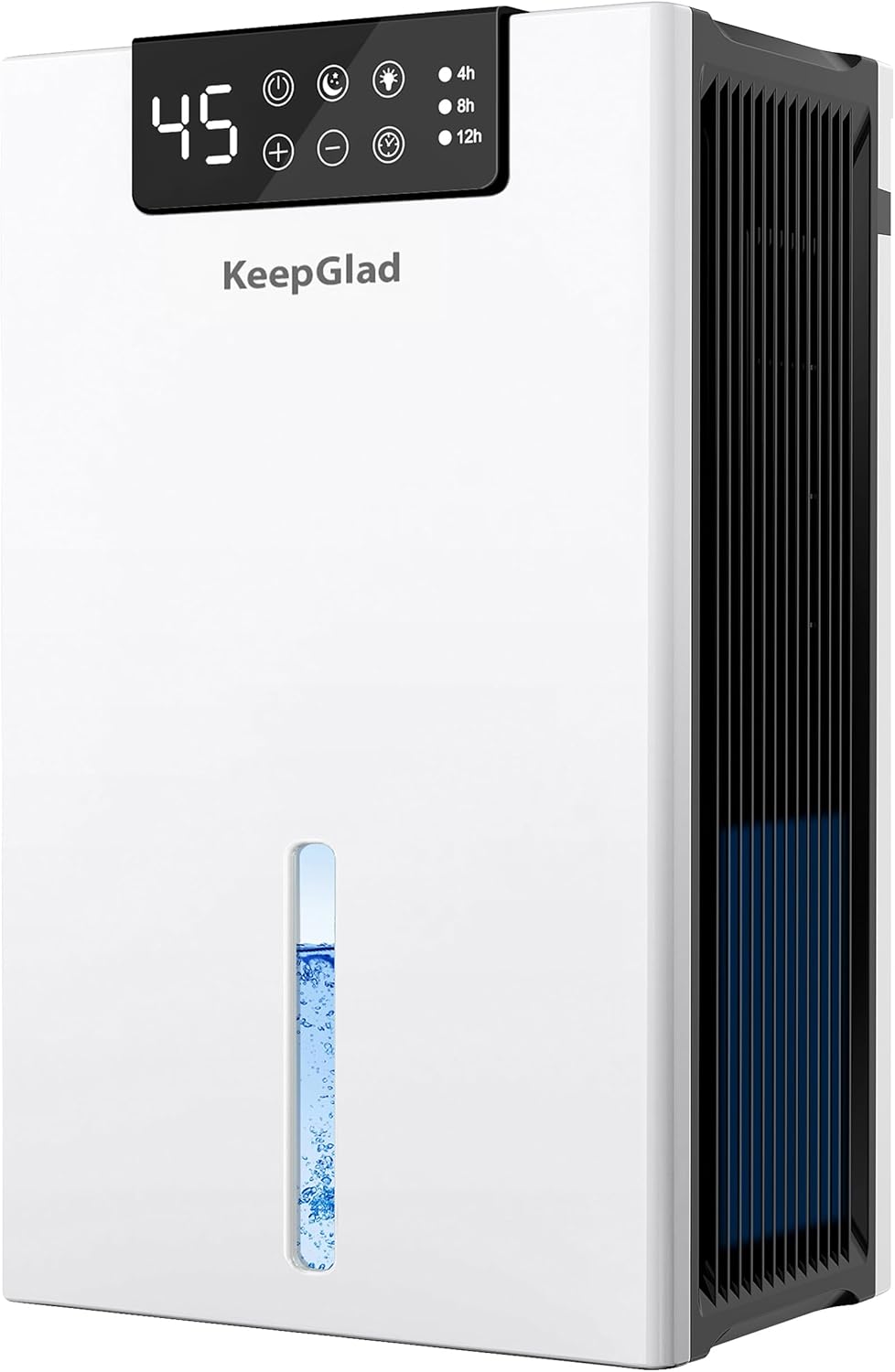
Common Buying Mistakes to Avoid
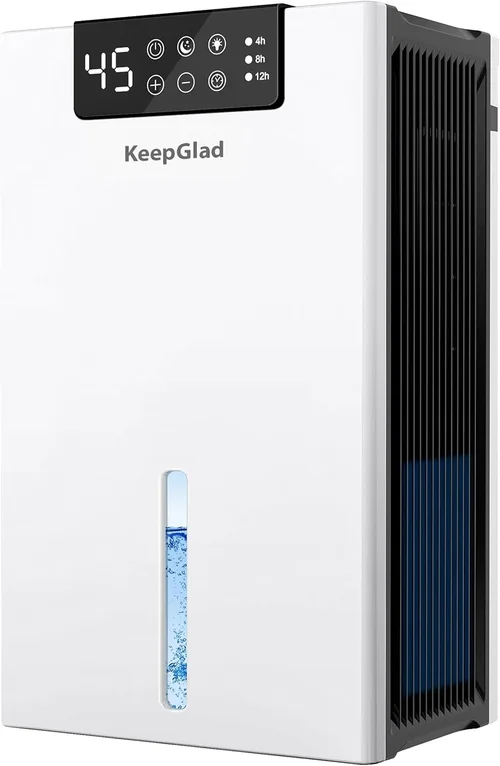
❌ Mistake: Buying Based Solely on Price
Why it’s bad: The cheapest dehumidifier is rarely the best value. Low-cost models often use inferior components, lack essential features, and have shorter lifespans. You may end up replacing it within 1–2 years, costing more in the long run.
What to do instead: Focus on total cost of ownership—initial price, energy efficiency, maintenance, and expected lifespan. A $250 mid-range model that lasts 8–10 years is better than a $100 unit that fails in 2.
❌ Mistake: Ignoring Room Size and Humidity Level
Why it’s bad: A dehumidifier that’s too small will run constantly, overheat, and fail prematurely. One that’s too large will cycle on and off too frequently, wasting energy and reducing humidity too much.
What to do instead: Use a sizing chart based on square footage and moisture level (mild, moderate, severe). When in doubt, choose a model with a slightly higher capacity than needed.
❌ Mistake: Overlooking Drainage Options
Why it’s bad: If you forget to empty the tank, the dehumidifier will shut off, leaving your space unprotected. Manual emptying is inconvenient, especially in basements or during busy seasons.
What to do instead: Opt for a model with continuous drainage via hose or a built-in pump. This allows 24/7 operation without supervision.
❌ Mistake: Not Checking Noise Levels
Why it’s bad: A noisy dehumidifier can disrupt sleep, work, or relaxation—especially if placed in living areas or bedrooms.
What to do instead: Look for units rated under 50 dB. Read user reviews about noise, as specs don’t always reflect real-world sound levels.
❌ Mistake: Skipping the Warranty Details
Why it’s bad: Without a solid warranty, you’re on the hook for repair or replacement costs if the unit fails.
What to do instead: Choose a brand with at least a one-year warranty covering the compressor. Register your product immediately after purchase.
❌ Mistake: Buying from Unreliable Sellers
Why it’s bad: Third-party sellers on marketplaces may offer counterfeit or refurbished units sold as new. Returns and support can be difficult.
What to do instead: Buy from authorized retailers like Home Depot, Lowe’s, Amazon (sold by Amazon, not third parties), or the manufacturer’s website.
❌ Mistake: Not Considering Energy Efficiency
Why it’s bad: A power-hungry dehumidifier can add $50–$100 per year to your electricity bill, especially if used year-round.
What to do instead: Look for ENERGY STAR certification and check the Energy Factor (EF). Higher EF = lower operating costs.
Budget Guidelines: How Much Should You Spend?
Entry-Level ($80–$150): Best for small spaces with mild humidity. Expect basic features, smaller tanks, and shorter lifespans. Ideal for closets, RVs, or seasonal use. Brands: Eva-Dry, Ivation mini models.
Mid-Range ($150–$300): The sweet spot for most homeowners. These units offer reliable performance, larger capacities (30–50 pints), and useful features like auto-humidistat, timers, and washable filters. Great for basements, laundry rooms, and medium-sized rooms. Brands: Frigidaire, hOmeLabs, Honeywell.
Premium ($300–$600): For serious humidity problems or tech enthusiasts. Includes high-efficiency compressors, built-in pumps, Wi-Fi connectivity, and superior build quality. Suitable for large basements, crawl spaces, or whole-room applications. Brands: GE, LG, AprilAire.
Luxury ($600+): Top-tier performance for professionals or extreme conditions. Whole-house systems, commercial-grade durability, and advanced controls. Often require professional installation. Brands: AprilAire, Santa Fe, Dri-Eaz.
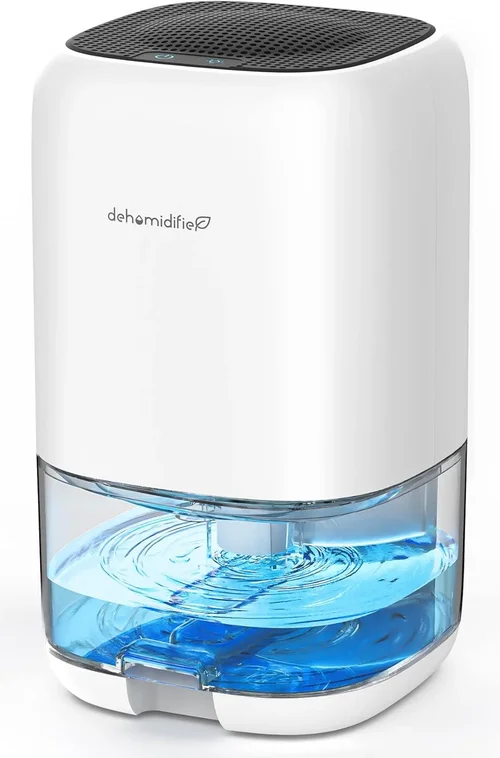
Expert Tips for Getting the Best Deal
– Buy during off-season sales: Prices drop in winter (January–March) when demand is lowest. Retailers often clear inventory before spring.
– Check manufacturer rebates: Some brands offer $20–$50 rebates during peak seasons. Visit their websites for current promotions.
– Compare online vs. in-store: Online retailers often have lower prices and better return policies, but in-store allows you to inspect the unit.
– Use price tracking tools: Set alerts on Amazon, Honey, or CamelCamelCamel to monitor price drops.
– Look for bundle deals: Some retailers offer discounts when you buy a dehumidifier with an air purifier or humidifier.
– Read the fine print on returns: Ensure the return window is at least 30 days and covers defective units.
– Test before committing: Run the unit for a few days. If it’s too loud, underperforming, or leaking, return it.
– Consider refurbished models: Certified refurbished units from reputable sellers can save 20–30% and often include full warranties.

Frequently Asked Questions
Q: How do I know what size dehumidifier I need?
A: Measure your space in square feet and assess the humidity level. Use a sizing guide: 20–30 pints for 500 sq. ft. (mild), 30–50 pints for 1,000 sq. ft. (moderate), 50–70+ pints for 1,500+ sq. ft. (severe). Always check the AHAM rating.
Q: Can I use a dehumidifier in winter?
A: Only if it has auto-defrost. Most refrigerant models stop working below 65°F. Desiccant models work better in cold temperatures.
Q: How often should I empty the water tank?
A: It depends on humidity and tank size. A 1-gallon tank may need emptying daily; a 2-gallon tank every 2–3 days. Use continuous drainage to avoid manual emptying.
Q: Are dehumidifiers energy hogs?
A: Not if you choose an ENERGY STAR model. Efficient units use 10–30% less energy than standard models. Look for high EF ratings.
Q: Can a dehumidifier help with allergies?
A: Yes. By reducing mold, dust mites, and mildew, dehumidifiers improve indoor air quality and can alleviate allergy symptoms.
Q: Should I run my dehumidifier all the time?
A: Only if humidity levels are consistently high. Most units have auto modes that maintain your set humidity level efficiently.
Q: What’s the difference between a dehumidifier and an air purifier?
A: A dehumidifier removes moisture; an air purifier removes particles like dust and pollen. They serve different purposes but can complement each other.
Q: Can I install a whole-house dehumidifier myself?
A: Most require professional installation, especially if integrating with your HVAC system. DIY installation may void the warranty.
Q: How long do dehumidifiers last?
A: With proper maintenance, most last 5–10 years. Clean filters regularly and avoid overworking the unit.
Q: Is it safe to leave a dehumidifier on overnight?
A: Yes, as long as it’s in a safe location, has auto-shutoff, and is free of obstructions. Modern units are designed for continuous use.
Our Final Recommendations
Best for Budget-Conscious Buyers: hOmeLabs 30-Pint Dehumidifier – Reliable performance, easy controls, and great value under $200.
Best Overall Value: Frigidaire FFAD7033R1 70-Pint – High capacity, ENERGY STAR certified, built-in pump, and excellent user reviews.
Best Premium Option: GE APER50LZ 50-Pint Smart Dehumidifier – Wi-Fi enabled, app control, quiet operation, and sleek design.
Best for Beginners: Honeywell TP50WKN 50-Pint – Simple interface, washable filter, and strong brand support.
Best for Advanced Users: AprilAire E080 Pro – Whole-house capability, professional-grade, and long-term durability.
Conclusion: Making the Right Choice
Choosing the right dehumidifier isn’t just about picking the most powerful or cheapest model—it’s about finding the perfect balance of capacity, efficiency, features, and reliability for your specific needs. By considering factors like room size, humidity level, drainage options, and energy use, you can avoid common pitfalls and invest in a unit that delivers lasting value.
Remember, the best dehumidifier is one that works quietly in the background, protects your home from moisture damage, and improves your indoor air quality—without breaking the bank or requiring constant attention. Use the insights from this guide to compare models, read reviews critically, and shop smart.
Whether you’re tackling a damp basement, preventing mold in a bathroom, or simply improving comfort in your living space, the right dehumidifier can make all the difference. Take your time, prioritize your needs, and don’t hesitate to invest a little more for quality and peace of mind. Your home—and your health—will thank you.