
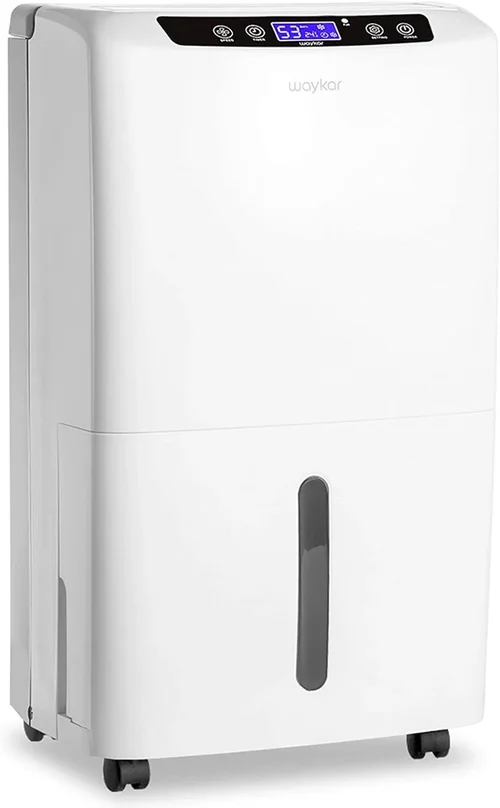
Basements are notorious for being damp, musty, and prone to moisture buildup—conditions that can lead to mold growth, structural damage, and poor indoor air quality. Whether you’re finishing your basement into a livable space, storing valuable items, or simply trying to keep your home healthy, controlling humidity is essential. That’s where a basement dehumidifier comes in. But not all dehumidifiers are created equal, and choosing the right one—especially with the right settings—can make all the difference between a dry, comfortable space and a persistent moisture problem.
This comprehensive buyer’s guide is designed to help you navigate the often-confusing world of basement dehumidifiers. We’ll walk you through everything you need to know: from understanding performance specs and energy efficiency to selecting the ideal settings for your specific environment. You’ll learn how to match the dehumidifier’s capacity to your basement’s size, how to interpret humidity levels, and what features truly matter when it comes to long-term performance and ease of use. Whether you’re dealing with a small crawl space or a large finished basement, this guide will equip you with the knowledge to make a smart, informed decision.
The market today offers a wide range of dehumidifiers—from compact, budget-friendly models to high-capacity, smart-enabled units with advanced filtration and auto-defrost capabilities. With so many options, it’s easy to feel overwhelmed. Some units promise powerful moisture removal but consume excessive energy, while others are quiet and efficient but lack the durability needed for continuous basement operation. Our goal is to cut through the marketing noise and focus on what really matters: performance, reliability, and proper setup. By the end of this guide, you’ll know exactly what to look for, how to avoid common pitfalls, and how to configure your dehumidifier for optimal results.
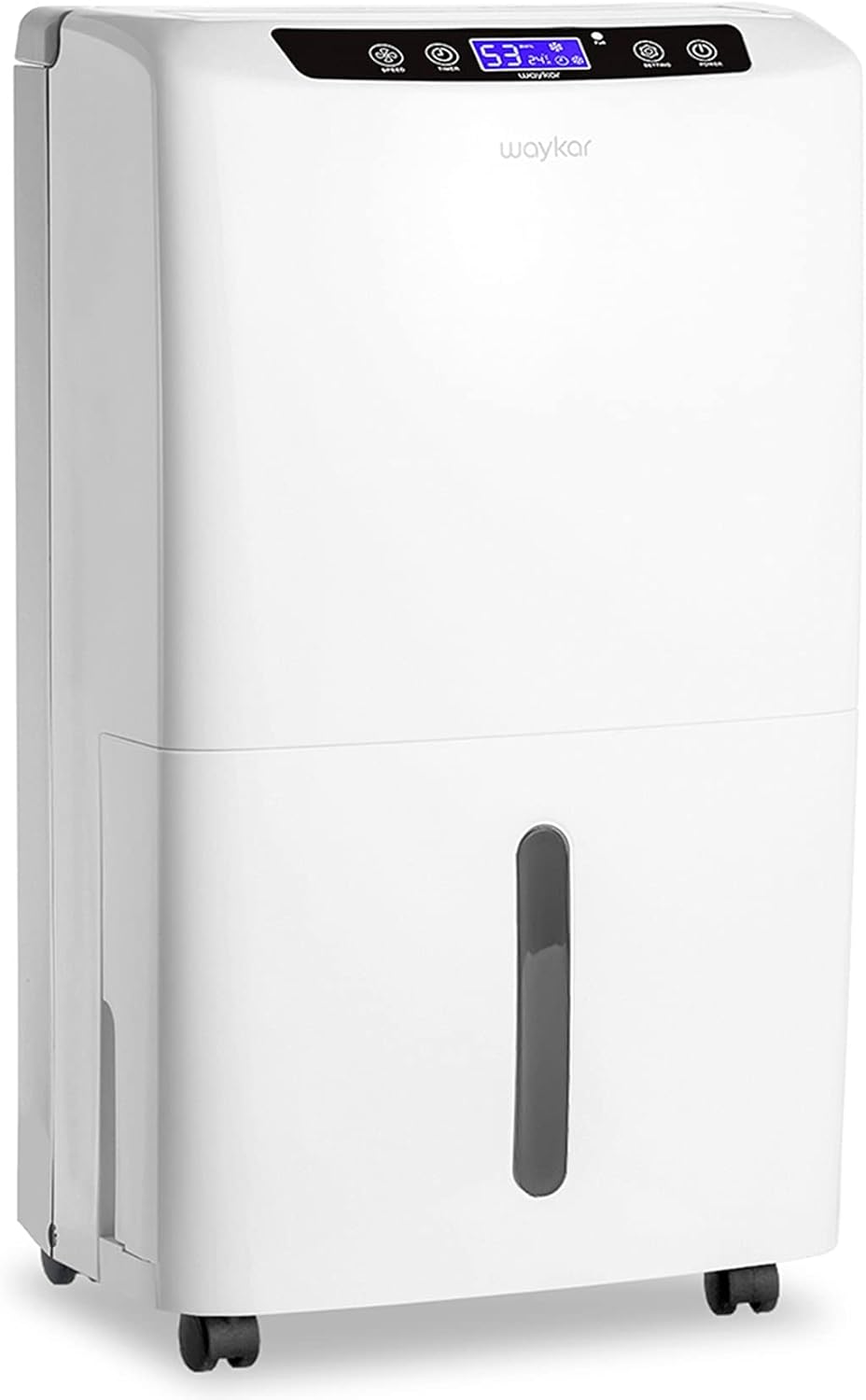
What to Look for When Buying Buying Guide
1. Capacity & Moisture Removal Rate
One of the most critical factors when choosing a basement dehumidifier is its capacity, typically measured in pints per day (PPD). This number tells you how much moisture the unit can remove from the air in a 24-hour period under standard conditions (usually 80°F and 60% relative humidity). For basements, which are often cooler and damper than above-ground rooms, you’ll want a model rated for lower temperatures—ideally one that works efficiently down to 41°F or lower.
To determine the right capacity, start by assessing your basement’s square footage and moisture level. A damp basement (with occasional condensation or musty odors) typically requires a 30–50 PPD unit, while a wet basement (with standing water or frequent flooding) may need 50–70 PPD or more. For very large or extremely humid spaces, consider a commercial-grade model with 70+ PPD. Keep in mind that manufacturers often test under ideal lab conditions, so real-world performance may vary. Always size up slightly if you’re between capacities.
2. Energy Efficiency & Operating Costs
Basement dehumidifiers often run continuously, especially during humid seasons, so energy efficiency is a major consideration. Look for models with the ENERGY STAR® certification, which indicates they meet strict energy performance standards set by the U.S. Environmental Protection Agency. ENERGY STAR-certified dehumidifiers use 15–30% less energy than standard models, which can translate to significant savings on your utility bill over time.
Check the unit’s energy factor (EF), measured in liters of water removed per kilowatt-hour (L/kWh). A higher EF means better efficiency. For example, a dehumidifier with an EF of 1.5 or higher is considered very efficient. Also, consider the wattage—lower wattage doesn’t always mean lower operating costs if the unit has to run longer to achieve the same results. Balance capacity, efficiency, and runtime to find the best long-term value.
3. Humidity Control & Settings
The ability to set and maintain a specific humidity level is crucial for effective basement moisture control. Most modern dehumidifiers come with a built-in humidistat that allows you to set your desired humidity level, typically between 30% and 80% in 5% increments. Once the target is reached, the unit will cycle on and off as needed to maintain that level.
Look for models with precise humidity control (±3% accuracy or better) and automatic shutoff when the water tank is full. Some advanced units also feature “continuous drain” options, which allow you to connect a hose to the dehumidifier and route water directly to a floor drain or sump pump—eliminating the need to empty the tank manually. This is especially useful for basements that run the dehumidifier 24/7.
4. Build Quality & Durability
Basements are harsh environments—cool, damp, and often dusty. A dehumidifier that works well in a living room may fail quickly in a basement due to corrosion, mold buildup, or mechanical stress. Look for units with rust-resistant coatings, sealed components, and durable plastic or metal housings. Coils should be coated or made from corrosion-resistant materials like aluminum or copper with anti-corrosion treatment.
Also consider the quality of internal components. Units with high-grade compressors, reliable fans, and sealed refrigerant systems tend to last longer. Check the warranty length—most reputable brands offer at least a 1–2 year warranty, with premium models extending to 5 years or more. A longer warranty often reflects the manufacturer’s confidence in the product’s durability.
5. Features & Functionality
Modern dehumidifiers come with a variety of features that enhance convenience, performance, and safety. Here are some to look for:
– Auto-Defrost: Essential for basements that drop below 65°F. This feature prevents ice buildup on the coils, which can reduce efficiency or damage the unit.
– Continuous Drain Option: As mentioned earlier, this allows for hands-free operation by routing water out via a hose.
– Air Filtration: Many dehumidifiers include washable or replaceable filters that capture dust, mold spores, and allergens. HEPA or activated carbon filters offer superior air cleaning.
– Timer & Scheduling: Allows you to set the dehumidifier to run only during certain hours, saving energy.
– Smart Controls: Wi-Fi-enabled models let you monitor and adjust settings via a smartphone app, receive alerts when the tank is full, or integrate with home automation systems.
– Quiet Operation: Look for models with noise levels below 50 decibels (dB) for use in finished basements or near living areas.
While extra features can be convenient, don’t pay for functionality you won’t use. Focus on features that address your specific needs—like auto-defrost for cold basements or continuous drain for unattended operation.
6. Size, Portability & Installation
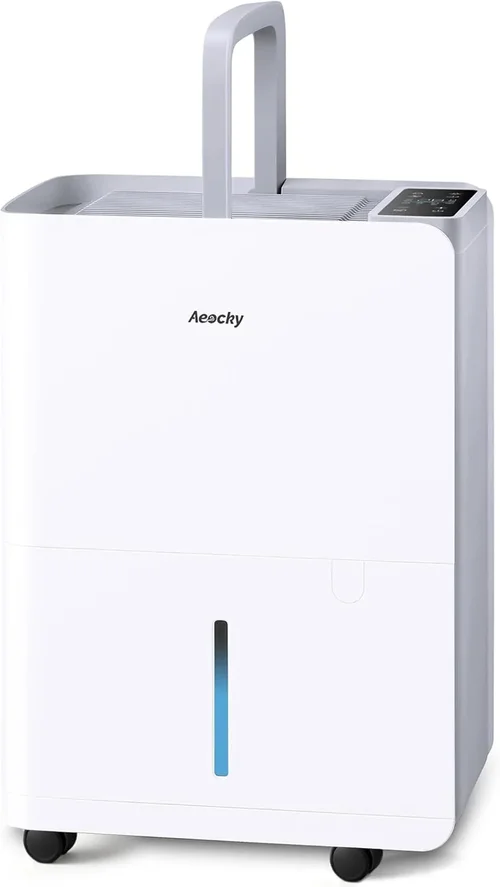
Dehumidifiers vary significantly in size and weight. Larger-capacity units (50+ PPD) are often bulkier and heavier, making them harder to move. If you plan to relocate the unit seasonally or store it when not in use, look for models with built-in handles and caster wheels for easy mobility.
Consider where you’ll place the dehumidifier. It should be positioned in a central location with adequate airflow—ideally 6–12 inches away from walls and furniture. Avoid placing it near heat sources or in enclosed spaces. Some units are designed for permanent installation with ducting options, which can be useful for large or hard-to-reach basements.
Also, check the power requirements. Most residential dehumidifiers run on standard 120V outlets, but high-capacity models may require a dedicated circuit. Ensure your basement has a GFCI (ground fault circuit interrupter) outlet for safety, especially in damp environments.
7. Brand Reputation & Customer Support
Not all dehumidifier brands are created equal. Established brands like Frigidaire, Honeywell, GE, AprilAire, and Santa Fe have a proven track record of reliability, performance, and customer service. They often offer better warranties, more accessible replacement parts, and responsive technical support.
Research customer reviews on trusted platforms like Amazon, Home Depot, or Consumer Reports. Pay attention to recurring issues—such as frequent breakdowns, poor customer service, or difficulty obtaining repairs. A brand with a strong reputation may cost more upfront but can save you money and frustration in the long run.
8. Warranty & Return Policy
A solid warranty is a sign of a manufacturer’s confidence in their product. Most dehumidifiers come with a 1-year limited warranty, but premium models may offer 2–5 years of coverage, sometimes with extended protection on key components like the compressor.
Read the fine print: some warranties only cover parts, not labor, and may require professional installation or registration within a certain timeframe. Also, check the return policy of the retailer. A 30-day return window gives you time to test the unit and ensure it meets your needs. Some retailers, like Costco or Amazon, offer generous return policies, which can be helpful if the unit doesn’t perform as expected.
Different Types of Buying Guide
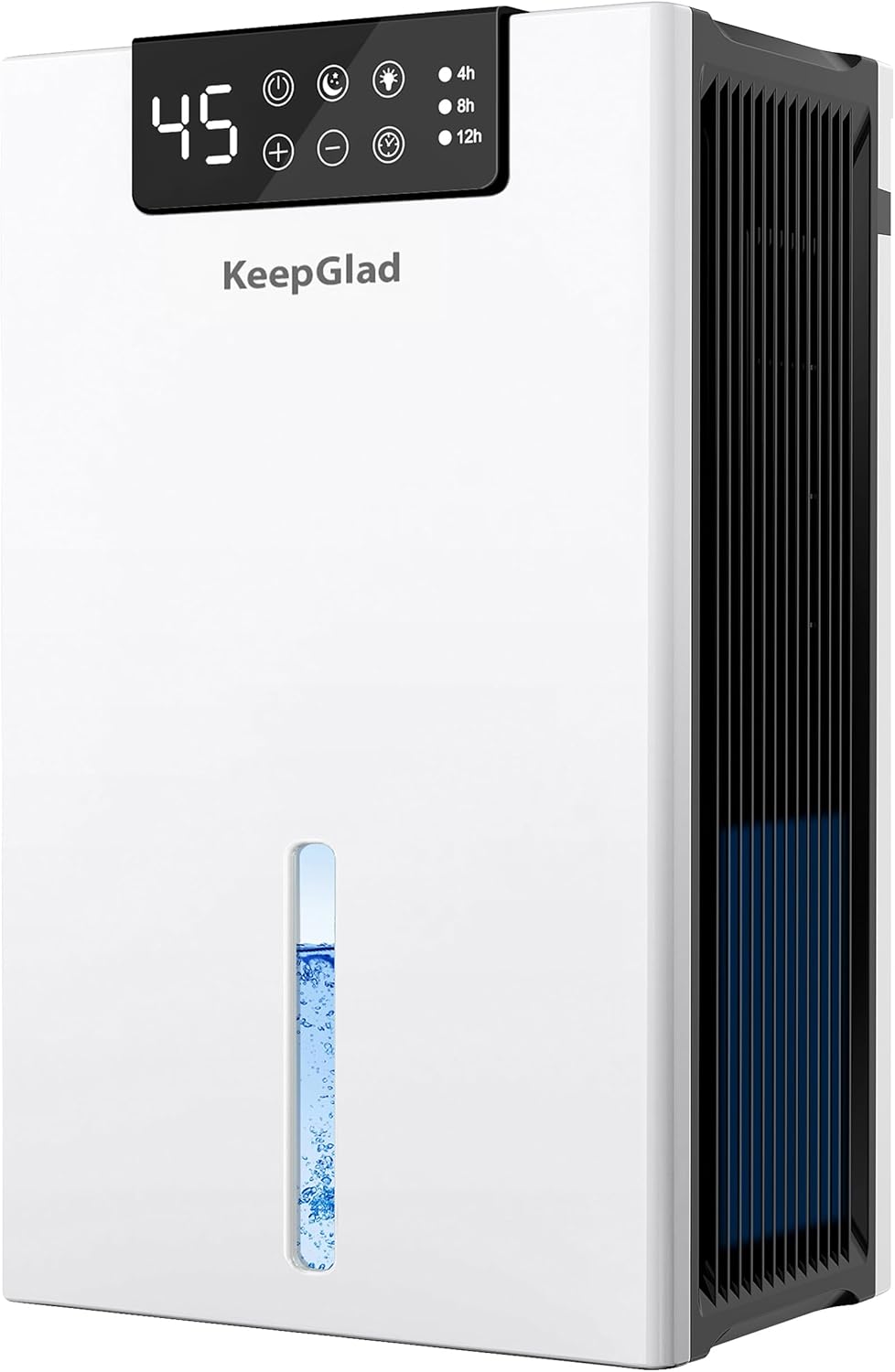
Common Buying Mistakes to Avoid
❌ Mistake: Buying a Unit That’s Too Small
Why it’s bad: A dehumidifier that’s undersized for your basement will run constantly, struggle to reduce humidity, and wear out quickly. It may never reach the desired humidity level, leaving your space damp and vulnerable to mold.
What to do instead: Calculate your basement’s square footage and assess moisture severity. Use a hygrometer to measure current humidity. Choose a unit with a capacity that matches or slightly exceeds your needs. When in doubt, size up.
❌ Mistake: Ignoring Temperature Requirements
Why it’s bad: Most standard dehumidifiers use refrigerant coils that can freeze in cold environments. If your basement drops below 65°F, a typical compressor dehumidifier may ice up and stop working.
What to do instead: Opt for a desiccant dehumidifier or a refrigerant model with auto-defrost functionality. These are designed to operate efficiently in colder temperatures, making them ideal for unheated basements or crawl spaces.
❌ Mistake: Overlooking Drainage Options
Why it’s bad: If you rely on the built-in water tank, you’ll need to empty it frequently—sometimes daily. This is inconvenient and can lead to overflow if forgotten, especially during humid weather.
What to do instead: Choose a model with a continuous drain hose outlet. Connect a garden hose and route it to a floor drain, sump pump, or outside. This allows for unattended operation and is essential for 24/7 use.
❌ Mistake: Prioritizing Price Over Performance
Why it’s bad: Cheap dehumidifiers often use low-quality components, lack essential features, and consume more energy. They may break down within a year, costing you more in repairs or replacements.
What to do instead: Invest in a mid-range or premium model from a reputable brand. Look for ENERGY STAR certification, a solid warranty, and positive user reviews. The upfront cost will pay off in durability and efficiency.
❌ Mistake: Not Setting the Right Humidity Level
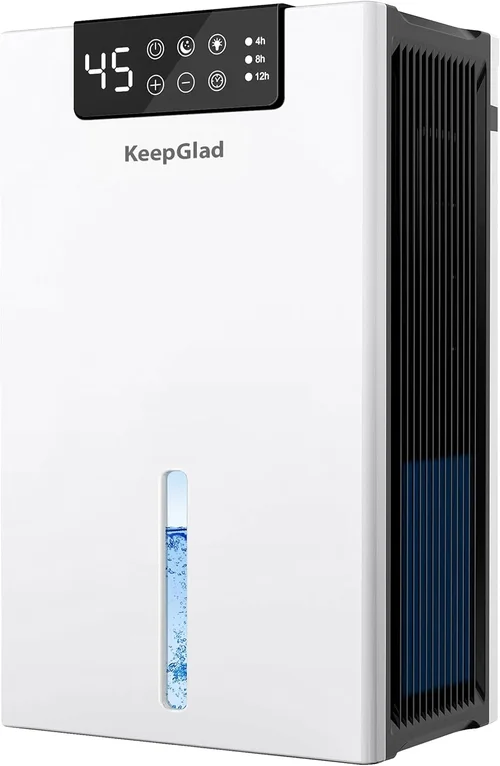
Why it’s bad: Setting the humidity too low (below 30%) can dry out wood, increase static electricity, and waste energy. Setting it too high (above 50%) allows mold and mildew to thrive.
What to do instead: Aim for 45% relative humidity. Use the built-in humidistat or a separate hygrometer to monitor levels. Adjust as needed based on seasonal changes and basement conditions.
❌ Mistake: Placing the Unit in the Wrong Location
Why it’s bad: Poor placement—such as in a corner, near a wall, or in a closet—restricts airflow and reduces efficiency. The dehumidifier can’t circulate air properly, leading to uneven drying.
What to do instead: Place the unit in a central location with at least 6–12 inches of clearance on all sides. Avoid blocking air intake or exhaust vents. If possible, position it near the source of moisture (e.g., near a sump pump or damp wall).
❌ Mistake: Neglecting Maintenance
Why it’s bad: Dust, mold, and mineral buildup can clog filters and coils, reducing performance and shortening the unit’s lifespan. A dirty dehumidifier may also blow contaminated air back into your basement.
What to do instead: Clean the air filter monthly with warm, soapy water. Wipe down the water tank and coils regularly. Check for mold or mildew and disinfect as needed. Follow the manufacturer’s maintenance schedule.
Budget Guidelines: How Much Should You Spend?
– Entry-Level ($100–$200): These are basic refrigerant dehumidifiers with 30–50 PPD capacity. They’re suitable for small, moderately damp basements. Expect limited features, shorter warranties, and higher energy consumption. Ideal for occasional use or tight budgets.
– Mid-Range ($200–$400): This is the sweet spot for most homeowners. Units in this range offer 50–70 PPD capacity, ENERGY STAR certification, auto-defrost, continuous drain options, and better build quality. They’re reliable, efficient, and well-suited for year-round basement use.
– Premium ($400–$800): Designed for large or extremely damp basements, these models feature high capacity (70+ PPD), advanced humidity control, smart connectivity, and superior filtration. They’re built to last and often include 3–5 year warranties. Best for finished basements or allergy sufferers.
– Luxury ($800+): These include whole-house dehumidifiers and commercial-grade units. They offer centralized control, integration with HVAC systems, and extreme moisture removal. Typically require professional installation and are ideal for large homes, flood-prone areas, or commercial applications.
Expert Tips for Getting the Best Deal
– Buy During Off-Peak Seasons: Dehumidifiers are in highest demand during summer. Purchase in late fall or winter when prices drop and retailers offer discounts to clear inventory.
– Shop Online for Better Selection: Online retailers like Amazon, Home Depot, and Lowe’s often have wider selections, customer reviews, and competitive pricing. You can easily compare models and read real user feedback.
– Look for Bundle Deals: Some retailers offer discounts when you buy a dehumidifier with a hygrometer, drain hose, or air filter. These add-ons can save you money and improve performance.
– Check for Rebates: Many utility companies offer rebates for ENERGY STAR-certified dehumidifiers. Visit your local utility’s website or the ENERGY STAR rebate finder to see if you qualify.
– Read Return Policies Carefully: Ensure the retailer allows returns within at least 30 days. Some units may look good on paper but underperform in real-world conditions.
– Test Before Committing: If possible, run the dehumidifier for a week and monitor humidity levels, noise, and energy use. If it’s not meeting your expectations, return it while you still can.
– Register Your Warranty: Don’t forget to register your dehumidifier with the manufacturer. This ensures you’re covered and may provide access to exclusive support or extended protection.
– Consider Refurbished Models: Certified refurbished dehumidifiers from reputable brands can offer significant savings with full warranties. Just make sure they’re inspected and tested by the manufacturer.

Frequently Asked Questions
Q: How do I know what size dehumidifier I need for my basement?
A: Start by measuring your basement’s square footage. Then assess the moisture level: slightly damp (30–50 PPD), very damp (50–70 PPD), or wet/flooded (70+ PPD). Use a hygrometer to check current humidity. When in doubt, choose a unit with a higher capacity than you think you need.
Q: Should I run my dehumidifier all the time?
A: It depends on your basement’s conditions. If humidity consistently exceeds 50%, running it continuously (with a drain hose) is recommended. Otherwise, use a timer or set it to cycle on when humidity rises. Most units are designed for 24/7 operation.
Q: Can I use a regular room dehumidifier in my basement?
A: Yes, but only if it’s rated for basement use—meaning it has auto-defrost and works in cooler temperatures. Standard room dehumidifiers may ice up and fail in cold basements.
Q: How often should I empty the water tank?
A: It depends on the humidity level and tank size. In high-humidity conditions, you may need to empty it daily. Using a continuous drain hose eliminates this chore entirely.
Q: Will a dehumidifier help with mold?
A: Yes, by reducing moisture, a dehumidifier creates an environment where mold cannot thrive. However, it won’t remove existing mold—you’ll need to clean it first. Use the dehumidifier to prevent regrowth.
Q: Are desiccant dehumidifiers better than refrigerant ones?
A: Desiccant models excel in cold environments and are quieter, but they’re generally less energy-efficient and have lower moisture removal rates. Refrigerant models are better for warm, humid basements. Choose based on your climate and basement temperature.
Q: Can I install a dehumidifier myself?
A: Most portable units are plug-and-play. Whole-house systems may require professional installation, especially if ducting or electrical work is involved. Always follow the manufacturer’s instructions.
Q: How long do dehumidifiers last?
A: With proper maintenance, a quality dehumidifier can last 5–10 years. Cheaper models may fail within 2–3 years. Regular cleaning and avoiding overuse can extend lifespan.
Q: Do I need a dehumidifier if my basement has a sump pump?
A: Yes. A sump pump removes standing water but doesn’t control airborne moisture. A dehumidifier addresses humidity, preventing mold, odors, and structural damage.
Q: Can I use a dehumidifier in winter?
A: Only if it’s designed for cold temperatures. Desiccant or auto-defrost models can operate in winter basements. Standard refrigerant units may ice up and stop working below 65°F.
Our Final Recommendations
– Best for Budget-Conscious Buyers: Frigidaire FFAD7033R1 – A 70-pint ENERGY STAR-certified unit with auto-defrost, continuous drain, and quiet operation. Priced under $300, it offers excellent value for mid-sized basements.
– Best Overall Value: hOmeLabs HME020034N – A 70-pint dehumidifier with a washable filter, digital controls, and a 2-year warranty. It’s efficient, reliable, and highly rated by users for basement use.
– Best Premium Option: AprilAire E080 – A whole-house dehumidifier designed for basements up to 3,000 sq. ft. It integrates with HVAC systems, offers precise humidity control, and comes with a 5-year warranty. Ideal for large or finished basements.
– Best for Beginners: Honeywell TP70WKN – User-friendly with intuitive controls, a large tank, and a built-in pump for easy drainage. Great for first-time buyers who want simplicity and reliability.
– Best for Advanced Users: Santa Fe Compact 70 – A high-performance, energy-efficient desiccant dehumidifier perfect for cold basements. It’s quiet, durable, and capable of removing 70 pints per day even at 50°F.
Conclusion: Making the Right Choice
Choosing the right basement dehumidifier isn’t just about picking the biggest or most expensive model—it’s about matching the unit’s capabilities to your specific environment and needs. From capacity and energy efficiency to humidity settings and drainage options, every detail matters when it comes to creating a dry, healthy basement. By understanding the key factors, avoiding common mistakes, and following expert advice, you can invest in a dehumidifier that delivers lasting performance and peace of mind.
Remember, the best dehumidifier is one that you can set and forget—maintaining ideal humidity levels with minimal effort. Whether you’re protecting stored belongings, finishing your basement, or improving indoor air quality, the right unit will make a noticeable difference. Take the time to assess your space, compare models, and prioritize features that matter most to you. With the knowledge from this guide, you’re now equipped to make a confident, informed decision.
Don’t let moisture compromise your home’s integrity or your family’s health. Invest in a quality basement dehumidifier today, and enjoy a drier, more comfortable living space for years to come.