

If your dehumidifier stops working, it’s often due to a clogged filter, frozen coils, or a full water tank. Regular maintenance and proper placement can prevent most issues and extend your unit’s lifespan.
Key Takeaways
- Clogged air filters restrict airflow and cause the unit to overheat or shut down.
- Frost buildup on coils is common in cold environments and stops moisture removal.
- A full water tank triggers an automatic shutoff to prevent leaks.
- Compressor or fan motor failure can result from age, electrical issues, or lack of maintenance.
- Incorrect room temperature or humidity settings may prevent the dehumidifier from running as expected.
- Electrical problems like tripped breakers or damaged cords can halt operation.
- Refrigerant leaks reduce cooling efficiency and may require professional repair.
📑 Table of Contents
Why a Dehumidifier Stops Working: A Complete Guide
You walk into your basement, expecting that familiar hum of your dehumidifier quietly pulling moisture from the air. Instead, silence. The machine is off. No lights, no fan, nothing. You check the power cord, press the reset button, and still—nothing. Sound familiar?
Dehumidifiers are essential for maintaining healthy indoor air quality, preventing mold, and protecting your home from moisture damage. But like any appliance, they can fail—sometimes without warning. Understanding why a dehumidifier stops working is the first step toward fixing it and avoiding costly replacements. Whether you’re dealing with a unit that won’t turn on, one that runs but doesn’t remove moisture, or one that shuts off unexpectedly, the root cause often lies in a few common issues. This guide will walk you through the most frequent reasons your dehumidifier stops working, how to diagnose them, and what you can do to get it back up and running.
Common Reasons Your Dehumidifier Stops Working
When a dehumidifier stops working, it’s rarely a single, mysterious failure. More often, it’s a combination of wear, environmental factors, and neglect. Let’s explore the most common culprits behind dehumidifier malfunctions, starting with the basics.

Visual guide about Why a Dehumidifier Stops Working
Image source: dehumidifierhireauckland.co.nz
1. Clogged or Dirty Air Filter
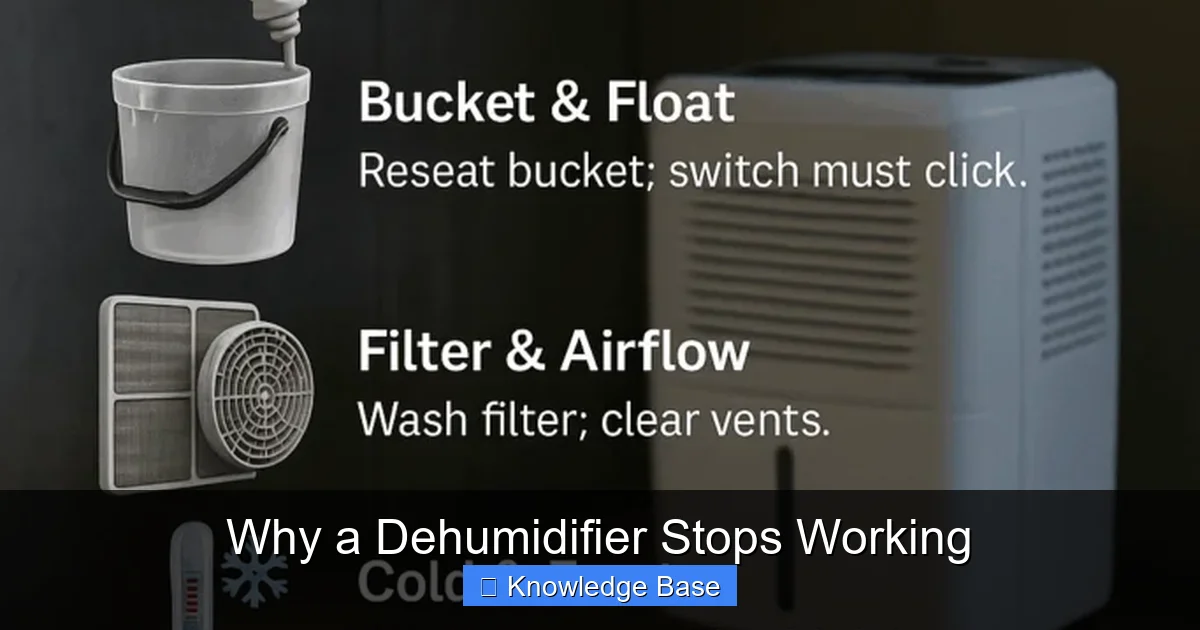
The air filter is one of the most overlooked components of a dehumidifier. Its job is simple: trap dust, pet dander, and other airborne particles before they enter the internal system. Over time, this filter gets clogged—especially in homes with pets, smokers, or high dust levels.
When the filter is dirty, airflow is restricted. The fan has to work harder, the coils can’t cool properly, and the unit may overheat. Many modern dehumidifiers have a filter indicator light that alerts you when it’s time to clean it. But even if yours doesn’t, a quick visual check every few weeks can save you a lot of trouble.
For example, imagine your dehumidifier runs for an hour, then suddenly shuts off. You check the water tank—it’s not full. The power is on. But the fan isn’t spinning. Chances are, the filter is so clogged that the motor overheated and triggered a safety shutoff. Cleaning the filter often resolves this instantly.
Tip: Remove the filter every 2–4 weeks, depending on usage. Rinse it under warm water, let it dry completely, and reinsert it. Never run the dehumidifier without the filter in place—it can damage internal components.
2. Frost or Ice Buildup on the Coils
If your dehumidifier runs but doesn’t remove moisture—or shuts off after a short time—frost on the evaporator coils could be the issue. This happens when the coils get too cold, usually because of low room temperature or restricted airflow.
Dehumidifiers work by pulling in warm, humid air and passing it over cold coils. Moisture condenses and drips into the tank. But if the room is below 65°F (18°C), the coils can drop below freezing, causing moisture to freeze instead of drip. This ice buildup insulates the coils, reducing efficiency and eventually stopping the unit.
You might notice a layer of frost on the front or back of the unit, or hear the fan running but no water collecting in the tank. Some models have an automatic defrost feature, but older units don’t—and even newer ones can struggle in unheated basements or garages during winter.
Solution: Turn off the dehumidifier and let it sit for a few hours to thaw. Once the ice melts, clean the filter and ensure the room is above 65°F. If you must use it in a cold space, consider a low-temperature dehumidifier designed for such environments.
3. Full or Improperly Seated Water Tank
Most dehumidifiers have a built-in safety feature: when the water tank is full, the unit automatically shuts off to prevent overflow and water damage. This is a good thing—but it can be frustrating if you don’t realize the tank is full.
Check the tank regularly. If it’s full, empty it and reinsert it securely. Sometimes, the tank isn’t seated properly, and the sensor doesn’t register that it’s been emptied. The unit thinks it’s still full and refuses to start.
For example, you might empty the tank, but if it’s not clicked into place correctly, the dehumidifier won’t turn on. A simple push to ensure it’s fully seated can solve the problem instantly.
Pro Tip: If you’re using a hose for continuous drainage, make sure the hose is not kinked or clogged. A blocked drain line can cause water to back up, triggering the full-tank sensor even when the tank isn’t physically full.
4. Electrical Issues and Power Problems
Sometimes, the dehumidifier stops working simply because it’s not getting power. This might seem obvious, but electrical issues are more common than you’d think.
Start by checking the power outlet. Plug in another device—like a lamp or phone charger—to confirm the outlet is working. If it’s not, check your circuit breaker or GFCI outlet (common in basements and bathrooms). A tripped breaker or GFCI can cut power to the dehumidifier without warning.
Also, inspect the power cord for damage. Frayed wires, bent plugs, or burn marks are red flags. Never use a dehumidifier with a damaged cord—it’s a fire and shock hazard.
In some cases, the internal fuse or thermal overload protector may have blown due to overheating or a power surge. These components are designed to protect the motor, but once they fail, the unit won’t start. Replacing them requires opening the unit, which may void the warranty—so consult a professional if you’re unsure.
5. Compressor or Fan Motor Failure
The compressor and fan motor are the heart of your dehumidifier. The compressor pressurizes the refrigerant, enabling the cooling process, while the fan circulates air over the coils. If either fails, the unit won’t dehumidify—even if it powers on.
Compressor failure is often due to age, overheating, or refrigerant leaks. You might hear a clicking sound when you turn it on, but the unit doesn’t start. This could mean the compressor is seized or the start capacitor is faulty.
Fan motor failure is usually easier to spot. If the unit powers on but the fan doesn’t spin, the motor may be burned out. You might also notice a burning smell or unusual noise.
These are serious issues that typically require professional repair or replacement. Compressors are expensive to fix, and in many cases, it’s more cost-effective to buy a new unit—especially if the dehumidifier is over 5–7 years old.
6. Refrigerant Leaks
Refrigerant is the chemical that absorbs heat in the evaporator coils. If there’s a leak, the system can’t cool properly, and the dehumidifier stops working efficiently—or at all.
Signs of a refrigerant leak include reduced moisture removal, longer run times, and ice buildup on the coils. You might also notice oily residue around the coils or connections, which indicates a leak.
Refrigerant leaks are not DIY-friendly. Handling refrigerant requires EPA certification and specialized tools. If you suspect a leak, contact a licensed HVAC technician. They can locate the leak, repair it, and recharge the system with the correct amount of refrigerant.
Environmental and Usage Factors That Affect Performance
Even with perfect maintenance, your dehumidifier can stop working if it’s used in the wrong environment or under improper conditions. Let’s look at how temperature, humidity, and placement impact performance.
Visual guide about Why a Dehumidifier Stops Working
Image source: dehumidifierhireauckland.co.nz
Room Temperature Too Low
As mentioned earlier, dehumidifiers struggle in cold environments. Most standard models are designed to work best between 65°F and 80°F (18°C–27°C). Below 65°F, the risk of frost buildup increases significantly.
If you’re using a dehumidifier in an unheated basement, garage, or crawl space during winter, consider upgrading to a cold-climate model. These units use different refrigerants or have enhanced defrost cycles to operate efficiently in lower temperatures.
Humidity Settings Are Too Low
Dehumidifiers have adjustable humidity settings, usually ranging from 30% to 80% relative humidity. If you set it too low—say, 30%—the unit may run continuously but never reach that level, especially in a damp basement.
Most experts recommend keeping indoor humidity between 40% and 50%. Setting it lower than necessary doesn’t improve air quality and can overwork the unit, leading to premature failure.
Check your hygrometer (humidity sensor) regularly. If it’s inaccurate, the dehumidifier may shut off too early or run nonstop. Some models allow you to calibrate the sensor—consult your manual for instructions.
Improper Placement
Where you place your dehumidifier matters. It needs adequate airflow to function properly. Avoid placing it against walls, furniture, or in tight corners. Leave at least 6–12 inches of clearance on all sides.
Also, keep it away from sources of dust, lint, or chemicals. For example, placing a dehumidifier near a laundry dryer vent can clog the filter quickly with lint, reducing efficiency.
And never place it on an uneven surface. If the unit tilts, the water tank may not seat properly, triggering the full-tank sensor even when it’s empty.
Maintenance Tips to Prevent Future Failures
Prevention is always better than repair. Regular maintenance can extend the life of your dehumidifier and prevent it from stopping unexpectedly. Here’s a simple checklist to follow.
Clean the Filter Monthly
As emphasized earlier, the filter is critical. Clean it every 4–6 weeks, or more often in dusty environments. A clean filter ensures proper airflow and prevents overheating.
Empty the Water Tank Regularly
Even if you use a drain hose, check the tank weekly. Sediment can build up, and algae may grow in stagnant water. Rinse the tank with a mild bleach solution (1 tablespoon per gallon of water) to prevent odors and mold.
Inspect Coils and Drain Pan
Every 3–6 months, unplug the unit and inspect the evaporator and condenser coils. Use a soft brush or vacuum to remove dust. Also, check the drain pan for cracks or mineral buildup.
Check for Leaks and Unusual Noises
Listen for strange sounds—grinding, squealing, or banging—when the unit runs. These could indicate loose parts, motor issues, or refrigerant problems. Address them early to avoid bigger repairs.
Store Properly During Off-Seasons
If you don’t use your dehumidifier in winter, clean it thoroughly, remove the filter, and store it in a dry place. Cover it to prevent dust buildup. This helps avoid mold and mechanical issues when you restart it in spring.
When to Call a Professional
While many dehumidifier issues can be fixed at home, some require expert help. Here’s when to call a technician:
- The unit won’t turn on after checking power, filter, and tank.
- You hear unusual noises or see signs of electrical damage.
- There’s a refrigerant leak or compressor failure.
- The unit runs but doesn’t remove moisture, and basic troubleshooting doesn’t help.
- The warranty is still valid—DIY repairs may void it.
Professional technicians have the tools and expertise to diagnose complex issues safely. They can also perform preventive maintenance, like coil cleaning and refrigerant checks, to keep your unit running smoothly.
Conclusion
A dehumidifier that stops working doesn’t always mean it’s time for a replacement. In most cases, the issue is fixable—whether it’s a dirty filter, a full tank, or frost on the coils. By understanding the common causes and performing regular maintenance, you can keep your unit running efficiently for years.
Remember: prevention is key. Clean the filter, empty the tank, and ensure proper placement. If you notice performance issues, act quickly before small problems become big repairs. And when in doubt, don’t hesitate to call a professional. Your dehumidifier is an investment in your home’s health—treat it well, and it will serve you reliably.
Frequently Asked Questions
Why does my dehumidifier turn on but not remove moisture?
This is often due to frost on the coils, a dirty filter, or a refrigerant leak. Check the filter and ensure the room is above 65°F. If the problem persists, a technician may need to inspect the refrigerant levels.
Can a dehumidifier overheat and shut off?
Yes. Overheating can occur from a clogged filter, blocked airflow, or a failing fan motor. The unit may have a thermal cutoff switch that shuts it off to prevent damage. Let it cool, clean the filter, and restart.
How often should I clean my dehumidifier filter?
Clean the filter every 4–6 weeks, or more often in dusty or high-humidity environments. A dirty filter restricts airflow and reduces efficiency.
Is it safe to use a dehumidifier in a cold basement?
Standard dehumidifiers may struggle below 65°F due to frost buildup. Use a cold-climate model designed for low temperatures, or ensure the space is heated slightly during operation.
Why does my dehumidifier keep shutting off after a few minutes?
This could be due to a full water tank, improper seating, or an overheating motor. Check the tank, ensure it’s seated correctly, and clean the filter. If it continues, the thermal protector may be tripping.
Can I repair a dehumidifier with a refrigerant leak myself?
No. Handling refrigerant requires EPA certification and specialized equipment. Contact a licensed HVAC technician to safely repair and recharge the system.