
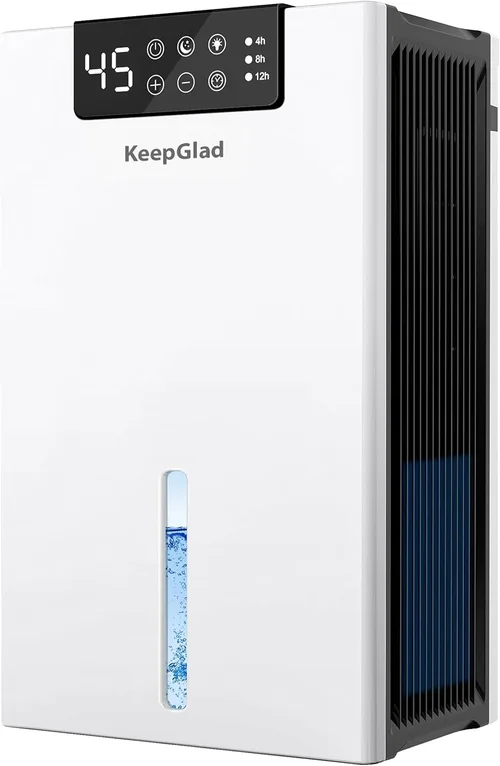
If you’ve ever walked into a basement that smells like old socks, noticed peeling paint in your bathroom, or woken up with a stuffy nose despite clean sheets, chances are you’re dealing with excess moisture in your home. High humidity isn’t just uncomfortable—it’s a silent threat to your health, your belongings, and even the structural integrity of your house. Mold, mildew, dust mites, and wood rot all thrive in damp environments, and once they take hold, they’re expensive and difficult to eliminate. That’s where a dehumidifier comes in. But with hundreds of models on the market—ranging from $50 basement units to $800 smart-home-integrated systems—how do you know which one is right for you?
This comprehensive buying guide is designed to cut through the noise and help you make a confident, informed decision. Whether you’re a first-time buyer trying to fix a musty closet or a homeowner looking to protect a finished basement, we’ll walk you through everything you need to know. You’ll learn how to evaluate performance specs, understand different types of dehumidifiers, avoid common purchasing pitfalls, and identify the best models for your budget and lifestyle. By the end of this guide, you won’t just know what to buy—you’ll understand why it’s the right choice for your unique situation.
The dehumidifier market has evolved significantly in recent years. Energy efficiency standards have improved, smart features like Wi-Fi connectivity and app control are now common, and manufacturers are offering more compact, quieter designs than ever before. At the same time, prices have become more competitive, making quality dehumidification accessible to a wider range of households. However, this abundance of choice can be overwhelming. Some units claim to remove 70 pints of moisture per day but struggle in real-world conditions, while others prioritize aesthetics over function. Our goal is to equip you with the knowledge to separate marketing hype from genuine value, so you can invest in a dehumidifier that delivers lasting results.
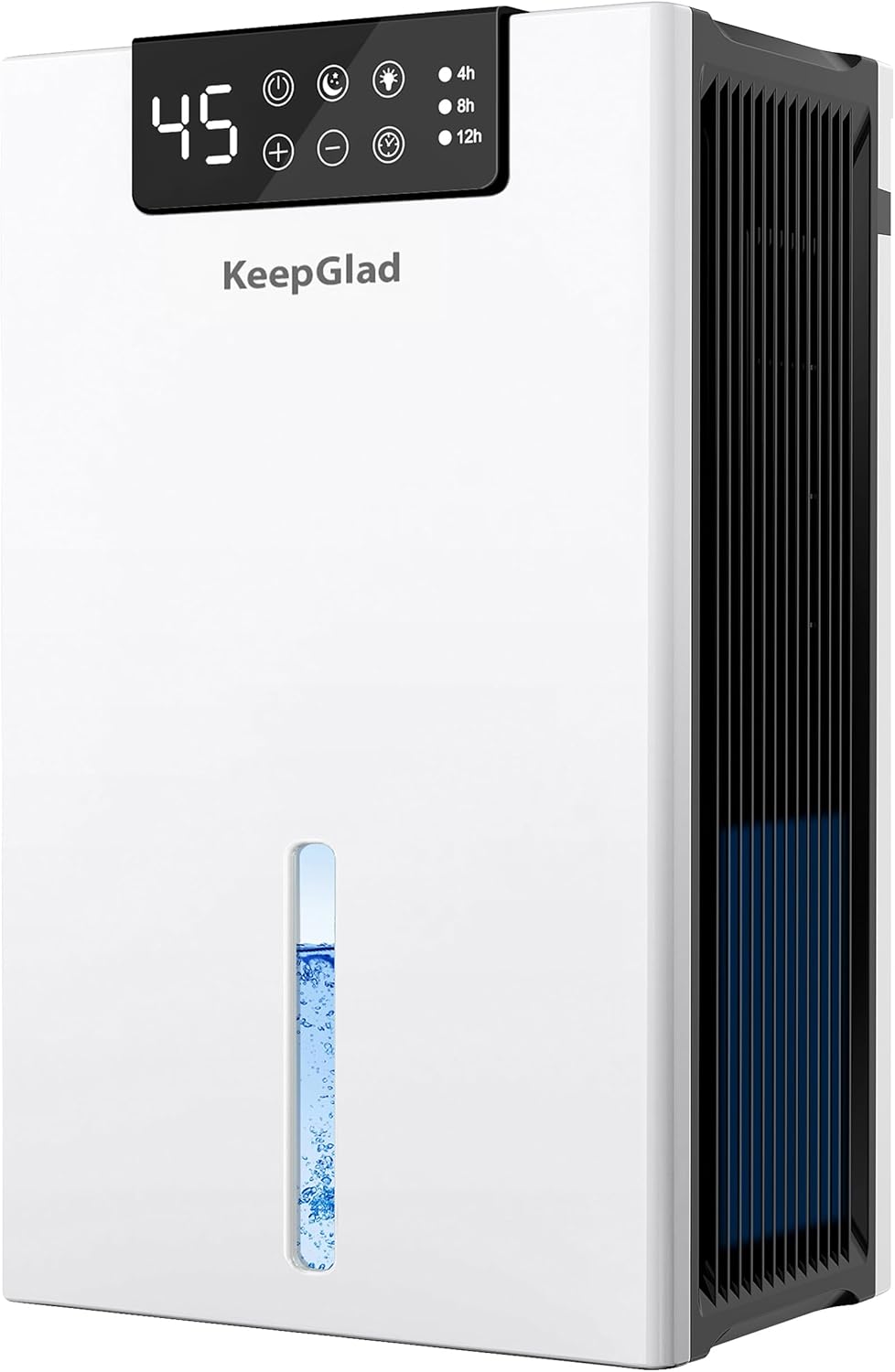
What to Look for When Buying Buying Guide
1. Budget & Price Range
Your budget is often the first filter when shopping for a dehumidifier, but it shouldn’t be the only one. Prices typically range from under $100 for basic compact models to over $600 for high-capacity, feature-rich units. While it’s tempting to go for the cheapest option, skimping on quality can lead to higher long-term costs due to poor performance, frequent repairs, or excessive energy use. Conversely, spending top dollar doesn’t always guarantee the best fit—some premium models include features you may never use.
A good rule of thumb: allocate at least $150–$200 for a reliable mid-sized unit suitable for a standard basement or living area. If you’re dealing with severe moisture issues or large spaces (over 2,000 sq ft), expect to spend $300–$500. Remember, the most expensive model isn’t necessarily the best—it’s the one that matches your specific needs. Always factor in operating costs too; a slightly pricier but energy-efficient unit can save you hundreds over its lifespan.
2. Performance Specifications
Performance is measured primarily by two metrics: pint capacity and coverage area. Pint capacity refers to how much moisture the unit can remove in 24 hours under standardized conditions (usually 60% relative humidity at 80°F). Common capacities range from 20 to 70+ pints. Coverage area indicates the maximum square footage the dehumidifier can effectively manage—typically listed as “up to X sq ft.”
Choosing the right capacity depends on both your space size and humidity level. A 30-pint unit might suffice for a small, moderately damp bathroom, but a 50-pint or higher model is essential for a large, chronically wet basement. Oversizing slightly is better than undersizing—if your unit runs constantly and still can’t keep up, it’s likely too small. Also check the unit’s performance at lower temperatures; many compressors lose efficiency below 65°F, which matters if you’re using it in an unheated garage or crawl space.
3. Build Quality & Durability
A dehumidifier is a long-term investment, so durability matters. Look for models with robust construction—metal casings, reinforced coils, and sealed compressors tend to last longer than all-plastic designs. Check the quality of the water tank (if included); thick, crack-resistant plastic is preferable. Internal components like the fan motor and refrigerant system should be well-protected from dust and debris.
Pay attention to user reports about longevity. Some budget brands offer attractive specs but fail within a year or two due to cheap capacitors or poor thermal management. Reading long-term reviews (12+ months of use) can reveal hidden flaws. Also consider whether the unit is designed for continuous operation—many residential models aren’t built to run 24/7 without overheating.
4. Features & Functionality
Modern dehumidifiers come packed with features that enhance convenience and efficiency. Key ones to consider include:
– Auto-humidistat: Allows you to set a target humidity level (e.g., 45%) and automatically turns the unit on/off to maintain it.
– Continuous drainage: Lets you connect a garden hose so the unit drains directly into a floor drain or sump pump—eliminating the need to empty a tank.
– Defrost function: Prevents ice buildup on coils in cold environments (below 60°F), ensuring consistent performance.
– Air filtration: Built-in washable or replaceable filters capture dust, allergens, and mold spores.
– Smart controls: Wi-Fi connectivity, app control, and voice assistant compatibility (Alexa, Google Assistant) let you monitor and adjust settings remotely.
– Timer and sleep mode: Schedule operation or reduce noise at night.
While these features add value, don’t let them distract from core performance. A unit with every bell and whistle but weak moisture removal won’t solve your problem.
5. Brand Reputation
Stick with established brands known for reliability and customer service. Companies like Frigidaire, hOmeLabs, GE, AprilAire, and Tosot have proven track records in the dehumidifier space. They invest in R&D, offer better warranties, and provide accessible support. Lesser-known brands may offer tempting deals, but they often lack spare parts, technical documentation, or responsive customer service.
Research brand-specific forums and Reddit communities to see real-user experiences. A brand might excel in one category (e.g., basement units) but struggle in another (e.g., portable models). Also note that some “premium” brands license their name to third-party manufacturers—always verify who actually builds the unit.
6. Warranty & Support
A solid warranty is a strong indicator of a manufacturer’s confidence in their product. Most reputable brands offer 1–2 years of coverage, with some extending to 3–5 years on compressors (the most critical and expensive component). Read the fine print: some warranties void if the unit is used in commercial settings or without proper maintenance.
Customer support matters too. Can you easily reach a technician? Are replacement filters and parts readily available? Check if the company offers live chat, phone support, or local service centers. A 5-star product with 1-star support can turn into a nightmare if something goes wrong.
7. Size & Portability
Dehumidifiers vary widely in physical dimensions and weight. Compact 20–30 pint units may weigh 30–40 lbs and fit under a sink, while 70-pint behemoths can exceed 60 lbs and require two people to move. Consider where you’ll place the unit and whether you’ll need to relocate it (e.g., from basement to attic seasonally).
Look for integrated handles, caster wheels, and cord storage for easier mobility. If space is tight, measure your intended location before buying—some units need clearance for airflow. Noise level (measured in decibels) is also part of portability; a loud unit may be fine in a basement but disruptive in a bedroom.
8. User Reviews & Ratings
Never rely solely on manufacturer claims. User reviews—especially detailed ones with photos or long-term updates—reveal how a dehumidifier performs in real homes. Look for patterns: if multiple users report the same issue (e.g., “stopped working after 6 months” or “can’t maintain humidity below 55%”), it’s likely a design flaw.
Use trusted platforms like Amazon, Home Depot, or Consumer Reports. Be wary of fake reviews—overly generic praise or repetitive phrasing can be red flags. Focus on verified purchases and reviews that mention specific conditions (e.g., “used in a 1,500 sq ft crawl space in Florida”).
Different Types of Buying Guide
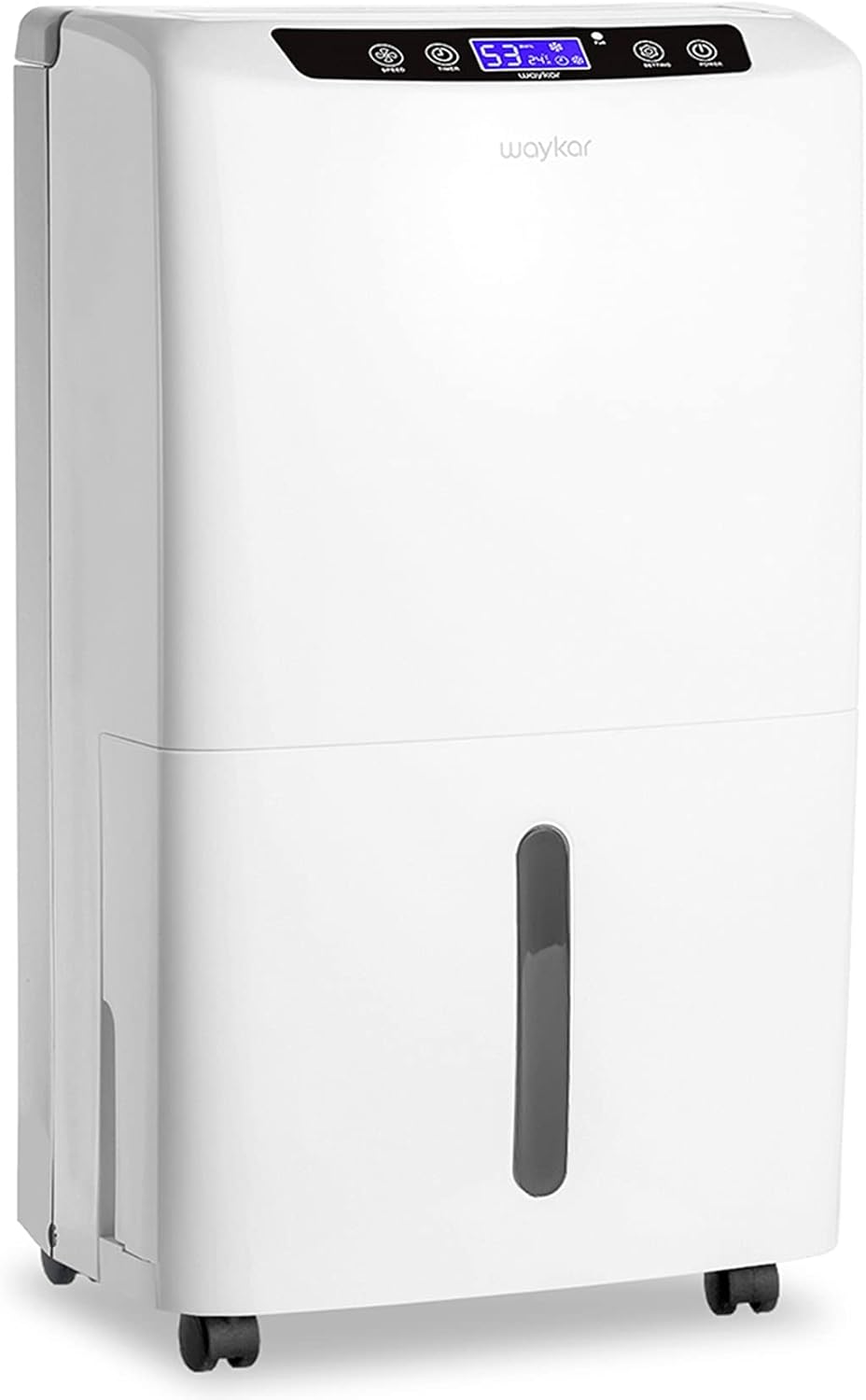
Common Buying Mistakes to Avoid
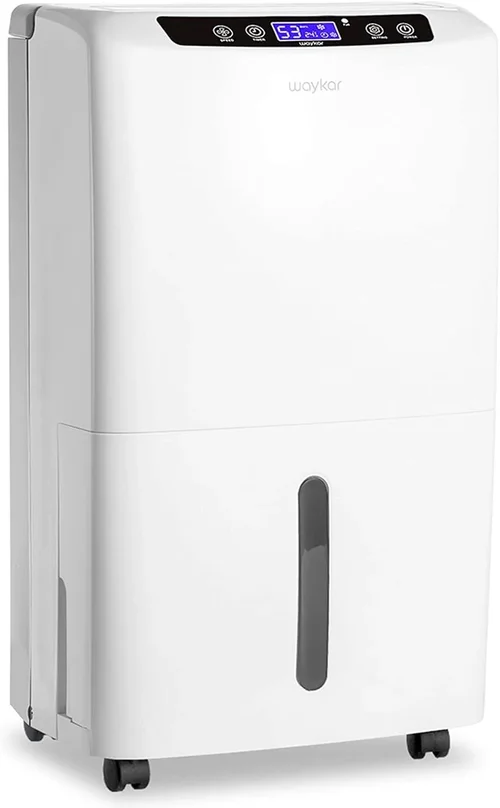
❌ Mistake: Buying Based Solely on Pint Capacity
Why it’s bad: Pint ratings are measured under ideal lab conditions (80°F, 60% RH). In real-world scenarios—especially cooler basements—performance drops significantly. A “50-pint” unit might only remove 30 pints in a 55°F crawl space.
What to do instead: Cross-reference capacity with coverage area and check low-temperature performance specs. When in doubt, size up by one category.
❌ Mistake: Ignoring Drainage Options
Why it’s bad: Emptying a full water tank every 8–12 hours is tedious and easy to forget. If you’re away for days, stagnant water can breed bacteria or cause overflow.
What to do instead: Choose a model with a built-in pump or continuous drain hose outlet. Even if you don’t use it now, it adds flexibility for future needs.
❌ Mistake: Overlooking Noise Levels
Why it’s bad: Dehumidifiers with loud compressors or fans can disrupt sleep or conversations, especially in open-plan homes or bedrooms.
What to do instead: Check decibel (dB) ratings—ideally below 50 dB for quiet operation. Desiccant and Peltier units are typically quieter than compressor models.
❌ Mistake: Skipping the Humidistat
Why it’s bad: Without automatic humidity control, you risk over-drying (wasting energy, drying out wood) or under-drying (mold still grows).
What to do instead: Always choose a unit with a built-in humidistat. Set it between 30–50% RH for optimal comfort and mold prevention.
❌ Mistake: Buying the Cheapest Model Available
Why it’s bad: Budget units often use inferior components, lack safety features, and consume more electricity. They may also void warranties if used continuously.
What to do instead: Invest in a mid-tier model from a reputable brand. The extra $50–$100 upfront pays off in durability and efficiency.
❌ Mistake: Not Considering Climate
Why it’s bad: Compressor dehumidifiers struggle in cold environments, while desiccants are less efficient in hot, humid climates.
What to do instead: Match the technology to your environment: compressor for warm/humid, desiccant for cold/damp.
❌ Mistake: Forgetting About Maintenance
Why it’s bad: Clogged filters and dirty coils reduce efficiency and can cause breakdowns.
What to do instead: Choose models with easy-access filters and self-cleaning features. Commit to monthly cleaning.
Budget Guidelines: How Much Should You Spend?
– Entry-Level ($50–$150): Best for tiny spaces like closets, RVs, or seasonal use. Expect basic functionality, small tanks, and limited coverage (under 500 sq ft). Thermo-electric and mini desiccant models dominate this range. Ideal for occasional dampness, not chronic issues.
– Mid-Range ($150–$350): The sweet spot for most homeowners. These 30–50 pint compressor or desiccant units handle basements, large bathrooms, or main living areas up to 1,500 sq ft. Look for auto-humidistats, continuous drainage, and decent warranties. Brands like hOmeLabs, Tosot, and Frigidaire offer excellent value here.
– Premium ($350–$600): For serious moisture problems or larger homes. High-capacity (50–70+ pint) models with advanced features: built-in pumps, smart controls, defrost functions, and robust build quality. AprilAire and Santa Fe specialize in this tier. Great for finished basements, wine cellars, or humid climates.
– Luxury ($600+): Whole-house systems or commercial-grade units. Designed for integration with HVAC, these maintain precise humidity across entire properties. Often require professional installation. Justified only for large homes, historic properties, or health-sensitive individuals (e.g., severe asthma).
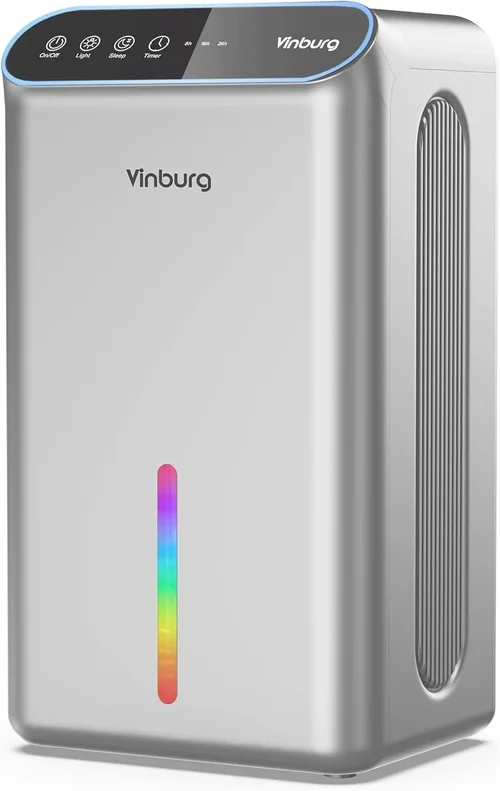
Expert Tips for Getting the Best Deal
– Buy off-season: Prices drop in winter (December–February) when demand is lowest. Many retailers clear inventory before spring.
– Check for rebates: Utility companies often offer $50–$150 rebates for ENERGY STAR dehumidifiers—especially in humid states like Florida or Louisiana.
– Compare total cost of ownership: A $200 unit that uses 500W costs more over time than a $300 unit using 300W. Use the EnergyGuide label to estimate annual operating costs.
– Read return policies: Ensure you can return the unit if it doesn’t perform as expected. Some retailers offer 30–90 day trials.
– Test before committing: Run the dehumidifier for a week with a hygrometer to verify it maintains your target humidity. If not, exchange it.
– Beware of “as seen” or refurbished units: Unless sold directly by the manufacturer with full warranty, these may have hidden defects.
– Bundle with other purchases: Some HVAC contractors offer discounts if you buy a dehumidifier during furnace or AC service.
– Join loyalty programs: Stores like Home Depot and Lowe’s offer member-exclusive discounts and early access to sales.

Frequently Asked Questions
Q: How do I know if I need a dehumidifier?
A: Signs include persistent musty odors, condensation on windows, peeling wallpaper, warped wood, or visible mold. Use a hygrometer to measure indoor humidity—if it consistently reads above 50%, a dehumidifier is recommended.
Q: Can a dehumidifier help with allergies?
A: Yes. By reducing moisture, it inhibits mold, dust mites, and mildew—common allergens. Pair it with an air purifier for maximum benefit.
Q: Should I run my dehumidifier all the time?
A: Not necessarily. Most units have auto modes that cycle on/off to maintain your set humidity level. Continuous operation is only needed in extremely damp or unoccupied spaces.
Q: Where should I place my dehumidifier?
A: In the dampest area (usually basement or crawl space), away from walls for airflow. Avoid placing it near heat sources or in direct sunlight.
Q: How often should I clean the filter?
A: Every 2–4 weeks during heavy use. A dirty filter restricts airflow and reduces efficiency.
Q: Can I use a dehumidifier in winter?
A: Only if the space stays above 60°F. Below that, compressor units may ice up. Use a desiccant model for cold garages or cabins.
Q: Will a dehumidifier lower my energy bills?
A: Indirectly. Lower humidity makes air feel cooler, so you may use your AC less. However, the dehumidifier itself consumes electricity—balance usage with savings.
Q: Are smart dehumidifiers worth it?
A: If you travel often or want remote monitoring, yes. Features like leak alerts and scheduling add convenience. For stationary use, basic models suffice.
Q: How long do dehumidifiers last?
A: Quality units last 5–10 years with proper maintenance. Compressor failure is the most common end-of-life issue.
Q: Can I install a whole-house dehumidifier myself?
A: Most require ductwork integration and electrical work—best left to HVAC professionals. DIY installation may void warranties.
Our Final Recommendations
– Best for Budget-Conscious Buyers: Tosot 30 Pint Dehumidifier – Reliable performance, auto-humidistat, and continuous drain option under $200. Great for small basements or large bathrooms.
– Best Overall Value: hOmeLabs 50 Pint Dehumidifier – Excellent balance of capacity, features, and price ($250–$300). Includes pump, washable filter, and quiet operation. Ideal for most homes.
– Best Premium Option: AprilAire E080 Pro – Whole-house capability, professional-grade build, and precise humidity control ($1,200+). Perfect for large homes or severe moisture issues.
– Best for Beginners: Frigidaire FFAD7033R1 – User-friendly interface, clear tank indicator, and reliable performance. A trusted name with straightforward operation.
– Best for Advanced Users: Santa Fe Compact 70 – High-efficiency desiccant technology, built-in pump, and rugged construction. Ideal for cold climates or off-grid applications.
Conclusion: Making the Right Choice
Choosing the best dehumidifier isn’t about finding the most powerful or most expensive model—it’s about matching the right tool to your specific environment, needs, and budget. Start by assessing your space: How big is it? How damp is it? What’s the temperature range? Then prioritize features that matter most to you—whether that’s quiet operation, smart controls, or continuous drainage. Don’t overlook long-term costs like energy use and maintenance, and always verify performance through independent reviews.
Remember, a dehumidifier is more than an appliance; it’s an investment in your home’s health and your family’s comfort. The right one will eliminate musty smells, protect your belongings, and create a healthier living environment for years to come. Take your time, do your research, and don’t hesitate to ask questions. With the insights from this guide, you’re now equipped to make a smart, confident purchase that delivers real results.