
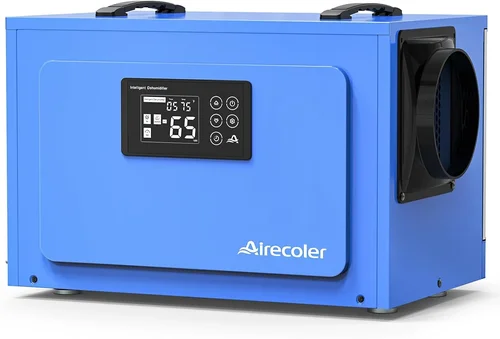
Attic spaces are often overlooked when it comes to home climate control, yet they play a critical role in your home’s overall health, energy efficiency, and comfort. Poor attic ventilation combined with seasonal temperature swings creates the perfect breeding ground for excess moisture—leading to mold growth, wood rot, damaged insulation, and even structural deterioration over time. Many homeowners don’t realize that high humidity in the attic can also drive up energy bills, as damp insulation loses its R-value and your HVAC system works harder to maintain indoor temperatures. This is where an attic dehumidifier becomes not just a convenience, but a necessity for long-term home preservation.
That’s why choosing the right attic dehumidifier is so important. Unlike basement or living space units, attic dehumidifiers must operate in extreme conditions—scorching summer heat, frigid winter cold, dust, and limited access for maintenance. They need to be rugged, energy-efficient, and capable of running continuously without constant supervision. With so many models on the market—from compact refrigerant-based units to industrial-grade desiccant systems—it’s easy to feel overwhelmed. This comprehensive buying guide cuts through the noise to help you make an informed decision based on your specific needs, budget, and attic environment.
In this expert-level guide, you’ll learn everything you need to know about selecting the best attic dehumidifier in 2026. We’ll break down the key performance specs, compare different technologies, highlight common pitfalls, and provide actionable tips to get the most value for your investment. Whether you’re dealing with chronic condensation, musty odors, or simply want to protect your home from long-term moisture damage, this guide will equip you with the knowledge to choose a unit that delivers reliable, year-round protection.

What to Look for When Buying Buying Guide
1. Performance Specifications
When evaluating attic dehumidifiers, performance isn’t just about how much water they remove—it’s about how consistently they do it under real-world attic conditions. The two most critical specs are pints per day (PPD) and operating temperature range. PPD tells you the maximum amount of moisture the unit can extract in 24 hours, typically measured at 80°F and 60% relative humidity (the AHAM standard). For attics, however, you’ll want to look beyond this baseline. Attics often reach 120°F+ in summer and drop below freezing in winter, so check the manufacturer’s performance curve to see how output drops at extreme temperatures.
A good attic dehumidifier should maintain at least 50–70% of its rated capacity at 90°F and still function down to 40°F or lower. Desiccant dehumidifiers generally outperform refrigerant models in cold environments, while refrigerant units are more efficient in warm, humid conditions. Also consider the airflow rate (CFM)—higher CFM means better circulation across larger attic spaces. For attics under 1,000 sq. ft., a 10–15 PPD unit may suffice, but larger or poorly ventilated attics may require 20+ PPD. Always size up slightly to account for insulation gaps, roof leaks, or high outdoor humidity.
2. Build Quality & Durability
Attics are harsh environments—dusty, hot, cold, and often difficult to access. A flimsy plastic housing or thin-gauge metal won’t survive more than a season or two. Look for units built with corrosion-resistant materials like powder-coated steel or marine-grade aluminum, especially if you live in a coastal or high-humidity region. Internal components should be sealed or protected from dust ingress, and electrical connections must meet UL or ETL safety standards for unattended operation.
Pay close attention to the compressor (for refrigerant models) or desiccant wheel (for desiccant models)—these are the heart of the system. High-quality compressors from brands like Copeland or Danfoss offer longer lifespans and better efficiency. Desiccant wheels should be made of durable silica gel or polymer materials that resist degradation over thousands of cycles. Avoid units with exposed circuit boards or poorly shielded wiring—moisture and heat can fry electronics quickly. A well-built attic dehumidifier should last 7–10 years with minimal maintenance.
3. Energy Efficiency & Operating Costs
Since attic dehumidifiers often run 24/7 during humid seasons, energy consumption directly impacts your utility bill. Check the Energy Factor (EF), measured in liters of water removed per kilowatt-hour (L/kWh). Higher EF values mean greater efficiency. Modern units range from 1.5 to 2.5 L/kWh—anything below 1.8 is considered subpar for continuous use. Some models include Energy Star certification, which guarantees they meet strict efficiency guidelines set by the EPA.
Also consider whether the unit has auto-humidistat control. This feature allows the dehumidifier to cycle on only when humidity exceeds your set point (e.g., 50% RH), rather than running constantly. This not only saves energy but also extends component life. Desiccant dehumidifiers tend to use more power than refrigerant types, but their superior performance in cold or low-humidity conditions may justify the extra cost in certain climates. Calculate annual operating costs by multiplying the unit’s wattage by estimated runtime and your local electricity rate.
4. Features & Functionality
Smart features can make a big difference in usability and effectiveness. Look for models with digital humidity displays, adjustable humidistats, and remote monitoring capabilities via Wi-Fi or Bluetooth. Some premium units integrate with home automation systems like Google Home or Apple HomeKit, allowing you to check status or adjust settings from your phone—even when you’re away.
Drainage options are equally important. Most attic dehumidifiers offer continuous gravity drainage via a hose connection, which is ideal since you won’t want to empty a bucket weekly in a cramped, hot attic. Ensure the unit has a built-in pump or condensate lift option if you need to drain uphill or to a remote location. Automatic shut-off when the drain line clogs or the internal tank fills is a must-have safety feature. Other useful extras include washable air filters, quiet operation (under 50 dB), and freeze protection that prevents coil damage in winter.
5. Brand Reputation & Reliability
Not all dehumidifier brands are created equal—especially when it comes to attic-specific models. Stick with manufacturers known for industrial or commercial-grade equipment, such as AprilAire, Santa Fe, Dri-Eaz, or Quest. These companies specialize in whole-house and hard-to-reach applications and typically offer better engineering, longer warranties, and responsive customer support.
Avoid generic or off-brand units sold exclusively online with vague specifications and no service network. Read professional reviews from HVAC contractors and building scientists—they often test units in real attics and can spot flaws that consumer reviews miss. A reputable brand will provide detailed installation guides, clear performance data across temperature ranges, and readily available replacement parts. Customer service matters too: if something goes wrong, you’ll want quick access to technical support and repair services.
6. Warranty & Support
A strong warranty is a strong indicator of a manufacturer’s confidence in their product. For attic dehumidifiers, look for at least a 5-year warranty on the compressor or desiccant wheel and 1–2 years on other components. Some premium brands offer extended warranties up to 10 years, often covering both parts and labor. Be sure to register your unit promptly—many warranties are void if not activated within 30–60 days of purchase.
Check what the warranty actually covers. Does it include damage from power surges? What about wear from continuous operation? Is on-site service available, or do you have to ship the unit back? Also verify that the company has a U.S.-based support team—offshore support can lead to frustrating delays. Reading the fine print can save you hundreds in unexpected repair costs down the line.
7. Size & Installation Requirements
Attics are rarely designed with appliance storage in mind. Measure your access point (usually a pull-down ladder or scuttle hole) and ensure the dehumidifier can fit through it. Most attic units are compact—under 24″ tall and 18″ wide—but some industrial models can be larger. Weight matters too: you don’t want to haul a 60-lb unit up a ladder alone. Look for integrated handles or wheels if available.
Consider where you’ll place the unit. It should sit on a level, stable surface away from insulation, wiring, or HVAC ducts. Adequate clearance (6–12 inches) around all sides ensures proper airflow. Some models are wall-mountable, which saves floor space. Electrical requirements vary: many run on standard 120V outlets, but high-capacity units may need 240V circuits. Always consult an electrician before installation—improper wiring is a fire hazard.
8. User Reviews & Real-World Performance
Spec sheets tell part of the story, but user reviews reveal how a dehumidifier performs in actual homes. Focus on feedback from buyers with similar attic conditions—climate, square footage, ventilation quality, and existing moisture issues. Look for patterns: do multiple users report mold reduction? Does the unit handle winter temps well? Are there complaints about noise, leaks, or frequent breakdowns?
Be wary of overly positive reviews that sound scripted or lack detail. Authentic reviews often mention trade-offs—e.g., “It’s loud but works great in my unventilated attic.” Cross-reference Amazon, Home Depot, and specialty HVAC forums. Professional installers on sites like Angi or Houzz can also provide unbiased insights. Remember: a unit that works perfectly in Florida may struggle in Minnesota due to temperature extremes.
Different Types of Buying Guide

Common Buying Mistakes to Avoid
❌ Mistake: Choosing Based Solely on Pints Per Day
Why it’s bad: A 20-pint unit sounds impressive, but if it loses 80% of its capacity at 95°F—common in summer attics—it may perform worse than a smaller, better-engineered 15-pint model. Sizing without considering temperature derating leads to underperformance and wasted money.
What to do instead: Always check the performance curve in the manual or spec sheet. Choose a unit that maintains at least 60% of rated output at your attic’s peak temperature. When in doubt, consult an HVAC professional for a load calculation.
❌ Mistake: Ignoring Drainage Logistics
Why it’s bad: Many buyers assume they can just place a bucket under the unit—but attics aren’t designed for frequent access. A full bucket every few days is impractical and defeats the purpose of automation.
What to do instead: Opt for a model with continuous drainage via hose. Plan the drain route during purchase—can you run a line to a soffit vent, basement floor drain, or exterior wall? Ensure the unit has a clog sensor or auto-shutoff for safety.
❌ Mistake: Overlooking Electrical Requirements
Why it’s bad: Plugging a high-wattage dehumidifier into an existing outlet on a shared circuit can trip breakers or cause overheating. Attics often lack dedicated circuits, creating fire risks.
What to do instead: Have an electrician assess your attic’s wiring. Install a dedicated 15–20A circuit if needed. Use only UL-listed extension cords if absolutely necessary—and never run them under insulation.
❌ Mistree: Buying a Basement Model for the Attic
Why it’s bad: Basement dehumidifiers aren’t built for extreme heat or cold. Their coils freeze in winter, and electronics overheat in summer, leading to premature failure.
What to do instead: Purchase a model specifically rated for attic or unconditioned space use. These units feature enhanced thermal management, wider operating ranges, and dust-resistant designs.
❌ Mistake: Skipping Humidity Monitoring
Why it’s bad: Without a humidistat, your dehumidifier may run unnecessarily when humidity is already low, wasting energy and wearing out components.
What to do instead: Choose a unit with a built-in humidistat or pair it with a standalone hygrometer. Set the target between 45–55% RH—low enough to prevent mold, high enough to avoid over-drying.
❌ Mistake: Neglecting Maintenance Access
Why it’s bad: Filters clog, coils collect dust, and desiccant wheels degrade over time. If you can’t easily access the unit for cleaning or service, performance will decline rapidly.
What to do instead: Install the dehumidifier near the attic access point. Choose models with tool-less filter doors and visible service indicators. Schedule bi-annual inspections.
❌ Mistake: Assuming All Desiccant Units Are Equal
Why it’s bad: Cheap desiccant dehumidifiers use low-quality silica gel that saturates quickly and requires frequent reactivation, increasing energy use.
What to do instead: Invest in a unit with a high-efficiency rotary desiccant wheel and regenerative heating system. Look for brands that specify desiccant material type and reactivation cycle efficiency.
Budget Guidelines: How Much Should You Spend?
Entry-Level ($200–$400): These are typically small, portable refrigerant units designed for occasional use. They lack robust construction, have limited drainage options, and often fail within 2–3 years in attic conditions. Best for very small attics (<500 sq. ft.) in mild climates with minimal moisture issues. Expect basic controls, no humidistat, and high noise levels.
Mid-Range ($400–$800): This is the sweet spot for most homeowners. Units in this range offer reliable performance, continuous drainage, digital humidistats, and better build quality. Many include Energy Star ratings and 3–5 year warranties. Refrigerant models dominate here, but some entry-level desiccant units appear at the top end. Ideal for attics up to 1,500 sq. ft. with moderate humidity problems.
Premium ($800–$1,500): Designed for serious moisture control, these units feature commercial-grade components, wide operating temperature ranges, and advanced controls. Desiccant technology becomes more common, offering year-round effectiveness. Look for features like Wi-Fi monitoring, condensate pumps, and corrosion-resistant housings. Perfect for large attics, cold climates, or homes with chronic mold or rot issues.
Luxury ($1,500+): These are whole-house or industrial systems built for maximum durability and automation. Often integrated with HVAC systems, they include multi-stage filtration, remote diagnostics, and 10-year warranties. While overkill for most residential attics, they’re ideal for custom homes, historic properties, or regions with extreme weather. Expect professional installation and ongoing service contracts.
Expert Tips for Getting the Best Deal
- Buy in late winter or early spring: Retailers often discount dehumidifiers before the humid season kicks in. You’ll avoid summer price hikes and ensure your unit is ready when humidity peaks.
- Shop specialty HVAC retailers: Stores like Total Home Supply, HVACDirect.com, or local contractors often carry attic-specific models not found on Amazon. They may also offer free technical support.
- Look for bundle deals: Some manufacturers offer discounts when you buy a dehumidifier with a hygrometer, drain hose, or installation kit. These add-ons are essential and cheaper together.
- Check for rebates: Utility companies in humid states (FL, TX, LA) sometimes offer rebates for Energy Star dehumidifiers. Visit dsireusa.org to search by zip code.
- Negotiate installation: If hiring a pro, ask if they’ll waive labor fees if you provide the unit. Many contractors prefer this and may offer a discount.
- Read return policies carefully: Attic units are heavy and expensive to return. Ensure the seller offers at least 30 days to test the unit in your actual environment.
- Consider refurbished units: Reputable sellers like AprilAire offer certified refurbished models with full warranties at 20–30% off. These are often ex-display or returned units in perfect condition.
- Join contractor forums: Sites like ContractorTalk or HVAC-Talk have members who share deals, recall info, and real-world performance data you won’t find elsewhere.
Frequently Asked Questions
Q: Do I really need a dehumidifier in my attic?
A: If your attic feels damp, has condensation on roof sheathing, or you notice mold/musty smells, yes. Even without visible signs, high attic humidity reduces insulation effectiveness and can damage wooden structures over time. A dehumidifier is a proactive investment in your home’s longevity.
Q: Can I use a regular room dehumidifier in the attic?
A: Not recommended. Room units aren’t built for extreme temperatures, dust, or continuous operation. Their coils freeze below 65°F, and electronics overheat above 90°F—both common in attics. Always choose a model rated for unconditioned spaces.
Q: How do I know what size dehumidifier I need?
A: Start with your attic’s square footage, but also consider climate, ventilation, and existing moisture levels. As a rule of thumb: 10 PPD for <1,000 sq. ft., 15 PPD for 1,000–1,500 sq. ft., and 20+ PPD for larger or problem attics. When in doubt, consult an HVAC pro for a moisture load calculation.
Q: Will a dehumidifier increase my electricity bill?
A: Yes, but typically by $10–$25/month during peak season. Energy-efficient models with auto-humidistats minimize waste. The energy savings from improved insulation performance and reduced HVAC load often offset this cost.
Q: How often do I need to maintain the unit?
A: Clean the air filter every 1–2 months during active use. Inspect coils and drainage every 6 months. Desiccant wheels may need professional servicing every 3–5 years. Most units have indicator lights for filter changes or service alerts.
Q: Can I install it myself?
A: If you’re comfortable working in tight spaces and handling basic electrical connections, yes—but only if the unit plugs into an existing outlet. For hardwired or 240V units, hire a licensed electrician. Improper installation voids warranties and poses safety risks.
Q: What’s the difference between refrigerant and desiccant dehumidifiers?
A: Refrigerant units cool air to condense moisture—great in warm, humid conditions but inefficient in cold. Desiccant units use moisture-absorbing materials and heat to release water—ideal for cold or low-humidity environments. Choose based on your climate and seasonal needs.
Q: Should I run it year-round?
A: In most climates, run it from spring through fall. In very cold regions, turn it off in winter unless you have persistent ice dam or condensation issues. Some desiccant models are designed for year-round use—check the manual.
Q: Will it help with ice dams?
A: Indirectly, yes. By reducing attic humidity, you minimize warm, moist air leaking into the attic and melting snow on the roof—which refreezes at the eaves to form ice dams. However, proper insulation and ventilation are the primary solutions.
Q: Are there alternatives to dehumidifiers?
A: Yes—improving attic ventilation (ridge/soffit vents), sealing air leaks from the living space, and adding insulation can reduce moisture. But in high-humidity climates or poorly ventilated attics, a dehumidifier is often the most effective solution.
Our Final Recommendations
Best for Budget-Conscious Buyers: hOmeLabs 1,500 Sq. Ft. Dehumidifier – At under $400, this Energy Star-rated refrigerant unit offers solid performance for small to mid-sized attics. It includes a built-in pump, continuous drainage, and a digital humidistat. While not built for extreme cold, it’s a reliable choice for warm climates.
Best Overall Value: AprilAire E080 Pro – Priced around $750, this whole-house capable unit delivers 80 pints/day with exceptional build quality. It operates efficiently from 41°F to 104°F, features a corrosion-resistant cabinet, and integrates with smart home systems. Ideal for most homeowners seeking long-term reliability.
Best Premium Option: Santa Fe Compact 70 Desiccant Dehumidifier – At $1,200+, this desiccant powerhouse excels in cold or variable climates. It removes 70 pints/day even at 40°F, includes a condensate pump, and boasts a 10-year warranty. Perfect for northern states or year-round moisture control.
Best for Beginners: Frigidaire FAD704DWD – Simple to install and operate, this 70-pint unit has a clear water tank, basic controls, and affordable price (~$350). Great for first-time buyers with straightforward attic setups.
Best for Advanced Users: Quest 50 Overhead Dehumidifier – Designed for commercial and high-performance residential use, this $2,000+ unit mounts directly to ceiling joists, saving floor space. It includes advanced diagnostics, remote monitoring, and handles extreme loads with ease.
Conclusion: Making the Right Choice
Choosing the best attic dehumidifier isn’t just about picking the highest number on a spec sheet—it’s about matching the right technology, capacity, and features to your home’s unique environment. From understanding performance curves and drainage logistics to avoiding common pitfalls and leveraging expert buying strategies, this guide has equipped you with the knowledge to make a confident, informed decision.
Remember, your attic is the frontline defense against moisture damage. Investing in a quality dehumidifier protects not only your roof and insulation but also your family’s health and your home’s resale value. Prioritize durability, efficiency, and ease of maintenance over flashy features or rock-bottom prices. And when in doubt, consult a professional—they can assess your specific needs and recommend the optimal solution.
Take action today. Measure your attic, assess your humidity levels, and choose a unit that will work silently and reliably for years to come. Your future self—and your home—will thank you.