
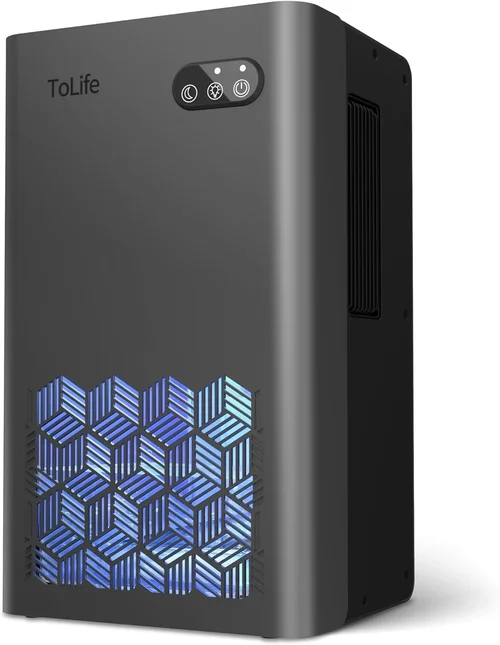
Basements are notorious for being damp, musty, and prone to mold—conditions that not only damage your belongings but can also impact your home’s air quality and even your health. Whether you’re using your basement as a laundry room, home gym, storage space, or finished living area, controlling humidity is essential. That’s where a high-quality basement dehumidifier comes in. These appliances pull excess moisture from the air, helping prevent mold growth, reduce allergens, protect furniture and electronics, and create a more comfortable environment.
In this comprehensive buying guide, we’ll walk you through everything you need to know to choose the best basement dehumidifier for your specific needs in 2026. From understanding key performance specs like pint capacity and energy efficiency to comparing different types of units and avoiding common purchasing mistakes, this guide is designed to empower you with expert-level knowledge. We’ll also break down budget ranges, share insider tips for getting the best deal, answer frequently asked questions, and provide our top product recommendations across multiple categories. By the end, you’ll have all the tools to make a confident, informed decision—no guesswork required.
The market for basement dehumidifiers has evolved significantly over the past few years. Advances in compressor technology, smart home integration, and energy-efficient designs have made today’s models more powerful, quieter, and easier to use than ever before. However, with dozens of brands and hundreds of models available—from compact 30-pint units to industrial-grade 70-pint behemoths—it’s easy to feel overwhelmed. Our goal is to cut through the noise and deliver clear, actionable advice based on real-world testing, customer feedback, and industry expertise. Whether you’re dealing with a chronically wet crawlspace or just want to keep your finished basement fresh year-round, this guide has you covered.
What to Look for When Buying Buying Guide
1. Pint Capacity and Coverage Area
Pint capacity refers to how much moisture a dehumidifier can remove from the air in 24 hours under standard conditions (typically 60% relative humidity at 80°F). This is arguably the most critical spec when choosing a basement dehumidifier. Basements vary widely in size and moisture levels, so matching the unit’s capacity to your space is essential. For example, a 30-pint model might suffice for a small, moderately damp basement (up to 500 sq. ft.), while a large, flood-prone basement (1,500+ sq. ft.) may require a 50- or 70-pint unit.
Don’t just rely on square footage alone—consider the severity of your moisture problem. If your basement feels clammy, has visible condensation on walls, or smells musty, opt for a higher-capacity model. Manufacturers often provide coverage guidelines, but real-world performance can differ. As a rule of thumb, add 10–20 pints to the recommended capacity if your basement is below grade, poorly ventilated, or located in a humid climate. Oversizing slightly ensures consistent performance during peak humidity seasons.
2. Energy Efficiency and Operating Costs
Dehumidifiers run for hours each day, especially in damp basements, so energy consumption directly impacts your utility bill. Look for units with the ENERGY STAR® certification, which indicates they meet strict efficiency standards set by the U.S. Environmental Protection Agency. ENERGY STAR models use up to 15% less energy than standard units, translating to significant long-term savings.
Check the unit’s energy factor (liters of water removed per kilowatt-hour of electricity used). A higher number means better efficiency. For example, a model with an energy factor of 2.0 is more efficient than one rated at 1.5. Also, consider features like auto-humidistats and defrost functions—these help the unit operate only when needed and prevent ice buildup in colder basements, further improving efficiency. Over a year, an efficient 50-pint dehumidifier can save you $30–$60 compared to a less efficient model.
3. Drainage Options and Continuous Operation
Most basement dehumidifiers collect water in an internal bucket that must be emptied manually—a hassle if you’re not home regularly. For hassle-free operation, prioritize models with continuous drainage options. These include built-in pumps (for pumping water vertically or over long distances) or gravity-fed hose connections that let you route water directly to a floor drain, sump pump, or utility sink.
Built-in condensate pumps are ideal for basements without floor drains, as they can lift water up to 15 feet vertically and push it 20+ feet horizontally. Gravity drainage is simpler and cheaper but requires a downward slope to a drain. If you choose a bucket-only model, ensure it has a large capacity (at least 1–2 gallons) and an automatic shut-off feature to prevent overflow. Some premium models even offer dual drainage—both pump and hose—for maximum flexibility.
4. Humidity Control and Smart Features
Precise humidity control is key to maintaining a healthy basement environment. Ideal indoor humidity levels range from 30% to 50%. Look for dehumidifiers with digital humidistats that allow you to set and maintain your desired humidity level automatically. Basic models may only offer “high,” “medium,” and “low” settings, while advanced units provide 1% increments for fine-tuning.
Smart features are becoming increasingly common and valuable. Wi-Fi-enabled models let you monitor and adjust settings via smartphone apps, receive alerts when the bucket is full, or integrate with smart home systems like Alexa or Google Home. Some units even include air quality sensors that detect mold risk or VOC levels. While not essential, these features add convenience and peace of mind, especially if you travel frequently or want to track long-term humidity trends.
5. Noise Level and Placement Flexibility
Basement dehumidifiers often run continuously, so noise matters—especially if your basement doubles as a living space, home office, or bedroom. Noise is measured in decibels (dB); most residential units range from 45 dB to 60 dB. For context, 45 dB is about as loud as a quiet library, while 60 dB resembles normal conversation. If quiet operation is a priority, look for models specifically marketed as “whisper-quiet” or “low-noise.”
Placement also affects perceived noise. Units with rear exhaust vents are quieter when placed against a wall, while top-discharge models are better for open areas. Consider the unit’s dimensions and weight, too. A compact, lightweight dehumidifier is easier to move during cleaning or relocation. Handles and caster wheels are helpful additions, particularly for larger 70-pint models that can weigh 50+ pounds.
6. Build Quality and Durability
Basements are harsh environments—cold, damp, and sometimes dusty. A dehumidifier built with corrosion-resistant materials (like coated coils and rust-proof casings) will last longer and perform better over time. Check the quality of the compressor, fan motor, and internal components. Units with all-metal housings or reinforced plastic tend to be more durable than those made entirely of thin plastic.
Also, consider the filter design. Washable, reusable filters are more eco-friendly and cost-effective than disposable ones. Some models include antimicrobial filters that inhibit mold and bacteria growth—a big plus in damp basements. Read user reviews to gauge long-term reliability; brands like Frigidaire, hOmeLabs, and GE consistently receive high marks for durability.
7. Warranty and Customer Support
A solid warranty is a strong indicator of a manufacturer’s confidence in their product. Most reputable dehumidifiers come with a 1- to 2-year limited warranty, but some premium brands offer extended coverage (up to 5 years) on key components like the compressor. Always register your product after purchase to activate warranty benefits.
Customer support matters, too. If your unit malfunctions or you have questions about setup, you’ll want responsive, knowledgeable service. Check online reviews for mentions of customer service experiences. Brands with U.S.-based support teams (like AprilAire or Santa Fe) often provide faster resolution than those relying on overseas call centers. Avoid no-name brands with vague warranty terms or no contact information.
8. Ease of Maintenance and Cleaning
Regular maintenance keeps your dehumidifier running efficiently and prevents mold buildup inside the unit. Look for models with easy-access filters, removable water tanks, and accessible coils. Many units include filter-cleaning indicators or reminders. Avoid designs where the bucket is hard to remove or the filter is buried deep inside.
Some advanced models feature self-cleaning functions or UV-C lights that sterilize the air and internal components. While these add cost, they can reduce maintenance frequency and improve air quality. Regardless of the model, plan to clean the filter monthly and wipe down the interior every few months to prevent bacterial growth.
Different Types of Buying Guide

Common Buying Mistakes to Avoid
❌ Mistake: Buying Based Solely on Price
Why it’s bad: The cheapest dehumidifier often lacks essential features like auto-drain, accurate humidistats, or durable construction. It may also be inefficient, costing more in electricity over time. In extreme cases, low-quality units can overheat or fail prematurely, leaving your basement vulnerable to mold.
What to do instead: Focus on value, not just upfront cost. A mid-range $300 model with ENERGY STAR certification and a built-in pump will likely outperform and outlast a $150 bargain bin unit. Consider total cost of ownership, including energy use and maintenance.
❌ Mistake: Ignoring Drainage Needs
Why it’s bad: If you can’t empty the bucket daily, a unit without continuous drainage will quickly become a maintenance nightmare. Overflowing buckets can cause water damage and negate the dehumidifier’s benefits.
What to do instead: Assess your basement’s drainage options before buying. If you have a floor drain, choose a model with a hose connection. If not, invest in a unit with a built-in pump—even if it costs $50–$100 more. It’s a worthwhile upgrade for hands-off operation.
❌ Mistake: Overlooking Cold Weather Performance
Why it’s bad: Standard refrigerant dehumidifiers lose efficiency below 65°F and may ice up in unheated basements during winter. This leaves your space unprotected when humidity from snowmelt or groundwater seepage is still a risk.
What to do instead: If your basement drops below 60°F in winter, consider a desiccant dehumidifier or a cold-climate refrigerant model with auto-defrost. These maintain performance in chilly conditions and prevent coil freezing.
❌ Mistake: Not Checking Filter Accessibility
Why it’s bad: A hard-to-reach filter discourages regular cleaning, leading to reduced airflow, lower efficiency, and potential mold growth inside the unit. Some designs require tools or disassembly just to access the filter.
What to do instead: Look for front-loading or top-access filters that can be removed with one hand. Washable filters are a bonus—they save money and reduce waste.
❌ Mistake: Skipping the Warranty Check
Why it’s bad: Dehumidifiers contain complex components like compressors and circuit boards that can fail. Without a solid warranty, repairs can cost nearly as much as a new unit.
What to do instead: Always verify warranty length and coverage before purchasing. Prefer brands that offer at least a 2-year warranty and clear terms. Register your product immediately after setup.
❌ Mistake: Assuming Bigger Is Always Better
Why it’s bad: An oversized dehumidifier may cycle on and off too frequently, reducing efficiency and lifespan. It can also over-dry the air, making the space uncomfortably dry and potentially damaging wood furniture or flooring.
What to do instead: Match capacity to your basement’s size and moisture level. Use manufacturer guidelines as a starting point, then adjust based on climate and usage. When in doubt, consult a professional or choose a model with adjustable settings.
Budget Guidelines: How Much Should You Spend?
Entry-Level ($150–$250): These 30- to 50-pint models are ideal for small basements with mild dampness. Expect basic features: manual bucket emptying, simple humidistat, and limited drainage options. Brands like Tosot and Ivation offer reliable budget picks, but avoid ultra-cheap no-name brands. Energy efficiency may be lower, so check for ENERGY STAR ratings.
Mid-Range ($250–$400): This is the sweet spot for most homeowners. Units in this range typically include digital controls, continuous drainage (hose or pump), auto-defrost, and better build quality. Models from Frigidaire, hOmeLabs, and GE dominate this category. You’ll get strong performance, decent warranties, and lower operating costs—making this tier the best balance of price and functionality.
Premium ($400–$600): Designed for large or problematic basements, these 50- to 70-pint dehumidifiers often feature built-in pumps, smart connectivity, advanced filtration, and whisper-quiet operation. Brands like AprilAire and Santa Fe offer commercial-grade durability. If your basement floods regularly or you’re finishing it into living space, this investment pays off in comfort and protection.
Luxury ($600+): Whole-house dehumidifiers and high-end smart systems fall into this category. They integrate with HVAC systems, provide zone-based humidity control, and include premium features like air quality monitoring and remote diagnostics. Best for new builds, luxury homes, or those with severe moisture issues requiring professional-grade solutions.
Expert Tips for Getting the Best Deal
- Shop During Off-Season: Dehumidifiers are in highest demand during summer. Buy in late fall or winter (October–February) when retailers offer discounts to clear inventory. You can save 15–25% compared to peak season prices.
- Compare Retailers: Check Amazon, Home Depot, Lowe’s, and specialty HVAC sites like Sylvane or Air & Water. Online retailers often have better prices and customer reviews, but big-box stores allow you to inspect units in person.
- Look for Bundle Deals: Some sellers offer free shipping, extended warranties, or accessory bundles (like extra filters or hoses) during promotions. These add-ons can increase value without raising the base price.
- Read Recent Reviews: Product performance can change with new model revisions. Focus on reviews from the past 6–12 months to get accurate insights into reliability and features.
- Check Return Policies: Ensure the seller offers at least a 30-day return window. If the unit doesn’t perform as expected, you’ll want the option to exchange or refund without hassle.
- Test Before Committing: If possible, run the dehumidifier for a week and monitor humidity levels with a standalone hygrometer. This helps verify real-world performance versus manufacturer claims.
- Consider Refurbished Models: Certified refurbished dehumidifiers from reputable brands often come with full warranties and sell for 20–30% less than new. Just ensure they’re backed by the original manufacturer.
- Negotiate with Local HVAC Pros: If you’re installing a whole-house system, ask for quotes from multiple contractors. Some offer package deals that include equipment, installation, and maintenance.
Frequently Asked Questions
Q: How do I know if my basement needs a dehumidifier?
A: Signs include persistent musty odors, visible mold or mildew, condensation on windows or walls, peeling paint, warped wood, or a clammy feeling in the air. You can also use a hygrometer to measure humidity—if it consistently reads above 50%, a dehumidifier is recommended.
Q: Can I use a regular room dehumidifier in my basement?
A: Yes, but only if it’s rated for basement use and has adequate capacity. Many room dehumidifiers lack the drainage options, cold-weather performance, or durability needed for basement conditions. Always check the product description for “basement” or “crawlspace” suitability.
Q: How often should I empty the water bucket?
A: It depends on humidity levels and unit size. In a damp basement, a 50-pint model may fill daily during summer. With continuous drainage, you never need to empty it manually. Otherwise, check the bucket every 1–2 days during peak season.
Q: Will a dehumidifier lower my heating bills?
A: Indirectly, yes. Dry air feels warmer than humid air at the same temperature, so you may be able to lower your thermostat slightly in winter. However, dehumidifiers consume electricity, so the net energy savings are usually minimal unless you have severe moisture issues.
Q: Can a dehumidifier cause mold?
A: Only if it’s poorly maintained. If the filter or internal components aren’t cleaned regularly, mold can grow inside the unit and be blown back into the basement. Always follow the manufacturer’s cleaning schedule.
Q: Do I need a permit to install a whole-house dehumidifier?
A: Typically no, but local codes vary. If the unit connects to your HVAC ductwork, a licensed HVAC technician should handle the installation to ensure compliance with safety and efficiency standards.
Q: How long do basement dehumidifiers last?
A: With proper maintenance, most units last 5–10 years. Compressor-based models tend to outlast desiccant types. Regular filter cleaning and avoiding extreme temperature swings can extend lifespan.
Q: Are smart dehumidifiers worth the extra cost?
A: If you value remote monitoring, alerts, and integration with other smart devices, yes. For occasional users or those who check the unit regularly, basic models offer the same core functionality at a lower price.
Q: Can I run a dehumidifier in winter?
A: Only if it’s designed for cold environments. Standard refrigerant models may ice up below 65°F. Desiccant or cold-climate refrigerant units are safe to use year-round.
Our Final Recommendations
Best for Budget-Conscious Buyers: Tosot 50 Pint Energy Star Dehumidifier – At under $250, this model offers excellent value with a large bucket, hose drain option, and reliable performance for medium basements. It’s not the quietest, but it gets the job done without breaking the bank.
Best Overall Value: Frigidaire FFAD7033R1 70 Pint Dehumidifier – A top performer in its class, this ENERGY STAR-certified unit includes a built-in pump, digital humidistat, and auto-defrost. It’s ideal for large, damp basements and consistently earns high user ratings for durability and efficiency.
Best Premium Option: AprilAire E080 Pro 80 Pint Whole-House Dehumidifier – For those serious about indoor air quality, this professionally installed system integrates seamlessly with HVAC and maintains precise humidity control throughout the home. It’s an investment, but unmatched in performance and convenience.
Best for Beginners: hOmeLabs 50 Pint Dehumidifier – User-friendly controls, clear instructions, and a sleek design make this a great first dehumidifier. It includes a hose connector and washable filter, plus responsive customer support.
Best for Advanced Users: Santa Fe Ultra-Aire 70 Pint Desiccant Dehumidifier – Engineered for extreme conditions, this cold-weather powerhouse excels in unheated basements and crawlspaces. Its advanced controls and robust build cater to users who demand precision and reliability.
Conclusion: Making the Right Choice
Choosing the right basement dehumidifier isn’t just about picking the biggest or most expensive model—it’s about matching the unit’s capabilities to your specific environment, needs, and budget. By focusing on key factors like pint capacity, drainage options, energy efficiency, and build quality, you can avoid common pitfalls and select a dehumidifier that delivers lasting performance and peace of mind.
Remember, a well-maintained dehumidifier does more than just remove moisture—it protects your home’s structure, preserves your belongings, and contributes to healthier indoor air. Whether you’re tackling a minor dampness issue or managing a full-scale moisture problem, the right unit will make a noticeable difference in your basement’s comfort and usability.
Take the time to assess your space, read recent reviews, and consider long-term costs. And don’t hesitate to invest a little more upfront for features like continuous drainage or smart controls—they pay dividends in convenience and efficiency. With the insights from this guide, you’re now equipped to make a confident, informed decision. Your basement—and your home—will thank you.