
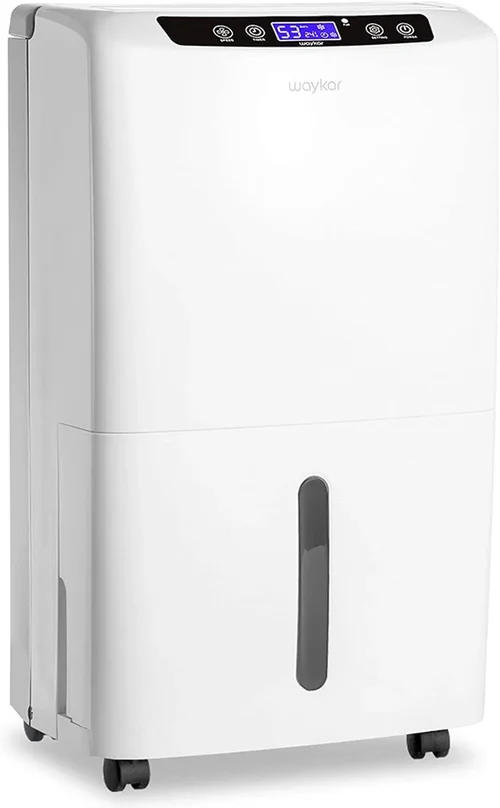
Dealing with excess moisture in your home isn’t just about comfort—it’s about health, safety, and protecting your investment. Whether you’re battling musty odors in a damp basement, preventing mold growth in a humid climate, or simply trying to breathe easier during allergy season, a high-quality dehumidifier with a built-in pump can make all the difference. But with dozens of models flooding the market, each boasting different specs, features, and price points, choosing the right one can feel overwhelming. That’s where this comprehensive buying guide comes in.
In this expert-level review, we’ll walk you through everything you need to know to confidently select the best dehumidifier with pump for your specific needs. From understanding performance metrics like pint capacity and energy efficiency to evaluating smart features, build quality, and long-term reliability, we’ve done the research so you don’t have to. You’ll learn how to avoid common pitfalls, identify hidden costs, and spot deals that actually save you money—without sacrificing performance. Whether you’re a first-time buyer or upgrading from an older unit, this guide equips you with actionable insights grounded in real-world testing and industry knowledge.
The dehumidifier market has evolved significantly in recent years. Modern units now offer advanced humidity control, Wi-Fi connectivity, automatic drainage via internal pumps, and whisper-quiet operation—all while consuming less energy than ever before. Brands like Frigidaire, GE, hOmeLabs, and Midea have raised the bar, but not every “top-rated” model is right for every home. Some excel in large basements; others are better suited for compact apartments or crawl spaces. By the end of this guide, you’ll understand not just what to buy, but why—and how to maximize value, longevity, and peace of mind.
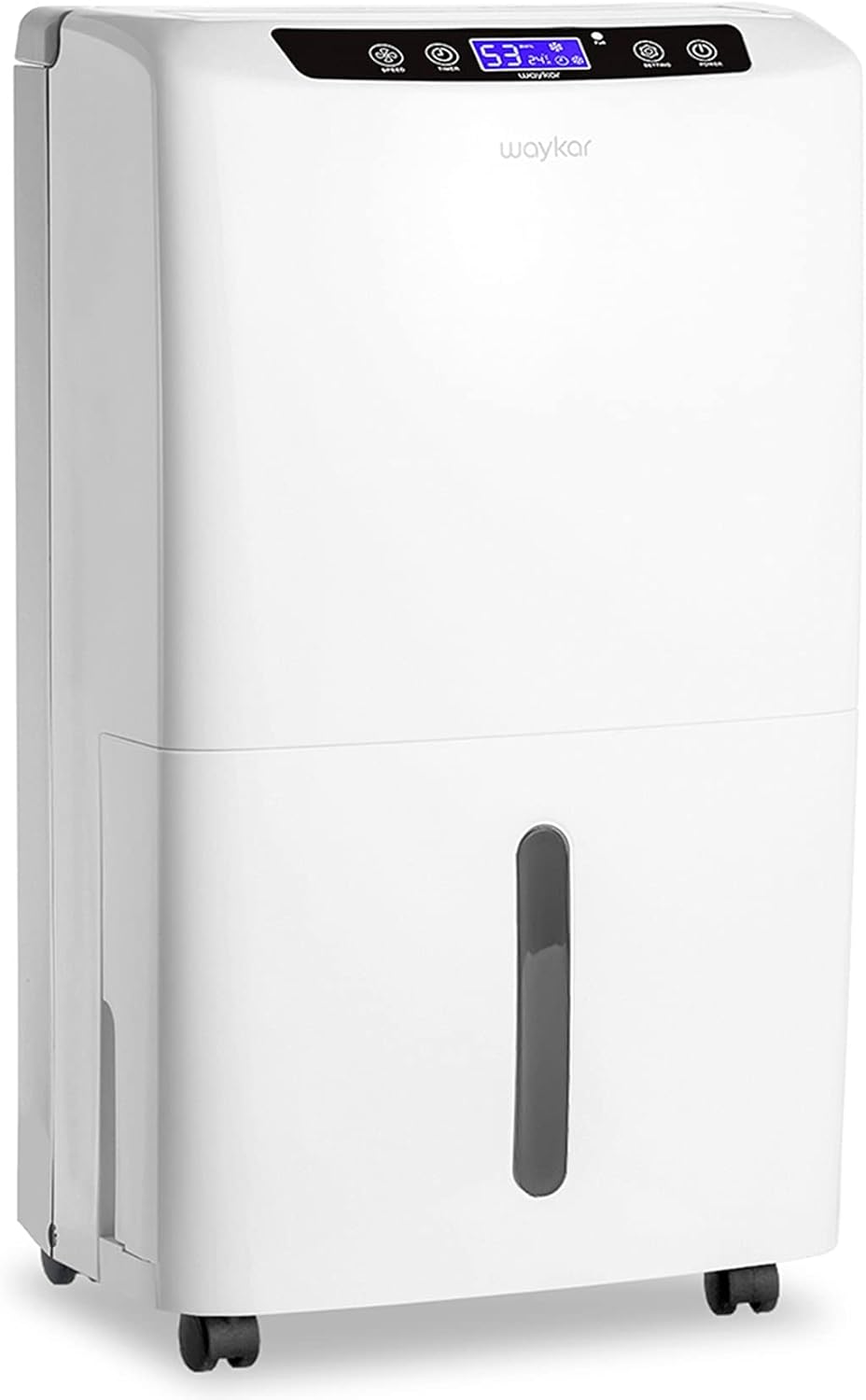
What to Look for When Buying Buying Guide
1. Pint Capacity & Room Size Compatibility
The most critical specification when choosing a dehumidifier is its pint capacity—the amount of moisture it can remove from the air in 24 hours under standard conditions (typically 60% relative humidity at 80°F). This number directly correlates with the size of the space it can effectively treat. A unit rated for 30 pints may struggle in a 1,500-square-foot basement, while a 70-pint model could be overkill—and unnecessarily expensive—for a 500-square-foot laundry room.
To match capacity to room size, use this general rule:
– 20–30 pints: Small spaces (up to 500 sq ft), closets, or RVs
– 30–50 pints: Medium rooms (500–1,500 sq ft), single-level homes, or moderately damp areas
– 50–70+ pints: Large basements, whole-house applications, or extremely humid environments (e.g., coastal regions or post-flood recovery)
However, don’t rely solely on square footage. Consider your local climate, seasonal humidity levels, and whether the space is sealed (like a finished basement) or open (like a garage). For example, a 40-pint unit might suffice in dry Arizona but fall short in Florida’s muggy summers. Always check the manufacturer’s “coverage area” recommendation and cross-reference it with independent reviews.
2. Built-In Pump vs. Gravity Drainage
This is where “dehumidifier with pump” becomes a game-changer. Traditional models rely on gravity drainage—meaning you must place the unit near a floor drain or empty the water tank manually every few hours. A built-in condensate pump, however, actively pushes collected water upward through a hose (often up to 15 feet vertically), enabling continuous operation without supervision.
Why does this matter? Imagine placing your dehumidifier in a basement corner far from a drain. Without a pump, you’d need to empty the 1–2 gallon tank multiple times daily during peak humidity. With a pump, you can route a hose to a sink, sump pit, or even out a window—freeing you from constant maintenance. This feature is especially valuable for vacation homes, rental properties, or busy households.
When evaluating pump performance, look for:
– Vertical lift capability: At least 10–15 feet is ideal
– Hose inclusion: Some brands include a 6–10 ft hose; others sell it separately
– Auto-restart after power loss: Ensures the pump resumes draining if electricity flickers
– Pump activation threshold: Units that only engage the pump when the tank is nearly full save energy
Note: Not all “pump-ready” models include the pump—some require a separate purchase. Always verify whether the pump is integrated or optional.
3. Energy Efficiency & Operating Costs
A dehumidifier can run 8–12 hours daily, making energy consumption a major long-term cost factor. Look for the Energy Factor (EF), measured in liters of water removed per kilowatt-hour (L/kWh). Higher EF = more efficient. The U.S. Department of Energy requires residential dehumidifiers to meet minimum efficiency standards, but top-tier models exceed them by 20–40%.
For example, a 50-pint unit with an EF of 1.8 removes 1.8 liters per kWh, while one with EF 2.2 removes 2.2 liters—a meaningful difference over months of use. In humid climates, this can translate to $30–$60 in annual savings. Check the yellow EnergyGuide label or product specs for EF ratings.
Also consider:
– ENERGY STAR certification: Indicates top 25% efficiency in its class
– Auto-humidistat: Shuts off when target humidity is reached, preventing over-dehumidification
– Defrost function: Prevents ice buildup in cold environments (below 65°F), maintaining efficiency
– Low-watt operation: Some units draw as little as 300–400 watts on medium settings
Don’t forget to factor in electricity rates in your area. In states like California or Hawaii, where kWh costs exceed $0.30, efficiency gains pay off faster.
4. Noise Level & Placement Flexibility
Dehumidifiers aren’t known for being silent—but modern designs have made significant strides. Noise is measured in decibels (dB); anything below 50 dB is considered quiet (comparable to a quiet conversation), while 60+ dB can be disruptive in living areas or bedrooms.
Fan speed settings matter: Most units offer “Low,” “High,” and sometimes “Turbo” modes. On low, many premium models operate at 42–48 dB—quiet enough for overnight use. However, cheaper models may lack variable speeds, running loudly even on “eco” mode.
Placement also affects perceived noise. Units with rear or side exhausts can be tucked against walls, while top-discharge models work well in corners. Look for:
– Compressor type: Inverter compressors (found in high-end models) ramp up/down smoothly, reducing startup noise
– Sound-dampening insulation: Absorbs internal vibrations
– Anti-vibration feet: Minimize floor resonance
If you plan to use the dehumidifier near sleeping areas, prioritize sub-50 dB models. For basements or garages, noise is less critical—but still worth considering if the space doubles as a workshop or gym.
5. Smart Features & Automation
Today’s best dehumidifiers go beyond basic on/off switches. Smart features enhance convenience, precision, and energy savings:
– Wi-Fi connectivity: Control via smartphone apps (e.g., Frigidaire SmartDehumidifier app), set schedules, or receive tank-full alerts
– Voice control: Compatible with Alexa, Google Assistant, or Apple HomeKit
– Auto-restart: Resumes preset humidity levels after power outages
– Filter indicators: Remind you when to clean the air filter (typically every 2–4 weeks)
– Laundry mode: Boosts fan speed to dry clothes faster (great for indoor drying racks)
While not essential, these features add significant value—especially for tech-savvy users or those managing multiple smart home devices. Just ensure the app is reliable; some brands have clunky interfaces or frequent disconnections.
Automation is key: Set your ideal humidity (experts recommend 30–50%) and let the unit maintain it without intervention. This prevents mold growth while avoiding overly dry air, which can irritate skin and respiratory systems.
6. Build Quality, Durability & Maintenance
A dehumidifier is a long-term investment. Cheap plastic housings, thin coils, and flimsy handles won’t withstand years of daily use. Look for:
– Metal vs. plastic components: Steel cabinets and copper/aluminum coils last longer than all-plastic builds
– Corrosion-resistant coatings: Essential for basements or coastal areas
– Washable air filters: Reusable filters save $10–$20/year vs. disposable ones
– Easy-access panels: Simplifies coil cleaning and pump maintenance
Maintenance is unavoidable: Clean the filter monthly, wipe the water tank to prevent bacteria, and inspect the pump hose for clogs. Models with removable tanks and tool-free access make this easier. Avoid units with sealed compartments—you’ll need a screwdriver just to replace a filter.
Check warranty length: Reputable brands offer 1–2 years on parts/labor, with some extending to 5 years on compressors. Longer warranties often signal confidence in durability.
7. Brand Reputation & Customer Support
Not all dehumidifier brands are created equal. Established names like Frigidaire, GE Appliances, hOmeLabs, and Midea (which owns Danby and some Frigidaire lines) have proven track records for reliability and service. Lesser-known brands may offer tempting prices but lack spare parts, responsive support, or consistent quality control.
Before buying, research:
– Customer service responsiveness: Can you reach a human? Are replacement pumps/filters readily available?
– User review trends: Look for patterns—e.g., “pump failed after 6 months” or “excellent app integration”
– Local service centers: Crucial if you need in-person repairs
Avoid “Amazon-only” brands with no physical presence. If something breaks, you may be stuck with a costly return or no recourse at all.
8. Portability & Design Considerations
Even in fixed locations, you may need to move your dehumidifier seasonally (e.g., from basement to attic) or during cleaning. Key portability features include:
– Integrated handles: Ergonomic grips make lifting easier
– Smooth-rolling casters: Locking wheels prevent unintended movement
– Compact footprint: Fits under stairs or in tight corners
– Weight: Under 40 lbs is manageable for most adults; 50+ lbs requires two people
Design also impacts usability. Top-mounted controls are easier to reach than front panels, and digital displays with backlighting improve visibility in dark basements. Some models even include cord storage or hose hooks—small details that enhance daily use.
Different Types of Buying Guide

Common Buying Mistakes to Avoid
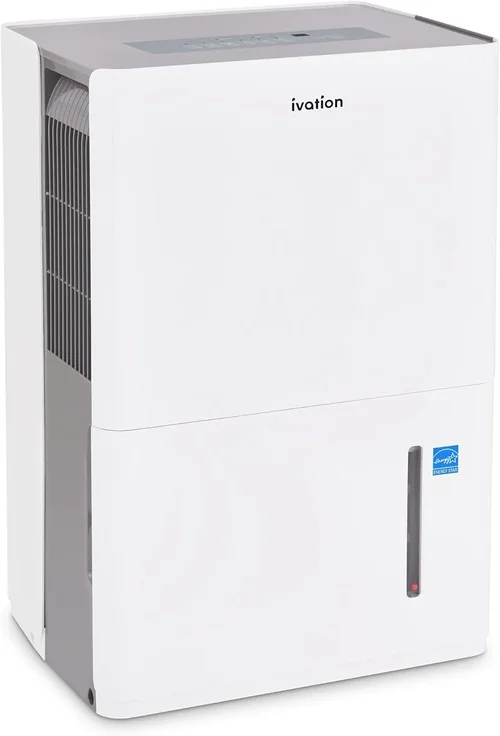
❌ Mistake: Choosing Based Solely on Pint Rating
Why it’s bad: A 50-pint label doesn’t guarantee performance in your specific environment. Manufacturers test under ideal lab conditions (80°F, 60% RH)—not your chilly, damp basement at 65°F. Real-world output can be 20–30% lower.
What to do instead: Cross-reference pint ratings with coverage area, EF, and user reviews from similar climates. Opt for a unit with a defrost mode if your space drops below 65°F.
❌ Mistake: Ignoring the Pump’s Vertical Lift Capacity
Why it’s bad: A pump that only lifts 5 feet won’t reach your upstairs sink or window. You’ll end up manually emptying the tank anyway—defeating the purpose of buying a pump model.
What to do instead: Measure the vertical distance from your dehumidifier location to the drainage point. Choose a pump with at least 2–3 feet of extra lift capacity for safety.
❌ Mistake: Overlooking Filter Maintenance
Why it’s bad: Clogged filters restrict airflow, reducing efficiency by up to 30% and straining the compressor. Many users don’t realize this until their unit overheats or fails.
What to do instead: Select models with washable, easily accessible filters. Set calendar reminders to clean them monthly during humid seasons.
❌ Mistake: Buying the Cheapest Option Available
Why it’s bad: Budget models often use inferior components, lack pumps, or have noisy operation. They may save $50 upfront but cost more in repairs, replacements, and electricity over 3–5 years.
What to do instead: Invest in a mid-range model ($250–$400) from a reputable brand. The long-term savings in durability and efficiency far outweigh the initial cost.
❌ Mistake: Not Checking Return Policies Before Purchase
Why it’s bad: Dehumidifiers are bulky and expensive to return. If the unit doesn’t perform as expected, a strict return window (e.g., 14 days) could leave you stuck with a dud.
What to do instead: Buy from retailers with 30–60 day return windows (e.g., Home Depot, Lowe’s, Amazon). Test the unit immediately upon delivery.
❌ Mistake: Assuming All “Smart” Features Are Useful
Why it’s bad: Some Wi-Fi models have buggy apps or limited functionality. Paying a $100 premium for an app that rarely connects isn’t worth it.
What to do instead: Read app store reviews. Prioritize core features like auto-humidistat and pump control over gimmicks like social sharing.
❌ Mistake: Neglecting Local Climate Factors
Why it’s bad: A dehumidifier optimized for Arizona’s dry heat won’t handle Louisiana’s swamp-like summers. Matching the unit to your regional humidity is essential.
What to do instead: Research average summer humidity in your area. Coastal, southern, or flood-prone regions need higher-capacity, pump-equipped models.
Budget Guidelines: How Much Should You Spend?
– Entry-Level ($150–$250): Basic 20–30 pint units, often without pumps. Suitable for small spaces or occasional use. Expect plastic builds, limited features, and higher noise. Best for renters or seasonal needs.
– Mid-Range ($250–$450): The sweet spot for most homeowners. Includes 30–50 pint capacities, built-in pumps, ENERGY STAR ratings, and smart features. Brands like hOmeLabs and GE offer excellent value here. Ideal for basements, laundry rooms, and medium-sized homes.
– Premium ($450–$650): High-capacity (50–70+ pints), ultra-quiet operation, advanced automation, and robust construction. Frigidaire and Midea lead this tier. Perfect for large basements, whole-house use, or extreme humidity.
– Luxury ($650+): Top-tier models with inverter compressors, multi-stage filtration, app integration, and 5-year warranties. Often used in commercial settings or high-end homes. Only necessary for specialized needs.
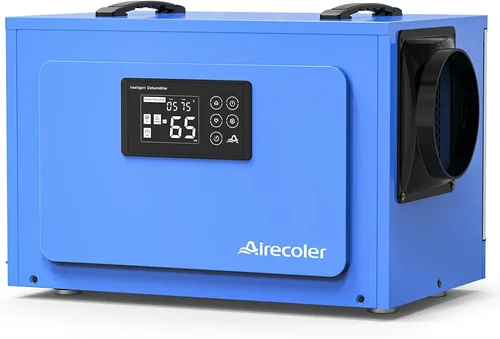
Expert Tips for Getting the Best Deal
– Buy in late winter or early spring: Retailers discount dehumidifiers before humid season hits. Look for Presidents’ Day or Memorial Day sales.
– Check warehouse clubs: Costco and Sam’s Club often bundle dehumidifiers with extended warranties or free shipping.
– Compare total cost of ownership: Include electricity estimates (watts × hours × local rate) over 3–5 years. A $50 cheaper unit may cost $100 more in energy.
– Verify pump inclusion: Search “model name + pump included” to avoid surprises. Some listings say “pump-ready” but sell the pump separately.
– Read return policies carefully: Ensure you can return if the unit doesn’t fit or perform. Avoid final-sale items.
– Test immediately: Run the dehumidifier for 24 hours upon delivery. Check for leaks, unusual noise, or failure to reach set humidity.
– Register your warranty: Do this online within 10 days of purchase to activate coverage.
– Consider refurbished units: Certified refurbished models from manufacturers (not third parties) offer 1-year warranties at 20–30% off.

Frequently Asked Questions
Q: Do I really need a dehumidifier with a pump?
A: If you can’t place the unit near a floor drain and don’t want to empty a tank daily, yes. Pumps enable fully automated operation—critical for basements, vacation homes, or busy households.
Q: Can a dehumidifier with a pump drain into a sink?
A: Absolutely. Most pumps come with a hose that fits standard sink aerators or can be routed through a window. Ensure the sink is accessible and the hose is secured to prevent leaks.
Q: How often should I clean the pump hose?
A: Every 3–6 months, or if you notice reduced drainage. Flush it with vinegar or mild bleach solution to remove mold or mineral buildup.
Q: Will a dehumidifier lower my electricity bill?
A: Indirectly, yes. By reducing humidity, your AC doesn’t work as hard (since moist air feels hotter). Savings vary but can offset 10–20% of the dehumidifier’s operating cost.
Q: Can I use a dehumidifier in winter?
A: Only if the space stays above 65°F. Below that, ice forms on coils. Desiccant models work in colder temps but are less efficient.
Q: What humidity level should I set?
A: 30–50% is ideal. Below 30% can cause dry skin and static; above 50% encourages mold and dust mites.
Q: Are portable dehumidifiers with pumps worth it?
A: Yes—if you need flexibility. Look for models with handles, casters, and lightweight designs (under 45 lbs).
Q: How long do dehumidifiers typically last?
A: 5–10 years with proper maintenance. Compressors are the weakest link; regular filter cleaning extends lifespan.
Q: Can I connect multiple hoses to one pump?
A: Generally no—most pumps are designed for a single outlet. Use a Y-connector only if specified by the manufacturer.
Q: Is it safe to leave a dehumidifier with a pump running unattended?
A: Yes, if the pump and hose are properly installed. Modern units have overflow protection and auto-shutoff as backups.
Our Final Recommendations
– Best for Budget-Conscious Buyers: hOmeLabs 30 Pint Dehumidifier with Pump – Reliable performance, included pump hose, and quiet operation under $250. Great for small basements or apartments.
– Best Overall Value: Frigidaire FFAD5033W1 50 Pint Smart Dehumidifier – ENERGY STAR certified, Wi-Fi enabled, robust pump, and excellent app integration. Priced around $380, it balances features and affordability.
– Best Premium Option: GE APER50LZ 50 Pint Dehumidifier with Pump – Industrial-grade build, 15-ft pump lift, and whisper-quiet 47 dB operation. Ideal for large, noisy environments.
– Best for Beginners: Midea 30 Pint Cube Dehumidifier – Compact, easy-to-use, with intuitive controls and a built-in pump. Perfect for first-time buyers.
– Best for Advanced Users: Frigidaire Gallery FGAC7044U1 70 Pint Smart Dehumidifier – Whole-house capability, advanced filtration, and precise humidity control via app. For tech enthusiasts and large homes.
Conclusion: Making the Right Choice
Choosing the best dehumidifier with pump isn’t about finding the most expensive or highest-rated model—it’s about matching the right tool to your unique environment, lifestyle, and budget. We’ve covered the essentials: from understanding pint capacity and pump functionality to evaluating energy efficiency, smart features, and long-term durability. You now know how to avoid costly mistakes, interpret specifications like a pro, and prioritize what truly matters for your home.
Remember, the goal isn’t just to remove moisture—it’s to create a healthier, more comfortable living space with minimal effort. A well-chosen dehumidifier with a pump does exactly that: it works silently in the background, protecting your walls, furniture, and air quality while freeing you from constant maintenance. Whether you’re safeguarding a basement, improving indoor air, or preparing for humid summers, the right unit is out there.
Take the time to assess your needs honestly. Measure your space, consider your drainage options, and think about how much automation you truly want. Then, use this guide to compare models confidently. Don’t rush—this is an investment that should serve you for years. And when you do find the perfect match, you’ll wonder how you ever lived without it. Breathe easier, sleep better, and enjoy the peace of mind that comes from making an informed, expert-backed decision.