
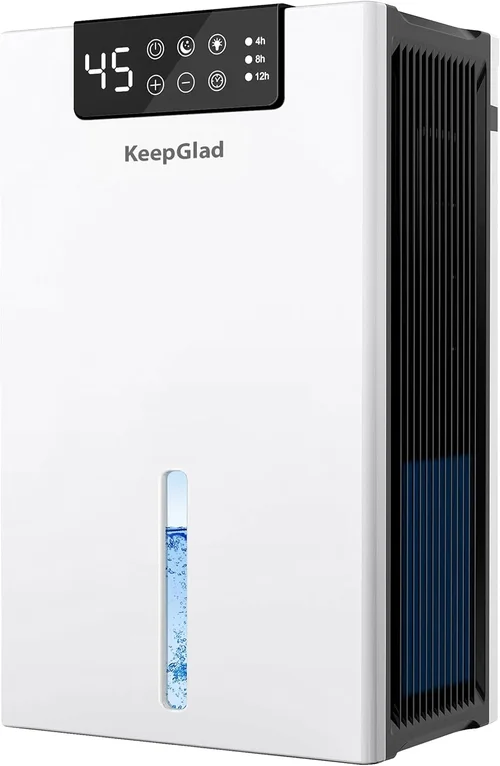
Choosing the right dehumidifier isn’t just about picking a box off the shelf—it’s about creating a healthier, more comfortable living environment. Whether you’re battling musty odors in a basement, preventing mold growth in a humid climate, or simply trying to improve indoor air quality for allergy sufferers, the right dehumidifier can make a world of difference. With so many models available at major retailers like Home Depot, it’s easy to feel overwhelmed by options, features, and price points. That’s why this comprehensive guide exists: to cut through the noise and help you make an informed, confident decision.
In this expert-level buying guide, we’ll walk you through everything you need to know to select the best dehumidifier for your specific needs. From understanding key performance metrics like pint capacity and energy efficiency to comparing top brands and evaluating real-world user feedback, we’ve done the research so you don’t have to. You’ll learn how to match a unit’s specs to your space, avoid common purchasing pitfalls, and even score the best deals—especially when shopping at Home Depot, one of the nation’s most trusted home improvement retailers. Whether you’re a first-time buyer or upgrading from an older model, this guide will equip you with the knowledge to choose wisely.
The dehumidifier market has evolved significantly over the past few years. Today’s units are smarter, quieter, and more energy-efficient than ever before. Brands like Frigidaire, GE, Honeywell, LG, and Keystone dominate the space, offering everything from compact 20-pint units ideal for small bathrooms to heavy-duty 70-pint machines capable of handling large basements or crawl spaces. Home Depot carries a wide selection across these brands, often with exclusive models and in-store pickup options that make shopping convenient. But with such variety comes complexity. A unit that works perfectly for a 500-square-foot basement in Florida might be overkill—or worse, underpowered—for a 1,200-square-foot home in the Pacific Northwest. This guide will help you navigate those nuances and find the perfect fit.
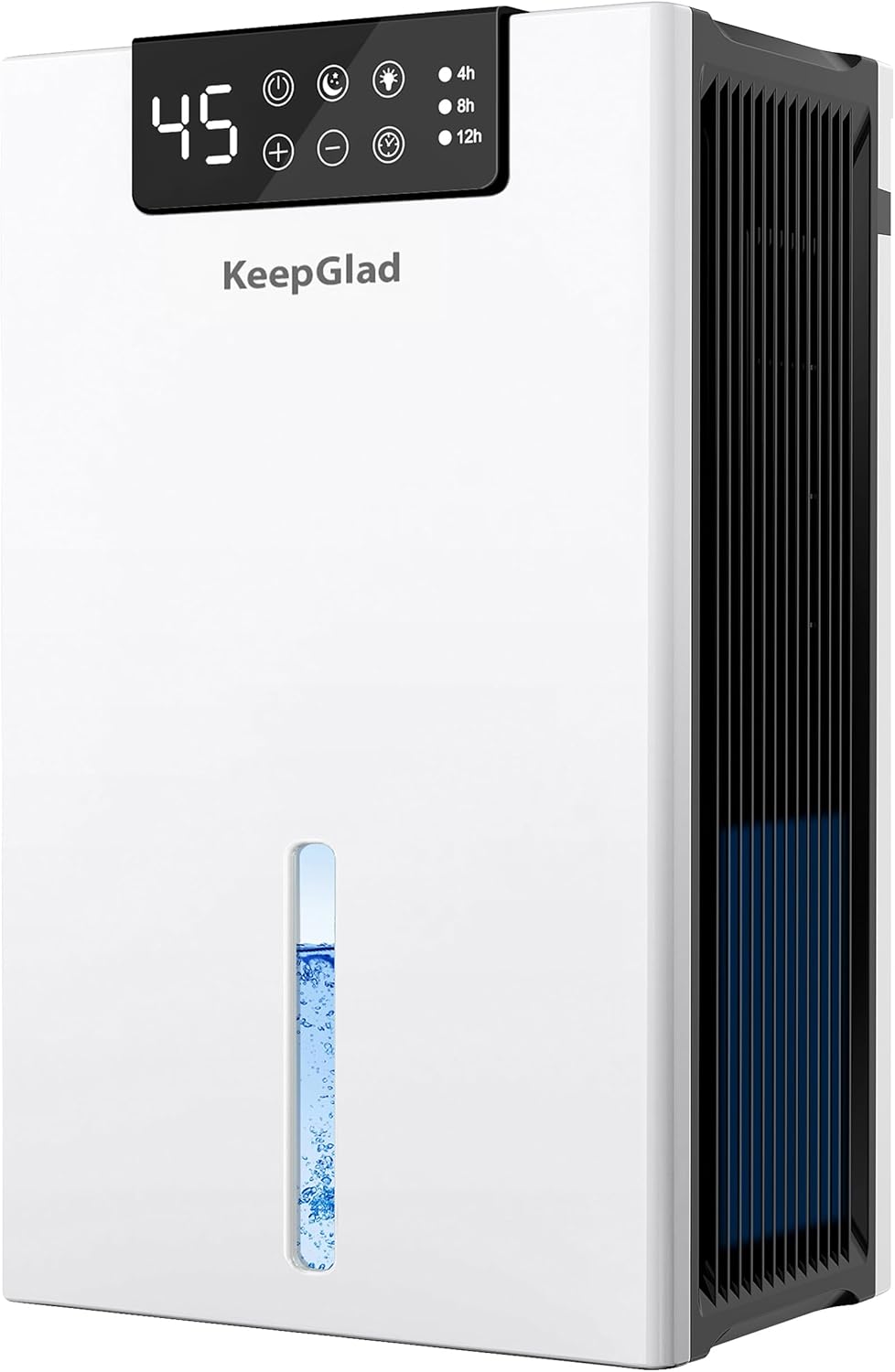
What to Look for When Buying Buying Guide
1. Pint Capacity & Coverage Area
Pint capacity refers to how much moisture a dehumidifier can remove from the air in 24 hours under standard testing conditions (typically 60% relative humidity at 80°F). This is arguably the most critical spec when selecting a unit. Too small, and it’ll run constantly without making a dent in humidity levels; too large, and you’re overspending on power and upfront cost for no real benefit.
For reference, a 20–30 pint unit is usually sufficient for small spaces like bathrooms, laundry rooms, or closets (up to ~500 sq ft). A 50-pint model suits medium-sized areas such as finished basements or single-story homes (~1,000–1,500 sq ft), while 70-pint units are designed for large, damp spaces like unfinished basements, garages, or whole-house applications in high-humidity regions.
Always cross-reference the manufacturer’s recommended coverage area with your actual room size and humidity level. If your space feels “very damp” or has visible condensation, opt for a higher-capacity unit—even if it slightly exceeds your square footage estimate. Home Depot’s product pages often include helpful sizing charts based on room conditions (e.g., “moderately damp” vs. “extremely wet”), which can guide your choice more accurately than square footage alone.
2. Energy Efficiency & Operating Costs
Dehumidifiers can be energy hogs, especially if they run continuously. Look for models with the ENERGY STAR® certification, which indicates they meet strict efficiency guidelines set by the U.S. Environmental Protection Agency. ENERGY STAR-certified dehumidifiers use 15–30% less energy than standard models, translating to lower electricity bills over time.
Check the “Energy Factor” (EF) rating—measured in liters of water removed per kilowatt-hour (L/kWh). Higher EF values mean better efficiency. For example, a unit with an EF of 1.8 is more efficient than one with 1.5. Also, pay attention to the wattage listed on the product label. A 50-pint dehumidifier might draw anywhere from 500 to 700 watts; the lower end saves money in the long run.
Home Depot often highlights energy-efficient models with badges or special sections, making it easier to spot eco-friendly options. Some units also feature auto-defrost technology, which prevents ice buildup on coils in cooler environments (like basements in winter), maintaining efficiency year-round.
3. Humidity Control & Sensors
Manual on/off switches are a thing of the past. Modern dehumidifiers come equipped with built-in humidistats that automatically monitor and maintain your desired humidity level—typically adjustable between 30% and 80% RH (relative humidity). This feature not only improves comfort but also prevents over-drying, which can cause static electricity, dry skin, or damage to wooden furniture.
Look for models with digital displays and precise humidity readouts (to the nearest 1%). Some advanced units even offer Wi-Fi connectivity or smart home integration (via apps like Google Home or Alexa), allowing you to monitor and adjust settings remotely. While these features add convenience, they’re not essential for everyone—especially if you’re on a tight budget.
Home Depot carries several smart-enabled dehumidifiers, particularly from brands like LG and GE. These often include scheduling features, filter change alerts, and real-time humidity tracking—great for tech-savvy users or those managing humidity in vacation homes.
4. Drainage Options & Maintenance
All dehumidifiers collect water, but how they handle it varies. Most units include a built-in bucket (usually 1–2 gallons) that needs manual emptying every few days—depending on humidity levels. If you don’t want to deal with frequent bucket dumps, look for continuous drainage options.
Many models feature a threaded hose connection at the back, allowing you to attach a standard garden hose for gravity-fed drainage into a floor drain, sump pump, or outside. This is ideal for basements or unattended spaces. Some premium units even include built-in condensate pumps that can push water vertically (up to 15 feet), giving you flexibility in placement.
Maintenance is another consideration. Washable or reusable air filters are common and should be cleaned monthly to maintain airflow and efficiency. Check if the filter is easy to access—some slide out effortlessly, while others require tools. Home Depot’s product descriptions often note filter type and maintenance requirements, so read carefully.
5. Noise Level & Placement Flexibility
Dehumidifiers aren’t silent—they use compressors and fans, which generate noise. If you’re placing the unit in a bedroom, living room, or home office, look for models rated at 50 decibels (dB) or lower. For context, 50 dB is roughly the sound of a quiet conversation or moderate rainfall.
Basement or garage units can tolerate louder operation (55–60 dB), but even there, excessive noise can be disruptive. Check product specs for “sound level” or “noise rating.” Home Depot often includes customer reviews mentioning noise, which can be more telling than manufacturer claims.
Portability matters too. Look for units with sturdy casters and a top handle for easy movement. Weight varies widely—from under 30 lbs for compact models to over 50 lbs for high-capacity units. If you’ll be moving the dehumidifier between floors or rooms, prioritize lightweight designs with smooth-rolling wheels.
6. Build Quality & Durability
A dehumidifier is a long-term investment, so durability counts. Metal housings generally last longer than plastic ones, though many reliable models use high-grade ABS plastic that resists cracking and yellowing. Inspect the build quality in-store if possible—check for solid seams, secure control panels, and smooth-moving parts.
Internal components matter too. Units with copper coils (instead of aluminum) tend to resist corrosion better, especially in damp environments. Sealed compressor systems reduce the risk of refrigerant leaks. While you can’t always see these details on the box, reputable brands like Frigidaire and Honeywell are known for robust engineering.
Home Depot offers extended protection plans on many dehumidifiers, which can be worthwhile if you’re buying a mid-to-high-end model. These plans often cover parts, labor, and even accidental damage for 2–3 years beyond the standard warranty.
7. Brand Reputation & Customer Support
Stick with established brands that have a track record of reliability and responsive customer service. Frigidaire, GE Appliances, Honeywell, LG, and Keystone are all solid choices available at Home Depot. These companies offer consistent performance, readily available replacement parts, and accessible support teams.
Read verified customer reviews on HomeDepot.com—they often highlight real-world issues like compressor failure, poor drainage design, or unhelpful tech support. Pay attention to how the brand responds to complaints; proactive customer service is a good sign.
Avoid obscure or ultra-budget brands with no warranty or unclear return policies. A $100 dehumidifier that breaks in six months isn’t a bargain—it’s a waste.
8. Warranty & Return Policy
Most dehumidifiers come with a 1-year limited warranty, but some premium models offer 2–5 years of coverage. Check what’s included: does it cover the compressor, coils, and electrical components? Is labor included, or do you pay for repairs?
Home Depot’s return policy is generally customer-friendly—most items can be returned within 90 days with a receipt, even if opened. However, large appliances like dehumidifiers may have restocking fees or require special handling. Always confirm return terms before purchasing, especially for online orders.
Consider purchasing an extended warranty if the unit is expensive or will be used in harsh conditions (e.g., a damp crawl space). Home Depot’s Protection Plan often includes in-home service, which is convenient if the unit stops working.
Different Types of Buying Guide

Common Buying Mistakes to Avoid
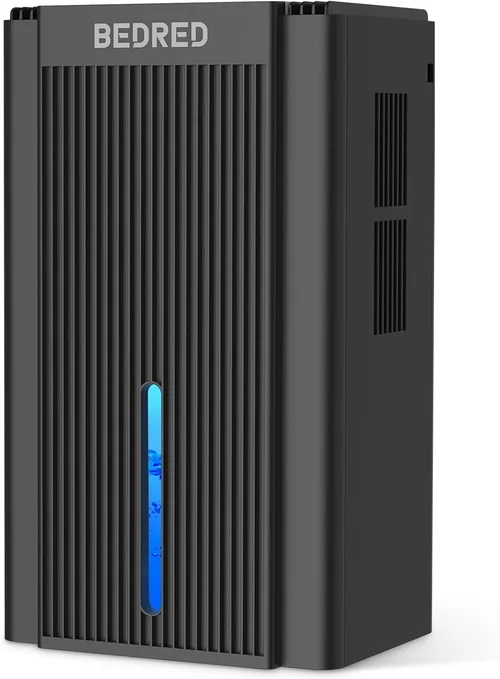
❌ Mistake: Buying Based Solely on Square Footage
Why it’s bad: Square footage alone doesn’t account for humidity severity, insulation quality, or air circulation. A 1,000 sq ft basement in Seattle may need a 70-pint unit, while a similarly sized room in Arizona might only need 30 pints.
What to do instead: Assess your space’s moisture level. Look for signs like condensation on windows, musty smells, or peeling paint. Use Home Depot’s “room condition” guide (e.g., slightly damp, very wet) to match the right capacity.
❌ Mistake: Ignoring Drainage Needs
Why it’s bad: If you forget about drainage, you’ll be emptying a heavy bucket every day—especially in humid summers. This quickly becomes tedious and impractical.
What to do instead: Choose a model with a hose drain outlet if you can route a hose to a drain. Even if you start with bucket use, having the option to upgrade later is valuable.
❌ Mistake: Overlooking Noise Levels
Why it’s bad: A loud dehumidifier can disrupt sleep, work, or relaxation—especially if placed near living areas.
What to do instead: Check the decibel rating and read user reviews about noise. Opt for units under 52 dB for bedrooms or offices.
❌ Mistake: Choosing the Cheapest Model Available
Why it’s bad: Ultra-budget units often lack durability, efficient compressors, or proper humidity sensors. They may fail within a year and cost more in repairs or replacements.
What to do instead: Invest in a mid-range model from a reputable brand. The extra $50–$100 upfront pays off in longevity and performance.
❌ Mistake: Not Checking Warranty Details
Why it’s bad: A “1-year warranty” might only cover parts, not labor or shipping. You could end up paying $100+ for a compressor repair.
What to do instead: Read the fine print. Look for brands that offer comprehensive coverage and consider Home Depot’s extended protection plan for peace of mind.
❌ Mistake: Assuming All ENERGY STAR Models Are Equal
Why it’s bad: ENERGY STAR certification is a baseline—not a performance guarantee. Two certified 50-pint units can differ significantly in actual efficiency.
What to do instead: Compare Energy Factor (EF) ratings and annual operating costs listed on the yellow EnergyGuide label.
❌ Mistake: Buying Without Testing Return Policy
Why it’s bad: If the unit doesn’t fit, is too loud, or underperforms, you don’t want to be stuck with it.
What to do instead: Confirm Home Depot’s return window (usually 90 days) and whether restocking fees apply. Keep your receipt and original packaging.
Budget Guidelines: How Much Should You Spend?
Entry-Level ($100 – $200): These are typically 20–30 pint portable units ideal for small spaces. Expect basic controls, manual drainage, and limited features. Brands like Keystone and Midea offer reliable options in this range. Perfect for occasional use or low-humidity areas.
Mid-Range ($250 – $400): This is the sweet spot for most homeowners. You’ll find 50-pint models with digital humidistats, auto-restart after power outages, washable filters, and continuous drainage options. Frigidaire and GE dominate this category with excellent value and performance.
Premium ($400 – $600): Designed for demanding environments, these 70-pint units offer robust construction, advanced sensors, low-noise operation, and smart features. Look for models with condensate pumps, Wi-Fi connectivity, and extended warranties. Ideal for large basements or high-humidity regions.
Luxury ($600+): Includes whole-house ducted systems or commercial-grade portable units. These integrate with HVAC systems, offer precise humidity zoning, and include professional installation support. Best for new builds, luxury homes, or severe moisture problems.
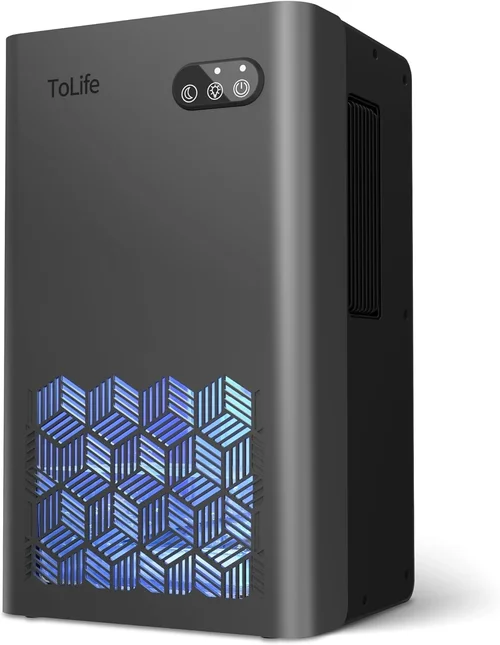
Expert Tips for Getting the Best Deal
1. Shop During Off-Seasons: Dehumidifiers are in highest demand during spring and summer. Buy in late fall or winter (October–February) when prices drop and inventory is fresh for the new year.
2. Use Home Depot’s Price Match Policy: Home Depot matches prices from select online retailers. If you find a lower price elsewhere, ask in-store or online—they’ll honor it (with some exclusions).
3. Check for Rebates and Promotions: Utility companies often offer rebates for ENERGY STAR appliances. Home Depot’s website lists current promotions, including bundle deals (e.g., dehumidifier + air purifier).
4. Buy Online for In-Store Pickup: This avoids shipping fees and lets you inspect the unit before taking it home. Plus, you can ask store associates for hands-on demos.
5. Read Recent Reviews: Product performance can change with new model years. Focus on reviews from the past 6–12 months for the most accurate insights.
6. Consider Refurbished or Open-Box: Home Depot occasionally sells certified refurbished dehumidifiers at 20–30% off. These come with warranties and are tested for full functionality.
7. Test Before Committing: If possible, run the unit for a day or two. Check noise, drainage ease, and humidity control accuracy. Most issues become apparent quickly.
8. Bundle with Other Purchases: Buying during a major home improvement project? Home Depot often offers discounts when you purchase multiple appliances together.
Frequently Asked Questions
Q: How do I know what size dehumidifier I need?
A: Start with your room’s square footage and moisture level. Use this rule of thumb: 20–30 pints for up to 500 sq ft (moderately damp), 50 pints for 1,000–1,500 sq ft, and 70 pints for larger or very wet spaces. Always check the manufacturer’s “room condition” recommendations—they’re more accurate than size alone.
Q: Can I run a dehumidifier all the time?
A: Yes, but it’s unnecessary and wasteful. Most units have auto-humidistats that turn the compressor on/off to maintain your set level. Running continuously only makes sense during extreme humidity spikes or if you lack a humidistat.
Q: Will a dehumidifier help with mold?
A: Absolutely—if used correctly. Keeping humidity below 50% prevents mold growth. However, a dehumidifier won’t remove existing mold. Clean visible mold first, then use the dehumidifier to prevent recurrence.
Q: Do dehumidifiers cool the room?
A: Not significantly. They remove moisture, which can make the air feel cooler and more comfortable, but they don’t lower temperature like an AC. In fact, they generate a small amount of heat as a byproduct.
Q: How often should I clean the filter?
A: Every 4–6 weeks during heavy use, or monthly during humid seasons. A clogged filter reduces airflow and efficiency. Most filters are washable—just rinse with water and let dry.
Q: Can I use a dehumidifier in winter?
A: Only if the space stays above 65°F. Most compressor-based units freeze below that temperature. For cold areas (like unheated garages), choose a desiccant dehumidifier, which works down to 40°F.
Q: Is it safe to leave a dehumidifier on overnight?
A: Yes, modern units are designed for continuous operation. Look for safety features like auto-shutoff when the bucket is full, overheat protection, and tip-over switches.
Q: Does Home Depot offer installation services?
A: For portable units, no—but they’re plug-and-play. Whole-house ducted systems may require professional installation, which Home Depot can coordinate through their network of certified contractors.
Q: What’s the difference between a dehumidifier and an air purifier?
A: A dehumidifier removes moisture; an air purifier removes particles like dust, pollen, and smoke. They serve different purposes, though some combo units exist. For allergy relief, you may need both.
Q: How long do dehumidifiers last?
A: With proper maintenance, most last 5–10 years. Compressor failure is the most common end-of-life issue. Regular filter cleaning and avoiding extreme temperatures extend lifespan.
Our Final Recommendations
Best for Budget-Conscious Buyers: Frigidaire FFAD5033W1 50-Pint Dehumidifier
At around $280, this ENERGY STAR-certified model offers excellent value with a digital humidistat, continuous drainage, and quiet operation (51 dB). It’s a Home Depot bestseller for good reason—reliable, efficient, and easy to maintain.
Best Overall Value: GE APER50LZ 50-Pint Smart Dehumidifier
Priced near $350, this Wi-Fi-enabled unit lets you monitor and control humidity via the SmartHQ app. It includes a built-in pump for vertical drainage, auto-defrost, and a washable filter. Perfect for tech-savvy users who want convenience without overspending.
Best Premium Option: LG PuriCare 70-Pint Dehumidifier (UD701KOG3)
At $550, this powerhouse handles large, damp spaces with ease. Features include a 4.5-gallon bucket, dual-speed fan, and compatibility with LG ThinQ app. Its sleek design and whisper-quiet operation (48 dB) make it ideal for open-concept homes.
Best for Beginners: Keystone KSTAD50B 50-Pint Dehumidifier
Simple controls, clear display, and straightforward setup make this $220 unit perfect for first-time buyers. It lacks smart features but delivers solid performance and includes a 2-year warranty—uncommon at this price.
Best for Advanced Users: hOmeLabs 70 Pint Dehumidifier with Pump
This $450 model includes a built-in condensate pump, programmable timer, and ultra-quiet operation (49 dB). Its robust build and precise humidity control appeal to users managing complex moisture issues in basements or crawl spaces.
Conclusion: Making the Right Choice
Selecting the best dehumidifier isn’t about finding the most expensive or feature-packed model—it’s about matching the right tool to your specific environment, needs, and budget. By focusing on pint capacity, energy efficiency, drainage options, and brand reliability, you’ll avoid common pitfalls and invest in a unit that delivers lasting comfort and protection.
Home Depot remains one of the top destinations for dehumidifiers thanks to its wide selection, competitive pricing, knowledgeable staff, and flexible return policy. Whether you’re shopping in-store or online, use the insights from this guide to compare models confidently and ask the right questions.
Remember: the goal isn’t just to remove moisture—it’s to create a healthier, more livable space. Prioritize your needs, don’t overspend on unnecessary features, and always read the fine print on warranties and returns. With the right dehumidifier, you’ll breathe easier, sleep better, and protect your home from the hidden dangers of excess humidity.
Now that you’re equipped with expert knowledge, it’s time to take action. Visit your local Home Depot or browse their website today—and choose the dehumidifier that’s right for you.