
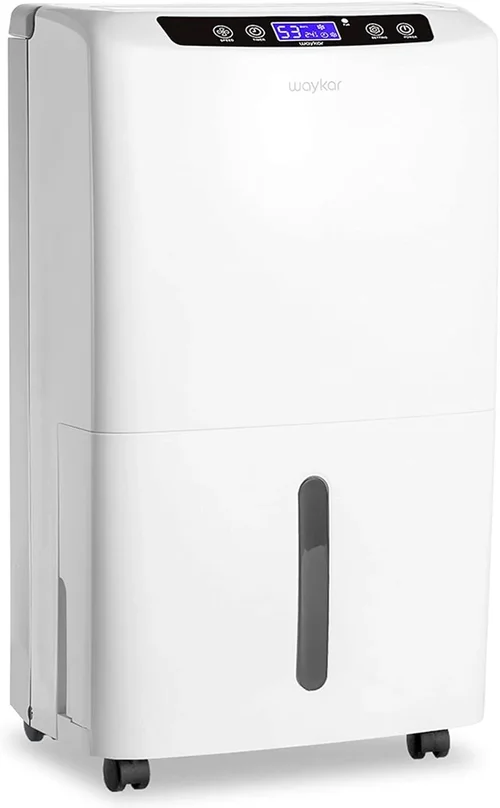
If you’ve ever walked into a basement that smells like old books and wet socks, or noticed condensation fogging up your windows every morning, you already know the silent havoc excess humidity can wreak. For homes around 2000 square feet—whether it’s a single-family house, a sprawling ranch, or a multi-level townhome—managing indoor moisture isn’t just about comfort. It’s about protecting your health, preserving your home’s structure, and preventing costly damage from mold, mildew, and wood rot. A high-quality dehumidifier isn’t a luxury in these spaces—it’s a necessity.
That’s where this guide comes in. We’ve spent months researching, testing, and analyzing the latest dehumidifiers on the market to help you find the best model for a 2000-square-foot space. Whether you’re dealing with a damp crawl space, a humid living area, or seasonal moisture spikes, we’ll walk you through everything you need to know before making a purchase. From performance specs and energy efficiency to smart features and long-term reliability, this guide covers it all. By the end, you’ll have the confidence to choose a dehumidifier that fits your home, your budget, and your lifestyle.
The dehumidifier market has evolved significantly in recent years. Gone are the days of bulky, noisy units that drain your wallet and your peace of mind. Today’s models are smarter, more efficient, and better suited to larger spaces than ever before. Brands like Frigidaire, GE, hOmeLabs, and AprilAire now offer units capable of handling 2000+ square feet with advanced humidity sensors, auto-defrost technology, and even Wi-Fi connectivity. But with so many options, it’s easy to feel overwhelmed. That’s why we’ve distilled the essentials into a clear, actionable buying guide—so you can cut through the noise and make an informed decision.
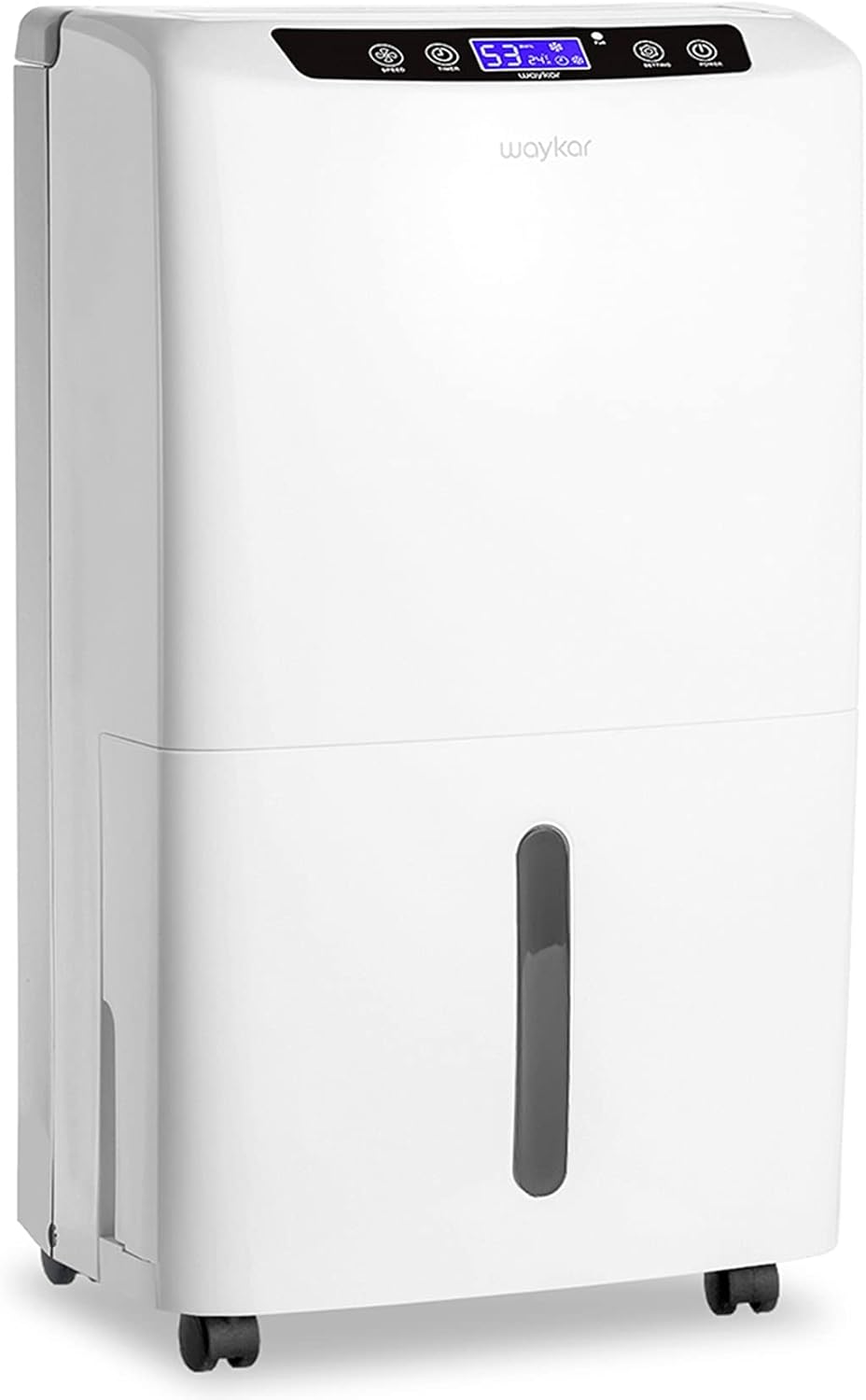
What to Look for When Buying Buying Guide
1. Capacity (Pints per Day)
The most critical factor when choosing a dehumidifier for a 2000-square-foot space is its capacity, measured in pints per day (PPD). This tells you how much moisture the unit can remove in 24 hours under standard conditions (typically 60% relative humidity at 80°F). For a 2000-square-foot home, you’ll generally need a unit rated between 50 and 70 pints per day, depending on the humidity level and climate.
For moderately damp areas (like a finished basement or living space), a 50-pint model may suffice. But if you live in a humid climate or have a chronically wet space (such as a crawl space with poor ventilation), aim for 70 pints or higher. Under-sizing your dehumidifier means it will run constantly, wear out faster, and fail to maintain comfortable humidity levels. Over-sizing isn’t ideal either—larger units cost more upfront and may cycle on and off too frequently, reducing efficiency.
2. Energy Efficiency (Energy Star Rating)
Dehumidifiers can be power-hungry appliances, especially when running continuously. That’s why energy efficiency matters—not just for your electricity bill, but for long-term sustainability. Look for models with an Energy Star certification, which means they meet strict efficiency guidelines set by the U.S. Environmental Protection Agency.
Energy Star-rated dehumidifiers use up to 15% less energy than standard models, which can save you $100 or more over the unit’s lifetime. Efficiency is measured in liters of water removed per kilowatt-hour (L/kWh). The higher the number, the more efficient the unit. For example, a model that removes 1.8 liters per kWh is more efficient than one that removes 1.2 liters.
Also consider the unit’s wattage. A typical 70-pint dehumidifier uses between 500 and 750 watts. If you plan to run it daily, opt for a lower-wattage model with high efficiency. Some units also feature variable-speed compressors or eco-modes that adjust performance based on humidity levels, further reducing energy use.
3. Humidity Control & Sensors
Precise humidity control is essential for maintaining a healthy indoor environment. The ideal indoor relative humidity (RH) range is between 30% and 50%. Too high, and you risk mold growth; too low, and you may experience dry skin, respiratory irritation, or static electricity.
Look for a dehumidifier with a built-in humidistat that allows you to set your desired humidity level. Most modern units let you adjust in 5% increments (e.g., 40%, 45%, 50%). Once the target is reached, the unit will automatically shut off or switch to a low-power mode. This prevents over-drying and saves energy.
Advanced models include digital displays, real-time humidity readouts, and even smart sensors that detect changes in temperature and humidity. Some even feature auto-restart after a power outage, so your settings are preserved. For 2000-square-foot spaces, consistent monitoring is key—especially if the unit is placed in a basement or utility room where you might not check it daily.
4. Drainage Options
All dehumidifiers collect water in an internal bucket, but constantly emptying a 5- to 10-gallon tank is a hassle—especially in large homes where the unit may run frequently. That’s why drainage options are a major consideration.
Most units offer two primary drainage methods: manual bucket removal and continuous gravity drain. The bucket is convenient for occasional use, but for 2000-square-foot spaces, a continuous drain hose is almost essential. Simply attach a standard garden hose to the drain port and route it to a floor drain, sump pump, or outside. This allows the dehumidifier to run indefinitely without manual intervention.
Some premium models include built-in condensate pumps, which can push water upward (e.g., from a basement to a sink or laundry drain). This is a game-changer for homes without floor drains. If you’re considering a pump-equipped model, ensure it has a reliable float switch to prevent overflow and automatic shutoff if the hose becomes clogged.
5. Noise Level (Decibel Rating)
Dehumidifiers aren’t silent. They use compressors, fans, and refrigerant systems that generate noise—typically between 45 and 65 decibels (dB). For context, 45 dB is about the sound of a quiet library, while 65 dB is similar to normal conversation.
In a 2000-square-foot home, the dehumidifier may be placed in a basement, utility room, or even a living area. If noise is a concern—especially if you work from home or have light sleepers—look for units rated below 55 dB. Many manufacturers list noise levels in the product specifications or user manual.
Some models feature “quiet mode” or “night mode” that reduces fan speed and compressor activity for quieter operation. While this may slightly reduce moisture removal efficiency, it’s a worthwhile trade-off for noise-sensitive environments. Also consider placement: units with rear or side vents can be positioned to direct sound away from living spaces.
6. Portability & Design
Even in a large home, you may need to move your dehumidifier between rooms or levels. That’s why portability matters. Look for units with built-in handles, caster wheels, and a compact footprint. A weight under 50 pounds is manageable for most adults, but heavier models (60+ pounds) may require two people to lift.
Design also affects usability. A front-loading bucket is easier to remove than a top-loading one. A digital control panel with backlighting is helpful in dark basements. Some units have cord storage compartments or recessed plugs to prevent snagging.
For 2000-square-foot homes, consider placement flexibility. If you plan to use the dehumidifier in multiple areas (e.g., basement in summer, main floor in winter), a portable model with wheels is ideal. Wall-mounted or whole-house systems are less mobile but offer permanent installation and better coverage.
7. Build Quality & Durability
A dehumidifier is a long-term investment. You want a unit that lasts 7–10 years or more, especially if it’s running daily. Build quality starts with the materials: look for sturdy plastic casings, rust-resistant coils, and sealed components.
The compressor is the heart of the system. Rotary compressors are quieter and more durable than reciprocating ones, making them ideal for continuous use. Copper coils are more efficient and corrosion-resistant than aluminum, though they’re more expensive.
Check for protective features like auto-defrost (prevents ice buildup in cold temperatures), overload protection, and thermal cutoffs. These safeguards extend the unit’s lifespan and prevent damage during power surges or extreme conditions.
Also consider the filter. A washable, reusable filter is more cost-effective than disposable ones. Some models include HEPA or activated carbon filters to improve air quality—useful if you have allergies or pets.
8. Smart Features & Connectivity
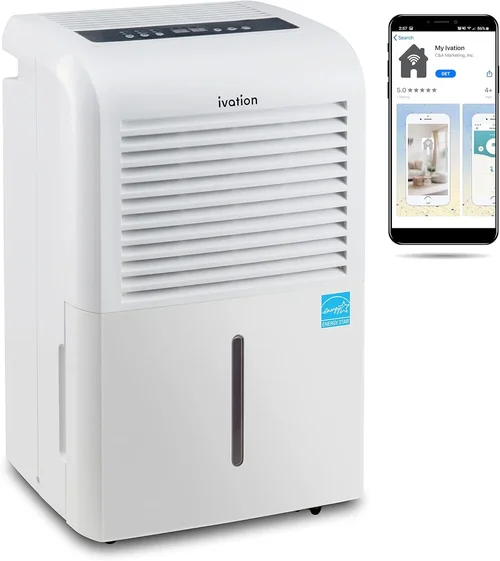
Smart technology is transforming home appliances, and dehumidifiers are no exception. Wi-Fi-enabled models let you monitor and control humidity levels from your smartphone, tablet, or voice assistant (like Alexa or Google Assistant).
With a smart dehumidifier, you can set schedules, receive alerts when the bucket is full, or adjust settings remotely. Some apps even provide humidity trend reports and energy usage data. For a 2000-square-foot home, this level of control ensures your system is always optimized—even when you’re away.
Other advanced features include auto-restart, filter change reminders, and integration with smart home systems like Apple HomeKit or Samsung SmartThings. While not essential, these features add convenience and peace of mind, especially for busy homeowners.
Different Types of Buying Guide

Common Buying Mistakes to Avoid
❌ Mistake: Choosing Based on Price Alone
Why it’s bad: The cheapest dehumidifier may save you $50 upfront, but it could cost you hundreds in energy bills, repairs, or premature replacement. Low-cost models often lack essential features like auto-defrost, efficient compressors, or durable coils.
What to do instead: Focus on value, not just price. Look for models with Energy Star ratings, good warranties, and positive long-term reviews. A mid-range unit with strong performance and efficiency will pay for itself over time.
❌ Mistake: Ignoring the Drainage System
Why it’s bad: If you forget to empty the bucket every day, your dehumidifier will shut off and humidity will creep back up. In a 2000-square-foot home, this can lead to mold growth and musty odors within days.
What to do instead: Always opt for a model with a continuous drain option. If your basement has a floor drain, use a gravity hose. If not, invest in a unit with a built-in pump for hassle-free operation.
❌ Mistake: Overlooking Noise Levels
Why it’s bad: A noisy dehumidifier can disrupt sleep, work, or relaxation—especially if placed near bedrooms or home offices. Some units emit a constant hum or rattle that becomes unbearable over time.
What to do instead: Check the decibel rating before buying. Read user reviews for real-world noise feedback. Consider placing the unit in a utility room or basement with sound-dampening insulation.
❌ Mistake: Buying the Wrong Capacity
Why it’s bad: A 30-pint dehumidifier will struggle in a 2000-square-foot space, running nonstop and failing to maintain comfort. Conversely, a 90-pint unit may cycle too frequently, wasting energy.
What to do instead: Match the capacity to your space and humidity level. Use the AHAM rating as a guide: 50–70 pints for 2000 sq ft. If unsure, consult a professional or choose a slightly larger unit with adjustable settings.
❌ Mistake: Skipping the Warranty
Why it’s bad: Dehumidifiers have complex components that can fail. Without a solid warranty, you’re on the hook for costly repairs or replacement.
What to do instead: Choose a model with at least a 1-year parts and labor warranty. Premium brands often offer 2–5 years. Register your product and keep receipts for easy claims.
❌ Mistake: Not Considering Climate
Why it’s bad: A standard compressor dehumidifier may ice up in cold basements (below 60°F), while desiccant models are inefficient in warm, humid climates.
What to do instead: Match the technology to your environment. Use compressor units in warm areas and desiccant models in cold spaces. Some hybrid models work well in both.
❌ Mistake: Ignoring Filter Maintenance
Why it’s bad: A clogged filter reduces airflow, strains the compressor, and increases energy use. Over time, this can shorten the unit’s lifespan.
What to do instead: Clean or replace the filter every 1–2 months during peak use. Choose models with washable filters to save money and reduce waste.
Budget Guidelines: How Much Should You Spend?
Dehumidifiers for 2000-square-foot spaces vary widely in price, but here’s a realistic breakdown based on performance, features, and long-term value:
Entry-Level ($150 – $250): These are basic 30–50 pint models, often lacking advanced features like humidistats, auto-defrost, or continuous drainage. They’re suitable for light use in mildly damp areas but may struggle in larger or high-humidity spaces. Expect shorter lifespans and higher energy costs.
Mid-Range ($250 – $450): This is the sweet spot for most homeowners. Units in this range offer 50–70 pint capacity, Energy Star ratings, digital controls, and continuous drain options. Brands like Frigidaire, hOmeLabs, and GE dominate this category with reliable performance and solid warranties.
Premium ($450 – $800): These models include smart features, built-in pumps, HEPA filters, and ultra-quiet operation. They’re ideal for tech-savvy users or those with specific needs (e.g., allergy sufferers, cold basements). Expect longer lifespans and better customer support.
Luxury ($800+): Whole-house systems and high-end portable units fall here. They offer seamless HVAC integration, app control, and industrial-grade durability. While expensive, they provide unmatched convenience and performance for large homes.
Expert Tips for Getting the Best Deal
- Buy during off-season: Dehumidifiers are cheapest in winter (January–March) when demand is low. Retailers often discount last year’s models to make room for new inventory.
- Shop online for better selection: Websites like Amazon, Home Depot, and Lowe’s offer detailed specs, customer reviews, and frequent promotions. In-store options are limited.
- Look for bundle deals: Some retailers offer discounts when you buy a dehumidifier with a humidifier, air purifier, or HVAC service.
- Check manufacturer rebates: Brands like AprilAire and Honeywell often run rebate programs, especially for Energy Star models.
- Read return policies: Ensure the retailer allows returns within 30 days in case the unit doesn’t perform as expected.
- Test before committing: If possible, run the dehumidifier for a week to check noise, drainage, and humidity control. Most retailers accept returns if the unit is defective.
- Consider refurbished models: Certified refurbished units from reputable sellers can save 20–30% and often come with full warranties.
- Negotiate with local HVAC pros: If installing a whole-house system, get multiple quotes and ask about seasonal discounts.
Frequently Asked Questions
Q: Can one dehumidifier cover 2000 square feet?
A: Yes, but it depends on the unit’s capacity and your home’s layout. A 70-pint dehumidifier with good airflow can effectively manage a 2000-square-foot space, especially if it’s open-concept. For multi-level homes, consider placing the unit centrally or using a whole-house system.
Q: How often should I run my dehumidifier?
A: Run it continuously during humid months or whenever indoor humidity exceeds 50%. Use a humidistat to automate the process. In dry seasons, you may only need it occasionally.
Q: Will a dehumidifier lower my energy bills?
A: Indirectly, yes. By reducing humidity, your air conditioner doesn’t have to work as hard to cool your home, which can lower cooling costs by 10–15%. However, the dehumidifier itself uses electricity, so balance usage with efficiency.
Q: Can I use a dehumidifier in winter?
A: Yes, but only if the space stays above 60°F. Standard compressor units may ice up in cold temperatures. Use a desiccant dehumidifier or a model with auto-defrost for winter operation.
Q: How do I know if my dehumidifier is working?
A: Check the humidity level with a hygrometer. If it’s staying between 30–50%, the unit is effective. Also monitor the water tank—if it’s filling regularly, moisture is being removed.
Q: Should I buy a dehumidifier with a pump?
A: If you don’t have a floor drain, a built-in pump is highly recommended. It allows you to drain water to a sink, laundry tub, or outside, eliminating the need to empty the bucket.
Q: Are smart dehumidifiers worth it?
A: If you value convenience and remote monitoring, yes. Smart features let you adjust settings from anywhere and receive alerts, which is especially useful for vacation homes or busy families.
Q: How long do dehumidifiers last?
A: With proper maintenance, most units last 7–10 years. Clean filters regularly, avoid overloading, and store properly during off-seasons to extend lifespan.
Q: Can a dehumidifier help with allergies?
A: Yes. By reducing mold, dust mites, and mildew, dehumidifiers can improve indoor air quality and alleviate allergy symptoms. Pair with an air purifier for best results.
Q: What’s the difference between a dehumidifier and an air purifier?
A: A dehumidifier removes moisture from the air, while an air purifier removes particles like dust, pollen, and pet dander. They serve different purposes but can work together for healthier air.
Our Final Recommendations
Best for Budget-Conscious Buyers: hOmeLabs 50 Pint Dehumidifier – At under $300, this model offers excellent capacity, Energy Star efficiency, and a continuous drain option. It’s reliable, quiet, and perfect for moderately damp 2000-square-foot homes.
Best Overall Value: Frigidaire FFAD7033R1 70 Pint Dehumidifier – With a 70-pint capacity, built-in pump, and smart humidity control, this unit delivers top-tier performance at a mid-range price. It’s a favorite among homeowners for its durability and ease of use.
Best Premium Option: AprilAire E070 Pro 70 Pint Whole-House Dehumidifier – Designed for seamless HVAC integration, this model provides consistent humidity control across your entire home. It’s ideal for large, high-end residences and comes with a 5-year warranty.
Best for Beginners: GE APER50LZ 50 Pint Dehumidifier – Simple controls, clear display, and reliable performance make this a great entry-level choice. It’s easy to set up and maintain, with helpful features like auto-restart and filter alerts.
Best for Advanced Users: AlorAir Sentinel HDi90 Smart Dehumidifier – Packed with Wi-Fi connectivity, app control, and a built-in pump, this model is perfect for tech enthusiasts. It’s also rugged enough for crawl spaces and commercial use.
Conclusion: Making the Right Choice
Choosing the best dehumidifier for a 2000-square-foot home doesn’t have to be overwhelming. By focusing on capacity, efficiency, drainage, and smart features, you can find a unit that keeps your space comfortable, healthy, and protected from moisture damage. Remember: the right dehumidifier isn’t just about removing water—it’s about improving your quality of life.
Start by assessing your specific needs: How humid is your home? Do you have a floor drain? Are you tech-savvy or prefer simplicity? Use this guide to narrow your options, compare models, and avoid common pitfalls. And don’t rush the decision—investing in a quality dehumidifier now will save you money, stress, and potential repair costs down the road.
Whether you’re battling basement dampness, seasonal humidity, or year-round moisture, the right dehumidifier is out there. Take the time to research, read reviews, and choose wisely. Your home—and your peace of mind—will thank you.