
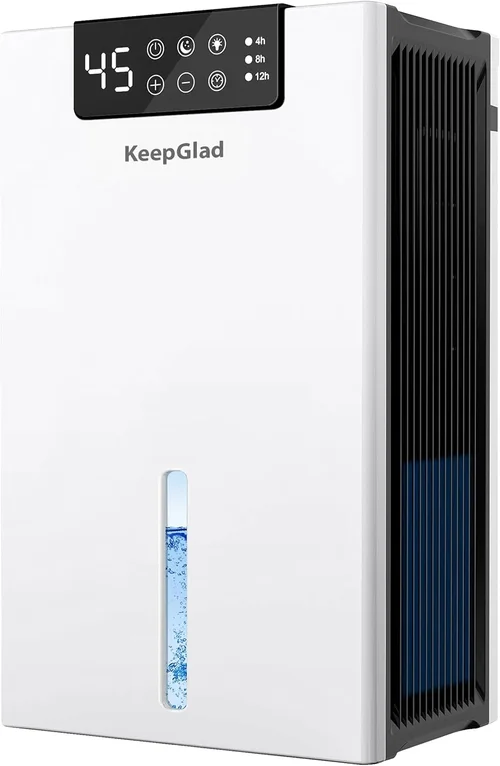
When it comes to maintaining a healthy, comfortable indoor environment, few appliances are as quietly essential as a dehumidifier. Whether you’re battling persistent dampness in a basement, trying to reduce allergens in your bedroom, or simply looking to protect your home from mold and mildew, the right dehumidifier can make a world of difference. Yet, with dozens of models flooding the market—each boasting different capacities, features, and price points—choosing the best one for your specific room can feel overwhelming. That’s where this comprehensive buying guide comes in.
In this expert-level review, we’ll walk you through everything you need to know to make a smart, informed decision. From understanding how dehumidifiers work to comparing key performance metrics, evaluating build quality, and navigating the often-confusing world of smart features, we’ve got you covered. You’ll learn how to match a unit’s capacity to your room size, avoid common purchasing pitfalls, and identify which brands offer the best reliability and customer support. Whether you’re on a tight budget or ready to invest in a premium model, this guide will help you find the perfect dehumidifier for your space in 2026.
The dehumidifier market has evolved significantly over the past few years. Today’s models are more energy-efficient, quieter, and smarter than ever before. With advancements in compressor technology, Wi-Fi connectivity, and humidity-sensing algorithms, modern dehumidifiers can automatically adjust their operation based on real-time conditions. At the same time, competition has driven prices down, making high-performance units more accessible to average homeowners. However, not all dehumidifiers are created equal. Some are designed for small, enclosed spaces like closets or bathrooms, while others can handle large, open areas like finished basements or entire floors. Understanding these differences—and how they apply to your unique situation—is the key to getting the most value from your purchase.
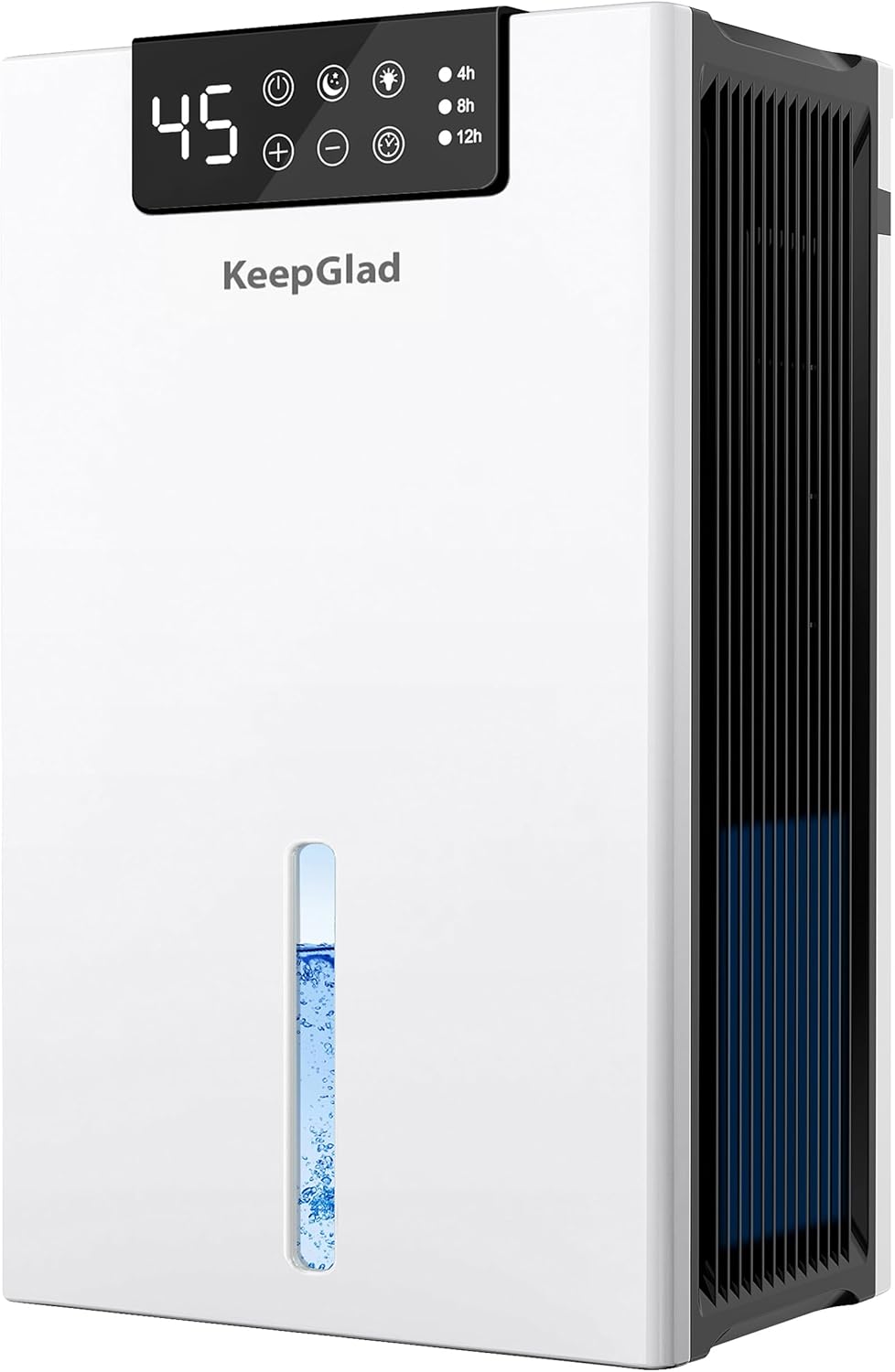
What to Look for When Buying a Dehumidifier
1. Room Size & Capacity Needs
The most critical factor when selecting a dehumidifier is matching its capacity to the size and moisture level of the room you intend to treat. Dehumidifier capacity is typically measured in pints per day (PPD)—the amount of moisture a unit can remove from the air in 24 hours under standard testing conditions (80°F and 60% relative humidity). For small rooms like bathrooms or closets (under 500 square feet), a 20–30 PPD unit is usually sufficient. Medium-sized spaces such as bedrooms or small basements (500–1,500 sq ft) generally require 30–50 PPD. Larger areas like full basements, garages, or open-plan living spaces may need 50+ PPD models.
However, capacity isn’t just about square footage—it’s also about the severity of the moisture problem. A damp basement with visible condensation or musty odors will need a higher-capacity unit than a dry attic used for storage. Many manufacturers provide room size recommendations, but it’s wise to cross-reference these with independent reviews and real-world user feedback. Oversizing can lead to short cycling (frequent on/off cycles), which reduces efficiency and shortens the unit’s lifespan. Undersizing, on the other hand, means the dehumidifier will run constantly without ever reaching the desired humidity level.
2. Energy Efficiency & Operating Costs
Dehumidifiers are among the most energy-intensive home appliances, especially if they run for extended periods. Running a large unit 24/7 can add significantly to your electricity bill, so energy efficiency should be a top consideration. Look for models with the ENERGY STAR® certification, which indicates they meet strict efficiency guidelines set by the U.S. Environmental Protection Agency. ENERGY STAR dehumidifiers use up to 15% less energy than standard models, translating to real savings over time.
Pay attention to the unit’s energy factor, measured in liters of water removed per kilowatt-hour (L/kWh). Higher numbers mean better efficiency. For example, a unit with an energy factor of 1.8 L/kWh is more efficient than one rated at 1.2 L/kWh. Also consider the wattage—lower wattage doesn’t always mean lower operating costs, as some high-wattage models complete their cycles faster. Check the annual energy consumption estimate (usually listed in kWh/year) to compare long-term costs across models.
In humid climates or during summer months, your dehumidifier may run frequently. In such cases, investing in an efficient model pays off quickly. Some advanced units even feature variable-speed compressors or adaptive defrost systems that adjust power usage based on ambient conditions, further improving efficiency.
3. Noise Level & Sound Output
Nobody wants a noisy appliance disrupting their sleep or quiet time. Dehumidifiers generate sound from their compressor, fan, and internal airflow, and noise levels can vary widely between models. Most units operate between 40 and 60 decibels (dB)—comparable to a quiet conversation or background music. For bedrooms, nurseries, or home offices, aim for a model under 50 dB. Larger basement units may be louder but are often placed farther away, making noise less of an issue.
Manufacturers typically list noise levels in their specifications, but real-world performance can differ. Look for reviews that mention sound quality, especially during nighttime operation. Some brands use insulated cabinets, vibration-dampening mounts, or multi-speed fans to reduce noise. If you’re sensitive to sound, consider models with a “quiet mode” or “sleep mode” that lowers fan speed and compressor output during low-humidity periods.
Placement also affects perceived noise. Avoid placing the dehumidifier on hard surfaces like tile or concrete, which can amplify vibrations. Using rubber feet or placing it on a soft mat can help dampen sound. Additionally, ensure there’s adequate clearance around the unit for proper airflow—restricted ventilation can cause the fan to work harder and become noisier.
4. Drainage Options & Maintenance
All dehumidifiers collect water in an internal bucket, but how you manage that water makes a big difference in convenience and maintenance. Most units come with a removable bucket that needs to be emptied manually—typically every 8 to 24 hours, depending on humidity levels. Look for models with large-capacity buckets (2–3 gallons) and spill-proof designs with handles and splash guards.
For continuous operation without constant monitoring, consider models with built-in pumps or gravity drainage. Gravity drain models require a nearby floor drain or sink, allowing water to flow out via a hose. Pump-equipped units can push water vertically (up to 15 feet) and horizontally (up to 100 feet), making them ideal for basements without floor drains. Some smart dehumidifiers even send alerts to your phone when the bucket is full or if the drain hose becomes clogged.
Maintenance is another key factor. Regular cleaning of the air filter (usually every 2–4 weeks) ensures optimal airflow and prevents mold growth inside the unit. Look for washable, reusable filters—they’re more eco-friendly and cost-effective than disposable ones. Coil cleaning is also important; dust buildup reduces efficiency and can lead to frost formation in cold environments. Models with easy-access panels simplify this process.
5. Smart Features & Automation
Modern dehumidifiers are increasingly equipped with smart technology that enhances convenience and efficiency. Wi-Fi connectivity allows you to control the unit remotely via smartphone apps, set schedules, monitor humidity levels in real time, and receive maintenance alerts. Some models integrate with voice assistants like Amazon Alexa or Google Assistant, enabling hands-free operation.
Advanced units feature auto-humidistats that continuously monitor room humidity and adjust fan speed or compressor output accordingly. This prevents over-drying and saves energy. Timer functions let you run the dehumidifier only during peak humidity hours (e.g., after showers or during rainy weather). Auto-restart is another useful feature—it resumes operation at the last settings after a power outage, ensuring consistent performance.
While smart features add convenience, they also increase complexity and cost. If you don’t need remote control or detailed analytics, a basic mechanical model may suffice. However, for tech-savvy users or those managing humidity in multiple zones (like a vacation home), smart capabilities are well worth the investment.
6. Build Quality & Durability
A dehumidifier is a long-term investment, so durability matters. Look for units with robust construction—metal housings, reinforced corners, and high-quality internal components. Cheaper plastic models may crack or warp over time, especially in hot or humid environments. Check the thickness and finish of the exterior; powder-coated steel resists rust and corrosion better than painted plastic.
Internal components like compressors, coils, and fans should be from reputable suppliers. Rotary compressors are generally quieter and more efficient than piston types, while copper coils conduct heat better and resist corrosion longer than aluminum. Sealed bearings in fans reduce wear and extend lifespan. Some premium models use anti-corrosion coatings on coils and frames, which is especially important in coastal or high-humidity areas.
User-replaceable parts (like filters and drain hoses) improve longevity and reduce repair costs. Avoid models with proprietary components that are difficult or expensive to source. Reading long-term user reviews can reveal common failure points—such as leaking seals or failing pumps—before you buy.
7. Portability & Design
Even if your dehumidifier stays in one place most of the time, portability can be useful for moving it between rooms or storing it during off-seasons. Look for models with recessed handles, smooth-rolling casters, and compact footprints. Weight matters too—units under 40 pounds are easier to maneuver, while heavier models may require two people to lift.
Design also affects usability. A top-mounted control panel is easier to access than one on the side or front. LED displays with backlighting improve visibility in dark basements. Cord length should be at least 6 feet to reach standard outlets without extension cords. Some units include cord wraps or storage compartments for hoses and accessories.
Aesthetics may seem次要, but a sleek, modern design can blend better with your home decor. Many brands now offer neutral colors (white, gray, black) and minimalist styling that doesn’t look like industrial equipment. For visible locations like living rooms or finished basements, appearance can influence your satisfaction with the purchase.
8. Warranty & Customer Support
A strong warranty is a sign of manufacturer confidence in their product. Most dehumidifiers come with a 1- to 2-year limited warranty covering parts and labor. Premium brands often offer extended coverage—up to 5 years—especially on compressors and sealed systems. Read the fine print: some warranties exclude normal wear, filter replacements, or damage from improper installation.
Customer support quality varies widely. Look for brands with responsive service teams, online troubleshooting guides, and readily available replacement parts. Brands like Frigidaire, Honeywell, and GE Appliances have nationwide service networks, while smaller companies may rely on third-party repair centers. Check user forums and review sites for reports of warranty claims being honored promptly.
Consider registering your product online to activate the warranty and receive updates. Some manufacturers offer free extended warranties or discounts on accessories when you register within 30 days of purchase.
Different Types of Dehumidifiers

Common Buying Mistakes to Avoid
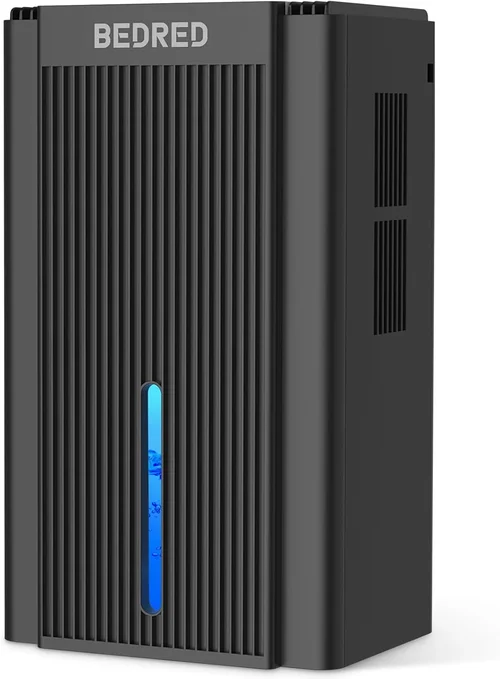
❌ Mistake: Buying Based Solely on Price
Why it’s bad: The cheapest dehumidifier often lacks durability, efficiency, and essential features. It may break down within a year or consume excessive energy, costing more in the long run.
What to do instead: Focus on value, not just upfront cost. Compare total cost of ownership, including energy use, maintenance, and expected lifespan. A mid-range model with a good warranty often offers better long-term savings.
❌ Mistake: Ignoring Room Conditions
Why it’s bad: A unit sized for a dry bedroom won’t handle a flooded basement. Overworking a small dehumidifier leads to constant running, overheating, and premature failure.
What to do instead: Assess your room’s square footage, humidity level, and moisture source (e.g., leaks, poor ventilation). Use manufacturer sizing charts and consult reviews from users with similar conditions.
❌ Mistake: Overlooking Drainage Needs
Why it’s bad: If you can’t empty the bucket regularly or don’t have a drain nearby, the dehumidifier will shut off when full, defeating its purpose.
What to do instead: Choose a model with a pump or gravity drain option if continuous operation is needed. Ensure you have access to a floor drain or can route a hose safely.
❌ Mistake: Neglecting Noise Levels
Why it’s bad: A loud dehumidifier in a bedroom or office can disrupt sleep and concentration, leading to frustration and early replacement.
What to do instead: Check decibel ratings and read user reviews about sound quality. Opt for units with quiet modes if noise is a concern.
❌ Mistake: Skipping the Warranty Check
Why it’s bad: Dehumidifiers have complex internal systems. Without coverage, a compressor failure could cost hundreds to repair.
What to do instead: Always verify warranty length and terms. Register your product promptly and keep receipts. Consider extended warranties for high-end models.
❌ Mistake: Assuming All “Smart” Features Are Useful
Why it’s bad: Wi-Fi and app controls add cost and complexity. If you never use them, you’ve paid for unnecessary features.
What to do instead: Only buy smart features if they solve a real problem—like remote monitoring for a vacation home. Otherwise, stick to reliable mechanical controls.
❌ Mistake: Not Planning for Maintenance
Why it’s bad: Dirty filters and clogged coils reduce efficiency and can cause mold growth inside the unit, worsening air quality.
What to do instead: Choose models with easy-access filters and coils. Set calendar reminders to clean them monthly during peak use seasons.
Budget Guidelines: How Much Should You Spend?
Dehumidifiers come in a wide range of prices, and understanding what you get at each tier helps you make a smarter investment.
- Entry-Level ($50–$150): These are typically mini or thermoelectric units best suited for small, low-humidity spaces like closets or bathrooms. They’re affordable and portable but lack power and durability. Expect shorter lifespans and higher energy use per pint removed. Ideal for occasional use or temporary solutions.
- Mid-Range ($150–$400): This is the sweet spot for most homeowners. These compressor-based models offer 30–50 PPD capacity, ENERGY STAR efficiency, and reliable performance for bedrooms, basements, or living areas. Many include auto-humidistats, washable filters, and decent warranties. Brands like hOmeLabs, Keystone, and Tosot dominate this segment with strong value propositions.
- Premium ($400–$800): Designed for serious moisture problems, these units feature advanced controls, built-in pumps, smart connectivity, and robust construction. They’re ideal for large basements, crawl spaces, or homes in humid climates. Look for models with variable-speed compressors, corrosion-resistant coils, and extended warranties. Frigidaire, Honeywell, and AprilAire offer excellent options here.
- Luxury ($800+): Whole-house dehumidifiers and high-end portable units fall into this category. They integrate with HVAC systems, offer precise humidity control across multiple zones, and include premium materials and finishes. These are best for large homes, luxury builds, or commercial applications where air quality is paramount.
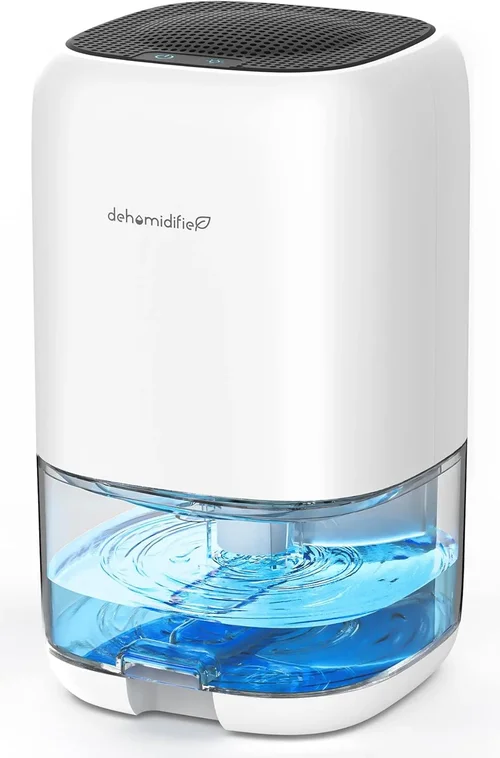
Expert Tips for Getting the Best Deal
- Buy During Off-Season: Dehumidifiers are in highest demand during spring and summer. Shop in late fall or winter (October–February) for discounts, clearance sales, and bundle deals.
- Compare Retailers: Check prices at major retailers like Home Depot, Lowe’s, Amazon, and Costco. Online marketplaces often have competitive pricing and user reviews, while in-store purchases allow you to inspect build quality firsthand.
- Look for Rebates: Some utility companies offer rebates for ENERGY STAR dehumidifiers. Check your local provider’s website—savings can range from $25 to $100.
- Read Return Policies: Ensure the retailer allows returns within 30–90 days. Test the unit immediately after delivery to confirm it works properly and meets your noise/performance expectations.
- Check for Open-Box Deals: Stores like Best Buy and Costco often sell open-box or returned units at significant discounts. These are usually inspected and come with full warranties.
- Consider Refurbished Models: Certified refurbished dehumidifiers from reputable brands offer near-new performance at 20–40% off retail. Look for seller warranties and return options.
- Negotiate Bundles: If buying for multiple rooms, ask about multi-unit discounts. Some retailers offer free shipping or accessories (like drain hoses) with purchase.
- Monitor Price Drops: Use tools like Honey or CamelCamelCamel to track price history and get alerts when your desired model goes on sale.

Frequently Asked Questions
Q: How do I know if I need a dehumidifier?
A: Signs include condensation on windows, musty odors, peeling paint, warped wood, or visible mold. Use a hygrometer to confirm humidity levels above 60%. If your HVAC system struggles to control moisture, a dehumidifier can help.
Q: Can a dehumidifier cool a room?
A: No—dehumidifiers remove moisture, not heat. They may feel slightly cooler due to reduced humidity, but they don’t lower air temperature like an air conditioner.
Q: Should I run my dehumidifier all the time?
A: Not necessarily. Use a model with an auto-humidistat to maintain 30–50% humidity. In moderate climates, running it 8–12 hours daily is often sufficient. Avoid over-drying, which can cause dry skin and static electricity.
Q: How often should I clean my dehumidifier?
A: Clean the filter every 2–4 weeks during peak use. Wipe down the water bucket weekly and inspect coils monthly. Deep clean the unit every 6 months.
Q: Can I use a dehumidifier in winter?
A: Yes, but compressor models become less efficient below 60°F and may frost over. Desiccant dehumidifiers work better in cold temperatures. Use only if humidity is high (e.g., from indoor plants or poor ventilation).
Q: Is it safe to leave a dehumidifier on overnight?
A: Yes, as long as it’s in good condition, placed on a stable surface, and has auto-shutoff when the bucket is full. Choose a quiet model for bedrooms.
Q: Do dehumidifiers help with allergies?
A: Absolutely. By reducing mold, dust mites, and mildew—common allergens—they improve indoor air quality and can alleviate allergy symptoms.
Q: What’s the difference between a dehumidifier and an air purifier?
A: A dehumidifier controls moisture; an air purifier removes particles like dust, pollen, and smoke. They serve different purposes but can complement each other in improving air quality.
Q: How long do dehumidifiers last?
A: With proper maintenance, most last 5–10 years. Compressor lifespan is the main limiting factor. Regular cleaning and avoiding extreme temperatures extend longevity.
Q: Can I install a whole-house dehumidifier myself?
A: Most require professional installation, especially if integrating with HVAC ductwork. DIY kits exist but may void warranties or reduce efficiency if not done correctly.
Our Final Recommendations
- Best for Budget-Conscious Buyers: hOmeLabs 30 Pint Dehumidifier – Reliable performance, ENERGY STAR rated, and priced under $200. Great for small to medium rooms with moderate humidity.
- Best Overall Value: Frigidaire FFAD7033R1 70 Pint – Excellent capacity, built-in pump, quiet operation, and strong warranty. Ideal for large basements or high-moisture areas.
- Best Premium Option: AprilAire E080 Pro 80 Pint – Whole-house capable, Wi-Fi enabled, and built for durability. Perfect for homeowners seeking top-tier performance and smart integration.
- Best for Beginners: Keystone 50 Pint Dehumidifier – Simple controls, easy maintenance, and solid performance. A no-frills workhorse that gets the job done without complexity.
- Best for Advanced Users: Honeywell TP70WKN Wi-Fi Dehumidifier – Full app control, voice compatibility, auto-drain, and precise humidity monitoring. Ideal for tech enthusiasts and remote property managers.
Conclusion: Making the Right Choice
Choosing the best dehumidifier for your room isn’t just about picking the biggest or most expensive model—it’s about finding the right balance of capacity, efficiency, features, and durability for your specific needs. By understanding key factors like room size, energy use, noise levels, and drainage options, you can avoid common pitfalls and select a unit that delivers lasting value. Whether you’re tackling a damp basement, protecting valuable belongings, or simply improving your home’s comfort, the right dehumidifier makes a measurable difference in air quality and peace of mind.
Take the time to assess your space, compare models, and read real user experiences. Don’t rush the decision—investing in a quality dehumidifier pays dividends in health, home protection, and energy savings. Use this guide as your roadmap, and you’ll be well-equipped to make a confident, informed purchase in 2026 and beyond.