
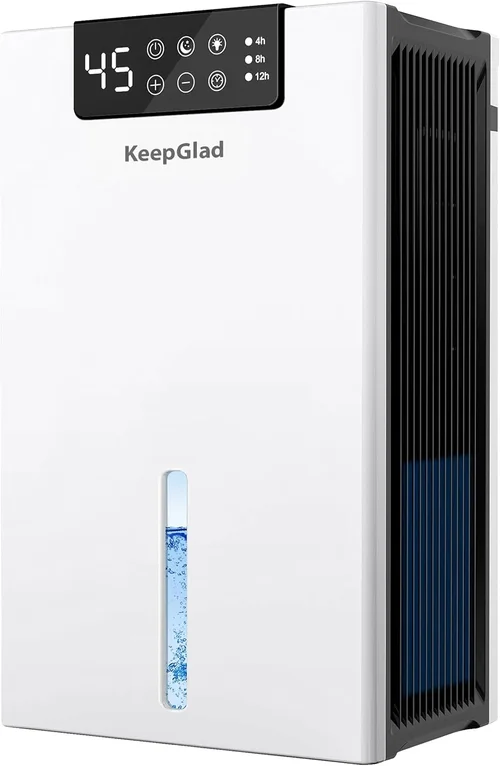
Drying clothes indoors has become a necessity for millions of households—whether due to limited outdoor space, unpredictable weather, or the need to protect delicate fabrics from sun damage and pollution. But simply hanging laundry on a rack in a damp room can lead to musty odors, mold growth, and clothes that never truly feel fresh. This is where a dehumidifier designed for drying clothes steps in as a game-changer. Unlike traditional tumble dryers that consume significant energy and can shrink or damage fabrics, a well-chosen dehumidifier offers a gentler, more energy-efficient alternative that extracts moisture from the air, accelerating evaporation and leaving garments dry, soft, and odor-free.
In this comprehensive guide, we’ll walk you through everything you need to know to find the best dehumidifier for drying clothes in 2026. Whether you’re dealing with a small apartment, a humid basement, or a family-sized laundry load, we’ll help you understand the key features, performance metrics, and practical considerations that matter most. You’ll learn how to evaluate capacity, energy efficiency, noise levels, and smart functionality—so you can make an informed decision that fits your space, lifestyle, and budget. We’ll also compare different types of dehumidifiers, highlight common buying mistakes, and share expert tips to ensure you get the most value from your purchase.
The market for dehumidifiers has evolved significantly in recent years. With advancements in compressor technology, smart sensors, and eco-friendly refrigerants, today’s models are more powerful, quieter, and more user-friendly than ever before. From compact units ideal for single rooms to high-capacity systems capable of handling large laundry loads in humid climates, there’s a dehumidifier for nearly every scenario. However, not all dehumidifiers are created equal when it comes to drying clothes. Some are optimized for continuous operation in damp basements, while others are built specifically for laundry rooms with features like auto-defrost, rapid-dry modes, and washable filters. Our goal is to cut through the noise and help you identify the model that delivers the best balance of performance, efficiency, and reliability for your specific needs.
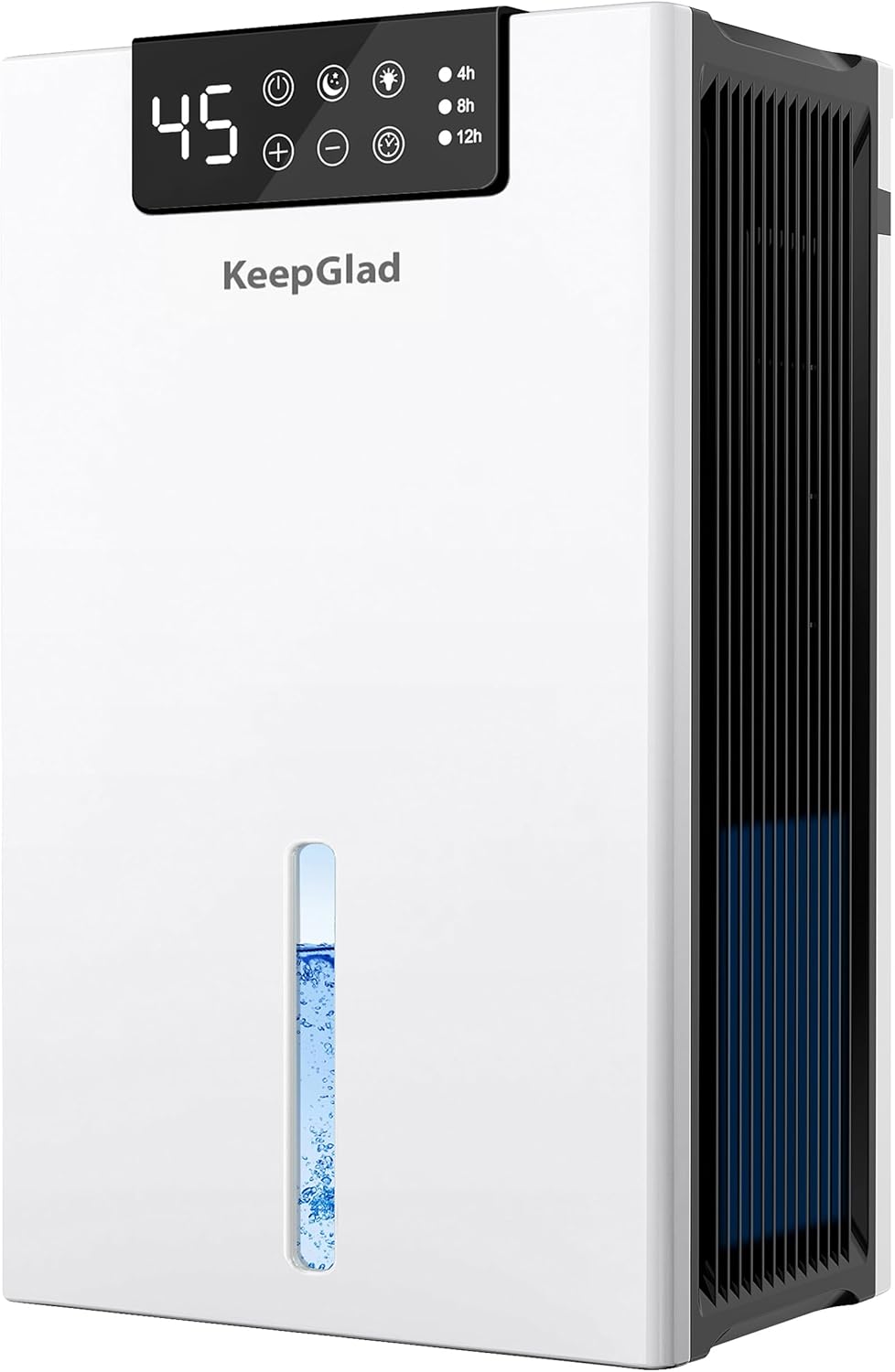
What to Look for When Buying Buying Guide
1. Moisture Removal Capacity (Pints per Day)
The most critical specification when choosing a dehumidifier for drying clothes is its moisture removal capacity, measured in pints per day (PPD). This number tells you how much water the unit can extract from the air in a 24-hour period under standard conditions (typically 60% relative humidity at 80°F). For laundry drying, you’ll want a model that can handle at least 30–50 pints per day, depending on the size of your space and the volume of clothes you typically dry.
For example, a small apartment with one or two loads of laundry per week might get by with a 30-pint unit, while a family of four using the dehumidifier daily in a humid climate may need a 50-pint or higher capacity model. Keep in mind that manufacturers often rate capacity under ideal lab conditions, so real-world performance may vary. Look for units with adjustable humidity settings and continuous drainage options—these features allow the dehumidifier to run efficiently without requiring you to empty a water tank multiple times a day.
2. Energy Efficiency (Energy Star Rating & Wattage)
Energy efficiency is crucial when using a dehumidifier for laundry, as these devices often run for several hours at a time. Look for models with an Energy Star certification, which indicates they meet strict energy efficiency guidelines set by the U.S. Environmental Protection Agency. Energy Star-certified dehumidifiers use up to 15% less energy than standard models, which can translate to significant savings on your electricity bill over time.
Check the wattage rating—typically listed on the product label or in the manual. A lower wattage doesn’t always mean better efficiency, but it’s a good starting point. For example, a 50-pint dehumidifier that uses 500 watts is more efficient than one that uses 700 watts for the same output. Some advanced models also feature variable-speed compressors or inverter technology, which adjust power usage based on humidity levels, further improving efficiency.
3. Noise Level (Decibel Rating)
Since dehumidifiers are often used in living spaces, bedrooms, or laundry rooms adjacent to common areas, noise level is an important consideration. Most dehumidifiers produce between 45 and 60 decibels (dB) of sound—comparable to a quiet conversation or a refrigerator hum. However, some models are significantly louder, especially at higher fan speeds.
For laundry drying, where the unit may run for 4–8 hours, a quieter model (under 50 dB) is ideal. Look for units with “quiet mode” or “low-noise operation” features, which reduce fan speed and compressor activity to minimize sound. Compressor type also plays a role: rotary compressors tend to be quieter than reciprocating ones. If noise is a top concern, consider placing the dehumidifier in a well-ventilated closet or utility room with a door to dampen sound.
4. Size, Portability & Placement Flexibility
Dehumidifiers come in a range of sizes, from compact 20-pint units that fit under a sink to large 70-pint models that resemble small suitcases. For drying clothes, portability is key—you’ll want a unit you can easily move between the laundry room, bedroom, or balcony. Look for models with built-in handles, caster wheels, and a lightweight design (ideally under 40 pounds).
Consider where you’ll place the dehumidifier during use. It should be positioned near the clothesline or drying rack but not so close that it blows directly on the fabric, which can cause uneven drying or wrinkling. Some units have directional vents or adjustable louvers to control airflow. If space is tight, a slim or vertical design may be more suitable than a bulky horizontal model.
5. Smart Features & Automation
Modern dehumidifiers are increasingly equipped with smart features that enhance convenience and performance. Look for models with digital humidity displays, programmable timers, and auto-restart functions (which resume operation after a power outage). Some high-end units offer Wi-Fi connectivity, allowing you to monitor and control the device via a smartphone app.
For laundry drying, features like “laundry mode” or “rapid dry” are particularly useful. These modes increase fan speed and compressor output to accelerate moisture removal, cutting drying time by up to 30%. Auto-defrost is another valuable feature, especially in colder environments—it prevents ice buildup on the coils, ensuring consistent performance year-round.
6. Build Quality & Durability
A dehumidifier is a long-term investment, so build quality matters. Look for models with sturdy plastic or metal casings, reinforced coils, and corrosion-resistant components—especially if you live in a coastal or high-humidity area. Check customer reviews for mentions of durability, such as how well the unit holds up after 2–3 years of regular use.
Internal components like the compressor, fan motor, and water tank should be well-sealed and easy to access for cleaning. A washable or reusable air filter is a plus, as it reduces maintenance costs and improves air quality. Avoid models with flimsy tanks or poorly designed drainage systems, as these can lead to leaks or spills.
7. Brand Reputation & Customer Support
Not all dehumidifier brands are created equal. Established manufacturers like Frigidaire, hOmeLabs, GE, and Midea have a proven track record of reliability and customer service. Research brand reputation by reading expert reviews, checking ratings on retail sites, and looking for consistent feedback about performance and durability.
Customer support is equally important. Choose a brand that offers responsive technical assistance, clear warranty terms, and accessible replacement parts. Some companies provide extended warranties or free troubleshooting guides, which can be invaluable if you encounter issues down the line.
8. Warranty & Return Policy
A solid warranty is a strong indicator of a manufacturer’s confidence in their product. Most reputable dehumidifiers come with a 1- to 2-year limited warranty, covering defects in materials and workmanship. Some premium models offer up to 5 years of coverage on the compressor—the most critical and expensive component.
Before purchasing, review the warranty terms carefully. Note what’s covered (e.g., parts, labor, shipping) and what voids the warranty (e.g., improper use, unauthorized repairs). Also, check the retailer’s return policy. A 30-day return window gives you time to test the unit in your home and ensure it meets your expectations.
Different Types of Buying Guide

Common Buying Mistakes to Avoid
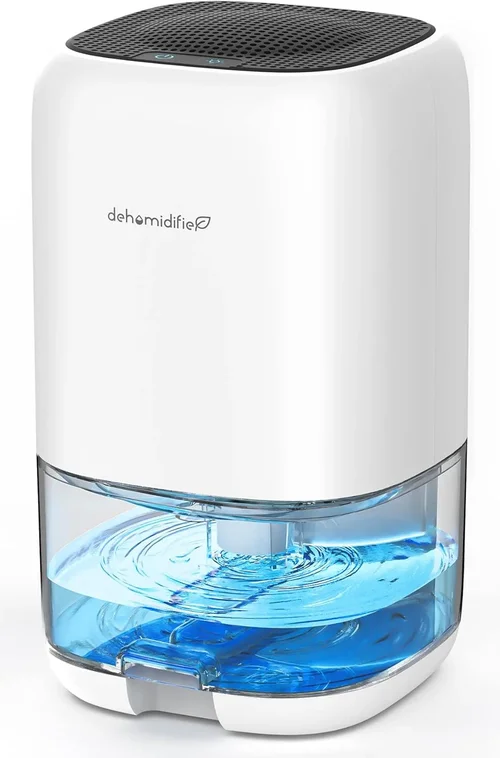
❌ Mistake: Choosing a Dehumidifier Based Solely on Price
Why it’s bad: Opting for the cheapest model may save you money upfront, but it often leads to higher long-term costs due to poor performance, frequent breakdowns, and excessive energy use. Low-cost units may lack essential features like auto-defrost, continuous drainage, or humidity sensors, making them ineffective for consistent laundry drying.
What to do instead: Focus on value, not just price. Look for a model that balances affordability with key features like energy efficiency, durability, and smart controls. A mid-range dehumidifier with a solid warranty often provides the best return on investment.
❌ Mistake: Ignoring Room Size and Humidity Levels
Why it’s bad: A dehumidifier that’s too small for your space will struggle to reduce humidity, leaving clothes damp and musty. Conversely, an oversized unit may cycle on and off too frequently, wasting energy and wearing out components prematurely.
What to do instead: Measure your drying area and assess the average humidity level. Use a hygrometer to get accurate readings. Choose a dehumidifier with a capacity that matches your room size—typically 20–30 pints for small rooms, 30–50 pints for medium spaces, and 50+ pints for large or very humid areas.
❌ Mistake: Overlooking Drainage Options
Why it’s bad: If you’re drying multiple loads, manually emptying a water tank every few hours is inconvenient and can interrupt the drying process. A full tank may also cause the unit to shut off automatically.
What to do instead: Select a model with a continuous drainage option—either a built-in pump or a hose connection. This allows the dehumidifier to run unattended for hours, making it ideal for overnight drying or busy households.
❌ Mistake: Not Considering Noise Levels
Why it’s bad: A loud dehumidifier can be disruptive, especially if used in bedrooms, living rooms, or open-plan spaces. Constant noise may discourage regular use, defeating the purpose of having the device.
What to do instead: Check the decibel rating and look for models with quiet operation modes. Read user reviews to see real-world noise feedback. If noise is a major concern, consider placing the unit in a separate room with a door.
❌ Mistake: Skipping the Warranty and Support Check
Why it’s bad: Dehumidifiers contain complex mechanical parts that can fail over time. Without a solid warranty, repair costs can add up quickly. Poor customer support can leave you stranded if issues arise.
What to do instead: Choose a reputable brand with a clear warranty policy and responsive customer service. Look for extended warranty options and check online forums for user experiences with support.
❌ Mistake: Assuming All Dehumidifiers Are Good for Laundry
Why it’s bad: Many dehumidifiers are designed for general humidity control, not optimized for drying clothes. They may lack features like rapid-dry modes, directional airflow, or high-capacity tanks needed for efficient laundry use.
What to do instead: Prioritize models marketed for laundry or equipped with laundry-specific settings. These units are engineered to handle the unique demands of indoor drying, including higher airflow and faster moisture extraction.
❌ Mistake: Neglecting Maintenance Requirements
Why it’s bad: A dirty filter or clogged coils can reduce efficiency, increase energy use, and shorten the lifespan of your dehumidifier. Neglecting maintenance may also lead to mold or bacteria growth inside the unit.
What to do instead: Choose a model with a washable or easy-to-replace filter. Clean the filter monthly and inspect the coils and tank regularly. Follow the manufacturer’s maintenance guide to keep the unit running smoothly.
Budget Guidelines: How Much Should You Spend?
– Entry-Level ($80–$150): These budget models are typically thermo-electric or small compressor units with limited capacity (10–20 pints). They’re best suited for small spaces, occasional use, or light laundry loads. Expect basic features, higher noise levels, and shorter lifespans. Ideal for students, renters, or those on a tight budget.
– Mid-Range ($150–$300): This is the sweet spot for most buyers. Mid-range dehumidifiers offer 30–50 pints of capacity, Energy Star ratings, quiet operation, and useful features like auto-defrost, timers, and continuous drainage. They’re reliable, efficient, and well-suited for regular laundry drying in apartments or homes.
– Premium ($300–$500): Premium models deliver high performance, advanced smart features, and superior build quality. Look for inverter compressors, Wi-Fi connectivity, rapid-dry modes, and large-capacity tanks. These units are ideal for large families, humid climates, or users who prioritize convenience and long-term durability.
– Luxury ($500+): At this tier, you’ll find whole-house systems, industrial-grade units, or dehumidifiers with cutting-edge technology like dual compressors or AI-driven humidity control. These are overkill for most households but may be justified for large properties, basements, or commercial use.
Expert Tips for Getting the Best Deal
– Buy During Off-Season Sales: Dehumidifiers are in highest demand during humid summer months. Shop in late fall or winter (October–February) when retailers offer discounts to clear inventory. You can save 20–30% on top models during these periods.
– Compare Online and In-Store Prices: Use price comparison tools like Google Shopping or CamelCamelCamel to track price history and find the best deals. Online retailers often offer lower prices, free shipping, and extended return windows.
– Look for Bundle Deals: Some retailers offer discounts when you buy a dehumidifier with other appliances (e.g., air purifiers, humidifiers). These bundles can provide significant savings, especially during holiday sales.
– Check for Rebates and Incentives: Utility companies and government programs sometimes offer rebates for Energy Star-certified dehumidifiers. Visit the ENERGY STAR website or contact your local provider to see if you qualify.
– Read Return Policies Carefully: Ensure the retailer allows returns within at least 30 days, especially for large appliances. Some stores charge restocking fees or require original packaging, so keep all materials until you’re satisfied.
– Test Before Committing: If possible, test the dehumidifier in your home for a few days. Run it during a typical drying cycle and monitor performance, noise, and ease of use. This hands-on experience can reveal issues not apparent in reviews.
– Consider Refurbished or Open-Box Models: Certified refurbished units from reputable sellers often come with warranties and can save you 20–40%. Just ensure they’re inspected and tested by the manufacturer.
– Join Loyalty Programs: Sign up for newsletters and loyalty programs from major retailers (e.g., Home Depot, Lowe’s, Amazon). Members often receive early access to sales, exclusive coupons, and free shipping.

Frequently Asked Questions
Q: Can I use any dehumidifier to dry clothes?
A: While most dehumidifiers can help dry clothes by reducing ambient humidity, not all are optimized for this purpose. Look for models with high airflow, rapid-dry modes, and continuous drainage. General-purpose units may work, but laundry-specific dehumidifiers perform better and faster.
Q: How long does it take to dry clothes with a dehumidifier?
A: Drying time depends on factors like load size, fabric type, room temperature, and dehumidifier capacity. On average, a full load may take 4–8 hours. Using a fan to circulate air can reduce this time by up to 30%.
Q: Is it safe to leave a dehumidifier running overnight?
A: Yes, most modern dehumidifiers are designed for continuous operation. Look for models with auto-shutoff, overheat protection, and stable build quality. Ensure the unit is placed on a flat, stable surface away from flammable materials.
Q: Do dehumidifiers use a lot of electricity?
A: It depends on the model and usage. A typical 50-pint dehumidifier uses 500–700 watts. Running it for 6 hours consumes 3–4 kWh, costing about $0.36–$0.48 at $0.12/kWh. Energy Star models are more efficient and cost less to operate.
Q: Can a dehumidifier prevent mold on clothes?
A: Yes. By reducing humidity levels below 50%, dehumidifiers inhibit mold and mildew growth. This is especially important in damp basements or during rainy seasons when indoor drying is necessary.
Q: Should I use a fan with my dehumidifier for drying clothes?
A: Absolutely. A fan improves air circulation, helping moisture evaporate faster from fabrics. Place it near the drying rack to create a gentle breeze—this can cut drying time significantly.
Q: How often should I clean my dehumidifier?
A: Clean the air filter monthly and wipe down the water tank weekly. Deep clean the coils and internal components every 3–6 months, or as recommended by the manufacturer.
Q: Can I dry clothes in a closed room with a dehumidifier?
A: Yes, but ensure the room is well-ventilated to allow moist air to be extracted. Avoid sealing the room completely, as this can trap humidity and reduce efficiency.
Q: What’s the difference between a dehumidifier and a clothes dryer?
A: A tumble dryer uses heat and tumbling action to dry clothes quickly but consumes more energy and can damage fabrics. A dehumidifier removes moisture from the air, allowing clothes to dry naturally—gentler on fabrics and more energy-efficient, though slower.
Q: Are there eco-friendly dehumidifiers?
A: Yes. Look for models with R-32 or R-290 refrigerants, which have lower global warming potential. Energy Star-certified units are also more environmentally friendly due to reduced energy consumption.
Our Final Recommendations
– Best for Budget-Conscious Buyers: hOmeLabs 30 Pint Dehumidifier – Offers solid performance, quiet operation, and Energy Star efficiency at an affordable price. Ideal for small spaces and light laundry use.
– Best Overall Value: Frigidaire FFAD5033W1 50 Pint Dehumidifier – Combines high capacity, smart features, and reliable performance. Includes continuous drainage, auto-defrost, and a washable filter.
– Best Premium Option: GE APER50LZ 50 Pint Smart Dehumidifier – Features Wi-Fi connectivity, voice control, and a rapid-dry mode. Perfect for tech-savvy users who want convenience and control.
– Best for Beginners: Tosot 30 Pint Dehumidifier – Simple controls, compact design, and reliable performance. Great for first-time buyers or those new to indoor drying.
– Best for Advanced Users: Midea MAD50C1ZWS 50 Pint Cube Dehumidifier – Innovative vertical design saves space, includes a built-in pump, and offers app control. Ideal for large households or humid environments.
Conclusion: Making the Right Choice
Choosing the best dehumidifier for drying clothes isn’t just about picking the most powerful or expensive model—it’s about finding the right balance of capacity, efficiency, features, and value for your specific needs. Whether you’re drying a single load in a studio apartment or managing daily laundry for a family of five, the right dehumidifier can transform your routine, saving time, energy, and frustration.
As you evaluate your options, prioritize the factors that matter most: moisture removal capacity, energy efficiency, noise level, and smart functionality. Avoid common pitfalls like overlooking drainage or ignoring warranty terms. And remember, the best dehumidifier is one that fits seamlessly into your lifestyle, delivers consistent performance, and stands the test of time.
Take the time to research, compare models, and read real user reviews. Use the tips and guidelines in this article to make an informed decision. With the right dehumidifier, you’ll enjoy fresher, faster-drying clothes—without the musty smell or mold worries. Your laundry routine will never be the same.