
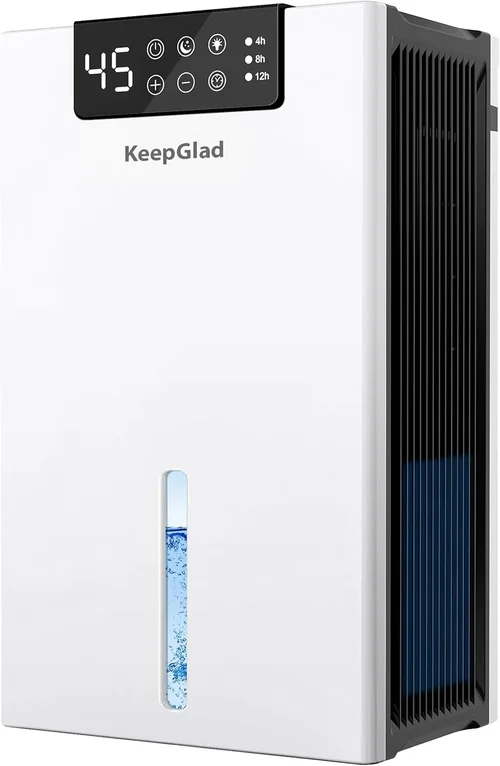
Dealing with excess moisture in your home isn’t just about comfort—it’s about health, safety, and preserving the integrity of your living space. Whether you’re battling musty odors in a basement, preventing mold growth in a bedroom, or simply trying to breathe easier during humid summer months, a reliable dehumidifier can make all the difference. But with hundreds of models on the market—ranging from compact units under $100 to high-capacity industrial-grade machines costing over $500—choosing the right one can feel overwhelming. That’s exactly why this comprehensive buying guide exists: to cut through the noise, clarify your options, and help you find the best dehumidifier for your specific room and needs.
In this expert-level guide, you’ll learn everything you need to know before making a purchase. We’ll walk you through the most important factors to consider—from capacity and energy efficiency to noise levels and smart features—and explain how they impact real-world performance. You’ll also discover the different types of dehumidifiers available, common pitfalls to avoid, budget guidelines that match your spending comfort, and insider tips for getting the best deal. By the end, you’ll have a clear understanding of what makes a dehumidifier truly effective, not just advertised as “powerful” or “quiet.” Whether you’re outfitting a small closet, a medium-sized bedroom, or a large living area, this guide will equip you with the knowledge to choose wisely.
The dehumidifier market has evolved significantly in recent years. Advances in compressor technology, improved refrigerant formulas, and the rise of smart home integration have transformed these once-basic appliances into sophisticated climate control tools. Brands like Frigidaire, hOmeLabs, GE, Midea, and AprilAire now offer models with Wi-Fi connectivity, auto-humidistats, continuous drainage options, and even air purification functions. At the same time, consumer demand for energy-efficient, eco-friendly, and user-friendly appliances has pushed manufacturers to prioritize sustainability and ease of use. With so many innovations and choices, it’s more important than ever to base your decision on facts—not flashy marketing claims.
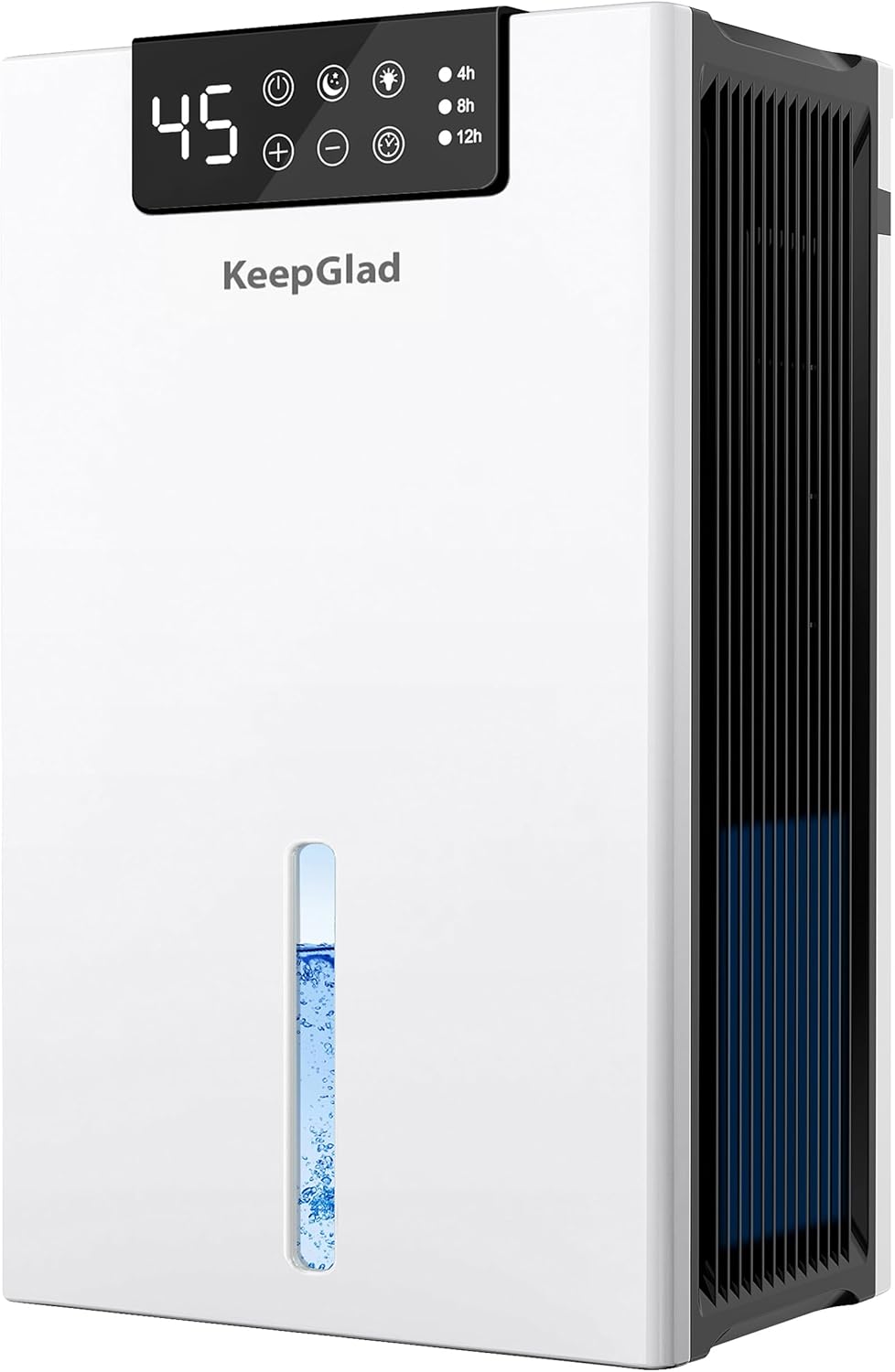
What to Look for When Buying Buying Guide
1. Capacity (Pints per Day)
Capacity is arguably the most critical factor when selecting a dehumidifier. It’s measured in pints per day (PPD)—the amount of moisture the unit can remove from the air in 24 hours under standardized conditions (typically 80°F and 60% relative humidity). Choosing the wrong capacity is one of the most common mistakes buyers make. A unit that’s too small will struggle to keep up with moisture levels, leaving your room damp and musty. Conversely, an oversized model may cycle on and off too frequently, wasting energy and potentially over-drying the space.
To determine the right capacity, start by assessing the square footage of the room and its moisture level. For small spaces (up to 500 sq. ft.) with moderate dampness, a 20–30 PPD unit usually suffices. Medium rooms (500–1,500 sq. ft.) with high humidity or occasional flooding benefit from 30–50 PPD models. Large areas (1,500+ sq. ft.) or chronically wet environments like basements may require 50+ PPD units. Always check the manufacturer’s coverage recommendations—many list both square footage and humidity conditions (e.g., “up to 1,500 sq. ft., very wet”).
2. Energy Efficiency & Operating Costs
Dehumidifiers run for hours each day, so their energy consumption directly impacts your utility bill. Look for models with the ENERGY STAR® certification, which indicates they meet strict efficiency guidelines set by the U.S. Environmental Protection Agency. ENERGY STAR dehumidifiers use 15–30% less energy than standard models, saving you money over time and reducing your environmental footprint.
Check the unit’s Energy Factor (EF), measured in liters of water removed per kilowatt-hour (L/kWh). Higher EF values mean better efficiency. For example, a model with an EF of 1.8 removes more moisture per unit of electricity than one with an EF of 1.2. Also consider the wattage—most residential dehumidifiers range from 300 to 700 watts. While wattage alone doesn’t tell the whole story (efficiency matters more), it gives you a rough idea of power draw.
Don’t forget to factor in operating costs. A typical 50-pint dehumidifier running 10 hours a day might cost $15–$25 per month, depending on local electricity rates. Over a year, that adds up. Investing in an efficient model may cost more upfront but pays for itself in energy savings within a few years.
3. Noise Level (Decibel Rating)
Nobody wants a noisy appliance disrupting their sleep or concentration. Dehumidifier noise is measured in decibels (dB), and most residential units range from 45 dB to 60 dB. For context, 45 dB is similar to a quiet library, while 60 dB resembles normal conversation. If you plan to use the dehumidifier in a bedroom, home office, or nursery, aim for a model under 50 dB.
Compressor-based dehumidifiers tend to be louder than desiccant models, especially during startup. However, many newer compressors feature variable-speed fans and sound-dampening insulation to reduce noise. Some brands advertise “ultra-quiet” operation—always verify this with independent reviews or decibel test data. User feedback often reveals whether a unit is truly quiet in real-world use or just marketed that way.
Placement also affects perceived noise. Putting the dehumidifier on a soft surface like carpet can muffle vibrations, while placing it on tile or hardwood may amplify sound. Consider models with rubber feet or vibration pads for quieter operation.
4. Tank Size & Drainage Options
All dehumidifiers collect water in an internal tank, but how often you need to empty it depends on the tank size and humidity levels. Tanks typically range from 1 to 2 gallons. A larger tank means less frequent emptying—ideal for high-moisture areas or if you’re away from home often. However, bigger tanks add bulk and weight.
For convenience, look for models with continuous drainage options. This allows you to attach a standard garden hose to a built-in drain port, letting water flow directly into a floor drain, sump pump, or outdoor area. Continuous drainage eliminates the need to manually empty the tank and prevents overflow if you forget to check it. Some units even include an auto-shutoff feature that turns off the dehumidifier when the tank is full—a must-have safety feature.
If you choose a model without continuous drainage, ensure the tank is easy to remove and has a comfortable handle. Spills during emptying are frustrating and can damage flooring. Transparent tanks or fill-level indicators help you monitor water levels without opening the unit.
5. Smart Features & Controls
Modern dehumidifiers offer a range of smart features that enhance usability and efficiency. A built-in humidistat lets you set your desired humidity level (ideally between 30% and 50%), and the unit automatically adjusts its operation to maintain it. This prevents over-drying and saves energy.
Timer functions allow you to schedule operation—for example, running the dehumidifier only during peak humidity hours or turning it off after a set period. Auto-restart is another useful feature: if the power goes out, the unit resumes its previous settings once power returns.
Wi-Fi connectivity is becoming increasingly common. Smart dehumidifiers can be controlled via smartphone apps, integrated with voice assistants like Alexa or Google Assistant, and send alerts when the tank is full. While not essential, these features add convenience, especially for busy households or those managing multiple units.
Display quality matters too. Backlit digital displays are easier to read in dimly lit basements, and intuitive control panels reduce confusion. Avoid models with overly complex menus unless you’re comfortable with tech-heavy interfaces.
6. Build Quality & Durability
A dehumidifier is a long-term investment, so durability matters. Look for sturdy construction with high-quality materials. The casing should feel solid, not flimsy, and resist scratches and dents. Internal components like the compressor, coils, and fan should be well-protected and designed for continuous use.
Check the warranty—most reputable brands offer at least a 1-year limited warranty, with some extending to 2 or even 5 years on key parts like the compressor. Longer warranties often indicate confidence in the product’s longevity. Read the fine print: some warranties require professional installation or registration within a certain timeframe.
User reviews can reveal common failure points. Pay attention to complaints about leaks, compressor burnout, or control panel malfunctions. A model with consistent reports of early breakdowns—even if it’s otherwise highly rated—may not be worth the risk.
7. Portability & Design
Even if you plan to keep your dehumidifier in one place, portability features make setup and maintenance easier. Built-in handles, caster wheels, and lightweight designs (under 40 lbs for most room units) allow you to move the unit between rooms or store it when not in use.
Consider the unit’s footprint. A compact design fits better in tight spaces like closets or under sinks. Some models are vertically oriented to save floor space, while others are wider but shorter. Measure your intended location before buying.
Aesthetics may seem次要, but a sleek, modern design blends better with home decor than a bulky, industrial look. Many brands now offer neutral colors (white, gray, black) and minimalist styling that won’t clash with your interior.
8. Brand Reputation & Customer Support
Not all dehumidifier brands are created equal. Established names like Frigidaire, GE, and Honeywell have decades of experience and reliable customer service. Newer entrants like hOmeLabs and Midea have gained popularity for offering high performance at lower prices, but their long-term reliability is still being tested.
Research brand reputation through independent review sites, consumer reports, and forums like Reddit or Amazon Q&A. Look for patterns in feedback—consistent praise for durability or recurring complaints about poor support can guide your decision.
Customer support is crucial if something goes wrong. Check if the brand offers phone, email, or live chat support, and whether they have a U.S.-based service center. Some companies provide detailed troubleshooting guides or video tutorials, which can save you a service call.
Different Types of Buying Guide

Common Buying Mistakes to Avoid
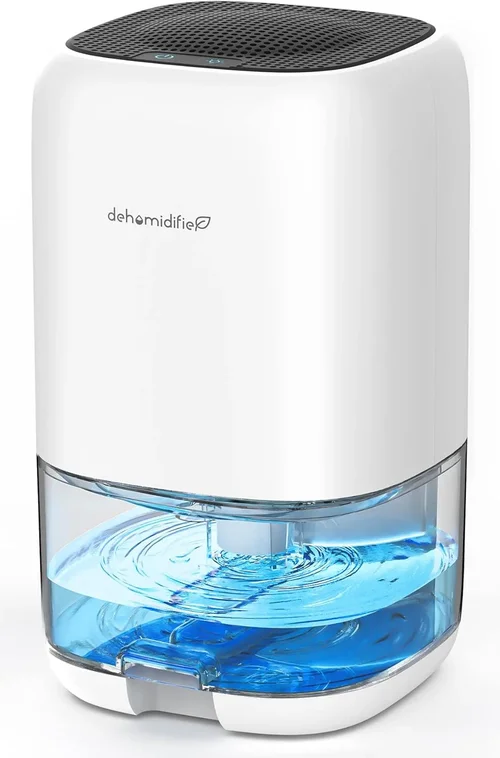
❌ Mistake: Buying Based Solely on Price
Why it’s bad: The cheapest dehumidifier often lacks essential features like a humidistat, auto-shutoff, or efficient compressor. It may also have a short lifespan, leading to higher long-term costs due to replacements or increased energy bills.
What to do instead: Focus on value, not just upfront cost. A mid-range model with ENERGY STAR certification and a solid warranty often delivers better performance and savings over time.
❌ Mistake: Ignoring Room Size and Humidity Level
Why it’s bad: A dehumidifier sized for a 500 sq. ft. room will struggle in a 1,200 sq. ft. basement with standing water. Conversely, an oversized unit may short-cycle, reducing efficiency and lifespan.
What to do instead: Measure your room and assess moisture severity. Use manufacturer sizing charts and consider upgrading one capacity level if your space is particularly damp.
❌ Mistake: Overlooking Drainage Needs
Why it’s bad: If you forget to empty a full tank, the unit shuts off—and moisture builds up again. In high-humidity areas, this can happen multiple times a day.
What to do instead: Choose a model with continuous drainage or a large tank (1.5+ gallons). If using a hose, ensure you have access to a nearby drain or sump pump.
❌ Mistake: Neglecting Noise Levels
Why it’s bad: A loud dehumidifier can disrupt sleep, work, or relaxation—especially in bedrooms or open-plan living areas.
What to do instead: Check decibel ratings and read user reviews about noise. Opt for models under 50 dB for quiet environments.
❌ Mistake: Skipping the Warranty Check
Why it’s bad: Dehumidifiers contain complex components like compressors that can fail. Without a good warranty, repair costs can exceed the unit’s value.
What to do instead: Choose brands offering at least a 1-year warranty, with extended coverage on major parts. Register your product promptly.
❌ Mistake: Assuming All “Smart” Features Are Useful
Why it’s bad: Wi-Fi and app controls sound great, but if the app is buggy or the connection unreliable, they become frustrating rather than helpful.
What to do instead: Prioritize core functionality first. Only invest in smart features if you’ll actually use them and the brand has a track record of reliable tech integration.
❌ Mistake: Not Considering Long-Term Operating Costs
Why it’s bad: A cheap, inefficient dehumidifier can cost more in electricity over a year than a pricier, ENERGY STAR model.
What to do instead: Calculate estimated monthly energy use using the wattage and local electricity rates. Factor this into your total cost of ownership.
Budget Guidelines: How Much Should You Spend?
Dehumidifiers span a wide price range, and your budget should align with your needs, room size, and how often you’ll use the unit. Here’s a breakdown of what to expect at each tier:
Entry-Level ($50–$150): These are typically mini or thermo-electric models best suited for small, low-humidity spaces like closets, RVs, or bathrooms under 200 sq. ft. They’re affordable and quiet but remove minimal moisture (usually 5–15 pints/day). Ideal for occasional use or as a secondary unit. Expect basic controls, small tanks, and limited durability.
Mid-Range ($150–$300): This is the sweet spot for most homeowners. These compressor-based dehumidifiers handle 20–50 PPD and cover 500–1,500 sq. ft. They often include humidistats, auto-shutoff, timers, and decent tank sizes. Many are ENERGY STAR certified and offer good build quality. Perfect for bedrooms, living rooms, and moderately damp basements.
Premium ($300–$500): Designed for high-moisture environments or larger spaces, these units offer 50+ PPD capacity, advanced features like Wi-Fi, continuous drainage, and superior noise reduction. They’re built with durable materials and often come with longer warranties. Ideal for chronic dampness, flood-prone areas, or users who want minimal maintenance.
Luxury ($500+): These include whole-house systems and commercial-grade portable units. They integrate with HVAC systems, offer professional installation, and provide centralized humidity control for entire homes. Best for large properties, allergy sufferers, or those in extremely humid climates. Expect top-tier efficiency, smart home integration, and robust customer support.
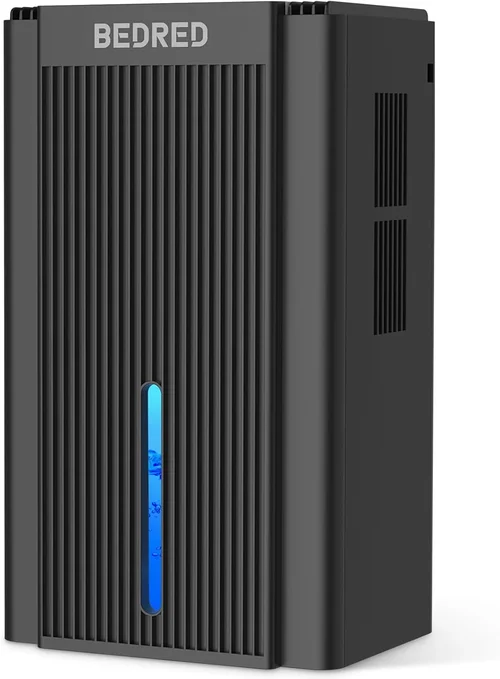
Expert Tips for Getting the Best Deal
- Buy During Off-Season: Dehumidifiers are in highest demand during summer. Shop in late fall or winter (October–February) for discounts, clearance sales, and bundle deals.
- Compare Retailers: Check prices at Amazon, Home Depot, Lowe’s, and specialty appliance stores. Online retailers often have better return policies and customer reviews.
- Look for Rebates: Some utility companies offer rebates for ENERGY STAR appliances. Visit your provider’s website or the ENERGY STAR rebate finder tool.
- Read Return Policies: Ensure the seller allows returns within 30 days, especially if you’re buying online. Test the unit immediately to check for defects or performance issues.
- Check for Open-Box or Refurbished Units: Reputable sellers like Best Buy or manufacturer-certified refurbished programs offer significant savings with full warranties.
- Bundle with Other Appliances: Some retailers offer discounts when you buy a dehumidifier with an air purifier, humidifier, or HVAC service.
- Monitor Price Drops: Use tools like Honey or CamelCamelCamel to track price history and get alerts when your desired model goes on sale.
- Verify Installation Requirements: Whole-house units may need professional installation. Factor in labor costs before purchasing.

Frequently Asked Questions
Q: How do I know if I need a dehumidifier?
A: Signs include persistent musty odors, condensation on windows, peeling paint or wallpaper, mold growth, or a clammy feeling in the air. You can also use a hygrometer to measure humidity—if it’s consistently above 60%, a dehumidifier is recommended.
Q: Can a dehumidifier help with allergies?
A: Yes. By reducing moisture, dehumidifiers inhibit mold, dust mites, and mildew—common allergens. Pair it with an air purifier for maximum relief.
Q: Should I run my dehumidifier continuously?
A: Not necessarily. Most models have auto modes that cycle on and off to maintain your set humidity level. Continuous operation is only needed in extremely wet conditions or if using continuous drainage.
Q: Where should I place my dehumidifier?
A: In the center of the room or near the source of moisture (e.g., basement corner). Keep it at least 6–12 inches away from walls for proper airflow. Avoid placing it near heat sources or in direct sunlight.
Q: How often should I clean my dehumidifier?
A: Clean the water tank weekly with mild soap and water. Wipe the air filter monthly and replace it as recommended (usually every 3–6 months). Clean the coils annually to maintain efficiency.
Q: Can I use a dehumidifier in winter?
A: Compressor models lose efficiency below 60°F. Desiccant dehumidifiers work better in cold temperatures and are ideal for garages or unheated spaces.
Q: Will a dehumidifier lower my heating bill?
A: Indirectly, yes. Dry air feels warmer, so you may be able to lower your thermostat slightly without sacrificing comfort.
Q: Are dehumidifiers safe to leave unattended?
A: Yes, as long as the unit has auto-shutoff, tip-over protection, and is placed on a stable surface. Always follow the manufacturer’s safety guidelines.
Q: Can I use extension cords?
A: Avoid them if possible. Dehumidifiers draw significant power, and extension cords can overheat. Plug directly into a grounded outlet.
Q: What’s the ideal indoor humidity level?
A: Between 30% and 50%. Below 30% can cause dry skin and respiratory irritation; above 50% promotes mold and dust mites.
Our Final Recommendations
Best for Budget-Conscious Buyers: hOmeLabs 30 Pint Dehumidifier – At under $200, it offers excellent capacity for medium rooms, a 1.8-gallon tank, and ENERGY STAR efficiency. Great value for the price.
Best Overall Value: Frigidaire FFAD7033R1 70 Pint Dehumidifier – Reliable, quiet, and powerful, this model handles large spaces with ease. Includes a washable filter, continuous drain option, and a 1-year warranty.
Best Premium Option: AprilAire E080 Pro 80 Pint Dehumidifier – Built for serious moisture problems, it features a corrosion-resistant coil, smart controls, and a 5-year warranty. Ideal for basements and high-humidity homes.
Best for Beginners: GE APER50LZ 50 Pint Dehumidifier – Simple controls, clear display, and reliable performance make this a great first dehumidifier. Easy to set up and maintain.
Best for Advanced Users: Midea MAD50C1ZWS 50 Pint Smart Dehumidifier – Wi-Fi enabled, Alexa-compatible, and packed with features like auto-defrost and remote monitoring. Perfect for tech-savvy homeowners.
Conclusion: Making the Right Choice
Choosing the best dehumidifier for your room isn’t just about picking the most powerful or cheapest model—it’s about matching the right combination of capacity, efficiency, features, and build quality to your specific environment and lifestyle. By considering factors like room size, humidity level, noise tolerance, and long-term operating costs, you can avoid common pitfalls and invest in a unit that delivers lasting comfort and protection.
Remember, a dehumidifier is more than an appliance; it’s a tool for healthier living. It safeguards your home from mold and structural damage, improves indoor air quality, and creates a more comfortable atmosphere year-round. Whether you’re dealing with a damp basement, a humid bedroom, or seasonal moisture spikes, the right dehumidifier makes all the difference.
Take the time to assess your needs, compare options, and prioritize what matters most to you. Use this guide as your roadmap, and don’t hesitate to consult user reviews or ask retailers for advice. With the knowledge you’ve gained here, you’re well-equipped to make a confident, informed decision. Your home—and your health—will thank you.