
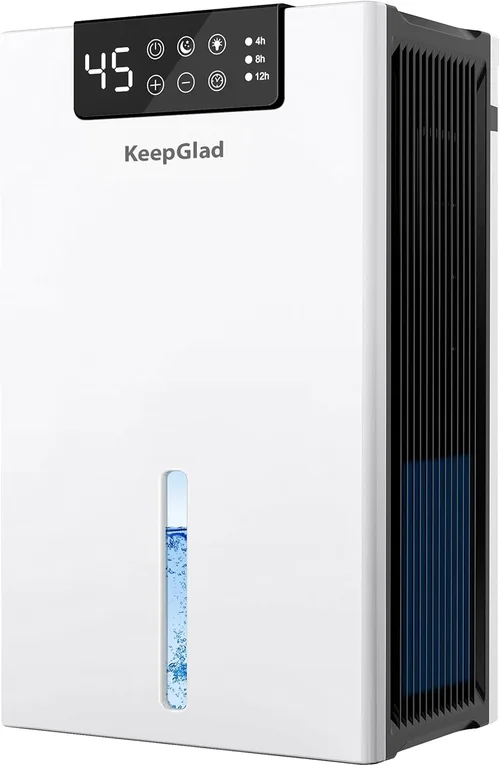
When it comes to maintaining a healthy, comfortable home environment, few appliances are as quietly essential as the dehumidifier. Whether you’re battling musty odors in your basement, preventing mold growth in your bathroom, or simply trying to improve indoor air quality during humid summer months, proper dehumidifier placement can make the difference between effective moisture control and wasted energy. Yet, despite its importance, many homeowners place their dehumidifiers in the wrong location—leading to inefficient operation, higher utility bills, and even damage to the unit or surrounding areas.
This comprehensive guide is designed to help you master the art and science of dehumidifier placement in 2026. We’ll walk you through the key factors that influence where—and how—you should position your dehumidifier for maximum effectiveness. From understanding humidity patterns in different rooms to evaluating airflow dynamics and unit specifications, we’ll cover everything you need to know to get the most out of your investment. Whether you’re dealing with a small apartment, a sprawling multi-story home, or a damp crawl space, this guide will equip you with expert-level insights to optimize performance, extend the lifespan of your unit, and create a healthier living space.
The dehumidifier market has evolved significantly over the past few years, with advancements in smart technology, energy efficiency, and compact design. Today’s models range from basic 30-pint units ideal for small spaces to high-capacity 70-pint machines capable of handling large basements or whole-house applications. With options from trusted brands like Frigidaire, hOmeLabs, GE, and AprilAire, consumers have more choices than ever. However, even the best dehumidifier can underperform if it’s placed incorrectly. That’s why understanding placement strategy is just as important as selecting the right model. In this guide, we’ll not only help you choose wisely but also ensure you use your dehumidifier to its full potential.
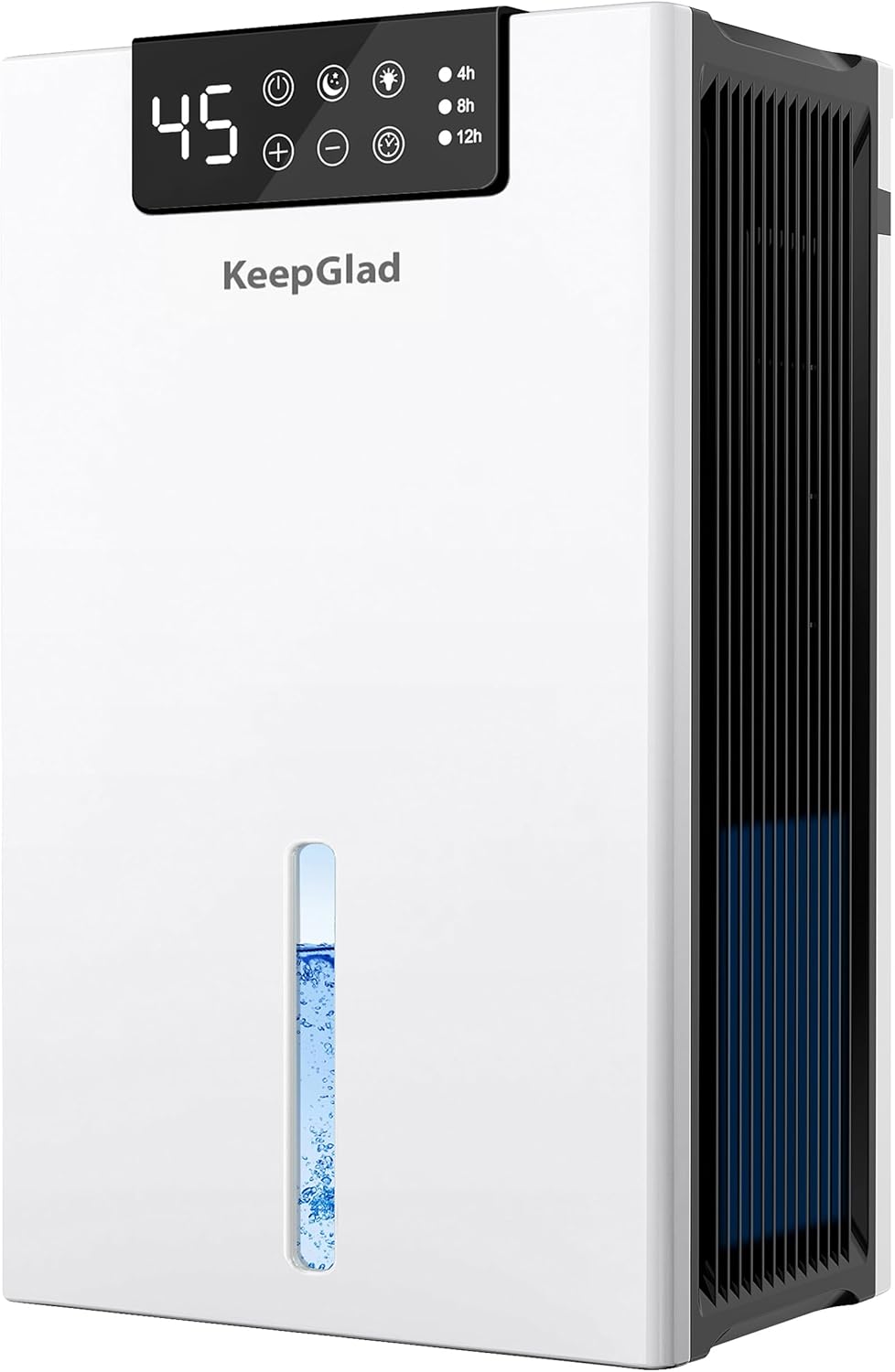
What to Look for When Buying Buying Guide
1. Budget & Price Range
Your budget plays a crucial role in determining not only which dehumidifier you can afford but also where it will be most effective. Entry-level models typically range from $100 to $200 and are best suited for small spaces like closets, bathrooms, or single rooms under 500 square feet. These units often lack advanced features like auto-humidistats, continuous drainage, or Wi-Fi connectivity, but they can still provide adequate moisture removal in targeted areas. Mid-range dehumidifiers ($200–$400) offer better build quality, larger water tanks, and improved energy efficiency, making them ideal for basements, garages, or larger living spaces. Premium models ($400–$700) often include smart controls, quiet operation, and whole-house integration capabilities, while luxury units ($700+) may feature industrial-grade components, ultra-quiet operation, and advanced filtration systems.
When setting your budget, consider not just the upfront cost but also long-term expenses such as energy consumption, maintenance, and replacement parts. A cheaper unit may seem appealing initially, but if it consumes more electricity or requires frequent repairs, it could cost you more over time. Additionally, investing in a slightly more expensive model with better placement flexibility—such as one with a built-in pump for continuous drainage—can save you from the hassle of emptying water buckets daily, especially in hard-to-reach areas like crawl spaces or finished basements.
2. Performance Specifications
Performance specs are the backbone of any dehumidifier’s effectiveness, and they directly influence where and how you should place the unit. The most critical specification is the pint capacity, which indicates how much moisture the dehumidifier can remove in 24 hours. For example, a 30-pint unit is suitable for moderately damp spaces up to 1,500 square feet, while a 50-pint model is better for very damp areas or larger square footage. A 70-pint dehumidifier is typically reserved for extremely wet environments like flooded basements or commercial settings.
Another key metric is the coverage area, usually listed in square feet. However, this number can be misleading if not considered alongside humidity levels. A “50-pint, 2,000 sq ft” dehumidifier may perform well in a mildly damp basement but struggle in a high-humidity crawl space with poor ventilation. Always cross-reference the manufacturer’s humidity rating (e.g., “removes 50 pints at 60% relative humidity”) with your home’s actual conditions. Additionally, check the unit’s airflow rate (measured in CFM—cubic feet per minute), as higher airflow improves circulation and speeds up moisture removal.
Energy efficiency is also a major performance factor. Look for models with low wattage relative to their pint output. For instance, a 50-pint dehumidifier that uses 500 watts is more efficient than one that uses 700 watts for the same output. This not only reduces operating costs but also minimizes heat generation, which can affect placement in enclosed spaces.
3. Build Quality & Durability
The build quality of a dehumidifier determines how well it will withstand the conditions of its intended location. Units placed in basements, garages, or crawl spaces are exposed to dust, temperature fluctuations, and potential water exposure, so they need robust construction. Look for models with sealed components, corrosion-resistant coils, and durable plastic or metal casings. Avoid units with flimsy handles, weak casters, or thin plastic that may crack under stress.
Internal components matter just as much. High-quality compressors, evaporators, and fans contribute to longer lifespan and consistent performance. Some premium models feature all-aluminum coils, which resist rust better than copper-aluminum hybrids. Additionally, check for features like automatic shut-off when the water tank is full, freeze protection in cold environments, and overheating sensors. These safety mechanisms not only protect the unit but also prevent potential hazards in unattended areas.
Durability also extends to portability. If you plan to move the dehumidifier between rooms or floors, ensure it has sturdy wheels, a comfortable handle, and a balanced design. A well-built unit should feel solid and stable, not top-heavy or wobbly. For permanent installations, such as in a basement with a drain line, consider models with mounting brackets or compact footprints that fit snugly in corners or under stairs.
4. Features & Functionality
Modern dehumidifiers come with a range of features that enhance usability and placement flexibility. One of the most important is the humidistat, which allows you to set a target humidity level (typically between 30% and 80%). The unit will then cycle on and off automatically to maintain that level, preventing over-drying or under-dehumidification. This is especially useful in basements or bedrooms where consistent humidity control is key.
Continuous drainage is another game-changer for placement. Units with a built-in pump or gravity drain hose can empty water directly into a floor drain, sink, or sump pump, eliminating the need to manually empty a tank. This is ideal for areas where you can’t check the unit daily, such as a crawl space or unattended basement. Some models even include a hose connection and pump kit in the box, while others require separate purchases.
Smart features are increasingly common in 2026 models. Wi-Fi connectivity allows you to monitor and control the dehumidifier via a smartphone app, receive alerts when the tank is full, or adjust settings remotely. This is particularly helpful if the unit is placed in an inaccessible location. Other useful features include programmable timers, auto-restart after power outages, and quiet operation modes (under 50 decibels) for use in living areas or bedrooms.
Air filtration is another consideration. Many dehumidifiers include washable or replaceable air filters that capture dust, allergens, and mold spores. If you’re placing the unit in a dusty garage or allergy-prone bedroom, a high-efficiency filter can significantly improve air quality. Some models even include UV-C lights or ionizers for added purification, though these may increase energy use.
5. Brand Reputation
Choosing a reputable brand ensures reliability, customer support, and access to replacement parts. Established manufacturers like Frigidaire, hOmeLabs, GE, and AprilAire have a track record of producing durable, high-performing dehumidifiers with strong warranties and responsive service teams. These brands often invest in R&D to improve efficiency, reduce noise, and enhance user experience.
When evaluating brands, consider their specialization. For example, AprilAire focuses on whole-house and basement dehumidifiers with professional-grade performance, while hOmeLabs offers sleek, compact models ideal for apartments and small homes. Frigidaire is known for balancing affordability and functionality, making it a popular choice for mid-range buyers. Reading user reviews on trusted platforms like Amazon, Home Depot, or Consumer Reports can provide real-world insights into reliability and customer satisfaction.
Brand reputation also affects long-term value. A well-known brand is more likely to honor warranties, provide firmware updates for smart models, and offer extended service plans. Avoid unknown or generic brands that may disappear from the market, leaving you without support or spare parts. While they may offer lower prices, the risk of premature failure or poor customer service often outweighs the savings.
6. Warranty & Support
A solid warranty is a strong indicator of a manufacturer’s confidence in their product. Most dehumidifiers come with a 1- to 2-year limited warranty, covering defects in materials and workmanship. Premium models may offer 3- to 5-year coverage, especially on key components like the compressor. Always read the fine print: some warranties exclude damage from improper use, lack of maintenance, or placement in unsuitable environments (e.g., outdoor use).
Customer support is just as important. Look for brands with accessible service centers, online troubleshooting guides, and responsive phone or chat support. Some companies offer extended warranties or protection plans for an additional fee, which can be worthwhile if you’re placing the unit in a high-risk area like a flood-prone basement. Additionally, check if the manufacturer provides replacement filters, hoses, or pumps—these consumables can add up over time.
For smart dehumidifiers, software support matters too. Ensure the brand provides regular app updates, cloud connectivity, and compatibility with voice assistants like Alexa or Google Assistant. A unit with outdated firmware may lose functionality or become incompatible with newer smart home systems.
7. Size & Portability
The physical dimensions and weight of a dehumidifier affect where it can be placed and how easily it can be moved. Compact models (under 30 pounds) are ideal for small spaces like bathrooms, closets, or RVs, while larger units (50+ pounds) are better suited for stationary use in basements or garages. Consider the unit’s height, width, and depth, especially if you plan to place it under a shelf, in a corner, or near furniture.
Portability features include wheels, handles, and cord length. Swivel casters make it easy to roll the unit across carpet or concrete, while a telescoping handle improves maneuverability. A long power cord (at least 6 feet) reduces the need for extension cords, which can be a tripping hazard or fire risk. Some models include cord wraps for neat storage.
If you plan to move the dehumidifier seasonally—for example, from the basement in summer to the bedroom in winter—choose a model with balanced weight distribution and ergonomic design. Avoid units that are too tall or narrow, as they may tip over when moved. For permanent installations, ensure the unit fits comfortably in the intended space with at least 6–12 inches of clearance on all sides for proper airflow.
8. User Reviews & Ratings
User reviews provide invaluable real-world feedback that specs and marketing materials can’t match. Look for patterns in customer feedback: if multiple users report the same issue—such as loud operation, frequent tank overflows, or poor performance in cold temperatures—it’s likely a genuine flaw. Conversely, consistent praise for quiet operation, easy maintenance, or effective moisture removal can signal a reliable product.
Pay attention to reviews that mention placement. Some users may note that a unit works well in a basement but struggles in a bathroom due to poor airflow. Others might highlight the importance of using a drain hose or placing the unit away from walls. These insights can help you avoid common pitfalls and optimize your setup.
Ratings on platforms like Amazon, Best Buy, or the manufacturer’s website should be taken with a grain of salt—some reviews may be biased or incentivized. Focus on detailed, verified purchase reviews that include photos, usage scenarios, and long-term experiences. A 4.5-star average with hundreds of reviews is generally more trustworthy than a 5-star rating with only a handful of comments.
Different Types of Buying Guide

Common Buying Mistakes to Avoid
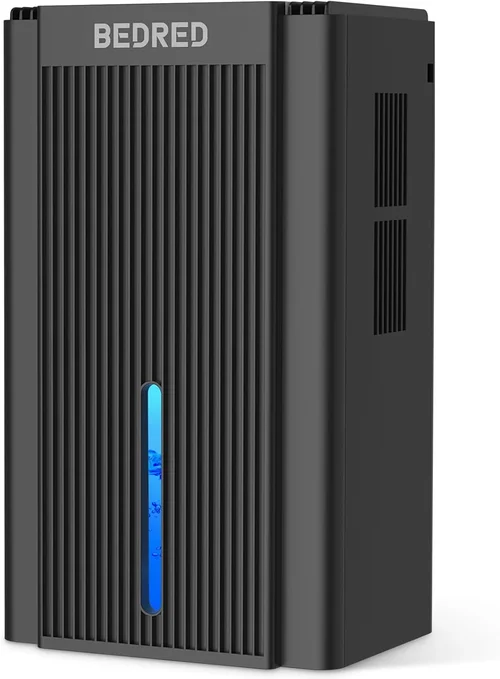
❌ Mistake: Placing the Dehumidifier in a Corner or Against a Wall
Why it’s bad: Dehumidifiers rely on airflow to draw in moist air, cool it to remove moisture, and expel dry air. When placed too close to walls or in tight corners, airflow is restricted, reducing efficiency by up to 30%. The unit may overheat, cycle more frequently, or fail to lower humidity levels effectively.
What to do instead: Position the dehumidifier at least 6–12 inches away from walls, furniture, or obstructions. Ensure both the intake and exhaust vents have clear space. For best results, place it in an open area where air can circulate freely, such as the center of a room or near a doorway.
❌ Mistake: Ignoring the Water Tank Capacity
Why it’s bad: If the water tank fills up too quickly, the dehumidifier will shut off automatically, halting moisture removal. In high-humidity areas like basements, a small tank may need emptying multiple times a day, which is impractical and frustrating.
What to do instead: Choose a unit with a large tank (2+ gallons) or one that supports continuous drainage via a hose. If using a hose, ensure it’s routed to a floor drain, sump pump, or outside. For unattended areas, a built-in pump is ideal.
❌ Mistake: Using the Wrong Size for the Space
Why it’s bad: An undersized dehumidifier will run constantly without achieving the desired humidity level, leading to high energy bills and premature wear. An oversized unit may cycle on and off too frequently, reducing efficiency and failing to remove moisture evenly.
What to do instead: Match the pint capacity to your space’s square footage and humidity level. Use a hygrometer to measure current humidity, then consult the manufacturer’s sizing chart. When in doubt, opt for a slightly larger unit with adjustable settings.
❌ Mistake: Placing It in a Cold or Unheated Space Without Cold-Weather Operation
Why it’s bad: Most standard dehumidifiers shut down or become inefficient below 65°F (18°C) because the coils freeze. In unheated basements or garages, this can render the unit useless during winter months.
What to do instead: Choose a dehumidifier with “cold-weather operation” or “low-temperature mode” that functions down to 41°F (5°C). These models use specialized compressors and defrost cycles to maintain performance in chilly environments.
❌ Mistake: Neglecting Air Circulation and Ventilation
Why it’s bad: Dehumidifiers work best when air can move freely through the space. In stagnant areas like closets or sealed basements, moisture lingers, and the unit struggles to keep up.
What to do instead: Use fans to improve air circulation, especially in large or enclosed spaces. Open interior doors to allow air to flow between rooms. In basements, consider installing vents or exhaust fans to enhance ventilation.
❌ Mistake: Forgetting to Clean or Maintain the Unit
Why it’s bad: Dust, mold, and debris can clog filters and coils, reducing efficiency and potentially causing odors or mechanical failure. A dirty unit may also blow contaminated air back into the room.
What to do instead: Clean the air filter monthly with warm, soapy water. Wipe down the exterior and check the water tank for mold. Inspect coils annually and vacuum any buildup. Follow the manufacturer’s maintenance schedule.
❌ Mistake: Placing It Near Heat Sources or Direct Sunlight
Why it’s bad: Heat sources like radiators, space heaters, or direct sunlight can raise the ambient temperature, causing the dehumidifier to work harder and consume more energy. It may also trigger overheating protection and shut down.
What to do instead: Keep the unit away from heaters, ovens, windows, or vents. Place it in a cooler, shaded area where it can operate efficiently without interference from external heat.
Budget Guidelines: How Much Should You Spend?
Entry-Level ($100 – $200): Ideal for small spaces like bathrooms, closets, or single rooms under 500 square feet. These models typically have 20–30 pint capacity, basic controls, and manual drainage. Expect shorter lifespans and higher energy use, but they’re a cost-effective solution for mild humidity issues. Look for ENERGY STAR certification to maximize efficiency.
Mid-Range ($200 – $400): The sweet spot for most homeowners. These dehumidifiers offer 30–50 pint capacity, larger tanks, auto-humidistats, and quieter operation. Many include continuous drainage options and better build quality. Perfect for basements, garages, or medium-sized living areas. This range balances performance, features, and affordability.
Premium ($400 – $700): Designed for high-humidity environments and larger spaces. Features include smart controls, built-in pumps, cold-weather operation, and advanced filtration. Ideal for finished basements, whole-house use, or allergy sufferers. These models offer the best long-term value with lower operating costs and enhanced durability.
Luxury ($700+): Top-tier units with industrial-grade components, ultra-quiet operation, and seamless integration with smart home systems. Often used in commercial settings, large homes, or areas with severe moisture problems. Includes features like remote monitoring, self-diagnostics, and extended warranties. Best for those who prioritize performance, convenience, and peace of mind.
Expert Tips for Getting the Best Deal
- Buy During Off-Season: Dehumidifiers are in highest demand during summer. Purchase in fall or winter (September–February) for discounts of 20–30%. Retailers often clear inventory to make room for air conditioners.
- Shop Online for Better Selection: Online retailers like Amazon, Home Depot, and Lowe’s offer wider selections, customer reviews, and frequent promotions. Use price-tracking tools like Honey or CamelCamelCamel to catch deals.
- Check for Rebates and Incentives: Some utility companies offer rebates for ENERGY STAR-certified dehumidifiers. Check your local provider’s website for available programs.
- Consider Refurbished or Open-Box Models: Certified refurbished units from reputable sellers often come with warranties and can save you 25–40%. Ensure they’re inspected and tested.
- Read the Return Policy: Choose retailers with flexible return windows (30+ days) in case the unit doesn’t meet your needs. Avoid stores with restocking fees.
- Test Before Committing: If buying in-store, inspect the unit for build quality, noise level, and ease of use. Check the weight, handle, and wheel functionality.
- Bundle with Accessories: Some retailers offer free drain hoses, filters, or extension cords with purchase. These can add significant value.
- Negotiate Extended Warranties: Ask if the store offers discounted extended warranties or protection plans. Sometimes they’re cheaper than buying separately.

Frequently Asked Questions
Q: Where is the best place to put a dehumidifier in a house?
A: The best location depends on your home’s humidity patterns. For most homes, the basement is the ideal spot due to higher moisture levels. Place it in the center or near the source of dampness, away from walls, with good airflow. In multi-story homes, consider placing units on each level or using a whole-house system.
Q: Can I put a dehumidifier in a closet?
A: Yes, but only if the closet is well-ventilated and the unit has adequate airflow. Use a compact model with a small tank or continuous drainage. Avoid sealing the closet completely, as this traps moisture and reduces efficiency.
Q: Should a dehumidifier be on the floor or elevated?
A: It should be placed on a flat, stable surface at floor level. Elevating it can restrict airflow and make it harder to empty the tank. Ensure the floor is water-resistant in case of leaks.
Q: How far should a dehumidifier be from the wall?
A: At least 6–12 inches from any wall, furniture, or obstruction. This ensures proper airflow through the intake and exhaust vents.
Q: Can I run a dehumidifier 24/7?
A: Yes, especially in high-humidity areas. Modern units are designed for continuous operation. Use a humidistat to automate cycling and save energy.
Q: Do dehumidifiers use a lot of electricity?
A: It depends on the model and usage. A 50-pint unit may use 500–700 watts. ENERGY STAR models are more efficient. Running it 8–12 hours daily typically costs $10–$25 per month.
Q: Can I use one dehumidifier for the whole house?
A: It’s possible in smaller homes with open floor plans, but effectiveness decreases with distance. For best results, use multiple units or a whole-house dehumidifier integrated with your HVAC system.
Q: What humidity level should I set my dehumidifier to?
A: Aim for 30–50% relative humidity. Below 30% can cause dry skin and static; above 50% promotes mold and dust mites. Use a hygrometer to monitor levels.
Q: How often should I clean my dehumidifier?
A: Clean the air filter monthly and the water tank every 1–2 weeks. Deep clean coils and interior annually or as needed.
Q: Can a dehumidifier help with mold?
A: Yes, by reducing moisture, it prevents mold growth. However, existing mold should be cleaned professionally. Use the dehumidifier as a preventive measure.
Our Final Recommendations
Best for Budget-Conscious Buyers: hOmeLabs 30-Pint Dehumidifier – Affordable, reliable, and efficient for small to medium spaces. Includes auto-humidistat and continuous drainage option.
Best Overall Value: Frigidaire 50-Pint Dehumidifier – Excellent balance of performance, features, and price. Ideal for basements and large rooms. ENERGY STAR certified.
Best Premium Option: AprilAire E070 Whole-House Dehumidifier – Professional-grade performance with smart controls and HVAC integration. Perfect for large homes or severe humidity issues.
Best for Beginners: GE 30-Pint Dehumidifier – Simple controls, quiet operation, and easy maintenance. Great for first-time users or small spaces.
Best for Advanced Users: EcoDry Smart 70-Pint Dehumidifier – Wi-Fi enabled, app-controlled, with built-in pump and cold-weather operation. Ideal for tech-savvy homeowners with complex needs.
Conclusion: Making the Right Choice
Choosing the right dehumidifier is only half the battle—placing it correctly is what ensures long-term effectiveness and value. From understanding your home’s humidity patterns to selecting the right size, features, and location, every decision impacts performance. Whether you’re tackling a damp basement, protecting your belongings in a closet, or improving air quality in your living room, strategic placement maximizes results while minimizing effort and cost.
Remember, the best dehumidifier is one that fits your space, meets your needs, and operates efficiently in its intended location. Don’t rush the decision. Take time to assess your home, read reviews, and consider long-term costs. With the insights from this guide, you’re equipped to make a smart, informed choice that enhances comfort, protects your property, and promotes a healthier indoor environment.
Now that you know where to place your dehumidifier for optimal performance, take action. Measure your space, check humidity levels, and invest in a unit that delivers results. Your home—and your peace of mind—will thank you.