
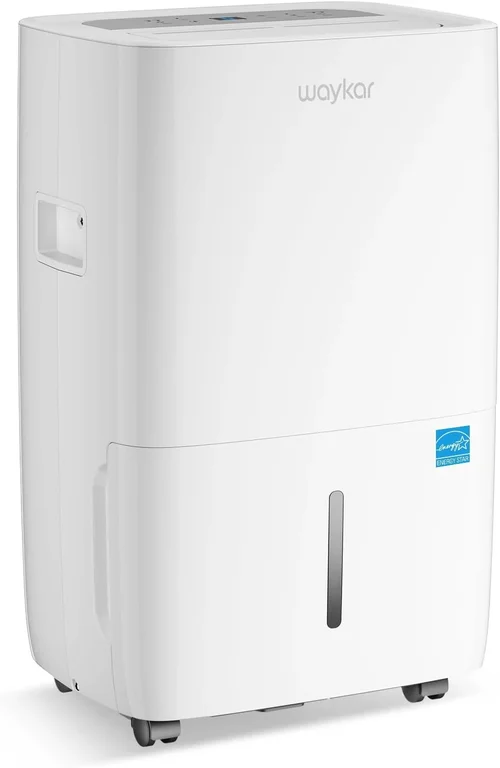
Basements are notorious for high humidity. Whether it’s that musty smell that hits you the moment you open the door, warped wood, peeling paint, or even mold creeping along the corners of your foundation walls, excess moisture is a silent but serious problem. Left unchecked, it can damage your home’s structure, ruin stored belongings, and even impact your family’s health. That’s where a dehumidifier comes in—but simply buying one isn’t enough. Where you place it in your basement can make the difference between effective moisture control and wasted energy, poor performance, and ongoing dampness.
This guide is designed to help you make the smartest, most informed decision about dehumidifier placement in your basement. Whether you’re dealing with a small, finished rec room or a sprawling, unfinished utility space, understanding the nuances of airflow, humidity sources, and unit capabilities is essential. We’ll walk you through the key factors to consider, common mistakes to avoid, and expert-backed strategies to ensure your dehumidifier works efficiently and effectively. By the end, you’ll know exactly where to position your unit—and why that location matters more than you might think.
The market today offers a wide range of dehumidifiers, from compact 30-pint units perfect for small spaces to heavy-duty 70-pint models built for large, wet basements. With advancements in smart controls, energy efficiency, and noise reduction, there’s never been a better time to invest in moisture control. But with so many options and variables, it’s easy to get overwhelmed. This guide cuts through the noise, offering practical, real-world advice based on HVAC principles, user experiences, and professional recommendations. Let’s get your basement dry, healthy, and comfortable—starting with where to place your dehumidifier.

What to Look for When Buying Buying Guide
1. Budget & Price Range
Your budget is one of the most important starting points when choosing a dehumidifier. Prices can range from under $100 for basic models to over $500 for high-capacity, feature-rich units. While it’s tempting to go for the cheapest option, remember that a dehumidifier is a long-term investment in your home’s health and comfort. A low-cost unit may save you money upfront but could cost more in energy bills, frequent repairs, or premature replacement.
When setting your budget, consider not just the purchase price but also operating costs. Look for models with the ENERGY STAR label, which indicates they meet strict efficiency guidelines set by the U.S. Environmental Protection Agency. These units use up to 15% less energy than standard models, which can add up to significant savings over time. Also, factor in the cost of replacement filters, drainage accessories, and potential service calls.
For most homeowners, a mid-range dehumidifier priced between $200 and $350 offers the best balance of performance, durability, and features. These models typically have larger water tanks, better humidity sensors, and more reliable compressors. If your basement is particularly large or prone to flooding, you may need to invest in a premium unit, but avoid overspending on features you won’t use.
2. Performance Specifications
Performance specs tell you how well a dehumidifier can remove moisture from the air. The most critical metric is the pint capacity, which indicates how many pints of water the unit can extract in 24 hours under standard conditions (typically 60% relative humidity at 80°F). For basements, a 50-pint to 70-pint model is usually ideal, but the right size depends on your space and moisture level.
To determine the correct capacity, consider the square footage of your basement and the severity of the humidity problem. A small, dry basement (under 1,000 sq ft) may only need a 30-pint unit, while a large, damp space (over 1,500 sq ft) with standing water or frequent condensation may require a 70-pint or larger model. Some manufacturers provide sizing charts based on these factors—use them as a guide.
Other performance specs to check include the operating temperature range. Most dehumidifiers work best between 65°F and 80°F. If your basement gets colder—especially in winter—look for a model designed for low-temperature operation, often labeled as “cold climate” or “low-temp” units. These use special refrigerants and defrost systems to function efficiently in chilly environments.
3. Build Quality & Durability
A dehumidifier is a mechanical appliance with moving parts, so build quality directly impacts its lifespan and reliability. Look for units with sturdy cabinets made from thick, rust-resistant plastic or metal. Avoid flimsy construction or thin panels that can warp or crack over time. The compressor, fan, and coils should be well-sealed and protected from dust and moisture.
Pay attention to the internal components. High-quality compressors (like rotary or scroll types) are quieter and more efficient than older piston designs. Copper coils are preferable to aluminum because they resist corrosion better, especially in humid environments. Also, check if the unit has a protective coating on the coils—this can prevent rust and extend the unit’s life.
Durability also extends to the water collection system. A well-designed tank should be easy to remove and clean, with a secure lid to prevent spills. Some models include a float switch that automatically shuts off the unit when the tank is full, which is a crucial safety feature. For basements prone to flooding, consider a unit with a built-in pump or continuous drainage option to avoid frequent emptying.
4. Features & Functionality
Modern dehumidifiers come with a range of features that can improve convenience, efficiency, and performance. One of the most useful is a built-in humidistat, which allows you to set your desired humidity level (ideally between 30% and 50%). The unit will then cycle on and off automatically to maintain that level, saving energy and preventing over-drying.
Look for models with digital controls and LED displays, which make it easy to monitor settings and troubleshoot issues. Some units offer programmable timers, so you can set the dehumidifier to run only during certain hours—ideal if you want to reduce noise at night or save on electricity during peak rate times.
Other helpful features include auto-restart (which resumes operation after a power outage), washable filters (to reduce maintenance costs), and quiet operation (under 50 decibels). If you plan to move the unit around, check for built-in handles and caster wheels. For basements with limited drainage access, a built-in condensate pump can be a game-changer, allowing you to pump water vertically or over long distances to a sink or floor drain.
5. Brand Reputation
Not all dehumidifier brands are created equal. Some have a long history of reliability and customer satisfaction, while others may offer low prices but poor support or frequent breakdowns. Researching brand reputation can save you headaches down the road.
Established brands like Frigidaire, hOmeLabs, GE, and AprilAire are known for producing durable, high-performing units with strong customer support. They often have extensive service networks and readily available replacement parts. Reading customer reviews on trusted sites like Amazon, Home Depot, or Consumer Reports can give you insight into real-world performance and common issues.
Avoid unknown or generic brands, especially those sold exclusively through third-party online retailers. These units may look similar to name-brand models but often use lower-quality components and lack proper certifications. If a brand doesn’t provide clear contact information, warranty details, or product documentation, it’s a red flag.
6. Warranty & Support
A good warranty is a sign of a manufacturer’s confidence in their product. Most reputable dehumidifiers come with a one- to two-year limited warranty, covering parts and labor. Some premium models offer extended warranties of three to five years, especially on the compressor—the most critical and expensive component.
Read the warranty terms carefully. Some cover only manufacturing defects, while others include protection against normal wear and tear. Check if the warranty is voided by improper use, such as operating the unit in temperatures outside its rated range or failing to clean the filter regularly. Also, confirm whether the warranty is honored by local service centers or if you’ll need to ship the unit back for repairs.
Customer support matters too. Can you easily reach a technician by phone or chat? Are troubleshooting guides and user manuals available online? A brand with responsive support can make a big difference if you run into issues. Look for companies that offer live chat, email support, or a dedicated help line.
7. Size & Portability
Dehumidifiers come in various sizes, and choosing the right one for your basement involves balancing capacity with physical dimensions. A larger unit may remove more moisture, but if it’s too bulky, it might not fit in your desired location or be difficult to move.
Measure the space where you plan to place the dehumidifier, including clearance for airflow. Most units need at least 6 to 12 inches of space on all sides to allow proper air intake and exhaust. If you’re placing it in a corner or near a wall, ensure there’s enough room for ventilation.
Portability is important if you want to move the unit between rooms or store it during warmer months. Look for models with integrated handles and smooth-rolling casters. Some units are designed to be wall-mounted or placed on elevated platforms to improve airflow and reduce vibration. If you have a multi-level home, consider a lightweight model that’s easy to carry upstairs.
8. User Reviews & Ratings
User reviews provide valuable insights that specs and marketing materials can’t. They reveal how a dehumidifier performs in real homes, under real conditions. Look for patterns in feedback—consistent praise for quiet operation or complaints about frequent breakdowns can be telling.
Pay attention to reviews from users with similar basement setups. If you have a cold, unfinished basement, reviews from people in similar environments will be more relevant than those from users in warm, finished spaces. Also, check the date of the review—older reviews may not reflect current model improvements.
Use aggregate ratings wisely. A 4.5-star average with thousands of reviews is more reliable than a 5-star rating from just a few users. Be wary of overly positive or negative reviews that seem scripted or lack detail. Look for balanced feedback that discusses both pros and cons.
Different Types of Buying Guide

Common Buying Mistakes to Avoid
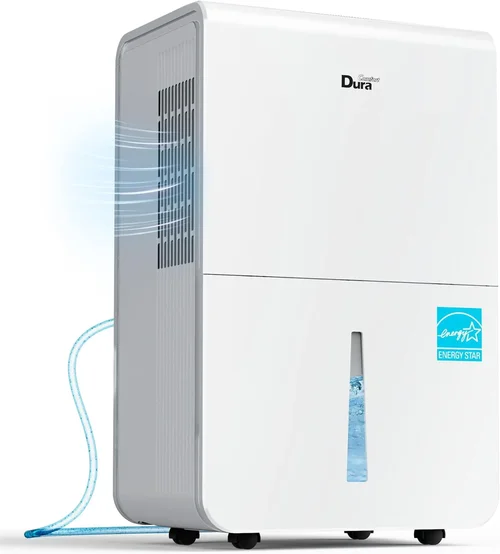
❌ Mistake: Placing the Dehumidifier in a Corner
Why it’s bad: Corners restrict airflow, which is essential for a dehumidifier to function properly. When air can’t circulate freely, the unit has to work harder to pull in moist air, reducing efficiency and increasing wear on the compressor. Over time, this can lead to higher energy bills and premature failure.
What to do instead: Position the dehumidifier at least 6 to 12 inches away from walls, furniture, or other obstructions. This allows for optimal air intake and exhaust. If space is limited, choose a model with 360-degree airflow or front-facing vents that can be directed away from walls.
❌ Mistake: Ignoring Drainage Options
Why it’s bad: A full water tank means the dehumidifier stops working. If you’re not home to empty it regularly, moisture will continue to build up, defeating the purpose of the unit. This is especially problematic in basements, where access may be limited.
What to do instead: Choose a model with continuous drainage capability. You can connect a hose to the drain port and route it to a floor drain, sump pump, or utility sink. For basements without drains, look for a unit with a built-in condensate pump that can push water vertically up to 15 feet. This eliminates the need for manual emptying.
❌ Mistake: Buying a Unit That’s Too Small
Why it’s bad: An undersized dehumidifier will run constantly, struggle to keep up with moisture levels, and wear out quickly. It may also fail to reach the desired humidity level, leaving your basement damp and uncomfortable.
What to do instead: Calculate your basement’s square footage and assess the moisture level. Use manufacturer sizing guides to select a unit with adequate capacity. When in doubt, go one size up—especially if your basement has poor ventilation, leaks, or high humidity sources like a washing machine or furnace.
❌ Mistake: Overlooking Noise Levels
Why it’s bad: Dehumidifiers can be noisy, especially older or low-quality models. If your basement is used as a living space, home office, or bedroom, constant humming or rattling can be disruptive and annoying.
What to do instead: Check the decibel (dB) rating before buying. Look for units rated below 50 dB for quiet operation. Features like insulated cabinets, vibration-dampening mounts, and variable-speed fans can reduce noise. Place the unit on a rubber mat or carpet to absorb vibrations.
❌ Mistake: Not Considering Airflow Patterns
Why it’s bad: Basements often have stagnant air, with moisture concentrated in certain areas. Placing the dehumidifier in a spot with poor airflow means it won’t effectively circulate and dry the entire space.
What to do instead: Use a fan to help distribute dry air throughout the basement. Position the dehumidifier near the center of the room or in an area with natural air movement, such as near a stairwell or HVAC vent. Avoid placing it behind large furniture or in enclosed spaces.
❌ Mistake: Skipping Regular Maintenance
Why it’s bad: Dust, mold, and mineral buildup can clog filters and coils, reducing efficiency and potentially causing the unit to overheat or fail. Neglecting maintenance also shortens the lifespan of the dehumidifier.
What to do instead: Clean the air filter every 2 to 4 weeks, depending on usage. Wipe down the water tank regularly to prevent mold growth. Check the coils for frost or dirt buildup, especially in cold or dusty environments. Follow the manufacturer’s maintenance schedule.
❌ Mistake: Ignoring Humidity Sources
Why it’s bad: A dehumidifier treats symptoms, not causes. If you have leaks, poor ventilation, or high indoor moisture sources (like a basement bathroom or laundry area), the unit will struggle to keep up, no matter where it’s placed.
What to do instead: Identify and address moisture sources first. Fix leaks, improve ventilation, and use exhaust fans in high-moisture areas. Consider installing a vapor barrier on concrete walls or floors. A dehumidifier works best as part of a comprehensive moisture control strategy.
Budget Guidelines: How Much Should You Spend?
Choosing the right dehumidifier isn’t just about picking the most expensive or feature-packed model—it’s about finding the best value for your specific needs and budget. Here’s a breakdown of what to expect at different price points:
Entry-Level ($100 – $200): These models are ideal for small, dry basements or occasional use. They typically have 30- to 50-pint capacities, basic controls, and manual drainage. While affordable, they may lack energy efficiency, quiet operation, or durability. Look for ENERGY STAR certification and a solid warranty to ensure longevity.
Mid-Range ($200 – $350): This is the sweet spot for most homeowners. Units in this range offer 50- to 70-pint capacities, digital controls, auto-humidistats, and often include continuous drainage options. They’re energy-efficient, reliable, and built to last. Brands like hOmeLabs, Frigidaire, and GE offer excellent models in this tier.
Premium ($350 – $500): Designed for large, damp basements or cold climates, these dehumidifiers feature advanced compressors, low-temperature operation, built-in pumps, and smart controls. They’re quieter, more efficient, and often come with extended warranties. Ideal for serious moisture problems or year-round use.
Luxury ($500+): These are whole-house or industrial-grade units, often integrated with HVAC systems. They offer maximum capacity, remote monitoring, and professional installation. Best for large homes, rental properties, or commercial use. Overkill for most residential basements but worth considering if you have extreme humidity issues.
Expert Tips for Getting the Best Deal
Buying a dehumidifier doesn’t have to break the bank. With the right strategy, you can get a high-quality unit at a great price. Here are some expert tips to help you save:
- Shop during off-seasons: Dehumidifiers are in highest demand during humid summer months. Prices tend to drop in fall and winter, making it the best time to buy. Look for end-of-season sales at home improvement stores.
- Compare retailers: Check prices at Home Depot, Lowe’s, Amazon, and specialty HVAC suppliers. Online retailers often have lower overhead and better deals, but in-store purchases allow you to inspect the unit and ask questions.
- Look for rebates and incentives: Some utility companies offer rebates for ENERGY STAR-certified dehumidifiers. Check your local provider’s website for current programs.
- Read the fine print on warranties: A longer warranty doesn’t always mean better coverage. Make sure it includes labor and parts, and understand what voids it.
- Test before you commit: If possible, run the dehumidifier for a few days to see how it performs. Check noise levels, drainage ease, and humidity control. Most retailers offer 30-day return policies.
- Buy accessories separately: Drain hoses, filters, and replacement parts are often cheaper when purchased individually rather than as part of a bundle.
- Consider refurbished models: Certified refurbished units from reputable brands can offer significant savings and often come with the same warranty as new models.

Frequently Asked Questions
Q: How do I know if my basement needs a dehumidifier?
A: Signs include a musty smell, visible mold or mildew, condensation on windows or walls, warped wood, or a damp feeling in the air. You can also use a hygrometer to measure humidity—levels above 60% indicate a problem.
Q: Can I run a dehumidifier all the time?
A: Yes, but it’s not necessary. Most units have auto-humidistats that cycle on and off to maintain your set humidity level. Running it continuously can increase energy use, so use a timer or smart settings if possible.
Q: Should I close the basement doors when running the dehumidifier?
A: It depends. Closing doors can help the unit focus on the basement, but if moisture is coming from upstairs, you may need to leave them open for better circulation. Use a fan to help distribute air.
Q: How often should I empty the water tank?
A: It depends on the humidity level and tank size. Most 50-pint units need emptying every 12 to 24 hours in high-humidity conditions. Use continuous drainage or a pump to avoid frequent manual emptying.
Q: Can a dehumidifier help with mold?
A: Yes, by reducing moisture, it prevents mold growth. However, it won’t remove existing mold. Clean visible mold with a bleach solution and fix the source of moisture.
Q: Is it safe to leave a dehumidifier on overnight?
A: Yes, as long as it’s in good condition and placed safely. Look for models with auto-shutoff, overheat protection, and stable designs to prevent tipping.
Q: Do dehumidifiers use a lot of electricity?
A: They use more than fans but less than air conditioners. ENERGY STAR models are the most efficient. A 50-pint unit typically uses 500–700 watts per hour.
Q: Can I use a dehumidifier in a crawl space?
A: Yes, but choose a compact, low-profile model designed for tight spaces. Ensure it has a pump or drainage hose to remove water.
Q: What’s the ideal humidity level for a basement?
A: Between 30% and 50%. Levels above 60% promote mold and mildew; below 30% can cause dryness and discomfort.
Q: Should I place the dehumidifier near a wall or in the center?
A: In the center if possible, to allow even airflow. If near a wall, leave at least 6 inches of clearance and avoid blocking the intake or exhaust vents.
Our Final Recommendations
Best for Budget-Conscious Buyers: hOmeLabs 50-Pint Dehumidifier – Offers excellent performance, quiet operation, and ENERGY STAR efficiency at an affordable price. Ideal for small to medium basements.
Best Overall Value: Frigidaire FFAD7033R1 70-Pint Dehumidifier – High capacity, built-in pump, and reliable performance. Perfect for large, damp basements with no floor drain.
Best Premium Option: AprilAire E080 Pro – Whole-house capability, professional-grade build, and seamless HVAC integration. Best for large homes with serious moisture issues.
Best for Beginners: GE APER50LZ 50-Pint Dehumidifier – User-friendly controls, compact design, and reliable performance. Great for first-time buyers.
Best for Advanced Users: AprilAire E130C – Smart controls, remote monitoring, and ultra-quiet operation. Ideal for tech-savvy homeowners who want precise humidity management.
Conclusion: Making the Right Choice
Choosing the right dehumidifier and placing it correctly in your basement is a crucial step toward a healthier, more comfortable home. It’s not just about buying a unit—it’s about understanding your space, your moisture sources, and how airflow and humidity interact. By considering factors like capacity, drainage, noise, and maintenance, you can select a model that meets your needs and lasts for years.
Remember, the best placement isn’t always the most obvious one. Avoid corners, ensure proper clearance, and think about how air moves through your basement. Use fans to help circulate dry air, and address underlying moisture issues to get the most out of your investment.
Whether you’re on a tight budget or ready to invest in a premium system, there’s a dehumidifier out there that’s right for you. Take the time to research, compare options, and read real user reviews. And when in doubt, consult a professional HVAC technician for personalized advice.
Your basement doesn’t have to be a damp, musty space. With the right dehumidifier in the right place, you can transform it into a dry, usable area that adds value and comfort to your home. Start today—your future self will thank you.