
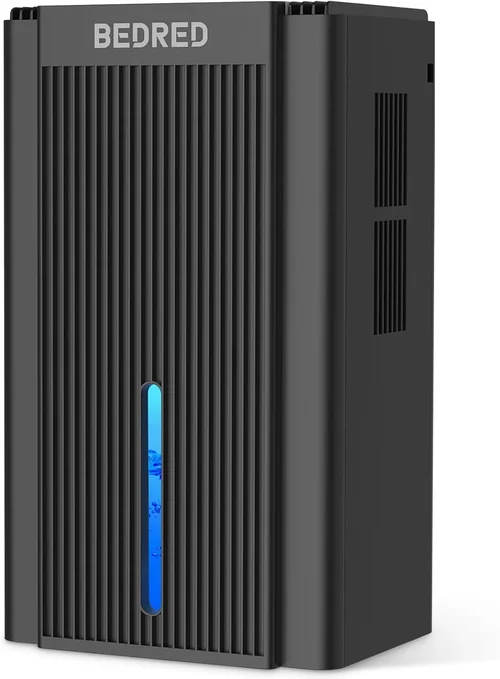
If you’ve ever woken up in the middle of the night feeling sticky, congested, or like you’re breathing through a damp towel, you’re not alone. Excess humidity in the bedroom isn’t just uncomfortable—it can seriously impact your sleep quality, health, and even the integrity of your home. Mold, dust mites, and musty odors thrive in moist environments, and over time, high humidity levels can lead to structural damage, respiratory issues, and worsening allergies. That’s where a dehumidifier comes in. But here’s the catch: simply buying a dehumidifier isn’t enough. Where you place it in your bedroom can make or break its effectiveness.
This guide is designed to help you make the most informed decision possible about dehumidifier placement in your bedroom. Whether you’re dealing with chronic dampness, seasonal humidity spikes, or just want to create a healthier sleeping environment, understanding optimal placement is critical. We’ll walk you through everything from airflow dynamics and room layout to noise considerations and safety concerns. You’ll learn how to assess your bedroom’s unique conditions, avoid common placement mistakes, and choose the right type of dehumidifier for your needs. By the end of this guide, you’ll have a clear, actionable plan to position your dehumidifier for maximum performance and comfort.
The market today offers a wide range of dehumidifiers—from compact, portable units ideal for small bedrooms to high-capacity models built for larger spaces or severe moisture problems. With advancements in smart technology, energy efficiency, and quiet operation, there’s never been a better time to invest in one. However, the abundance of options can be overwhelming. That’s why this guide goes beyond just product recommendations. It focuses on the often-overlooked factor that determines success: placement. We’ll break down the science behind humidity control, explain how different room layouts affect performance, and provide real-world strategies to ensure your dehumidifier works smarter, not harder.

What to Look for When Buying a Dehumidifier
1. Budget & Price Range
When shopping for a dehumidifier, your budget will play a major role in determining what kind of unit you can afford. Prices typically range from under $100 for basic models to over $500 for premium, feature-rich units. Entry-level dehumidifiers are great for small spaces or occasional use, but they often lack advanced controls, energy-saving modes, or quiet operation. Mid-range models ($150–$300) offer a solid balance of performance, durability, and features, making them ideal for most bedroom applications. High-end units come with smart sensors, Wi-Fi connectivity, auto-defrost, and whisper-quiet fans—perfect for light sleepers or those with sensitive respiratory systems.
It’s important to remember that the cheapest option isn’t always the most cost-effective in the long run. A low-quality dehumidifier may consume more electricity, require frequent maintenance, or fail prematurely. On the other hand, overspending on features you don’t need can also be wasteful. Consider your bedroom size, humidity levels, and how often you’ll use the unit. If you live in a humid climate or have chronic moisture issues, investing in a higher-capacity, energy-efficient model could save you money on utility bills and repairs down the line.
2. Performance Specifications
Performance specs are the backbone of any dehumidifier purchase. The most critical metric is the pint capacity, which indicates how much moisture the unit can remove in 24 hours. For a standard bedroom (100–300 sq. ft.), a 20–30 pint model is usually sufficient. Larger bedrooms or those with persistent dampness may require 50+ pint units. However, don’t just go by square footage—consider factors like ventilation, insulation, and external humidity sources (e.g., bathrooms, basements, or laundry rooms nearby).
Another key spec is the energy efficiency rating, typically measured in liters per kilowatt-hour (L/kWh) or Energy Factor (EF). Look for units with an ENERGY STAR certification, which means they meet strict efficiency guidelines set by the EPA. These models use up to 15% less energy than standard units, reducing your carbon footprint and electricity costs. Also, check the operating temperature range. Most dehumidifiers work best between 65°F and 80°F. If your bedroom gets colder (especially in winter), opt for a model with auto-defrost or cold-climate functionality to prevent ice buildup on the coils.
3. Build Quality & Durability
A dehumidifier is a long-term investment, so build quality matters. Look for units with sturdy casings, corrosion-resistant coils, and sealed compressors. Metal components generally outperform plastic ones in terms of longevity, especially in humid environments where plastic can warp or degrade over time. Check the warranty—most reputable brands offer at least a one-year warranty, with some extending to three or five years on key parts like the compressor.
Durability also extends to internal components. High-quality fans, filters, and drainage systems reduce the risk of malfunctions and extend the unit’s lifespan. Avoid models with flimsy control panels or poorly designed water tanks that are hard to remove or clean. A well-built dehumidifier should operate reliably for 5–7 years with proper maintenance. Reading user reviews can give you insight into real-world durability, especially regarding issues like leaks, noise, or compressor failure.
4. Features & Functionality
Modern dehumidifiers come packed with features that enhance convenience, efficiency, and user control. One of the most useful is the built-in humidistat, which allows you to set your desired humidity level (ideally between 30% and 50% for bedrooms). The unit will then cycle on and off automatically to maintain that level, preventing over-drying or wasted energy.
Other valuable features include:
– Auto-restart: Resumes operation after a power outage.
– Continuous drainage: Lets you connect a hose to drain water directly into a floor drain or sump pump, eliminating the need to empty the tank.
– Timer function: Allows you to schedule operation during specific hours (e.g., overnight).
– Air filtration: Built-in HEPA or activated carbon filters can improve air quality by trapping allergens and odors.
– Quiet operation: Look for models with noise levels below 50 decibels (dB) for undisturbed sleep.
Smart features like Wi-Fi connectivity and app control are becoming more common. These let you monitor humidity levels, adjust settings, and receive alerts remotely—ideal for tech-savvy users or those who travel frequently.
5. Brand Reputation
Not all dehumidifier brands are created equal. Some have decades of experience in climate control and a proven track record of reliability, while others are new entrants with inconsistent quality. Established brands like Frigidaire, Honeywell, GE, and Danby are known for their durable, high-performing units and strong customer support. Lesser-known brands may offer lower prices, but they often lack the same level of service, warranty coverage, or parts availability.
Research brand reputation by reading expert reviews, checking customer feedback on retail sites, and looking at long-term reliability reports. A reputable brand is more likely to stand behind its product, offer responsive customer service, and provide replacement parts years after purchase. Avoid brands with a history of recalls, poor warranties, or vague return policies.
6. Warranty & Support
A solid warranty is a sign of a manufacturer’s confidence in their product. Most dehumidifiers come with a standard one-year warranty covering parts and labor. However, some brands offer extended warranties—up to three or five years—especially on compressors and sealed systems. These longer warranties are particularly valuable because compressor failure is one of the most common and costly repairs.
Check what the warranty covers. Does it include labor? Are there exclusions for normal wear and tear or improper use? Also, consider the availability of customer support. Can you easily reach a technician? Are replacement parts readily available? Brands with strong support networks make troubleshooting and repairs much easier, saving you time and frustration.
7. Size & Portability
Bedrooms vary in size, and so should your dehumidifier. A unit that’s too small won’t effectively reduce humidity, while one that’s too large may cycle on and off too frequently, wasting energy and increasing wear. Measure your bedroom’s square footage and consider ceiling height, insulation, and air circulation when selecting a model.
Portability is another key factor. Look for units with built-in handles, caster wheels, or lightweight designs if you plan to move the dehumidifier between rooms. Some models are compact enough to fit under a bed or in a closet, while others are bulkier and require dedicated floor space. If you have limited room, consider a slim-profile or stackable design. Also, check the power cord length—ideally, it should reach your outlet without requiring an extension cord.
8. User Reviews & Ratings
User reviews provide real-world insights that specs and marketing materials can’t match. Look for patterns in feedback—do multiple users report the same issue, like excessive noise or poor drainage? Are there consistent praises for quiet operation or ease of use? Pay attention to reviews from people in similar climates or with similar bedroom setups.
Be cautious of overly positive or negative reviews that seem fake. Focus on detailed, balanced feedback that discusses both pros and cons. Sites like Amazon, Home Depot, and Consumer Reports aggregate thousands of reviews, making it easier to spot trends. Also, check professional review sites like Wirecutter or CNET for in-depth testing and comparisons.
Different Types of Dehumidifiers

Common Buying Mistakes to Avoid
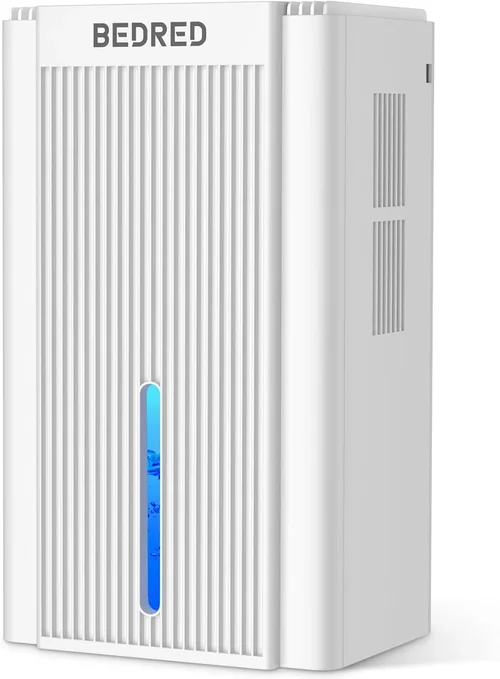
❌ Mistake: Placing the Dehumidifier in a Corner
Why it’s bad: Corners restrict airflow, which is essential for a dehumidifier to function properly. These units draw in moist air, cool it to condense the moisture, and then release dry air back into the room. When placed in a corner, the intake and exhaust vents can become blocked by walls or furniture, reducing efficiency by up to 50%. This leads to longer run times, higher energy bills, and inadequate humidity control.
What to do instead: Position the dehumidifier at least 6–12 inches away from walls, furniture, and other obstructions. This ensures unrestricted airflow on all sides. If space is tight, consider a model with top-mounted vents or 360-degree airflow design.
❌ Mistake: Ignoring Room Layout and Airflow Patterns
Why it’s bad: Every bedroom has unique airflow dynamics based on door placement, window locations, and furniture arrangement. Placing a dehumidifier in a stagnant zone—like behind a bed or under a desk—can create “dead spots” where humid air isn’t circulated. This results in uneven drying and poor overall performance.
What to do instead: Observe how air moves in your bedroom. Place the dehumidifier near the center of the room or in an area with natural air circulation, such as near an open doorway or under a ceiling fan. Use a small fan to help distribute dry air if needed.
❌ Mistake: Choosing the Wrong Size for the Room
Why it’s bad: A dehumidifier that’s too small will run constantly without effectively lowering humidity, leading to wear and tear. One that’s too large may cycle on and off too frequently, wasting energy and failing to maintain consistent humidity levels. Both scenarios reduce comfort and increase costs.
What to do instead: Match the unit’s pint capacity to your room size and humidity level. Use manufacturer guidelines or online calculators to determine the right size. For example, a 30-pint unit is ideal for a 500 sq. ft. room with moderate humidity.
❌ Mistake: Overlooking Noise Levels
Why it’s bad: Many dehumidifiers produce noise levels between 45–60 dB—comparable to a quiet conversation or background music. While this may seem low, it can disrupt sleep, especially for light sleepers or those with insomnia. A noisy unit placed near the bed can become a nightly annoyance.
What to do instead: Choose a model with a noise rating below 50 dB. Look for features like sleep mode, variable fan speeds, or insulated cabinets that reduce sound. Place the unit farther from the bed or use rugs and curtains to absorb noise.
❌ Mistake: Neglecting Maintenance and Cleaning
Why it’s bad: Dirty filters, clogged coils, and full water tanks can drastically reduce efficiency and even cause the unit to shut down. Mold and bacteria can grow inside the tank or on the filter, leading to unpleasant odors and potential health risks.
What to do instead: Clean the filter monthly, empty the water tank regularly, and wipe down the exterior. Use a mild detergent for the tank and avoid harsh chemicals. If your model has a washable filter, rinse it under warm water and let it dry completely before reinstalling.
❌ Mistake: Placing Near Heat Sources or Drafts
Why it’s bad: Heat sources like radiators, space heaters, or direct sunlight can raise the ambient temperature, causing the dehumidifier to work harder. Conversely, cold drafts from windows or air conditioners can lower the temperature below the unit’s optimal range, leading to ice buildup on the coils.
What to do instead: Keep the dehumidifier away from heaters, windows, and air conditioning vents. Maintain a stable room temperature between 65°F and 80°F for best performance.
❌ Mistake: Forgetting About Drainage Options
Why it’s bad: Most dehumidifiers have a built-in water tank that needs to be emptied manually. If you forget or are away from home, the tank can overflow, causing water damage. This is especially problematic in bedrooms where leaks can ruin flooring, furniture, or electronics.
What to do instead: Choose a model with continuous drainage capability. Connect a hose to the drain port and route it to a floor drain, sink, or sump pump. This allows the unit to run unattended for days or weeks.
Budget Guidelines: How Much Should You Spend?
– Entry-Level ($50–$150): These are typically thermo-electric or small desiccant models. They’re best for tiny spaces (under 100 sq. ft.) or occasional use. Expect basic controls, small tanks, and limited capacity. Ideal for closets, RVs, or seasonal dampness.
– Mid-Range ($150–$300): This is the sweet spot for most bedroom applications. You’ll find reliable compressor-based units with 20–50 pint capacities, humidistats, auto-restart, and quiet operation. These models offer the best balance of performance, features, and value.
– Premium ($300–$500): High-capacity units with advanced features like Wi-Fi connectivity, HEPA filters, and smart sensors. Perfect for large bedrooms, humid climates, or users with allergies. These models are energy-efficient and built to last.
– Luxury ($500+): Whole-house or commercial-grade dehumidifiers designed for severe moisture problems or integration with HVAC systems. These are overkill for most bedrooms but may be necessary in flood-prone areas or historic homes.
Expert Tips for Getting the Best Deal
– Buy during off-seasons: Dehumidifiers are in highest demand during summer. Shop in late fall or winter for discounts and promotions.
– Check retailer return policies: Ensure you can return or exchange the unit if it doesn’t perform as expected.
– Look for rebates: Some utility companies offer rebates for ENERGY STAR-certified models.
– Compare online and in-store prices: Online retailers often have better deals, but in-store purchases allow you to inspect the unit first.
– Read the fine print: Check warranty terms, shipping costs, and restocking fees.
– Test before committing: Run the dehumidifier for a few nights and monitor humidity levels with a hygrometer.
– Consider refurbished models: Certified refurbished units from reputable sellers can save you 20–40% with full warranty coverage.
Frequently Asked Questions
Q: How far should a dehumidifier be from the wall?
A: At least 6–12 inches to ensure proper airflow. Blocking the vents reduces efficiency and can cause the unit to overheat.
Q: Can I put a dehumidifier under my bed?
A: It’s not recommended. Under-bed spaces are often enclosed and lack airflow. If you must, choose a slim model with top vents and ensure there’s clearance on all sides.
Q: Should the dehumidifier run all night?
A: Yes, especially if humidity levels are high. Most modern units are energy-efficient and safe to run continuously. Use a timer or humidistat to automate operation.
Q: Will a dehumidifier cool my bedroom?
A: Not significantly. While it removes moisture, it doesn’t lower temperature like an air conditioner. You may feel more comfortable due to reduced humidity, but it won’t make the room cooler.
Q: How often should I empty the water tank?
A: It depends on humidity levels and tank size. Check daily during high humidity. Models with continuous drainage eliminate this need.
Q: Can I use a dehumidifier in winter?
A: Yes, but only if the room stays above 60°F. Below that, ice can form on the coils. Choose a cold-climate model with auto-defrost.
Q: Is it safe to leave a dehumidifier on when I’m not home?
A: Yes, as long as it has safety features like auto-shutoff, tip-over protection, and a reliable drainage system. Avoid leaving it unattended if the tank is near full.
Q: How do I know if my dehumidifier is working?
A: Use a hygrometer to measure humidity levels. If they drop from 60%+ to 30–50% within a few hours, the unit is working. Also, check for water in the tank.
Q: Can a dehumidifier help with allergies?
A: Yes. By reducing mold, dust mites, and mildew, it can significantly improve indoor air quality and alleviate allergy symptoms.
Q: What’s the ideal humidity level for a bedroom?
A: Between 30% and 50%. Levels above 60% promote mold growth; below 30% can cause dry skin and respiratory irritation.
Our Final Recommendations
– Best for Budget-Conscious Buyers: Eva-Dry EDV-1100 Electric Petite Dehumidifier – Compact, quiet, and affordable. Ideal for small bedrooms or closets.
– Best Overall Value: Frigidaire FFAD7033R1 70-Pint Dehumidifier – High capacity, ENERGY STAR certified, with a built-in pump for continuous drainage.
– Best Premium Option: hOmeLabs 50-Pint Smart Dehumidifier – Wi-Fi enabled, app-controlled, with a washable filter and quiet operation.
– Best for Beginners: Honeywell TP50WKN 50-Pint Dehumidifier – Easy to use, reliable, and backed by a strong warranty.
– Best for Advanced Users: AprilAire E080 Pro 70-Pint Whole-House Dehumidifier – Professional-grade, integrates with HVAC, and offers superior moisture control.
Conclusion: Making the Right Choice
Choosing the right dehumidifier is only half the battle—where you place it in your bedroom determines whether it succeeds or fails. From avoiding corners and ensuring proper airflow to matching the unit’s capacity to your room size, every detail matters. By considering factors like noise, maintenance, and drainage, you can create a healthier, more comfortable sleeping environment.
Remember, the best dehumidifier is one that fits your lifestyle, budget, and bedroom layout. Don’t rush the decision. Take time to assess your needs, read reviews, and test different placements. With the right setup, you’ll enjoy better sleep, improved air quality, and long-term protection for your home.
Investing in a dehumidifier isn’t just about comfort—it’s about health, efficiency, and peace of mind. Use this guide to make an informed choice, and take control of your bedroom’s humidity today.