
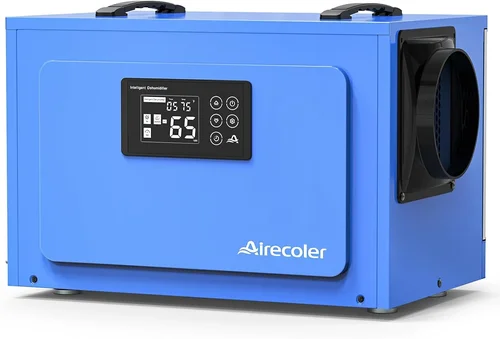
Crawl spaces are often overlooked—until they become a problem. Hidden beneath your home, these tight, dark, and often damp areas can silently wreak havoc on your indoor air quality, structural integrity, and energy efficiency. Moisture buildup in crawl spaces leads to mold growth, wood rot, pest infestations, and unpleasant odors that can seep into your living areas. In fact, according to the Environmental Protection Agency (EPA), nearly 60% of the air in your home originates from the crawl space. That means a damp, musty crawl space doesn’t just affect the foundation—it affects your family’s health and comfort.
This is where a high-quality crawl space dehumidifier becomes essential. Unlike standard room dehumidifiers, crawl space units are specifically engineered to handle extreme humidity levels in confined, unconditioned environments. They’re built to run continuously, resist corrosion, and operate efficiently even in cold or fluctuating temperatures. With so many models on the market—ranging from basic units under $300 to commercial-grade systems exceeding $1,500—choosing the right one can feel overwhelming. That’s why this comprehensive buying guide exists: to cut through the noise, clarify your options, and help you make an informed decision based on your unique needs, budget, and home conditions.
In this guide, you’ll learn everything you need to know about selecting the best-rated crawl space dehumidifier in 2026. We’ll break down the critical factors to consider—from performance specs and build quality to warranty coverage and user feedback. You’ll discover the different types of dehumidifiers available, common pitfalls to avoid, and expert tips for getting the best value. Whether you’re a homeowner dealing with seasonal dampness or a contractor installing systems in multiple properties, this guide will equip you with the knowledge to choose a unit that delivers reliable, long-term moisture control.

What to Look for When Buying a Crawl Space Dehumidifier
1. Performance Specifications
Performance is the backbone of any effective crawl space dehumidifier. The two most important metrics here are pint capacity and coverage area. Pint capacity refers to how much moisture the unit can extract from the air in 24 hours under standard conditions (typically 80°F and 60% relative humidity). For crawl spaces, look for units rated between 50 and 100 pints per day—anything less may struggle in high-humidity environments, while anything more might be overkill unless you have a very large or extremely damp space.
Coverage area is equally crucial. Most manufacturers specify the maximum square footage their unit can effectively dehumidify. A typical crawl space ranges from 500 to 1,500 square feet, so match your unit’s coverage to your actual space size. Underestimating coverage leads to inadequate drying; overestimating wastes money. Also, pay attention to the unit’s operating temperature range. Many residential dehumidifiers shut down below 65°F, but crawl spaces can drop into the 50s during winter. Opt for a model with a low-temperature operation mode (down to 41°F or lower) to ensure year-round performance.
2. Build Quality & Durability
Crawl spaces are harsh environments—damp, dusty, and prone to temperature swings. Your dehumidifier must be built to withstand these conditions without frequent breakdowns. Look for units constructed with rust-resistant materials like galvanized steel or powder-coated aluminum. Internal components should also be protected: sealed compressors, coated coils, and moisture-resistant electrical connections are signs of a well-engineered unit.
Another key durability factor is the condensate management system. Most crawl space dehumidifiers use a built-in pump to automatically drain water vertically (up to 15 feet) to a nearby floor drain or sump pit. This eliminates the need for manual emptying and reduces the risk of overflow during power outages or pump failures. Ensure the pump is robust and includes a float switch for automatic shutoff if drainage is blocked. Units without pumps require gravity drainage, which limits placement flexibility and may not work in all installations.
3. Energy Efficiency
Since crawl space dehumidifiers often run 24/7, energy consumption can significantly impact your utility bills. Look for models with the ENERGY STAR® certification, which indicates they meet strict efficiency guidelines set by the U.S. EPA. These units use advanced compressor technology and smart defrost cycles to minimize power usage while maintaining performance.
Check the unit’s Energy Factor (EF), measured in liters of water removed per kilowatt-hour (L/kWh). Higher EF values mean better efficiency. For example, a unit with an EF of 2.0 removes twice as much moisture per kWh as one with an EF of 1.0. While premium efficient models may cost more upfront, they often pay for themselves within a few years through lower operating costs—especially in humid climates or large crawl spaces.
4. Features & Functionality
Modern crawl space dehumidifiers come packed with features that enhance convenience, reliability, and control. One of the most valuable is a built-in humidistat, which automatically maintains your desired humidity level (ideally between 45% and 55%). This prevents over-drying, which can waste energy and stress building materials, and under-drying, which leaves moisture problems unresolved.
Other useful features include programmable timers, remote monitoring via smartphone apps, filter change indicators, and automatic defrost for cold-weather operation. Some high-end models even integrate with home automation systems or HVAC controls. While not essential, these features can simplify maintenance and provide peace of mind, especially if you’re unable to check the unit regularly.
5. Size & Portability
Although crawl space dehumidifiers are typically stationary, size and weight still matter—especially during installation. Most units weigh between 50 and 80 pounds, so consider whether you’ll need help lifting and positioning it. Dimensions are also important: measure your access hatch and interior clearance to ensure the unit fits comfortably without obstructing ventilation or structural elements.
Portability features like integrated handles or wheels can make a big difference, particularly if you plan to move the unit for cleaning or seasonal adjustments. However, prioritize stability over mobility—once installed, the dehumidifier should remain securely in place to avoid vibrations or misalignment that could affect performance.
6. Brand Reputation & Reliability
Not all dehumidifier brands are created equal. Stick with manufacturers known for producing durable, high-performance units specifically designed for crawl spaces. Brands like Santa Fe, AprilAire, Dri-Eaz, and BaseAire have established reputations in the industry and offer products backed by extensive field testing and customer support.
Avoid generic or off-brand models sold solely on price. While they may seem like a bargain, they often lack the engineering, warranty coverage, or replacement parts availability needed for long-term reliability. Research brand history, read professional installer reviews, and check for certifications from organizations like AHAM (Association of Home Appliance Manufacturers) or UL (Underwriters Laboratories).
7. Warranty & Support
A strong warranty is a strong indicator of a manufacturer’s confidence in their product. Look for at least a 2-year comprehensive warranty, with some premium brands offering 3 to 5 years. Pay attention to what’s covered: compressor failure, pump malfunctions, and electronic controls should all be included. Avoid warranties that exclude “commercial use” if you’re installing in a rental property or multi-family dwelling.
Customer support matters too. Can you easily reach a technician? Are replacement parts readily available? Do they offer installation guides or video tutorials? A responsive support team can save you hours of frustration if issues arise. Check online forums and review sites for real-user experiences with post-purchase service.
8. User Reviews & Ratings
While specs and marketing materials provide useful data, real-world performance is best judged by actual users. Look for reviews from homeowners or contractors who’ve used the unit in similar conditions to yours. Pay attention to comments about noise levels, ease of installation, reliability over time, and effectiveness in high-humidity scenarios.
Beware of overly positive or suspiciously uniform reviews—these may be fake. Instead, focus on detailed, balanced feedback that discusses both pros and cons. Sites like Amazon, Home Depot, and specialized HVAC forums often host honest, unfiltered opinions. If a model consistently receives 4+ stars across multiple platforms with hundreds of reviews, it’s likely a solid choice.
Different Types of Crawl Space Dehumidifiers

Common Buying Mistakes to Avoid
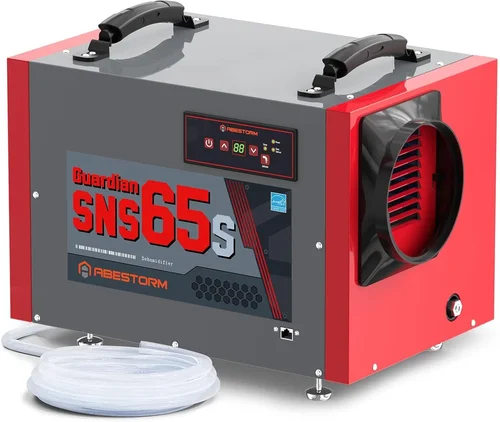
❌ Mistake: Choosing Based Solely on Price
Why it’s bad: The cheapest dehumidifier often lacks the durability, efficiency, or features needed for long-term crawl space use. It may fail prematurely, consume excessive energy, or require frequent repairs—costing more in the long run.
What to do instead: Treat your dehumidifier as an investment in your home’s health. Balance upfront cost with expected lifespan, energy savings, and maintenance requirements. A mid-range unit with solid reviews and a good warranty usually offers the best value.
❌ Mistake: Ignoring Crawl Space Conditions
Why it’s bad: Not all crawl spaces are the same. Factors like soil type, ventilation, insulation, and local climate dramatically affect moisture levels. Installing a unit without assessing these variables can lead to underperformance or overspending.
What to do instead: Before buying, evaluate your crawl space: measure square footage, check for standing water or mold, note seasonal temperature swings, and inspect existing vapor barriers. Use this data to select a appropriately sized and featured unit.
❌ Mistake: Overlooking Drainage Requirements
Why it’s bad: Without proper drainage, your dehumidifier will shut off when the internal tank fills—leaving your crawl space vulnerable to rehumidification. Manual emptying is impractical for continuous operation.
What to do instead: Choose a model with a built-in condensate pump and ensure you have a suitable drain location (floor drain, sump pit, or exterior discharge). If gravity drainage is your only option, position the unit accordingly and verify slope and hose compatibility.
❌ Mistake: Buying a Standard Room Dehumidifier
Why it’s bad: Residential dehumidifiers aren’t designed for the extreme conditions of crawl spaces. They lack corrosion resistance, may not operate in cold temps, and often don’t include pumps or remote controls.
What to do instead: Always select a unit specifically labeled for crawl space or basement use. These are engineered for continuous duty, harsh environments, and unattended operation.
❌ Mistake: Skipping Professional Installation
Why it’s bad: Improper installation—such as poor placement, incorrect ducting, or faulty electrical connections—can reduce efficiency, cause safety hazards, or void your warranty.
What to do instead: If you’re not experienced with HVAC or electrical work, hire a qualified contractor. Many manufacturers require professional installation for warranty validity, and experts can optimize placement and drainage for maximum effectiveness.
❌ Mistake: Neglecting Maintenance
Why it’s bad: Even the best dehumidifier will fail prematurely if filters aren’t cleaned, coils aren’t inspected, or drains aren’t cleared. Clogged components reduce airflow, increase energy use, and shorten compressor life.
What to do instead: Follow the manufacturer’s maintenance schedule: clean or replace filters every 1–3 months, inspect coils annually, and test the pump quarterly. Set calendar reminders to stay on track.
Budget Guidelines: How Much Should You Spend?
Entry-Level ($300–$500): These compact refrigerant units are ideal for small, moderately damp crawl spaces (under 800 sq ft). They typically offer 50–70 pint capacity, basic humidistats, and manual or gravity drainage. While affordable, they may lack pumps, struggle in cold weather, and have shorter lifespans. Best for seasonal use or low-risk environments.
Mid-Range ($500–$900): This is the sweet spot for most homeowners. Units in this range feature 70–100 pint capacity, built-in pumps, low-temperature operation, and durable construction. Many include digital controls, auto-defrost, and ENERGY STAR certification. They balance performance, reliability, and value—making them suitable for year-round use in average to high-humidity conditions.
Premium ($900–$1,500): Designed for large, challenging crawl spaces or professional use, these models offer advanced features like remote monitoring, ducting options, and commercial-grade components. They often come with 3–5 year warranties and superior corrosion resistance. Ideal for contractors, rental property owners, or homes in humid coastal regions.
Luxury ($1,500+): Top-tier systems integrate with whole-house HVAC, offer smart home connectivity, and deliver unmatched performance in extreme conditions. Desiccant models and ductable units fall into this category. While expensive, they provide peace of mind, minimal maintenance, and seamless operation—perfect for new builds or high-end renovations.
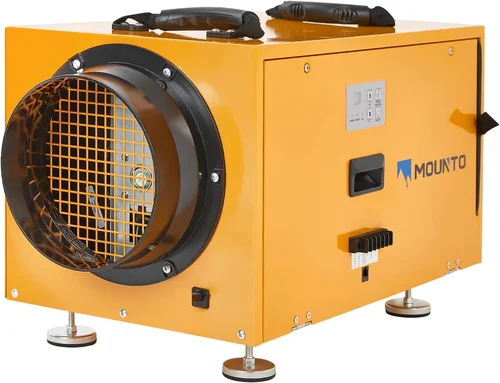
Expert Tips for Getting the Best Deal
- Buy during off-seasons: Prices on dehumidifiers often drop in late fall and winter when demand is lowest. Retailers may offer discounts to clear inventory before spring humidity spikes.
- Compare retailers: Check prices at Home Depot, Lowe’s, Amazon, and specialty HVAC suppliers. Some online retailers offer free shipping or extended return windows.
- Look for bundle deals: Some brands sell dehumidifiers with vapor barriers, insulation kits, or installation services at a discounted rate.
- Verify warranty terms: Don’t assume all warranties are equal. Read the fine print to understand coverage duration, exclusions, and claim procedures.
- Check return policies: Ensure you can return the unit within 30–60 days if it doesn’t perform as expected. Some retailers charge restocking fees, so confirm beforehand.
- Test before committing: If possible, run the unit for a week and monitor humidity levels with a standalone hygrometer. This helps verify real-world performance.
- Consider refurbished units: Certified refurbished models from reputable sellers can save 20–30% off retail while offering the same warranty as new units.
- Ask about rebates: Some utility companies offer rebates for ENERGY STAR certified dehumidifiers. Check your local provider’s website for current programs.
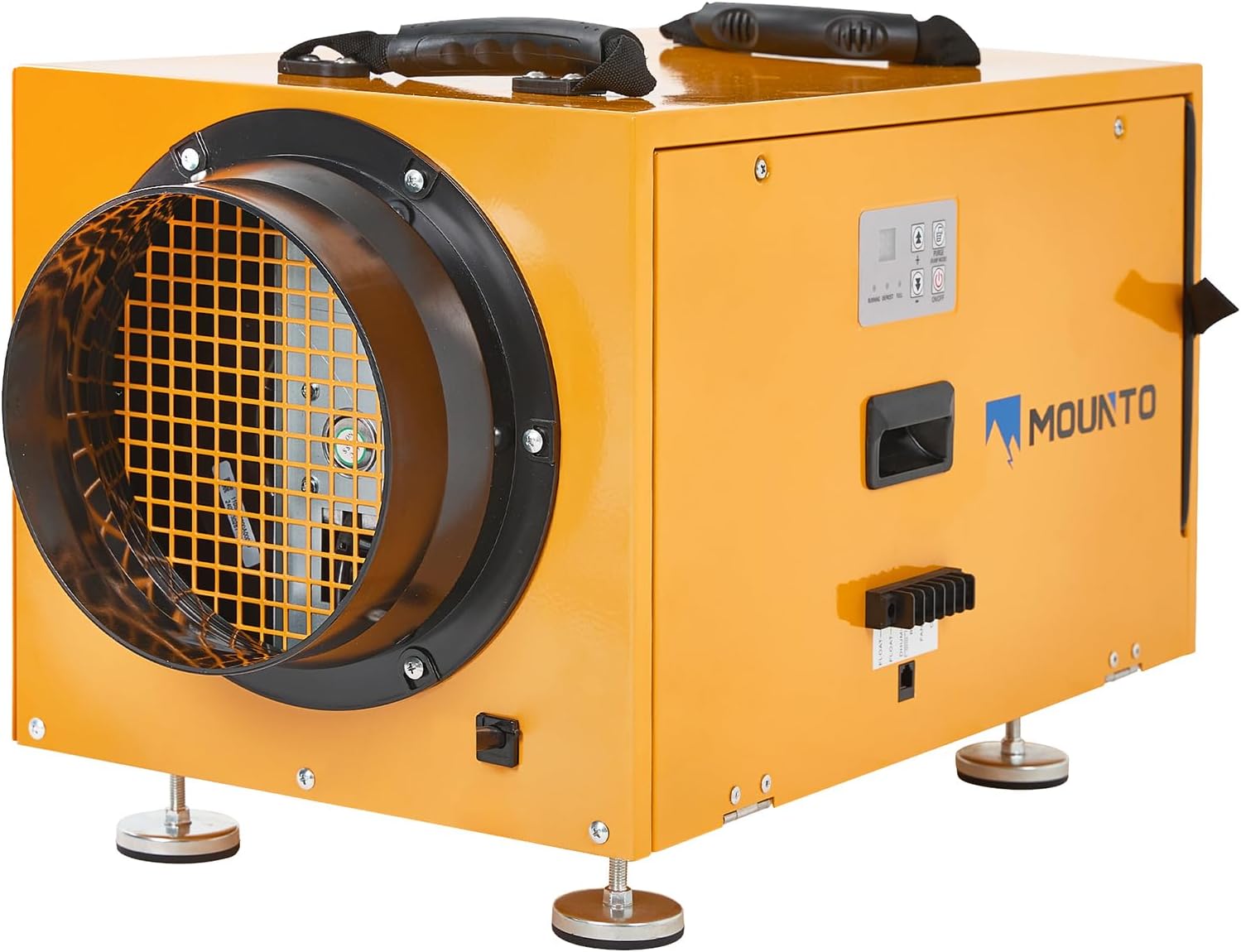
Frequently Asked Questions
Q: How do I know if my crawl space needs a dehumidifier?
A: Signs include musty odors, visible mold or mildew, condensation on pipes or insulation, warped wood, or pests like silverfish. Use a hygrometer to measure humidity—if it consistently exceeds 60%, a dehumidifier is recommended.
Q: Can I use a regular dehumidifier in my crawl space?
A: Not recommended. Standard units lack the durability, pump systems, and cold-weather operation needed for crawl spaces. They may fail quickly or pose safety risks due to moisture exposure.
Q: How often should I run my crawl space dehumidifier?
A: Ideally, 24/7 during humid months and whenever humidity exceeds 55%. Most units have auto modes that cycle on/off based on preset levels, ensuring consistent control without constant monitoring.
Q: Will a dehumidifier increase my electricity bill?
A: Yes, but efficient models minimize the impact. An ENERGY STAR unit might add $5–$15 per month to your bill, depending on usage and local rates. The benefits—preventing structural damage and improving air quality—far outweigh the cost.
Q: Do I need a vapor barrier with a dehumidifier?
A: Absolutely. A 6-mil polyethylene vapor barrier on the crawl space floor reduces ground moisture evaporation, making your dehumidifier more effective and efficient. It’s a critical companion to any moisture control system.
Q: How long do crawl space dehumidifiers last?
A: With proper maintenance, most quality units last 7–10 years. Premium models with commercial components can exceed 12 years. Regular filter cleaning and annual inspections significantly extend lifespan.
Q: Can I install a crawl space dehumidifier myself?
A: Yes, if you’re comfortable with basic tools and electrical safety. However, if the unit requires hardwiring or complex drainage, consult a professional. Improper installation can void warranties or create hazards.
Q: What’s the ideal humidity level for a crawl space?
A: Maintain between 45% and 55% relative humidity. This range prevents mold growth, protects wood structures, and avoids over-drying, which can cause cracking or warping.
Q: Are desiccant dehumidifiers better than refrigerant ones?
A: It depends on your climate. Desiccants excel in cold, dry conditions (below 60°F) and are quieter, but they use more energy. Refrigerants are more efficient in warm, humid environments. Choose based on your local weather patterns.
Q: Should I insulate my crawl space before installing a dehumidifier?
A: Yes, especially if your crawl space is unconditioned. Insulating walls (not just the subfloor) helps stabilize temperatures, reduces condensation, and improves dehumidifier efficiency. Combine insulation with a vapor barrier for best results.
Our Final Recommendations
Best for Budget-Conscious Buyers: BaseAire BD-50 – At under $500, this 50-pint unit offers solid performance, a built-in pump, and low-temperature operation. Great for small spaces with moderate humidity.
Best Overall Value: Santa Fe Compact 70 – Priced around $750, it delivers 70 pints/day, ENERGY STAR efficiency, a robust pump, and excellent durability. Perfect for most residential applications.
Best Premium Option: AprilAire E130 – With 130-pint capacity, Wi-Fi connectivity, and whole-house integration, this $1,400 unit is ideal for large homes or professional installations.
Best for Beginners: Dri-Eaz F500 – User-friendly controls, clear maintenance alerts, and reliable performance make this $650 model a great entry point for first-time buyers.
Best for Advanced Users: Quest 50 Dual – A ductable, high-efficiency desiccant dehumidifier ($1,800+) designed for extreme conditions and smart home integration. Best for tech-savvy homeowners or contractors.
Conclusion: Making the Right Choice
Choosing the right crawl space dehumidifier isn’t just about picking the most powerful or cheapest unit—it’s about matching the right technology to your home’s specific needs. From understanding performance specs and build quality to avoiding common pitfalls and leveraging expert tips, this guide has equipped you with the knowledge to make a confident, informed decision. Remember, a well-maintained dehumidifier doesn’t just control moisture—it protects your investment, improves indoor air quality, and contributes to a healthier, more comfortable living environment.
Take the time to assess your crawl space conditions, set a realistic budget, and prioritize features that matter most to you. Whether you’re tackling seasonal dampness or installing a permanent solution, the right dehumidifier will pay dividends for years to come. Don’t wait for mold to appear or floors to sag—act now to secure your home’s foundation and your family’s well-being. Your crawl space deserves the same care as the rest of your home.