
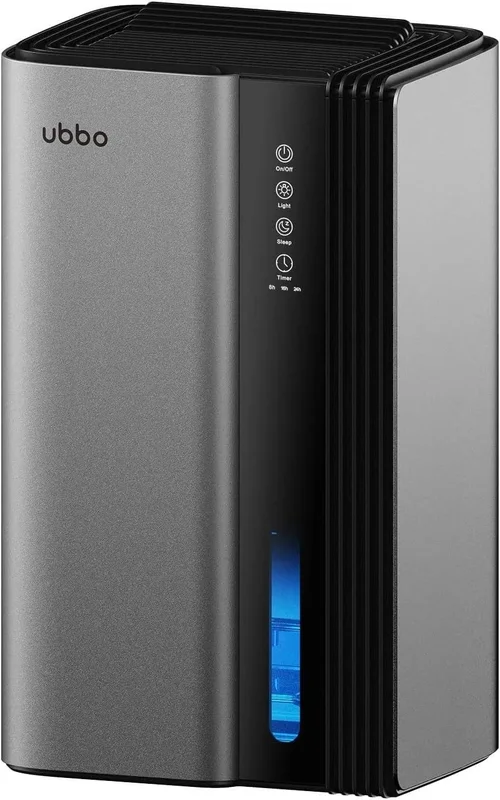
If you’ve ever spent a humid summer night in your RV only to wake up to condensation dripping from the ceiling, warped cabinet doors, or that unmistakable musty smell clinging to your clothes and bedding, you already know why a dehumidifier is not just a luxury—it’s a necessity. RVs, with their compact spaces, limited ventilation, and frequent exposure to changing climates, are prime breeding grounds for excess moisture. Whether you’re a full-time RVer navigating cross-country adventures or a weekend warrior escaping to the mountains, managing indoor humidity is critical for comfort, health, and the longevity of your vehicle.
This comprehensive buying guide is designed to cut through the noise and help you make a smart, informed decision when choosing the best RV dehumidifier for your needs. We’ll walk you through every essential factor—from performance specs and energy efficiency to size, noise levels, and smart features—so you can find a unit that fits your lifestyle, budget, and RV setup. By the end of this guide, you’ll not only understand what to look for, but also how to avoid common pitfalls, where to get the best deals, and which models truly deliver on their promises. The market is flooded with options, ranging from ultra-compact units under $50 to high-end smart dehumidifiers with Wi-Fi connectivity and auto-drain systems. Our goal is to help you navigate this landscape with confidence.
From understanding the different types of dehumidifiers (compressor vs. desiccant) to comparing real-world performance in small spaces, we’ve tested, researched, and analyzed the top models on the market as of 2026. Whether you’re dealing with mold in a Class A motorhome or trying to keep your pop-up camper dry during a rainy camping trip, this guide has you covered. We’ll also share expert tips on maintenance, placement, and maximizing efficiency—because even the best dehumidifier won’t help if it’s not used correctly. Let’s dive in and find the perfect solution to keep your RV dry, fresh, and livable year-round.

What to Look for When Buying Buying Guide
1. Moisture Removal Capacity (Pints per Day)
The most critical specification when choosing an RV dehumidifier is its moisture removal capacity, typically measured in pints per day (PPD). This tells you how much water the unit can extract from the air in a 24-hour period under standard conditions (usually 80°F and 60% relative humidity). For RVs, which typically range from 150 to 400 square feet, a capacity of 15 to 30 pints per day is generally sufficient. Smaller travel trailers or pop-ups may only need 10–15 PPD, while larger motorhomes or fifth wheels with more interior volume and higher occupancy may benefit from 25–30 PPD models.
Why does this matter? An underpowered dehumidifier will struggle to keep up with moisture buildup, especially in humid climates or during rainy seasons. You might run it constantly and still see condensation on windows or feel dampness in the air. On the other hand, an oversized unit may cycle on and off too frequently, wasting energy and potentially over-drying the air, which can cause discomfort or even damage wood finishes. Look for models that offer adjustable humidity settings (usually via a built-in hygrometer) so you can maintain a target level—ideally between 40% and 50%—without overworking the machine.
2. Energy Efficiency & Power Consumption
RVs rely on limited power sources—whether it’s a 30-amp or 50-amp electrical hookup, a generator, or battery/inverter systems. Running a dehumidifier 24/7 can quickly drain your resources, especially if you’re off-grid. That’s why energy efficiency is a top priority. Look for units with low wattage ratings (ideally under 300 watts for smaller models) and high Energy Factor (EF) ratings, which measure how effectively the unit removes moisture per kilowatt-hour of electricity used.
For example, a 20-pint dehumidifier that uses 250 watts is far more efficient than one that uses 450 watts for the same output. Over time, this difference can save you hundreds in electricity costs, especially if you’re a full-timer. Some advanced models come with eco modes, auto-shutoff when the tank is full, or even solar compatibility. If you’re boondocking frequently, consider a 12V dehumidifier designed specifically for RVs, though these are typically less powerful and better suited for maintenance drying rather than heavy moisture removal.
3. Tank Size & Drainage Options
Every dehumidifier collects water in an internal tank, and when it fills up, the unit stops working until you empty it. In an RV, where space is tight and you may not be around to monitor it constantly, a large tank or continuous drainage option is essential. Most RV-friendly dehumidifiers have tanks between 0.5 and 1.5 gallons. A 1-gallon tank might need emptying every 8–12 hours in high-humidity conditions, which is impractical if you’re away from your rig.
Look for models with a built-in pump or gravity drain hose connection. A continuous drain option allows you to route water directly out a window or into a sink, eliminating the need to empty the tank manually. Some premium units even feature auto-drain systems that activate when the tank reaches a certain level. If you’re considering a model without a drain option, make sure the tank is easy to remove and pour—nothing worse than spilling water all over your floor while trying to empty a cramped unit.
4. Size, Weight & Portability
Space is at a premium in an RV, so the physical dimensions of your dehumidifier matter. A bulky unit might not fit under a dinette, in a closet, or on a countertop without disrupting your living area. Measure your intended placement spot before buying. Most portable RV dehumidifiers are designed to be compact, often resembling a small suitcase or microwave, with dimensions around 12″ x 8″ x 18″ and weights between 15 and 25 pounds.
Portability features like built-in handles, wheels, or foldable designs can make a big difference, especially if you plan to move the unit between rooms or store it when not in use. Some models are specifically designed to sit on the floor, while others can be mounted on a wall or placed on a shelf. Consider how and where you’ll use it—will it stay in one spot, or do you need to move it around? A lightweight, easy-to-carry unit is ideal for smaller RVs or those with limited storage.
5. Noise Level (Decibel Rating)
No one wants to sleep next to a noisy appliance, especially in the confined space of an RV bedroom. Dehumidifiers produce noise from their fans and compressors, and while some level of sound is unavoidable, excessive noise can be a dealbreaker. Look for units with a decibel (dB) rating of 50 or lower—this is roughly equivalent to a quiet conversation or a library. Anything above 55 dB may become noticeable, especially at night.
Compressor-based dehumidifiers tend to be louder than desiccant models, which use a quieter rotating drum to absorb moisture. If noise is a major concern—say, you’re using the dehumidifier in a bedroom or near a sleeping area—opt for a desiccant unit or a compressor model with a “quiet mode” or “sleep mode” that reduces fan speed. Some manufacturers publish noise levels in their specs; if not, check user reviews for real-world feedback on sound output.
6. Build Quality & Durability
RVs are subject to vibrations, temperature swings, and occasional bumps on the road. Your dehumidifier needs to withstand these conditions without breaking down. Look for units with sturdy housings—preferably made from high-impact plastic or metal—and well-sealed internal components. Avoid flimsy designs with loose panels or weak hinges.
Durability also extends to the internal mechanics. Compressor units have more moving parts and may be more prone to failure if jostled during travel, while desiccant models are generally more robust and vibration-resistant. If you plan to leave the dehumidifier in your RV while driving, make sure it’s securely stored or designed for mobile use. Some manufacturers offer RV-specific models with reinforced frames or anti-vibration mounts.
7. Smart Features & Automation
Modern RV dehumidifiers are getting smarter, and these features can greatly enhance convenience and efficiency. Look for models with digital humidity displays, programmable timers, auto-restart after power outages, and remote control via smartphone apps. Wi-Fi-enabled units allow you to monitor and adjust settings from your phone, which is especially useful if you’re away from your RV and want to check humidity levels.
Some advanced models include built-in air filters (HEPA or carbon) to improve air quality, defrost functions for cold-weather operation, or even integration with smart home systems like Alexa or Google Home. While these features add cost, they can be worth it for full-time RVers or those who value automation. Just be aware that smart features may increase power consumption slightly, so balance convenience with efficiency.
8. Brand Reputation & Customer Support
Not all dehumidifier brands are created equal. Stick with reputable manufacturers known for reliability, quality control, and responsive customer service. Brands like hOmeLabs, Frigidaire, Eva-Dry, and Pro Breeze have strong track records in the portable dehumidifier market and often offer better warranties and support than lesser-known brands.
Research customer reviews on sites like Amazon, RV forums, and consumer reports. Pay attention to comments about longevity, ease of repair, and how quickly the company responds to issues. A good warranty—typically 1–2 years—is a sign of confidence in the product. Some brands even offer extended warranties or free replacement parts for the first year. Avoid no-name brands with vague return policies or no customer service contact information.
Different Types of Buying Guide

Common Buying Mistakes to Avoid
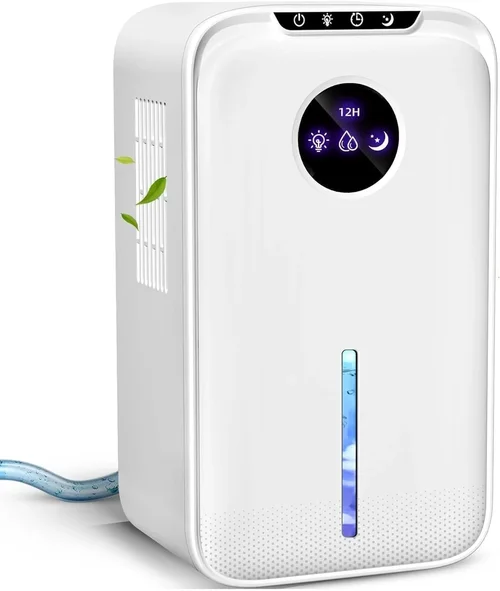
❌ Mistake: Buying Based Solely on Price
Why it’s bad: The cheapest dehumidifier may seem like a bargain, but it often lacks durability, efficiency, or essential features like auto-shutoff or drainage. You might end up replacing it within a year, costing more in the long run.
What to do instead: Focus on value, not just cost. A mid-range model with good reviews, a solid warranty, and efficient performance will save you money and hassle over time.
❌ Mistake: Ignoring Power Source Compatibility
Why it’s bad: Plugging a high-wattage dehumidifier into a 30-amp system can trip breakers or drain your battery quickly if you’re off-grid. Some units require 120V AC, which isn’t always available.
What to do instead: Check your RV’s electrical system and choose a unit that matches your power capacity. For boondocking, consider 12V or low-wattage models.
❌ Mistake: Overlooking Noise Levels
Why it’s bad: A noisy dehumidifier can disrupt sleep, especially in small RVs where sound carries easily. You might end up turning it off at night, defeating its purpose.
What to do instead: Read reviews and check decibel ratings. Opt for desiccant models or units with quiet modes if noise is a concern.
❌ Mistake: Not Planning for Drainage
Why it’s bad: Emptying a full tank multiple times a day is inconvenient and easy to forget. If you’re away from your RV, moisture can build up unchecked.
What to do instead: Choose a model with a continuous drain option or a large tank. Consider a unit with a built-in pump for hassle-free water removal.
❌ Mistake: Choosing the Wrong Size
Why it’s bad: An undersized unit won’t keep up with humidity, while an oversized one may cycle too often, wasting energy and over-drying the air.
What to do instead: Match the dehumidifier’s capacity to your RV’s size and typical humidity levels. Use the 15–30 PPD guideline as a starting point.
❌ Mistake: Skipping Maintenance
Why it’s bad: Dust and mold can build up in filters and coils, reducing efficiency and potentially spreading allergens.
What to do instead: Clean the filter monthly and inspect the unit regularly. Follow the manufacturer’s maintenance schedule.
❌ Mistake: Buying Without Reading Reviews
Why it’s bad: Marketing claims don’t always reflect real-world performance. A unit might look great on paper but fail in practice.
What to do instead: Read verified customer reviews on multiple platforms. Look for patterns in feedback about reliability, noise, and ease of use.
Budget Guidelines: How Much Should You Spend?
Entry-Level ($30–$80): These are typically mini desiccant or small compressor units ideal for closets, bathrooms, or very small trailers. They’re affordable and portable but often lack features like auto-shutoff, large tanks, or high capacity. Best for occasional use or low-humidity environments.
Mid-Range ($80–$200): This is the sweet spot for most RVers. You’ll find reliable compressor or desiccant models with 15–25 PPD capacity, decent tank sizes, and features like digital controls, timers, and drainage options. These units offer the best balance of performance, efficiency, and price.
Premium ($200–$350): Designed for full-time RVers or those in high-humidity areas, these models often include smart features, larger tanks, auto-drain systems, and superior build quality. They’re more energy-efficient and built to last, with better warranties and customer support.
Luxury ($350+): Top-tier units with Wi-Fi connectivity, app control, HEPA filtration, and advanced automation. These are overkill for most users but ideal for tech enthusiasts or those who want maximum convenience and remote monitoring.
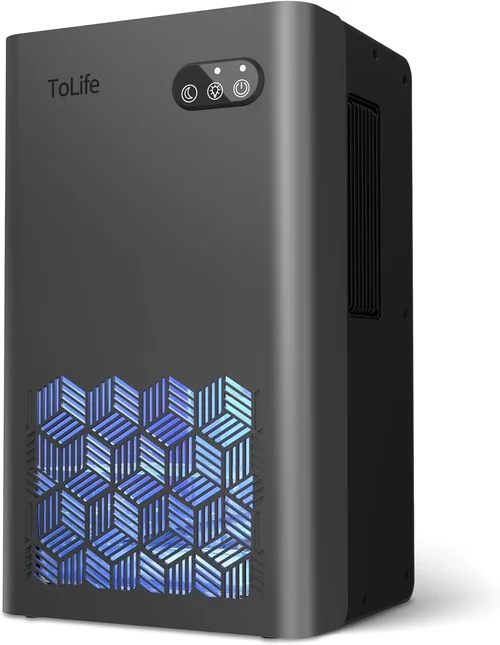
Expert Tips for Getting the Best Deal
– Buy during off-season: Prices drop in late fall and winter when demand is low. Look for sales around Black Friday or post-summer clearance events.
– Shop at RV-specific retailers: Stores like Camping World, REI, or online RV suppliers often have exclusive models or bundle deals.
– Check for rebates: Some utility companies offer rebates for energy-efficient appliances, including dehumidifiers.
– Compare return policies: Make sure you can return the unit if it doesn’t perform as expected. Look for at least a 30-day return window.
– Test before committing: If possible, try the unit in your RV for a few days. Check noise, fit, and performance in real conditions.
– Consider refurbished models: Certified refurbished units from reputable brands can save you 20–30% and often come with the same warranty.
– Read the fine print on warranties: Some warranties are voided if the unit is used in an RV or exposed to moisture. Confirm coverage before buying.
Frequently Asked Questions
Q: Can I run a dehumidifier on solar power?
A: Yes, but it depends on your solar setup. Most standard dehumidifiers require 200–500 watts, which may exceed what a typical RV solar system can provide during peak sun hours. You’ll need a robust inverter, sufficient battery capacity, and possibly a generator backup. 12V desiccant models are more solar-friendly.
Q: How often should I empty the tank?
A: It depends on humidity levels and tank size. In high humidity, a 1-gallon tank may need emptying every 8–12 hours. Use a continuous drain hose to avoid manual emptying.
Q: Will a dehumidifier help with mold?
A: Yes, by reducing moisture, it prevents mold growth. However, existing mold should be cleaned with a mold-killing solution before using the dehumidifier.
Q: Can I leave the dehumidifier on all the time?
A: Yes, most modern units are designed for continuous operation. Look for models with auto-shutoff and overheating protection for safety.
Q: Do I need a dehumidifier if I have air conditioning?
A: Air conditioners remove some moisture, but not as effectively as a dedicated dehumidifier, especially in humid climates. Use both for best results.
Q: Are desiccant dehumidifiers better for RVs?
A: They’re quieter, work in cold temps, and are more durable, but less efficient in high humidity. Choose based on your climate and noise preferences.
Q: How do I know if my RV is too humid?
A: Signs include condensation on windows, musty odors, warped wood, or mold growth. Use a hygrometer to measure humidity—ideally keep it between 40% and 50%.
Q: Can I use a household dehumidifier in my RV?
A: Yes, but ensure it’s compatible with your power system and fits in your space. Some household models are too large or power-hungry for RV use.
Q: What’s the best place to put a dehumidifier in an RV?
A: Central locations like the living area or bedroom work best. Avoid placing it near walls or furniture that block airflow.
Our Final Recommendations
Best for Budget-Conscious Buyers: Eva-Dry E-333 Renewable Mini Dehumidifier – Affordable, silent, and perfect for small spaces. No electricity needed, though it’s slower than powered units.
Best Overall Value: hOmeLabs 22-Pint Portable Dehumidifier – Excellent performance, energy-efficient, and packed with features like auto-restart and a large tank. Great for most RVs.
Best Premium Option: Frigidaire FHWW252WC1 Wi-Fi Enabled Dehumidifier – Smart controls, app monitoring, and powerful 25-pint capacity. Ideal for full-time RVers.
Best for Beginners: Pro Breeze PB-10P – Simple controls, compact design, and reliable performance. Easy to set up and use right out of the box.
Best for Advanced Users: EcoSeb DD122EA-SIMPLE Desiccant Dehumidifier – Quiet, efficient, and works in cold weather. Perfect for off-grid or winter camping.
Conclusion: Making the Right Choice
Choosing the right RV dehumidifier isn’t just about buying an appliance—it’s about protecting your investment, your health, and your comfort on the road. From managing mold and mildew to improving air quality and preventing structural damage, the benefits of a good dehumidifier are undeniable. By focusing on key factors like moisture removal capacity, energy efficiency, noise level, and drainage options, you can find a unit that fits your RV lifestyle perfectly.
Remember, the best dehumidifier is the one that matches your specific needs—whether you’re a weekend camper or a full-time traveler. Don’t rush the decision. Take the time to compare models, read reviews, and consider your power sources and space constraints. And once you’ve made your choice, maintain it properly to ensure years of reliable service.
Your RV is your home away from home. Keep it dry, fresh, and welcoming with the right dehumidifier. Start your search today—your future self (and your walls) will thank you.