
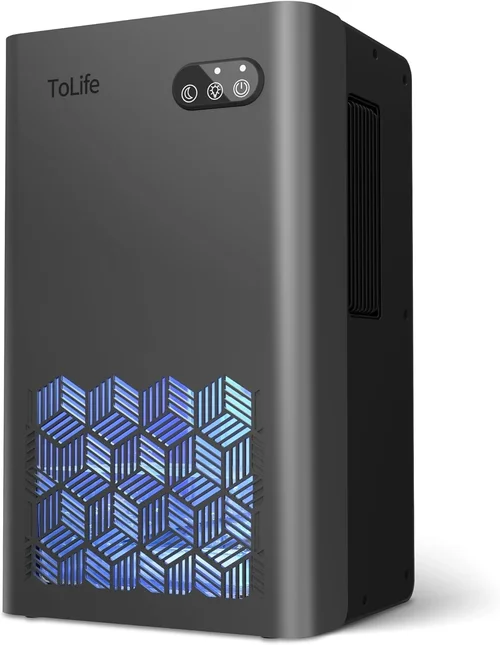
If you’ve ever stepped into your basement and been greeted by that unmistakable damp, musty smell—or worse, noticed water stains on the walls, peeling paint, or even mold creeping along the corners—you know how quickly a basement can go from a functional storage space to a humidity nightmare. Basements are naturally prone to excess moisture due to their below-grade location, poor ventilation, and direct contact with surrounding soil. Over time, this moisture doesn’t just create unpleasant odors; it can damage stored belongings, compromise structural integrity, and even trigger respiratory issues for sensitive individuals. That’s where a small basement dehumidifier comes in—not as a luxury, but as a necessity for maintaining a healthy, dry, and usable space.
This comprehensive buying guide is designed to cut through the noise and help you make an informed decision when selecting the best small dehumidifier for your basement. Whether you’re dealing with a 500-square-foot crawl space or a modest finished basement used for laundry and storage, we’ll walk you through every critical factor—from performance specs and energy efficiency to build quality and smart features. By the end of this guide, you’ll understand exactly what to look for, how to avoid common pitfalls, and which models deliver the best value for your specific needs. The market is flooded with options, ranging from ultra-compact units under $100 to high-capacity, feature-rich machines costing several hundred dollars. Our goal is to help you navigate this landscape with confidence, ensuring you invest in a dehumidifier that performs reliably, lasts for years, and fits seamlessly into your lifestyle.
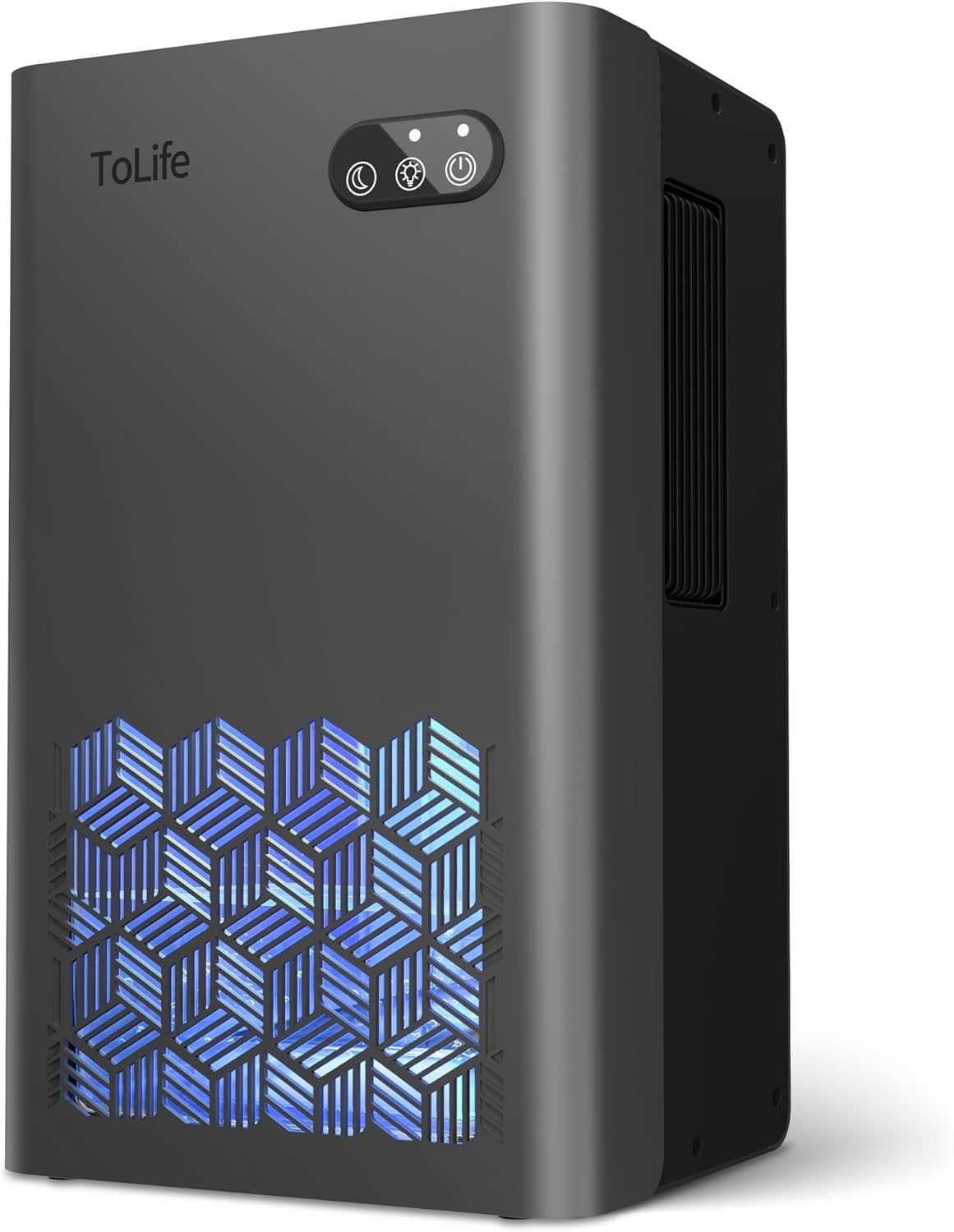
What to Look for When Buying a Small Basement Dehumidifier
1. Capacity & Moisture Removal Rate
The single most important specification when choosing a dehumidifier is its capacity—measured in pints per day (PPD). This tells you how much moisture the unit can extract from the air in a 24-hour period under standard testing conditions (typically 60% relative humidity at 80°F). For small basements (under 1,000 sq. ft.), a unit rated between 20 and 30 pints per day is usually sufficient. However, if your basement is particularly damp, prone to flooding, or located in a humid climate, you may need a higher-capacity model—even if the space is small. Always check the AHAM (Association of Home Appliance Manufacturers) rating, which provides standardized testing results you can trust. Avoid relying solely on manufacturer claims, as some exaggerate performance under ideal lab conditions that don’t reflect real-world use.
2. Energy Efficiency & Operating Costs
Dehumidifiers run continuously in many basements, especially during humid summer months, so energy efficiency directly impacts your utility bill. Look for models with the ENERGY STAR® certification, which indicates they meet strict efficiency guidelines set by the U.S. Environmental Protection Agency. ENERGY STAR dehumidifiers use up to 15% less energy than standard models, which can save you $20–$50 per year depending on usage and local electricity rates. Check the unit’s energy factor (liters of water removed per kilowatt-hour of electricity)—higher numbers mean better efficiency. Also consider the wattage: a typical 30-pint dehumidifier draws around 300–400 watts. While this might not seem like much, running it 12 hours a day adds up. Some advanced models include auto-humidistats and timers that reduce runtime when humidity levels are stable, further cutting energy use.
3. Built-in Humidistat & Auto Settings
A built-in humidistat is essential for maintaining consistent indoor humidity levels without constant manual adjustments. This sensor measures the current relative humidity (RH) in the basement and automatically turns the dehumidifier on or off to maintain your desired setting—usually between 30% and 50% RH for basements. Look for models with digital displays that show real-time humidity readings and allow you to set precise targets. Advanced units may include multiple modes like “Continuous,” “Normal,” and “Quiet” (or “Sleep”), which adjust fan speed and compressor operation based on need. Auto-defrost is another valuable feature for colder basements (below 65°F), preventing ice buildup on the coils that can halt operation. Without these smart controls, you risk over-drying the space (wasting energy) or under-drying it (allowing mold to thrive).
4. Drainage Options & Tank Size
Small dehumidifiers typically come with a removable water collection tank, but frequent emptying can become a chore—especially in damp basements where the unit runs often. Tank capacity ranges from 1 to 2 gallons; larger tanks mean less maintenance. However, the real game-changer is continuous drainage. Most models include a threaded hose connection (usually 5/8″ or 3/4″) that allows you to attach a standard garden hose and route it to a floor drain, sump pump, or utility sink. This eliminates the need to empty the tank altogether. If your basement has a floor drain or sump pit, prioritize models with gravity drainage capability. For added convenience, some premium units feature built-in pumps that can push water vertically up to 15 feet—ideal for basements without floor drains. Always ensure the hose outlet is accessible and the unit sits level to prevent leaks.
5. Noise Level & Placement Flexibility
Basements are often used for laundry, workshops, or even home gyms, so a noisy dehumidifier can be disruptive. Noise is measured in decibels (dB), and most small dehumidifiers operate between 45 dB (quiet library) and 55 dB (normal conversation). If you plan to place the unit near a living area or bedroom, aim for models under 50 dB. Fan-only mode (used for air circulation without dehumidifying) is typically quieter than full operation. Also consider physical dimensions and weight—smaller units are easier to move and fit into tight spaces like under stairs or beside water heaters. Look for models with top-mounted controls and handles for portability. Some units even include caster wheels for effortless relocation.
6. Filter Quality & Maintenance Requirements
The air filter in a dehumidifier captures dust, mold spores, and other airborne particles, improving air quality and protecting internal components. Most models use washable mesh or electrostatic filters that can be rinsed monthly. High-efficiency particulate air (HEPA) filters are rare in compact dehumidifiers due to cost and airflow restrictions, but some mid-range units offer upgraded antimicrobial filters that inhibit mold and bacteria growth. Check how easy it is to access and clean the filter—front-loading designs are far more user-friendly than bottom or side panels. Neglecting filter maintenance reduces efficiency and can lead to foul odors. A clogged filter forces the compressor to work harder, increasing wear and energy consumption.
7. Build Quality & Durability
Basements are harsh environments—dusty, damp, and sometimes poorly ventilated. A flimsy plastic housing or thin-gauge metal won’t withstand long-term exposure. Look for dehumidifiers with robust construction: reinforced casings, corrosion-resistant coils (especially important in high-humidity areas), and sealed electrical components. Brands like Frigidaire, hOmeLabs, and Tosot are known for using durable materials and rigorous quality control. Avoid ultra-cheap models from unknown brands—they often cut corners on insulation, wiring, and compressor protection, leading to premature failure. Check user reviews for mentions of longevity; a unit that lasts 5+ years offers far better value than one that breaks after 18 months.
8. Warranty & Customer Support
A dehumidifier is a long-term investment, so warranty coverage matters. Most reputable brands offer at least a 1-year limited warranty, with some extending to 2 or even 5 years on key components like the compressor. Read the fine print: some warranties exclude damage from improper installation, lack of maintenance, or use in commercial settings. Customer support responsiveness is equally important—can you easily reach a technician? Are replacement parts readily available? Brands with strong U.S.-based support (like GE, Danby, or AprilAire) tend to resolve issues faster than overseas manufacturers. Before buying, search online forums or review sites for reports of warranty claim difficulties. A good warranty isn’t just about coverage—it’s a sign the manufacturer stands behind its product.
Different Types of Small Basement Dehumidifiers

Common Buying Mistakes to Avoid
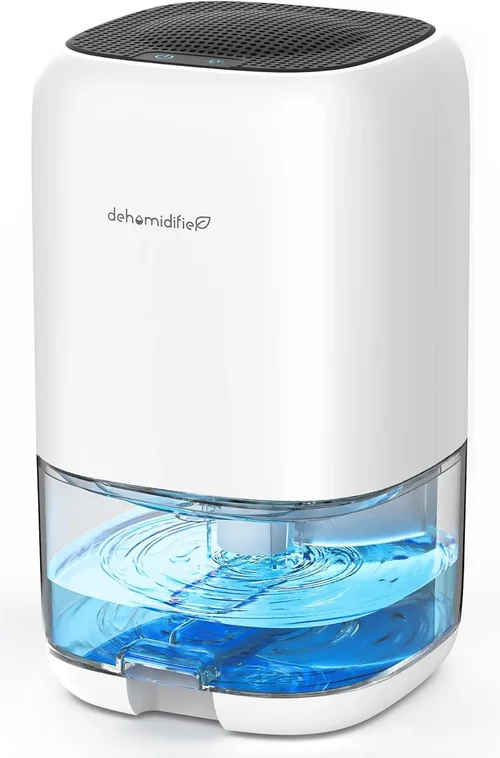
❌ Mistake: Choosing Based Solely on Price
Why it’s bad: The cheapest dehumidifier often uses inferior components, lacks essential features like auto-humidistats, and may fail within a year. You end up spending more on replacements and higher energy bills.
What to do instead: Focus on total cost of ownership—not just upfront price. A $150 model with ENERGY STAR certification and a 2-year warranty often outperforms a $90 unit that costs more to run and breaks sooner.
❌ Mistake: Ignoring Drainage Needs
Why it’s bad: If your basement lacks a floor drain and you buy a unit with only a small tank, you’ll be emptying it daily—or worse, returning home to a flooded machine.
What to do instead: Assess your drainage options before buying. If no drain is available, choose a model with a large tank (1.5+ gallons) or invest in a unit with a built-in pump for vertical drainage.
❌ Mistake: Overlooking Climate and Basement Conditions
Why it’s bad: A dehumidifier sized for a dry climate won’t handle a humid coastal basement. Similarly, using a refrigerant unit in a cold crawl space (<50°F) causes ice buildup and shutdowns. What to do instead: Match the technology to your environment: refrigerant for warm, humid spaces; desiccant for cold basements; thermo-electric for tiny, dry areas.
❌ Mistake: Skipping the Humidistat
Why it’s bad: Without a humidistat, the unit runs nonstop or not enough, leading to wasted energy or persistent dampness. Manual monitoring is impractical.
What to do instead: Always choose a model with a digital humidistat and adjustable settings. This ensures optimal humidity control with minimal intervention.
❌ Mistake: Neglecting Filter Maintenance
Why it’s bad: A dirty filter restricts airflow, reduces efficiency by up to 30%, and can cause the unit to overheat or emit odors.
What to do instead: Clean the filter monthly during peak season. Keep spare filters on hand if your model uses disposable ones.
❌ Mistake: Buying Without Checking Warranty Terms
Why it’s bad: Some warranties void coverage if the unit is used in a basement or requires professional installation. You could be stuck with repair costs.
What to do instead: Read the warranty details carefully. Confirm it covers residential basement use and includes compressor protection.
❌ Mistake: Assuming Bigger Is Always Better
Why it’s bad: An oversized dehumidifier cycles on and off too frequently, reducing efficiency and lifespan. It also removes moisture too quickly, preventing proper air circulation.
What to do instead: Size the unit appropriately for your space and humidity level. Use AHAM ratings, not marketing claims, to guide your choice.
Budget Guidelines: How Much Should You Spend?
Entry-Level ($80–$130): These are basic refrigerant or thermo-electric models ideal for very small, mildly damp spaces (under 500 sq. ft.). Expect limited features—manual controls, small tanks, no humidistat—and shorter lifespans. Best for occasional use or as a temporary solution. Brands like Eva-Dry and Ivation offer budget options, but prioritize models with at least a 1-year warranty.
Mid-Range ($130–$220): This is the sweet spot for most basement owners. You’ll find reliable 20–30 PPD refrigerant dehumidifiers with digital humidistats, auto-defrost, continuous drainage, and washable filters. ENERGY STAR models are common here, offering good efficiency and durability. Brands like hOmeLabs, Tosot, and Frigidaire dominate this tier with strong user ratings and solid support.
Premium ($220–$350): For those needing advanced performance or smart features, premium models deliver higher capacity (30–50 PPD), quieter operation, built-in pumps, Wi-Fi connectivity, and superior build quality. These are ideal for larger basements, high-humidity climates, or users who want remote monitoring via smartphone apps. Look for models from AprilAire, AlorAir, or GE.
Luxury ($350+): Top-tier units include whole-house integration, ducting capabilities, industrial-grade components, and extended warranties (up to 5 years). These are overkill for most small basements but may suit finished basements used as living spaces or homes in extreme climates. They often require professional installation and maintenance.
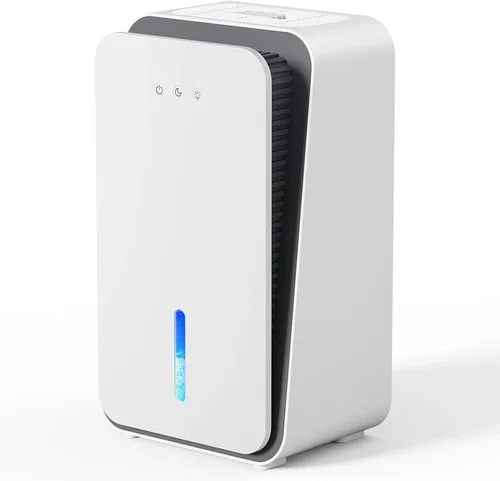
Expert Tips for Getting the Best Deal
- Buy in Spring: Dehumidifier demand peaks in summer, so prices rise. Purchase between March and May for the best selection and discounts—retailers often clear winter inventory.
- Shop Online for Reviews: Use Amazon, Home Depot, or Lowe’s websites to compare specs and read verified buyer reviews. Look for patterns in complaints (e.g., “leaks after 6 months” or “loud fan”).
- Check for Rebates: Some utility companies offer rebates for ENERGY STAR dehumidifiers—up to $50 in certain regions. Visit dsireusa.org to search for local incentives.
- Test Before Committing: If possible, run the unit for a week. Monitor humidity levels with a standalone hygrometer (like the ThermoPro TP50) to verify performance.
- Prioritize Return Policies: Choose retailers with at least a 30-day return window. If the unit doesn’t perform as expected, you can swap it without hassle.
- Bundle with Accessories: Some sellers include free drain hoses, extension cords, or filter replacements. These add-ons can save $20–$40.
- Avoid “As-Seen-on-TV” Brands: Flashy infomercial models often have inflated prices and poor long-term reliability. Stick to established appliance brands.
- Consider Refurbished Units: Certified refurbished dehumidifiers from reputable sellers (like Amazon Renewed or manufacturer outlets) can save 20–30% with full warranty coverage.
Frequently Asked Questions
Q: Can a small dehumidifier really handle my entire basement?
A: Yes—if properly sized. A 30-pint unit can effectively manage up to 1,000 sq. ft. in moderately damp conditions. For larger or very wet basements, consider two smaller units placed strategically or upgrade to a higher-capacity model.
Q: How often should I run my dehumidifier?
A: Ideally, run it continuously during humid months (spring through fall). Use the auto-humidistat to maintain 30–50% RH. In winter, you may only need it occasionally unless your basement stays damp.
Q: Will a dehumidifier help with mold?
A: Absolutely—but only if humidity is controlled consistently. Mold thrives above 60% RH. Once you reduce moisture, existing mold should stop spreading. For active mold growth, clean affected areas with a bleach solution and ensure proper ventilation.
Q: Can I use a dehumidifier in an unheated basement?
A: Only if it has auto-defrost or is a desiccant model. Standard refrigerant units freeze below 65°F. Desiccant dehumidifiers work well in cold spaces but remove less moisture per day.
Q: How do I know if my dehumidifier is working properly?
A: Check the water tank—it should fill steadily in humid conditions. Use a hygrometer to verify humidity levels drop to your setpoint. If the unit runs constantly but the tank stays empty, the humidistat or sensor may be faulty.
Q: Should I duct my dehumidifier?
A: Ducting (using flexible tubing to direct airflow) improves circulation in large or segmented basements. Some premium models support duct kits, but most small units are designed for open placement.
Q: Are portable dehumidifiers safe to leave unattended?
A: Yes, modern units have safety features like auto-shutoff when the tank is full, tip-over protection, and thermal cutoffs. Still, avoid placing them near flammable materials or in standing water.
Q: How long do small dehumidifiers last?
A: With proper maintenance, a quality unit lasts 5–7 years. Cheap models may fail in 1–2 years. Regular filter cleaning and annual coil inspection extend lifespan.
Q: Can I use a dehumidifier with a sump pump?
A: Definitely. In fact, it’s recommended. Route the dehumidifier’s drain hose into the sump pit—this keeps both systems working together to manage basement moisture.
Q: Do I need a permit to install a dehumidifier?
A: No. Portable dehumidifiers plug into standard outlets and require no permanent installation. Whole-house models connected to HVAC systems may need electrical permits—consult a licensed electrician.
Our Final Recommendations
Best for Budget-Conscious Buyers: hOmeLabs 30 Pint Dehumidifier – At around $160, it offers excellent value with a digital humidistat, continuous drainage, auto-defrost, and a 1.8-gallon tank. ENERGY STAR certified and backed by responsive customer service.
Best Overall Value: Tosot 30 Pint Smart Dehumidifier – Priced near $200, it includes Wi-Fi connectivity, a built-in pump, quiet operation (47 dB), and robust construction. Ideal for tech-savvy users who want remote control and reliable performance.
Best Premium Option: AprilAire E080 Pro 80-Pint Dehumidifier – Though larger than typical “small” units, its compact design and 80 PPD capacity make it perfect for finished basements or high-moisture environments. Features include ducting, a 5-year warranty, and professional-grade durability.
Best for Beginners: Frigidaire FFAD3033W1 30 Pint Dehumidifier – Simple interface, reliable performance, and wide availability. Great for first-time buyers who want a no-frills, dependable machine with strong brand support.
Best for Advanced Users: AlorAir Sentinel HDi90 – A hybrid desiccant-refrigerant unit designed for extreme conditions. Offers app control, dual drainage options, and operates efficiently from 38°F to 104°F. Ideal for off-grid cabins or flood-prone areas.
Conclusion: Making the Right Choice
Choosing the best small basement dehumidifier isn’t just about picking the cheapest or most powerful unit—it’s about matching the right technology, capacity, and features to your specific basement environment and lifestyle. Start by assessing your space: square footage, humidity level, drainage options, and temperature. Then prioritize must-have features like a humidistat, continuous drainage, and energy efficiency. Avoid common pitfalls like oversizing, ignoring warranties, or skipping maintenance. Remember, a dehumidifier is an investment in your home’s health and your family’s comfort. By following this guide, you’ll select a model that performs reliably year after year, prevents mold and odors, and saves you money on energy and repairs. Don’t wait until the next rainy season—take control of your basement’s moisture today. Your future self (and your stored belongings) will thank you.