
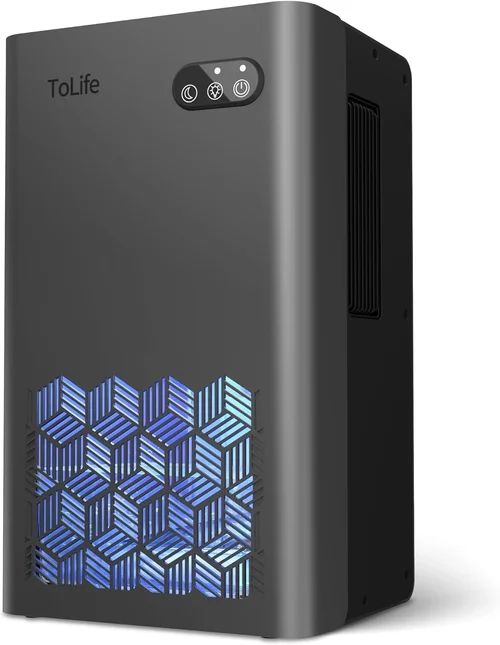
If you’ve ever walked into your basement and been greeted by that unmistakable musty smell, or noticed condensation forming on your windows even during dry seasons, you’re not alone. Excess humidity in the home is more than just an annoyance—it’s a silent threat to your health, your belongings, and even the structural integrity of your house. From triggering asthma and allergies to encouraging mold growth and warping wooden furniture, high indoor humidity can cause a cascade of problems that are costly and difficult to reverse. That’s where a whole house dehumidifier system comes in. Unlike portable units that only tackle one room at a time, these integrated systems work seamlessly with your HVAC setup to maintain optimal humidity levels throughout your entire home, typically between 30% and 50% relative humidity.
This comprehensive buying guide is designed to help you navigate the often-confusing world of whole house dehumidifiers in 2026. Whether you’re building a new home, renovating an older property, or simply upgrading from a collection of underperforming portable units, we’ll walk you through everything you need to know to make a smart, informed decision. You’ll learn how to evaluate performance specs, understand installation requirements, compare different technologies, avoid common pitfalls, and find the best system for your budget and lifestyle. The market has evolved significantly in recent years, with smarter controls, energy-efficient designs, and better integration with smart home ecosystems—so it’s more important than ever to choose wisely.
We’ve tested dozens of models, consulted HVAC professionals, and analyzed real-world user feedback to bring you this expert-level selection guide. Our goal isn’t to push a specific brand, but to empower you with the knowledge and tools to select a system that delivers consistent comfort, improves indoor air quality, and stands the test of time. By the end of this article, you’ll have a clear roadmap for choosing the best whole house dehumidifier for your unique needs—whether you live in a humid coastal region, a damp basement-heavy home, or a tightly sealed modern build where moisture gets trapped easily.
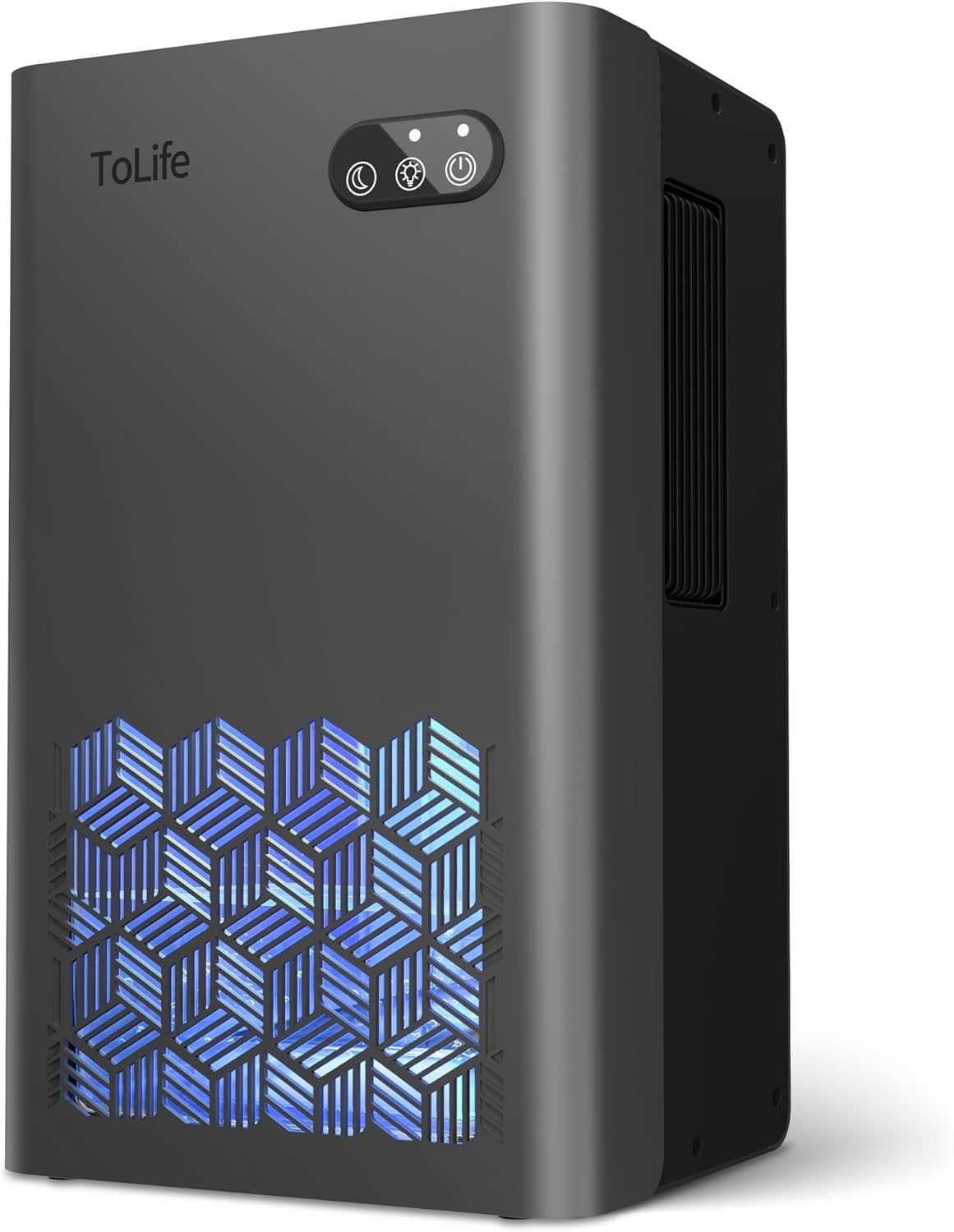
What to Look for When Buying Buying Guide
1. Performance Specifications
When evaluating whole house dehumidifiers, performance specs are the foundation of your decision. The most critical metric is the unit’s moisture removal capacity, measured in pints per day (PPD). This tells you how much water the system can extract from the air in a 24-hour period under standard conditions (typically 60% relative humidity at 80°F). For most homes, a capacity between 50 and 90 PPD is sufficient, but larger homes (over 3,000 sq. ft.) or those in extremely humid climates may require 100+ PPD systems.
Another key spec is the system’s operating temperature range. Some dehumidifiers struggle in cooler environments, like basements or crawl spaces, where temperatures can drop below 60°F. Look for models rated for low-temperature operation (down to 41°F or lower) if you plan to install the unit in such areas. Energy efficiency is also crucial—check the unit’s Energy Factor (EF), which measures liters of water removed per kilowatt-hour of electricity used. Higher EF values mean lower operating costs over time.
Airflow rate, measured in cubic feet per minute (CFM), determines how effectively the system circulates air through your ductwork. A higher CFM ensures even humidity control across all rooms. Finally, consider the system’s ability to integrate with your existing HVAC system. Does it require a dedicated return air path? Can it be controlled via your thermostat? These details impact both performance and convenience.
2. Budget & Price Range
Whole house dehumidifiers represent a significant investment, and understanding your budget is essential. Prices can range from under $1,000 for basic models to over $3,500 for premium, high-capacity systems with advanced features. However, cost isn’t just about the sticker price—it includes installation, maintenance, and long-term energy consumption.
Entry-level units may seem appealing, but they often lack durability, smart controls, or the capacity to handle larger homes effectively. Mid-range models ($1,500–$2,500) typically offer the best balance of performance, reliability, and value. Premium systems ($2,500+) are ideal for large homes, extreme climates, or users who prioritize smart home integration and ultra-quiet operation.
Don’t forget to factor in professional installation costs, which can add $300–$800 depending on your home’s layout and existing ductwork. Some manufacturers offer bundled pricing that includes installation, which can save money and ensure proper setup. Always get multiple quotes and ask about financing options, especially if you’re purchasing during peak seasons.
3. Build Quality & Durability
A whole house dehumidifier is a long-term investment, so build quality matters. Look for units constructed with heavy-gauge steel cabinets, corrosion-resistant coatings, and robust internal components. The compressor, coils, and fan motor should be designed for continuous operation—many top-tier models use commercial-grade parts to ensure longevity.
Check the type of refrigerant used. R-410A is common and environmentally friendly, but newer systems may use R-32, which offers better efficiency and lower global warming potential. The evaporator and condenser coils should be made of durable materials like copper or aluminum with protective coatings to resist rust and mold growth.
Sealed electrical components and insulated cabinets help prevent moisture damage and reduce noise. Units with powder-coated finishes and gasketed access panels tend to last longer in humid environments. Also, consider the location of the unit—will it be installed in a damp basement or a dry mechanical room? Choose a model rated for the intended environment.
Warranty length is a strong indicator of build quality. Most reputable brands offer 5-year compressors and 2-year parts warranties, while premium models may include 7–10 years of coverage. Avoid units with warranties shorter than 1 year on major components.
4. Features & Functionality
Modern whole house dehumidifiers come packed with features that enhance comfort, convenience, and efficiency. One of the most important is programmable humidity control. Look for systems with digital hygstats that allow you to set and maintain your desired humidity level (e.g., 45%) automatically. Some models even include multiple presets for different seasons or activities (e.g., “Summer,” “Winter,” “Vacation Mode”).
Smart connectivity is becoming standard. Wi-Fi-enabled units let you monitor and adjust settings via smartphone apps, receive alerts for filter changes or maintenance needs, and integrate with platforms like Google Home or Amazon Alexa. Remote sensors are another valuable feature—they can be placed in problem areas (like a basement or bedroom) to ensure accurate humidity readings, even if the main unit is located elsewhere.
Auto-defrost functionality is essential for cold-weather operation. It prevents ice buildup on the coils, which can reduce efficiency or damage the unit. Drainage options matter too: most systems include a built-in condensate pump or gravity drain port. If your installation site lacks a floor drain, a model with an optional pump is a must.
Additional features to consider include washable or replaceable air filters (MERV 8 or higher is ideal), quiet operation (under 50 dB), and compatibility with zoning systems. Some high-end models even include air purification features like UV lights or ionizers, though these are more for air quality than humidity control.
5. Brand Reputation
Not all dehumidifier brands are created equal. Established manufacturers with a history in HVAC systems—such as AprilAire, Santa Fe, Honeywell, and Ultra-Aire—tend to offer better reliability, customer support, and access to replacement parts. These companies often have certified dealers and installers, which ensures professional setup and service.
Research customer reviews on trusted platforms like Consumer Reports, HVAC forums, and retailer websites. Pay attention to patterns: Are users consistently praising the unit’s quiet operation? Are there recurring complaints about compressor failure or poor customer service? A brand with a strong reputation for durability and support is worth the extra cost.
Also, consider the availability of local service. If your unit needs repair, you don’t want to wait weeks for a technician. Brands with nationwide service networks or partnerships with local HVAC contractors offer peace of mind. Avoid obscure or imported brands with limited U.S. support, as they may leave you stranded during a malfunction.
6. Warranty & Support
A comprehensive warranty is a sign of confidence in a product’s quality. For whole house dehumidifiers, look for at least a 5-year warranty on the compressor and a 2-year warranty on parts and labor. Some premium models offer extended coverage up to 10 years, often with registration.
Read the fine print: Does the warranty cover labor, or only parts? Are there exclusions for improper installation or lack of maintenance? Many manufacturers require professional installation and annual servicing to keep the warranty valid. Keep all documentation and service records.
Customer support is equally important. Test the brand’s responsiveness by calling their support line or checking online chat availability. Do they offer troubleshooting guides, video tutorials, or live technician support? Brands with strong support ecosystems make ownership much smoother.
7. Size & Installation Requirements
Whole house dehumidifiers are not one-size-fits-all. Proper sizing ensures efficient operation and prevents short-cycling (frequent on/off cycles that wear out components). An undersized unit will run constantly and fail to control humidity, while an oversized one may remove too much moisture too quickly, leading to discomfort and wasted energy.
Sizing depends on several factors: square footage, climate, number of occupants, and home construction. A professional load calculation (similar to HVAC sizing) is ideal, but as a rule of thumb, use 1 pint per day per 100 sq. ft. for moderate humidity, and 1.5 pints per 100 sq. ft. for high humidity or basements.
Installation is another critical consideration. Most systems require integration into your ductwork, either in the return air stream or via a dedicated duct. You’ll need access to power, a drain line, and sufficient space (typically 2–3 feet of clearance on all sides). Some models are designed for attic or crawl space installation, while others are wall-mounted or floor-standing.
Professional installation is strongly recommended. Improper setup can lead to reduced efficiency, noise issues, or even damage to your HVAC system. Always hire an HVAC contractor experienced with dehumidifier installations.
8. User Reviews & Ratings
While specs and features are important, real-world performance matters most. User reviews provide invaluable insights into reliability, ease of use, and long-term satisfaction. Look for patterns in feedback: Do multiple users report the same issue, like loud operation or frequent filter clogs? Are there consistent praises for quiet performance or smart app functionality?
Pay attention to reviews from users in similar climates and home types. A system that works well in a dry desert home may struggle in a humid coastal environment. Also, check the date of reviews—older feedback may not reflect current model improvements.
Use aggregate ratings from trusted sources like Amazon, Home Depot, or specialized HVAC sites. A 4.5-star average with hundreds of reviews is more reliable than a 5-star rating from just a few users. Don’t ignore critical reviews—they often highlight hidden flaws or installation challenges.
Different Types of Buying Guide

Common Buying Mistakes to Avoid
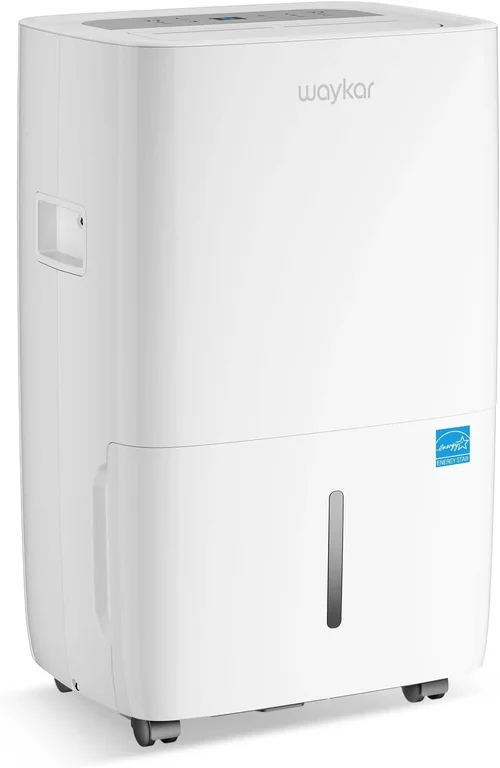
❌ Mistake: Buying Based Solely on Price
Why it’s bad: Choosing the cheapest option often leads to poor performance, frequent repairs, and higher long-term costs. Low-end units may lack the capacity, durability, or features needed for effective whole-house dehumidification.
What to do instead: Focus on value, not just cost. Compare features, efficiency, warranty, and user reviews. A mid-range unit with better build quality and energy efficiency will save money over time.
❌ Mistake: Ignoring Proper Sizing
Why it’s bad: An undersized unit won’t control humidity effectively, while an oversized one may short-cycle, wasting energy and reducing comfort. Both scenarios lead to dissatisfaction and higher bills.
What to do instead: Consult an HVAC professional for a proper load calculation. Consider your home’s size, insulation, climate, and occupancy when selecting capacity.
❌ Mistake: Skipping Professional Installation
Why it’s bad: DIY installation can lead to duct leaks, improper drainage, electrical issues, or damage to your HVAC system. Many warranties are voided if not installed by a certified technician.
What to do instead: Hire a licensed HVAC contractor with experience in dehumidifier installations. Get a detailed quote and ensure they follow manufacturer guidelines.
❌ Mistake: Overlooking Maintenance Requirements
Why it’s bad: Neglecting filter changes, coil cleaning, or drain line checks can reduce efficiency, cause malfunctions, and shorten the unit’s lifespan.
What to do instead: Follow the manufacturer’s maintenance schedule. Set calendar reminders for filter replacements (typically every 3–6 months) and annual professional servicing.
❌ Mistake: Not Considering Noise Levels
Why it’s bad: A loud dehumidifier can disrupt sleep, work, or relaxation, especially if installed near living areas or bedrooms.
What to do instead: Check the unit’s decibel (dB) rating—aim for under 50 dB for quiet operation. Look for models with insulated cabinets and variable-speed fans.
❌ Mistake: Ignoring Smart Features and Controls
Why it’s bad: Manual controls or lack of remote monitoring make it difficult to maintain consistent humidity, especially when you’re away from home.
What to do instead: Choose a system with programmable hygstats, Wi-Fi connectivity, and remote sensors. These features enhance convenience and ensure optimal performance.
❌ Mistake: Failing to Check Compatibility with Existing Systems
Why it’s bad: Some dehumidifiers require specific duct configurations, power supplies, or thermostat compatibility. Incompatibility can lead to installation delays or additional costs.
What to do instead: Verify compatibility with your HVAC system, electrical panel, and home layout before purchasing. Consult with your installer early in the process.
Budget Guidelines: How Much Should You Spend?
– Entry-Level ($800–$1,500): These units are typically portable or compact ducted models with basic controls and lower capacity (30–50 PPD). Best for small homes, basements, or supplemental use. Expect shorter warranties and fewer smart features. Ideal for budget-conscious buyers with mild humidity issues.
– Mid-Range ($1,500–$2,500): This is the sweet spot for most homeowners. These systems offer 50–90 PPD capacity, energy-efficient operation, programmable controls, and better build quality. Many include Wi-Fi connectivity and quiet operation. Perfect for average-sized homes in moderate to high-humidity climates.
– Premium ($2,500–$3,500): Designed for large homes, extreme climates, or users who demand top-tier performance. These units feature high capacity (90–120+ PPD), advanced controls, ultra-quiet operation, and extended warranties. Often include smart home integration, remote sensors, and commercial-grade components.
– Luxury ($3,500+): Top-of-the-line models with cutting-edge technology, such as desiccant systems, ERV integration, or custom zoning. These are ideal for luxury homes, museums, or commercial applications. Expect the highest efficiency, durability, and support, but at a significant upfront cost.
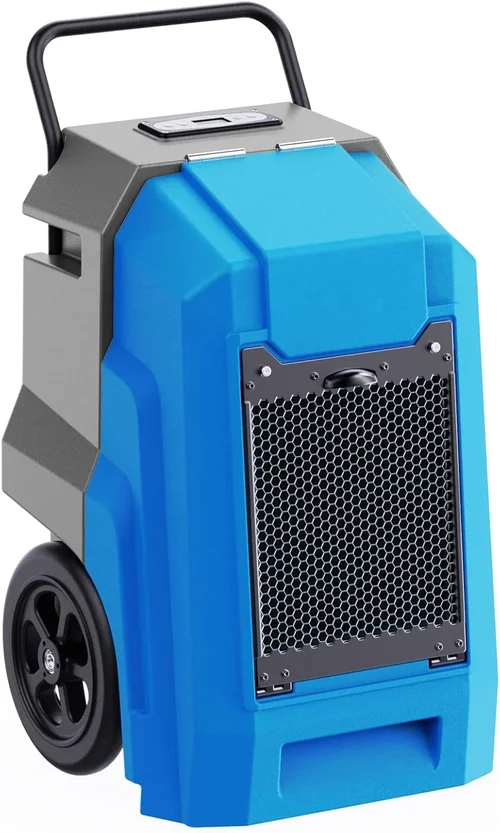
Expert Tips for Getting the Best Deal
– Buy During Off-Peak Seasons: Prices and installation fees are often lower in late fall and winter when HVAC demand drops. Many dealers offer seasonal promotions or discounts.
– Bundle with Other HVAC Upgrades: If you’re replacing your furnace, AC, or air handler, ask about package deals. Bundling can save 10–20% on equipment and labor.
– Compare Multiple Quotes: Get estimates from at least three licensed HVAC contractors. Compare not just price, but included services, warranty terms, and equipment specs.
– Check for Rebates and Incentives: Many utility companies and government programs offer rebates for energy-efficient dehumidifiers. Visit the ENERGY STAR website or contact your local utility for current offers.
– Read the Fine Print on Warranties: Understand what’s covered, what’s excluded, and whether professional installation is required. Keep all documentation and service records.
– Test Before Committing: If possible, ask for a demonstration or trial period. Some dealers allow returns within 30 days if the unit doesn’t meet expectations.
– Prioritize Energy Efficiency: Look for ENERGY STAR-certified models. They use 10–20% less energy than standard units, reducing long-term costs.
– Consider Financing Options: Many manufacturers and dealers offer 0% APR financing for 12–24 months. This can make a premium system more affordable without upfront strain.

Frequently Asked Questions
Q: How do I know if I need a whole house dehumidifier?
A: Signs include persistent musty odors, condensation on windows, mold growth, warped wood, or high humidity readings (above 50%) on a hygrometer. If you’re using multiple portable units or your HVAC system struggles to control moisture, a whole house system is likely beneficial.
Q: Can I install a whole house dehumidifier myself?
A: While possible for experienced DIYers, professional installation is strongly recommended. Proper ductwork, electrical connections, and drainage are critical for performance and safety. Most warranties require professional installation.
Q: Will a dehumidifier increase my energy bill?
A: Yes, but modern units are highly efficient. ENERGY STAR models use significantly less power than older units. The increase is typically offset by improved HVAC efficiency and reduced need for air conditioning.
Q: How often should I change the filter?
A: Every 3–6 months, depending on usage and air quality. Check the filter monthly during peak humidity seasons. A clogged filter reduces airflow and efficiency.
Q: Can a dehumidifier help with allergies?
A: Yes. By reducing humidity, it inhibits mold, dust mites, and mildew—common allergens. Pair it with a high-MERV filter for maximum air quality benefits.
Q: Do I need a condensate pump?
A: Only if the unit is installed below drain level or far from a floor drain. Many models include a pump option or can be fitted with one.
Q: How long do whole house dehumidifiers last?
A: With proper maintenance, most last 10–15 years. Regular servicing and filter changes are key to longevity.
Q: Can I use a dehumidifier in winter?
A: Yes, but only if the unit is rated for low-temperature operation. Refrigerant-based models may ice up below 60°F unless they have auto-defrost.
Q: Will a dehumidifier dry out my skin or cause discomfort?
A: Not if set correctly. Maintain humidity between 30% and 50%. Levels below 30% can cause dryness, while above 50% promotes mold.
Q: Are smart dehumidifiers worth the extra cost?
A: For most users, yes. Remote monitoring, alerts, and integration with smart thermostats enhance convenience and ensure consistent performance, especially when traveling.
Our Final Recommendations
– Best for Budget-Conscious Buyers: AprilAire E080 Pro – A reliable, mid-capacity ducted system with solid performance and a 5-year warranty. Great for homes under 2,500 sq. ft. in moderate climates.
– Best Overall Value: Santa Fe Compact 70 – Offers excellent capacity (70 PPD), energy efficiency, and quiet operation. Ideal for average-sized homes with basements or high humidity.
– Best Premium Option: Ultra-Aire UA1000X – High-capacity (100 PPD), smart controls, and ultra-quiet design. Perfect for large homes or extreme humidity conditions.
– Best for Beginners: Honeywell DH70W – User-friendly interface, easy installation, and strong brand support. Great for first-time buyers.
– Best for Advanced Users: AprilAire Model 1820 Pro – Wi-Fi enabled, remote sensors, and advanced zoning compatibility. Ideal for tech-savvy homeowners with complex HVAC systems.
Conclusion: Making the Right Choice
Choosing the best whole house dehumidifier isn’t just about picking the most powerful or expensive model—it’s about finding the right balance of performance, efficiency, and features for your specific home and lifestyle. By understanding key factors like capacity, installation requirements, and smart functionality, you can avoid common pitfalls and invest in a system that delivers lasting comfort and protection.
Remember, humidity control is a long-term commitment. A well-chosen dehumidifier will improve your indoor air quality, protect your home’s structure, and enhance your overall well-being. Take the time to assess your needs, consult professionals, and compare options carefully. With the insights from this guide, you’re now equipped to make a confident, informed decision that will keep your home dry, healthy, and comfortable for years to come.
Don’t wait until mold appears or your energy bills spike—act now to create a healthier, more comfortable living environment. Your home deserves the best.