
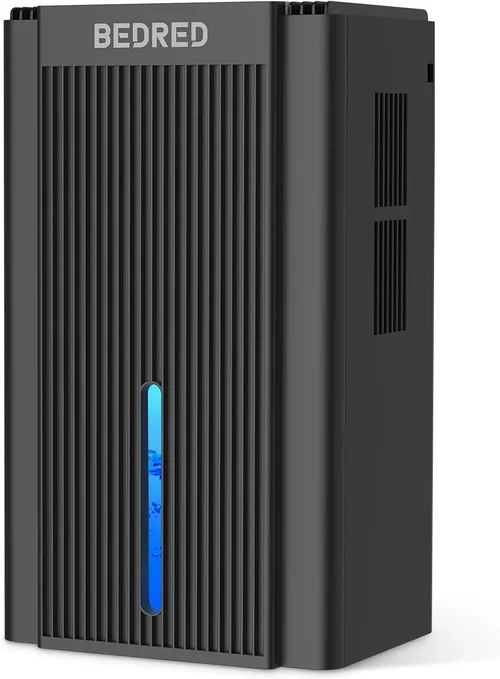
When it comes to maintaining a comfortable, healthy home environment, few appliances are as quietly essential as a dehumidifier. Whether you’re battling musty odors in a damp basement, preventing mold growth in a humid climate, or simply trying to improve indoor air quality, the right dehumidifier can make a world of difference. Yet, despite their importance, many people overlook a critical aspect of dehumidifier ownership: where to place the unit. The location of your dehumidifier isn’t just a matter of convenience—it directly impacts performance, energy efficiency, noise levels, and even the lifespan of the appliance. A poorly placed dehumidifier may struggle to reduce humidity effectively, run constantly, or even cause water damage if not positioned correctly.
This comprehensive buying guide is designed to help you make an informed decision not only about which dehumidifier to buy but, more importantly, where to place it for optimal results. We’ll walk you through the key factors to consider before purchasing, compare different types of dehumidifiers, highlight common placement mistakes, and provide expert-backed advice on maximizing efficiency. Whether you’re a first-time buyer or upgrading from an older model, this guide will equip you with the knowledge to choose the right unit and position it where it can do the most good. With the market flooded with options—from compact portable units to whole-house systems—understanding placement is the secret to getting the best value and performance from your investment.
The dehumidifier market in 2026 continues to evolve rapidly, driven by advancements in energy efficiency, smart home integration, and consumer demand for healthier living spaces. From budget-friendly models under $100 to high-end systems costing over $1,000, there’s a dehumidifier for nearly every need and space. However, even the most advanced unit will underperform if it’s not placed correctly. This guide cuts through the noise, focusing on real-world usability, practical placement strategies, and expert insights to help you avoid costly mistakes. By the end, you’ll know exactly how to evaluate your space, select the right model, and position it for maximum effectiveness—ensuring your home stays dry, comfortable, and mold-free year-round.

What to Look for When Buying Buying Guide
1. Budget & Price Range
Your budget is one of the most important starting points when shopping for a dehumidifier. Prices can range dramatically—from under $100 for small, basic units to over $1,000 for whole-house or commercial-grade systems. However, price doesn’t always correlate with performance, especially when it comes to placement and long-term efficiency. A cheaper model placed in the wrong location may end up costing more in energy bills and repairs than a mid-range unit used correctly.
When setting your budget, consider not just the upfront cost but also long-term expenses like electricity consumption, filter replacements, and maintenance. For example, a $150 dehumidifier that runs 24/7 due to poor placement could cost you an extra $100–$200 per year in energy. On the other hand, a $300 model with smart humidity sensors and auto-shutoff might pay for itself over time. Aim to balance affordability with features that support optimal placement and usage.
2. Performance Specifications
Performance specs are crucial for determining whether a dehumidifier can handle your space effectively. The most important metric is the pint capacity, which indicates how much moisture the unit can remove in 24 hours. Common capacities range from 20 pints (for small bathrooms or closets) to 70+ pints (for large basements or whole homes). However, capacity alone isn’t enough—you also need to consider the size of the area you’re dehumidifying.
The Association of Home Appliance Manufacturers (AHAM) provides standardized testing conditions: 65°F and 60% relative humidity. If your space is warmer or more humid, the actual performance may differ. For instance, a 50-pint unit might only remove 30 pints in a cold basement. Always check the “AHAM rating” and compare it to your room’s square footage and typical humidity levels. A general rule: for a damp 1,000 sq ft basement, look for at least a 50-pint unit; for a very wet space, go higher.
Another key spec is the energy factor (liters of water removed per kilowatt-hour). Look for models with an Energy Star rating, which typically use 15–30% less energy than standard units. This not only saves money but also reduces strain on the compressor, especially when the unit runs frequently due to poor placement.
3. Build Quality & Durability
A dehumidifier is a long-term investment, so build quality matters—especially if it’s going to sit in a basement, crawl space, or garage where it may be exposed to dust, moisture, and temperature fluctuations. Look for units with sturdy casings, rust-resistant coils, and sealed compressors. Metal components are generally more durable than plastic, though high-grade polymers can also be reliable.
Pay attention to the quality of the water tank or drainage system. A flimsy tank can crack or leak, causing water damage if the unit overflows. Units with continuous drainage options (via a hose) are ideal for unattended operation in basements or crawl spaces. Also, check the warranty—most reputable brands offer at least a 1–2 year warranty, with some extending to 5 years on compressors.
4. Features & Functionality
Modern dehumidifiers come with a range of features that can significantly impact placement and performance. Smart sensors that monitor humidity levels and auto-adjust are essential for maintaining consistent moisture control without constant manual intervention. Look for models with a built-in hygrometer and adjustable humidity settings (typically 30–80% RH).
Auto-defrost is another critical feature, especially for cold environments. If you’re placing the unit in an unheated basement or garage, ice can build up on the coils, reducing efficiency or shutting down the unit entirely. Auto-defrost prevents this by briefly reversing the refrigeration cycle to melt ice.
Other useful features include:
– Continuous drainage: Allows you to connect a hose for unattended operation.
– Timer function: Lets you schedule operation during off-peak hours.
– Air filtration: Built-in filters (HEPA or carbon) improve air quality.
– Quiet operation: Look for units under 50 dB for living areas or bedrooms.
– Portability: Casters and handles make it easier to move the unit between rooms.
These features not only enhance usability but also influence where and how you can place the dehumidifier. For example, a unit with continuous drainage can be placed farther from a drain, while a quiet model is better suited for bedrooms or offices.
5. Brand Reputation
Brand reputation is a strong indicator of reliability, customer service, and long-term performance. Established brands like Frigidaire, Honeywell, GE, and AprilAire have decades of experience and generally offer better support, longer warranties, and more consistent quality. While lesser-known brands may offer lower prices, they often lack the same level of customer service or replacement parts availability.
Research customer reviews and professional ratings from sources like Consumer Reports, Wirecutter, or HVAC experts. Pay attention to feedback about noise, durability, and ease of use—especially in real-world conditions. A brand with a strong reputation is more likely to honor warranties and provide helpful troubleshooting if issues arise.
6. Warranty & Support
A solid warranty can save you hundreds in repair or replacement costs. Most dehumidifiers come with a 1-year limited warranty, but some premium models offer 2–5 years, especially on the compressor—the most expensive component. Extended warranties are worth considering if you plan to use the unit continuously in a challenging environment.
Check what the warranty covers: does it include labor, parts, and shipping? Are there exclusions for misuse or improper installation? Also, verify the availability of customer support—can you reach a real person quickly? Brands with strong support networks often provide better guidance on placement and troubleshooting.
7. Size & Portability
The physical size and weight of a dehumidifier affect where you can place it and how easily you can move it. Larger units (50+ pints) are often heavy (40–60 lbs) and may require two people to lift. If you plan to move the unit between rooms or store it seasonally, look for models with built-in handles and caster wheels.
Compact units (20–30 pints) are easier to place in tight spaces like closets, RVs, or under sinks, but they may not be powerful enough for larger areas. Consider the clearance needed around the unit—most require at least 6–12 inches of space on all sides for proper airflow. Placing a dehumidifier too close to walls or furniture can restrict airflow, reducing efficiency and increasing wear on the compressor.
8. User Reviews & Ratings
User reviews provide invaluable insights into real-world performance, especially regarding placement and usability. Look for patterns in feedback: do multiple users mention difficulty placing the unit due to noise or size? Are there complaints about water tank overflow or poor drainage? Positive reviews often highlight ease of setup, quiet operation, and effective moisture control.
Pay attention to reviews from users in similar environments—someone using a dehumidifier in a humid Florida basement will have different experiences than someone in a dry Arizona garage. Use review platforms like Amazon, Home Depot, or Best Buy to compare models and identify common issues.
Different Types of Buying Guide
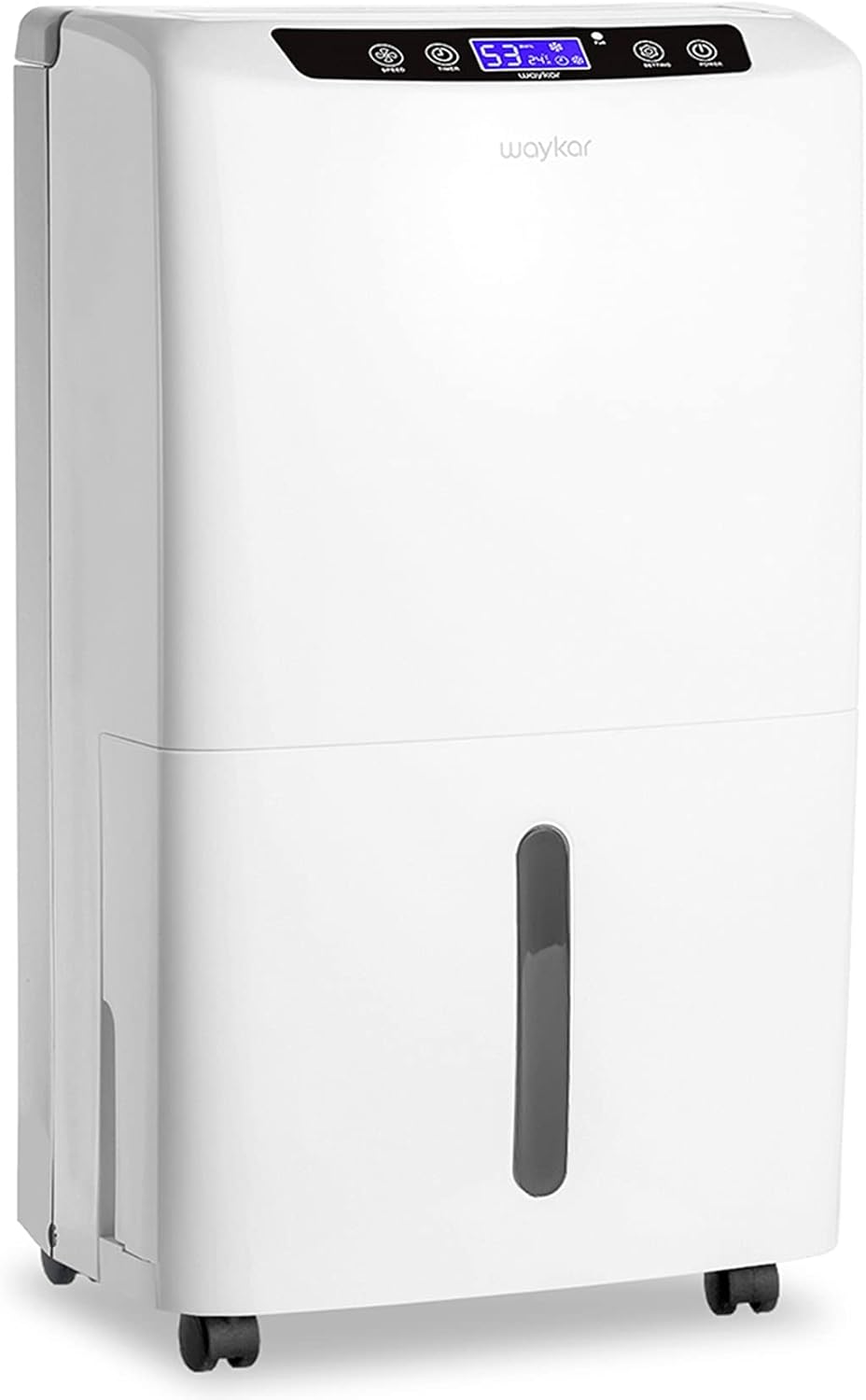
Common Buying Mistakes to Avoid
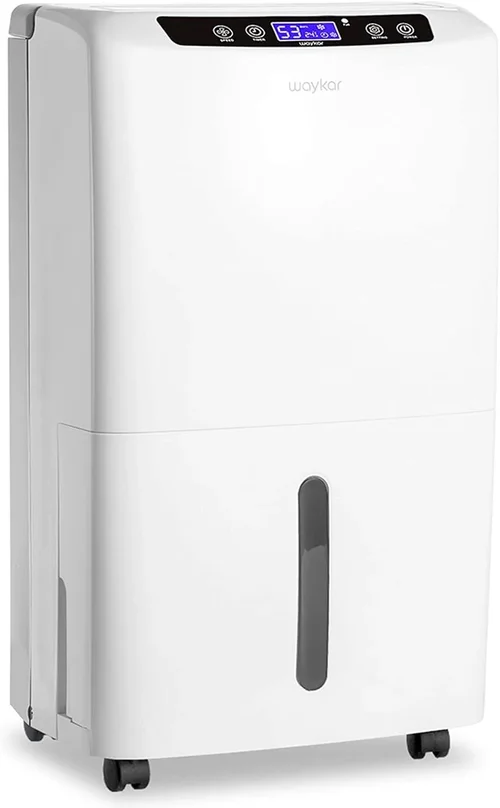
❌ Mistake: Placing the Dehumidifier in a Corner or Against a Wall
Why it’s bad: Dehumidifiers need proper airflow to function efficiently. Placing the unit in a corner or flush against a wall restricts air intake and exhaust, reducing moisture removal and forcing the compressor to work harder. This can lead to overheating, increased energy use, and premature failure.
What to do instead: Position the dehumidifier at least 6–12 inches away from walls, furniture, and other obstructions. Ensure both the intake and exhaust vents have clear space. For best results, place it in an open area where air can circulate freely.
❌ Mistake: Ignoring Drainage Options
Why it’s bad: If your dehumidifier relies on a water tank and you forget to empty it, the unit will shut off, allowing humidity to rise again. In high-moisture areas, tanks can fill in just a few hours, especially during humid seasons.
What to do instead: Choose a model with continuous drainage capability and connect a hose to a floor drain, sump pump, or condensate pump. This allows unattended operation and is essential for basements, crawl spaces, or 24/7 use.
❌ Mistake: Buying a Unit Too Small for the Space
Why it’s bad: A dehumidifier that’s too small will run constantly, struggle to reduce humidity, and wear out quickly. It may also fail to prevent mold or mildew in damp areas.
What to do instead: Calculate your space’s square footage and humidity level. Use the AHAM rating to select a unit with adequate capacity. When in doubt, go one size up—especially for basements, garages, or flood-prone areas.
❌ Mistake: Placing the Unit in Direct Sunlight or Near Heat Sources
Why it’s bad: Heat increases the air’s moisture-holding capacity, making it harder for the dehumidifier to remove water. Placing the unit near a furnace, water heater, or sunny window can reduce efficiency and increase energy consumption.
What to do instead: Position the dehumidifier in a cooler, shaded area. Avoid placing it near heat sources or in direct sunlight. In basements, place it away from the furnace or water heater.
❌ Mistake: Not Considering Noise Levels
Why it’s bad: Dehumidifiers can be noisy, especially compressor models. Placing a loud unit in a bedroom, office, or living area can disrupt sleep or concentration.
What to do instead: Check the decibel (dB) rating—look for models under 50 dB for quiet operation. Place noisy units in basements, garages, or utility rooms. Use rugs or mats to dampen vibrations if needed.
❌ Mistake: Forgetting About Air Circulation
Why it’s bad: Stagnant air limits a dehumidifier’s effectiveness. If the unit is placed in a room with poor airflow, it may only dehumidify a small area, leaving other parts of the space damp.
What to do instead: Use fans to circulate air throughout the room. Open interior doors to allow moisture to move toward the dehumidifier. In large spaces, consider using multiple units or a whole-house system.
❌ Mistake: Not Using a Hygrometer
Why it’s bad: Without monitoring humidity levels, you won’t know if the dehumidifier is working effectively or if adjustments are needed. Over-dehumidifying can make the air too dry, causing discomfort or static electricity.
What to do instead: Use a standalone hygrometer or a smart thermostat with humidity sensing. Aim for 30–50% relative humidity for optimal comfort and mold prevention.
Budget Guidelines: How Much Should You Spend?
– Entry-Level ($50 – $150): These are typically mini or small portable units ideal for closets, bathrooms, or RVs. They’re affordable and energy-efficient but lack advanced features and may require frequent tank emptying. Best for occasional use or very small spaces.
– Mid-Range ($150 – $400): This is the sweet spot for most homeowners. These units offer 30–50 pint capacity, Energy Star ratings, auto-humidistats, and continuous drainage options. They’re suitable for basements, garages, and large rooms. Look for brands like Frigidaire, Honeywell, or GE.
– Premium ($400 – $800): Designed for high-moisture environments or larger homes, these models feature larger tanks, quieter operation, smart controls, and enhanced filtration. Ideal for finished basements, crawl spaces, or homes in humid climates.
– Luxury ($800+): Whole-house dehumidifiers or commercial-grade units that integrate with HVAC systems. These offer centralized control, high capacity (70+ pints), and professional installation. Best for large homes, rental properties, or areas with chronic moisture issues.
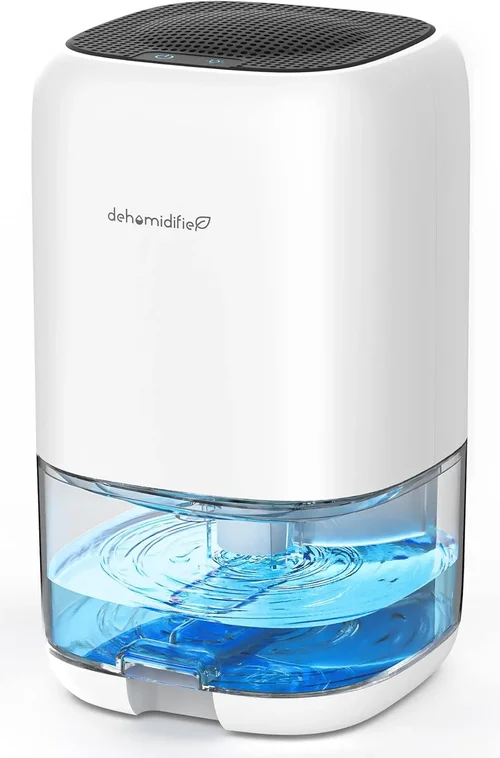
Expert Tips for Getting the Best Deal
– Buy during off-season sales: Dehumidifiers are often discounted in winter (December–February) when demand is low. Retailers like Home Depot, Lowe’s, and Amazon run promotions to clear inventory.
– Check for rebates and incentives: Some utility companies offer rebates for Energy Star appliances. Visit your provider’s website or check DSIRE.org for local programs.
– Compare online and in-store prices: Online retailers often have lower prices and better return policies. However, in-store purchases let you inspect build quality and ask questions.
– Read the fine print on warranties: Some brands require registration within 30 days to activate the warranty. Keep your receipt and manual in a safe place.
– Test before committing: If possible, run the unit for a few days to check noise, performance, and ease of use. Most retailers offer 30-day return windows.
– Consider refurbished or open-box models: These can save 20–40% off retail and often come with the same warranty. Just ensure they’re certified and inspected.
– Use price tracking tools: Tools like Honey, CamelCamelCamel, or Keepa can alert you to price drops on specific models.

Frequently Asked Questions
Q: Where is the best place to put a dehumidifier in a basement?
A: The best location is near the center of the basement or close to the source of moisture (e.g., near a sump pump or exterior wall). Avoid corners and ensure 6–12 inches of clearance on all sides. If possible, place it near a floor drain for continuous drainage.
Q: Can I run a dehumidifier 24/7?
A: Yes, but only if it has a continuous drainage option or a large tank. Running a unit with a small tank nonstop will cause overflow and shutdown. Use a hose to drain directly into a sump or floor drain for unattended operation.
Q: How far should a dehumidifier be from walls?
A: At least 6–12 inches from walls, furniture, and other obstructions. This ensures proper airflow through the intake and exhaust vents, maximizing efficiency and preventing overheating.
Q: Should I close doors and windows when using a dehumidifier?
A: Yes, for best results. Closing interior doors and windows helps contain moisture and allows the dehumidifier to work more efficiently. However, in large homes, you may need multiple units or a whole-house system.
Q: Can a dehumidifier be too powerful?
A: Yes. An oversized unit may cycle on and off too frequently, reducing efficiency and failing to remove enough moisture between cycles. It can also make the air too dry. Choose a unit matched to your space’s size and humidity level.
Q: Do dehumidifiers use a lot of electricity?
A: It depends on the model and usage. Energy Star units use 15–30% less energy. A 50-pint dehumidifier typically uses 500–700 watts. Running it 8 hours a day may cost $10–$20 per month, depending on local electricity rates.
Q: Can I place a dehumidifier in a crawl space?
A: Yes, but only if it’s designed for such use. Crawl space dehumidifiers are sealed, corrosion-resistant, and often have remote controls. Ensure proper drainage and ventilation to prevent moisture buildup.
Q: How often should I clean my dehumidifier?
A: Clean the water tank weekly and the air filter monthly. Wipe down the coils and vents every 3–6 months to prevent mold and maintain efficiency.
Q: What’s the ideal indoor humidity level?
A: Between 30% and 50%. Levels above 60% promote mold and dust mites; below 30% can cause dry skin and respiratory irritation.
Q: Can I use a dehumidifier in winter?
A: Yes, but only if the temperature stays above 65°F. Below that, compressor units may ice up. Desiccant dehumidifiers work better in cold environments.
Our Final Recommendations
– Best for Budget-Conscious Buyers: Frigidaire FFAD5033W1 (50-pint, Energy Star, $250) – Excellent value with auto-humidistat and continuous drainage.
– Best Overall Value: Honeywell TP70WKN (70-pint, smart controls, $380) – High capacity, quiet, and Wi-Fi enabled for remote monitoring.
– Best Premium Option: AprilAire E080 (Whole-house, $1,200) – Professional-grade, integrates with HVAC, ideal for large homes.
– Best for Beginners: GE APER50LZ (50-pint, simple controls, $220) – Easy to use, reliable, and great for first-time buyers.
– Best for Advanced Users: Santa Fe Compact 70 (Crawl space specialist, $900) – Designed for harsh environments with remote control and robust build.
Conclusion: Making the Right Choice
Choosing the right dehumidifier is only half the battle—where you place it determines how well it performs. From understanding your space’s humidity levels to selecting the right capacity, features, and placement strategy, every decision impacts your comfort, health, and energy bills. By avoiding common mistakes, investing in quality, and following expert placement tips, you can ensure your dehumidifier works efficiently for years to come.
Remember, the best dehumidifier is not necessarily the most expensive—it’s the one that fits your needs, your space, and your lifestyle. Whether you’re tackling a damp basement, protecting belongings in a garage, or improving indoor air quality, proper placement is the key to success. Take the time to assess your environment, compare models, and position your unit where it can do the most good. Your home—and your peace of mind—will thank you.