
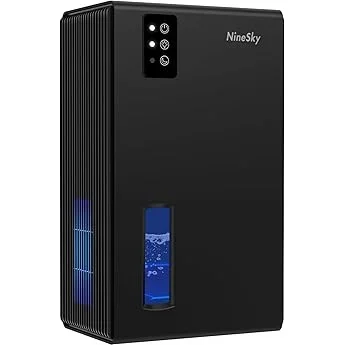
If you’ve ever walked into your basement and been greeted by that unmistakable musty smell, you know how quickly moisture can turn a functional space into a problem zone. Basements are naturally prone to high humidity due to their below-grade location, poor ventilation, and proximity to groundwater. Over time, excess moisture doesn’t just create unpleasant odors—it can lead to mold growth, structural damage, ruined belongings, and even health issues like allergies or respiratory problems. That’s why investing in a reliable basement dehumidifier isn’t just a nice-to-have; it’s a necessity for maintaining a healthy, usable home environment.
This comprehensive buying guide is designed to help you navigate the crowded market of basement dehumidifiers with confidence. Whether you’re dealing with a damp crawl space, a finished basement used as a home gym or playroom, or a storage area full of seasonal items, we’ll walk you through everything you need to know to make the right choice. You’ll learn how to evaluate performance specs, understand key features, avoid common pitfalls, and find the best model for your specific needs and budget. By the end of this guide, you’ll be equipped with expert-level knowledge to select a dehumidifier that delivers long-term value, efficiency, and peace of mind.
The market for basement dehumidifiers has evolved significantly in recent years. Gone are the days when basic models with limited capacity and noisy operation were your only options. Today’s units come equipped with smart sensors, energy-efficient compressors, auto-defrost capabilities, and even Wi-Fi connectivity. Brands like Frigidaire, hOmeLabs, GE, AprilAire, and Midea now offer a wide range of options tailored to different basement sizes, humidity levels, and user preferences. With so many choices available, it’s easy to feel overwhelmed—but this guide cuts through the noise to deliver clear, actionable advice based on real-world performance, expert testing, and customer feedback.

What to Look for When Buying a Basement Dehumidifier
1. Capacity (Pints per Day)
The most critical specification when choosing a basement dehumidifier is its moisture removal capacity, measured in pints per day (PPD). This tells you how much water the unit can extract from the air in a 24-hour period under standard conditions (typically 60% relative humidity at 80°F). For basements, which often experience higher humidity levels than above-ground rooms, selecting the right capacity is essential to avoid underperformance or overspending.
As a general rule, you’ll want a dehumidifier rated for at least 50–70 pints per day for a typical 1,000-square-foot basement. Smaller spaces (under 500 sq ft) may get by with a 30–50-pint model, while larger or particularly damp basements (1,500+ sq ft) may require 70-pint or higher units. Keep in mind that manufacturers often test PPD ratings under ideal lab conditions, so real-world performance may vary—especially in colder basements where efficiency drops. Always size up slightly if your basement is prone to flooding, has poor drainage, or is used for laundry or other moisture-generating activities.
2. Energy Efficiency & Operating Costs
Running a dehumidifier continuously can add significantly to your electricity bill, especially in humid climates or during summer months. That’s why energy efficiency should be a top priority. Look for models with the ENERGY STAR® certification, which indicates they meet strict efficiency guidelines set by the U.S. Environmental Protection Agency. ENERGY STAR dehumidifiers use up to 15% less energy than standard models, translating to real savings over time.
Pay attention to the unit’s energy factor (EF), measured in liters of water removed per kilowatt-hour (L/kWh). A higher EF means better efficiency. For example, a dehumidifier with an EF of 1.5 removes 1.5 liters of moisture for every kWh of electricity used—this is considered excellent. Also, consider features like auto-humidistats, which allow the unit to cycle on and off based on actual humidity levels, preventing unnecessary runtime. Some advanced models even include timers or eco modes to further reduce energy consumption.
3. Basement Temperature Range
One of the most overlooked factors in basement dehumidification is operating temperature. Many standard dehumidifiers are designed to work efficiently only in warm environments (typically 65°F and above). However, basements often stay cooler—especially in winter—which can cause the unit’s coils to freeze, triggering a shutdown or reducing performance.
If your basement regularly drops below 60°F, you’ll need a cold-climate or low-temperature dehumidifier. These models feature auto-defrost technology or use alternative refrigeration systems that prevent ice buildup. Brands like AprilAire and Santa Fe specialize in whole-home and low-temp units ideal for unheated basements. Using a standard dehumidifier in a cold basement not only wastes energy but can also damage the compressor over time.
4. Drainage Options & Water Tank Capacity
Dehumidifiers collect moisture in either a built-in water tank or via continuous drainage. For basement use, continuous drainage is usually the best option—especially if you plan to run the unit unattended for long periods. Most models include a hose connection (typically 5/8″ or 3/4″ threaded) that allows you to route water directly to a floor drain, sump pump, or utility sink.
If you prefer manual emptying, check the tank size. A 10–16 pint tank is common on mid-range models, but larger tanks (20+ pints) reduce how often you need to empty them. However, tanks add bulk and can be messy to handle when full. Some units include splash guards or easy-grip handles, but nothing beats the convenience of gravity drainage. Always ensure your basement has a suitable drain nearby or consider installing a condensate pump if needed.
5. Noise Level
Basements are often used as living spaces—home theaters, gyms, offices, or guest rooms—so noise can be a major concern. Dehumidifiers produce sound from their compressor and fan, typically ranging from 45 to 65 decibels (dB). For context, 50 dB is about as loud as a quiet conversation, while 65 dB resembles normal office chatter.
Look for models with noise ratings below 55 dB if quiet operation is important. Units with variable fan speeds or “sleep mode” settings can help minimize disruption. Placement also matters: placing the dehumidifier on a vibration-absorbing mat or away from walls can reduce noise transmission. Avoid placing it directly on concrete floors without insulation, as this can amplify vibrations.
6. Smart Features & Controls
Modern basement dehumidifiers come with increasingly sophisticated controls that enhance usability and efficiency. At a minimum, look for a digital humidistat that lets you set your desired humidity level (ideally between 30% and 50% for basements). Auto-restart functionality is also valuable—it ensures the unit resumes operation after a power outage without manual intervention.
Higher-end models may offer Wi-Fi connectivity, allowing you to monitor and control the dehumidifier via smartphone apps. This is especially useful if your basement is infrequently visited. Some apps provide alerts for full tanks, filter changes, or maintenance needs. Other smart features include programmable timers, remote sensors, and integration with smart home systems like Alexa or Google Home. While not essential, these features add convenience and can help maintain optimal conditions even when you’re not home.
7. Filter Type & Maintenance
Air filters in dehumidifiers serve two purposes: they protect internal components from dust and debris, and they improve indoor air quality by capturing allergens and mold spores. Most units include a washable mesh or foam filter that should be cleaned every 2–4 weeks, depending on usage and air quality.
Some premium models feature advanced filtration systems, such as HEPA or activated carbon filters, which are more effective at trapping fine particles and odors. While these offer better air cleaning, they may require replacement every 6–12 months, adding to long-term costs. Regardless of filter type, regular maintenance is crucial—a clogged filter restricts airflow, reduces efficiency, and can cause the unit to overheat.
8. Build Quality & Durability
Basements are harsh environments—damp, dusty, and sometimes prone to temperature swings. A dehumidifier that works well in a living room might fail prematurely in a basement due to corrosion, mold growth inside the unit, or mechanical stress. That’s why build quality matters.
Look for models with rust-resistant coatings, sealed electronics, and durable plastic or metal casings. Units designed specifically for basements or whole-house applications often have better ingress protection (IP ratings) against dust and moisture. Check customer reviews for reports of leaks, compressor failures, or mold buildup inside the machine. A well-built dehumidifier should last 5–10 years with proper care.
Different Types of Basement Dehumidifiers

Common Buying Mistakes to Avoid
❌ Mistake: Buying Based Solely on Price
Why it’s bad: The cheapest dehumidifier often lacks the capacity, durability, or features needed for effective basement use. Low-cost models may have undersized compressors, poor seals, or weak fans that fail under continuous load. You could end up replacing it within a year—costing more in the long run.
What to do instead: Focus on value, not just upfront cost. A mid-range model ($250–$400) with good reviews, solid construction, and efficient operation will save money on energy and repairs over time. Think of it as an investment in your home’s health.
❌ Mistake: Ignoring Your Basement’s Actual Conditions
Why it’s bad: Guessing your humidity level or square footage can lead to an undersized or oversized unit. An undersized dehumidifier will run constantly without reaching target humidity, while an oversized one may cycle too frequently, wasting energy and wearing out components.
What to do instead: Use a hygrometer (available for under $20) to measure your basement’s relative humidity. Note any signs of moisture—condensation, peeling paint, or musty smells. Combine this data with your square footage to choose the right capacity.
❌ Mistake: Overlooking Drainage Needs
Why it’s bad: If you rely on manual emptying and forget to check the tank, the dehumidifier will shut off when full, allowing humidity to rise again. This defeats the purpose and can lead to mold growth.
What to do instead: Whenever possible, use continuous drainage. Even if your basement doesn’t have a floor drain, you can route a hose to a sump pit or use a condensate pump. Only choose tank-only models if you’re committed to daily checks.
❌ Mistake: Assuming All Dehumidifiers Work in Cold Basements
Why it’s bad: Standard compressor dehumidifiers lose efficiency below 65°F and may shut down entirely due to frozen coils. Running one in a cold basement wastes electricity and risks damage.
What to do instead: If your basement stays cool, invest in a low-temperature or desiccant model. These are specifically engineered to operate efficiently in colder environments.
❌ Mistake: Neglecting Maintenance
Why it’s bad: A dirty filter or clogged coils reduce airflow, increase energy use, and can cause the unit to overheat or fail prematurely. Many users don’t realize maintenance is required until it’s too late.
What to do instead: Clean the filter monthly, inspect coils for dust, and ensure vents aren’t blocked. Keep the area around the dehumidifier clear for proper airflow.
❌ Mistake: Buying Without Checking Warranty & Support
Why it’s bad: Dehumidifiers contain complex components like compressors and refrigerant systems. If something breaks after the return window closes, you could be stuck with a costly repair or replacement.
What to do instead: Choose brands with at least a 1–2 year warranty and responsive customer service. Read reviews about post-purchase support. Avoid no-name brands with limited service networks.
❌ Mistake: Placing the Dehumidifier in the Wrong Spot
Why it’s bad: Putting the unit in a corner or behind furniture restricts airflow, reducing efficiency. It may also create uneven drying, leaving some areas damp.
What to do instead: Place the dehumidifier in the center of the room or near the source of moisture (e.g., near a washer or exterior wall). Leave at least 6–12 inches of clearance on all sides.
Budget Guidelines: How Much Should You Spend?
Entry-Level ($100 – $200): These are typically compact or mini dehumidifiers best suited for small spaces like closets or crawl spaces. They usually have capacities under 30 pints per day, small tanks, and basic controls. While affordable, they’re rarely powerful enough for full basements and may lack durability. Only consider this tier if your moisture issue is minor and localized.
Mid-Range ($200 – $400): This is the sweet spot for most homeowners. Units in this range offer 50–70 pint capacities, ENERGY STAR ratings, digital humidistats, and continuous drainage options. Brands like hOmeLabs, Frigidaire, and GE dominate this category with reliable performance and solid build quality. You’ll get the best balance of features, efficiency, and longevity here.
Premium ($400 – $800): These models are designed for demanding environments—large basements, high humidity, or cold temperatures. Expect advanced features like Wi-Fi connectivity, auto-defrost, dual-speed fans, and larger tanks or robust drainage systems. Brands like AprilAire and Santa Fe offer whole-home integration and superior durability. Ideal for those with serious moisture problems or smart home setups.
Luxury ($800+): At this level, you’re looking at commercial-grade or whole-house systems. These units can handle 100+ pints per day, integrate with HVAC systems, and often include remote monitoring, professional installation, and extended warranties. They’re overkill for most residential basements but justified for large properties, flood-prone areas, or users who want hands-off, whole-home humidity control.
Expert Tips for Getting the Best Deal
– Buy in Spring or Early Summer: Demand peaks during humid months, but retailers often discount older models in spring to clear inventory. You can save 15–25% by shopping in April or May instead of July or August.
– Check Retailer Return Policies: Some stores (like Costco or Amazon) offer generous return windows—up to 90 days. This gives you time to test the unit in your basement and ensure it performs as expected.
– Look for Bundle Deals: Occasionally, manufacturers offer rebates or free accessories (like hoses or filters) with purchase. Sign up for brand newsletters to catch these promotions.
– Consider Refurbished Models: Certified refurbished dehumidifiers from reputable sellers (e.g., manufacturer websites) often come with full warranties and can cost 20–30% less than new units.
– Read Verified Purchase Reviews: Focus on reviews from buyers who’ve used the unit in basements—not just general living spaces. Look for comments about noise, drainage, and performance in cold weather.
– Test Before Committing: If buying in-store, ask to see a demo unit. Listen for excessive noise, check the control panel, and verify hose compatibility. Online buyers should watch unboxing and review videos.
– Factor in Long-Term Costs: A $50 cheaper unit that uses 20% more energy could cost you $100+ over five years. Always compare annual operating costs using the EnergyGuide label.
– Don’t Skip the Warranty: Extended warranties aren’t always worth it, but ensure the manufacturer offers at least a 1-year parts-and-labor warranty. For premium units, consider service plans if available.

Frequently Asked Questions
Q: How do I know if my basement needs a dehumidifier?
A: Signs include persistent musty odors, visible mold or mildew, condensation on walls or windows, peeling paint, warped wood, or a clammy feeling in the air. Use a hygrometer to measure humidity—if it’s consistently above 60%, a dehumidifier is recommended.
Q: Can I use a regular room dehumidifier in my basement?
A: It depends. If your basement is heated and stays above 65°F, a standard portable dehumidifier may work. However, for unheated or cold basements, you’ll need a low-temperature or desiccant model to avoid coil freezing and inefficiency.
Q: How often should I run my basement dehumidifier?
A: Ideally, run it continuously during humid seasons or whenever humidity exceeds your set point (usually 45–50%). Most modern units have auto modes that cycle on and off as needed, so you don’t need to monitor them constantly.
Q: Will a dehumidifier help with mold?
A: Yes—but only if used preventively. A dehumidifier reduces the moisture mold needs to grow. However, if mold is already present, you must clean it first (using proper safety gear) before running the dehumidifier. The unit won’t remove existing mold, only prevent new growth.
Q: How much electricity does a basement dehumidifier use?
A: A typical 50-pint ENERGY STAR model uses about 500–700 watts. Running it 12 hours a day could cost $15–$25 per month, depending on your electricity rate. Larger or less efficient units will cost more.
Q: Can I install a dehumidifier myself?
A: Portable units are plug-and-play—just place them, plug in, and go. Whole-house systems require ductwork integration and may need professional installation, especially if tied to your HVAC system.
Q: Should I close basement doors when running a dehumidifier?
A: Yes, for best results. Closing doors and windows helps the dehumidifier focus on the basement air rather than pulling in humid air from upstairs. This improves efficiency and speeds up drying.
Q: What’s the ideal humidity level for a basement?
A: Aim for 30% to 50% relative humidity. Levels below 30% can dry out wood and cause discomfort, while above 50% encourages mold and dust mites.
Q: Do dehumidifiers produce heat?
A: Yes—slightly. As the unit removes moisture, it releases heat back into the room. In a basement, this is usually negligible and may even be beneficial in cooler months.
Q: How long do basement dehumidifiers last?
A: With proper maintenance, most quality units last 5–10 years. Compressor lifespan is the main limiting factor. Regular filter cleaning and avoiding extreme conditions can extend service life.
Our Final Recommendations
Best for Budget-Conscious Buyers: hOmeLabs 50 Pint Dehumidifier – At around $250, this model offers excellent value with a 50-pint capacity, ENERGY STAR rating, digital controls, and continuous drainage. It’s quiet, reliable, and ideal for medium basements.
Best Overall Value: Frigidaire FFAD7033R1 70 Pint Dehumidifier – With a 70-pint capacity, auto-humidistat, and low-temperature operation down to 41°F, this unit handles large or damp basements with ease. It’s energy-efficient, durable, and backed by a strong warranty.
Best Premium Option: AprilAire E080 Pro 80 Pint Whole-House Dehumidifier – Designed for serious moisture control, this ducted system integrates with your HVAC and covers up to 4,000 sq ft. It’s perfect for large homes or chronic humidity issues, though it requires professional installation.
Best for Beginners: GE APER50LZ 50 Pint Dehumidifier – Simple controls, clear display, and reliable performance make this a great starter unit. It includes a washable filter, timer, and easy-roll casters for mobility.
Best for Advanced Users: Santa Fe Ultra-Aire 70 Pint Desiccant Dehumidifier – Engineered for cold basements and quiet operation, this desiccant model works efficiently in temperatures as low as 33°F. It’s ideal for unheated spaces where compressor units fail.
Conclusion: Making the Right Choice
Choosing the best basement dehumidifier isn’t just about picking the biggest or most expensive model—it’s about matching the right tool to your specific environment, needs, and budget. From understanding capacity and energy efficiency to avoiding cold-weather pitfalls and prioritizing drainage, every decision you make contributes to a healthier, more comfortable basement. Remember, the goal isn’t just to remove moisture—it’s to create a space that’s safe, usable, and free from the hidden threats of excess humidity.
Take the time to assess your basement’s unique conditions, read real user reviews, and invest in a unit that offers long-term reliability. Whether you’re protecting family heirlooms, creating a home gym, or simply preventing mold, the right dehumidifier is a small investment with big returns. Use this guide as your roadmap, and you’ll be well on your way to a drier, fresher basement in 2026 and beyond.