
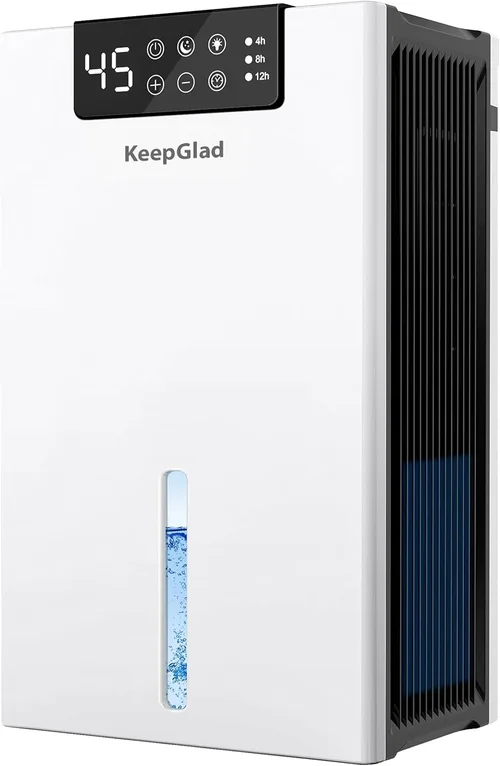
If you’ve ever noticed a musty smell in your basement, spotted condensation on your windows, or felt like the air in your home is thick and heavy—especially during humid summer months—you’re not alone. Excess moisture in indoor air is more than just a comfort issue; it’s a health and structural concern. Mold, mildew, dust mites, and even wood rot thrive in high-humidity environments, and left unchecked, they can damage your home and aggravate respiratory conditions like asthma or allergies. That’s where a quality dehumidifier comes in. These unassuming appliances quietly pull excess moisture from the air, helping maintain a healthy, comfortable, and damage-free living space.
This comprehensive buying guide is designed to help you navigate the crowded market of home dehumidifiers with confidence. Whether you’re dealing with a damp crawl space, a humid bedroom, or an entire basement that feels like a swamp, we’ll walk you through everything you need to know to make an informed decision. You’ll learn how to assess your specific needs, understand key performance metrics, compare different types of units, avoid common pitfalls, and find the best value for your budget. By the end of this guide, you’ll be equipped with expert-level knowledge to choose a dehumidifier that delivers reliable performance, energy efficiency, and long-term durability—without overspending or settling for a unit that’s too weak (or too strong) for your space.
The home dehumidifier market has evolved significantly in recent years. What was once a niche appliance for basements and coastal homes has become a mainstream solution for improving indoor air quality across all climates. Today’s models range from compact, portable units under $100 to high-capacity, smart-enabled systems costing over $500. Brands like Frigidaire, hOmeLabs, GE, Midea, and AprilAire dominate the space, each offering unique features tailored to different household needs. With advancements in compressor technology, energy efficiency standards, and smart home integration, modern dehumidifiers are smarter, quieter, and more effective than ever. This guide cuts through the noise to help you find the right fit for your home in 2026.
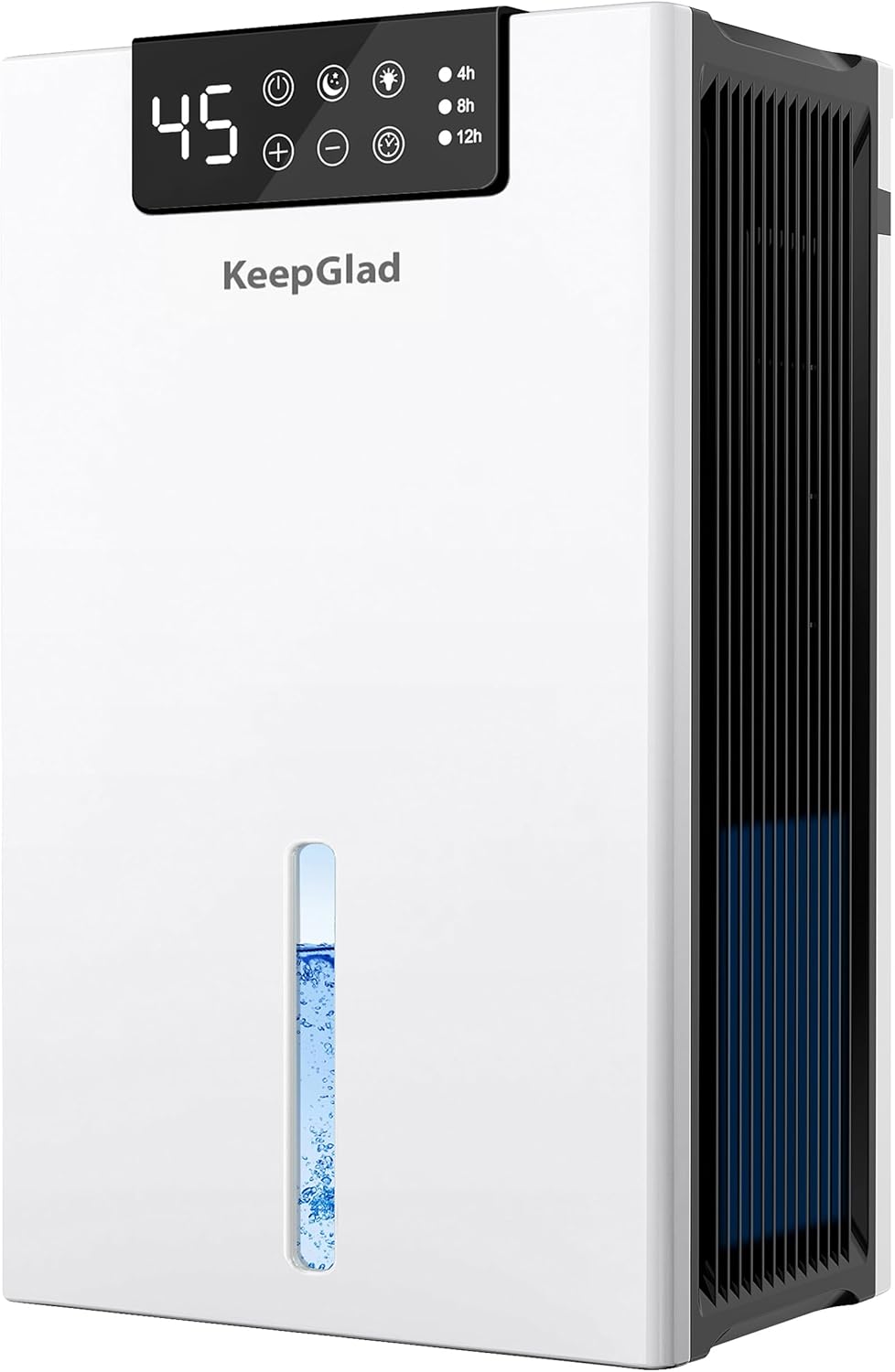
What to Look for When Buying Buying Guide
1. Budget & Price Range
Your budget will naturally influence your options, but it’s important to view a dehumidifier as a long-term investment in your home’s health and comfort. Prices typically range from under $100 for basic 20-pint units to over $600 for whole-house or commercial-grade systems. While it’s tempting to go for the cheapest model, low-cost units often lack durability, energy efficiency, and advanced features—and may fail prematurely in high-moisture environments. Conversely, spending top dollar doesn’t always guarantee better performance unless the unit matches your specific needs. Aim to balance upfront cost with expected lifespan, energy consumption, and feature set. A mid-range dehumidifier ($150–$300) often offers the best value for most homeowners, providing solid performance, reliable build quality, and useful features like auto-humidistats and continuous drainage.
2. Performance Specifications
The most critical performance metric is the pint capacity—the amount of moisture a dehumidifier can remove in 24 hours under standard testing conditions (typically 80°F and 60% relative humidity). For small spaces like bathrooms or closets, a 20–30 pint unit may suffice. Medium-sized rooms (500–1,500 sq ft) usually require 30–50 pints, while large basements or whole-house applications may need 50+ pints. However, don’t rely solely on pint ratings. Consider the actual square footage and humidity level of your space. A damp basement in a rainy climate may need a higher-capacity unit than a dry attic of the same size. Also, look at the Energy Factor (EF), measured in liters of water removed per kilowatt-hour (L/kWh). Higher EF values mean greater energy efficiency—important for units running continuously. ENERGY STAR-certified models meet strict efficiency guidelines and can save you up to 15% on energy costs compared to standard units.
3. Build Quality & Durability
A dehumidifier is a mechanical device with moving parts—compressors, fans, coils, and pumps—so build quality directly impacts longevity. Look for units with sturdy plastic or metal casings, well-sealed components, and corrosion-resistant coatings, especially if used in damp areas like basements. Internal components matter too: rotary compressors are generally quieter and more durable than piston types, while copper coils resist rust better than aluminum. Check user reviews for reports of leaks, compressor failures, or fan noise over time. Units from reputable brands often undergo rigorous testing and use higher-grade materials. Avoid ultra-cheap models with flimsy construction—they may save you money upfront but cost more in repairs or replacements down the line.
4. Features & Functionality
Modern dehumidifiers come packed with features that enhance convenience, control, and efficiency. Key functionalities to consider include:
– Built-in humidistat: Allows you to set and maintain a target humidity level (ideally 30–50%). The unit automatically turns on/off as needed.
– Auto-defrost: Prevents ice buildup on coils in cold environments (below 65°F), ensuring continuous operation in unheated spaces like garages or crawl spaces.
– Continuous drainage: Lets you connect a garden hose to empty collected water without manual intervention—ideal for basements or unattended operation.
– Timer and delay start: Enables scheduled operation to save energy or run during off-peak hours.
– Air filtration: Many units include washable or replaceable filters to trap dust, allergens, and mold spores, improving air quality.
– Smart connectivity: Wi-Fi-enabled models let you monitor and control humidity remotely via smartphone apps, receive alerts, and integrate with smart home systems.
Choose features based on your lifestyle and environment. For example, if you’re frequently away from home, continuous drainage and remote monitoring are invaluable.
5. Brand Reputation
Not all dehumidifier brands are created equal. Established manufacturers like Frigidaire, GE, hOmeLabs, Midea, and AprilAire have built reputations for reliability, customer support, and consistent performance. These companies often invest in R&D, adhere to strict quality control, and offer better warranties. Lesser-known or generic brands may offer attractive prices but can fall short in durability, service, and parts availability. Research brand history, read long-term user reviews, and check for recalls or common failure points. A trusted brand may cost slightly more upfront but pays off in peace of mind and fewer headaches over time.
6. Warranty & Support
A solid warranty is a strong indicator of a manufacturer’s confidence in their product. Most reputable dehumidifiers come with a 1- to 2-year limited warranty, covering parts and labor. Some premium models offer extended coverage (up to 5 years) or separate compressor warranties. Pay attention to what’s included—does it cover labor? Are there exclusions for commercial use or improper installation? Also consider customer support: Can you easily reach a representative? Are replacement parts readily available? Brands with strong U.S.-based support teams tend to resolve issues faster. Avoid units with no warranty or vague terms—these are red flags for poor quality or short lifespans.
7. Size & Portability
Dehumidifiers vary significantly in size and weight. Smaller units (20–30 pints) are typically lightweight (30–40 lbs) and come with carrying handles and casters for easy movement between rooms. Larger 50+ pint models can weigh 60–80 lbs and may require two people to move. Consider where you’ll use the unit most—will it stay in one place, or do you need to move it seasonally? If portability is key, look for compact designs with robust wheels and ergonomic handles. Also check the power cord length and plug type; some units require grounded outlets or have short cords that limit placement. For whole-house systems, size is less of an issue since they’re usually installed permanently by HVAC professionals.
8. User Reviews & Ratings
While specs and marketing materials provide useful data, real-world performance is best gauged through user feedback. Look beyond star ratings and read detailed reviews on trusted platforms like Amazon, Home Depot, or Consumer Reports. Pay attention to comments about noise levels, ease of setup, filter maintenance, drainage options, and long-term reliability. Watch for recurring issues—such as frequent leaks, compressor failures, or poor customer service—as these signal potential problems. Also note how the unit performs in similar environments to yours (e.g., “works great in my 1,200 sq ft basement in Florida”). Balanced reviews that mention both pros and cons are often the most trustworthy.
Different Types of Buying Guide

Common Buying Mistakes to Avoid
❌ Mistake: Buying Based Solely on Pint Capacity
Why it’s bad: Pint ratings are measured under ideal lab conditions and don’t reflect real-world performance in varying temperatures and humidity levels. A 50-pint unit may underperform in a cold basement or overwork in a small closet.
What to do instead: Match the unit to your space’s square footage, humidity level, and temperature. Use manufacturer sizing guides and consider a slightly larger capacity for damp or poorly ventilated areas.
❌ Mistake: Ignoring Energy Efficiency
Why it’s bad: Dehumidifiers run for hours daily, and inefficient models can significantly increase your electricity bill. A unit with low EF may cost less upfront but more in the long run.
What to do instead: Look for ENERGY STAR certification and compare Energy Factor ratings. Even a small efficiency gain can save $20–$50 annually.
❌ Mistake: Overlooking Drainage Options
Why it’s bad: Emptying a water bucket every day is tedious and easy to forget. If the unit shuts off when full, moisture builds up again.
What to do instead: Choose a model with continuous drainage via hose or built-in pump, especially for basements or unattended use.
❌ Mistake: Choosing the Cheapest Model Available
Why it’s bad: Ultra-low-cost units often use inferior components, lack safety features, and fail within a year or two.
What to do instead: Invest in a mid-range model from a reputable brand. The extra $50–$100 often translates to years of reliable service.
❌ Mistake: Not Considering Noise Levels
Why it’s bad: Loud dehumidifiers (above 50 dB) can disrupt sleep, work, or relaxation, especially in bedrooms or open-plan living areas.
What to do instead: Check decibel ratings and user reviews for noise feedback. Desiccant models are typically quieter than compressor-based units.
❌ Mistake: Skipping the Humidistat
Why it’s bad: Without a humidistat, the unit runs continuously or not at all, leading to over-drying or insufficient moisture control.
What to do instead: Always choose a model with an adjustable humidistat to maintain optimal humidity (30–50%) automatically.
❌ Mistake: Forgetting About Maintenance
Why it’s bad: Clogged filters and dirty coils reduce efficiency and can cause malfunctions or mold growth inside the unit.
What to do instead: Select a model with easy-access washable filters and follow the maintenance schedule in the manual.
Budget Guidelines: How Much Should You Spend?
Entry-Level ($80 – $150): These compact units are ideal for small spaces like bathrooms, closets, or RVs. Expect basic functionality—manual controls, small water tanks, and limited features. While affordable, they may lack durability and efficiency. Best for occasional use or low-humidity areas.
Mid-Range ($150 – $300): This is the sweet spot for most homeowners. These dehumidifiers offer 30–50 pint capacity, built-in humidistats, auto-defrost, continuous drainage options, and energy-efficient operation. Brands like hOmeLabs, Frigidaire, and GE dominate this tier with reliable performance and solid warranties.
Premium ($300 – $500): Designed for large basements, garages, or high-moisture environments, these units deliver 50+ pint capacity, advanced controls, smart features, and robust build quality. Look for models with pumps for upward drainage, enhanced filtration, and quiet operation. Ideal for serious moisture problems.
Luxury ($500+): Includes whole-house systems and high-end portable units with Wi-Fi connectivity, app control, and HVAC integration. These are best for large homes, humid climates, or users who prioritize automation and air quality. Installation may require professional help.
Expert Tips for Getting the Best Deal
– Buy during off-peak seasons: Prices drop in fall and winter when demand is lower. Retailers often discount summer inventory.
– Shop major sales events: Look for deals during Black Friday, Prime Day, or Memorial Day sales. Many brands offer bundle discounts or free shipping.
– Compare retailers: Check Amazon, Home Depot, Lowe’s, and manufacturer websites. Some offer price matching or exclusive models.
– Consider refurbished units: Certified refurbished dehumidifiers from reputable sellers often come with warranties and cost 20–30% less.
– Check for rebates: Some utility companies offer rebates for ENERGY STAR appliances—search your provider’s website.
– Read the fine print on warranties: Ensure coverage includes labor and compressor repairs. Avoid extended warranties unless they add real value.
– Test before committing: If buying in-store, inspect the unit for build quality, noise, and ease of use. Online, rely on detailed reviews and return policies.
– Plan for installation: For whole-house units, factor in professional installation costs ($200–$800) when budgeting.
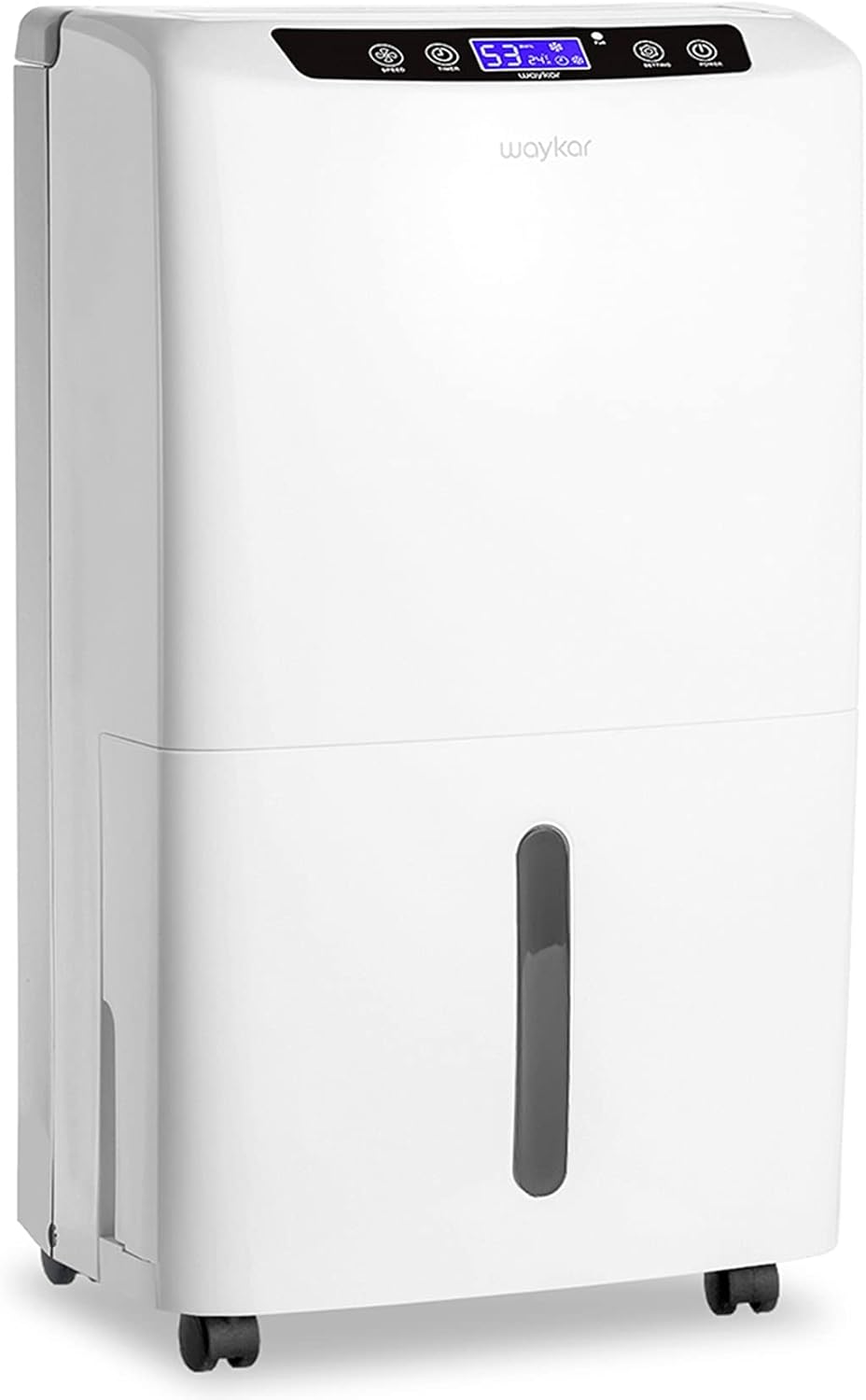
Frequently Asked Questions
Q: How do I know what size dehumidifier I need?
A: Calculate your room’s square footage and assess moisture level. Use this general guide: 20–30 pints for 500 sq ft (moderately damp), 30–50 pints for 1,000–1,500 sq ft (very damp), and 50+ pints for large or extremely damp spaces. Always check the manufacturer’s room size recommendations.
Q: Can a dehumidifier help with mold?
A: Yes—by reducing humidity below 50%, dehumidifiers inhibit mold growth. However, they don’t remove existing mold. Clean visible mold first, then use a dehumidifier to prevent recurrence.
Q: Do dehumidifiers use a lot of electricity?
A: It depends on the model and usage. ENERGY STAR units are more efficient. On average, a 50-pint dehumidifier uses 500–700 watts. Running 8 hours daily may cost $10–$20 per month, depending on local rates.
Q: Should I run my dehumidifier all the time?
A: Not necessarily. Use the humidistat to maintain 30–50% humidity. The unit will cycle on/off as needed. In very humid climates, continuous operation may be necessary.
Q: Can I use a dehumidifier in winter?
A: Only if the space is above 65°F. Most compressor-based units freeze below this temperature. Use a desiccant dehumidifier or one with auto-defrost for cold areas.
Q: How often should I clean the filter?
A: Every 2–4 weeks during heavy use. A clogged filter reduces airflow and efficiency. Wash with mild soap and water, then dry completely.
Q: Is a built-in pump worth it?
A: Yes, if you need to drain water upward (e.g., from a basement to a sink). Pumps allow flexible hose placement and prevent overflow.
Q: Can I connect a dehumidifier to my HVAC system?
A: Only whole-house models are designed for HVAC integration. Portable units cannot be connected directly.
Q: Do dehumidifiers cool the air?
A: No—they remove moisture, which can make the air feel cooler, but they don’t lower temperature like an air conditioner.
Q: What’s the difference between compressor and desiccant dehumidifiers?
A: Compressor models use refrigerant to cool coils and condense moisture—efficient in warm, humid air. Desiccant models use moisture-absorbing materials and work better in cold or dry conditions, and are quieter.
Our Final Recommendations
Best for Budget-Conscious Buyers: hOmeLabs 30 Pint Dehumidifier – Reliable performance, compact design, and ENERGY STAR efficiency under $150. Ideal for small to medium rooms.
Best Overall Value: Frigidaire FFAD7033R1 70 Pint Dehumidifier – Excellent capacity, continuous drainage, auto-defrost, and quiet operation around $300. Perfect for large basements.
Best Premium Option: AprilAire E080 Pro 80 Pint Whole-House Dehumidifier – Professional-grade, HVAC-integrated, and built to last. Best for whole-home moisture control in humid climates.
Best for Beginners: GE APER50LZ 50 Pint Dehumidifier – User-friendly controls, clear display, and reliable performance. Great for first-time buyers.
Best for Advanced Users: Midea Cube 50 Pint Smart Dehumidifier – Wi-Fi enabled, app-controlled, with auto-humidistat and washable filter. Ideal for tech-savvy homeowners.
Conclusion: Making the Right Choice
Choosing the best home dehumidifier isn’t just about picking the most powerful or cheapest model—it’s about finding the right balance of capacity, efficiency, features, and durability for your specific environment and needs. Whether you’re tackling a damp basement, protecting furniture from humidity, or improving indoor air quality for health reasons, the right dehumidifier can make a dramatic difference in your comfort and home integrity.
Remember to assess your space honestly, prioritize energy efficiency and smart features, and invest in a reputable brand with strong customer support. Avoid common pitfalls like oversizing or ignoring drainage options, and take advantage of seasonal sales and rebates to maximize value. With the insights from this guide, you’re now equipped to make a confident, informed decision.
Don’t wait until mold appears or your energy bills spike—act proactively. A quality dehumidifier is one of the most effective tools for maintaining a healthy, comfortable home. Take the next step: measure your space, compare your top contenders, and choose the model that aligns with your lifestyle and budget. Your home—and your lungs—will thank you.