
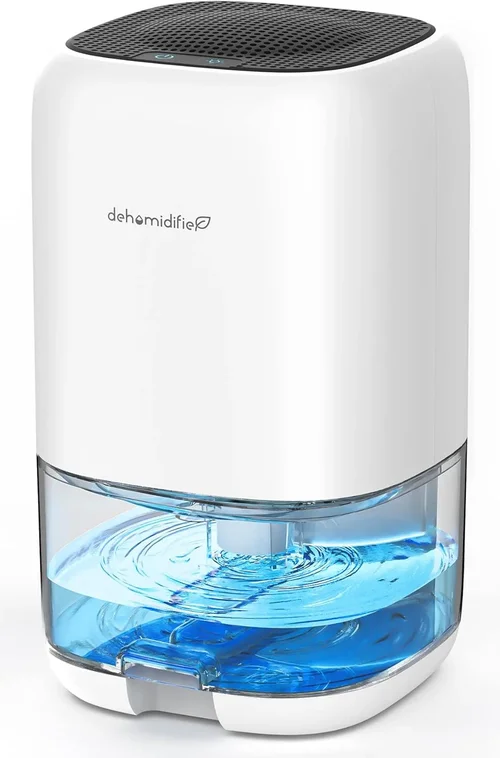
Dehumidifiers have quietly become one of the most essential home appliances of the modern era—especially as climate change brings more extreme humidity, mold risks, and indoor air quality challenges. Whether you’re battling musty basements, protecting your wardrobe from mildew, or simply trying to breathe easier in a damp climate, the right dehumidifier can make a world of difference. Yet, with dozens of models flooding the market—each boasting different capacities, features, and price tags—it’s easy to feel overwhelmed. That’s exactly why this guide exists: to cut through the noise and help you make a smart, informed decision.
In this comprehensive buying guide, you’ll learn everything you need to know to choose the best dehumidifier for your specific needs. We’ll walk you through the critical factors to consider—from performance specs and energy efficiency to noise levels and smart features—so you can avoid costly mistakes and find a unit that delivers real value. We’ll also compare different types of dehumidifiers, highlight common pitfalls, break down budget expectations, and share expert tips to help you get the best deal. By the end, you’ll not only understand what makes one dehumidifier better than another but also know exactly which model fits your home, lifestyle, and budget.
The dehumidifier market has evolved significantly in recent years. Gone are the days when these machines were bulky, noisy, and inefficient. Today’s models are sleeker, smarter, and far more capable—offering features like Wi-Fi connectivity, auto-humidistats, and even integration with smart home systems. At the same time, competition has driven prices down, making high-performance units more accessible than ever. Whether you’re looking for a compact unit for a small bathroom or a heavy-duty machine for a full basement, there’s a dehumidifier out there designed for your situation. Our goal is to help you find it—without overspending or settling for less than you need.

What to Look for When Buying Buying Guide
1. Capacity & Performance Specifications
Capacity is arguably the most important factor when choosing a dehumidifier. It’s typically measured in pints per day (PPD)—the amount of moisture the unit can remove from the air in 24 hours under standard testing conditions (80°F and 60% relative humidity). For most homes, a 30- to 50-pint model is ideal, but your needs will vary based on room size, humidity level, and climate.
Small spaces like bathrooms or closets may only require a 15- to 25-pint unit, while large basements or damp garages often need 70-pint or higher capacity models. Be cautious of manufacturers who inflate capacity numbers—always check if the rating is based on AHAM (Association of Home Appliance Manufacturers) standards, which are the industry benchmark. A unit rated for 50 pints under AHAM conditions will perform more reliably than one claiming 70 pints under non-standard testing.
Also consider the unit’s performance in colder environments. Most refrigerant-based dehumidifiers lose efficiency below 65°F. If you’re using it in an unheated basement or garage during winter, look for a model with low-temperature operation or one that uses a desiccant system, which works better in cold, dry conditions.
2. Energy Efficiency & Operating Costs
Dehumidifiers run for hours each day, so energy efficiency directly impacts your utility bill. Look for models with the ENERGY STAR certification, which indicates they meet strict efficiency guidelines set by the U.S. Environmental Protection Agency. ENERGY STAR dehumidifiers use 15–20% less energy than standard models, saving you $10–$30 per year depending on usage and local electricity rates.
Check the unit’s energy factor (EF), measured in liters of water removed per kilowatt-hour (L/kWh). Higher EF values mean better efficiency. For example, a model with an EF of 1.8 is more efficient than one with 1.5. Also consider the wattage—most residential dehumidifiers range from 300 to 700 watts. Lower wattage doesn’t always mean better efficiency, but it can indicate a more optimized compressor and fan system.
Keep in mind that running a dehumidifier in a humid climate can cost $50–$150 annually. While this may seem high, the long-term savings from reduced mold damage, lower HVAC loads, and improved air quality often outweigh the cost. Some advanced models also feature variable-speed compressors and smart sensors that adjust power usage based on real-time humidity, further improving efficiency.
3. Noise Level & Sound Output
Noise is a critical but often overlooked factor—especially if you plan to use the dehumidifier in a bedroom, living room, or home office. Most units operate between 45 and 60 decibels (dB), which is comparable to a quiet conversation or background music. However, some cheaper models can exceed 60 dB, creating a constant hum that disrupts sleep or concentration.
Look for dehumidifiers with noise ratings below 50 dB for quiet operation. Features like insulated compressor compartments, variable-speed fans, and eco modes can significantly reduce sound output. Some premium models even include “night mode” settings that lower fan speed and mute indicator lights for undisturbed rest.
If noise is a top concern, consider placement. Units placed in basements or utility rooms are less intrusive, but if you need one in a bedroom, prioritize whisper-quiet operation. Reading real user reviews can also give you a better sense of actual noise levels than manufacturer specs, which are often measured under ideal lab conditions.
4. Build Quality & Durability
A dehumidifier is a long-term investment, so durability matters. Look for models with sturdy construction—metal housings, reinforced handles, and high-quality internal components. Cheaper plastic units may crack or warp over time, especially in humid environments.
Pay attention to the compressor type. Rotary compressors are generally more durable and quieter than reciprocating ones, making them ideal for continuous use. Also check the quality of the evaporator and condenser coils—coated or corrosion-resistant coils last longer in damp conditions.
The water tank or bucket should be easy to remove and clean, with a secure lid to prevent spills. Some models include anti-microbial treatments or filters to inhibit mold and bacteria growth inside the unit. A well-built dehumidifier should last 5–10 years with proper maintenance, so don’t skimp on quality to save a few dollars upfront.
5. Features & Functionality
Modern dehumidifiers come packed with features that enhance convenience, efficiency, and control. Here are the most valuable ones to look for:
– Built-in Humidistat: Allows you to set your desired humidity level (ideally between 30% and 50%). The unit will automatically turn on and off to maintain that level.
– Auto-Defrost: Prevents ice buildup on coils in cold environments, ensuring consistent performance.
– Continuous Drain Option: Lets you connect a hose for hands-free operation, ideal for basements or areas where emptying a tank isn’t practical.
– Timer & Scheduling: Enables you to run the unit during off-peak hours or only when needed.
– Wi-Fi & Smart Controls: Lets you monitor and adjust settings via smartphone apps, receive alerts, and integrate with voice assistants like Alexa or Google Assistant.
– Filter Indicator: Reminds you when to clean or replace the air filter, maintaining airflow and efficiency.
– Portability Features: Casters, handles, and lightweight designs make it easier to move the unit between rooms.
While not all features are essential, they can greatly improve usability. For example, a continuous drain hose eliminates the need to empty a tank daily, while smart controls allow remote monitoring—perfect for vacation homes or busy households.
6. Brand Reputation & Reliability
Not all dehumidifier brands are created equal. Some have decades of experience and a track record of reliability, while others are budget-focused with inconsistent quality. Trusted brands like Frigidaire, GE, Honeywell, Midea, and AprilAire are known for durable construction, strong customer support, and consistent performance.
Research brand reputation by reading professional reviews, checking customer ratings on retail sites, and looking for third-party certifications. Avoid obscure or no-name brands that offer unusually low prices—these often cut corners on materials, safety, and longevity.
Also consider regional availability. If you live outside the U.S., certain brands may be more accessible or better supported. For example, European markets often favor brands like De’Longhi or Beko, which offer compact, energy-efficient models suited for smaller homes.
7. Warranty & Customer Support
A solid warranty is a strong indicator of a manufacturer’s confidence in their product. Most reputable brands offer at least a 1-year limited warranty, with some extending coverage to 2 or even 5 years on key components like the compressor.
Look for warranties that cover both parts and labor, and check what’s excluded—some don’t cover damage from improper use or lack of maintenance. Also verify the availability of customer support: can you reach a real person by phone? Is there a live chat option? Are replacement parts readily available?
Extended warranties or protection plans from retailers can be tempting, but they’re often unnecessary if the manufacturer already offers strong coverage. Instead, focus on brands with a reputation for honoring warranties promptly and fairly.
8. Size, Weight & Portability
Dehumidifiers vary widely in size and weight—from compact 15-pint units under 30 pounds to large 70-pint models weighing over 50 pounds. Consider where you’ll place the unit and how often you’ll move it.
For multi-room use, choose a model with built-in casters and a comfortable handle. Smaller units are easier to store and transport, but may need frequent emptying. Larger models are more efficient for big spaces but can be cumbersome.
Also consider clearance requirements. Most dehumidifiers need at least 6–12 inches of space around them for proper airflow. Measure your intended location before buying to avoid surprises.
Different Types of Buying Guide

Refrigerant dehumidifiers are the most common and efficient for typical home use, using a compressor and coils to cool air and condense moisture. They work best in warm, humid environments and are ideal for basements, laundry rooms, and living areas. Desiccant models, on the other hand, use a moisture-absorbing material (like silica gel) and are better suited for cold spaces like garages or unheated cabins. They’re also quieter and more compact but tend to be less energy-efficient in warm climates.
Whole-house dehumidifiers are installed as part of your HVAC system and provide consistent humidity control throughout your home. They’re more expensive and require professional installation, but they’re perfect for large homes or those in consistently humid regions. Mini dehumidifiers are great for targeted use—think under sinks, in closets, or in RVs—but lack the power for larger spaces. Finally, smart models offer the convenience of remote monitoring and automation, making them ideal for busy households or second homes.
Common Buying Mistakes to Avoid
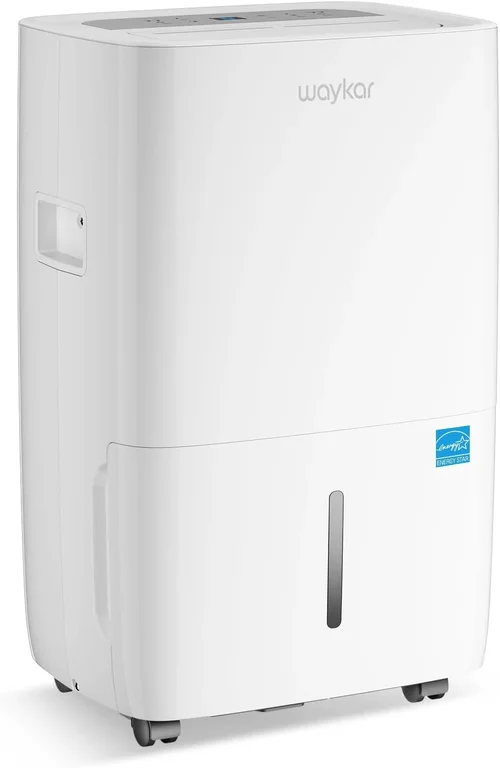
❌ Mistake: Buying Based Solely on Price
Why it’s bad: The cheapest dehumidifier often comes with poor build quality, low efficiency, and limited features. You may end up replacing it within a year or two, costing more in the long run.
What to do instead: Focus on value, not just cost. A mid-range model with good reviews and solid performance will save you money on energy and repairs over time.
❌ Mistake: Ignoring Room Size and Humidity Level
Why it’s bad: A unit too small for your space will run constantly, wear out faster, and fail to control moisture. One that’s too large may cycle on and off too frequently, reducing efficiency.
What to do instead: Measure your space and assess humidity levels. Use a hygrometer to check relative humidity—ideally, it should be between 30% and 50%. Choose a unit with appropriate capacity for your conditions.
❌ Mistake: Overlooking Noise Levels
Why it’s bad: A noisy dehumidifier can disrupt sleep, work, or relaxation—especially if placed in a bedroom or living area.
What to do instead: Check decibel ratings and read user reviews about noise. Opt for models with quiet operation modes or insulated compressors.
❌ Mistake: Skipping the Drain Hose Option
Why it’s bad: Emptying a water tank daily is inconvenient and easy to forget. If the tank overflows, it can cause water damage or trigger an auto-shutoff, leaving your space damp.
What to do instead: Choose a model with a continuous drain outlet and consider installing a hose to a floor drain or sump pump. This is especially important for basements or unattended areas.
❌ Mistake: Not Checking Warranty and Support
Why it’s bad: If your unit breaks down and the manufacturer offers poor support, you could be stuck with a costly repair or replacement.
What to do instead: Research the brand’s reputation for customer service and verify warranty terms before buying. Avoid brands with no clear support channels.
❌ Mistake: Assuming All “Energy Star” Models Are Equal
Why it’s bad: While ENERGY STAR certification is a good start, efficiency varies widely even among certified models.
What to do instead: Compare energy factors (EF) and annual operating costs. Look for models with advanced features like variable-speed compressors for better efficiency.
❌ Mistake: Buying Without Reading Real User Reviews
Why it’s bad: Manufacturer specs can be misleading or based on ideal conditions. Real-world performance often differs.
What to do instead: Read reviews from verified buyers on trusted retail sites. Look for patterns in feedback—consistent complaints about noise, leaks, or short lifespan are red flags.
Budget Guidelines: How Much Should You Spend?
– Entry-Level ($50 – $150): These are typically mini or small-capacity dehumidifiers best suited for closets, RVs, or very small bathrooms. They’re affordable and portable but lack advanced features, have small tanks, and may not be ENERGY STAR certified. Expect basic operation with limited durability.
– Mid-Range ($150 – $350): This is the sweet spot for most homeowners. You’ll find 30- to 50-pint models with ENERGY STAR ratings, built-in humidistats, auto-defrost, and continuous drain options. Brands like Frigidaire, Honeywell, and Midea dominate this range with reliable performance and good warranties.
– Premium ($350 – $600): These models offer enhanced features like Wi-Fi connectivity, smart sensors, larger tanks, and quieter operation. They’re ideal for tech-savvy users or those with larger spaces. Look for models with variable-speed compressors and advanced filtration systems.
– Luxury ($600+): At this level, you’re investing in whole-house systems, commercial-grade units, or top-tier smart models with professional installation and integration capabilities. These are best for large homes, high-end properties, or severe humidity issues.
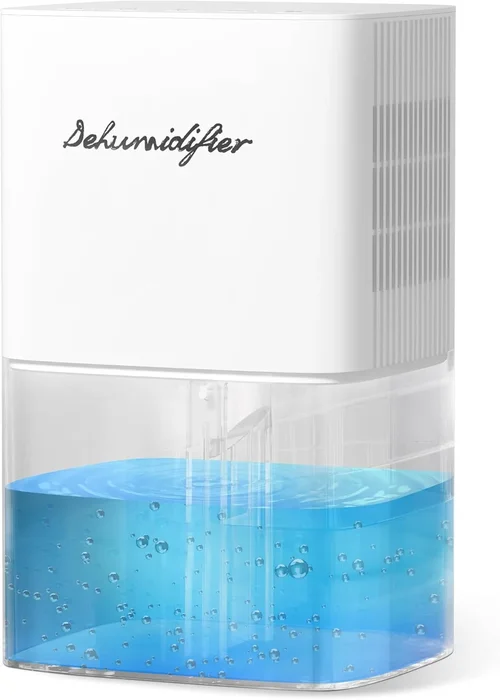
Expert Tips for Getting the Best Deal
– Buy During Off-Peak Seasons: Dehumidifiers are in highest demand during summer and humid months. Shop in late fall or winter for discounts, clearance sales, and bundle deals.
– Compare Prices Across Retailers: Check major retailers like Amazon, Home Depot, Lowe’s, and Best Buy. Use price-tracking tools like Honey or CamelCamelCamel to monitor fluctuations and catch sales.
– Look for Rebates and Incentives: Some utility companies offer rebates for ENERGY STAR appliances. Check your local provider’s website for potential savings.
– Consider Refurbished or Open-Box Models: Certified refurbished units from reputable sellers often come with warranties and can save you 20–40%. Just ensure they’re inspected and tested.
– Read the Fine Print on Returns: Make sure the retailer offers a generous return window (at least 30 days) in case the unit doesn’t meet your expectations.
– Test Before Committing: If possible, run the dehumidifier for a few days to assess noise, performance, and ease of use. Many retailers allow returns if the unit is defective or unsatisfactory.
– Check for Free Shipping and Installation: Some brands or retailers offer free delivery, especially for larger models. Whole-house units may include professional installation in the price.
– Maintain Your Unit: Regular cleaning of filters and coils extends lifespan and maintains efficiency. A well-maintained dehumidifier can last 8–10 years.

Frequently Asked Questions
Q: How do I know what size dehumidifier I need?
A: Start by measuring the square footage of the area. Then assess the humidity level: slightly damp spaces may need 20–30 pints, while very wet basements may require 50–70 pints. Use a hygrometer to check relative humidity—ideally, keep it between 30% and 50%.
Q: Can I run a dehumidifier all the time?
A: Yes, especially if you have a built-in humidistat. Most modern units are designed for continuous operation and will cycle on and off as needed. Just ensure proper ventilation and regular maintenance.
Q: Do dehumidifiers use a lot of electricity?
A: It depends on the model and usage. ENERGY STAR units are more efficient, typically using 300–500 watts. Running one 24/7 in a humid climate may cost $50–$150 per year, but the benefits often outweigh the cost.
Q: Should I get a dehumidifier with a pump?
A: A built-in pump allows the unit to drain water vertically (e.g., up to a sink or window), which is useful if you don’t have a floor drain. It adds convenience but may increase the price by $50–$100.
Q: Can a dehumidifier help with allergies?
A: Yes. By reducing moisture, dehumidifiers inhibit mold, dust mites, and mildew—common allergens. Pair it with a HEPA air purifier for maximum relief.
Q: How often should I clean my dehumidifier?
A: Clean the air filter every 2–4 weeks during heavy use. Wipe down the water tank weekly and inspect coils monthly. Regular maintenance ensures efficiency and prevents mold buildup.
Q: Are desiccant dehumidifiers better than compressor models?
A: It depends on your environment. Desiccant models excel in cold, dry conditions and are quieter, but they’re less efficient in warm, humid climates. Compressor models are better for most homes.
Q: Can I use a dehumidifier in winter?
A: Yes, but only if the temperature stays above 65°F. Below that, most refrigerant models will ice up. Use a desiccant model or one with auto-defrost for cold spaces.
Q: Do I need a whole-house dehumidifier?
A: Only if you have a large home, severe humidity issues, or want centralized control. For most people, a high-capacity portable unit is sufficient.
Q: What’s the difference between a dehumidifier and an air purifier?
A: A dehumidifier removes moisture from the air, while an air purifier filters out particles like dust, pollen, and smoke. They serve different purposes but can complement each other.
Our Final Recommendations
– Best for Budget-Conscious Buyers: Frigidaire FFAD7033R1 – A reliable 70-pint ENERGY STAR model with auto-humidistat, continuous drain, and quiet operation under $300.
– Best Overall Value: Honeywell TP70WKN – Offers smart Wi-Fi controls, 70-pint capacity, and excellent efficiency at a mid-range price. Ideal for tech-savvy homeowners.
– Best Premium Option: AprilAire E070 Pro – A whole-house dehumidifier with professional installation, 70-pint capacity, and integration with HVAC systems. Perfect for large homes.
– Best for Beginners: Midea MAD50C1ZWS – Simple to use, 50-pint capacity, ENERGY STAR rated, and includes a washable filter. Great for first-time buyers.
– Best for Advanced Users: AlorAir Sentinel HDi90 – A heavy-duty 90-pint unit with smart sensors, app control, and commercial-grade durability. Ideal for basements, crawl spaces, or flood recovery.
Conclusion: Making the Right Choice
Choosing the right dehumidifier isn’t just about picking the biggest or most expensive model—it’s about finding the one that fits your space, climate, and lifestyle. By focusing on capacity, efficiency, noise, and features, you can avoid common pitfalls and invest in a unit that delivers lasting value. Remember to prioritize your specific needs: if you live in a humid region, capacity and efficiency are key; if you’re sensitive to noise, look for whisper-quiet operation; and if you want convenience, smart features and continuous drainage are worth the upgrade.
Don’t rush the decision. Take time to compare models, read real user reviews, and consider long-term costs—not just the upfront price. A well-chosen dehumidifier will protect your home from mold, improve your indoor air quality, and even reduce your HVAC workload. With the insights from this guide, you’re now equipped to make a confident, informed choice. Breathe easier, live healthier, and enjoy a more comfortable home—starting with the right dehumidifier.