
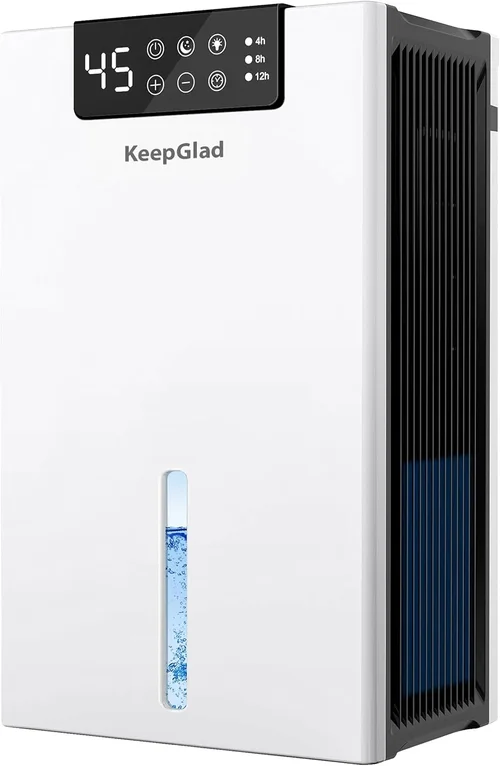
When it comes to maintaining a healthy, comfortable home environment, few appliances are as quietly essential as a dehumidifier. Whether you’re battling musty basements, persistent mold growth, or that sticky, clammy feeling that lingers even after the rain stops, excess humidity can silently compromise your indoor air quality, damage your property, and even trigger respiratory issues. Yet, despite its importance, choosing the right dehumidifier can feel overwhelming. With dozens of models flooding the market—ranging from compact $50 units to industrial-grade systems costing over $1,000—how do you know which one truly fits your needs?
This comprehensive buying guide is designed to cut through the noise and help you make a confident, informed decision. Whether you’re a first-time buyer, upgrading from an older model, or tackling a specific humidity problem in your home, this guide will walk you through every critical factor—from performance specs and energy efficiency to noise levels, smart features, and long-term reliability. We’ll break down the different types of dehumidifiers, highlight common pitfalls to avoid, and provide expert-backed recommendations tailored to various budgets and use cases. By the end, you’ll not only understand what makes a dehumidifier “the best” but also how to identify the one that’s best for you.
The dehumidifier market in 2026 is more advanced and diverse than ever. Innovations in compressor technology, smart home integration, and eco-friendly refrigerants have transformed these once-simple appliances into sophisticated climate control tools. From ultra-quiet models ideal for bedrooms to high-capacity units capable of drying out entire crawl spaces, today’s options cater to nearly every scenario. However, with greater choice comes greater complexity. A unit that excels in a small apartment might fail miserably in a damp basement, and a feature-rich model could be overkill for someone just looking to reduce humidity in a single room. This guide will help you navigate those nuances, ensuring you invest in a dehumidifier that delivers real value, lasting performance, and peace of mind.
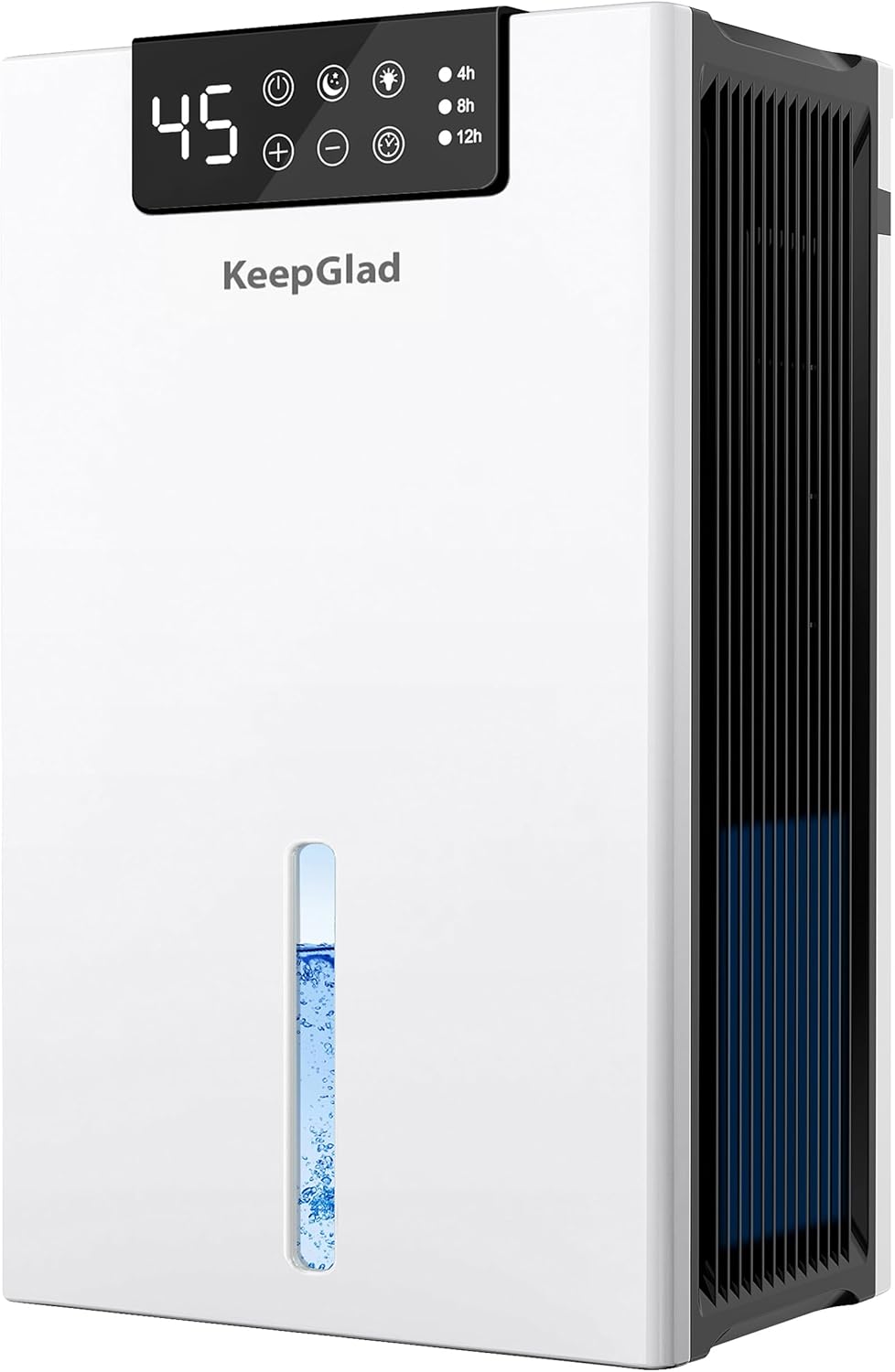
What to Look for When Buying a Dehumidifier
1. Capacity & Performance Specifications
Capacity is arguably the most important factor when selecting a dehumidifier. It’s typically measured in pints per day (PPD)—the amount of moisture the unit can remove from the air in a 24-hour period under standard test conditions (60% relative humidity at 80°F). For example, a 30-pint dehumidifier can extract up to 30 pints of water daily, making it suitable for small to medium-sized spaces like bedrooms or living rooms. Larger areas—such as basements, garages, or whole-house applications—may require 50-pint, 70-pint, or even commercial-grade models.
However, don’t rely solely on the advertised PPD number. Manufacturers often test under ideal lab conditions that don’t reflect real-world environments. A basement in a humid climate might consistently run at 70–80% humidity and 65°F, which drastically reduces a unit’s efficiency. Always cross-reference the capacity with your room size and humidity level. As a general rule:
- Up to 500 sq. ft., mild dampness: 20–30 PPD
- 500–1,500 sq. ft., moderate to high humidity: 30–50 PPD
- 1,500+ sq. ft., severe dampness or flooding: 50+ PPD or consider a whole-house system
Also pay attention to the AHAM certification (Association of Home Appliance Manufacturers). AHAM-tested models provide standardized performance data, making it easier to compare apples to apples. Look for the AHAM seal and check their official database for verified ratings.
2. Energy Efficiency & Operating Costs
A dehumidifier that runs 24/7 can significantly impact your electricity bill—especially if it’s inefficient. Energy efficiency is measured in liters per kilowatt-hour (L/kWh) or pints per kilowatt-hour (PPD/kWh). The higher the number, the more moisture removed per unit of electricity consumed. Modern ENERGY STAR-certified models are up to 40% more efficient than older, non-certified units.
ENERGY STAR dehumidifiers must meet strict performance and efficiency criteria set by the U.S. Environmental Protection Agency. For 2026, the minimum efficiency requirement for a 30-pint unit is approximately 1.8 L/kWh. Premium models now exceed 2.5 L/kWh, saving you hundreds in energy costs over the appliance’s lifespan. To estimate annual operating cost, use this formula:
Annual Cost = (Daily Runtime × Wattage × Electricity Rate × 365) ÷ 1,000
For example, a 300-watt dehumidifier running 10 hours/day at $0.12/kWh costs about $131 per year. An ENERGY STAR model using only 200 watts under the same conditions drops that to around $87—a $44 annual savings.
Additionally, look for features like auto-humidistat and timer functions. These allow the unit to cycle on and off based on actual humidity levels, preventing unnecessary runtime and further reducing energy use.
3. Noise Level & Sound Output
Dehumidifiers aren’t known for being whisper-quiet, but noise can be a dealbreaker—especially if you plan to use the unit in a bedroom, home office, or nursery. Sound output is measured in decibels (dB), with most residential models ranging from 45 dB to 60 dB. For context, 45 dB is comparable to a quiet library, while 60 dB resembles normal conversation.
Compressor-based dehumidifiers tend to be louder due to the mechanical operation of the refrigeration system, whereas thermoelectric (Peltier) models are nearly silent but far less effective for large spaces. If low noise is a priority, look for units specifically marketed as “quiet” or “low-decibel.” Some premium models include sound-dampening insulation or variable-speed fans that reduce noise during lighter operation.
Placement also affects perceived noise. A dehumidifier in an open basement may seem quieter than one in a carpeted bedroom, even if both produce the same dB level. Consider placing the unit on a rubber mat or anti-vibration pad to minimize floor-borne vibrations.
4. Build Quality & Durability
You want a dehumidifier that lasts—not one that conks out after two seasons. Build quality starts with the materials: look for sturdy plastic housings, corrosion-resistant coils (especially important in damp environments), and sealed electrical components. Metal grilles and reinforced handles indicate better construction than flimsy plastic parts.
Internally, the compressor is the heart of the system. Rotary compressors are generally more durable and efficient than reciprocating ones, though they’re typically found in higher-end models. Check the warranty length—most reputable brands offer at least a 1-year limited warranty, with premium units providing 2–5 years. A longer warranty often reflects manufacturer confidence in durability.
Also consider the condensate tank. A larger tank (2+ gallons) means less frequent emptying, but ensure it’s easy to remove and clean. Some models feature splash guards, ergonomic handles, or even transparent windows so you can see the water level without opening the unit.
5. Features & Functionality
Modern dehumidifiers come packed with smart features that enhance convenience and control. Here are the most valuable ones to look for:
- Built-in Humidistat: Measures and maintains your desired humidity level (usually adjustable between 30–80%). Essential for automated operation.
- Continuous Drain Option: Allows you to attach a garden hose for hands-free water removal—ideal for basements or unattended operation.
- Auto-Restart: Resumes operation after a power outage, ensuring consistent humidity control.
- Defrost Function: Prevents ice buildup on coils in cold environments, maintaining performance year-round.
- Filter Indicator: Alerts you when the air filter needs cleaning, improving air quality and efficiency.
- Smart Connectivity: Wi-Fi-enabled models let you monitor and control humidity via smartphone apps (e.g., Frigidaire, GE, or Midea smart dehumidifiers).
- Multi-Speed Fan: Offers quieter low-speed mode for nighttime use and high-speed for rapid drying.
While these features add cost, they significantly improve usability—especially in hard-to-reach areas or for users who prefer “set it and forget it” operation.
6. Size, Portability & Placement
Dehumidifiers vary widely in physical dimensions. A 30-pint unit might weigh 30–40 pounds and measure roughly 15” x 11” x 24”, while a 70-pint model can exceed 50 pounds and stand over 2 feet tall. Consider where you’ll place the unit and whether you’ll need to move it frequently.
Look for integrated handles and swivel casters for easy mobility. Some models include cord wraps or side storage for the hose and remote. If space is tight, compact designs or under-counter models (like those from hOmeLabs or Ivation) may fit better.
Placement matters too. Dehumidifiers work best with good airflow—avoid tucking them into corners or behind furniture. Leave at least 6–12 inches of clearance on all sides for optimal performance.
7. Brand Reputation & Reliability
Not all dehumidifier brands are created equal. Stick with established manufacturers known for quality and customer support. Top-tier brands in 2026 include:
- Frigidaire: Known for reliability, wide availability, and strong warranties.
- GE Appliances: Offers smart features and solid performance across price ranges.
- Midea: Budget-friendly with surprisingly good efficiency and build quality.
- hOmeLabs: Popular for sleek designs and quiet operation.
- Ivation: Specializes in basement and crawl space units with robust construction.
- AprilAire: Leader in whole-house systems for integrated HVAC solutions.
Avoid no-name or ultra-cheap brands sold exclusively through third-party online retailers. These often lack proper certifications, have poor customer service, and may use substandard components that fail prematurely.
8. Warranty & Customer Support
A good warranty is a strong indicator of a manufacturer’s confidence in their product. Most mid-to-high-end dehumidifiers come with a 1-year parts-and-labor warranty. Premium models may offer 2–5 years, sometimes with extended coverage on the compressor (the most expensive component to replace).
Read the fine print: some warranties require registration within 30 days of purchase, and others exclude damage from improper use or lack of maintenance. Also check if the brand offers accessible customer support—phone, chat, or email—and whether service centers are available in your area.
If buying online, ensure the retailer honors the manufacturer’s warranty. Amazon, Home Depot, and Lowe’s typically do, but third-party sellers may not.
Different Types of Dehumidifiers

Refrigerant dehumidifiers are the most common and effective for typical household use. They use a compressor and refrigerant gas to cool coils, causing moisture to condense out of the air. They perform best in warm, humid conditions but may ice up in cold spaces unless equipped with auto-defrost.
Desiccant dehumidifiers use a moisture-absorbing material (like silica gel) to pull water from the air. They don’t rely on cooling, so they work efficiently in cold environments (down to 40°F). However, they’re generally less energy-efficient than compressor models and better suited for smaller spaces.
Thermo-electric dehumidifiers use the Peltier effect to create a cold surface for condensation. They’re silent and tiny but remove very little moisture—typically less than 1 pint per day. Ideal for gun safes, wardrobes, or RVs, but not for whole rooms.
Whole-house dehumidifiers are installed directly into your HVAC system and treat air as it circulates through your ductwork. They’re perfect for new builds or homes with central air, offering seamless, automated humidity control without multiple standalone units.
Commercial units are built for heavy-duty use—water damage restoration, construction sites, or large commercial spaces. They often include wheels, heavy-duty hoses, and remote monitoring capabilities.
Common Buying Mistakes to Avoid
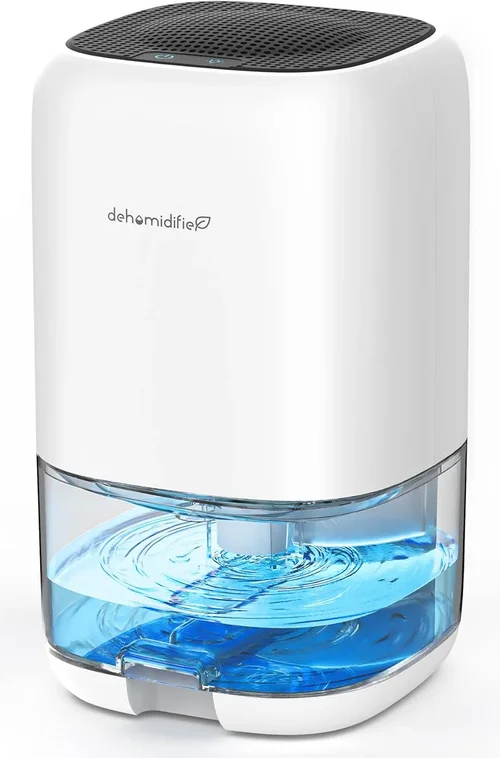
❌ Mistake: Buying Based Solely on Price
Why it’s bad: The cheapest dehumidifier often costs more in the long run due to higher energy bills, frequent breakdowns, and poor moisture removal. A $70 unit might seem like a bargain, but if it only removes 10 pints/day and uses twice the electricity of a $250 model, you’re wasting money and effort.
What to do instead: Focus on total cost of ownership—initial price, energy efficiency, durability, and features. Invest in a mid-range ENERGY STAR model that balances upfront cost with long-term savings.
❌ Mistake: Ignoring Room Size and Humidity Level
Why it’s bad: A 20-pint dehumidifier will struggle in a 1,200 sq. ft. basement with chronic dampness, leading to constant running, overheating, and premature failure. Conversely, a 70-pint unit in a 300 sq. ft. bedroom will cycle too frequently, wasting energy and creating noise.
What to do instead: Measure your space and assess humidity with a hygrometer. Match the dehumidifier’s capacity to your actual needs—not guesswork or marketing claims.
❌ Mistake: Overlooking Drainage Options
Why it’s bad: If you can’t empty the tank daily (e.g., in a basement with no sink), a unit without a continuous drain option will shut off when full, leaving your space humid and potentially causing water damage if the tank overflows.
What to do instead: Choose a model with a built-in pump or hose connection for continuous drainage. Even if you don’t need it now, it’s a valuable feature for future flexibility.
❌ Mistake: Neglecting Maintenance Requirements
Why it’s bad: A clogged filter or dirty coil reduces efficiency, increases energy use, and can lead to mold growth inside the unit. Many buyers assume dehumidifiers are “maintenance-free,” but they require regular cleaning.
What to do instead: Check if the filter is washable and easy to access. Set a monthly reminder to clean the filter and inspect the coils. Some models include filter indicators to remind you.
❌ Mistake: Assuming All “Quiet” Models Are Equal
Why it’s bad: Marketing terms like “whisper-quiet” can be misleading. A unit advertised as 45 dB might still produce a noticeable hum or fan whir that disrupts sleep.
What to do instead: Read verified user reviews focusing on noise. Look for decibel ratings from independent tests, and consider placing the unit in a closet or adjacent room if noise is a major concern.
❌ Mistake: Buying Without Checking Certifications
Why it’s bad: Uncertified units may not meet safety or performance standards. They could pose fire risks, lack proper insulation, or use banned refrigerants.
What to do instead: Only buy models certified by UL (Underwriters Laboratories), ETL, or CSA. Look for ENERGY STAR and AHAM labels to ensure tested performance.
❌ Mistake: Skipping the Warranty Check
Why it’s bad: A dehumidifier is a mechanical device prone to wear. Without warranty coverage, a $300 repair could cost nearly as much as a new unit.
What to do instead: Register your product immediately after purchase. Keep receipts and understand what’s covered (and what’s not). Consider extended warranties for high-end models.
Budget Guidelines: How Much Should You Spend?
Dehumidifiers span a wide price spectrum, but your budget should align with your needs—not just your wallet. Here’s a realistic breakdown for 2026:
Entry-Level ($80 – $150): These are basic 20–30 pint units ideal for small spaces like closets, RVs, or mild dampness in apartments. Expect minimal features—manual controls, small tanks, and no smart functions. Brands like Midea and hOmeLabs offer decent options here, but avoid ultra-cheap no-name brands. Energy efficiency is typically low, and build quality may be questionable.
Mid-Range ($150 – $350): This is the sweet spot for most homeowners. You’ll find 30–50 pint ENERGY STAR-certified models with humidistats, auto-defrost, continuous drain, and washable filters. Brands like Frigidaire, GE, and Ivation dominate this tier. These units offer the best balance of performance, efficiency, and reliability for basements, garages, and medium-sized homes.
Premium ($350 – $700): Designed for serious humidity challenges, these 50–70 pint models include advanced features like Wi-Fi connectivity, multi-speed fans, built-in pumps, and superior build quality. They’re ideal for large basements, crawl spaces, or high-humidity climates. Expect quieter operation, longer warranties, and better customer support.
Luxury ($700+): Whole-house systems and commercial-grade units fall here. AprilAire, Santa Fe, and Dri-Eaz offer integrated solutions that connect to your HVAC or handle industrial-scale drying. These are investments for new construction, flood restoration, or allergy-sensitive households requiring hospital-level air quality.
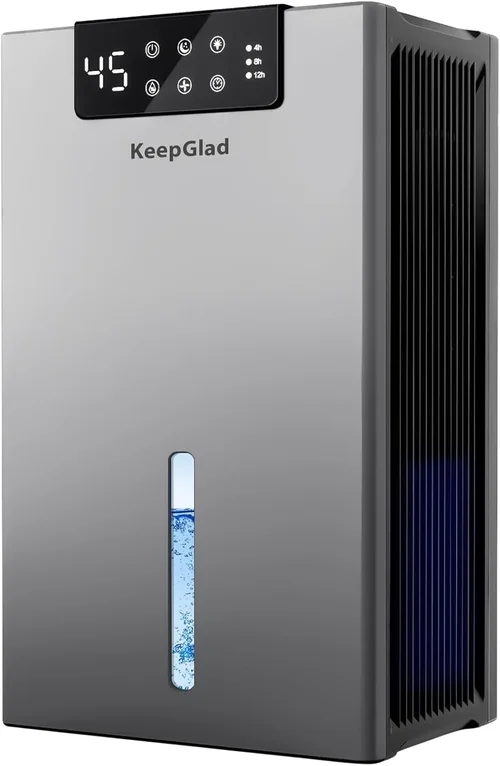
Expert Tips for Getting the Best Deal
- Buy in Spring or Early Summer: Retailers often discount dehumidifiers in spring (March–May) to prepare for peak humidity season. You’ll find better deals than in mid-summer when demand spikes.
- Shop During Holiday Sales: Black Friday, Memorial Day, and Prime Day offer significant discounts—sometimes 20–30% off premium models. Sign up for retailer newsletters to get early access.
- Compare Online and In-Store: Online retailers (Amazon, Home Depot, Lowe’s) often have lower prices and wider selection, but in-store purchases let you inspect build quality and ask questions. Some stores price-match online deals.
- Check for Rebates: Utility companies in humid states (e.g., Florida, Texas) sometimes offer rebates for ENERGY STAR dehumidifiers. Visit dsireusa.org to search for local incentives.
- Read Recent Reviews: Product performance can change with new model years. Focus on reviews from the past 6–12 months to ensure accuracy.
- Test Before Committing: If possible, run the dehumidifier for a few days. Check noise levels, ease of use, and actual moisture removal. Most retailers offer 30-day return windows.
- Bundle with Other Purchases: Buying during a home appliance sale (e.g., washing machine + dehumidifier) may unlock additional discounts or free shipping.
- Consider Refurbished Models: Certified refurbished units from reputable sellers (like Frigidaire’s official store) often come with full warranties and cost 20–40% less than new.

Frequently Asked Questions
Q: How do I know if I need a dehumidifier?
A: Signs include persistent musty odors, condensation on windows, peeling paint or wallpaper, mold growth, or a clammy feeling indoors. Use a hygrometer to measure humidity—if it’s consistently above 60%, a dehumidifier is recommended for health and home protection.
Q: Can a dehumidifier help with allergies?
A: Yes. By reducing humidity below 50%, dehumidifiers inhibit the growth of dust mites, mold, and mildew—common allergens. Pair it with an air purifier for maximum relief.
Q: Should I run my dehumidifier all the time?
A: Not necessarily. Use the built-in humidistat to maintain 30–50% humidity. In moderate climates, it may only run a few hours per day. Continuous operation is only needed in severely damp areas or during wet seasons.
Q: Where should I place my dehumidifier?
A: In the most humid area—often the basement, crawl space, or lowest level. Ensure 6–12 inches of clearance on all sides for airflow. Avoid placing near heat sources or in direct sunlight.
Q: How often should I empty the water tank?
A: It depends on humidity and tank size. A 1-gallon tank in a damp basement may fill daily; a 2-gallon tank in a moderately humid room might last 2–3 days. Use continuous drain to avoid manual emptying.
Q: Do dehumidifiers cool the room?
A: Slightly—but not like an air conditioner. The process releases a small amount of heat, so the room may feel marginally warmer. However, lower humidity makes the air feel more comfortable, which can reduce AC use.
Q: Can I use a dehumidifier in winter?
A: Only if it has an auto-defrost feature. Most refrigerant models stop working below 65°F unless designed for cold operation. Desiccant models work year-round but are less efficient.
Q: Are portable dehumidifiers effective?
A: Yes, for their intended space. Portable units are great for targeted areas but won’t replace a whole-house system. Ensure they have wheels and handles for easy movement.
Q: How long do dehumidifiers last?
A: With proper maintenance, most last 5–10 years. Compressor lifespan is the limiting factor. Clean filters regularly and avoid overworking the unit in extreme conditions.
Q: Can I install a whole-house dehumidifier myself?
A: Generally no. These require professional HVAC integration, ductwork modifications, and electrical work. Always hire a licensed technician for safe, code-compliant installation.
Our Final Recommendations
Best for Budget-Conscious Buyers: Midea 30-Pint Cube – At under $180, this ENERGY STAR-certified model offers excellent efficiency, a compact design, and reliable performance for small to medium spaces. It includes a washable filter and auto-restart.
Best Overall Value: Frigidaire FFAD7033R1 70-Pint – A top performer in basements and large areas, this unit removes up to 70 pints/day, features a built-in pump, and operates quietly at 51 dB. Priced around $350, it’s a workhorse with smart features.
Best Premium Option: GE APER50LZ 50-Pint Smart Dehumidifier – With Wi-Fi connectivity, voice control (Alexa/Google), and a sleek design, this model blends technology with performance. Ideal for tech-savvy homeowners who want app-based monitoring and scheduling.
Best for Beginners: hOmeLabs 4,500 Sq. Ft. Dehumidifier – User-friendly controls, clear water level window, and a simple setup make this a great first dehumidifier. It’s quiet, efficient, and perfect for new homeowners tackling basement dampness.
Best for Advanced Users: AprilAire E080 Pro 80-Pint Whole-House Dehumidifier – For those ready to integrate humidity control into their HVAC system, this professionally installed unit offers unmatched consistency, durability, and air quality management for entire homes.
Conclusion: Making the Right Choice
Choosing the best dehumidifier isn’t about finding the most expensive or feature-packed model—it’s about matching the right tool to your specific environment, needs, and lifestyle. Whether you’re fighting mold in a basement, protecting valuables in a safe, or simply wanting to breathe easier at home, the right dehumidifier can make a profound difference in your comfort and health.
Remember to prioritize capacity, energy efficiency, and essential features like auto-humidistat and continuous drain. Avoid common pitfalls like undersizing or ignoring maintenance. And don’t forget to factor in long-term costs—both financial and environmental.
With the insights from this guide, you’re now equipped to navigate the 2026 dehumidifier market with confidence. Take your time, compare options, and invest in a unit that will serve you reliably for years to come. Your home—and your lungs—will thank you.