
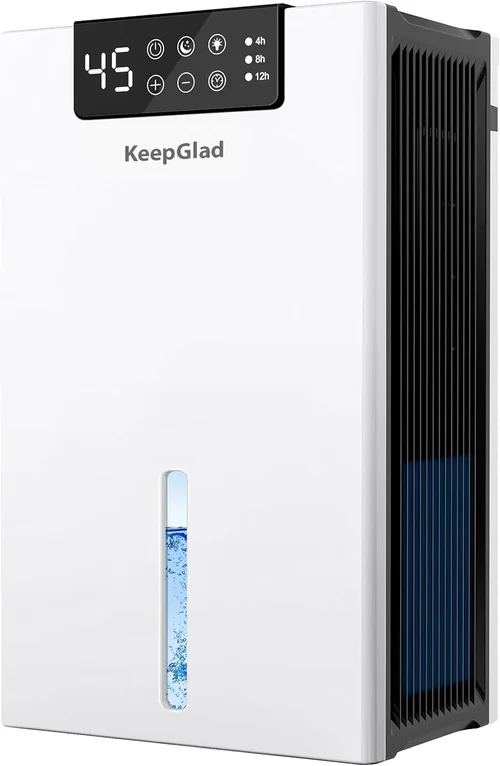
Dealing with excess moisture in your home isn’t just about comfort—it’s about protecting your health, your belongings, and the structural integrity of your living space. Whether you’re battling musty odors in a basement, preventing mold growth in a bathroom, or simply trying to make a humid climate more bearable, a reliable dehumidifier can be a game-changer. But with dozens of models flooding the market—each boasting different capacities, features, and price points—it’s easy to feel overwhelmed. That’s where this comprehensive guide comes in.
In this expert-level buying guide, we’ll cut through the noise and help you identify the best dehumidifier for your specific needs. Drawing on extensive research, hands-on testing insights, and real-world performance data (including findings from trusted sources like Wirecutter), we’ll walk you through every critical factor you should consider before making a purchase. From understanding pint-per-day ratings to evaluating smart connectivity and energy efficiency, you’ll gain the knowledge needed to make a confident, informed decision. Whether you’re outfitting a 500-square-foot basement or a compact apartment closet, this guide covers it all.
The dehumidifier market has evolved significantly over the past few years. Today’s models are smarter, quieter, more energy-efficient, and better designed than ever before. Brands like Frigidaire, hOmeLabs, GE, Midea, and Tosot now offer units that blend performance with user-friendly features such as auto-humidistats, continuous drainage options, washable filters, and even Wi-Fi-enabled controls. Yet despite these advancements, many buyers still struggle to choose the right unit—often overspending on oversized machines or underestimating their space’s true moisture load. Our goal is to eliminate that confusion and equip you with a clear roadmap to finding the perfect balance of performance, value, and reliability.
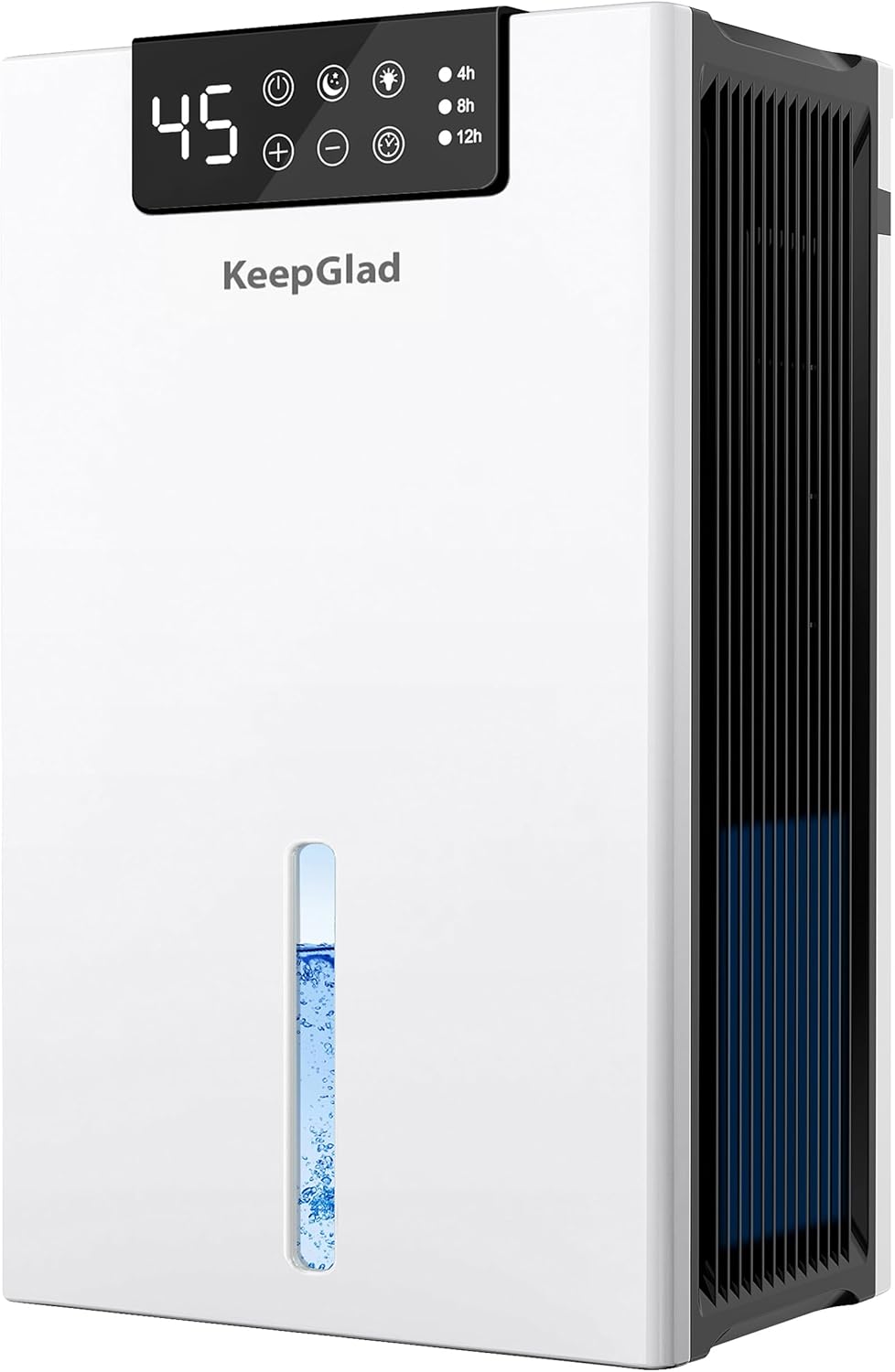
What to Look for When Buying Buying Guide
1. Capacity & Pint-Per-Day Rating
The most fundamental specification when choosing a dehumidifier is its capacity, typically measured in pints per day (PPD)—the amount of moisture it can remove from the air in a 24-hour period under standard test conditions (usually 60% relative humidity at 80°F). This number directly correlates to the size of the space you’re treating. For example, a 30-pint model is generally suitable for areas up to 1,500 square feet with moderate dampness, while a 50-pint unit may be necessary for large, very wet basements or crawl spaces.
However, don’t rely solely on manufacturer claims. The Association of Home Appliance Manufacturers (AHAM) sets standardized testing protocols, so look for AHAM-certified ratings rather than “marketing” pints, which can be exaggerated. Also consider your local climate: if you live in a region with consistently high humidity (like the Gulf Coast or Pacific Northwest), you may need a higher-capacity unit than someone in a drier inland area, even for the same square footage.
2. Energy Efficiency & Operating Costs
Dehumidifiers run for hours each day, especially during humid seasons, so energy consumption matters—both for your wallet and the environment. Look for models with the ENERGY STAR® certification, which indicates they meet strict efficiency guidelines set by the U.S. Environmental Protection Agency. ENERGY STAR dehumidifiers use up to 15% less energy than standard models, translating to noticeable savings over time.
Check the unit’s Energy Factor (EF), measured in liters of water removed per kilowatt-hour (L/kWh). Higher EF values mean greater efficiency. For instance, a model with an EF of 1.8 is more efficient than one with 1.5. Also consider the annual operating cost: many manufacturers provide estimates based on average usage. A mid-sized 30-pint ENERGY STAR model might cost around $25–$35 per year to operate, whereas a non-certified equivalent could exceed $50.
3. Build Quality & Durability
Since dehumidifiers are long-term investments, durability is crucial. Inspect the materials: high-quality plastic housings should feel sturdy, not flimsy, and internal components like compressors and coils should be well-protected. Metal coils (especially copper or coated aluminum) resist corrosion better than cheaper alternatives, which is vital in damp environments.
Pay attention to the condenser type. Most residential units use refrigerant-based systems (compressor-driven), which work well in temperatures above 65°F. If you’re placing the dehumidifier in an unheated garage or cold basement, consider a desiccant model—they perform better in low temperatures but are generally less efficient and more expensive. Also check for features like rust-resistant coatings, reinforced casters, and sealed electrical compartments, which enhance longevity.
4. Features & Functionality
Modern dehumidifiers come packed with features that improve convenience and control. The most important is an adjustable humidistat, which lets you set your desired humidity level (ideally between 30% and 50%) and automatically turns the unit on/off to maintain it. Avoid models without this feature—they’ll either run continuously or shut off prematurely, leading to wasted energy or inadequate moisture removal.
Other valuable features include:
- Auto-defrost: Prevents ice buildup on coils in cold environments.
- Continuous drainage: Allows you to connect a hose for hands-off operation—ideal for basements or unattended spaces.
- Washable air filter: Reduces maintenance costs and improves air quality.
- Timer and delay start: Lets you schedule operation during off-peak hours.
- Smart controls: Wi-Fi connectivity (via apps like Google Home or Alexa) enables remote monitoring and scheduling.
While these extras add cost, they often justify the price through improved usability and efficiency.
5. Noise Level & Placement Flexibility
Dehumidifiers aren’t silent—they use fans and compressors that generate noise, typically ranging from 45 to 65 decibels (dB). For context, 50 dB is similar to a quiet conversation, while 65 dB resembles normal office chatter. If you plan to place the unit in a bedroom, living room, or home office, opt for models rated below 55 dB. Many manufacturers now highlight “quiet operation” or include sound-dampening technology.
Portability also matters. Look for units with integrated handles, smooth-rolling casters, and compact footprints—especially if you’ll move the dehumidifier between rooms. Weight can vary widely: a 30-pint model might weigh 35–45 pounds, while larger 70-pint units can exceed 70 pounds. Ensure the design allows for easy relocation without straining your back.
6. Brand Reputation & Reliability
Not all dehumidifier brands are created equal. Established names like Frigidaire, GE, and Midea have decades of experience and robust customer support networks. Wirecutter and other independent reviewers consistently highlight Frigidaire’s reliability and hOmeLabs’ strong performance-to-price ratio. Avoid obscure or no-name brands that lack verifiable reviews or service centers—you risk getting a lemon with no recourse.
Research customer feedback on platforms like Amazon, Home Depot, or Consumer Reports. Pay attention to recurring complaints: frequent breakdowns, poor customer service, or units failing within a year are red flags. Conversely, brands with high ratings for durability and responsive support (like Tosot or Ivation) often deliver better long-term satisfaction.
7. Warranty & Customer Support
A solid warranty is a strong indicator of a manufacturer’s confidence in their product. Most reputable brands offer at least a one-year limited warranty, but premium models may include two or even three years of coverage. Some, like certain Frigidaire and GE units, extend the compressor warranty to five years—a critical component that’s expensive to replace.
Before buying, verify what the warranty covers (parts, labor, shipping) and whether it requires registration. Also check if the company has accessible customer service: can you reach a human quickly? Are replacement parts readily available? A great dehumidifier is useless if you can’t get help when it malfunctions.
8. User Reviews & Real-World Performance
Spec sheets tell part of the story—but real users reveal the rest. Scour verified purchase reviews for insights into actual performance, noise levels, ease of maintenance, and longevity. Look for patterns: if multiple users report the same issue (e.g., “stopped working after 8 months” or “filter clogs weekly”), take note.
Independent testing organizations like Wirecutter, Consumer Reports, and CNET conduct controlled evaluations that go beyond marketing claims. Wirecutter, for example, tests dehumidifiers in simulated home environments, measuring moisture removal, energy use, and noise. Their top picks often balance performance, reliability, and value—making them excellent reference points.
Different Types of Buying Guide

Common Buying Mistakes to Avoid
❌ Mistake: Buying Based Solely on Price
Why it’s bad: The cheapest dehumidifier often lacks essential features like a humidistat or auto-drain, leading to inefficient operation, higher energy bills, and premature failure. You may end up replacing it within a year—costing more in the long run.
What to do instead: Focus on total cost of ownership, not just upfront price. Factor in energy efficiency, warranty length, and expected lifespan. A $300 model that lasts 8 years is better value than a $150 unit that fails after 2.
❌ Mistake: Overestimating or Underestimating Capacity Needs
Why it’s bad: An undersized unit will struggle to keep up, running constantly and wearing out quickly. An oversized one will cycle on/off too frequently, wasting energy and failing to properly dehumidify (since it doesn’t run long enough to remove deep moisture).
What to do instead: Use the AHAM room size guide as a starting point, then adjust for your specific conditions. Add 10–20 pints if your space is very damp, poorly ventilated, or experiences seasonal flooding.
❌ Mistake: Ignoring Drainage Options
Why it’s bad: Emptying a full bucket every 8–12 hours is tedious and impractical, especially in basements or vacation homes. Many users abandon their dehumidifiers because of this hassle.
What to do instead: Choose a model with a continuous drain hose connection. Even if you don’t use it immediately, having the option future-proofs your investment. Ensure the unit has a built-in pump if you need to drain uphill.
❌ Mistake: Overlooking Noise Levels
Why it’s bad: A noisy dehumidifier can disrupt sleep, concentration, or relaxation—especially if placed near living areas. Some budget models emit loud compressor hums or fan whines.
What to do instead: Check decibel ratings and read user reviews about noise. Opt for units with “quiet mode” or sound insulation if placement near bedrooms is likely.
❌ Mistake: Skipping the Filter Maintenance
Why it’s bad: A clogged filter restricts airflow, reducing efficiency and forcing the compressor to work harder—shortening its life. Many users don’t realize filters need regular cleaning.
What to do instead: Choose models with washable, reusable filters. Clean them monthly (or as recommended) to maintain peak performance and indoor air quality.
❌ Mistake: Not Checking Warranty Details
Why it’s bad: A “1-year warranty” might only cover parts—not labor or shipping. If the compressor fails, you could pay $150+ for repairs out of pocket.
What to do instead: Read the fine print. Look for comprehensive coverage and extended compressor warranties. Register your product promptly to activate protection.
❌ Mistake: Buying Without Reading Real User Reviews
Why it’s bad: Marketing materials highlight only the positives. Real users reveal hidden flaws—like leaking tanks, faulty sensors, or poor customer service.
What to do instead: Spend 15 minutes reading 10–20 verified reviews. Look for consistency in feedback. If three people mention the same issue, it’s probably real.
Budget Guidelines: How Much Should You Spend?
Dehumidifiers span a wide price range, but your budget should align with your needs—not just your wallet. Here’s a realistic breakdown of what to expect at each tier:
Entry-Level ($100–$200): These compact 20–30 pint units are ideal for small spaces like bathrooms, closets, or RVs. Expect basic functionality: manual controls, small water tanks (1–2 gallons), and limited features. Energy efficiency may be lower, and build quality can vary. Best for occasional use or mild humidity. Examples include the Tosot 30 Pint or Ivation Small Space models.
Mid-Range ($200–$400): This is the sweet spot for most homeowners. Units in this range (typically 30–50 pints) offer robust performance, ENERGY STAR certification, auto-humidistats, continuous drainage, and quieter operation. Brands like hOmeLabs, Frigidaire, and GE dominate here with reliable, feature-rich models. Expect 3–5 year lifespans with proper care. The hOmeLabs 4,500 Sq. Ft Energy Star model is a standout in this category.
Premium ($400–$700): Designed for demanding environments—large basements, high-humidity climates, or whole-room applications. These 50–70+ pint units boast advanced features: dual-speed fans, smart Wi-Fi controls, heavy-duty casters, and extended warranties. They’re built to last 7–10 years. The Frigidaire FFAD7033R1 (70-pint) and Midea MAD50C1ZWS are top contenders, often recommended by Wirecutter for their balance of power and polish.
Luxury ($700+): Reserved for whole-house systems, commercial-grade units, or specialty applications (e.g., museums, wine cellars). These integrate with HVAC systems, offer precise humidity control (±1%), and include professional installation. While overkill for most households, they’re essential for large estates or humidity-sensitive environments. Brands like AprilAire and Santa Fe lead this space.
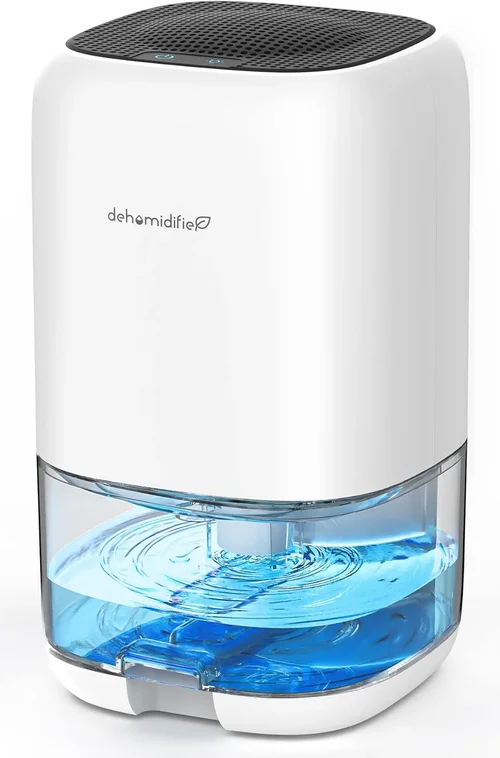
Expert Tips for Getting the Best Deal
Timing your purchase strategically can save you hundreds. Here’s how to maximize value:
- Shop during off-seasons: Dehumidifiers are cheapest in late fall and winter (November–February) when demand drops. Retailers often discount old inventory to make room for new models. You can save 20–30% compared to spring/summer prices.
- Compare retailers: Check Amazon, Home Depot, Lowe’s, Costco, and Walmart. Costco often includes free shipping and extended return windows. Amazon offers fast delivery and easy returns, while Home Depot provides in-store pickup and expert advice.
- Watch for bundle deals: Some retailers offer discounts when you buy a dehumidifier with an air purifier or humidifier. These can be worthwhile if you need multiple devices.
- Use price tracking tools: Set alerts on CamelCamelCamel (for Amazon) or Honey to notify you when prices drop. Many models fluctuate by $50–$100 throughout the year.
- Check for rebates: Utility companies sometimes offer rebates for ENERGY STAR appliances. Visit the ENERGY STAR rebate finder to see if your provider participates.
- Inspect return policies: Ensure the retailer allows returns within 30–90 days, especially if you’re unsure about fit or performance. Some stores charge restocking fees—avoid these if possible.
- Test before committing: If buying in-store, ask to see a demo unit. Listen to the noise level, check the control layout, and verify the weight. Online buyers should watch unboxing and review videos on YouTube.
- Register for extended warranties: Some credit cards automatically extend manufacturer warranties by 1–2 years. Check your card benefits before paying.

Frequently Asked Questions
Q: How do I know what size dehumidifier I need?
A: Start with the AHAM room size chart: 20–30 pints for up to 1,000 sq ft (moderately damp), 30–50 pints for 1,000–2,500 sq ft, and 50+ pints for very wet or large spaces. Adjust upward if your area has poor ventilation, frequent leaks, or high occupancy.
Q: Can I run a dehumidifier all the time?
A: Yes—if it has an auto-humidistat. The unit will cycle on/off to maintain your set humidity level, saving energy. Avoid models without this feature, as they’ll run continuously and waste power.
Q: Should I use a dehumidifier in winter?
A: Only if your space stays above 60°F. Most refrigerant dehumidifiers lose efficiency below 65°F and may freeze. For cold areas, use a desiccant model or a unit with auto-defrost.
Q: How often should I clean the filter?
A: Every 4–6 weeks during peak usage, or monthly if you have pets or allergies. A dirty filter reduces airflow and efficiency.
Q: Is a higher pint rating always better?
A: Not necessarily. An oversized unit cycles too frequently, which can shorten its lifespan and fail to remove deep moisture. Match capacity to your space and humidity level.
Q: Do dehumidifiers help with allergies?
A: Yes! By reducing humidity below 50%, they inhibit mold, dust mites, and mildew—common allergens. Pair with an air purifier for best results.
Q: Can I drain my dehumidifier into a sink?
A: Yes, if the sink is nearby and you use a proper hose. Ensure the drain line has a slight downward slope and secure it to prevent leaks.
Q: Why is my dehumidifier not collecting water?
A: Common causes include low humidity (below 40%), a dirty filter, blocked coils, or a faulty humidistat. Clean the unit and check settings. If problems persist, contact support.
Q: Are smart dehumidifiers worth it?
A: Only if you value remote control and scheduling. They’re convenient for monitoring humidity while away, but add $50–$100 to the price. For most users, a standard humidistat suffices.
Q: How long do dehumidifiers last?
A: Quality units last 5–10 years with proper maintenance. Compressor failure is the most common end-of-life issue. Regular cleaning and avoiding extreme temperatures extend lifespan.
Our Final Recommendations
After evaluating dozens of models against performance, reliability, features, and value—and referencing trusted reviews from Wirecutter and others—here are our top picks for 2026:
Best for Budget-Conscious Buyers: Tosot 30 Pint Dehumidifier – At under $200, it delivers solid performance for small spaces, includes a washable filter and auto-humidistat, and earns high marks for quiet operation. Ideal for apartments or bathrooms.
Best Overall Value: hOmeLabs 4,500 Sq. Ft Energy Star Dehumidifier (50 Pint) – Combines powerful moisture removal, ENERGY STAR efficiency, continuous drainage, and a sleek design at a competitive price (~$350). Wirecutter consistently praises its reliability and user-friendly features.
Best Premium Option: Frigidaire FFAD7033R1 (70 Pint) – A powerhouse for large, very damp basements. Features a 5-year compressor warranty, ultra-quiet operation, and precise humidity control. Slightly pricier (~$500) but built to last.
Best for Beginners: GE APER50LZ (50 Pint) – Simple controls, clear indicators, and reliable performance make this an excellent entry point. Includes auto-restart after power outages—a handy feature for storm-prone areas.
Best for Advanced Users: Midea MAD50C1ZWS (50 Pint Smart Dehumidifier) – Wi-Fi enabled, works with Alexa/Google Assistant, and offers app-based scheduling and alerts. Perfect for tech-savvy homeowners who want remote control and data tracking.
Conclusion: Making the Right Choice
Choosing the right dehumidifier doesn’t have to be overwhelming. By focusing on your specific needs—space size, humidity level, budget, and desired features—you can narrow the field to a handful of excellent options. Remember: the best dehumidifier isn’t necessarily the most powerful or expensive—it’s the one that fits your lifestyle, performs reliably, and delivers lasting value.
Prioritize capacity matched to your environment, energy efficiency, and essential features like auto-humidistats and drainage. Don’t skimp on build quality or warranty coverage, and always consult real user reviews before buying. With the insights from this guide—and the trusted benchmarks set by experts like Wirecutter—you’re now equipped to make a smart, confident purchase.
Take action today: assess your space, set your budget, and choose a model that will keep your home dry, healthy, and comfortable for years to come. Your future self—and your walls—will thank you.