
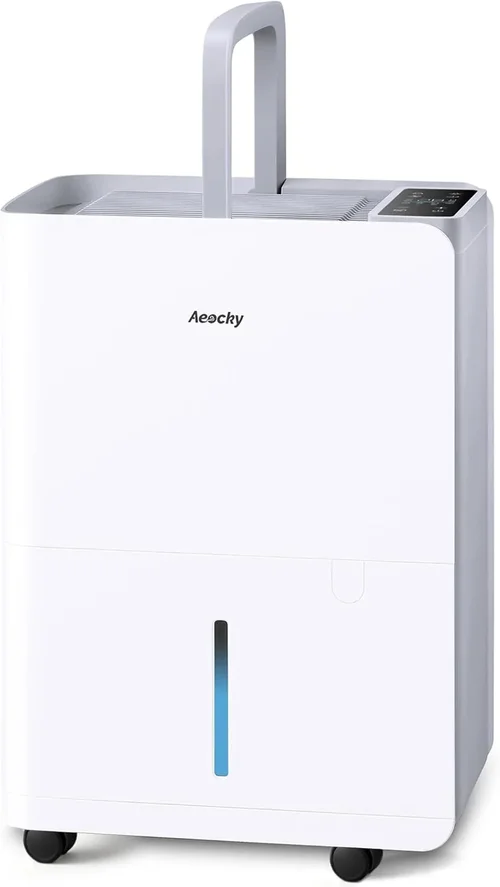
Basements are notorious for being damp, dark, and musty—conditions that can quickly spiral into mold growth, structural damage, and poor indoor air quality. Whether you’re using your basement as a living space, home gym, laundry room, or storage area, controlling humidity is essential. That’s where a high-quality dehumidifier comes in. But with dozens of models flooding the market—each boasting different capacities, features, and price points—choosing the right one can feel overwhelming. This comprehensive buying guide cuts through the noise to help you make an informed decision based on real performance data, expert analysis, and consumer feedback.
In this guide, we’ll walk you through everything you need to know before purchasing a basement dehumidifier in 2026. You’ll learn how to evaluate key specifications like pint capacity and energy efficiency, understand the differences between compressor-based and desiccant models, avoid common buying pitfalls, and identify which features actually matter for long-term use. We’ve analyzed top-rated units from trusted brands like Frigidaire, hOmeLabs, GE, and AprilAire, cross-referenced them with Consumer Reports ratings, and distilled our findings into actionable advice. Whether you’re on a tight budget or ready to invest in a premium whole-home solution, this guide will equip you with the knowledge to choose a dehumidifier that delivers reliable, quiet, and effective moisture control for years to come.
The basement dehumidifier market has evolved significantly over the past few years. Manufacturers now offer smarter controls, better energy efficiency, and more durable builds—even at lower price points. However, not all dehumidifiers are created equal. Some struggle in cold temperatures, others drain inefficiently, and many fall short of their advertised pint ratings under real-world conditions. Our goal is to help you navigate these nuances so you don’t end up with a unit that’s either underpowered, overly expensive, or prone to breakdowns. By the end of this guide, you’ll know exactly what to look for, what to avoid, and how to get the best value for your investment.

What to Look for When Buying Buying Guide
1. Pint Capacity & Coverage Area
Pint capacity refers to how much moisture a dehumidifier can remove from the air in 24 hours under standard testing conditions (typically 80°F and 60% relative humidity). For basements, this number is critical—but it’s often misunderstood. A “30-pint” dehumidifier doesn’t necessarily mean it will remove 30 pints in your cold, damp basement. In fact, most units lose efficiency as temperatures drop below 65°F. That’s why it’s essential to match the unit’s capacity to both your basement’s square footage and its typical humidity level.
As a general rule:
- Up to 1,500 sq. ft.: Look for a 20–30 pint model if the space is moderately damp, or 30–50 pints if it’s very wet or prone to flooding.
- 1,500–3,000 sq. ft.: Opt for a 50–70 pint unit, especially if you have poor ventilation or high groundwater levels.
- Over 3,000 sq. ft.: Consider a whole-home dehumidifier or a commercial-grade unit with ducting capabilities.
Always check the AHAM (Association of Home Appliance Manufacturers) rating, which provides standardized testing results. Avoid relying solely on manufacturer claims—Consumer Reports and independent labs often find discrepancies between advertised and actual performance.
2. Energy Efficiency & Operating Costs
Dehumidifiers run continuously in many basements, especially during humid seasons, so energy consumption directly impacts your utility bill. The most efficient models carry the ENERGY STAR® certification, which means they use at least 15% less energy than standard units. Look for the Energy Factor (EF) rating—measured in liters of water removed per kilowatt-hour (L/kWh). Higher EF values indicate better efficiency.
For example, a unit with an EF of 1.8 is more efficient than one with 1.5. Over a summer, that difference could save you $20–$50 in electricity costs. Additionally, consider models with auto-humidistats and programmable timers, which prevent the unit from running unnecessarily when humidity levels are already low. Some advanced units even feature variable-speed compressors that adjust output based on demand, further reducing energy use.
3. Drainage Options & Maintenance
Emptying a water bucket every day is tedious and impractical for most homeowners. That’s why drainage options are a make-or-break feature for basement dehumidifiers. There are three main types:
- Gravity Drain: Requires a hose connected to a floor drain or sump pump. Ideal for permanent setups but only works if the outlet is lower than the unit.
- Pump Drain: Uses an internal condensate pump to push water upward (up to 15 feet vertically), allowing placement away from drains. Essential for finished basements or spaces without floor drains.
- Manual Bucket: The most basic option—requires frequent emptying. Only suitable for very small spaces or occasional use.
Look for models with automatic shutoff when the bucket is full to prevent overflow. Also, check the filter accessibility—easy-to-clean or washable filters reduce maintenance hassle and improve airflow over time.
4. Low-Temperature Performance
Basements are often cooler than the rest of the house, especially in winter. Unfortunately, most compressor-based dehumidifiers struggle below 65°F because their coils freeze, reducing efficiency or causing the unit to shut down entirely. If your basement regularly drops below this threshold, you need a unit specifically designed for cold environments.
Look for dehumidifiers labeled as “low-temperature operation” or “cold-climate capable.” These models use specialized refrigerants, defrost cycles, or dual-speed fans to maintain performance down to 41°F or lower. Desiccant dehumidifiers are another option—they don’t rely on refrigeration and work well in cold, dry conditions, though they’re typically less efficient in high-humidity scenarios.
Consumer Reports testing has shown that some budget models claim cold-weather capability but still lose up to 40% efficiency at 50°F. Always verify real-user reviews from people in similar climates.
5. Noise Level & Placement Flexibility
Basements are often used as home theaters, gyms, or offices—spaces where quiet operation matters. Dehumidifier noise is measured in decibels (dB), with most residential units ranging from 45 dB (quiet library) to 60 dB (normal conversation). For occupied spaces, aim for models under 55 dB.
Compressor-based units tend to be louder due to fan and motor noise, while desiccant models are generally quieter but may produce a low hum. Check product specs for sound ratings, and read user reviews mentioning noise—manufacturers sometimes underreport dB levels. Also consider placement: units with front-facing control panels and top-mounted air outlets are easier to position against walls without blocking access.
6. Smart Features & Automation
Modern dehumidifiers increasingly offer Wi-Fi connectivity, app control, and integration with smart home systems like Alexa or Google Home. While not essential, these features add convenience—especially for remote monitoring and scheduling. For example, you can set the unit to run only during off-peak electricity hours or receive alerts when the bucket is full.
More importantly, look for built-in humidistats with accurate sensors (±3% RH tolerance is ideal). Cheaper models may have poorly calibrated sensors that cause the unit to cycle on and off too frequently, wasting energy and reducing lifespan. Some premium units include air quality sensors that detect mold risk or VOC levels, triggering enhanced drying modes.
7. Build Quality & Durability
A dehumidifier is a long-term investment, so durability matters. Look for units with metal housings (not just plastic), sealed compressor compartments, and corrosion-resistant coils—especially important in damp environments. Check the warranty: reputable brands offer at least a 1-year full warranty, with some extending to 2–5 years on compressors.
Pay attention to user reports about common failure points: faulty pumps, leaking seals, or frozen coils. Brands like AprilAire and Santa Fe are known for commercial-grade builds, while consumer-focused brands like Frigidaire and hOmeLabs balance cost and reliability. Avoid ultra-cheap models from unknown brands—they often use inferior components that fail within months.
8. Brand Reputation & Customer Support
Not all dehumidifier brands are equal in terms of reliability and service. Stick with established names that have strong track records in appliance manufacturing. Read verified customer reviews on retailer sites and third-party platforms like Consumer Reports, Wirecutter, or Reddit. Look for patterns: Are complaints about poor customer service? Difficult warranty claims? Frequent breakdowns?
Brands like GE, Honeywell, and LG offer solid mid-range options with decent support networks. For heavy-duty applications, consider specialized manufacturers like Dri-Eaz or Quest, which cater to restoration professionals but also serve homeowners with severe moisture issues. Always verify that replacement parts (like filters or pumps) are readily available and reasonably priced.
Different Types of Buying Guide
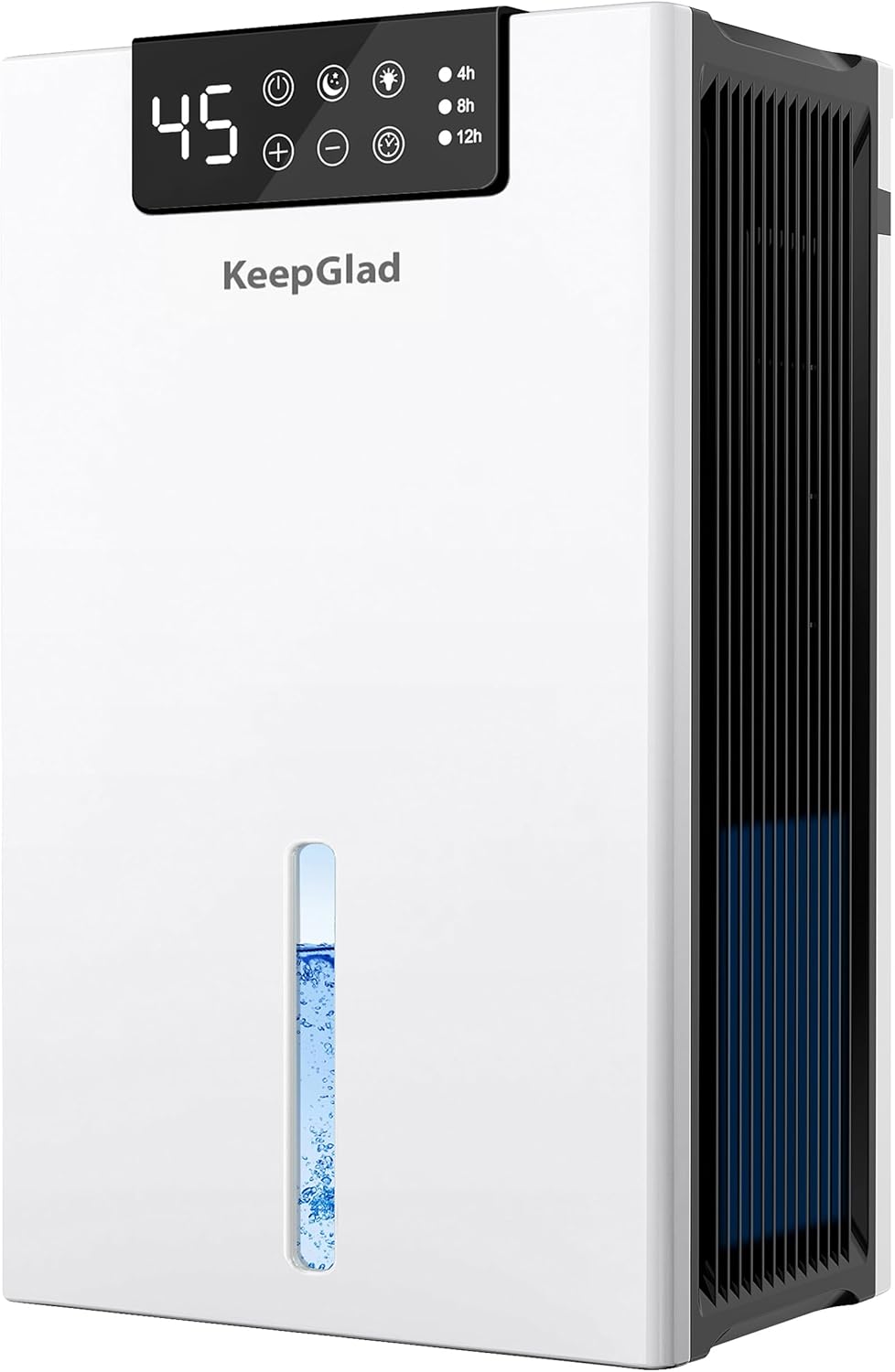
Common Buying Mistakes to Avoid
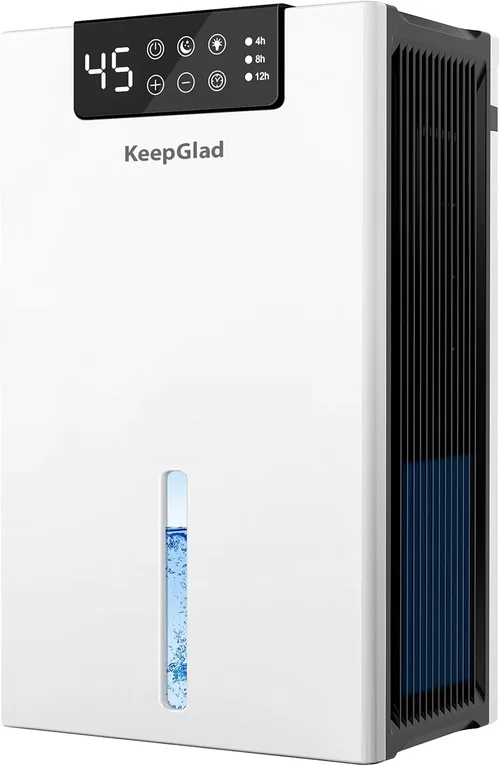
❌ Mistake: Choosing Based Solely on Pint Rating
Why it’s bad: Manufacturers often advertise pint capacities under ideal lab conditions (80°F, 60% RH), which don’t reflect real basement environments. A “50-pint” unit may only remove 30 pints in a cold, damp basement, leaving you with inadequate moisture control.
What to do instead: Cross-reference AHAM ratings and look for units tested at lower temperatures. Prioritize coverage area and humidity level over raw pint numbers. When in doubt, size up slightly.
❌ Mistake: Ignoring Drainage Needs
Why it’s bad: If you don’t have a nearby floor drain, a unit without pump drainage will require daily bucket emptying—a chore most people abandon, leading to overflow and potential water damage.
What to do instead: Assess your basement layout before buying. If no drain is accessible, choose a model with a built-in condensate pump or ensure it supports external pump kits.
❌ Mistake: Overlooking Energy Efficiency
Why it’s bad: A cheap, inefficient dehumidifier might save you $50 upfront but cost $100+ more per year in electricity. Over five years, that’s a net loss.
What to do instead: Always check the Energy Factor (EF) and look for ENERGY STAR certification. Calculate annual operating costs using your local electricity rate and estimated runtime.
❌ Mistake: Buying for Summer Only
Why it’s bad: Many homeowners assume dehumidifiers are only needed in summer, but basements can stay damp year-round—especially in winter when cold surfaces cause condensation.
What to do instead: Choose a unit capable of low-temperature operation if your basement gets chilly. Consider seasonal settings or smart controls that adjust based on ambient conditions.
❌ Mistake: Skipping User Reviews
Why it’s bad: Product descriptions highlight strengths; real users reveal flaws. A model with perfect specs might have a faulty pump or poor customer service.
What to do instead: Read at least 20–30 verified purchase reviews. Pay attention to comments about reliability, noise, and support. Use sites like Consumer Reports for unbiased testing data.
❌ Mistake: Assuming All Brands Are Equal
Why it’s bad: Off-brand or imported units may use substandard components, lack safety certifications, or disappear from the market, leaving you without warranty support.
What to do instead: Stick with reputable manufacturers with established service networks. Check for UL, ETL, or CSA safety certifications.
❌ Mistake: Not Planning for Maintenance
Why it’s bad: Clogged filters, frozen coils, or mineral buildup can reduce efficiency by 30% or more. Neglect leads to premature failure.
What to do instead: Choose models with easy-access filters and self-cleaning features. Set calendar reminders for monthly filter cleaning and annual coil inspection.
Budget Guidelines: How Much Should You Spend?
Entry-Level ($100–$250): These units are best for small, mildly damp basements (under 1,000 sq. ft.). Expect basic features: manual bucket, limited drainage options, and moderate noise. Brands like Eva-Dry and Ivation offer decent starter models, but don’t expect longevity or cold-weather performance. Ideal for renters or seasonal use.
Mid-Range ($250–$500): This is the sweet spot for most homeowners. You’ll find reliable compressor-based units with pump drainage, auto-humidistats, ENERGY STAR ratings, and decent warranties. Models like the Frigidaire FFAD7033R1 and hOmeLabs HME020034N excel here, offering strong performance, quiet operation, and smart features without breaking the bank.
Premium ($500–$1,200): For larger basements, cold climates, or whole-home integration, premium models deliver superior build quality, advanced controls, and extended warranties. Look for brands like AprilAire, Santa Fe, or Quest. These units often include ducting kits, Wi-Fi connectivity, and commercial-grade components. Worth the investment if you have persistent moisture issues or plan to finish your basement.
Luxury ($1,200+): Reserved for extreme scenarios—flood-prone areas, historic homes, or professional restoration work. These systems offer maximum capacity (100+ pints), industrial durability, and seamless HVAC integration. While overkill for most, they provide peace of mind for high-stakes environments.
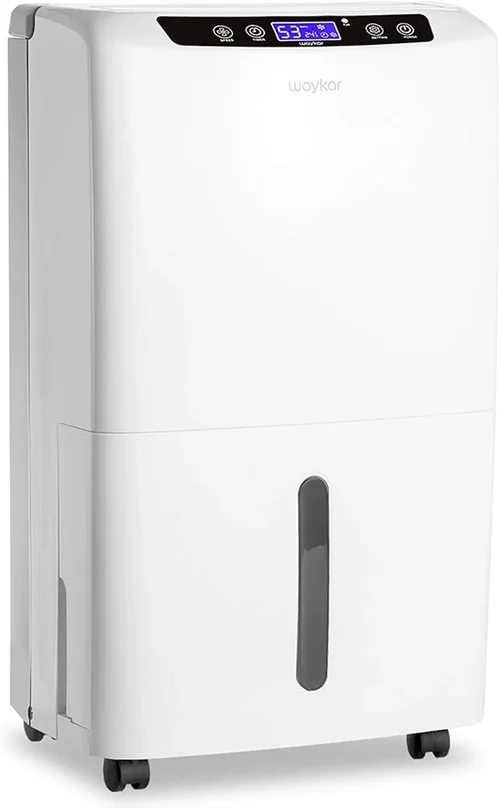
Expert Tips for Getting the Best Deal
- Buy in Late Winter or Early Spring: Retailers discount dehumidifiers before humid season hits. Look for Presidents’ Day or Memorial Day sales for 20–30% off.
- Check Rebates and Incentives: Some utilities offer rebates for ENERGY STAR dehumidifiers—especially in humid regions like the Southeast. Visit dsireusa.org for local programs.
- Compare Online vs. In-Store: Online retailers (Amazon, Home Depot, Lowe’s) often have better prices and return policies. But in-store allows you to inspect build quality and noise levels.
- Bundle with Other Purchases: Some HVAC contractors offer discounts when installing a dehumidifier alongside a furnace or AC tune-up.
- Read the Fine Print on Warranties: Some brands require registration within 30 days or void coverage if installed incorrectly. Keep receipts and documentation.
- Test Before Committing: If possible, run the unit for a week and monitor humidity levels with a standalone hygrometer. Return if performance falls short.
- Consider Refurbished or Open-Box: Certified refurbished units from reputable sellers (like Amazon Renewed or manufacturer outlets) can save 20–40% with full warranty coverage.
- Don’t Forget Installation Costs: Whole-home units may require professional ductwork—factor $200–$800 into your budget.
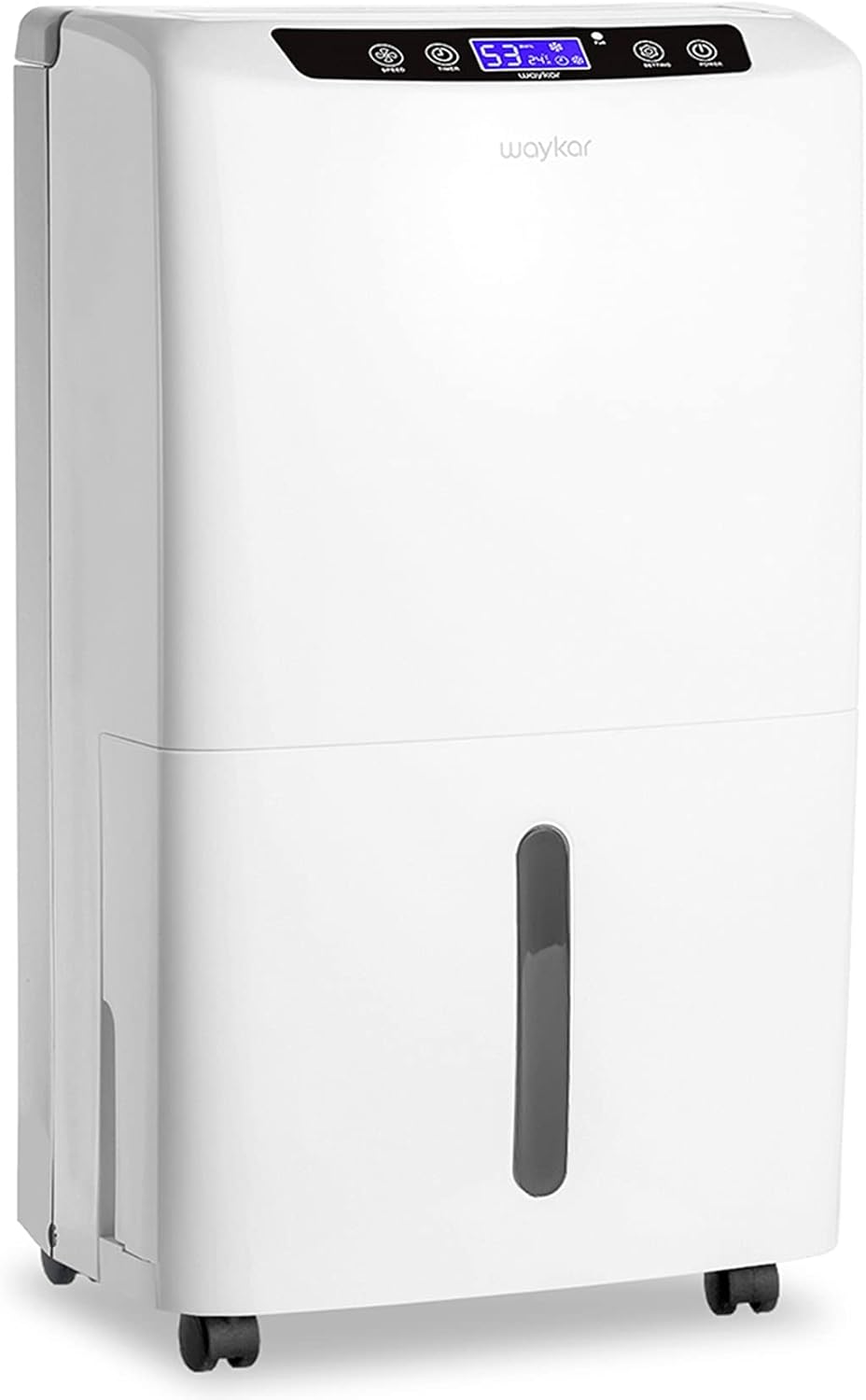
Frequently Asked Questions
Q: How do I know if my basement needs a dehumidifier?
A: Signs include musty odors, visible mold or mildew, condensation on walls or windows, warped wood, or a persistent clammy feeling. Use a hygrometer to measure humidity—ideally, it should stay between 30% and 50%. If it consistently exceeds 60%, a dehumidifier is recommended.
Q: Can I use a regular room dehumidifier in my basement?
A: Yes, but only if it’s designed for basement conditions (low temperatures, high moisture). Many room units aren’t built for continuous operation or cold environments. Always check the operating temperature range and drainage options.
Q: Should I run my dehumidifier all the time?
A: Not necessarily. Use a built-in humidistat to maintain your target humidity (usually 45–50%). In moderate climates, it may only run a few hours per day. In very damp areas, continuous operation may be needed during peak seasons.
Q: Do dehumidifiers help with radon?
A: No. While they reduce moisture, they do not mitigate radon gas. Radon requires specialized mitigation systems like sub-slab depressurization. However, controlling humidity can reduce radon’s ability to cling to dust particles.
Q: How often should I clean my dehumidifier?
A: Clean the air filter monthly with warm, soapy water. Inspect coils and drain lines quarterly. Deep clean the water tank every 3–6 months to prevent mold growth.
Q: Can a dehumidifier damage my basement?
A: Only if it overflows due to a full bucket or clogged drain. Choose models with auto-shutoff and reliable drainage. Also, avoid placing it directly on carpet without a drip tray.
Q: Are desiccant dehumidifiers better than compressor types?
A: It depends. Desiccants excel in cold, dry conditions and are quieter, but they consume more energy in high-humidity environments. Compressors are more efficient in warm, damp basements—the most common scenario.
Q: What’s the lifespan of a typical basement dehumidifier?
A: With proper maintenance, most units last 5–10 years. Compressor lifespan is the main limiting factor. Premium models with sealed systems often last longer.
Q: Can I install a dehumidifier myself?
A: Portable and standalone units require no installation—just plug and go. Whole-home systems typically need professional setup for ducting and electrical connections.
Q: Do dehumidifiers reduce allergens?
A: Yes. By lowering humidity below 50%, they inhibit mold, dust mites, and mildew—common triggers for allergies and asthma. This improves overall indoor air quality.
Our Final Recommendations
Best for Budget-Conscious Buyers: hOmeLabs HME020034N 4,500 Sq. Ft Dehumidifier – At under $300, it offers 50-pint capacity, pump drainage, quiet operation (48 dB), and a washable filter. Consumer Reports praises its reliability and value.
Best Overall Value: Frigidaire FFAD7033R1 70-Pint Dehumidifier – ENERGY STAR certified, low-temperature operation down to 41°F, and excellent humidity control. Consistently top-rated for performance and durability.
Best Premium Option: AprilAire E130 Pro 130-Pint Whole-Home Dehumidifier – For large or finished basements, this ducted system integrates with HVAC and maintains precise humidity control. Built to last decades with minimal maintenance.
Best for Beginners: GE APER50LZ 50-Pint Dehumidifier – Simple controls, intuitive display, and reliable performance. Great for first-time buyers who want plug-and-play simplicity.
Best for Advanced Users: Quest 50 Dual 50-Pint Dehumidifier – Commercial-grade build, dual pumps, and smart monitoring via app. Ideal for tech-savvy homeowners or those with complex moisture challenges.
Conclusion: Making the Right Choice
Choosing the right basement dehumidifier isn’t just about picking the biggest or cheapest model—it’s about matching the unit’s capabilities to your specific environment, usage needs, and long-term goals. By focusing on key factors like pint capacity, drainage, energy efficiency, and low-temperature performance, you can avoid common pitfalls and invest in a solution that truly protects your home. Remember: a good dehumidifier doesn’t just remove moisture—it prevents mold, preserves structural integrity, and creates a healthier living space.
Don’t rush the decision. Take time to assess your basement’s unique conditions, read real user reviews, and prioritize features that align with your lifestyle. Whether you’re battling seasonal dampness or managing a year-round moisture problem, the right dehumidifier will pay for itself in comfort, savings, and peace of mind. Use this guide as your roadmap, and you’ll be well-equipped to make a confident, informed purchase in 2026—and beyond.