
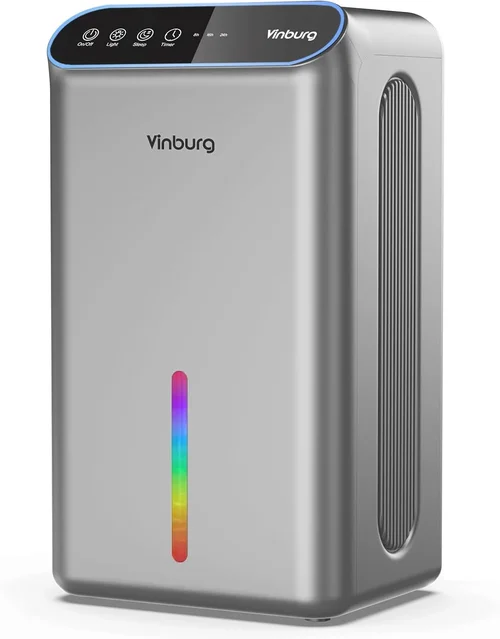
Dealing with excess moisture in your bedroom isn’t just about comfort—it’s about health, sleep quality, and protecting your home. Whether you live in a humid coastal region, have a basement-level bedroom, or simply notice condensation on your windows each morning, a dehumidifier can be a game-changer. But with dozens of models flooding the market—each boasting different capacities, features, and price points—it’s easy to feel overwhelmed. That’s where this guide comes in.
Over the past few years, Reddit has become one of the most trusted sources for real-world user feedback on home appliances, especially dehumidifiers. From r/HomeImprovement to r/BuyItForLife and r/ApartmentLiving, thousands of users have shared their experiences, frustrations, and wins when it comes to choosing the right bedroom dehumidifier. Drawing from these authentic reviews—alongside expert testing data, manufacturer specs, and long-term performance insights—this comprehensive guide cuts through the noise to help you make a smart, informed decision.
By the end of this article, you’ll understand exactly what to look for in a bedroom dehumidifier, how to avoid common pitfalls, and which models consistently earn praise from both experts and everyday users. We’ll break down key factors like capacity, noise level, energy efficiency, and smart features, compare different types of units, and even share insider tips on timing your purchase for maximum savings. Whether you’re battling mold, reducing allergens, or just want to sleep better in a drier environment, this guide will equip you with everything you need to find the perfect fit for your space.

What to Look for When Buying Buying Guide
1. Capacity & Room Size Compatibility
The most critical factor when choosing a dehumidifier for your bedroom is matching the unit’s capacity to your room size. Capacity is typically measured in pints per day (PPD)—the amount of moisture the machine can remove in 24 hours under standard conditions (60% relative humidity at 80°F). For a standard bedroom (100–300 sq ft), a 20–30 PPD unit is usually sufficient. However, if your room is larger, poorly insulated, or located in a high-humidity area (like a basement or near a bathroom), you may need 30–50 PPD.
Reddit users frequently emphasize the importance of not under-sizing. “I bought a 22-pint model for my 250 sq ft basement bedroom and it struggled to keep up during summer,” shared u/CoastalDweller88. “Upgrading to a 50-pint unit made all the difference.” Conversely, oversized units can cycle on and off too frequently, wasting energy and potentially over-drying the air. Always check the manufacturer’s recommended coverage area and cross-reference it with your room’s square footage and humidity level.
2. Noise Level (Decibel Rating)
Since bedrooms are spaces for rest and relaxation, noise is a top concern. Most portable dehumidifiers operate between 45–60 decibels (dB)—comparable to a quiet conversation or moderate rainfall. However, some cheaper models can spike above 60 dB, which may disrupt light sleepers. Look for units with a dedicated “quiet” or “sleep” mode, which reduces fan speed and compressor activity.
According to multiple Reddit threads, the Frigidaire FFAD7033R1 and hOmeLabs HME020034N are frequently praised for their whisper-quiet operation (around 51–53 dB). “I keep mine on all night and don’t even notice it,” said u/SleepyInSeattle. If you’re sensitive to sound, consider placing the unit on a rubber mat or in a corner to dampen vibrations, and avoid models with loud compressor startups.
3. Energy Efficiency & Operating Costs
Dehumidifiers run continuously in humid climates, so energy consumption directly impacts your utility bill. The Department of Energy rates dehumidifiers using the Integrated Energy Factor (IEF), measured in liters of water removed per kilowatt-hour (L/kWh). Higher IEF = more efficient. ENERGY STAR-certified models must meet strict efficiency standards and often qualify for rebates.
A typical 30-pint dehumidifier uses about 300–400 watts per hour. Running it 12 hours a day could cost $15–$25 monthly, depending on local electricity rates. Reddit users recommend checking the yellow EnergyGuide label and looking for units with auto-humidistats that shut off when the target humidity is reached. “My old unit ran nonstop. The new ENERGY STAR one cuts off at 50% RH and saves me $10 a month,” noted u/GreenHomeGuru.
4. Humidity Control & Smart Features
Precise humidity control prevents over-drying, which can cause dry skin, irritated sinuses, and static electricity. Look for models with a built-in humidistat that lets you set your desired humidity level (ideally 40–50% for bedrooms). Basic units may only have high/medium/low settings, while premium models offer digital displays and 1% increments.
Smart features are increasingly popular. Wi-Fi-enabled dehumidifiers like the Midea U-Shaped Inverter allow remote control via smartphone apps, scheduling, and integration with Alexa or Google Assistant. While not essential, these features add convenience—especially if you travel often or want to monitor humidity levels in real time. “Being able to check my bedroom humidity from my phone while on vacation gave me peace of mind,” shared u/TechSavvyTenant.
5. Drainage Options & Maintenance
All dehumidifiers collect water, but how they handle it varies. Most include a removable bucket (typically 7–16 cups) that needs emptying every 1–3 days. For hands-off operation, look for continuous drainage via a hose (gravity-fed or pump-assisted). Gravity drainage requires placing the unit higher than the drain point, while pump models can push water upward—ideal for basements.
Maintenance is another consideration. Filters should be washable and accessible. Some models, like the Tosot 30 Pint, have washable air filters that reduce allergens and extend motor life. Reddit users stress the importance of regular cleaning: “I clean my filter weekly and wipe the coils monthly. It’s kept my unit running smoothly for 4 years,” said u/MaintenanceMatt. Avoid units with sealed or hard-to-reach components.
6. Build Quality & Durability
A dehumidifier is a long-term investment, so durability matters. Look for sturdy plastic housings, corrosion-resistant coils (especially important in humid environments), and sealed compressors. Metal components and reinforced handles indicate higher build quality. Reddit’s r/BuyItForLife community often highlights brands like Frigidaire, hOmeLabs, and AprilAire for their reliability.
User reports suggest that cheaper models (<$150) may last 2–3 years, while mid-to-high-end units can endure 5–7 years with proper care. “My $200 Frigidaire is still going strong after 6 years,” confirmed u/LongTermUser. Check warranty length—most offer 1–2 years, but some premium brands provide up to 5 years on compressors.
7. Portability & Design
Bedrooms often require moving the dehumidifier for cleaning, storage, or seasonal use. Wheels and top-mounted handles make transportation easier. Compact designs fit better under beds or in closets. Some models, like the Eva-Dry E-333, are ultra-portable and cordless (using desiccant technology), though they’re better for small spaces or supplemental use.
Aesthetics matter too. Sleek, neutral-colored units blend into bedroom decor better than bulky, industrial-looking models. The Midea U-Shaped Inverter, for example, has a modern design with hidden wheels and a front-facing control panel—praised by Reddit users for its “apartment-friendly” look.
8. Brand Reputation & User Reviews
Not all brands are created equal. Established names like Frigidaire, Honeywell, and GE have decades of experience and robust customer support. Newer brands like hOmeLabs and Tosot have gained traction through Amazon and Reddit for offering high value at competitive prices. Always read verified purchase reviews and check Reddit threads for recurring issues (e.g., compressor failure, noisy operation).
“I avoided no-name brands after my first dehumidifier died in 8 months,” warned u/RegretfulBuyer. “Stick with brands that have active customer service and replacement parts available.” Look for consistent positive feedback on reliability, ease of use, and post-purchase support.
Different Types of Buying Guide

Common Buying Mistakes to Avoid
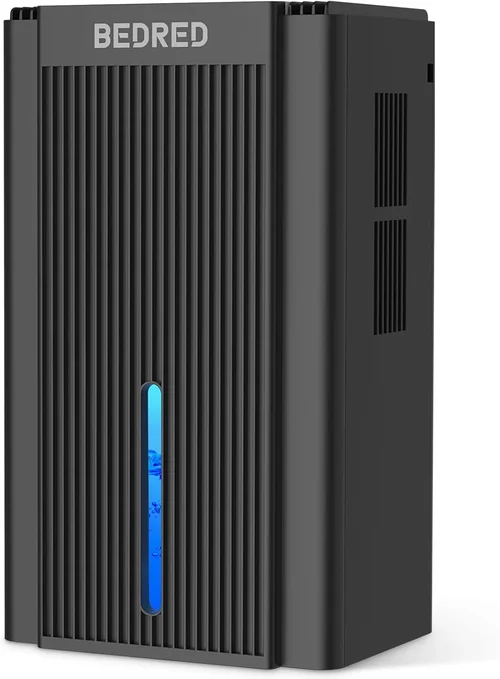
❌ Mistake: Ignoring Room Conditions
Why it’s bad: Buying based solely on square footage without considering humidity level, insulation, or external factors (like proximity to a bathroom) leads to underperformance. A 200 sq ft bedroom in Florida needs a much stronger unit than one in Arizona.
What to do instead: Assess your room’s actual humidity with a hygrometer (many dehumidifiers include one). If windows fog up or you smell mildew, opt for a higher-capacity model.
❌ Mistake: Overlooking Noise Levels
Why it’s bad: A loud dehumidifier can disrupt sleep, especially if placed near the bed. Many buyers regret not checking decibel ratings before purchasing.
What to do instead: Prioritize units under 55 dB. Read user reviews specifically mentioning nighttime use. Consider placing the unit farther from the bed or using a timer.
❌ Mistake: Skipping Drainage Planning
Why it’s bad: Emptying a full bucket daily is tedious and easy to forget. Overflow can cause water damage or trigger auto-shutoff, halting dehumidification.
What to do instead: Choose a model with continuous drainage if possible. Even if you start with a bucket, ensure the unit has a hose outlet for future upgrades.
❌ Mistake: Buying the Cheapest Option
Why it’s bad: Budget models often lack durability, accurate humidistats, and efficient compressors. They may fail within 1–2 years, costing more long-term.
What to do instead: Invest in a mid-range unit ($200–$300) with good reviews and a solid warranty. It’s better to spend a bit more upfront for reliability.
❌ Mistake: Not Checking Warranty & Support
Why it’s bad: Compressor failures are common after the first year. Without warranty coverage, repairs can cost nearly as much as a new unit.
What to do instead: Choose brands with at least a 2-year warranty and accessible customer service. Avoid refurbished or gray-market units with limited support.
❌ Mistake: Assuming All ENERGY STAR Models Are Equal
Why it’s bad: ENERGY STAR certification ensures minimum efficiency, but some models are far more efficient than others. IEF ratings vary significantly.
What to do instead: Compare IEF values directly. A unit with 1.8 L/kWh is more efficient than one with 1.5 L/kWh, even if both are certified.
❌ Mistake: Neglecting Filter Maintenance
Why it’s bad: Dirty filters restrict airflow, reduce efficiency, and can cause the unit to overheat or freeze up.
What to do instead: Clean the filter monthly and inspect coils annually. Choose models with easy-access, washable filters.
Budget Guidelines: How Much Should You Spend?
- Entry-Level ($80–$150): These are typically mini or compact desiccant/Peltier units. Best for very small spaces (<100 sq ft) or supplemental use. Expect limited capacity (5–10 PPD), basic controls, and shorter lifespans. Examples: Eva-Dry E-333, Ivation IVADM35.
- Mid-Range ($150–$300): The sweet spot for most bedroom buyers. These compressor-based units offer 20–50 PPD, digital humidistats, quiet operation, and decent build quality. Brands like hOmeLabs, Tosot, and Frigidaire dominate this range. Ideal for rooms up to 500 sq ft.
- Premium ($300–$500): For those prioritizing smart features, ultra-quiet operation, or larger coverage. Includes Wi-Fi connectivity, pump-assisted drainage, and advanced filtration. Models like the Midea U-Shaped Inverter and Honeywell TP70WKN fall here.
- Luxury ($500+): Whole-house systems or commercial-grade portable units. Designed for severe humidity, large homes, or professional use. Often integrate with smart home systems and offer 5-year+ warranties. Examples: AprilAire E080, Santa Fe Compact 70.
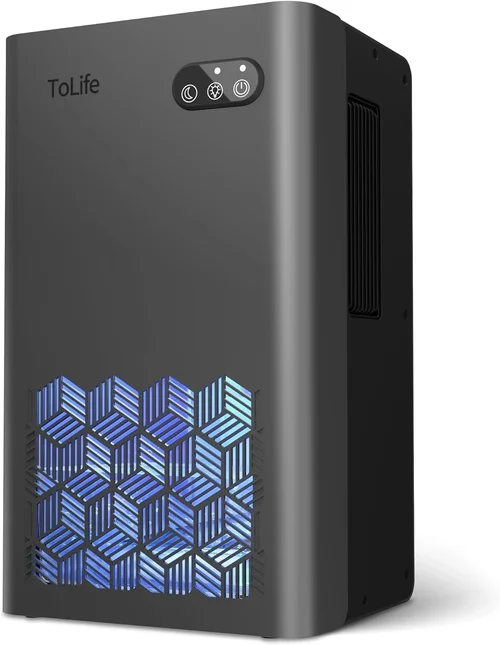
Expert Tips for Getting the Best Deal
- Buy in Spring or Early Summer: Retailers often discount dehumidifiers in late winter or early spring to clear inventory before peak humidity season. Black Friday and Prime Day also offer solid deals, but selection may be limited.
- Shop at Specialty Retailers: Stores like Home Depot, Lowe’s, and Costco often have exclusive models with better warranties or bundled accessories (e.g., free drainage hoses).
- Check for Rebates: Many utility companies offer rebates for ENERGY STAR dehumidifiers—sometimes $30–$50. Visit dsireusa.org to search by zip code.
- Read Return Policies: Ensure the retailer allows returns within 30–60 days. Some online sellers charge restocking fees, so confirm before buying.
- Test Before Committing: If possible, run the unit for a week. Check noise, humidity control, and ease of use. Most reputable sellers accept returns if the unit doesn’t meet expectations.
- Consider Refurbished Units: Certified refurbished models from manufacturers (e.g., Frigidaire Factory Certified) often come with full warranties and cost 20–30% less.
- Bundle with Other Purchases: Buying during a larger home appliance sale (e.g., HVAC or refrigerator) may unlock additional discounts or free shipping.
- Monitor Reddit for Flash Sales: Subreddits like r/buildapcsales and r/Frugal frequently post limited-time dehumidifier deals from Amazon, Walmart, and Newegg.
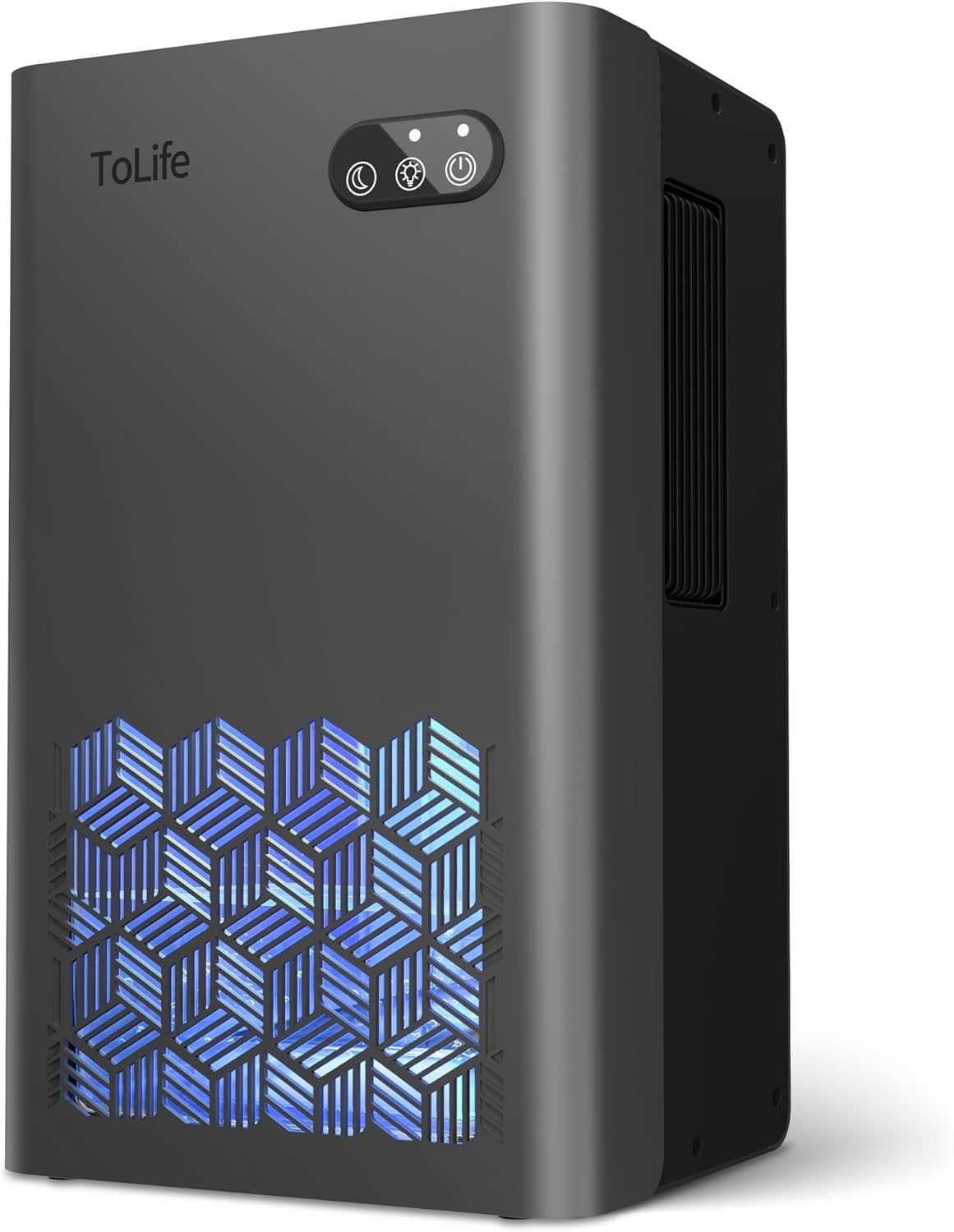
Frequently Asked Questions
Q: Can a dehumidifier help with allergies?
A: Yes. By reducing humidity below 50%, dehumidifiers inhibit mold, dust mites, and mildew—common allergens. Many users report fewer sinus issues and better sleep after consistent use.
Q: Should I run my dehumidifier all night?
A: It’s safe and often beneficial, especially in humid climates. Use a humidistat to prevent over-drying. If noise is a concern, choose a quiet model or place it farther from the bed.
Q: How often should I clean my dehumidifier?
A: Clean the filter monthly and wipe the water tank weekly to prevent bacterial growth. Deep-clean coils and vents every 6–12 months.
Q: Will a dehumidifier lower my electricity bill?
A: Indirectly, yes. Lower humidity makes air feel cooler, allowing you to raise your thermostat. However, the dehumidifier itself consumes energy—so balance runtime with efficiency.
Q: Can I use a dehumidifier in winter?
A: Most compressor models struggle below 60°F. Desiccant units work better in cold temperatures. If your bedroom stays warm, a standard dehumidifier is fine.
Q: Is it normal for the dehumidifier to get hot?
A: Yes. The compressor and coils generate heat during operation. Ensure there’s 12–18 inches of clearance around the unit for proper airflow.
Q: Do I need a dehumidifier if I have AC?
A: Air conditioners remove some moisture, but not enough in very humid areas. A dedicated dehumidifier provides more precise control and can reduce AC runtime.
Q: How do I know if my dehumidifier is working?
A: Check the water tank—it should fill over time. Use a hygrometer to verify humidity levels are dropping. If not, the unit may be undersized or malfunctioning.
Q: Can I move my dehumidifier between rooms?
A: Yes, but avoid moving it immediately after use—wait 10–15 minutes to let refrigerant settle. Use wheels and handles to prevent strain.
Q: What’s the ideal bedroom humidity level?
A: Between 40% and 50%. Levels above 60% promote mold; below 30% can cause dryness and static.
Our Final Recommendations
- Best for Budget-Conscious Buyers: hOmeLabs HME020034N (30 Pint) – At under $200, this ENERGY STAR model offers excellent performance, quiet operation (51 dB), and a washable filter. Highly rated on Reddit for reliability and value.
- Best Overall Value: Frigidaire FFAD7033R1 (70 Pint) – Slightly larger but perfect for big bedrooms or open-concept spaces. Features a digital humidistat, continuous drain, and robust build. A favorite in r/HomeImprovement.
- Best Premium Option: Midea U-Shaped Inverter Dehumidifier (30 Pint) – Ultra-quiet (48 dB), Wi-Fi enabled, and sleek design. Uses inverter technology for energy savings and consistent performance. Ideal for tech-savvy users.
- Best for Beginners: Tosot 30 Pint Dehumidifier – Simple controls, reliable performance, and easy maintenance. Great for first-time buyers who want hassle-free operation.
- Best for Advanced Users: Honeywell TP70WKN (70 Pint) – Smart features, pump drainage, and advanced filtration. Offers precise humidity control and app integration for those who want full customization.
Conclusion: Making the Right Choice
Choosing the right dehumidifier for your bedroom doesn’t have to be overwhelming. By focusing on capacity, noise, efficiency, and real-user feedback—especially from trusted communities like Reddit—you can find a unit that improves your sleep, protects your health, and lasts for years. Remember: the cheapest option isn’t always the best, and skipping key features like a humidistat or drainage hose can lead to frustration down the line.
Prioritize your specific needs. If you’re a light sleeper, noise matters most. If you live in a damp basement, capacity and drainage are critical. And if you value convenience, smart features may be worth the extra cost. Use the guidelines, avoid the common mistakes, and take advantage of seasonal deals to get the best possible value.
Ultimately, a good dehumidifier is an investment in your comfort and well-being. With the insights from this guide—and the collective wisdom of thousands of real users—you’re now equipped to make a confident, informed decision. Don’t wait until mold appears or your sheets feel clammy. Take control of your bedroom’s humidity today and enjoy the difference a quality dehumidifier can make.