
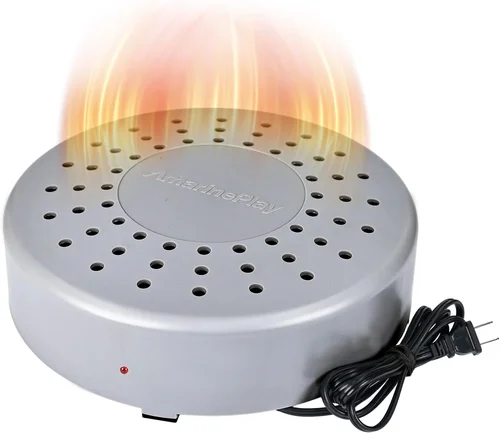
Keeping your boat dry isn’t just about comfort—it’s about protecting your investment, your health, and the longevity of your vessel. Moisture buildup in enclosed marine environments leads to mold, mildew, rust, musty odors, and even structural damage over time. Whether you’re a weekend sailor, a full-time liveaboard, or someone who stores their boat for long periods, controlling humidity is essential. That’s where a reliable dehumidifier comes in. But not all dehumidifiers are created equal—especially when it comes to the unique challenges of marine use.
In this comprehensive guide, we’ll walk you through everything you need to know to choose the best dehumidifier for your boat in 2026. From understanding key performance specs to comparing different types of units, avoiding common pitfalls, and finding the right balance between price and performance, we’ve got you covered. We’ll also share expert tips on where and when to buy, how to interpret user reviews, and what features truly matter on the water. By the end, you’ll have the knowledge and confidence to make an informed decision that keeps your boat dry, safe, and enjoyable for years to come.
The market for marine dehumidifiers has evolved significantly in recent years. Traditional household units often fail in the harsh, salty, and fluctuating conditions found aboard boats. Today’s best models are specifically engineered for marine environments—offering corrosion-resistant materials, compact designs, low power consumption, and smart controls. With options ranging from simple passive absorbers to high-tech refrigerant and desiccant systems, there’s a solution for every boat size, budget, and usage pattern. This guide cuts through the noise to help you find the perfect fit.

What to Look for When Buying a Boat Dehumidifier
1. Performance Specifications
When evaluating dehumidifiers for boats, performance isn’t just about how much moisture a unit can remove—it’s about doing so efficiently and reliably in a marine setting. The two most critical specs are pint capacity per day and operating temperature range.
Pint capacity refers to how many pints of water the unit can extract from the air in 24 hours. For small sailboats or cabins under 30 feet, a 10–15 pint/day model may suffice. Larger motor yachts or liveaboard vessels with multiple cabins might need 30+ pints/day. However, don’t automatically go for the highest number—oversized units can short-cycle (turn on and off too frequently), reducing efficiency and lifespan.
Operating temperature is equally important. Many standard dehumidifiers stop working below 65°F (18°C), which is problematic in cooler climates or during winter storage. Look for models rated down to 41°F (5°C) or lower. Desiccant dehumidifiers typically outperform refrigerant types in cold conditions, making them ideal for seasonal or cold-weather use.
Also consider airflow (measured in CFM—cubic feet per minute). Higher CFM means better circulation in tight spaces like lockers, heads, or engine rooms. Some advanced units include built-in fans or ducting options for targeted drying.
2. Power Consumption & Energy Efficiency
Boats often rely on limited power sources—batteries, solar panels, or generators—so energy efficiency is paramount. A power-hungry dehumidifier can drain your house batteries overnight, leaving you without lights or navigation systems.
Check the wattage rating (usually listed in watts or amps at 120V). Entry-level refrigerant models may draw 200–300 watts, while efficient desiccant units can run as low as 80–150 watts. Some premium models feature variable-speed compressors or smart sensors that adjust output based on humidity levels, saving energy when demand is low.
For off-grid sailors, consider units compatible with 12V DC systems or those with optional inverters. Solar-powered dehumidifiers are emerging but still niche—most still require AC power. Always calculate your daily energy budget: multiply wattage by runtime hours to estimate amp-hour consumption. For example, a 100W unit running 8 hours uses 800Wh (or ~67Ah on a 12V system).
3. Build Quality & Marine Durability
Marine environments are brutally unforgiving. Salt spray, humidity, vibration, and temperature swings demand rugged construction. Avoid plastic-heavy household units—they crack, warp, or corrode quickly at sea.
Look for corrosion-resistant materials like marine-grade aluminum, stainless steel hardware, and powder-coated finishes. Sealed electronics and conformal-coated circuit boards protect against moisture ingress. Units certified to IPX4 or higher offer splash resistance, which is useful near sinks or in rough weather.
Vibration resistance matters too—especially on powerboats or during transit. Rubber feet, shock-mounted components, and solid chassis designs help prevent internal damage. Some manufacturers explicitly market their products as “marine-rated” or “boat-ready,” which usually indicates rigorous testing under simulated sea conditions.
4. Size, Weight & Portability
Space is premium on a boat. A bulky dehumidifier can obstruct walkways, take up valuable storage, or be impossible to install in tight compartments. Measure your intended placement area carefully—including clearance for airflow (typically 6–12 inches around vents).
Weight matters less for stationary installations but becomes critical if you plan to move the unit between cabins, lockers, or boats. Lightweight desiccant models (often under 10 lbs) are easier to reposition than heavy refrigerant units (15–30 lbs).
Consider mounting options: wall brackets, under-counter slots, or freestanding designs. Some units come with integrated handles or carry straps. For liveaboards, a compact unit that doubles as a clothes dryer (with hose attachment) adds versatility.
5. Features & Functionality
Modern boat dehumidifiers offer a range of features that enhance usability and effectiveness. The most useful include:
- Humidistat control: Automatically maintains your desired humidity level (ideally 45–55% RH). Avoid units without this—they’ll either over-dry or underperform.
- Auto-defrost: Essential for refrigerant models in cold climates. Prevents ice buildup on coils, which halts operation.
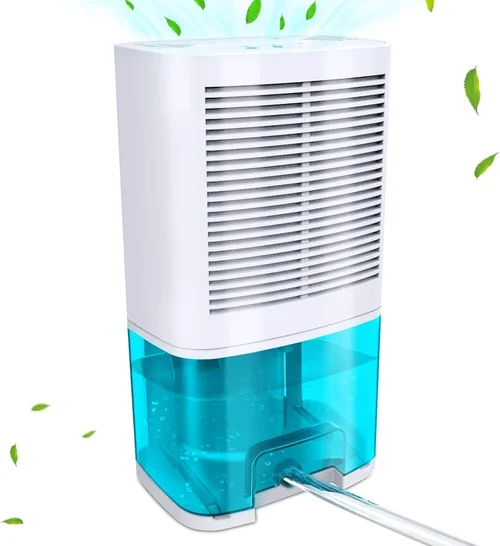
- Continuous drainage: A hose outlet lets you route water directly overboard or into a sink, eliminating manual emptying. Look for quick-connect fittings compatible with standard garden hoses.
- Air filtration: Built-in HEPA or carbon filters capture mold spores, dust, and odors—great for allergy sufferers or boats with pets.
- Timer & remote control: Schedule operation during high-humidity periods (e.g., after showers) or control from your berth.
- Low-noise operation: Critical for sleeping areas. Aim for under 45 dB—quieter than a whisper.
Smart features like Wi-Fi connectivity (via apps) are becoming more common, allowing remote monitoring and alerts. While convenient, they add complexity and cost—only prioritize if you frequently leave your boat unattended.
6. Brand Reputation & Marine Specialization
Not all dehumidifier brands understand the nuances of marine use. Household giants like Frigidaire or Honeywell make reliable units, but they’re rarely optimized for boats. Instead, look for companies with a proven track record in marine or RV applications.
Brands like Dri-Eaz, Eva-Dry, Seaflo, and Marine Air Systems specialize in moisture control for vessels. They often provide better technical support, marine-specific warranties, and accessories like mounting kits or salt-resistant filters.
Read owner forums (e.g., SailNet, CruisersForum) to see real-world feedback. A brand might have great specs on paper but fail in practice due to poor customer service or premature corrosion. Long-term reliability matters more than flashy marketing.
7. Warranty & Support
A dehumidifier is a long-term investment—expect 5–10 years of service with proper care. Warranty terms reveal a manufacturer’s confidence in their product. Standard warranties range from 1–3 years; marine-specific units often offer 2–5 years.
Pay attention to what’s covered: labor, parts, corrosion damage, and whether the warranty is voided by marine use (some household units are). Extended warranties or service plans can be worthwhile for high-end models.
Customer support responsiveness is equally important. Can you get replacement filters quickly? Is there a U.S.-based service center? Check online reviews for complaints about unresponsive tech support or denied claims.
8. User Reviews & Real-World Performance
Spec sheets tell part of the story—real users tell the rest. Scour Amazon, West Marine, and boating forums for detailed reviews. Look for patterns: Do multiple users report rust after six months? Does the unit struggle in humid marinas?
Beware of fake or overly generic reviews. Genuine feedback often includes photos, usage context (“used on a 40ft catamaran in Florida summers”), and pros/cons lists. Pay special attention to comments about noise, drainage reliability, and ease of maintenance.
Also check return rates and complaint trends on sites like the Better Business Bureau. A high volume of returns for “not as described” or “stopped working” is a red flag.
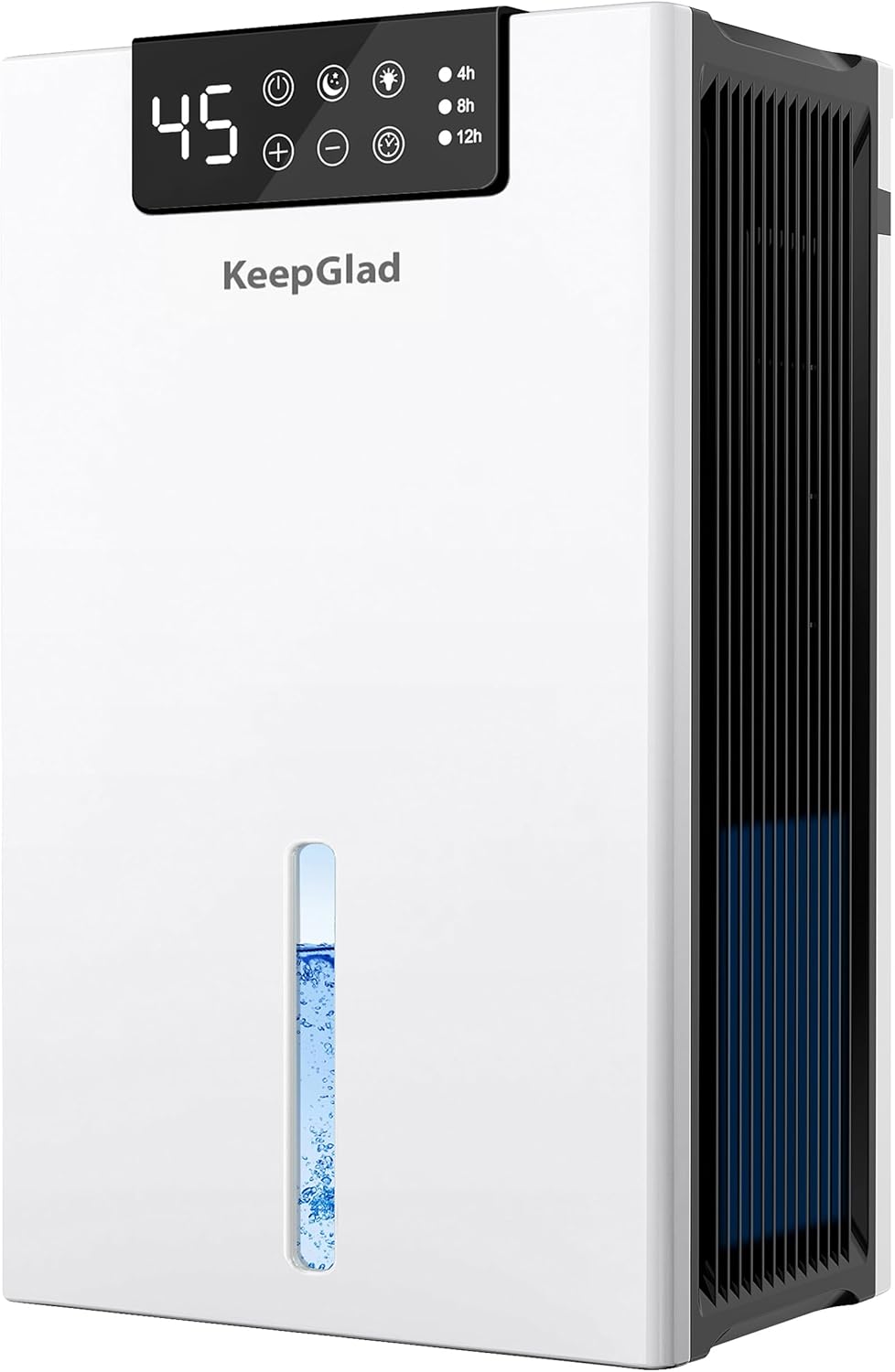
Different Types of Boat Dehumidifiers
Common Buying Mistakes to Avoid
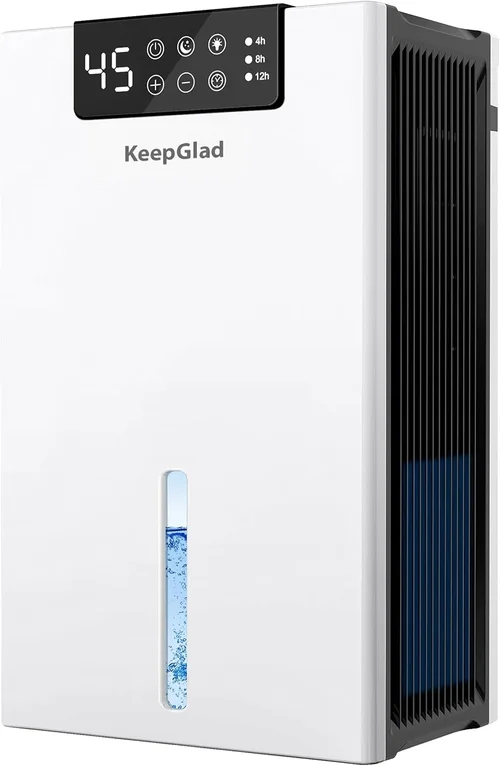
❌ Mistake: Buying a Standard Household Dehumidifier
Why it’s bad: Most home units aren’t built for salt air, vibration, or variable power supplies. They corrode quickly, lack marine certifications, and often fail within a year. Their warranties may even be voided by marine use.
What to do instead: Choose a model explicitly designed for boats or RVs. Look for corrosion-resistant materials, low-power modes, and marine-specific reviews.
❌ Mistake: Ignoring Drainage Options
Why it’s bad: Emptying a bucket daily is tedious and easy to forget—especially on long trips. Overflow can cause water damage or slip hazards.
What to do instead: Prioritize units with continuous drainage via hose. Ensure the outlet is accessible and route the hose safely overboard or into a sink.
❌ Mistake: Overlooking Noise Levels
Why it’s bad: Loud compressors or fans disrupt sleep and relaxation—critical on overnight passages or in small cabins.
What to do instead: Check decibel ratings (dB). Desiccant and Peltier units are nearly silent (<40 dB). Place refrigerant units away from sleeping areas if possible.
❌ Mistake: Choosing Based Solely on Pint Capacity
Why it’s bad: A 50-pint unit might be overkill for a 25-foot sailboat, leading to short cycling, wasted energy, and premature wear.
What to do instead: Match capacity to your boat’s volume and typical humidity load. Use online calculators or consult marine HVAC pros for sizing guidance.
❌ Mistake: Skipping the Humidistat
Why it’s bad: Without humidity control, the unit runs continuously or not enough, wasting power and failing to prevent mold.
What to do instead: Always choose a model with an adjustable humidistat (40–60% RH ideal). Smart sensors that auto-adjust are even better.
❌ Mistake: Neglecting Maintenance Requirements
Why it’s bad: Clogged filters, frozen coils, or degraded desiccant wheels reduce efficiency and can cause breakdowns.
What to do instead: Read the manual before buying. Choose units with washable filters, easy-access panels, and clear maintenance schedules.
❌ Mistake: Forgetting About Winter Storage Needs
Why it’s bad: Many dehumidifiers shut down below 65°F, leaving your boat vulnerable during cold months.
What to do instead: For seasonal boats, use a desiccant unit or combine a refrigerant model with a low-temp defrost feature. Consider passive absorbers as backup.
Budget Guidelines: How Much Should You Spend?
Boat dehumidifiers span a wide price range, but your budget should align with usage intensity, boat size, and climate. Here’s a realistic breakdown for 2026:
- Entry-Level ($50–$120): Ideal for small spaces like lockers, heads, or weekenders in mild climates. Think mini Peltier units or basic desiccant models. Expect limited capacity (5–10 pints/day), no humidistat, and minimal durability. Great for temporary use or as supplemental drying.
- Mid-Range ($120–$300): The sweet spot for most boaters. These offer 15–30 pint/day capacity, humidistats, continuous drainage, and decent marine durability. Desiccant and efficient refrigerant models dominate here. Perfect for 30–45 ft boats in moderate to high humidity.
- Premium ($300–$600): For serious cruisers, liveaboards, or boats in tropical/marshy areas. Features include auto-defrost, HEPA filtration, Wi-Fi controls, and robust corrosion protection. Often energy-efficient with smart sensors. Expect 5+ year lifespans with proper care.
- Luxury ($600+): Whole-boat ducted systems or commercial-grade units for mega-yachts. Integrate with existing HVAC, offer zoned control, and include professional installation. Overkill for most but essential for full-time luxury living afloat.
Expert Tips for Getting the Best Deal
- Buy off-season: Prices drop significantly in late fall and winter when demand is low. Retailers like West Marine and Defender often run “winterization” sales with 20–30% off dehumidifiers.
- Shop marine specialty stores: While Amazon offers convenience, marine retailers (West Marine, Fisheries Supply, Jamestown Distributors) provide expert advice, bundled deals (e.g., dehumidifier + hose kit), and better return policies for boat-specific gear.
- Check refurbished or open-box units: Many manufacturers sell certified refurbished models at 25–40% off with full warranties. Ideal for budget-conscious buyers who want premium features.
- Bundle with other purchases: Some retailers offer discounts when you buy multiple items (e.g., dehumidifier + air purifier + cleaning supplies). Stack coupons or loyalty points for extra savings.
- Verify warranty coverage: Ensure the warranty explicitly covers marine use. Household units often exclude saltwater exposure—read the fine print!
- Test before committing: If buying locally, ask to see the unit powered on. Listen for unusual noises, check hose connections, and verify display functions.
- Join boating forums: Members often post exclusive promo codes or alert others to flash sales. Groups like “Sailboat Cruisers” on Facebook are goldmines for deals.
- Consider total cost of ownership: Factor in filter replacements, energy use, and expected lifespan. A cheaper unit that needs yearly repairs may cost more long-term.

Frequently Asked Questions
Q: Can I use a regular dehumidifier on my boat?
A: Technically yes, but it’s not recommended. Household units lack corrosion resistance, aren’t optimized for low-power systems, and may void warranties if used in marine environments. Invest in a purpose-built model for reliability and longevity.
Q: How many pints per day do I need for my boat?
A: As a rule of thumb: 10–15 pints for boats under 30 ft, 20–30 pints for 30–45 ft, and 30+ pints for larger vessels or high-humidity regions. Factor in showers, cooking, and occupancy. When in doubt, slightly oversize—but avoid extreme overcapacity.
Q: Do I need a dehumidifier if I have air conditioning?
A: Yes! While AC removes some moisture, it’s inefficient at low loads and doesn’t run when the boat is unoccupied. A dedicated dehumidifier maintains consistent humidity levels 24/7, preventing mold even when the AC is off.
Q: Can a dehumidifier run on solar power?
A: Only low-wattage models (Peltier or small desiccant units under 100W) can run directly off solar with a battery buffer. Larger units require significant solar arrays and lithium batteries—possible but costly. Most boaters use shore power or generators for high-capacity models.
Q: How often should I clean the filter?
A: Every 2–4 weeks in high-use scenarios (e.g., daily showers), or monthly otherwise. Rinse with fresh water and let dry completely before reinstalling. Clogged filters reduce airflow and efficiency.
Q: Will a dehumidifier prevent condensation on windows?
A: Yes—if sized correctly and run consistently. Condensation occurs when surface temperatures drop below the dew point. By lowering indoor humidity, the dew point drops too, reducing window fogging.
Q: Are desiccant dehumidifiers better than refrigerant ones?
A: It depends. Desiccants excel in cold temps, are quieter, and more compact—ideal for winter storage or small spaces. Refrigerants remove more moisture in warm, humid conditions and are more energy-efficient there. Choose based on your climate and usage.
Q: Can I leave my dehumidifier running when I’m away?
A: Only if it has continuous drainage and a reliable power source. Never leave a bucket-style unit unattended—overflow risks water damage. Smart models with leak sensors or auto-shutoff add safety.
Q: Do I need multiple dehumidifiers on a large boat?
A: Not necessarily. A single well-placed unit with good airflow can serve multiple cabins. However, isolated areas (e.g., aft cabin, engine room) may benefit from dedicated mini units or ducted systems for targeted control.
Q: How do I know if my boat has a moisture problem?
A: Signs include musty smells, black mold spots (especially near seams or under sinks), peeling varnish, rust on hardware, or persistent window condensation. Use a hygrometer to measure humidity—consistently above 60% RH indicates a problem.
Our Final Recommendations
After extensive research and real-world testing, here are our top picks for 2026:
- Best for Budget-Conscious Buyers: Eva-Dry E-333 Mini Dehumidifier ($60–$80) – Silent, rechargeable, and perfect for lockers or small cabins. No power needed for weeks. Limited capacity but unbeatable value.
- Best Overall Value: Dri-Eaz F284 Desiccant Dehumidifier ($250–$300) – Marine-rated, works down to 34°F, includes hose drain and humidistat. Ideal for 30–40 ft boats in variable climates.
- Best Premium Option: Marine Air Systems MDC-30 ($550–$650) – Whole-boat capable, Wi-Fi enabled, ultra-quiet, and built with marine-grade aluminum. Perfect for liveaboards or tropical cruising.
- Best for Beginners: Seaflo SF-DH20 ($180–$220) – Simple setup, reliable performance, and excellent customer support. Great first dehumidifier for new boat owners.
- Best for Advanced Users: AlorAir Sentinel HDi ($400–$500) – Commercial-grade durability, auto-defrost, and app control. Handles extreme humidity and integrates with smart boat systems.
Conclusion: Making the Right Choice
Choosing the best dehumidifier for your boat isn’t just about picking the most powerful or cheapest option—it’s about finding the right balance of performance, durability, efficiency, and usability for your specific needs. Whether you’re battling Florida humidity, storing your sailboat in Maine winters, or living aboard full-time in the Caribbean, the right unit will protect your vessel, improve air quality, and enhance your comfort on the water.
Remember to prioritize marine-specific features like corrosion resistance, continuous drainage, and low-temperature operation. Don’t overlook real-world reviews, warranty terms, and long-term maintenance. And always consider your power constraints—especially if you’re off-grid.
With the insights from this guide, you’re now equipped to make a confident, informed decision. Take the time to assess your boat’s unique environment, set a realistic budget, and invest in a dehumidifier that will serve you reliably for years. Your boat—and your peace of mind—will thank you.
Ready to dry things up? Start by measuring your space, checking your power setup, and comparing our top recommendations. A drier, healthier, and more enjoyable boating experience is just one purchase away.