
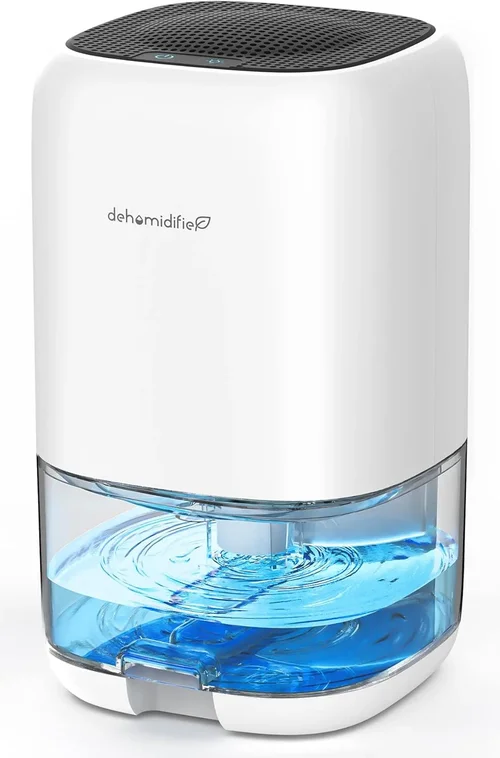
Books are more than just paper and ink—they’re stories, knowledge, memories, and sometimes irreplaceable heirlooms. Yet, one of the most insidious threats to their longevity is something invisible: moisture. High humidity silently warps pages, encourages mold growth, and weakens bindings, turning cherished volumes into brittle, musty relics. Whether you’re a collector safeguarding first editions, a librarian preserving rare manuscripts, or simply someone who loves their home library, protecting your books from excess moisture is essential. That’s where a dehumidifier comes in—not just any dehumidifier, but one specifically suited for book preservation.
This comprehensive buying guide is designed to help you navigate the often-overwhelming world of dehumidifiers with confidence. We’ll cut through the marketing jargon and technical noise to deliver expert-level insights tailored specifically for book lovers and preservationists. You’ll learn how to evaluate performance specs that truly matter for book storage, understand the differences between compressor-based and desiccant models, and avoid common pitfalls that could cost you time, money, and even your collection. By the end, you’ll know exactly what to look for—and what to avoid—when choosing the best dehumidifier for your books in 2026.
The market today offers a dizzying array of options, from compact units under $100 to industrial-grade systems costing thousands. Some claim to be “perfect for libraries,” while others promise whisper-quiet operation ideal for bedrooms. But not all dehumidifiers are created equal—especially when it comes to the delicate balance required for book preservation. This guide will walk you through every critical factor, compare the main types available, highlight real-world mistakes to dodge, and offer actionable advice based on years of hands-on experience and research. Whether you’re protecting a small personal library or managing a large archival collection, this guide ensures you make a smart, informed investment.

What to Look for When Buying a Dehumidifier for Books
1. Humidity Control Precision
When it comes to preserving books, maintaining a consistent and appropriate relative humidity (RH) level is non-negotiable. The ideal range for book storage is between 30% and 50% RH, with 40–45% being optimal for most paper-based materials. Fluctuations outside this range can cause paper to expand and contract, leading to warping, cockling, or even mold growth. Therefore, the ability of a dehumidifier to maintain precise humidity levels—not just reduce moisture broadly—is paramount.
Look for models equipped with built-in hygrometers and digital humidity displays that allow you to set and monitor exact RH percentages. Avoid units that only offer vague settings like “low,” “medium,” or “high.” Instead, opt for those with programmable humidistats that automatically turn the unit on or off to maintain your desired setting. Some advanced models even feature dual sensors—one inside the unit and another external probe—for more accurate room readings. This precision ensures your books aren’t subjected to the damaging swings that occur with less sophisticated controls.
2. Capacity & Coverage Area
Dehumidifier capacity is typically measured in pints per day (PPD)—the amount of moisture the unit can remove in 24 hours under standard conditions (80°F and 60% RH). However, don’t let this number alone dictate your choice. What matters more is whether the unit can effectively cover the square footage of your book storage space.
For a standard home library (up to 500 sq. ft.), a 20–30 PPD unit is usually sufficient. Larger collections in basements, attics, or dedicated archives may require 50+ PPD models. But beware of overcapacity: a unit too powerful for your space can cycle on and off too frequently, causing humidity spikes and reducing efficiency. Conversely, an undersized dehumidifier will run continuously, wear out faster, and fail to maintain safe levels during humid seasons.
Always check the manufacturer’s recommended coverage area alongside the pint rating. A 30 PPD unit might handle 500 sq. ft. in a dry climate but struggle in a damp basement. Also consider ambient temperature—compressor-based dehumidifiers lose efficiency below 65°F, making desiccant models better for unheated storage areas.
3. Noise Level & Operating Environment
If your books are stored in a living space—like a home office, bedroom, or open-plan library—noise becomes a critical factor. Compressor dehumidifiers, while efficient, often produce noticeable fan and compressor sounds (typically 45–55 decibels). Desiccant models tend to be quieter (around 35–45 dB) because they don’t use compressors, making them ideal for quiet environments.
Consider where the unit will run: a basement may tolerate louder operation, but a reading nook demands near-silent performance. Look for units with “quiet mode” or “eco mode” settings that reduce fan speed and noise during low-humidity periods. Some premium models even include sound-dampening insulation or vibration-absorbing feet.
Also think about airflow direction. Units with adjustable louvers or oscillating fans distribute dry air more evenly, preventing localized dry spots that could overdry certain books while others remain damp.
4. Energy Efficiency & Operating Costs
Running a dehumidifier 24/7 can significantly impact your electricity bill—especially if you’re protecting a large collection. Energy Star-certified models use up to 15% less energy than standard units, which translates to real savings over time. Check the unit’s wattage and estimated annual operating cost (often listed in the manual or on the Energy Star website).
Desiccant dehumidifiers generally consume more power than compressor types but excel in low-temperature environments. Compressor models are more energy-efficient in warm, humid climates but struggle in cooler spaces. For year-round use in variable conditions, consider hybrid or dual-mode units that switch technologies based on ambient temperature.
5. Build Quality & Durability
Books are long-term investments, so your dehumidifier should be too. Cheap plastic housings, flimsy filters, and thin-gauge coils may save money upfront but lead to premature failure—especially in damp environments where corrosion is a risk. Look for units with rust-resistant coatings, reinforced casings, and high-quality internal components.
Stainless steel or coated evaporator coils resist corrosion better than aluminum. Washable, reusable air filters are preferable to disposable ones—they’re eco-friendly and cost-effective over time. Also check the pump and drainage system: units with auto-defrost, continuous drainage options, or built-in condensate pumps offer greater reliability and convenience.
For archival or professional use, consider commercial-grade models designed for continuous operation. These often feature heavier-duty compressors, larger condensers, and extended warranties—worth the investment if you’re protecting valuable or irreplaceable materials.
6. Drainage & Maintenance Features
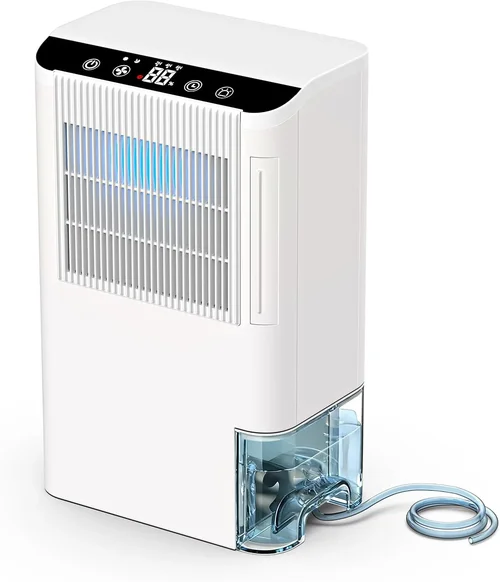
Emptying a water bucket every day is tedious and risky—if you forget, the unit shuts off and humidity spikes. Opt for models with continuous drainage via a hose connection, especially for unattended operation in basements or storage rooms. Gravity drainage works well if you can route a hose to a floor drain or sump pit.
Some units include built-in condensate pumps that can push water vertically (up to 15 feet) and horizontally (up to 100 feet), offering flexibility in placement. Auto-restart after power outages is another crucial feature—ensuring protection isn’t lost during storms or blackouts.
Maintenance should be straightforward: easy-access filters, removable water tanks with handles, and clear indicator lights for full buckets or filter cleaning. Avoid models with complex disassembly requirements or proprietary parts that are hard to replace.
7. Brand Reputation & Customer Support
Not all dehumidifier brands are equally committed to quality or customer service. Stick with established names known for reliability in humidity control—such as Frigidaire, hOmeLabs, Eva-Dry, AprilAire, and EcoSeb. Read professional reviews from sources like Consumer Reports, Wirecutter, or specialized preservation forums.
Pay attention to warranty length and coverage. A standard 1-year warranty is common, but premium models often include 2–5 years. Check if the warranty covers both parts and labor, and whether customer support is accessible via phone, email, or chat. Brands with U.S.-based support teams typically resolve issues faster than those relying on overseas centers.
User forums and Reddit communities (like r/BookCollecting or r/HomeImprovement) can reveal real-world reliability issues not apparent in marketing materials. A brand may boast “library-grade performance,” but if users report frequent breakdowns or poor售后 support, it’s a red flag.
8. Specialized Features for Book Preservation
Beyond basic dehumidification, some models offer features specifically beneficial for book care. Low-temperature operation (down to 41°F) is vital for unheated attics or garages. Auto-defrost prevents ice buildup on coils in cold environments, ensuring uninterrupted operation.
Air filtration is another consideration. While not a substitute for dusting, units with HEPA or activated carbon filters can reduce airborne particulates that settle on books and accelerate degradation. Some advanced models include UV-C lights to inhibit mold and bacteria growth—though effectiveness varies, and they should never replace proper humidity control.
Smart connectivity (Wi-Fi, app control, Alexa/Google Assistant compatibility) allows remote monitoring and scheduling—useful for vacation homes or multi-room setups. However, these features add cost and complexity; only prioritize them if you value convenience over simplicity.
Different Types of Dehumidifiers for Books
Common Buying Mistakes to Avoid
❌ Mistake: Choosing Based Solely on Pint Rating
Why it’s bad: A high pint-per-day rating doesn’t guarantee effectiveness in your specific environment. Units tested under ideal lab conditions (80°F, 60% RH) may perform poorly in cooler or drier real-world settings. Overestimating capacity leads to overspending, while underestimating results in inadequate protection.
What to do instead: Match the unit’s coverage area and temperature range to your space. Use online calculators or consult preservation guidelines from organizations like the Library of Congress or the American Institute for Conservation.
❌ Mistake: Ignoring Humidity Monitoring
Why it’s bad: Without accurate monitoring, you’re flying blind. Humidity can spike overnight or during rainy seasons, and without feedback, your dehumidifier may not respond appropriately—or worse, shut off prematurely.
What to do instead: Always pair your dehumidifier with a reliable digital hygrometer. Place it near your books, not just next to the unit, to get a true reading of the microenvironment.
❌ Mistake: Overlooking Drainage Options
Why it’s bad: Manual bucket emptying is easy to forget, especially if you’re away or busy. A full bucket means the unit stops working, leaving your books vulnerable.
What to do instead: Choose a model with continuous drainage or a built-in pump. Even if you start with a bucket, plan for future upgrades—many units support hose attachments.
❌ Mistake: Buying the Cheapest Option Available
Why it’s bad: Budget dehumidifiers often lack precise controls, durable components, or adequate coverage. They may fail within a year, costing more in replacements than a mid-range unit would have.
What to do instead: Invest in quality within your budget. A $250 Energy Star-certified model with good reviews will outperform and outlast three $80 units over five years.
❌ Mistake: Assuming All Dehumidifiers Are Equal for Books
Why it’s bad: General-purpose dehumidifiers may reduce overall humidity but create uneven conditions—drying some areas too much while leaving others damp. Books need stable, moderate humidity, not aggressive drying.
What to do instead: Prioritize units with precise humidistats and even airflow. Avoid “turbo” or “max” modes that can overdry paper and cause brittleness.
❌ Mistake: Neglecting Regular Maintenance
Why it’s bad: Dirty filters, clogged coils, and stagnant water tanks reduce efficiency and can introduce mold or bacteria into your storage space—counteracting the very protection you seek.
What to do instead: Clean filters monthly, inspect coils quarterly, and sanitize the water tank regularly. Follow the manufacturer’s maintenance schedule religiously.
❌ Mistake: Placing the Unit Too Far From Books
Why it’s bad: Dehumidifiers work best when air circulates freely. If placed in a corner or behind furniture, dry air won’t reach all your books, creating pockets of high humidity.
What to do instead: Position the unit centrally, with at least 6–12 inches of clearance on all sides. Use fans to gently circulate air if needed, but avoid direct airflow onto books.
Budget Guidelines: How Much Should You Spend?
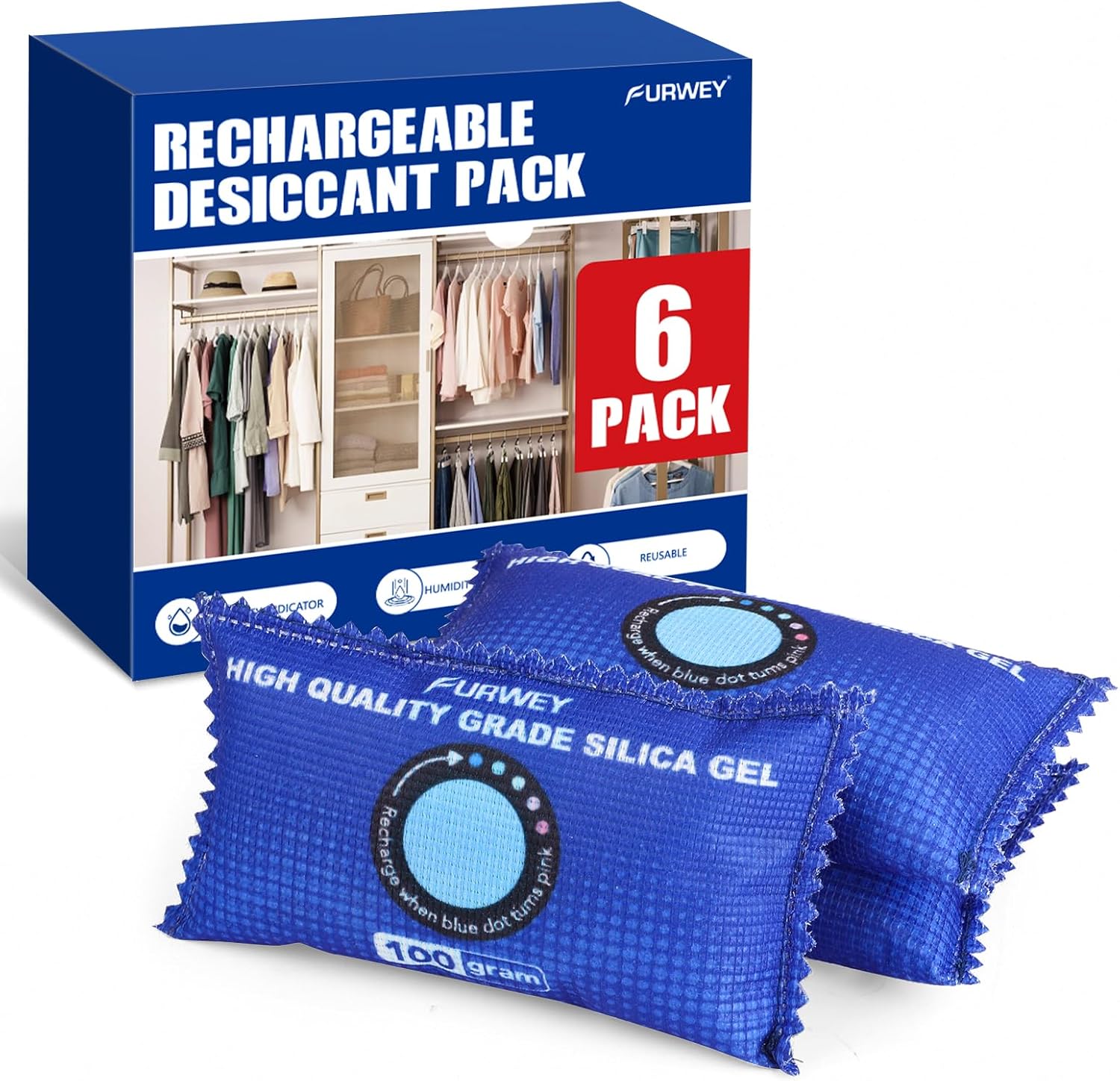
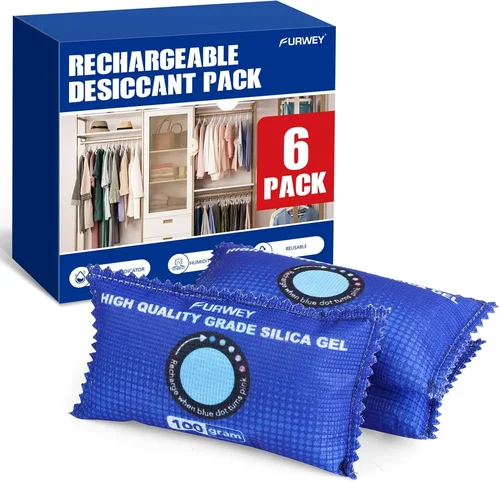
Entry-Level ($50–$150): These are typically mini desiccant units ideal for small enclosed spaces like bookcases, safes, or display cabinets. They’re quiet, energy-efficient, and require no drainage—but lack precision controls and aren’t suitable for room-sized applications. Best for supplemental protection or very small collections.
Mid-Range ($150–$400): This is the sweet spot for most home libraries. You’ll find reliable compressor or desiccant models with digital hygrometers, continuous drainage options, and coverage for 300–800 sq. ft. Energy Star certification is common, and brands like hOmeLabs, Frigidaire, and Eva-Dry dominate this tier. Expect 1–2 year warranties and solid customer support.
Premium ($400–$800): Designed for serious collectors, small archives, or variable climates. These units offer advanced features: dual sensors, smart connectivity, auto-defrost, condensate pumps, and commercial-grade components. Look for models from AprilAire, EcoSeb, or Santa Fe. Ideal for basements, attics, or multi-room setups where consistent performance is critical.
Luxury ($800+): Reserved for professionals—librarians, conservators, or owners of rare/valuable collections. Whole-house systems, industrial dehumidifiers, or custom installations fall here. They provide museum-level precision, 24/7 monitoring, and integration with environmental control systems. While overkill for most, they’re indispensable for preserving cultural heritage.
Expert Tips for Getting the Best Deal
– Buy off-season: Dehumidifiers are in highest demand during summer. Purchase in late fall or winter (October–February) when retailers discount inventory. You’ll save 15–30% and still have it ready for spring humidity.
– Check refurbished or open-box deals: Reputable sellers like Amazon Renewed, Best Buy Outlet, or manufacturer-certified refurbished programs offer near-new units at significant discounts—often with full warranties.
– Compare total cost of ownership: Factor in energy use, filter replacements, and expected lifespan—not just the sticker price. An Energy Star model may cost more upfront but save hundreds over its life.
– Read professional and user reviews: Look beyond star ratings. Analyze comments about long-term reliability, noise, and customer service. Sites like Wirecutter, Consumer Reports, and specialized forums offer unbiased insights.
– Test before committing: If possible, run the unit for a week and monitor humidity levels with your own hygrometer. Some retailers offer 30–60 day return windows—use them to verify performance.
– Bundle with accessories: Some sellers include hoses, hygrometers, or extended warranties at no extra cost during promotions. Always ask or look for package deals.
– Consider tax incentives: In some regions, energy-efficient appliances qualify for rebates or tax credits. Check local utility programs or government websites.
– Negotiate with local dealers: Independent HVAC or appliance stores may match online prices or throw in free installation/setup for whole-house units.

Frequently Asked Questions
Q: Can a dehumidifier damage books by making the air too dry?
A: Yes—if humidity drops below 30%, paper can become brittle and prone to cracking. That’s why precise control (30–50% RH) is essential. Most quality dehumidifiers won’t overdry if properly sized and monitored, but always verify with a hygrometer.
Q: Do I need a dehumidifier if I already have air conditioning?
A: Not necessarily. Central AC reduces humidity, but often not enough in humid climates or during shoulder seasons. If your indoor RH consistently exceeds 50%, a dedicated dehumidifier provides more stable, targeted control.
Q: How often should I run my dehumidifier for books?
A: Ideally, 24/7 during humid months (spring through fall). In drier climates or winter, you may only need it intermittently. Use a humidistat to automate operation and save energy.
Q: Are mini dehumidifiers effective for bookcases?
A: Yes—for enclosed spaces under 10 cubic feet. They’re perfect for protecting valuable editions in glass-front cabinets or safes. Just replace desiccant cartridges as needed (every 2–8 weeks depending on humidity).
Q: Can I use a dehumidifier in an unheated attic or garage?
A: Only if it’s rated for low-temperature operation (below 50°F). Compressor units freeze up in cold spaces; choose a desiccant model instead.
Q: Will a dehumidifier prevent mold on books?
A: Absolutely—if it maintains RH below 60%. Mold thrives above 65% RH, so consistent dehumidification is one of the most effective preventive measures.
Q: Should I clean my books before using a dehumidifier?
A: Yes. Remove dust and debris first—otherwise, the dehumidifier may circulate contaminants. Use a soft brush or microfiber cloth, and never vacuum directly onto pages.
Q: Can I place books directly next to a dehumidifier?
A: No. Avoid placing books within 3 feet of the unit to prevent localized overdrying or exposure to warm exhaust air. Maintain even airflow throughout the room.
Q: How do I know if my current humidity level is safe for books?
A: Use a calibrated digital hygrometer placed among your books (not on a shelf edge). Ideal range: 30–50% RH. Check readings at different times of day and seasons.
Q: Are smart dehumidifiers worth the extra cost for book preservation?
A: Only if you value remote monitoring or have multiple storage locations. For most users, a basic model with a good hygrometer suffices. Smart features add complexity without improving core performance.
Our Final Recommendations
Best for Budget-Conscious Buyers: Eva-Dry E-333 Mini Dehumidifier – At under $50, this compact desiccant unit is perfect for small bookcases or display cabinets. Silent, rechargeable, and effective in micro-environments. Ideal for protecting a few prized volumes without breaking the bank.
Best Overall Value: hOmeLabs 30 Pint Dehumidifier – Combines Energy Star efficiency, precise digital controls, continuous drainage, and quiet operation under $300. Covers up to 1,500 sq. ft. and includes a 2-year warranty. A workhorse for home libraries.
Best Premium Option: AprilAire E130 Whole-House Dehumidifier – For those serious about preservation, this ducted system integrates with HVAC to maintain 45% RH throughout your entire home. Professional installation required, but unmatched consistency and reliability for large collections.
Best for Beginners: Frigidaire FFAD7033R1 70 Pint Dehumidifier – User-friendly interface, auto-humidistat, and built-in pump make it easy to set and forget. Great for first-time buyers who want hassle-free protection for a medium-sized library.
Best for Advanced Users: EcoSeb DD122EA-SIMPLE Desiccant Dehumidifier – Operates efficiently in cold temperatures, whisper-quiet, and offers precise humidity control down to 35% RH. Perfect for archival storage, unheated spaces, or noise-sensitive environments.
Conclusion: Making the Right Choice
Protecting your books from moisture isn’t just about buying a gadget—it’s about committing to their long-term survival. The right dehumidifier acts as an invisible guardian, maintaining the delicate balance that keeps paper supple, ink stable, and bindings intact for generations. As we’ve explored, the best choice depends on your specific needs: the size of your collection, your climate, your budget, and how much control you want over the environment.
Remember, precision matters more than power. A modest unit with accurate humidity control will outperform a high-capacity model with vague settings. Prioritize features like programmable humidistats, continuous drainage, and reliable build quality. And never skip independent monitoring—your eyes (and nose) can’t detect the slow creep of humidity that leads to mold and decay.
Whether you’re safeguarding a single first edition or an entire library, investing in the right dehumidifier is one of the smartest decisions a book lover can make. Use this guide to cut through the noise, avoid costly mistakes, and choose a solution that truly protects what you cherish. Your books—and future readers—will thank you.