

When it comes to protecting your firearms, few investments are as critical—or as often overlooked—as a reliable dehumidifier for your gun safe. Whether you’re storing handguns, rifles, or collectible long guns, moisture is one of the most insidious threats to their longevity. Even in a sealed safe, humidity can creep in through temperature fluctuations, seasonal changes, or simply from opening the door. Over time, that moisture leads to rust, corrosion, pitting, and even mold—damage that can ruin both the function and value of your firearms. This is especially true if your gun safe is located in a garage, where ambient humidity levels can swing dramatically due to poor insulation, lack of climate control, and exposure to outdoor weather.
That’s why choosing the right dehumidifier isn’t just about convenience—it’s about preservation. A quality dehumidifier maintains a stable, dry environment inside your safe, preventing moisture buildup before it starts. But with so many options on the market—ranging from simple desiccant rods to advanced electric models with digital controls—it’s easy to feel overwhelmed. That’s where this guide comes in. We’ve tested, researched, and analyzed the best gun safe dehumidifiers available in 2026, focusing specifically on models suited for garage environments where conditions are harsher and more unpredictable.
In this comprehensive buying guide, you’ll learn exactly what to look for when selecting a dehumidifier for your gun safe. We’ll break down key performance metrics, compare different types of dehumidifiers, highlight common mistakes to avoid, and provide expert-backed recommendations based on real-world use. Whether you’re a seasoned collector, a weekend shooter, or a first-time gun owner, this guide will help you make a smart, informed decision that protects your investment for years to come. You’ll also find budget breakdowns, seasonal buying tips, and answers to frequently asked questions—all designed to give you confidence in your purchase.

What to Look for When Buying Buying Guide
1. Moisture Removal Capacity
The most important factor when choosing a dehumidifier for your gun safe is its ability to effectively remove moisture from the air. This is typically measured in terms of how much water it can extract over a 24-hour period, though for gun safes, the focus is more on consistent humidity control rather than high-volume extraction. Look for models that can maintain relative humidity (RH) levels between 35% and 50%—the ideal range for preventing rust and corrosion without overdrying wood stocks or leather accessories.
For garage environments, where humidity can spike during summer months or after rainstorms, opt for a dehumidifier with a higher moisture removal rate. Electric models with built-in hygrometers are particularly effective because they automatically adjust output based on real-time humidity readings. Desiccant-based units, while quieter and more energy-efficient, may struggle in high-humidity garages unless they’re specifically designed for larger spaces or have rechargeable capabilities.
Always check the manufacturer’s specifications for “pints per day” or “grams per hour” ratings, but also consider the size of your safe. A compact safe (under 10 cubic feet) may only need a small rod-style unit, while larger safes (15+ cubic feet) or those in damp garages may require a more powerful standalone unit or dual-system setup.
2. Power Source & Energy Efficiency
Gun safe dehumidifiers come in two main power types: electric (plug-in or hardwired) and desiccant (non-electric, often using silica gel). Electric models plug into a standard outlet and use heating elements or refrigeration coils to pull moisture from the air. They’re generally more powerful and better suited for high-humidity environments like garages, but they do consume electricity—typically between 20 to 50 watts. Some newer models feature low-wattage designs or sleep modes to reduce energy use when humidity is stable.
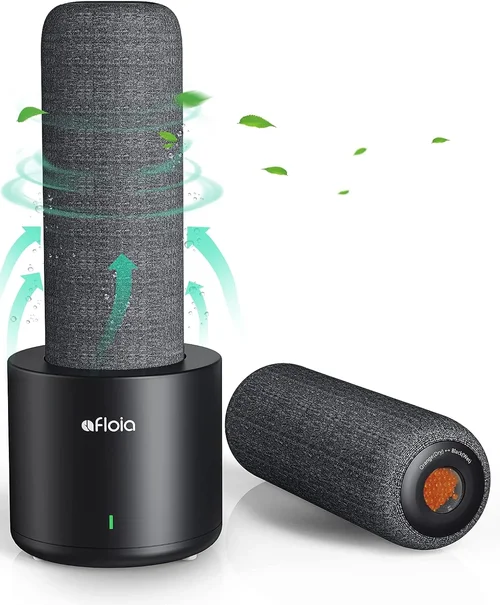
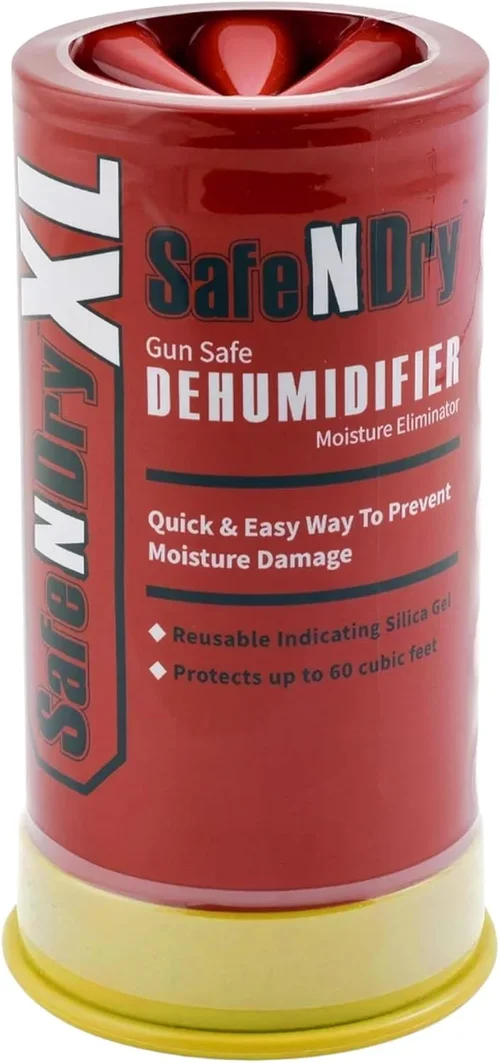
Desiccant dehumidifiers, on the other hand, don’t require electricity. Instead, they use moisture-absorbing materials like silica gel crystals that change color when saturated. These are ideal for off-grid setups or areas without easy access to outlets, but they require periodic recharging (usually by microwaving or oven-drying). In a garage setting, where humidity fluctuates frequently, desiccant units may need recharging every few weeks during peak seasons—making them less convenient for long-term, hands-off protection.
When evaluating energy efficiency, look for ENERGY STAR-certified models or those with auto-shutoff features. Also consider whether your garage has a dedicated circuit or if you’ll need an extension cord. Hardwired units offer a cleaner install but require professional setup, while plug-in models offer flexibility but may clutter your workspace.
3. Safe Compatibility & Installation Method
Not all dehumidifiers fit every safe. Some are designed to mount directly inside the safe (rod-style), while others sit outside and connect via a hose or vent. Rod-style electric dehumidifiers are the most common—they resemble a metal bar that installs vertically along the back wall using brackets or magnets. They’re discreet, space-efficient, and ideal for smaller to mid-sized safes. However, they require drilling into the safe wall unless you use a magnetic mount (which may not be secure in heavy-duty safes).
External dehumidifiers, such as standalone units or hose-connected systems, are better for large safes or those with limited interior space. These units sit outside the safe and use a small hose to circulate dry air inside. They’re often more powerful and easier to maintain but take up floor space and may require routing holes through the safe wall—a modification that could void your warranty if not done properly.
Before purchasing, measure your safe’s interior dimensions and check the manufacturer’s installation requirements. Some high-end safes come with pre-drilled ports for dehumidifiers, while others may need custom modifications. Always prioritize non-invasive installation methods if you’re concerned about preserving your safe’s integrity or resale value.
4. Durability & Build Quality
Since your dehumidifier will be operating in a garage—a space prone to dust, temperature swings, and occasional impacts—it needs to be built to last. Look for units made from corrosion-resistant materials like stainless steel or high-grade aluminum, especially for the heating element or housing. Avoid plastic components that may warp or crack under extreme temperatures.
Sealed electrical components are also crucial. Garages often have higher levels of airborne contaminants, so a well-sealed unit prevents dust and debris from interfering with internal mechanisms. Check for IP ratings (Ingress Protection), which indicate resistance to solids and liquids. While most gun safe dehumidifiers aren’t rated for outdoor use, an IP44 or higher rating offers added peace of mind in dusty or damp garage environments.
Additionally, consider the lifespan of the unit. Quality electric dehumidifiers should last 5–10 years with proper maintenance, while desiccant units depend heavily on the quality of the gel and housing. Read user reviews for reports of premature failures, overheating, or inconsistent performance—especially in unheated garages where winter temperatures can drop below freezing.
5. Smart Features & Automation
Modern dehumidifiers offer a range of smart features that enhance convenience and reliability. The most valuable is a built-in hygrometer with digital display, which allows you to monitor humidity levels in real time without opening the safe. Some models even include Bluetooth or Wi-Fi connectivity, enabling remote monitoring via smartphone apps—perfect for checking conditions while away from home.
Auto-defrost and auto-restart functions are essential for garage use. Auto-defrost prevents ice buildup on coils during cold months, ensuring continuous operation even when temperatures dip near freezing. Auto-restart ensures the unit resumes normal operation after a power outage—a common occurrence in garages with older electrical systems.
Timer functions and adjustable humidity setpoints let you customize operation based on seasonal needs. For example, you might set the target RH lower in summer and higher in winter to balance protection with energy use. Look for models with memory retention so settings aren’t lost during outages.
6. Noise Level & Discreet Operation
While most gun safe dehumidifiers operate quietly, some electric models produce a faint hum or clicking sound when cycling on and off. In a garage that doubles as a workshop or living space, this noise can be distracting. Desiccant units are completely silent, making them ideal for noise-sensitive environments.
However, silence shouldn’t come at the cost of performance. Some ultra-quiet electric models use advanced fan designs or insulated housings to minimize sound without sacrificing efficiency. If noise is a concern, look for decibel (dB) ratings—ideally below 40 dB, which is comparable to a whisper.
Discreetness also matters for security. A visible dehumidifier with blinking lights or large displays might draw unwanted attention. Choose models with minimal external indicators or those that can be mounted out of sight. Many rod-style units are nearly invisible once installed, blending seamlessly into the safe’s interior.
7. Warranty & Customer Support
A strong warranty is a strong indicator of a manufacturer’s confidence in their product. Most reputable brands offer at least a 1–2 year warranty, with premium models extending coverage to 3–5 years. Pay attention to what’s covered: does it include parts, labor, and shipping? Is there a pro-rated clause that reduces coverage over time?
Customer support is equally important. If your unit fails in the middle of winter or during a humid spell, you’ll want prompt assistance. Look for companies with responsive support teams, clear troubleshooting guides, and accessible service centers. Brands that offer lifetime technical support or free replacement parts for registered users stand out as particularly reliable.
Also check return policies. Some retailers allow 30–60 days for returns, giving you time to test the unit in your actual garage environment. This is especially helpful if you’re unsure about compatibility or performance under local conditions.
8. Brand Reputation & User Reviews
Stick with established brands known for quality and reliability in the gun safe accessory market. Companies like Eva-Dry, GoldenRod, and Safe Guard have decades of experience and consistently receive positive feedback from users. Avoid generic or no-name brands sold exclusively through third-party marketplaces—these often lack proper certifications, support, or durability.
Read verified customer reviews on multiple platforms (Amazon, manufacturer sites, firearm forums). Look for patterns: do users report consistent performance in garages? Are there complaints about overheating, short lifespans, or poor humidity control? Pay special attention to reviews from buyers in similar climates or garage setups.
Professional endorsements and certifications (like UL listing or CE marking) add another layer of trust. While not all dehumidifiers require certification, these marks indicate compliance with safety and performance standards—critical when dealing with electrical devices in potentially hazardous environments.
Different Types of Buying Guide

Common Buying Mistakes to Avoid
❌ Mistake: Choosing Based Solely on Price
Why it’s bad: The cheapest dehumidifier may save you $20 upfront but cost you hundreds in damaged firearms down the line. Low-cost units often lack proper humidity sensors, use inferior materials, or fail prematurely in harsh garage conditions.
What to do instead: Prioritize value over price. Invest in a mid-range model from a reputable brand that offers reliable performance, a solid warranty, and good customer support. Think of it as insurance for your collection.
❌ Mistake: Ignoring Garage-Specific Challenges
Why it’s bad: Garages are among the worst environments for gun storage—prone to temperature swings, dust, pests, and high humidity. A dehumidifier designed for a climate-controlled home won’t cut it.
What to do instead: Choose a model specifically rated for unheated spaces or extreme conditions. Look for features like auto-defrost, sealed electronics, and robust construction. Consider adding a garage dehumidifier for the entire space if your budget allows.
❌ Mistake: Overlooking Installation Requirements
Why it’s bad: Drilling into your safe without checking compatibility can damage the interior, void your warranty, or create air leaks that reduce effectiveness.
What to do instead: Measure your safe, review the manufacturer’s installation guide, and opt for non-invasive mounts (like magnetic rods) when possible. If drilling is necessary, use a professional or follow precise instructions to avoid mistakes.
❌ Mistake: Assuming All Desiccants Are Equal
Why it’s bad: Not all silica gel is created equal. Cheap desiccant packs may leak, degrade quickly, or lack color indicators, making it hard to know when they need recharging.
What to do instead: Choose desiccant units with high-quality, non-toxic gel and clear saturation indicators. Rechargeable models with oven-safe trays are more convenient than single-use packets.
❌ Mistake: Neglecting Maintenance
Why it’s bad: Even the best dehumidifier fails if not maintained. Dust buildup, clogged vents, or forgotten recharging can render the unit ineffective.
What to do instead: Set calendar reminders for maintenance tasks—clean filters monthly, recharge desiccants seasonally, and check humidity levels quarterly. Keep a log to track performance over time.
❌ Mistake: Buying Without Testing Compatibility
Why it’s bad: A dehumidifier that doesn’t fit your safe or match your power setup is useless—even if it’s highly rated.
What to do instead: Use retailer return policies to test the unit in your actual environment. Many brands offer 30-day trials, giving you time to verify performance in your garage’s unique conditions.
Budget Guidelines: How Much Should You Spend?
- Entry-Level ($25–$60): Ideal for small safes in mild climates or as a temporary solution. Expect basic desiccant units or low-wattage electric rods. Limited features, shorter lifespan, and minimal support. Best for occasional shooters or those on tight budgets.
- Mid-Range ($60–$150): The sweet spot for most gun owners. Includes reliable electric rods with hygrometers, durable desiccant systems, and solid warranties. Suitable for garage use with moderate humidity. Offers the best balance of performance, price, and longevity.
- Premium ($150–$300): For serious collectors or those in high-risk environments. Features advanced controls, smart connectivity, external hose systems, and rugged builds. Often includes multi-year warranties and professional-grade components.
- Luxury ($300+): Top-tier models with Wi-Fi monitoring, dual-mode operation, and custom installation options. Designed for large collections, extreme climates, or users who demand maximum automation and peace of mind.
Expert Tips for Getting the Best Deal
- Buy During Off-Season: Humidifiers and dehumidifiers often go on sale in late fall and winter when demand drops. Look for Black Friday, Cyber Monday, or post-holiday clearance events.
- Check Manufacturer Rebates: Some brands offer mail-in rebates or bundle deals (e.g., buy a safe, get a dehumidifier at 50% off). Sign up for newsletters to get exclusive offers.
- Compare Retailers: Prices can vary significantly between Amazon, specialty gun shops, and direct-from-brand sites. Use price-tracking tools like Honey or CamelCamelCamel to catch drops.
- Prioritize Warranty Over Discounts: A 20% discount isn’t worth it if the warranty is shortened. Always choose the option with the longest coverage and best support.
- Test Before Committing: Use the return window to install and monitor the unit for at least two weeks. Check humidity stability, noise levels, and ease of use in your actual garage.
- Consider Bundling: Some safe manufacturers sell dehumidifiers as part of a package deal. This can save money and ensure perfect compatibility.
- Read the Fine Print: Check for hidden fees, restocking charges, or limited return windows. Avoid sellers with poor ratings or unclear policies.
- Ask the Community: Join firearm forums or Facebook groups and ask for real-user recommendations. Experienced owners often share deals, warnings, and setup tips.
Frequently Asked Questions
Q: Do I really need a dehumidifier if my safe is in a garage?
A: Absolutely. Garages are notorious for high humidity, temperature swings, and poor ventilation—all of which accelerate rust and corrosion. Even sealed safes aren’t immune; moisture enters every time you open the door. A dehumidifier is essential for long-term protection.
Q: Can I use a regular room dehumidifier in my gun safe?
A: No. Room dehumidifiers are too large, consume too much power, and aren’t designed for enclosed spaces. They can also over-dry the air, damaging wood stocks or leather. Always use a model specifically made for gun safes.
Q: How often should I recharge a desiccant dehumidifier?
A: It depends on humidity levels and safe size. In a garage during summer, you may need to recharge every 2–4 weeks. In winter or dry climates, every 6–8 weeks may suffice. Look for color-changing indicators to know when it’s time.
Q: Will a dehumidifier drain my safe’s battery if it’s battery-powered?
A: Most gun safe dehumidifiers are either plug-in electric or desiccant-based—not battery-powered. If you’re using a smart safe with its own battery, ensure the dehumidifier doesn’t draw power from it unless designed to do so.
Q: Can I run a dehumidifier 24/7?
A: Yes, and it’s recommended. Consistent operation maintains stable humidity levels. Modern units are energy-efficient and built for continuous use. Just ensure proper ventilation and avoid blocking airflow.
Q: What’s the ideal humidity level for a gun safe?
A: Between 35% and 50% relative humidity (RH). Below 35%, wood and leather can dry out; above 50%, rust risk increases. Use a hygrometer to monitor levels regularly.
Q: Are there fire risks with electric dehumidifiers?
A: Quality units from reputable brands are safe when used as directed. Look for UL listing, auto-shutoff, and thermal protection. Avoid cheap knockoffs and never cover the unit or block vents.
Q: Can I use multiple dehumidifiers in one safe?
A: Yes, especially in large safes or high-humidity areas. Combining an electric rod with a desiccant pack provides redundancy and better coverage. Just ensure they don’t interfere with each other’s operation.
Q: Do dehumidifiers work in freezing temperatures?
A: Electric models with auto-defrost can operate down to 40°F (4°C). Below that, performance drops. Desiccants work in cold temps but recharge more slowly. For unheated garages, consider insulating the safe or using a heated enclosure.
Q: How do I know if my dehumidifier is working?
A: Use a separate hygrometer inside the safe to verify humidity levels. If they remain stable between 35–50% RH, the unit is effective. Also check for condensation, rust, or musty smells—signs it’s not working.
Our Final Recommendations
- Best for Budget-Conscious Buyers: Eva-Dry E-333 Renewable Mini Dehumidifier – Silent, rechargeable, and under $40. Perfect for small safes in mild garages. No installation needed.
- Best Overall Value: GoldenRod 12-Inch Gun Safe Dehumidifier – Reliable electric rod with 5-year warranty, auto-regulating heat, and proven performance in garages. Around $80.
- Best Premium Option: Safe Guard SG-H2O Smart Dehumidifier – Wi-Fi enabled, app-controlled, with real-time alerts and dual-mode operation. Ideal for tech-savvy users in extreme climates. $250.
- Best for Beginners: Lockdown GoldenRod Dehumidifier Rod – Simple plug-and-play design, clear instructions, and excellent customer support. Great first purchase.
- Best for Advanced Users: Eva-Dry EDV-4000 External Dehumidifier System – High-capacity hose-connected unit for large safes. Professional-grade with remote monitoring and customizable settings. $280.
Conclusion: Making the Right Choice
Protecting your firearms isn’t just about security—it’s about stewardship. Your guns represent time, money, and often sentimental value. A quality dehumidifier is one of the simplest and most effective ways to preserve them, especially in a challenging environment like a garage. By focusing on moisture removal capacity, power source, compatibility, build quality, smart features, noise, warranty, and brand reputation, you’ll avoid common pitfalls and choose a solution that truly works for your needs.
Remember, the best dehumidifier isn’t necessarily the most expensive or feature-rich—it’s the one that fits your safe, matches your climate, and operates reliably with minimal maintenance. Use this guide to narrow your options, test before you commit, and invest in peace of mind. Your future self—and your firearms—will thank you.
Don’t wait until you see the first speck of rust. Take action today. Browse our top recommendations, compare models, and make a decision that safeguards your collection for generations to come.