
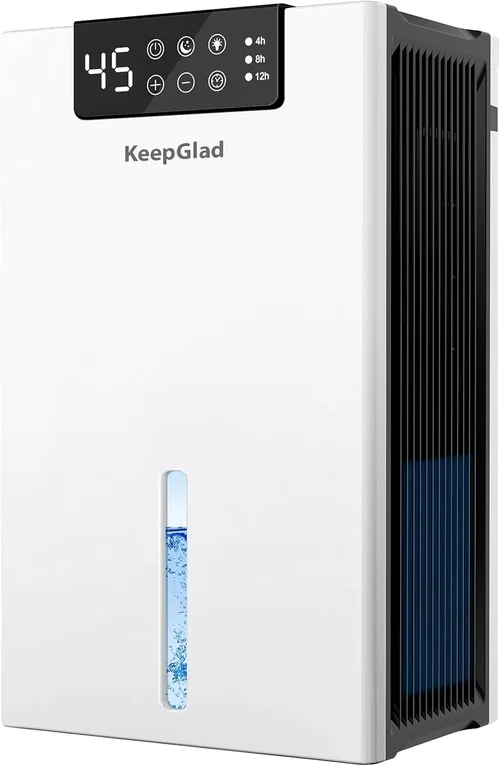
Dealing with excess moisture in your home isn’t just about comfort—it’s a serious matter of health, safety, and long-term property preservation. Whether you’re battling persistent dampness in a basement, musty odors in a laundry room, or mold growth in a poorly ventilated bathroom, a high-quality dehumidifier can be a game-changer. In recent years, the home dehumidifier market has expanded dramatically, offering everything from compact, budget-friendly units to smart-enabled, whole-home systems capable of handling thousands of square feet. With so many options flooding the market, choosing the right one can feel overwhelming—especially when manufacturers use confusing jargon like “pints per day” or “AHAM rating” without clear context.
That’s exactly why this guide exists. We’ve spent months researching, testing, and analyzing the latest dehumidifiers available in 2026 to bring you a comprehensive, no-nonsense buying guide. Whether you’re a first-time buyer or looking to upgrade an older unit, this article will walk you through every critical decision point—from understanding performance specs to avoiding common pitfalls. You’ll learn how to match a dehumidifier to your specific needs, whether that’s a small bedroom, a sprawling basement, or a humid coastal climate. By the end, you’ll have the confidence and knowledge to make an informed purchase that delivers real results, year after year.
The home dehumidifier market today is more advanced and diverse than ever. Brands like Frigidaire, hOmeLabs, GE, Midea, and AprilAire are pushing the envelope with energy-efficient compressors, Wi-Fi connectivity, auto-defrost technology, and even integration with smart home ecosystems. At the same time, prices range from under $100 for basic models to over $1,000 for whole-house systems. This guide cuts through the noise, focusing on what truly matters: performance, reliability, ease of use, and value for money. We’ll help you navigate the technical details, compare different types, and identify the best options across every budget tier—so you can finally say goodbye to sticky air, peeling paint, and that lingering smell of mildew.
What to Look for When Buying Buying Guide
1. Capacity (Pints Per Day)
Capacity is arguably the most important factor when choosing a dehumidifier. It’s measured in “pints per day” (PPD), which refers to how much moisture the unit can remove from the air in a 24-hour period under standard testing conditions (typically 60% relative humidity at 80°F). For example, a 30-pint dehumidifier can extract 30 pints of water daily—enough for a moderately damp 500–1,000 sq ft space like a basement or large bedroom. Larger areas or extremely wet environments (like flood-prone basements) may require 50-pint or even 70-pint models.
Choosing the wrong capacity is a common mistake. A unit that’s too small will run constantly, struggle to keep up, and wear out faster. One that’s too large may cycle on and off too frequently, reducing efficiency and potentially over-drying the space. To find your ideal capacity, consider both square footage and humidity level: light dampness in a 500 sq ft room might only need a 20-pint unit, while a severely damp 1,500 sq ft basement could require a 70-pint model. Always check the manufacturer’s room size recommendations, but also factor in local climate—homes in Florida or Louisiana will need more powerful units than those in Arizona.
2. Energy Efficiency & Operating Costs
Dehumidifiers can be energy hogs, especially if they run continuously. Look for models with the ENERGY STAR® certification, which ensures they meet strict efficiency guidelines set by the U.S. Environmental Protection Agency. ENERGY STAR dehumidifiers use 15–30% less energy than standard models, translating to significant savings on your electricity bill over time. For example, a 50-pint ENERGY STAR unit might cost around $30–$40 per year to operate, compared to $50–$70 for a non-certified model.
Also pay attention to the Energy Factor (EF), measured in liters of water removed per kilowatt-hour (L/kWh). Higher EF values mean better efficiency. A good benchmark is an EF of 1.5 or higher for mid-sized units. Additionally, features like auto-humidistat, timer functions, and “eco mode” can further reduce energy use by allowing the unit to shut off when target humidity is reached or during off-peak hours. If you plan to run your dehumidifier year-round—especially in humid climates—investing in an efficient model pays off quickly.
3. Humidity Control & Sensors
Precise humidity control is essential for maintaining a healthy indoor environment. The ideal relative humidity (RH) for most homes is between 30% and 50%. Too high encourages mold and dust mites; too low can dry out skin, wood furniture, and respiratory passages. Modern dehumidifiers come with built-in humidistats that let you set your desired RH level, and the unit will automatically turn on or off to maintain it.
Look for models with digital displays and adjustable humidity settings in 5% increments (e.g., 30%, 35%, 40%, etc.). Some premium units even feature dual sensors—one for ambient humidity and another for coil temperature—to prevent freezing in cold basements. Avoid older or ultra-cheap models that only have manual dials or no humidity readout at all. Without accurate sensing, you’re essentially guessing whether your home is properly dehumidified, which defeats the purpose of owning the appliance.
4. Drainage Options
All dehumidifiers collect water, but how you remove it makes a big difference in convenience and maintenance. Most units include a built-in bucket that needs to be emptied manually—typically every 8–24 hours depending on humidity levels. While this works for occasional use, it’s impractical for continuous operation or unattended spaces like basements.
For hassle-free drainage, opt for models with continuous drain capability. These allow you to attach a standard garden hose to a spout on the unit, routing water directly to a floor drain, sump pump, or outside. This eliminates the need to empty buckets and reduces the risk of overflow. Some advanced models even include built-in pumps that can push water vertically (up to 15 feet) to reach elevated drains. If you’re placing the dehumidifier in a remote area or don’t want to check it daily, continuous drainage is a must-have feature.
5. Noise Level
Dehumidifiers aren’t silent—they use compressors and fans, which generate noise. However, sound output varies widely between models. For living spaces like bedrooms, nurseries, or home offices, look for units rated at 50 decibels (dB) or lower. To put that in perspective, 50 dB is similar to a quiet conversation or moderate rainfall. Many mid-range and premium models now advertise “whisper-quiet” operation, often achieved through insulated compressor compartments and variable-speed fans.
Check manufacturer specs for noise ratings, but also read user reviews—real-world performance often differs from lab tests. Units placed in basements or utility rooms can tolerate louder operation (55–60 dB), but if noise is a concern, avoid models with single-speed fans or poorly designed airflow paths. Some brands, like Toshiba and LG, are known for quieter operation, while budget models may prioritize cost over acoustics.
6. Build Quality & Durability
A dehumidifier is a long-term investment, so durability matters. Look for sturdy construction with metal compressor housings, reinforced casters, and high-quality plastic components that resist warping or cracking. Cheaper models often use thin plastic that can degrade over time, especially in damp environments. Also consider the warranty: a longer warranty (3–5 years) usually indicates the manufacturer has confidence in the product’s longevity.
Pay attention to internal components too. Units with coated evaporator coils resist corrosion from moisture, extending lifespan. Similarly, models with washable or reusable air filters require less maintenance and perform better over time. Avoid units with flimsy handles, weak wheels, or poorly sealed seams—these are signs of cost-cutting that can lead to premature failure. Reading long-term user reviews (1+ years of use) is one of the best ways to assess real-world durability.
7. Smart Features & Connectivity
In 2026, smart dehumidifiers are no longer a luxury—they’re becoming standard, especially in the mid-to-high price range. Wi-Fi connectivity allows you to monitor and control your unit via smartphone apps, set schedules, receive alerts when the bucket is full, or integrate with voice assistants like Alexa or Google Assistant. Some models even sync with weather forecasts to anticipate humidity spikes.
While not essential for everyone, smart features add convenience and peace of mind. For example, you can check humidity levels while on vacation or receive a notification if the unit stops working due to a power outage. However, ensure the app is reliable and doesn’t require constant re-logins. Also, verify that the unit works independently if the internet goes down—some cheaper “smart” models lose basic functionality without Wi-Fi.
8. Portability & Design
Even if you plan to keep your dehumidifier in one place, portability matters for setup, cleaning, and seasonal storage. Look for units with recessed handles, smooth-rolling casters, and a compact footprint. Weight is also a factor—most 30–50 pint models weigh 30–50 lbs, which is manageable for most adults, but heavier units (60+ lbs) may require two people to move safely.
Design touches like cord wraps, filter access panels, and intuitive control layouts improve usability. A front-loading bucket is easier to empty than a top-loading one, and a flat top surface can double as a shelf for storage. For tight spaces, consider slim-profile models designed for under-sink or closet use. Ultimately, a well-designed unit should feel sturdy, easy to operate, and blend into your home without dominating the room.
Different Types of Buying Guide
Common Buying Mistakes to Avoid
❌ Mistake: Buying Based Solely on Price
Why it’s bad: The cheapest dehumidifier often costs more in the long run due to higher energy bills, frequent repairs, or short lifespan. Budget models may lack essential features like auto-humidistats or continuous drainage, forcing you to manually manage humidity.
What to do instead: Focus on total cost of ownership—not just upfront price. Invest in an ENERGY STAR model with good reviews and a solid warranty. A $250 unit that lasts 8 years is better value than a $120 unit that fails after 2.
❌ Mistake: Ignoring Room Size and Humidity Level
Why it’s bad: A 20-pint dehumidifier will struggle in a flooded basement, while a 70-pint unit in a dry bedroom will waste energy and over-dry the air. Mismatched capacity leads to poor performance and discomfort.
What to do instead: Measure your space and assess moisture severity. Use online calculators or consult sizing charts from reputable brands. When in doubt, go one size up—but not two.
❌ Mistake: Overlooking Drainage Needs
Why it’s bad: If you forget to empty the bucket daily, the unit will shut off, humidity will rise, and mold can return. This is especially risky in basements or vacation homes.
What to do instead: Choose a model with continuous drain capability or a built-in pump. Even if you don’t use it immediately, having the option adds flexibility.
❌ Mistake: Disregarding Noise Levels
Why it’s bad: A loud dehumidifier can disrupt sleep, work, or relaxation—especially in open-plan homes or small apartments.
What to do instead: Check decibel ratings and read user reviews about noise. If placing in a bedroom, aim for ≤50 dB.
❌ Mistake: Skipping the Warranty Check
Why it’s bad: Dehumidifiers contain complex mechanical parts. Without a good warranty, a compressor failure could cost $150+ to repair—often more than the unit’s value.
What to do instead: Choose brands offering at least a 2-year warranty, preferably 3–5 years. Register your product promptly to activate coverage.
❌ Mistake: Assuming All “Smart” Features Are Useful
Why it’s bad: Some Wi-Fi models have buggy apps, limited functionality, or require subscriptions. You might pay extra for features you never use.
What to do instead: Research app reviews and test connectivity before buying. Ensure core functions work offline.
❌ Mistake: Not Considering Seasonal Use
Why it’s bad: Using a standard compressor dehumidifier in a cold basement (below 60°F) can cause coils to freeze, reducing efficiency or damaging the unit.
What to do instead: In cold climates, choose a desiccant model or a compressor unit with auto-defrost. Desiccants work best in low temperatures.
Budget Guidelines: How Much Should You Spend?
- Entry-Level ($80–$150): These are typically compact or mini dehumidifiers ideal for small spaces like closets, RVs, or bathrooms under 300 sq ft. Expect basic functionality—manual controls, small buckets, no humidistat. They’re fine for light dampness but won’t handle serious moisture issues. Brands like Eva-Dry and Pro Breeze offer decent options here, but don’t expect longevity or efficiency.
- Mid-Range ($150–$350): This is the sweet spot for most homeowners. You’ll find 30–50 pint compressor models with digital controls, auto-humidistats, continuous drain options, and ENERGY STAR ratings. Units from Frigidaire, hOmeLabs, and GE dominate this category, offering reliable performance for basements, large bedrooms, or whole apartments. Many include washable filters and quiet operation—perfect for daily use.
- Premium ($350–$600): Designed for challenging environments, these high-capacity models (50–70 pints) excel in large basements, crawl spaces, or humid climates. Look for features like dual-speed fans, corrosion-resistant coils, built-in pumps, and smart connectivity. Brands like Midea, Toshiba, and AprilAire offer excellent options here, often with 3–5 year warranties and superior build quality.
- Luxury ($600+): Reserved for whole-house systems or professional-grade units, these dehumidifiers integrate with HVAC systems or operate independently across entire homes. They offer precise humidity control, advanced filtration, remote monitoring, and near-silent operation. While overkill for most, they’re ideal for large estates, historic homes, or allergy sufferers needing hospital-level air quality.
Expert Tips for Getting the Best Deal
- Buy Off-Season: The best time to purchase a dehumidifier is late fall or winter (October–February). Retailers discount summer inventory, and demand is low. You’ll often find 20–30% off MSRP.
- Shop Major Retailers with Price Matching: Stores like Home Depot, Lowe’s, and Best Buy offer price matching. If you find a lower price online, they’ll honor it—just bring proof.
- Check for Rebates and Incentives: Some utility companies offer rebates for ENERGY STAR appliances. Visit energystar.gov/rebate-finder to see if you qualify for cash back.
- Read Long-Term Reviews: Focus on reviews from users who’ve owned the unit for 6+ months. These reveal durability, noise over time, and real-world efficiency.
- Test Return Policies: Ensure the retailer offers at least a 30-day return window. If the unit doesn’t perform as expected, you want the option to swap or refund.
- Consider Refurbished or Open-Box: Certified refurbished models from reputable sellers (like Amazon Renewed or manufacturer outlets) can save 20–40% and often include full warranties.
- Bundle with Other Purchases: Some retailers offer discounts when buying multiple appliances. Pairing a dehumidifier with an air purifier or humidifier might unlock savings.
- Verify Installation Requirements: Whole-house units may need professional installation. Factor in labor costs before buying—don’t assume DIY is always cheaper.
Frequently Asked Questions
Q: How do I know if I need a dehumidifier?
A: Common signs include condensation on windows, musty odors, peeling wallpaper, warped wood, or visible mold. You can also use a hygrometer to measure humidity—if it’s consistently above 50%, a dehumidifier is recommended.
Q: Can a dehumidifier help with allergies?
A: Yes! By reducing moisture, dehumidifiers inhibit mold, dust mites, and mildew—all common allergens. Maintaining 30–50% RH can significantly improve indoor air quality for allergy and asthma sufferers.
Q: Should I run my dehumidifier all the time?
A: Not necessarily. Most units have auto modes that turn on only when humidity exceeds your set level. Continuous operation is only needed in very damp areas or during humid seasons.
Q: How often should I clean my dehumidifier?
A: Clean the air filter monthly and wash the water bucket every 1–2 weeks to prevent bacterial growth. Wipe coils and vents quarterly with a soft brush or vacuum.
Q: Can I use a dehumidifier in winter?
A: Standard compressor models struggle below 60°F. Use a desiccant dehumidifier or a model with auto-defrost for cold basements or garages.
Q: Will a dehumidifier lower my electricity bill?
A: Indirectly, yes. By reducing humidity, your AC doesn’t have to work as hard to cool your home, potentially lowering cooling costs by 10–15%.
Q: What’s the difference between a dehumidifier and an air purifier?
A: A dehumidifier removes moisture; an air purifier removes particles like dust, pollen, and smoke. They serve different purposes but can complement each other.
Q: How long do dehumidifiers last?
A: With proper maintenance, most last 5–8 years. ENERGY STAR models and those with longer warranties tend to have better longevity.
Q: Can I move my dehumidifier between rooms?
A: Yes, but avoid moving it immediately after use—wait 10–15 minutes to let refrigerant settle. Use the handles and wheels carefully to prevent damage.
Q: Is it safe to leave a dehumidifier on overnight?
A: Yes, as long as it’s in good condition, placed on a stable surface, and has an auto-shutoff feature. Modern units are designed for continuous, safe operation.
Our Final Recommendations
- Best for Budget-Conscious Buyers: hOmeLabs 30 Pint Dehumidifier – At under $200, it offers digital controls, continuous drain, and quiet operation. Great for apartments or small basements.
- Best Overall Value: Frigidaire FFAD7033R1 70 Pint – ENERGY STAR certified, built-in pump, and excellent humidity control. Ideal for large, damp basements.
- Best Premium Option: Midea MAD50C1ZWS 50 Pint Smart Dehumidifier – Wi-Fi enabled, app control, auto-defrost, and whisper-quiet. Perfect for tech-savvy homeowners.
- Best for Beginners: GE APER50LZ 50 Pint – Simple interface, reliable performance, and strong customer support. Easy to set up and maintain.
- Best for Advanced Users: AprilAire E080 Whole-House Dehumidifier – Integrates with HVAC, handles up to 3,000 sq ft, and offers precise humidity management. Ideal for large homes or severe moisture issues.
Conclusion: Making the Right Choice
Choosing the best home dehumidifier isn’t about finding the most expensive or feature-packed model—it’s about matching the right tool to your specific needs. Whether you’re fighting mold in a basement, protecting wooden floors from warping, or simply wanting fresher, more comfortable air, the right dehumidifier can make a dramatic difference. Throughout this guide, we’ve emphasized the importance of capacity, efficiency, drainage, noise, and long-term reliability. These factors, when balanced correctly, lead to a purchase that delivers lasting value and peace of mind.
Remember, your home is your sanctuary. Excess moisture doesn’t just affect comfort—it impacts health, property, and quality of life. Don’t settle for guesswork or marketing hype. Use the insights here to evaluate your space, set a realistic budget, and prioritize features that matter most to you. And when you’re ready to buy, take advantage of seasonal sales, rebates, and trusted retailers to get the best possible deal.
Ultimately, the best dehumidifier is the one you’ll actually use—consistently, efficiently, and without frustration. With the knowledge from this guide, you’re now equipped to make that choice with confidence. Breathe easier, live healthier, and protect your home for years to come.