
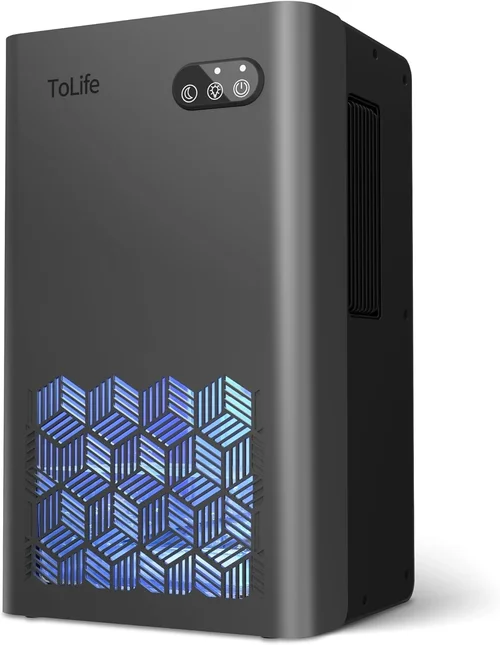
The Philippines’ tropical climate brings with it high humidity levels year-round—often exceeding 80% relative humidity, especially during the rainy season. This persistent moisture doesn’t just make you feel sticky and uncomfortable; it creates the perfect breeding ground for mold, mildew, dust mites, and musty odors. Over time, unchecked humidity can damage furniture, electronics, clothing, and even the structural integrity of your home. That’s where a dehumidifier becomes more than a luxury—it’s a necessity for health, comfort, and home preservation.
But with so many models flooding the Philippine market—from compact units under ₱5,000 to premium systems costing over ₱30,000—choosing the right one can feel overwhelming. Are you looking to protect your wardrobe in a small bedroom? Or do you need industrial-grade moisture control for a basement or storage room? Do you prioritize quiet operation, energy efficiency, or smart connectivity? This comprehensive buying guide cuts through the noise. We’ll walk you through every critical factor—from performance specs and build quality to brand reliability and real-world user feedback—so you can make a confident, informed decision that fits your space, budget, and lifestyle.
Whether you’re a first-time buyer or upgrading from an older unit, this guide equips you with expert insights tailored specifically to the Philippine context. You’ll learn how to interpret technical jargon, avoid common pitfalls, compare different types of dehumidifiers, and ultimately find the model that delivers the best value for your money. By the end, you won’t just know what to buy—you’ll understand why it’s the right choice for your home.
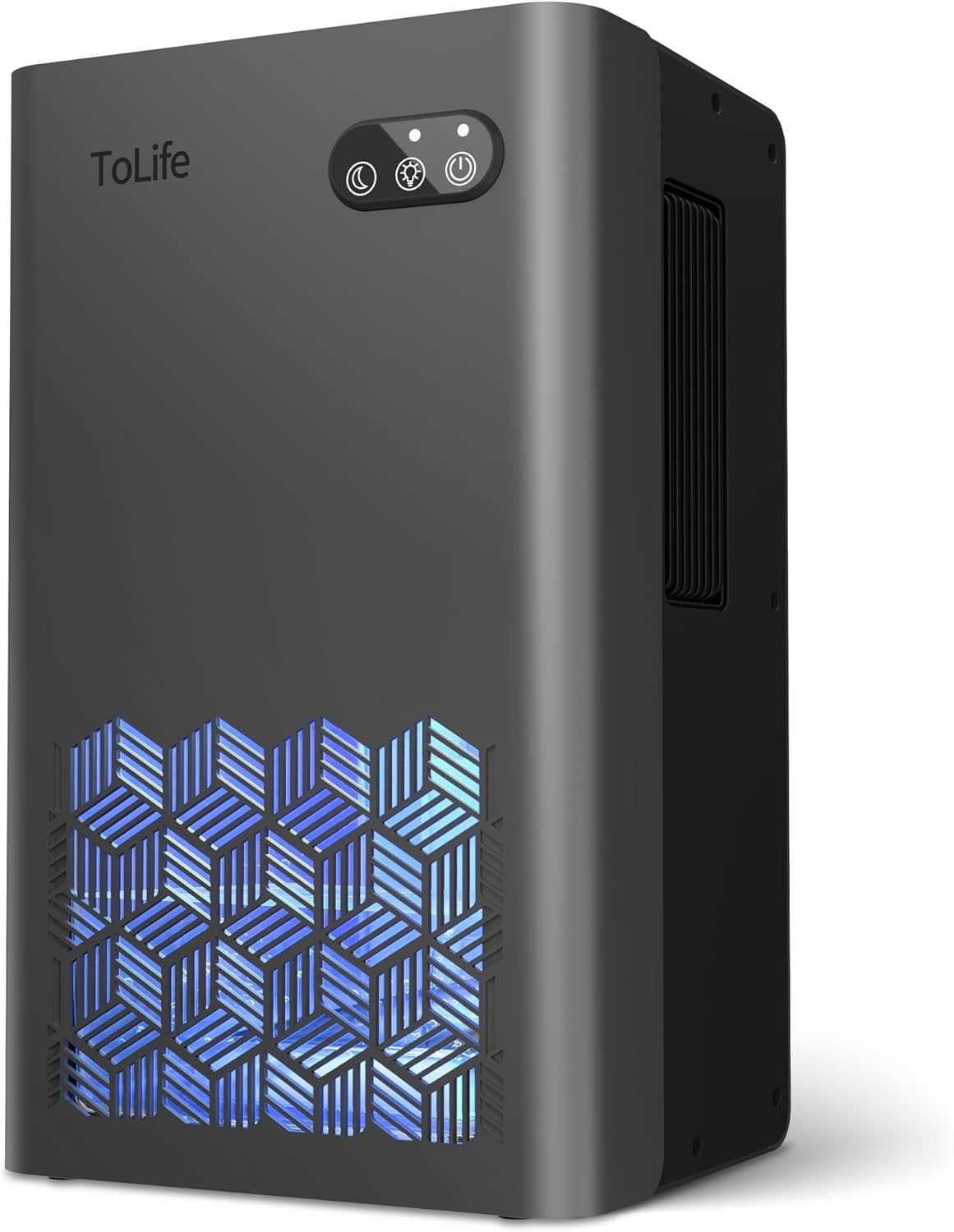
What to Look for When Buying Buying Guide
1. Budget & Price Range
Your budget is the foundation of your dehumidifier search. In the Philippines, prices range dramatically—from entry-level units around ₱4,000 to high-end models exceeding ₱35,000. But cheaper isn’t always better, and expensive doesn’t guarantee suitability. A ₱5,000 dehumidifier might seem tempting, but if it lacks essential features like auto-shutoff, drainage options, or adequate capacity, it could end up costing you more in electricity bills, repairs, or replacement.
Set a realistic budget based on your room size and usage needs. For a single bedroom (10–15 sqm), a mid-range unit (₱8,000–₱15,000) often offers the best balance of performance and affordability. Larger spaces like living rooms or basements may require investment in a 20+ liter/day model, which typically starts at ₱18,000. Remember: a dehumidifier is a long-term investment in indoor air quality and asset protection. Spending wisely now prevents costly damage later.
2. Performance Specifications
Performance boils down to two key metrics: pint capacity per day (or liters/day) and coverage area. Pint capacity refers to how much moisture the unit can extract in 24 hours under standard conditions (usually 80°F and 60% RH). For reference, a 10-pint (≈4.7L) model suits a small bedroom, while a 30-pint (≈14L) unit is ideal for a 30–40 sqm living area.
Coverage area matters just as much. A dehumidifier rated for 20 sqm won’t effectively manage humidity in a 35 sqm open-plan space. Always check the manufacturer’s recommended room size—and consider erring slightly larger if your home has poor ventilation, frequent cooking, or multiple occupants. Also, note the operating temperature range. Most refrigerant-based dehumidifiers work best above 15°C, which isn’t an issue in the Philippines—but if you plan to use it in a cold garage or attic (rare here), verify compatibility.
3. Build Quality & Durability
Given the Philippines’ humid, sometimes corrosive environment, build quality is non-negotiable. Look for rust-resistant coils, sturdy plastic housings (preferably ABS or polypropylene), and sealed electronic components. Cheaper models often use thin, brittle plastics that crack under heat or moisture stress.
Internally, copper coils are superior to aluminum—they’re more efficient, durable, and less prone to leaks. Check if the compressor is hermetically sealed (a sign of higher-end engineering). Also, inspect the water tank: a well-designed tank should be easy to remove, have a secure lid to prevent spills, and include a float switch for automatic shutoff when full. Units with continuous drainage options (via hose attachment) are especially valuable for unattended operation.
4. Features & Functionality
Modern dehumidifiers come packed with features that enhance convenience and efficiency. Prioritize these based on your lifestyle:
– Auto-Humidistat: Lets you set your desired humidity level (e.g., 50%), and the unit cycles on/off to maintain it.
– Continuous Drainage: Allows connection to a hose for hands-off operation—ideal for basements or 24/7 use.
– Auto-Restart: Resumes operation after a power outage (crucial in areas with frequent brownouts).
– Timer Function: Schedule start/stop times to save energy.
– Washable Air Filter: Reduces maintenance costs and improves air quality.
– Quiet Operation: Look for models under 45 dB for bedrooms or living areas.
– Smart Controls: Wi-Fi-enabled units (like some Midea or LG models) let you monitor and adjust settings via smartphone—great for tech-savvy users.
Avoid “feature bloat.” A built-in ionizer or fragrance dispenser sounds nice but adds cost without meaningful benefit. Focus on core functionalities that solve your specific humidity problems.
5. Brand Reputation
In the Philippine appliance market, brand reputation correlates strongly with reliability and after-sales service. Established global brands like Midea, LG, Sharp, Hisense, and TCL dominate the dehumidifier segment here, offering consistent quality, local service centers, and genuine spare parts.
Avoid obscure or no-name brands sold exclusively online—even if they boast impressive specs. Many are rebranded units with poor quality control, fake certifications, or non-existent warranties. Stick to brands with physical service networks in Metro Manila and major cities. User forums like PinoyExchange or Lazada reviews often reveal which brands honor warranties promptly and which leave customers stranded.
6. Warranty & Support
A solid warranty is your safety net. In the Philippines, reputable brands typically offer 1–2 years of comprehensive coverage, with some extending compressor warranties to 3–5 years. Always register your product online and keep your receipt—many brands void warranties without proof of purchase.
Check if the brand has authorized service centers near you. A 2-year warranty means little if the nearest technician is 3 hours away. Also, inquire about spare part availability. Some models use proprietary filters or sensors that are expensive or impossible to replace locally.
7. Size & Portability
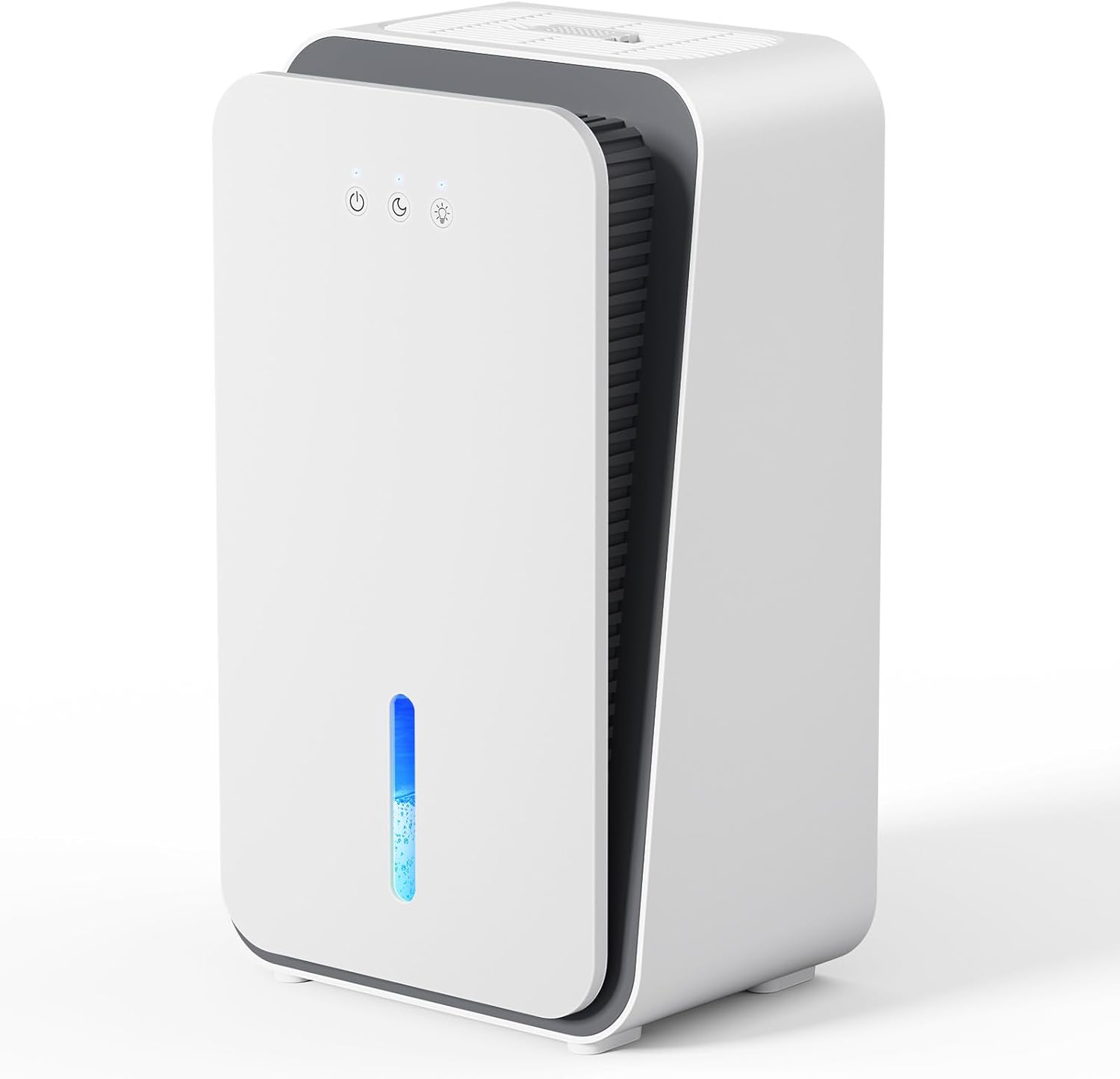
Dehumidifiers aren’t glamorous, but they shouldn’t be eyesores either. Consider dimensions, weight, and mobility features. Most residential units weigh 10–20 kg—look for built-in handles and caster wheels for easy movement between rooms.
If space is tight (common in Philippine apartments), opt for vertical designs or compact models under 40 cm wide. Some units double as air purifiers or have sleek, modern aesthetics that blend into living spaces. Avoid bulky, industrial-looking models unless you’re placing them in a utility room.
8. User Reviews & Ratings
Never rely solely on manufacturer claims. Real-world user feedback—especially from Filipino buyers—reveals quirks, failures, and hidden strengths. Platforms like Lazada, Shopee, Facebook Marketplace, and Reddit (r/Philippines) are goldmines of honest reviews.
Pay attention to recurring complaints: Does the unit leak? Is the tank hard to empty? Does it overheat after 4 hours? Conversely, note consistent praise for quiet operation, fast drying, or excellent customer service. Filter reviews by “verified purchase” and recent dates (within 6–12 months) to avoid outdated info.
Different Types of Buying Guide

Common Buying Mistakes to Avoid
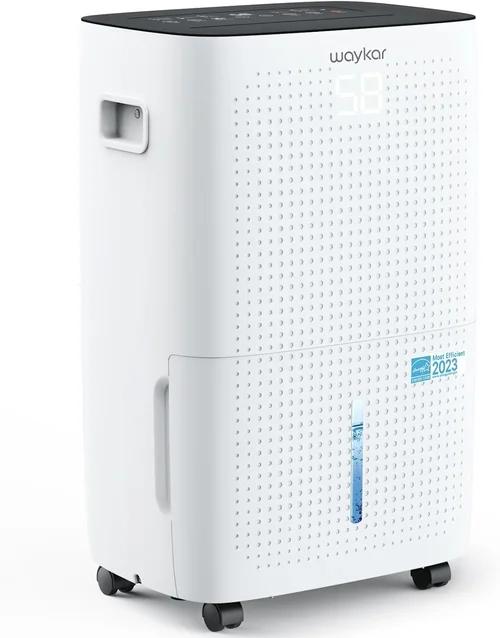
❌ Mistake: Buying Based Solely on Price
Why it’s bad: The cheapest dehumidifier often lacks essential safety features, uses inferior components, and may consume more electricity than it saves. Many budget units fail within 6–12 months, leaving you worse off than before.
What to do instead: View price as one factor among many. Aim for the best value—not the lowest cost. A ₱12,000 unit with a 2-year warranty, auto-drain, and inverter tech will outperform and outlast a ₱6,000 model with no protections.
❌ Mistake: Ignoring Room Size and Humidity Level
Why it’s bad: An undersized unit will run constantly, overheat, and fail to reduce humidity. An oversized one cycles too frequently, wasting energy and shortening lifespan.
What to do instead: Measure your room accurately. Use a hygrometer (available for ₱300–₱500) to check current humidity. Choose a model rated for at least 10–20% larger than your actual space to account for high ambient humidity in the Philippines.
❌ Mistake: Overlooking Drainage Options
Why it’s bad: Emptying a 2–3 liter tank every 6–8 hours is tedious and impractical, especially if you’re away during the day. Many users give up on dehumidifiers because of this hassle.
What to do instead: Prioritize models with continuous drainage via hose. Even if you don’t use it immediately, having the option future-proofs your purchase. Ensure the unit has a proper drain port and compatible hose size (usually 12–16mm).
❌ Mistake: Assuming All “Energy-Efficient” Labels Are Equal
Why it’s bad: Some brands slap “eco-friendly” stickers on units with minimal efficiency gains. Without standardized testing (like DOE or Energy Star), claims can be misleading.
What to do instead: Look for verified certifications. In the Philippines, check if the unit is listed with the Department of Energy’s (DOE) Philippine Energy Standards and Labeling Program (PESLP). Compare wattage per liter removed—lower is better.
❌ Mistake: Skipping Warranty and Service Network Checks
Why it’s bad: A dehumidifier is a complex appliance. If it breaks and the brand has no local support, you’re stuck with a costly paperweight.
What to do instead: Before buying, search “[Brand] service center near me Philippines.” Confirm warranty terms in writing. Avoid gray-market imports sold without local warranty coverage.
❌ Mistake: Believing Marketing Hype About “Air Purification”
Why it’s bad: Some dehumidifiers claim to “purify air” with built-in filters. While they capture large particles, they don’t replace HEPA air purifiers for allergens or viruses.
What to do instead: Use a dehumidifier for moisture control and a dedicated air purifier for filtration. Don’t pay extra for gimmicky “multi-function” claims unless independently verified.
Budget Guidelines: How Much Should You Spend?
– Entry-Level (₱4,000 – ₱8,000):
What to expect: Basic desiccant or mini compressor units, small tanks (1–2L), limited coverage (under 10 sqm), minimal features. Best for closets or temporary use. Expect higher noise and lower durability.
– Mid-Range (₱8,000 – ₱18,000):
Sweet spot for most buyers. These units offer 10–20L/day capacity, auto-humidistats, continuous drainage, and decent build quality. Ideal for bedrooms, small living rooms, or studios. Brands like Midea, TCL, and Hisense dominate this tier.
– Premium (₱18,000 – ₱30,000):
For enthusiasts and professionals. Expect inverter compressors, smart controls, ultra-quiet operation (<42 dB), large tanks (3–4L), and robust warranties. Models from LG, Sharp, and Panasonic excel here—perfect for large homes or allergy sufferers.
- Luxury (₱30,000+):
Top-tier features: whole-house integration, Wi-Fi/app control, advanced filtration, stainless steel coils, and 5-year compressor warranties. Reserved for large properties, commercial spaces, or those prioritizing cutting-edge tech and longevity.
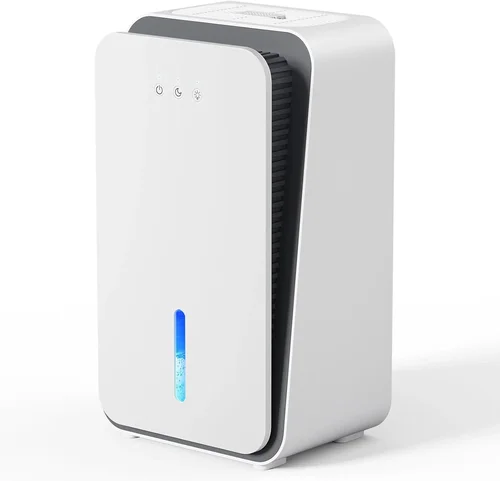
Expert Tips for Getting the Best Deal
– Buy During Off-Peak Seasons: Humidity is lower in the dry season (March–May), so retailers often discount dehumidifiers. Stock up in April for the rainy season rush.
– Compare Online and In-Store Prices: Lazada and Shopee frequently run flash sales with free shipping. But test units in-store (e.g., SM Appliance Center, Abenson) to assess noise and build quality.
– Bundle with Other Appliances: Some stores offer discounts when purchasing a dehumidifier with an air conditioner or refrigerator.
– Check for Open-Box or Refurbished Units: Authorized dealers sometimes sell returned items at 20–30% off with full warranty—great for budget-conscious buyers.
– Negotiate Extended Warranties: Ask if the seller can include an extra year of coverage at no cost, especially during promotions.
– Read the Fine Print on Returns: Ensure the retailer allows returns within 7–15 days if the unit doesn’t perform as advertised.
– Test Before Committing: Run the unit for 24 hours in your space. If humidity doesn’t drop below 60%, consider a higher-capacity model.
– Join Brand Loyalty Programs: Midea and LG offer points, discounts, and early access to sales for registered users.
Frequently Asked Questions
Q: How much electricity does a dehumidifier use in the Philippines?
A: Most residential dehumidifiers consume 200–500 watts. At the current Meralco rate (~₱10/kWh), a 300W unit running 8 hours daily costs about ₱240/month. Inverter models can cut this by 30–40%.
Q: Can I use a dehumidifier in an apartment without windows?
A: Yes, but ensure proper ventilation. Run it in short cycles (2–3 hours) and crack a door slightly to allow air exchange. Avoid sealing the room completely, as this can cause negative pressure issues.
Q: Will a dehumidifier help with mold on walls?
A: It prevents new mold growth by reducing moisture, but won’t remove existing mold. Clean affected areas with a bleach solution first, then use the dehumidifier to keep humidity below 50%.
Q: Should I leave my dehumidifier on all the time?
A: Not necessary. Use the auto-humidistat to maintain 45–50% RH. Most units cycle on/off automatically. Continuous operation is only needed in extremely damp areas like basements.
Q: Are portable dehumidifiers safe to use overnight?
A: Yes, if they have auto-shutoff, tip-over protection, and are placed on a stable surface. Avoid covering vents or placing near curtains.
Q: How often should I clean the filter?
A: Every 2–4 weeks during heavy use. A clogged filter reduces efficiency by up to 30%. Most filters are washable—rinse with water and let dry completely.
Q: Can I use a dehumidifier in my car?
A: Mini desiccant or Peltier units work for cars, but they’re slow. For quick results, park in the sun with windows slightly open or use silica gel packs.
Q: Do dehumidifiers produce heat?
A: Yes—compressor models release warm air as a byproduct. The room may feel slightly warmer, but the net effect is drier, more comfortable air.
Q: Is it normal for the dehumidifier to make noise?
A: Light humming or fan noise is normal. Loud rattling, grinding, or clicking indicates a problem—turn it off and contact support.
Q: Can I connect a dehumidifier to a smart plug?
A: Only if the plug supports the unit’s wattage (usually 300W+). Avoid smart plugs for compressor-based models, as sudden power cuts can damage the motor.
Our Final Recommendations
– Best for Budget-Conscious Buyers:
Midea 12L Compressor Dehumidifier (MDV-12DEN) – Reliable performance, auto-drain, and strong local support for under ₱10,000.
– Best Overall Value:
Hisense 20L Inverter Dehumidifier (HDH2019) – Energy-efficient, quiet, and packed with features at ₱16,000–₱18,000.
– Best Premium Option:
LG PuriCare 25L Smart Dehumidifier (UH2519WS) – Wi-Fi enabled, HEPA-grade filter, and whisper-quiet operation for ₱28,000.
– Best for Beginners:
TCL 16L Dehumidifier (TDH1619) – Simple controls, compact design, and excellent Shopee/Lazada reviews under ₱12,000.
– Best for Advanced Users:
Sharp Plasmacluster 30L (CD-JP301U) – Combines dehumidification with ion-based air purification, ideal for allergy sufferers at ₱25,000.
Conclusion: Making the Right Choice
Choosing the right dehumidifier in the Philippines isn’t just about battling humidity—it’s about safeguarding your health, protecting your belongings, and creating a more comfortable living environment. From understanding pint capacity and coverage area to navigating warranties and smart features, every decision point matters. Avoid the trap of overspending on unnecessary tech or underspending on flimsy units. Instead, align your purchase with your actual needs: room size, humidity level, usage patterns, and long-term goals.
Remember, the best dehumidifier is the one you’ll actually use consistently. Prioritize reliability, ease of maintenance, and local support. Take advantage of seasonal sales, read real user reviews, and don’t hesitate to invest a little more for peace of mind. With the insights from this guide, you’re now equipped to cut through the marketing noise and select a unit that delivers real, lasting value.
Your home deserves clean, dry air—and so do you. Make the switch today, and breathe easier tomorrow.