
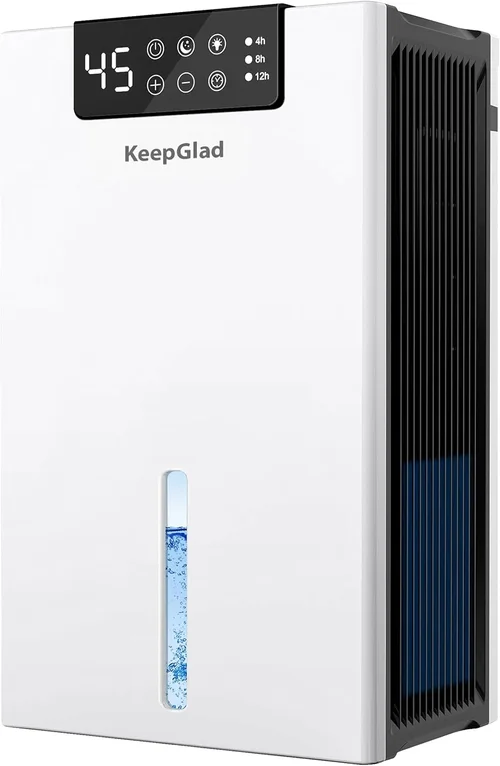
Dehumidifiers have become essential appliances in modern homes, especially as climate change brings more extreme weather patterns and humidity levels continue to rise in many regions. Whether you’re battling damp basements, musty odors in closets, or struggling with allergy symptoms triggered by mold and dust mites, the right dehumidifier can make a dramatic difference in your indoor air quality and overall comfort. Yet despite their growing popularity, many consumers still approach dehumidifier purchases with confusion—unsure of what settings matter most, which features are truly useful, and how to balance performance with energy efficiency.
This comprehensive buying guide is designed to cut through the noise and give you expert-level insight into choosing the best dehumidifier for your specific needs. You’ll learn not just about product features, but also about optimal humidity settings, placement strategies, maintenance routines, and how to avoid common pitfalls that lead to buyer’s remorse. From compact units for small bathrooms to high-capacity models for sprawling basements, we’ll cover every scenario so you can make a confident, informed decision. The market in 2026 offers more innovation than ever—smart controls, eco-friendly refrigerants, ultra-quiet operation, and AI-driven climate adaptation—but without the right knowledge, it’s easy to overspend or underperform.
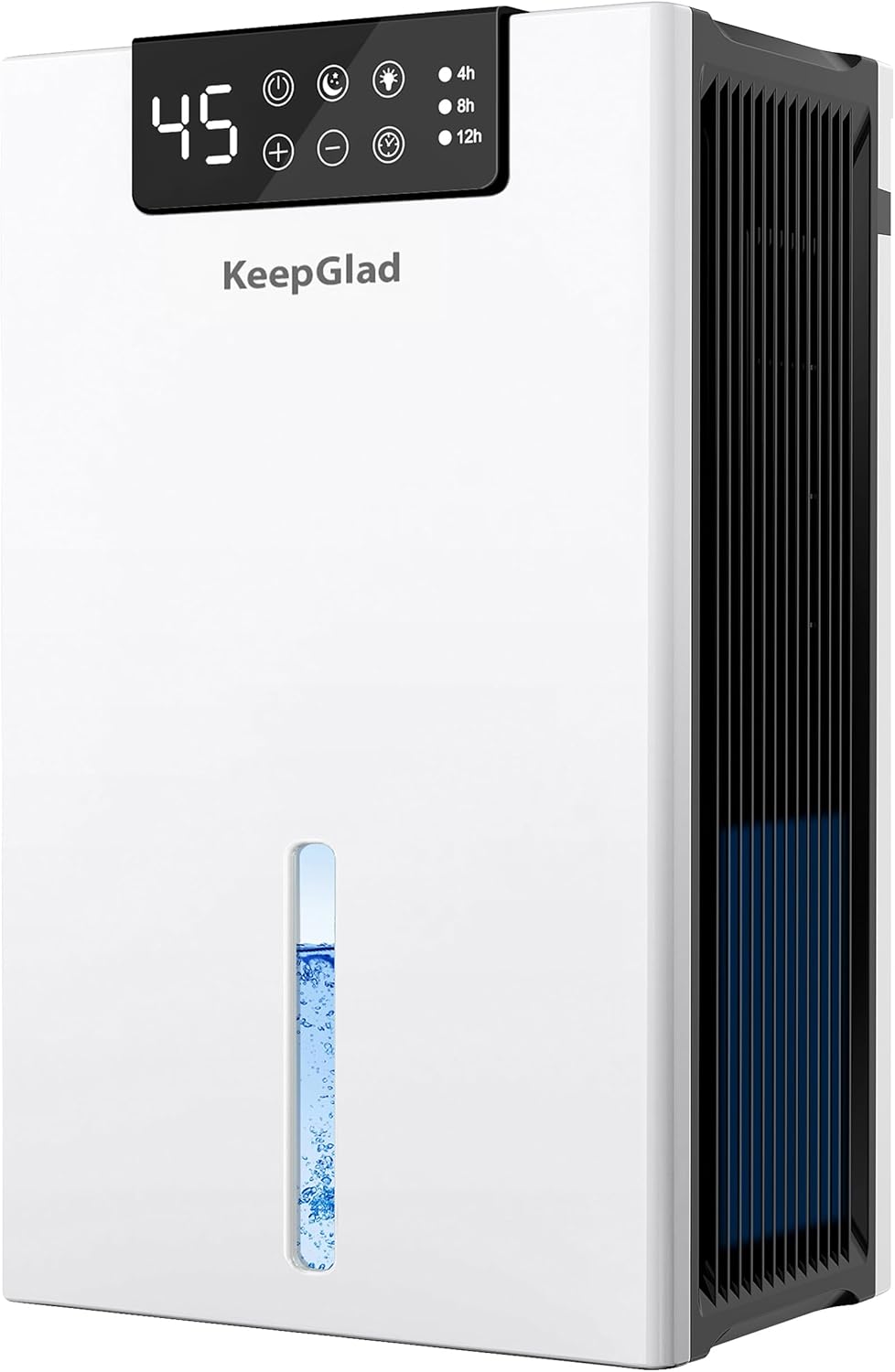
What to Look for When Buying Buying Guide
1. Budget & Price Range
Your budget will naturally influence your options, but it’s important to view a dehumidifier as a long-term investment in health and home preservation rather than just another appliance purchase. Entry-level models typically range from $100 to $200 and are suitable for small spaces like bathrooms or closets under 500 square feet. These units often lack advanced features but can still effectively reduce moisture if used correctly. Mid-range dehumidifiers ($200–$400) offer better build quality, larger water tanks, quieter operation, and more precise humidity control—ideal for most living rooms, bedrooms, or medium-sized basements. Premium models ($400–$700) come with smart connectivity, automatic drainage, dual-speed fans, and enhanced filtration systems, making them perfect for large homes or chronic moisture issues. Luxury or commercial-grade units ($700+) are built for industrial use or extreme environments and may include features like condensate pumps, remote sensors, and multi-zone control.
2. Performance Specifications
The core function of any dehumidifier is removing moisture from the air, and this is measured in “pints per day” (PPD)—the amount of water extracted in 24 hours under standard testing conditions (80°F and 60% relative humidity). For reference, a 30-pint unit is generally sufficient for a 500–1,000 sq ft space with moderate humidity, while a 50-pint model handles up to 1,500–2,000 sq ft or areas with high moisture like finished basements or laundry rooms. However, don’t rely solely on PPD ratings—real-world performance varies based on temperature and ambient humidity. Some manufacturers inflate numbers using non-standard tests, so look for AHAM (Association of Home Appliance Manufacturers) certification, which ensures consistent, third-party verified ratings.
Another critical spec is the unit’s operating temperature range. Most refrigerant-based dehumidifiers work best between 65°F and 80°F. Below 60°F, their efficiency drops sharply because the cold coils can frost over. If you’re placing the unit in an unheated garage or crawl space, consider a desiccant dehumidifier, which performs well in colder environments (as low as 40°F) though it tends to be louder and less energy-efficient at higher temperatures.
3. Build Quality & Durability
A dehumidifier isn’t something you want to replace every two years. Look for robust construction: metal housings instead of flimsy plastic, sealed compressors, and corrosion-resistant coils—especially important if you live near the coast or in a humid climate where salt air accelerates wear. Check the thickness of the internal components; cheaper units often use thin aluminum fins on evaporator coils that bend easily and reduce heat exchange efficiency. Also examine the water tank design: a well-sealed, easy-to-remove bucket with a sturdy handle prevents spills during emptying. Some premium models include anti-microbial tank linings to inhibit mold growth inside the reservoir itself.
Durability also extends to internal electronics. Units with sealed circuit boards and moisture-resistant wiring last longer in damp environments. Brands like Frigidaire, GE, and hOmeLabs have earned reputations for reliable builds, while budget brands may cut corners on materials to hit lower price points. Always check the weight—a heavier unit often indicates better internal components and sturdier construction.
4. Features & Functionality
Modern dehumidifiers offer a suite of features that go far beyond basic on/off operation. The most important is humidity control: look for models with digital hygrostats that let you set your target relative humidity (RH) level precisely—typically between 30% and 80%. Ideal indoor RH ranges from 30% to 50%; below 30%, air becomes too dry and can irritate sinuses, while above 50%, mold and dust mites thrive.
Auto-defrost is essential for cold-weather operation, preventing ice buildup on coils. Continuous drainage via a hose connection eliminates the need to manually empty the tank—a must for basements or unattended spaces. Many mid-to-high-end models include a built-in pump for upward drainage (up to 15 feet), which is invaluable if your floor drain is below the unit level.
Smart features are increasingly common: Wi-Fi connectivity allows remote monitoring and control via smartphone apps, while compatibility with Alexa or Google Assistant enables voice commands. Some units even integrate with home automation systems to adjust settings based on weather forecasts or occupancy sensors. Additional conveniences include washable filters (saving replacement costs), timer functions, child locks, and filter change indicators.
5. Brand Reputation
Not all dehumidifier brands are created equal. Established names like Frigidaire, Honeywell, LG, and Danby have decades of experience in climate control and consistently deliver reliable products with strong customer support. Emerging brands like Midea (which owns Frigidaire) and hOmeLabs have disrupted the market with high-value offerings, often matching premium performance at mid-tier prices. Be cautious with unknown or generic brands sold exclusively through online marketplaces—these may use misleading specs, poor-quality components, or lack warranty coverage.
Research brand history: Do they specialize in HVAC or air treatment? Have they faced recalls or widespread complaints? Customer service responsiveness matters too—can you easily reach a technician or get replacement parts? Brands with U.S.-based support centers tend to resolve issues faster than those relying on overseas partners.
6. Warranty & Support
A solid warranty is a strong indicator of a manufacturer’s confidence in their product. Most reputable brands offer at least a one-year limited warranty, but premium models often include two to five years of coverage, sometimes with extended compressor protection. Read the fine print: some warranties void if the unit is used in commercial settings or placed in excessively dirty environments. Look for brands that provide clear troubleshooting guides, video tutorials, and accessible customer service—not just email forms that go unanswered for days.
Extended warranties can be worth considering for high-end units, especially if you live in a high-humidity region where the dehumidifier will run nearly year-round. However, avoid third-party warranty sellers who charge inflated prices for minimal added benefit.
7. Size & Portability
Dehumidifiers vary significantly in physical dimensions and weight. A compact 30-pint model might weigh 30–40 pounds and fit under a sink, while a 70-pint basement unit can exceed 60 pounds and require two people to move. Consider where you’ll place it: will it sit in a corner, under stairs, or need frequent relocation? Look for models with recessed handles, smooth-rolling casters, and cord storage hooks. Some units feature top-mounted controls and displays for easy access without bending down.
Noise level matters too—especially for bedrooms or offices. Measured in decibels (dB), most residential dehumidifiers range from 45 dB (quiet library) to 60 dB (normal conversation). Desiccant models tend to be louder due to their fan-driven design, while compressor-based units are quieter at lower fan speeds. If noise is a concern, opt for models with “sleep mode” or variable fan settings.
8. User Reviews & Ratings
Never buy a dehumidifier based solely on manufacturer claims. Real-world user reviews reveal nuances that specs sheets miss: how often the tank fills, how loud it really is at night, whether the app works reliably, or if the filter clogs quickly in dusty environments. Focus on verified purchase reviews on trusted platforms like Amazon, Home Depot, or Consumer Reports. Pay attention to recurring complaints—if multiple users report the same issue (e.g., “stopped working after 6 months” or “drain hose leaks”), it’s likely a design flaw.
Also check professional reviews from sites like Wirecutter, Good Housekeeping, or CNET, which conduct rigorous testing across performance, noise, energy use, and ease of maintenance. Cross-referencing both expert and consumer feedback gives you the full picture.
Different Types of Buying Guide

Common Buying Mistakes to Avoid
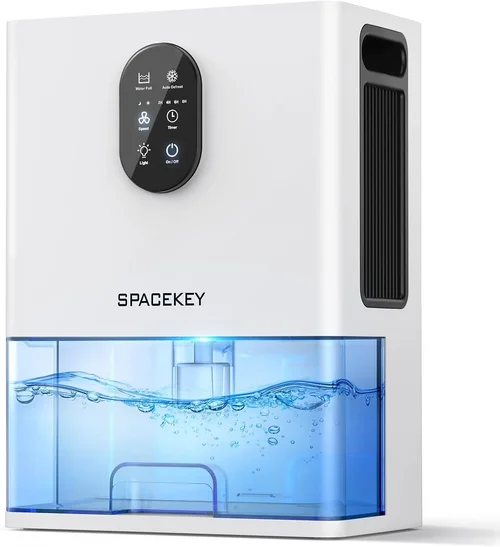
❌ Mistake: Ignoring Room Size and Humidity Level
Why it’s bad: Buying a dehumidifier that’s too small for your space means it will run constantly, wear out quickly, and fail to reach your target humidity. Conversely, an oversized unit may cycle on and off too frequently, wasting energy and failing to properly dehumidify.
What to do instead: Measure your room’s square footage and assess moisture severity. Use a hygrometer to check current RH levels. Match these to the manufacturer’s recommended coverage area and PPD rating. When in doubt, size up slightly—better to have extra capacity than insufficient power.
❌ Mistake: Overlooking Drainage Options
Why it’s bad: If you forget to empty the tank regularly, the unit will shut off automatically, leaving your space humid and potentially causing water damage if the tank overflows unnoticed.
What to do instead: If the dehumidifier will run unattended (e.g., in a basement), choose a model with continuous drainage via hose or built-in pump. Even if you plan to empty the tank manually, a hose outlet provides flexibility for future needs.
❌ Mistake: Neglecting Maintenance Requirements
Why it’s bad: Dirty filters and clogged coils reduce efficiency, increase energy consumption, and can lead to premature failure. Mold can grow inside neglected tanks, reintroducing spores into your air.
What to do instead: Choose models with washable, reusable filters and easy-access components. Set calendar reminders to clean the filter monthly and inspect coils quarterly. Empty and rinse the tank weekly, even if it’s not full.
❌ Mistake: Focusing Only on Price
Why it’s bad: The cheapest dehumidifier often costs more in the long run due to higher energy bills, frequent replacements, and poor performance.
What to do instead: Calculate total cost of ownership: initial price + estimated annual energy cost + maintenance. Look for ENERGY STAR certified models, which use 15–30% less energy than standard units.
❌ Mistake: Placing the Unit Incorrectly
Why it’s bad: Blocking airflow with furniture or walls reduces efficiency. Placing it near heat sources or in direct sunlight skews humidity readings and causes unnecessary cycling.
What to do instead: Position the dehumidifier at least 6–12 inches from walls and obstacles. Place it centrally in the room or near the moisture source (e.g., laundry area). Avoid kitchens and bathrooms unless specifically designed for those spaces.
❌ Mistake: Not Setting the Right Humidity Level
Why it’s bad: Setting RH too low (<30%) dries out skin, wood furniture, and electronics. Setting it too high (>50%) defeats the purpose by allowing mold growth.
What to do instead: Aim for 40–50% RH in most homes. In winter, keep it closer to 30–40% to prevent window condensation. Use a standalone hygrometer to verify the dehumidifier’s built-in sensor accuracy.
❌ Mistake: Ignoring Noise Levels
Why it’s bad: A noisy unit in a bedroom or home office can disrupt sleep and concentration, leading to frustration and eventual abandonment of use.
What to do instead: Check decibel ratings and read user reviews about real-world noise. Opt for models with “quiet mode” or variable fan speeds. Consider placing noisy units in utility areas rather than living spaces.
Budget Guidelines: How Much Should You Spend?
Entry-Level ($100–$200): These are ideal for small, occasional use—think closets, RVs, or guest bathrooms. Expect basic controls, smaller tanks (1–2 liters), and limited features. Performance may lag in high-humidity conditions, and build quality is often lighter-duty. Best for seasonal use or mild moisture problems.
Mid-Range ($200–$400): This is the sweet spot for most homeowners. You’ll get reliable 30–50 pint capacity, digital hygrostats, auto-defrost, continuous drainage options, and quieter operation. Brands like hOmeLabs, Tosot, and Keystone offer excellent value here. These units handle basements, large bedrooms, and open-plan living areas with ease.
Premium ($400–$700): Designed for serious moisture challenges or tech enthusiasts. Features include Wi-Fi connectivity, condensate pumps, dual-fan systems, advanced filtration (HEPA or activated carbon), and robust warranties. Ideal for finished basements, large homes, or allergy sufferers who need precise air quality control.
Luxury ($700+): Reserved for whole-house systems, commercial applications, or extreme environments. These integrate with HVAC, offer remote zoning, and include professional installation. While overkill for most, they’re indispensable for historic homes, museums, or regions with persistent flooding risks.
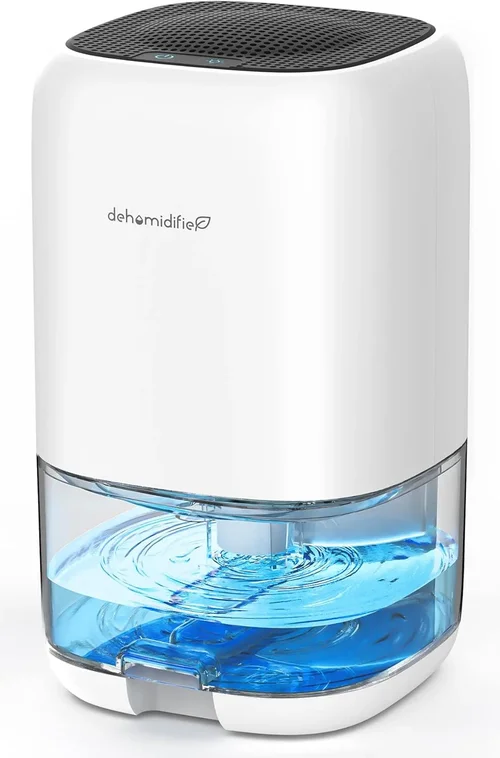
Expert Tips for Getting the Best Deal
- Buy off-season: Dehumidifiers are cheapest in late fall and winter (October–February) when demand drops. Retailers clear inventory before spring humidity hits. You can save 20–30% compared to summer prices.
- Shop major retailers: Home Depot, Lowe’s, Best Buy, and Costco often price-match and offer free delivery or in-store pickup. Amazon provides fast shipping and easy returns, but verify seller authenticity.
- Look for bundle deals: Some brands offer discounts when you buy a dehumidifier with an air purifier or hygrometer. Check manufacturer websites for seasonal promotions.
- Check for rebates: Utility companies in humid states (Florida, Louisiana, Texas) sometimes offer rebates for ENERGY STAR dehumidifiers. Visit dsireusa.org to search local incentives.
- Read return policies carefully: Ensure you have at least 30 days to test the unit. Some retailers charge restocking fees for opened appliances.
- Test before committing: Run the dehumidifier for a week in your intended location. Monitor noise, tank fill rate, and humidity levels. If it’s not performing, return it promptly.
- Consider refurbished models: Certified refurbished units from reputable sellers (e.g., Frigidaire Factory Certified) come with warranties and can save you 25–40% off retail.
- Don’t skip the manual: Even experienced users benefit from reading setup instructions—proper initialization ensures optimal performance and longevity.

Frequently Asked Questions
Q: What humidity level should I set my dehumidifier to?
A: For most homes, aim for 40–50% relative humidity. In winter, reduce to 30–40% to prevent condensation on windows. Use a hygrometer to confirm readings, as built-in sensors can drift over time.
Q: How often should I empty the water tank?
A: It depends on humidity and tank size. In high-moisture areas, a 10-pint tank may fill daily. Check every 12–24 hours initially. If using continuous drainage, you can ignore tank emptying altogether.
Q: Can a dehumidifier help with allergies?
A: Yes! By reducing humidity below 50%, you inhibit mold, dust mites, and mildew—common allergens. Pair with an air purifier for best results.
Q: Is it safe to run a dehumidifier all the time?
A: Absolutely, if set correctly. Modern units are designed for continuous operation. Just ensure proper maintenance and ventilation around the unit.
Q: Do dehumidifiers use a lot of electricity?
A: It varies. A 50-pint ENERGY STAR model uses about 500–700 watts. Running 12 hours/day costs roughly $15–$25/month, depending on local rates. Look for units with low wattage per pint removed.
Q: Can I use a dehumidifier in an unheated basement?
A: Only if it’s a desiccant model or a compressor unit rated for low temperatures (check the manual). Most refrigerant dehumidifiers lose efficiency below 60°F.
Q: Should I close doors and windows when using a dehumidifier?
A: Yes, for maximum efficiency. Treating a sealed room allows the unit to reach target humidity faster and reduces workload. Open windows reintroduce moist outdoor air.
Q: How do I clean my dehumidifier?
A: Unplug the unit. Wash the filter with mild soap and water monthly. Wipe the tank with vinegar solution weekly to prevent mold. Vacuum coils gently every 3–6 months.
Q: What’s the difference between a dehumidifier and an air conditioner?
A: Both remove moisture, but ACs primarily cool air and only dehumidify as a byproduct. Dehumidifiers focus solely on moisture removal and don’t lower temperature, making them ideal for humid but mild climates.
Q: Can a dehumidifier prevent foundation damage?
A: Indirectly, yes. Excess moisture in basements or crawl spaces can lead to wood rot, rust, and structural weakening. Proper dehumidification helps maintain a stable environment and protects your home’s integrity.
Our Final Recommendations
Best for Budget-Conscious Buyers: hOmeLabs 30 Pint Dehumidifier – At under $200, it delivers reliable performance, a large 0.8-gallon tank, and quiet operation. Perfect for small to medium rooms with moderate humidity.
Best Overall Value: Frigidaire FFAD7033R1 70 Pint – AHAM-certified, ENERGY STAR rated, with continuous drainage, washable filter, and a robust build. Handles large basements effortlessly and costs under $400.
Best Premium Option: GE APER50LZ Smart Dehumidifier – Wi-Fi enabled, works with Alexa/Google, includes a built-in pump and remote sensor. Ideal for tech-savvy users who want hands-off humidity management.
Best for Beginners: Tosot 50 Pint Dehumidifier – Simple controls, intuitive display, and excellent customer support. Great first dehumidifier with room to grow.
Best for Advanced Users: AprilAire E080 Pro Whole-House Dehumidifier – Integrates with HVAC, removes up to 80 pints/day, and includes professional monitoring. For those serious about indoor air quality and home preservation.
Conclusion: Making the Right Choice
Choosing the right dehumidifier isn’t just about picking the biggest or most expensive model—it’s about matching the appliance to your home’s unique needs, climate, and lifestyle. By understanding key factors like capacity, humidity settings, drainage options, and long-term maintenance, you can avoid common pitfalls and invest wisely in a unit that delivers lasting comfort and protection. Remember, the goal isn’t to eliminate all moisture, but to maintain a healthy, balanced indoor environment where your family can breathe easier and your home stays structurally sound.
Take the time to assess your space, read real user reviews, and prioritize features that matter most to you—whether that’s smart controls, whisper-quiet operation, or hassle-free drainage. With the insights from this guide, you’re now equipped to navigate the 2026 dehumidifier market with confidence. Don’t wait until mold appears or allergies flare—act proactively. Your home, your health, and your peace of mind are worth it.