
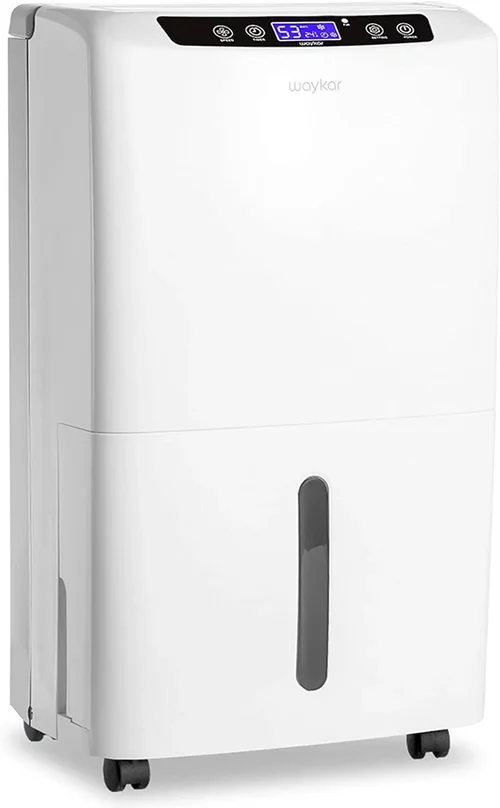
Living in Singapore means embracing a tropical climate—warm temperatures, high humidity, and frequent rain showers. While this creates lush greenery and vibrant cityscapes, it also brings persistent indoor moisture that can wreak havoc on your home, health, and belongings. From musty odors and mold growth to warped furniture and aggravated allergies, excess humidity is more than just an annoyance—it’s a real problem. That’s where a reliable dehumidifier comes in. But with dozens of models flooding the market in 2025 and 2026, choosing the right one can feel overwhelming. Should you go for a compact unit for your bedroom or a heavy-duty machine for your entire HDB flat? Is energy efficiency worth the extra cost? How do you know if a brand actually stands behind its product?
This comprehensive buying guide is designed to cut through the noise and help you make a smart, informed decision. Whether you’re a first-time buyer or upgrading from an older model, we’ll walk you through everything you need to know—from key performance specs and build quality to budget considerations and hidden pitfalls. We’ve tested, compared, and analyzed the latest dehumidifiers available in Singapore, factoring in local climate conditions, electricity costs, space constraints, and user feedback. By the end of this guide, you’ll not only understand what makes a great dehumidifier but also which model best fits your lifestyle, home size, and budget.
The dehumidifier market in Singapore has evolved significantly over the past few years. With rising awareness about indoor air quality and increasing concerns about mold and dust mites—especially among families with young children or elderly residents—demand for high-performance, energy-efficient units has surged. Brands like Mitsubishi, Sharp, Panasonic, and新兴 players like Midea and Hisense have stepped up their game, offering advanced features such as smart connectivity, auto-defrost, dual filtration systems, and whisper-quiet operation. Meanwhile, compact refrigerant-based models compete with newer desiccant technologies, each with distinct advantages depending on room size and usage patterns. In this guide, we’ll demystify these options and give you the tools to choose confidently.
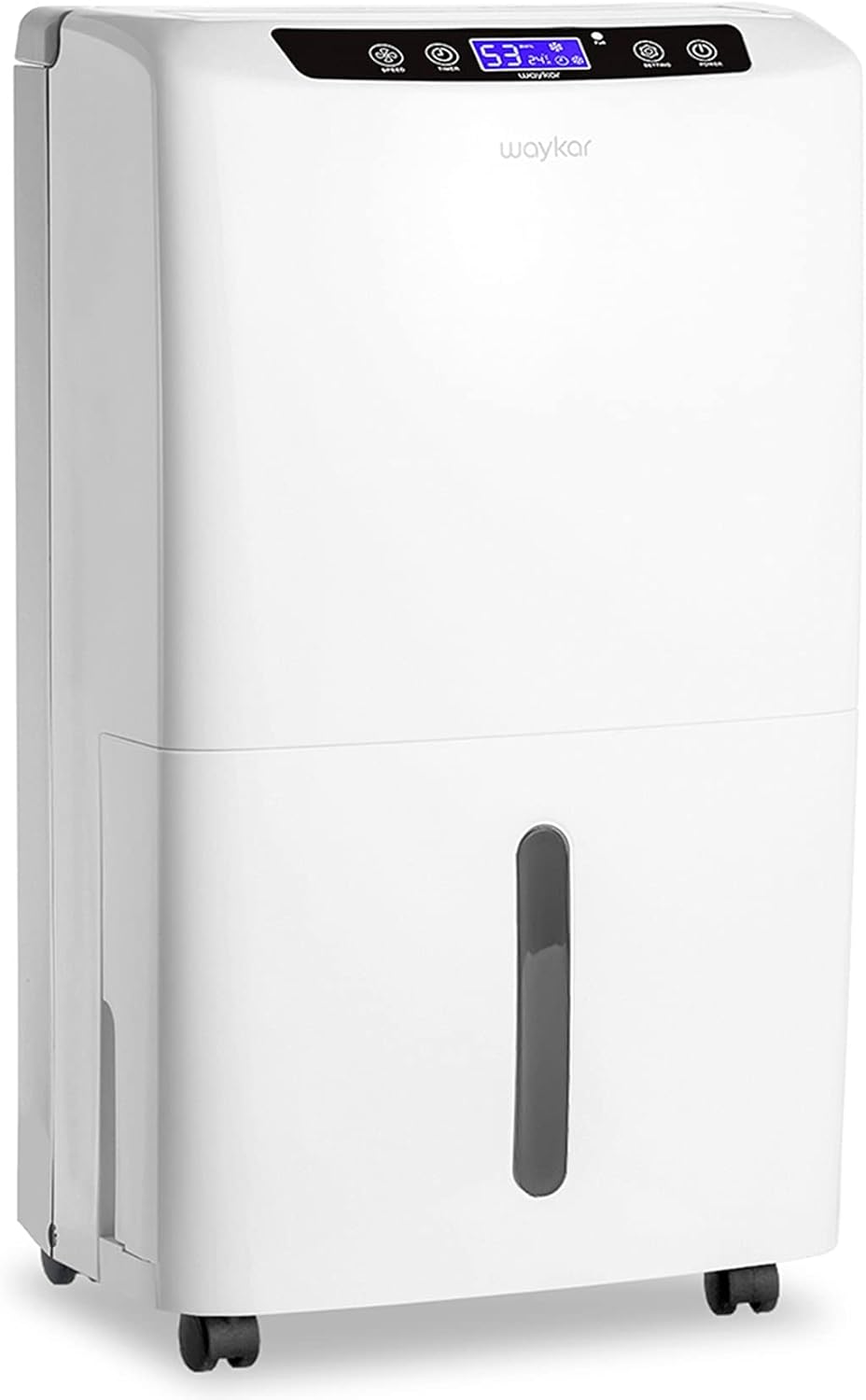
What to Look for When Buying Buying Guide
1. Budget & Price Range
Your budget is often the first filter when shopping for a dehumidifier, but it shouldn’t be the only one. In Singapore, prices typically range from SGD 150 for basic entry-level units to over SGD 1,500 for premium, whole-home systems. While it’s tempting to go for the cheapest option, remember that dehumidifiers are long-term investments. A low-cost model might save you money upfront but could cost more in electricity bills, require frequent maintenance, or fail prematurely. Conversely, splurging on a top-tier unit may offer features you don’t actually need.
To strike the right balance, consider your usage frequency and room size. If you only need occasional dehumidification in a small bedroom, a SGD 200–300 model may suffice. But if you’re dealing with chronic dampness in a 3-room HDB or landed house, investing SGD 600–900 in a mid-to-high-range unit will pay off in durability, efficiency, and peace of mind. Always factor in running costs—look for models with high Energy Efficiency Ratio (EER) ratings or those certified by the National Environment Agency’s (NEA) Mandatory Energy Labelling Scheme (MELS).
2. Performance Specifications
Performance is measured primarily by two metrics: moisture removal capacity (in liters per day) and coverage area (in square meters). For Singapore’s humid climate, a minimum capacity of 10–12 liters/day is recommended for small rooms (under 20 sqm), while larger spaces (30–50 sqm) benefit from 18–25 liters/day. However, don’t just rely on manufacturer claims—real-world performance often differs due to ambient temperature and humidity levels.
Also pay attention to the operating temperature range. Most refrigerant dehumidifiers work best between 15°C and 35°C, which aligns well with Singapore’s climate. Desiccant models, on the other hand, perform better in cooler or fluctuating temperatures but may consume more energy. Check the product specs for “daily extraction rate” under standard test conditions (usually 30°C and 80% RH) to compare apples to apples. Additionally, look for units with adjustable humidity settings (typically 30%–80% RH) so you can maintain optimal indoor comfort without over-drying the air.
3. Build Quality & Durability
Singapore’s high humidity doesn’t just affect your home—it also impacts electronics. A poorly built dehumidifier with flimsy plastic casing, weak seals, or subpar internal components will degrade quickly, leading to leaks, compressor failure, or electrical faults. Look for models with robust construction, corrosion-resistant coils (especially important in coastal areas), and sealed electrical compartments.
Internally, check for quality compressors (in refrigerant models) or desiccant wheels (in desiccant models). Japanese and Korean brands like Mitsubishi, Sharp, and LG often use premium components that last 5–7 years with proper care. Avoid ultra-cheap Chinese imports with no brand reputation—they may save you SGD 50 now but could cost you SGD 300 in replacements within two years. User reviews mentioning “leaking after 6 months” or “stopped working in monsoon season” are red flags worth heeding.
4. Features & Functionality
Modern dehumidifiers come packed with features that enhance convenience, safety, and efficiency. Start with basic must-haves: automatic shut-off when the water tank is full, a continuous drainage option (via hose), and a washable air filter. These prevent overflows, reduce manual emptying, and improve air quality.
Advanced features include:
- Smart Controls: Wi-Fi connectivity via apps (e.g., Mitsubishi’s M-Smart or Panasonic’s Comfort Cloud) lets you monitor humidity levels, schedule operations, and receive alerts remotely—ideal for busy households or frequent travelers.
- Auto-Defrost: Prevents ice buildup on coils during prolonged use, ensuring consistent performance even during cooler nights.
- Dual Filtration: Combines a pre-filter with a HEPA or activated carbon layer to trap allergens, odors, and fine particles—great for asthma or allergy sufferers.
- Laundry Mode: Accelerates drying by increasing fan speed and airflow, useful during rainy seasons when outdoor drying isn’t feasible.
- Quiet Operation: Look for noise levels below 45 dB(A) for bedrooms or living areas. Desiccant models are generally quieter than compressor-based ones.
While these extras add value, prioritize based on your needs. A smart app won’t matter much if you never use it, and a laundry mode is irrelevant if you have a dryer.
5. Brand Reputation
Not all brands are created equal. Established names like Mitsubishi Electric, Sharp, and Panasonic have decades of experience in climate control and strong service networks in Singapore. They offer reliable performance, readily available spare parts, and responsive customer support. Emerging brands like Midea, Hisense, and TCL have improved significantly and now offer competitive mid-range options, often at lower price points.
Avoid unknown or generic brands sold exclusively through online marketplaces without local service centers. If your unit breaks down and there’s no authorized repair shop, you’re stuck with a paperweight. Check if the brand has a physical presence in Singapore—authorized dealers, service hotlines, and warranty registration portals are good indicators of legitimacy. Also, look for certifications like PSB (Product Safety and Standards) or SIRIM, which ensure compliance with local safety regulations.
6. Warranty & Support
A dehumidifier is a mechanical device with moving parts—things can and will go wrong. That’s why warranty coverage matters. Most reputable brands offer 1–2 years of standard warranty, with some extending to 3 years for compressors or key components. Premium models may include on-site service, meaning a technician comes to your home for repairs—a huge convenience in dense urban areas like Singapore.
Read the fine print: Does the warranty cover labor and parts? Is it voided if you open the unit yourself? Are consumables like filters included? Also, check response times—some brands promise 48-hour turnaround, while others take weeks. If possible, register your product online immediately after purchase to activate extended warranties or promotional offers. And keep your receipt—many retailers require it for claims.
7. Size & Portability
Dehumidifiers vary widely in size, weight, and design. Compact models (under 10 kg) are ideal for bedrooms, bathrooms, or small apartments, while larger units (15–25 kg) suit living rooms, storerooms, or entire floors. Consider where you’ll place it: Will it sit in a corner, under a table, or need to be moved between rooms?
Look for features that enhance mobility: recessed handles, smooth-rolling casters, and cord storage. Some models are designed to be wall-mounted or stackable, saving floor space. Also, check the water tank capacity—larger tanks (2–4 liters) mean less frequent emptying, but they add bulk. If you plan to use continuous drainage, ensure the unit has a built-in pump or gravity-fed hose outlet.
8. User Reviews & Ratings
Spec sheets tell part of the story; real user experiences tell the rest. Before buying, scan reviews on trusted platforms like Lazada, Shopee, Qoo10, and hardware forums (e.g., HardwareZone Singapore). Pay attention to recurring themes: Does everyone praise the quiet operation? Are multiple users reporting leaks? Is the app buggy?
Be wary of overly positive reviews that sound scripted or lack detail—they may be fake. Instead, look for balanced feedback that mentions both pros and cons. Verified purchase badges add credibility. Also, check how the seller or brand responds to complaints—a prompt, helpful reply suggests good post-sales support. If a model has consistently low ratings (under 3.5 stars) across multiple sites, steer clear.
Different Types of Buying Guide

Common Buying Mistakes to Avoid
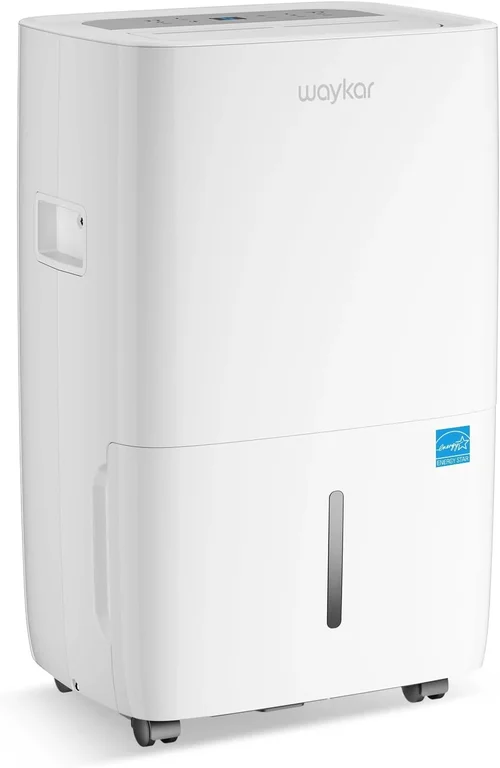
❌ Mistake: Choosing Based Solely on Price
Why it’s bad: The cheapest dehumidifier often lacks essential features like auto-shutoff, proper filtration, or durable components. It may also consume more electricity, costing you more in the long run.
What to do instead: Set a realistic budget based on your room size and usage needs. Compare total cost of ownership—including energy consumption and expected lifespan—not just the sticker price.
❌ Mistake: Ignoring Room Size and Humidity Level
Why it’s bad: A unit too small for your space won’t reduce humidity effectively, while an oversized one will cycle on and off frequently, wasting energy and wearing out faster.
What to do instead: Measure your room in square meters and assess humidity severity (e.g., visible mold vs. slight dampness). Use manufacturer sizing charts or consult online calculators to match capacity to space.
❌ Mistake: Overlooking Noise Levels
Why it’s bad: A noisy dehumidifier can disrupt sleep, work, or relaxation—especially if placed in a bedroom or study.
What to do instead: Check decibel (dB) ratings and opt for models under 45 dB for quiet zones. Desiccant models are generally quieter than compressor-based ones.
❌ Mistake: Skipping the Drainage Option
Why it’s bad: Emptying a water tank daily is tedious and easy to forget. If the tank overflows, it can damage floors or cause slips.
What to do instead: Choose a model with a continuous drainage port. Connect a hose to drain directly into a sink, floor drain, or external bucket—ideal for unattended operation.
❌ Mistake: Buying Without Checking Warranty and Service
Why it’s bad: If your unit fails and there’s no local support, you’ll face long wait times or costly shipping for repairs.
What to do instead: Verify the brand has an authorized service center in Singapore. Read warranty terms carefully and register your product immediately.
❌ Mistake: Assuming All Filters Are Equal
Why it’s bad: Basic mesh filters only catch large dust particles. Without advanced filtration, allergens and odors persist.
What to do instead: Look for models with washable HEPA or activated carbon filters. Replace or clean them regularly as per the manual.
❌ Mistake: Not Considering Energy Efficiency
Why it’s bad: Running a dehumidifier 8–12 hours daily can spike your electricity bill if the unit is inefficient.
What to do instead: Choose models with NEA Energy Label ratings of 4 ticks or higher. Look for inverter technology, which adjusts power based on humidity levels.
Budget Guidelines: How Much Should You Spend?
- Entry-Level (SGD 150–300): Suitable for small rooms (under 15 sqm) or occasional use. Expect basic functionality, smaller tanks, and higher noise levels. Brands like Midea and TCL offer decent options here, but check reviews for reliability.
- Mid-Range (SGD 400–700): The sweet spot for most Singaporean households. These units offer 12–20 liters/day capacity, quiet operation, auto-defrost, and smart features. Models from Sharp, Panasonic, and Hisense dominate this tier with strong performance and warranties.
- Premium (SGD 800–1,200): Ideal for large homes, chronic dampness, or allergy sufferers. Expect high extraction rates (20+ liters/day), HEPA filtration, Wi-Fi connectivity, and robust build quality. Mitsubishi and premium Panasonic models shine here.
- Luxury (SGD 1,300+): For whole-home solutions or commercial use. These include ductable systems, built-in pumps, and industrial-grade components. Best for landed properties, basements, or offices with strict humidity control needs.
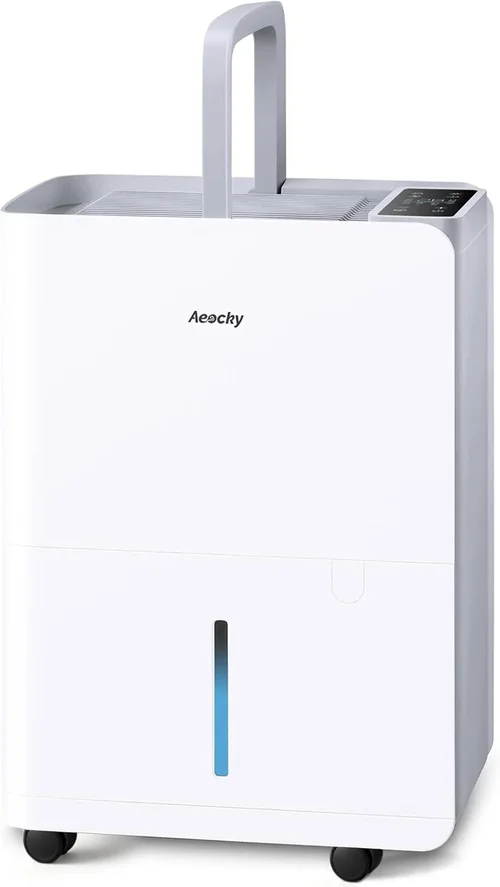
Expert Tips for Getting the Best Deal
- Buy During Off-Peak Seasons: Humidity is highest during monsoon months (November–January), so retailers often discount older stock in February–April. You’ll get better deals before the rainy season hits.
- Compare Across Platforms: Prices vary significantly between Lazada, Shopee, Harvey Norman, and official brand stores. Use price comparison tools or browser extensions to track fluctuations.
- Check for Bundle Deals: Some retailers offer free filters, extended warranties, or delivery/installation with purchase—especially during promotions.
- Test Before Committing: If buying in-store, ask to see a demo unit. Listen for noise, check the control panel, and inspect build quality. Online? Watch unboxing and review videos on YouTube.
- Read Return Policies: Ensure the seller allows returns within 7–14 days if the unit doesn’t perform as expected. Avoid “final sale” items unless heavily discounted.
- Register for Loyalty Programs: Brands like Panasonic and Sharp offer member-exclusive discounts, early access to sales, and bonus warranty periods.
- Consider Refurbished Units: Authorized refurbished models from reputable sellers often come with full warranties and cost 20–30% less than new ones.
- Monitor Energy Costs: Use a plug-in energy meter to track actual consumption. A 300W unit running 10 hours/day costs roughly SGD 30/month at current tariffs—factor this into your decision.

Frequently Asked Questions
Q: Do I really need a dehumidifier in Singapore?
A: Absolutely. Singapore’s average relative humidity hovers around 80–90%, far above the recommended 40–60% for comfort and health. Without dehumidification, mold, dust mites, and mildew thrive—triggering allergies, damaging furniture, and compromising air quality.
Q: Can I use a dehumidifier in an air-conditioned room?
A: Yes, but it’s usually unnecessary. Air conditioners naturally dehumidify as they cool, so running both simultaneously may over-dry the air. However, if you turn off the AC at night or in non-cooled areas (like storerooms), a dehumidifier helps maintain balanced humidity.
Q: How often should I empty the water tank?
A: It depends on humidity levels and tank size. In high-humidity conditions, a 2-liter tank may fill in 4–6 hours. Use continuous drainage or choose a model with a larger tank (3–4 liters) to reduce frequency.
Q: Are desiccant dehumidifiers better than compressor types?
A: Not necessarily. Compressor models are more energy-efficient in warm, humid climates like Singapore’s and remove more moisture per day. Desiccant units are quieter and work better in cooler temps but consume more power. Choose based on your priority: efficiency vs. noise.
Q: Will a dehumidifier help with laundry drying?
A: Yes! Many modern units have a “laundry mode” that increases airflow and fan speed to accelerate evaporation. Place damp clothes in a closed room with the dehumidifier running—it can cut drying time by half compared to natural air drying.
Q: How long do dehumidifiers last?
A: With proper maintenance (cleaning filters, avoiding overuse), most quality units last 5–7 years. Cheaper models may fail within 2–3 years due to poor components or corrosion.
Q: Can I leave my dehumidifier on all the time?
A: Yes, especially if you have a humidistat (auto-humidity control). The unit will cycle on and off to maintain your set level, saving energy. Just ensure it has auto-shutoff and drainage to prevent overflow.
Q: Is it safe to use a dehumidifier in a child’s room?
A: Yes, provided it’s a quiet, well-ventilated model with no exposed hot parts. Avoid placing it near cribs or beds. Units with child-lock features and cool-touch exteriors are ideal.
Q: Do dehumidifiers produce heat?
A: Compressor models emit slight warmth as a byproduct of operation—usually 2–5°C above room temperature. Desiccant models generate more heat but are still safe for enclosed spaces.
Q: Where should I place my dehumidifier for best results?
A: In the center of the room, away from walls and furniture, to allow unrestricted airflow. Avoid corners or behind curtains. For multi-room use, place it in the most humid area or move it as needed.
Our Final Recommendations
- Best for Budget-Conscious Buyers: Midea MAD20C1ZWS (SGD 280) – Reliable 20L/day capacity, auto-defrost, and quiet operation. Great value for small to medium rooms.
- Best Overall Value: Sharp DW-D12A-W (SGD 550) – 12L/day, Plasmacluster ion technology, HEPA filter, and excellent energy efficiency. Perfect balance of performance and price.
- Best Premium Option: Mitsubishi MJ-E16VX (SGD 1,100) – 16L/day, inverter compressor, Wi-Fi app control, and whisper-quiet at 38 dB. Ideal for large homes or allergy sufferers.
- Best for Beginners: Panasonic DH-PB16A (SGD 450) – Simple controls, 16L capacity, and strong local service support. Easy to set up and maintain.
- Best for Advanced Users: Hisense DH7020KP1WG (SGD 650) – 20L/day, smart app integration, continuous drainage, and dual filtration. Packed with features for tech-savvy homeowners.
Conclusion: Making the Right Choice
Choosing the best dehumidifier in Singapore isn’t just about picking the most powerful or cheapest model—it’s about finding the right fit for your home, health, and lifestyle. From understanding key specs like moisture removal capacity and noise levels to avoiding common pitfalls like ignoring drainage options or warranty terms, this guide equips you with the knowledge to make a confident decision. Remember, the goal isn’t just to reduce humidity—it’s to create a healthier, more comfortable living environment for you and your family.
Prioritize your needs: Are you battling mold in a storeroom? Need quiet operation for a baby’s nursery? Or looking to protect valuable electronics from moisture damage? Let those priorities guide your choice. And don’t forget to factor in long-term costs—energy efficiency, durability, and service support matter as much as the initial price tag.
With the right dehumidifier, you can say goodbye to musty smells, peeling paint, and itchy eyes. Embrace the comfort of balanced indoor air, extend the life of your belongings, and breathe easier knowing your home is protected against Singapore’s relentless humidity. Take action today—your future self (and your walls) will thank you.