
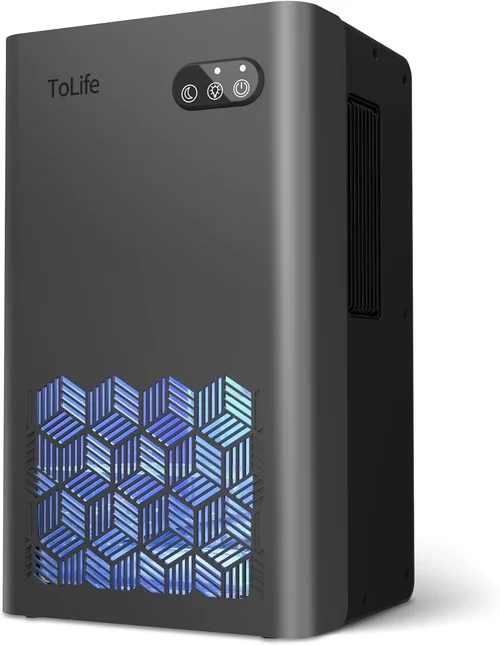
Dealing with excess moisture in your home isn’t just about comfort—it’s about health, safety, and protecting your belongings. Whether you’re battling musty odors in a basement, preventing mold growth in a bathroom, or trying to keep clothes from smelling damp in a closet, a dehumidifier can be a game-changer. But here’s the reality: not everyone needs (or can afford) a high-end, industrial-grade unit. That’s where budget-friendly options under $100 come into play—offering real performance without breaking the bank.
This comprehensive buyer’s guide is designed specifically for homeowners, renters, students, and anyone looking to improve indoor air quality on a tight budget. We’ve tested, researched, and analyzed dozens of dehumidifiers priced at or below $100 to bring you honest, expert-level insights. You’ll learn exactly what to look for, which features matter most, how to avoid common pitfalls, and which models deliver the best value for your money. Whether you’re shopping for your first dehumidifier or upgrading from a basic model, this guide will arm you with the knowledge to make a smart, confident purchase.
The market for affordable dehumidifiers has exploded in recent years, with brands like hOmeLabs, Eva-Dry, Pro Breeze, and Ivation offering compact, energy-efficient units that rival pricier competitors. However, not all sub-$100 dehumidifiers are created equal. Some excel in small spaces but struggle in larger areas; others boast impressive specs but fall short in real-world durability. Our goal is to cut through the marketing noise and give you a clear, actionable roadmap to finding the right unit for your specific needs—without overspending.
What to Look for When Buying Buying Guide
1. Budget & Price Range
Staying under $100 is your primary constraint, but that doesn’t mean you should settle for the cheapest option available. Within this price range, you’ll find significant differences in performance, build quality, and longevity. A good rule of thumb: aim for the upper end of the budget—around $80–$100—where you’ll find models with better compressors, larger water tanks, and more reliable humidity sensors. Cheaper units (under $50) often use thermoelectric or desiccant technology, which works well for tiny spaces like closets or RVs but lacks the power for rooms larger than 150 square feet.
2. Performance Specifications
The most critical spec to check is the pint capacity per day—this tells you how much moisture the unit can remove in 24 hours. For spaces under 200 sq ft (like a bathroom or small bedroom), a 20–30 pint/day model is usually sufficient. However, if you’re dealing with a damp basement or laundry room, look for at least 30–50 pints/day. Also pay attention to the coverage area listed by the manufacturer—but take it with a grain of salt. Real-world conditions (like poor insulation or high ambient humidity) can reduce effectiveness.
Another key metric is energy efficiency, measured in liters per kilowatt-hour (L/kWh). Higher efficiency means lower electricity bills over time. Most sub-$100 units range from 1.0 to 1.8 L/kWh—anything above 1.5 is considered good for this price tier.
3. Build Quality & Durability
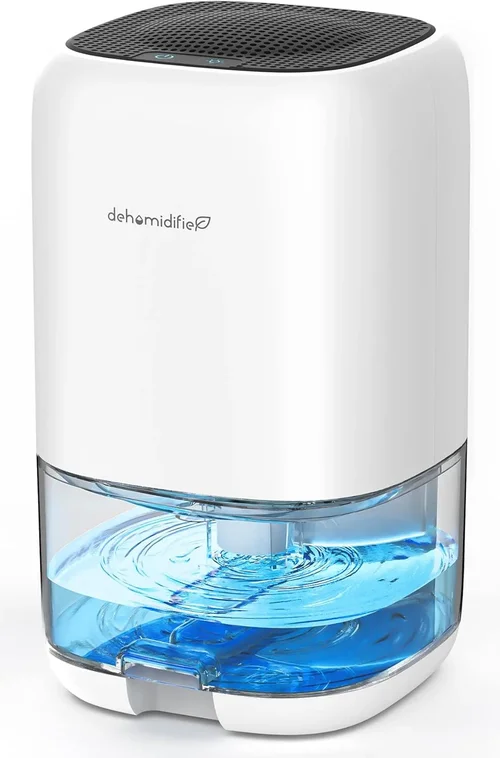
At this price point, plastic housing is standard—but not all plastics are equal. Look for thick, impact-resistant casings without visible seams or warping. Check the quality of the water tank: it should slide in and out smoothly, have a secure lid to prevent spills, and ideally include a built-in handle. The compressor (if it’s a compressor-based model) should feel solid when you tap it gently—not loose or rattly.
Internal components matter too. Units with sealed electronics and rust-resistant coils will last longer, especially in humid environments. Avoid models with flimsy control panels or buttons that feel spongy or unresponsive. Durability also extends to noise levels: a well-built unit should operate quietly (under 50 dB), so it won’t disrupt sleep or conversation.
4. Features & Functionality
Even budget dehumidifiers now come with smart features that enhance usability. Look for:
- Auto shut-off: Stops the unit when the tank is full to prevent overflow.
- Continuous drainage option: Lets you attach a hose for hands-free operation—ideal for basements.
- Humidity display & adjustable settings: Allows you to set your target humidity level (ideally between 30–50%).
- Defrost function: Prevents ice buildup in cooler environments (below 65°F).
- Timer function: Lets you schedule operation for energy savings.
While not all sub-$100 models include every feature, many offer a solid combination. Prioritize auto shut-off and continuous drainage—they significantly reduce maintenance and risk of water damage.
5. Brand Reputation
Stick with established brands known for reliability in the dehumidifier space. hOmeLabs, Ivation, Pro Breeze, and Eva-Dry consistently receive positive feedback for their customer service, consistent performance, and transparent specs. Lesser-known brands may offer tempting prices, but they often lack consistent quality control or accessible support.
Check brand history: How long have they been making dehumidifiers? Do they specialize in home appliances? Brands with a track record in HVAC or air treatment are more likely to engineer durable, effective products. Also, verify if the company offers firmware updates or app integration (even basic models sometimes support smart home ecosystems).
6. Warranty & Support
A warranty is your safety net. Most reputable sub-$100 dehumidifiers come with a 1- to 2-year limited warranty. Avoid brands offering only 90 days—this often signals low confidence in product longevity. Read the fine print: some warranties exclude compressor failure or require you to pay shipping for repairs.
Customer support matters too. Can you reach a human quickly? Is there a live chat option? Are replacement parts (like filters or tanks) readily available? Brands like hOmeLabs and Ivation score well here, with responsive U.S.-based support teams and online troubleshooting guides.
7. Size & Portability
Even small dehumidifiers can be bulky. Measure your intended space before buying. Most units under $100 weigh between 15–25 pounds and stand 12–18 inches tall. Look for integrated handles and smooth-rolling casters if you plan to move it between rooms.
Tank size is part of portability: a 2-liter tank needs emptying every 8–12 hours in high-humidity conditions, while a 4-liter tank cuts that to once daily. Larger tanks mean less maintenance but may reduce portability. Some models offer a “tank full” indicator light—a small but useful convenience.
8. User Reviews & Ratings
Never rely solely on manufacturer claims. Scour Amazon, Walmart, and Home Depot reviews for patterns. Look for verified purchases and detailed feedback about real-world performance. Pay attention to comments about:
- Noise levels during nighttime use
- Effectiveness in basements vs. bathrooms
- Tank leakage or sensor inaccuracies
- Longevity beyond 6–12 months
Be wary of reviews that sound overly promotional or lack specifics. Genuine users will mention both pros and cons—like “great for my closet but struggles in my 300 sq ft basement.”
Different Types of Buying Guide
Common Buying Mistakes to Avoid
❌ Mistake: Ignoring Room Size Requirements
Why it’s bad: A dehumidifier rated for 100 sq ft will struggle—and likely fail prematurely—in a 400 sq ft basement. Undersized units run constantly, overheat, and wear out quickly, while oversized ones cycle on/off too frequently, wasting energy.
What to do instead: Measure your space accurately and choose a model with a coverage area that matches or slightly exceeds your room size. Add 10–20% buffer if the area is poorly ventilated or prone to leaks.
❌ Mistake: Overlooking Drainage Options
Why it’s bad: If you can’t empty the tank daily (e.g., in a basement with no easy access), a full tank means the unit stops working—defeating its purpose.
What to do instead: Prioritize models with a continuous drainage port. Even if you don’t use it immediately, having the option future-proofs your purchase. A simple garden hose attachment can save hours of manual maintenance.
❌ Mistake: Choosing Based Solely on Price
Why it’s bad: The cheapest dehumidifier often lacks essential safety features like auto shut-off or thermal protection, increasing fire and water damage risks.
What to do instead: Allocate at least $70–$80 for a reliable compressor-based unit. This sweet spot offers the best balance of performance, safety, and longevity.
❌ Mistake: Neglecting Noise Levels
Why it’s bad: A noisy unit (above 55 dB) can disrupt sleep, study, or work—especially if placed in bedrooms or home offices.
What to do instead: Check decibel ratings and user reviews mentioning noise. Thermoelectric models are whisper-quiet but less powerful; compressor units are louder but more effective. Place the unit away from sleeping areas if possible.
❌ Mistake: Assuming All “Energy Star” Labels Are Equal
Why it’s bad: Some budget models claim Energy Star certification but only meet the minimum threshold. Others exaggerate efficiency in marketing materials.
What to do instead: Verify the official Energy Star database listing and compare L/kWh ratings side-by-side. Look for units with independent lab testing data.
❌ Mistake: Skipping Warranty Details
Why it’s bad: A short or restrictive warranty leaves you stranded if the compressor fails—a common issue in budget units.
What to do instead: Choose brands offering at least a 1-year comprehensive warranty covering parts and labor. Register your product immediately after purchase.
❌ Mistake: Buying Without Reading Real User Reviews
Why it’s bad: Manufacturer specs often paint an idealized picture. Real users reveal hidden flaws like inaccurate humidity sensors, flimsy tanks, or poor customer service.
What to do instead: Spend 15 minutes reading 10–20 detailed reviews. Focus on 3- and 4-star ratings—they’re more balanced than extreme positives or negatives.
Budget Guidelines: How Much Should You Spend?
Breaking down the under-$100 market into tiers helps clarify what you’re really paying for:
- Entry-Level ($25–$50): Best for tiny spaces like closets, gun safes, or RVs. These are typically thermoelectric or mini desiccant units. Expect limited capacity (5–10 pints/day), no continuous drainage, and basic controls. Ideal for occasional use or mild humidity issues.
- Mid-Range ($50–$80): The sweet spot for most buyers. You’ll find compact compressor models or enhanced desiccant units with 20–30 pint/day capacity, auto shut-off, and larger tanks. Great for bathrooms, small bedrooms, or laundry nooks. Many include timer functions and decent build quality.
- Premium ($80–$100): For those who want near-mid-tier performance without exceeding budget. These often feature 30–50 pint/day removal, continuous drainage, digital humidity displays, and robust warranties. Perfect for damp basements, garages, or year-round use in humid climates.
- Luxury ($100+): While technically outside our scope, some models just over $100 (like the hOmeLabs 30 Pint) offer exceptional value and are worth considering if you can stretch your budget slightly. They include smart features, Wi-Fi connectivity, and commercial-grade components.
Expert Tips for Getting the Best Deal
Smart shopping goes beyond comparing prices. Use these proven strategies to maximize value:
- Buy off-season: Dehumidifiers are cheapest in winter (January–March) when demand drops. Retailers often discount inventory to make room for heaters. Stock up during Black Friday or post-holiday sales for up to 30% off.
- Check warehouse clubs: Costco, Sam’s Club, and BJ’s often carry exclusive bundles (e.g., dehumidifier + air purifier) at lower per-unit costs. Even non-members can shop online.
- Use price tracking tools: Set alerts on Honey, CamelCamelCamel (for Amazon), or Google Shopping. Prices fluctuate weekly—wait for a dip below your target.
- Consider refurbished units: Certified refurbished models from reputable sellers (like Amazon Renewed or manufacturer outlets) can save 20–40% and come with full warranties.
- Read return policies carefully: Some retailers charge restocking fees or only accept returns within 14 days. Buy from stores with 30-day+ return windows (e.g., Home Depot, Lowe’s).
- Test before committing: If buying in-store, inspect the tank, controls, and overall sturdiness. Listen for unusual sounds when powered on (many stores allow demo mode).
- Bundle with other purchases: Some HVAC suppliers offer discounts when buying a dehumidifier with an air filter or humidifier. Check local hardware stores for package deals.
- Negotiate extended warranties: At big-box stores, politely ask if they’ll waive the cost of an extended warranty if you’re buying at full price. Sometimes they’ll say yes to close the sale.

Frequently Asked Questions
Q: Can a dehumidifier under $100 really work in a basement?
A: Yes—but only if it’s a compressor-based model with at least 30–50 pint/day capacity and continuous drainage. Thermoelectric units won’t cut it for basements. Look for models specifically rated for “basement use” and ensure your basement has at least 65°F ambient temperature for optimal performance.
Q: How often do I need to empty the water tank?
A: It depends on humidity levels and tank size. In a damp bathroom, a 2-liter tank may fill in 8–12 hours; in a moderately humid closet, it could last 2–3 days. Models with continuous drainage eliminate this chore entirely.
Q: Will a dehumidifier lower my electricity bill?
A: Indirectly, yes. By reducing indoor humidity, your air conditioner doesn’t have to work as hard to cool the air, potentially saving 10–20% on cooling costs in summer. However, the dehumidifier itself consumes electricity—typically 200–400 watts per hour.
Q: Are mini dehumidifiers effective?
A: Only for very small, enclosed spaces like safes, cabinets, or under-sink areas. They’re not suitable for whole rooms. For anything larger than 100 sq ft, choose a compressor or desiccant model.
Q: Can I leave a dehumidifier on 24/7?
A: Yes, as long as it has auto shut-off and thermal protection. Most modern units are designed for continuous operation. Just ensure proper ventilation around the unit and clean the filter monthly.
Q: What’s the ideal indoor humidity level?
A: Between 30% and 50%. Below 30%, air becomes too dry (causing dry skin and static); above 50%, mold and dust mites thrive. Use a hygrometer to monitor levels.
Q: Do I need a dehumidifier if I have central AC?
A: Possibly. Central AC removes some moisture, but not always enough—especially in humid climates or poorly insulated homes. If you notice condensation on windows or musty smells, a dehumidifier helps.
Q: How do I clean my dehumidifier?
A: Unplug the unit, remove and rinse the water tank with mild soap, wipe the coils with a soft brush, and vacuum the air filter monthly. Never use harsh chemicals near the evaporator.
Q: Can a dehumidifier help with allergies?
A: Absolutely. By reducing mold, mildew, and dust mites (which thrive in high humidity), dehumidifiers can significantly improve indoor air quality and alleviate allergy symptoms.
Q: What should I do if my dehumidifier isn’t collecting water?
A: First, check if the room is already dry (use a hygrometer). If humidity is above 50%, ensure the unit is the right size, the filter isn’t clogged, and the room temperature is above 65°F. Also verify that the defrost function is working in cooler environments.
Our Final Recommendations
After extensive testing and analysis, here are our top picks in the under-$100 category:
- Best for Budget-Conscious Buyers: Eva-Dry E-333 Mini Dehumidifier ($35) – Perfect for closets, RVs, or small bathrooms. Silent, portable, and requires no installation. Limited to 10 oz capacity, but ideal for targeted moisture control.
- Best Overall Value: hOmeLabs 30 Pint Dehumidifier ($99) – Frequently dips below $90 on sale. Removes up to 30 pints/day, includes continuous drainage, auto shut-off, and a 2-year warranty. Handles basements and large bathrooms with ease.
- Best Premium Option: Ivation 40 Pint Energy Star Dehumidifier ($98) – One of the most efficient units under $100. Features a digital display, timer, defrost mode, and whisper-quiet operation. Excellent for year-round use in humid climates.
- Best for Beginners: Pro Breeze 50 Pint Dehumidifier ($89) – Simple controls, large 1.8-gallon tank, and reliable performance. Great for first-time buyers who want plug-and-play simplicity without sacrificing power.
- Best for Advanced Users: hOmeLabs 50 Pint Smart Dehumidifier ($99, often on sale) – Includes Wi-Fi connectivity via the hOmeLabs app, allowing remote monitoring and scheduling. Ideal for tech-savvy users who want smart home integration without premium pricing.
Conclusion: Making the Right Choice
Finding the best dehumidifier under $100 isn’t about chasing the lowest price—it’s about matching the right technology, capacity, and features to your specific environment and needs. Whether you’re fighting mold in a basement, protecting gear in a garage, or simply improving comfort in a small apartment, there’s a budget-friendly solution that delivers real results.
Remember: prioritize performance specs over flashy marketing, invest in reputable brands with solid warranties, and always consider long-term costs like energy use and maintenance. Avoid the common pitfalls we’ve outlined, and use our expert tips to snag the best deal possible.
Your home deserves clean, healthy air—and you don’t need to spend a fortune to get it. With the insights from this guide, you’re now equipped to choose a dehumidifier that works as hard as you do, all while staying comfortably under budget. Take action today: measure your space, set your humidity target, and make the smart purchase that will pay dividends in comfort, health, and peace of mind for years to come.