
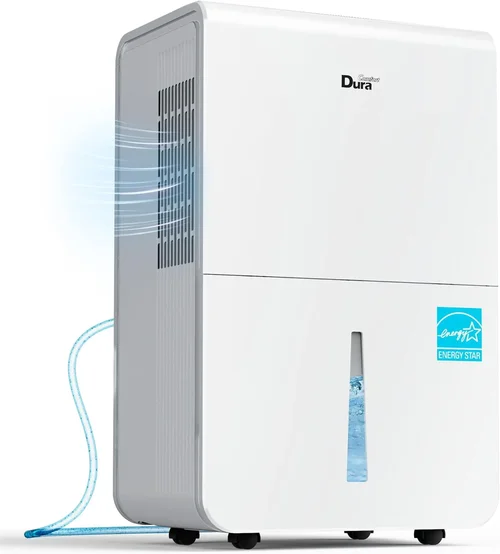
If you’ve ever walked into a basement that smells like a damp towel left in a gym bag for a week, you know how quickly excess moisture can turn a functional space into an unpleasant, even hazardous environment. High humidity doesn’t just feel sticky—it encourages mold growth, warps wood, damages electronics, and can trigger respiratory issues for sensitive individuals. That’s where a dehumidifier with a built-in pump and drain hose comes in. Unlike basic models that require you to manually empty a water tank every few hours, these advanced units automate the entire moisture removal process, making them ideal for continuous operation in basements, crawl spaces, garages, or even whole-home applications.
This comprehensive buying guide is designed for homeowners, property managers, and DIY enthusiasts who want reliable, long-term humidity control without the hassle of constant maintenance. Whether you’re dealing with seasonal dampness, chronic condensation, or post-flood recovery, choosing the right dehumidifier with a pump can make all the difference. In this guide, we’ll walk you through everything you need to know—from understanding key performance specs to comparing top brands, avoiding common pitfalls, and finding the best value for your budget. By the end, you’ll have the confidence to select a unit that not only meets your needs today but will continue performing efficiently for years to come.
The market for dehumidifiers with pumps has grown significantly in recent years, driven by increased awareness of indoor air quality and the rise of smart home integration. Today’s models offer impressive features like auto-defrost technology, energy-efficient compressors, Wi-Fi connectivity, and whisper-quiet operation—all while maintaining robust moisture extraction capabilities. However, with so many options available, it’s easy to feel overwhelmed. That’s why we’ve done the research for you, analyzing dozens of models across price ranges, capacities, and use cases. Our goal isn’t just to list products—it’s to empower you with the knowledge to make an informed decision based on your specific situation, whether you’re protecting a 500-square-foot basement or managing humidity in a multi-level home.

What to Look for When Buying Buying Guide
1. Moisture Removal Capacity (Pints per Day)
The most critical specification when choosing a dehumidifier is its moisture removal rate, measured in pints per day (PPD). This tells you how much water the unit can extract from the air in a 24-hour period under standard conditions (typically 80°F and 60% relative humidity). For most residential applications, a capacity between 30 and 70 PPD is sufficient. However, if you’re dealing with a chronically wet basement, flood damage, or high ambient humidity (like in coastal regions), you may need a commercial-grade unit capable of removing 70+ pints daily.
Don’t just go for the highest number, though. Oversized units can short-cycle—turning on and off too frequently—which reduces efficiency and shortens the compressor’s lifespan. Conversely, an undersized model will run constantly, struggle to keep up, and increase your energy bill without delivering adequate results. A good rule of thumb: for spaces under 1,000 sq. ft., aim for 30–50 PPD; for 1,000–2,500 sq. ft., choose 50–70 PPD; and for larger or severely damp areas, consider 70+ PPD models with reinforced components.
2. Pump and Drain Hose Functionality
Not all dehumidifiers with drain hoses include an internal pump—and that’s a crucial distinction. A passive drain hose relies on gravity to empty collected water into a floor drain, sink, or sump pit. This works fine if your unit is positioned lower than the drainage point, but it’s useless in basements with slab floors or elevated installations. That’s where a built-in condensate pump becomes essential.
A pump-enabled dehumidifier can actively push water upward—often up to 15 feet vertically and 100+ feet horizontally—allowing flexible placement anywhere in your home. This is especially valuable in finished basements, crawl spaces, or utility closets where gravity drainage isn’t feasible. When evaluating pump specs, check the lift height (vertical pumping capability) and flow rate (gallons per hour). Most residential pumps handle 10–20 feet of vertical lift, which is sufficient for most homes. Also, ensure the hose connection is secure and compatible with standard ⅝” or ¾” garden hoses to prevent leaks.
3. Energy Efficiency and Operating Costs
Dehumidifiers are among the most energy-intensive appliances in your home, especially if they run continuously. Running a 50-pint unit nonstop can add $30–$60 per month to your electricity bill, depending on local rates. Therefore, energy efficiency should be a top priority—not just for environmental reasons, but for long-term savings.
Look for units with the ENERGY STAR® certification, which indicates they meet strict efficiency guidelines set by the U.S. Environmental Protection Agency. ENERGY STAR dehumidifiers use 15–30% less energy than standard models. Additionally, check the Energy Factor (EF), measured in liters of water removed per kilowatt-hour (L/kWh). Higher EF values mean better efficiency—aim for at least 1.5 L/kWh for mid-range models and 2.0+ for premium units.
Some advanced models also feature variable-speed compressors or inverter technology, which adjust power output based on humidity levels rather than running at full blast all the time. These can significantly reduce energy consumption during mild conditions while still ramping up when needed.
4. Build Quality and Durability
A dehumidifier with a pump is a significant investment, so you want it to last. Cheap plastic housings, thin-gauge metal coils, and flimsy internal wiring are red flags that signal a short lifespan—especially in damp environments where corrosion is a constant threat. Opt for models with rust-resistant coatings, reinforced compressor mounts, and sealed electrical components.
Pay attention to the evaporator and condenser coils. Copper coils with hydrophilic coatings resist corrosion better than aluminum and improve heat transfer efficiency. Also, check the quality of the fan motor—brushless DC motors are quieter, more efficient, and last longer than traditional AC motors.
For commercial or heavy-duty use, consider units with all-metal cabinets and industrial-grade seals. These are built to withstand years of continuous operation in harsh conditions, such as rental properties, vacation homes, or flood-prone areas.
5. Smart Features and Automation
Modern dehumidifiers go far beyond simple on/off switches. Many now include programmable timers, humidity sensors, auto-restart after power outages, and even Wi-Fi connectivity for remote monitoring via smartphone apps. These features aren’t just conveniences—they enhance performance and user experience.
For example, a built-in humidistat allows the unit to maintain your desired humidity level (typically 40–50% for comfort and mold prevention) without over-drying the air. Auto-defrost prevents ice buildup on coils in cold environments (below 65°F), ensuring reliable operation in unheated basements or garages during winter.
Smart models let you monitor humidity levels, receive alerts when the tank is full (even if you’re away), and adjust settings from your phone. Some integrate with home automation systems like Alexa or Google Home, enabling voice control. While these features add cost, they’re worth considering if you value hands-off operation and real-time insights.
6. Noise Level and Placement Flexibility
Dehumidifiers aren’t known for being quiet—most produce between 45 and 60 decibels (dB), comparable to a quiet conversation or background music. However, in living spaces like basements converted into home theaters or offices, noise can be a dealbreaker. If low sound output is important, look for models specifically marketed as “quiet” or “whisper-quiet,” often featuring insulated cabinets, vibration-dampening mounts, and slower fan speeds.
Placement also affects noise perception. Units placed on carpet may vibrate more than those on hard surfaces, so consider using anti-vibration pads. Additionally, ensure the dehumidifier has adequate clearance (at least 6–12 inches) around vents to prevent airflow restriction, which can increase noise and reduce efficiency.
7. Warranty and Customer Support
A dehumidifier with a pump is a complex appliance with moving parts, electronics, and refrigerant systems—any of which can fail. A strong warranty is a strong indicator of manufacturer confidence in their product. Most reputable brands offer 1–2 years of coverage, but premium models often include 3–5 years, sometimes with extended compressor warranties.
Read the fine print: some warranties exclude labor costs, refrigerant leaks, or damage from improper installation. Also, check if the company provides local service centers or requires you to ship the unit back for repairs. Brands like Frigidaire, AprilAire, and Santa Fe have nationwide service networks, making support more accessible.
Customer service responsiveness matters too. Look for companies with live chat, phone support, and detailed online troubleshooting guides. Online forums and user reviews can reveal patterns—repeated complaints about unresponsive support or denied warranty claims are warning signs.
8. User Reviews and Real-World Performance
Spec sheets tell part of the story, but real-world performance tells the rest. User reviews on platforms like Amazon, Home Depot, and Reddit provide invaluable insights into reliability, ease of use, and hidden quirks. Pay attention to recurring themes: Does the pump fail after six months? Does the unit freeze up in winter? Are replacement parts readily available?
Be wary of overly positive reviews that sound scripted or lack detail. Genuine feedback often includes photos, usage scenarios, and comparisons to other models. Also, check the date of reviews—older feedback may not reflect current product revisions or quality control improvements.
Different Types of Buying Guide

Common Buying Mistakes to Avoid
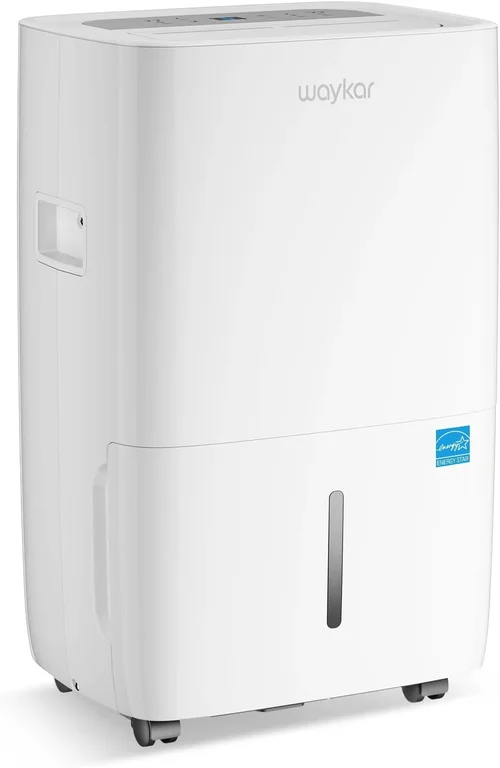
❌ Mistake: Ignoring the Need for a Pump
Why it’s bad: Many buyers assume a drain hose alone is enough, only to discover their basement has no floor drain or the unit sits above ground level. Without a pump, the hose won’t work, forcing you to manually empty the tank—defeating the purpose of automation.
What to do instead: Always verify your drainage setup before buying. If you can’t rely on gravity, insist on a model with an integrated condensate pump. It’s a small upfront cost that saves endless frustration.
❌ Mistake: Choosing Based Solely on Price
Why it’s bad: The cheapest dehumidifier often lacks essential features like a pump, has poor build quality, or consumes excessive energy. You may end up replacing it within a year, costing more in the long run.
What to do instead: Focus on total cost of ownership—including energy use, maintenance, and expected lifespan. A $400 unit that lasts 8 years is better value than a $200 model that fails in 2.
❌ Mistake: Overlooking Cold Weather Performance
Why it’s bad: Standard compressor dehumidifiers struggle in temperatures below 65°F. In unheated basements during winter, coils can freeze, causing the unit to shut down or cycle inefficiently.
What to do instead: Choose a model with auto-defrost or consider a desiccant dehumidifier if your space regularly drops below 60°F. Check the operating temperature range in the specs.
❌ Mistree: Not Checking Hose Compatibility
Why it’s bad: Some units come with proprietary hose connectors that don’t fit standard garden hoses, requiring expensive adapters or custom plumbing.
What to do instead: Confirm the drain outlet accepts ⅝” or ¾” hoses. Bring a hose to the store or check online diagrams before purchasing.
❌ Mistake: Skipping the Humidistat
Why it’s bad: Without a built-in humidistat, you can’t set a target humidity level. The unit may run nonstop, overdrying the air and wasting energy, or shut off too early, leaving moisture problems unresolved.
What to do instead: Always choose a model with an adjustable humidistat (ideally digital) so you can maintain 40–50% RH automatically.
❌ Mistake: Neglecting Maintenance Requirements
Why it’s bad: Even pump-equipped units need occasional cleaning—filters clog, coils collect dust, and pumps can fail if debris enters the system. Ignoring maintenance leads to reduced efficiency and premature failure.
What to do instead: Choose models with washable filters and easy-access panels. Set calendar reminders to clean the unit every 1–2 months during peak usage.
❌ Mistake: Buying Without Measuring the Space
Why it’s bad: Guessing room size leads to under- or over-sizing. An undersized unit won’t control humidity; an oversized one wastes money and energy.
What to do instead: Measure square footage accurately. Use a laser measurer or tape measure, and note ceiling height and insulation quality—these affect moisture load.
Budget Guidelines: How Much Should You Spend?
Entry-Level ($200–$350): These models typically offer 30–50 PPD capacity with basic pump functionality. They’re suitable for small basements or seasonal use but may lack advanced features like Wi-Fi, auto-defrost, or high-efficiency compressors. Build quality is often mixed, so prioritize brands with good warranties. Expect higher noise levels and shorter lifespans (3–5 years).
Mid-Range ($350–$600): This is the sweet spot for most homeowners. Units in this range deliver 50–70 PPD, include reliable pumps, ENERGY STAR certification, digital controls, and auto-defrost. Brands like Frigidaire, hOmeLabs, and Tosot dominate here with solid performance and decent durability. You’ll get 5–7 years of service with proper care.
Premium ($600–$1,200): Designed for demanding environments, these dehumidifiers feature inverter compressors, smart connectivity, ultra-quiet operation, and rugged construction. They’re ideal for whole-home use, rental properties, or areas with persistent moisture issues. Expect 7–10+ year lifespans and comprehensive warranties. Models from AprilAire, Santa Fe, and Dri-Eaz excel here.
Luxury ($1,200+): Reserved for commercial applications or extreme conditions, these units offer 70+ PPD, industrial-grade pumps, remote monitoring, and integration with building management systems. They’re built for 24/7 operation in warehouses, hospitals, or flood restoration projects. While overkill for most homes, they provide unmatched reliability and control.
Expert Tips for Getting the Best Deal
– Buy in Spring: Dehumidifier prices peak in summer due to high demand. Shop between February and April for the best discounts and inventory.
– Check Retailer Return Policies: Some stores offer 90-day returns—enough time to test performance in your actual environment. Avoid retailers with restocking fees.
– Look for Bundled Deals: Some manufacturers include free drain hoses, extension kits, or filter replacements with purchase. These can save $30–$50.
– Consider Refurbished Units: Certified refurbished models from reputable sellers often come with full warranties at 20–40% off retail.
– Use Price Tracking Tools: Set alerts on CamelCamelCamel (for Amazon) or Honey to catch price drops.
– Negotiate with Local HVAC Dealers: For whole-home systems, dealers may offer installation discounts or extended warranties if you bundle services.
– Verify Pump Warranty Coverage: Some brands cover only the compressor, not the pump. Ask specifically about pump warranty terms.
– Test Before Committing: If possible, run the unit for a week. Monitor noise, drainage, and humidity levels to ensure it meets expectations.

Frequently Asked Questions
Q: Can I use a dehumidifier with a pump in a crawl space?
A: Yes—in fact, it’s one of the best applications. Crawl spaces often lack floor drains, making a pump essential for continuous operation. Choose a compact, low-profile model with a high-lift pump (12+ feet) and ensure it’s rated for unconditioned spaces.
Q: How often does the pump need maintenance?
A: Most pumps require minimal upkeep. Check the pump chamber every 3–6 months for debris or mineral buildup. Flush with vinegar if clogged. Replace the pump every 5–7 years if it starts making noise or fails to lift water.
Q: Will a dehumidifier with a pump increase my electric bill significantly?
A: It depends on usage. A 50-pint ENERGY STAR model uses about 500–600 watts. Running 12 hours/day at $0.12/kWh adds ~$22/month. Use a timer or smart features to limit runtime during low-humidity periods.
Q: Can I connect the drain hose to a sump pump pit?
A: Yes, but use a check valve to prevent backflow. Ensure the sump pump can handle the additional water volume, especially during heavy rain.
Q: Do I still need a water tank if I have a pump?
A: Most pump-equipped models include a backup tank in case of power failure or pump malfunction. It’s a safety feature—don’t remove it.
Q: Are desiccant dehumidifiers better than compressor types?
A: Desiccants excel in cold, dry conditions (below 60°F) and are quieter, but they’re less energy-efficient in warm, humid climates. Compressors are better for most homes but struggle in winter without auto-defrost.
Q: How do I know if my basement needs a dehumidifier?
A: Signs include musty odors, condensation on windows or walls, peeling paint, rust on metal, or visible mold. Use a hygrometer to measure humidity—if it’s consistently above 60%, you need dehumidification.
Q: Can I run a dehumidifier continuously?
A: Yes, especially with a pump. Modern units are designed for 24/7 operation. Just ensure proper ventilation and regular filter cleaning.
Q: What’s the ideal humidity level for a basement?
A: Aim for 40–50% relative humidity. This prevents mold growth while avoiding overly dry air that can damage wood or cause static.
Q: Should I buy extended warranty coverage?
A: For mid-range and premium models, yes—especially if the manufacturer offers it at a reasonable price. For budget units, it’s usually not worth the cost.
Our Final Recommendations
Best for Budget-Conscious Buyers: hOmeLabs 50 Pint Dehumidifier with Pump – At under $400, it offers reliable 50 PPD performance, a 15-foot lift pump, and ENERGY STAR efficiency. Great for small to mid-sized basements.
Best Overall Value: Frigidaire FGPH5044T1 – This 50-pint model includes a powerful pump, auto-defrost, and a washable filter. It’s quiet, efficient, and backed by Frigidaire’s strong warranty.
Best Premium Option: AprilAire E080 Pro – A whole-home capable unit with 80 PPD capacity, Wi-Fi control, and a commercial-grade pump. Ideal for large homes or high-moisture environments.
Best for Beginners: Tosot 50 Pint Smart Dehumidifier – User-friendly app, clear display, and straightforward setup make this perfect for first-time buyers who want smart features without complexity.
Best for Advanced Users: Santa Fe Compact 70 – Designed for crawl spaces and tight areas, this 70-pint unit features a high-lift pump, rugged construction, and precise humidity control for professionals.
Conclusion: Making the Right Choice
Choosing the best dehumidifier with a pump isn’t just about picking the most powerful or feature-rich model—it’s about matching the unit to your specific environment, usage patterns, and long-term goals. Whether you’re protecting family health, preserving your home’s structural integrity, or simply reclaiming a damp basement for storage or living space, the right dehumidifier can transform your indoor air quality and peace of mind.
Remember to prioritize moisture removal capacity, pump functionality, energy efficiency, and build quality. Don’t overlook real-world reviews, warranty terms, and maintenance needs. And always consider your drainage setup—without a working pump or hose, even the best unit will fall short.
By following the guidance in this guide, you’re not just buying an appliance—you’re investing in a healthier, more comfortable home. Take your time, compare options, and don’t hesitate to reach out to manufacturers with questions. With the right dehumidifier, you’ll enjoy dry, fresh air year-round—without lifting a finger.