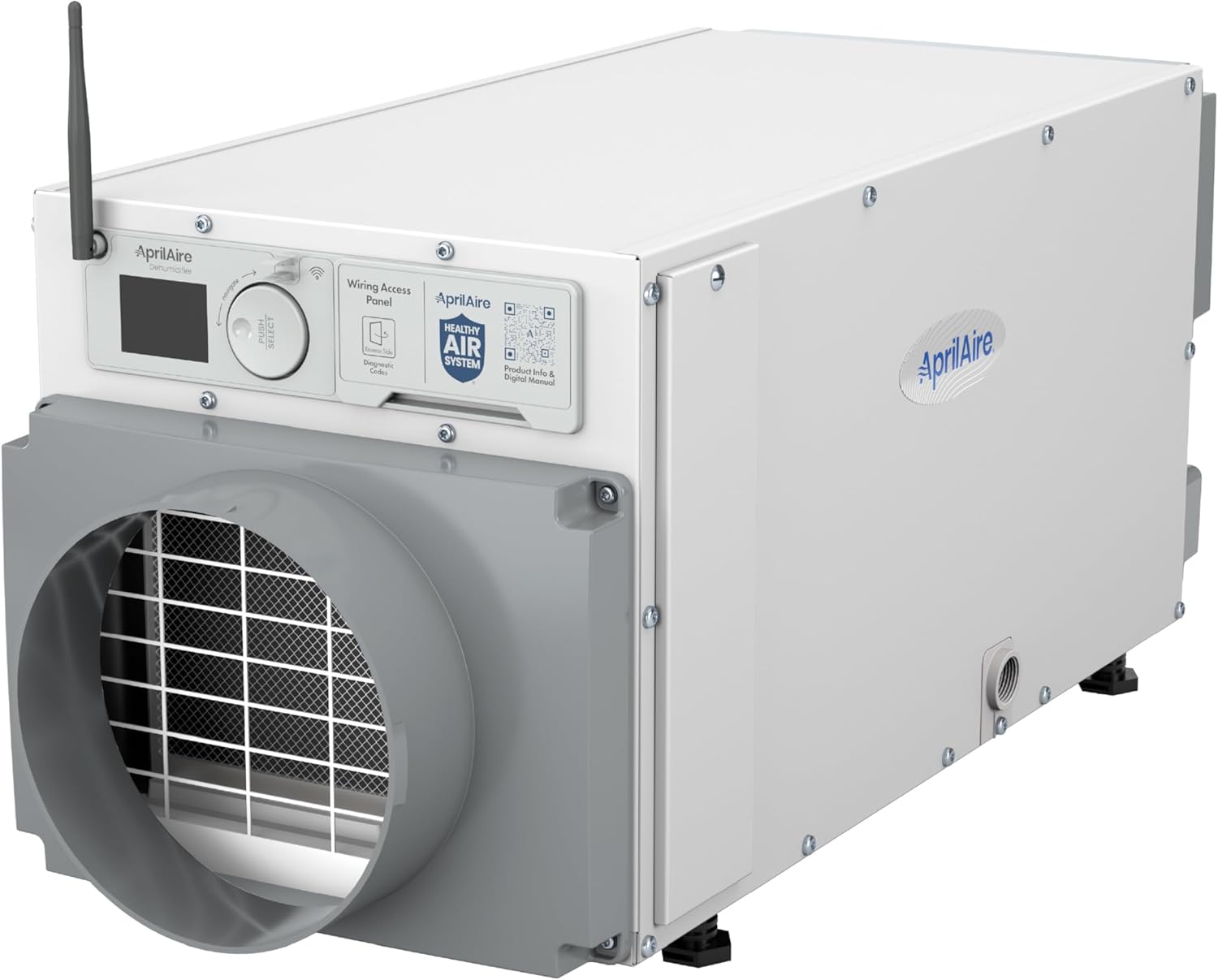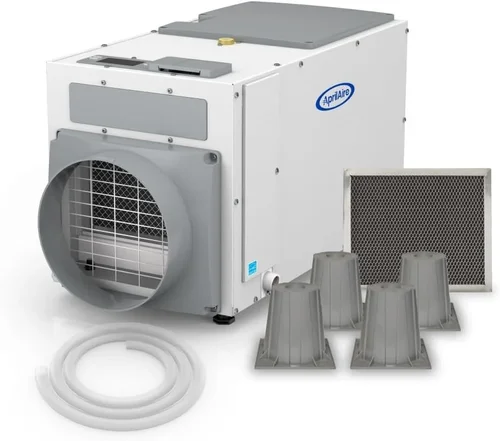
Ducted dehumidifiers are no longer just a luxury for commercial buildings or high-end homes—they’ve become essential climate control systems for anyone serious about indoor air quality, structural integrity, and long-term comfort. Whether you’re dealing with persistent dampness in a basement, protecting valuable equipment in a workshop, or maintaining optimal humidity levels in a large living space, a properly installed ducted dehumidifier can make a dramatic difference. Unlike portable units that only treat one room at a time, ducted models integrate seamlessly into your home’s HVAC system, delivering consistent, whole-house dehumidification without noise or clutter.
This comprehensive buying guide is designed to cut through the confusion and help you make a smart, informed decision in 2026. The market has evolved rapidly, with new technologies like smart sensors, variable-speed compressors, and energy-efficient designs becoming standard even in mid-tier models. But with so many options—ranging from budget-friendly workhorses to premium, AI-driven systems—it’s easy to overspend or end up with a unit that doesn’t meet your needs. By the end of this guide, you’ll understand exactly what to look for, how to avoid common pitfalls, and which models offer the best value for your specific situation. We’ll cover performance specs, installation considerations, brand reliability, and real-world usability so you can choose a ducted dehumidifier that works as hard as you do.
From humid coastal regions to damp crawl spaces and sprawling multi-level homes, the demand for effective, centralized dehumidification has never been higher. Mold prevention, allergen reduction, and improved HVAC efficiency are just a few of the benefits driving homeowners and property managers to invest in ducted systems. This guide will walk you through every critical factor—from BTU ratings and airflow capacity to smart connectivity and warranty coverage—so you can confidently select a unit that delivers reliable performance year after year. Whether you’re a first-time buyer or upgrading from an older model, you’ll find actionable advice, expert insights, and practical tips to ensure your investment pays off in comfort, health, and energy savings.

What to Look for When Buying Buying Guide
1. Performance Specifications
When evaluating ducted dehumidifiers, performance specs are the foundation of your decision. The most critical metric is pints per day (PPD)—the amount of moisture the unit can remove in 24 hours under standard conditions (typically 80°F and 60% relative humidity). For residential use, most homes require between 30 and 70 PPD, depending on square footage, climate, and moisture sources. A 50 PPD unit may suffice for a 1,500 sq ft basement, while a 1,000 sq ft crawl space in a humid climate might need 70 PPD or more. Always check the AHAM (Association of Home Appliance Manufacturers) rating, as it provides standardized testing results you can trust.
Another key spec is airflow rate, measured in cubic feet per minute (CFM). Ducted units typically move between 100 and 300 CFM, with higher airflow ensuring better circulation through ductwork and more effective moisture removal. Look for models with adjustable fan speeds to match your system’s needs. Also consider the operating temperature range—most ducted dehumidifiers work efficiently between 41°F and 95°F, but if you’re using it in an unheated basement or garage, ensure it can handle colder environments without freezing up. Some premium models include auto-defrost or low-temperature operation modes for this reason.
2. Energy Efficiency & Operating Costs
Energy efficiency is a major factor in long-term ownership costs. Ducted dehumidifiers run continuously or on a schedule, so even small differences in power consumption add up. Check the Energy Factor (EF), measured in liters of water removed per kilowatt-hour (L/kWh). A higher EF means better efficiency—modern units typically range from 1.5 to 2.5 L/kWh. ENERGY STAR-certified models must meet strict efficiency standards and often qualify for utility rebates.
Also consider the compressor type. Rotary compressors are quieter and more efficient than piston types, especially in variable-load conditions. Inverter-driven compressors, found in high-end models, adjust speed based on humidity levels, reducing energy use by up to 30% compared to fixed-speed units. While these features increase upfront cost, they pay off over time through lower electricity bills. For example, a 50 PPD unit running 12 hours a day at $0.12/kWh could cost $150–$250 annually to operate—choosing a more efficient model might save $50–$80 per year.
3. Build Quality & Durability
Ducted dehumidifiers are long-term investments, so build quality matters. Look for corrosion-resistant components, especially in humid environments. Galvanized steel or powder-coated cabinets resist rust, while aluminum coils are less prone to corrosion than copper. Sealed bearings and heavy-duty fans ensure longevity, particularly in dusty or high-moisture areas like basements or workshops.
Internal components should be robust: check for thick insulation to reduce noise and heat loss, and reinforced duct connections to prevent leaks. Units with welded seams and minimal plastic parts tend to last longer. Also consider the filter type and accessibility
. Washable, reusable filters are more durable and cost-effective than disposable ones, and easy access panels simplify maintenance. Some models include filter change indicators or automatic cleaning cycles for added convenience. Modern ducted dehumidifiers come with a range of features that enhance usability and performance. Humidistat integration is essential—it allows the unit to maintain a set humidity level (e.g., 45–50%) and cycle on/off automatically. Look for models with digital displays, remote sensors, or smartphone app control for precise monitoring. Smart models can send alerts, track energy use, and integrate with home automation systems like Alexa or Google Home. Drainage options are another key consideration. Most units include a condensate pump for upward drainage, but gravity drainage is simpler and more reliable if you have a floor drain nearby. Some models offer dual drainage ports for flexibility. Auto-restart after power outages, timer functions, and fault diagnostics are also valuable. For large homes, consider units with zoning compatibility—they can work with HVAC dampers to target specific areas, improving efficiency and comfort. Not all brands are created equal. Established manufacturers like AprilAire, Santa Fe, and Ultra-Aire have decades of experience in whole-house dehumidification and strong reputations for reliability. They often offer better customer support, longer warranties, and readily available replacement parts. Avoid unknown or generic brands that may cut corners on components or lack service networks. Research customer reviews on trusted platforms like Consumer Reports, HVAC forums, or Amazon. Pay attention to comments about noise levels, durability, and ease of installation. A brand with a history of consistent performance and responsive customer service is worth the premium. Also check if the company provides detailed installation guides, technical support, and local dealer networks—these resources can save you time and frustration during setup. A strong warranty is a sign of manufacturer confidence. Most reputable brands offer 5- to 10-year coverage on compressors and major components, with 1–2 years on parts and labor. Some premium models include lifetime warranties on cabinets or extended service plans. Read the fine print: some warranties require professional installation or annual maintenance to remain valid. Customer support is equally important. Look for companies with 24/7 phone support, online troubleshooting tools, and local service technicians. Brands that offer free design consultations or system sizing tools help ensure you get the right unit for your space. Avoid models with limited support or long wait times for repairs—downtime can lead to mold growth or discomfort. Proper installation is critical for performance and safety. Ducted dehumidifiers must be integrated into your HVAC system or ductwork, which may require professional help. Check the unit dimensions and weight—some models are bulky and need ceiling mounting or floor stands. Ensure there’s adequate space for airflow, service access, and duct connections. Compatibility with your existing system is key. Most units work with standard 6–8 inch ducts, but verify the CFM and static pressure requirements. High-static-pressure models are better for long duct runs or multiple bends. Some systems require a dedicated circuit or hardwiring, so consult an electrician. If you’re retrofitting an older home, consider units with flexible mounting options or compact designs. Even though ducted units are hidden, noise can still be an issue—especially if ducts run near bedrooms or living areas. Look for models with sound ratings below 50 dB, which is comparable to a quiet conversation. Features like insulated cabinets, vibration dampeners, and variable-speed fans reduce noise. Some brands publish sound power levels (LwA) instead of dB, so compare carefully. For maximum comfort, choose a unit with quiet operation modes or night settings that reduce fan speed. Also consider the location: installing the dehumidifier in a mechanical room or basement minimizes noise transmission. If noise is a major concern, opt for a model with a remote control or app so you don’t need to access the unit frequently. Why it’s bad: The cheapest unit may lack essential features, use inferior components, or fail prematurely, leading to higher long-term costs. A $600 model might save you upfront but cost $200/year in energy and require replacement in 3–5 years. What to do instead: Focus on total cost of ownership. Compare energy efficiency, warranty length, and expected lifespan. A $1,200 unit with a 10-year warranty and low operating costs may be a better investment. Why it’s bad: A dehumidifier that’s too small will run constantly, struggle to maintain humidity, and wear out faster. It may also fail to prevent mold or musty odors in high-moisture areas. What to do instead: Use a sizing calculator or consult an HVAC professional. Consider factors like square footage, climate, number of occupants, and moisture sources (e.g., pool, basement). When in doubt, go one size up. Why it’s bad: Poor installation leads to leaks, reduced airflow, noise, and system failure. DIY attempts without proper ductwork or electrical knowledge can be dangerous. What to do instead: Hire a certified HVAC technician for installation. Ensure ducts are sealed, the unit is level, and electrical connections meet code. Professional installation often extends the warranty. Why it’s bad: Clogged filters, frozen coils, or blocked drains can cause the unit to shut down or operate inefficiently. Neglecting maintenance shortens lifespan and increases energy use. What to do instead: Choose models with easy-access filters and clear maintenance schedules. Clean filters monthly, inspect coils annually, and ensure drainage is unobstructed. Why it’s bad: A noisy unit can disrupt sleep or daily activities, especially if ducts run near living spaces. High-decibel models may require additional soundproofing. What to do instead: Check sound ratings and opt for insulated cabinets or quiet modes. Install the unit in a remote location like a basement or utility room. Why it’s bad: Without remote monitoring, you might not notice a malfunction until mold appears or humidity spikes. Manual checks are time-consuming and unreliable. What to do instead: Invest in a model with app control or remote sensors if you travel often or want peace of mind. Smart alerts can prevent costly damage. Why it’s bad: Repairs can cost hundreds of dollars. Without coverage, you’re responsible for all parts and labor, which can negate savings from a cheaper unit. What to do instead: Choose brands with strong warranties and consider extended service plans. Ensure the warranty covers compressor, coils, and electrical components. A: If you have a basement, crawl space, or large home with persistent dampness, musty odors, or mold, a ducted system is ideal. It provides whole-house coverage and integrates with your HVAC, unlike portable units. A: While possible, professional installation is recommended. Proper ductwork, electrical connections, and system integration require expertise to ensure safety and performance. A: Every 1–2 months, depending on usage. A clogged filter reduces airflow and efficiency. Washable filters can be rinsed with water and reused. A: It will add to your electricity use, but ENERGY STAR models are designed to minimize impact. The cost typically ranges from $100–$250 per year, depending on usage and local rates. A: Yes, if it has a low-temperature mode. Most operate down to 41°F, but check the specs. In very cold areas, consider a unit with auto-defrost. A: With proper maintenance, 10–15 years is typical. High-quality models with robust components can last even longer. A: Only if the unit is below drain level. Gravity drainage is simpler, but a pump allows flexibility in placement. A: Many modern models support Wi-Fi and integrate with Alexa, Google Home, or Apple HomeKit. Check compatibility before buying. A: 30–50% is recommended. Below 30% can cause dryness; above 50% promotes mold and dust mites. A: Most are quiet (under 50 dB), especially when installed in remote areas. Insulated models and variable-speed fans reduce noise further. Choosing the right ducted dehumidifier isn’t just about picking the most powerful or cheapest model—it’s about finding the perfect balance of performance, efficiency, and reliability for your specific needs. From understanding key specs like pints per day and airflow to avoiding common pitfalls like undersizing or poor installation, this guide has equipped you with the knowledge to make a confident decision. Remember, a quality ducted system doesn’t just remove moisture—it protects your home, improves air quality, and enhances comfort for years to come. Prioritize your priorities: if energy savings matter, go for an inverter model; if you want peace of mind, invest in smart features and a strong warranty. And don’t underestimate the value of professional installation and regular maintenance. With the right unit in place, you’ll enjoy a drier, healthier, and more comfortable living environment—no matter the season or climate. Take the time to assess your space, compare options, and consult with experts if needed. Your home deserves the best, and with the insights from this guide, you’re well on your way to finding it. Breathe easier, live better, and invest wisely in your indoor air quality today.4. Features & Functionality
5. Brand Reputation & Reliability
6. Warranty & Support
7. Installation & Compatibility
8. Noise Levels & Comfort
Different Types of Buying Guide
Common Buying Mistakes to Avoid
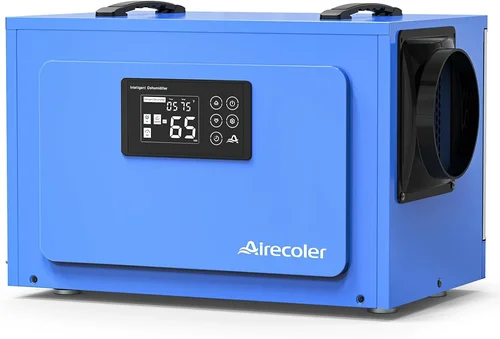
❌ Mistake: Choosing Based on Price Alone
❌ Mistake: Undersizing the Unit
❌ Mistake: Ignoring Installation Requirements
❌ Mistake: Overlooking Maintenance Needs
❌ Mistake: Not Considering Noise
❌ Mistake: Skipping Smart Features When Needed
❌ Mistake: Buying Without a Warranty Plan
Budget Guidelines: How Much Should You Spend?
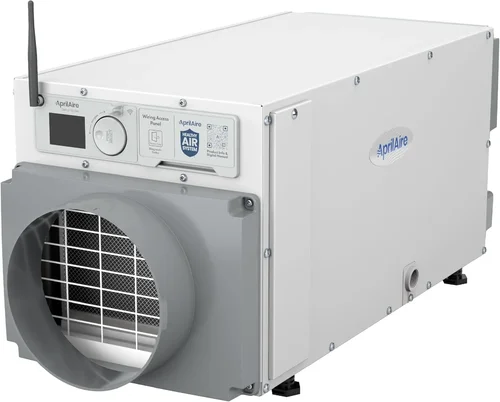
Expert Tips for Getting the Best Deal
Frequently Asked Questions
Q: How do I know if I need a ducted dehumidifier?
Q: Can I install a ducted dehumidifier myself?
Q: How often should I clean the filter?
Q: Will a ducted dehumidifier increase my energy bill?
Q: Can I use a ducted dehumidifier in winter?
Q: How long do ducted dehumidifiers last?
Q: Do I need a condensate pump?
Q: Can I connect it to my smart home system?
Q: What’s the ideal humidity level?
Q: Are ducted dehumidifiers noisy?
Our Final Recommendations
Conclusion: Making the Right Choice