
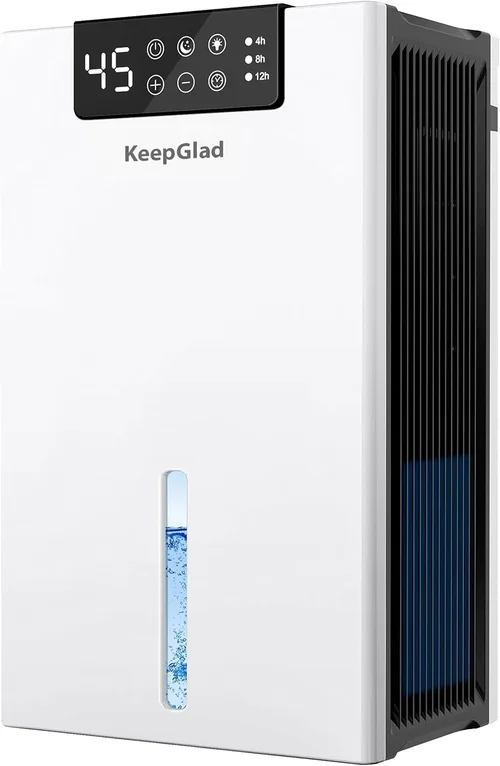
If you’ve ever walked into a basement that smells like damp socks, noticed condensation fogging up your windows, or spotted mold creeping along the corners of your bathroom walls, you already know how disruptive excess humidity can be. High indoor moisture doesn’t just feel uncomfortable—it can damage your home’s structure, ruin furniture and electronics, and even trigger allergies or respiratory issues. That’s where a dehumidifier with a drain hose comes in. Unlike basic models that require you to manually empty a water tank every few hours, units equipped with a continuous drainage option offer hands-free operation, making them ideal for basements, crawl spaces, garages, and other areas prone to persistent dampness.
This comprehensive buying guide is designed to help you cut through the noise and make an informed decision when choosing the best dehumidifier with a drain hose in 2026. Whether you’re dealing with a chronically wet basement after heavy rains, trying to protect valuable equipment in a workshop, or simply want to improve your home’s air quality year-round, we’ll walk you through everything you need to know. From performance specs and build quality to budget considerations and common pitfalls, this guide covers all the bases. By the end, you’ll have a clear understanding of what features matter most, which brands deliver reliable performance, and how to avoid overpaying for unnecessary bells and whistles.
The market for dehumidifiers has evolved significantly in recent years, with manufacturers focusing on energy efficiency, smart controls, and seamless integration into modern homes. Drain hose compatibility is no longer a niche feature—it’s become a standard expectation for anyone serious about long-term moisture control. However, not all drain-capable units are created equal. Some offer only basic gravity drainage, while others include built-in pumps for upward or distant drainage. Prices range from under $150 for compact units to over $600 for heavy-duty commercial-grade models. With so many options available, it’s easy to get overwhelmed. That’s why this guide prioritizes clarity, real-world usability, and expert-tested insights to help you find the perfect match for your needs—without the guesswork.
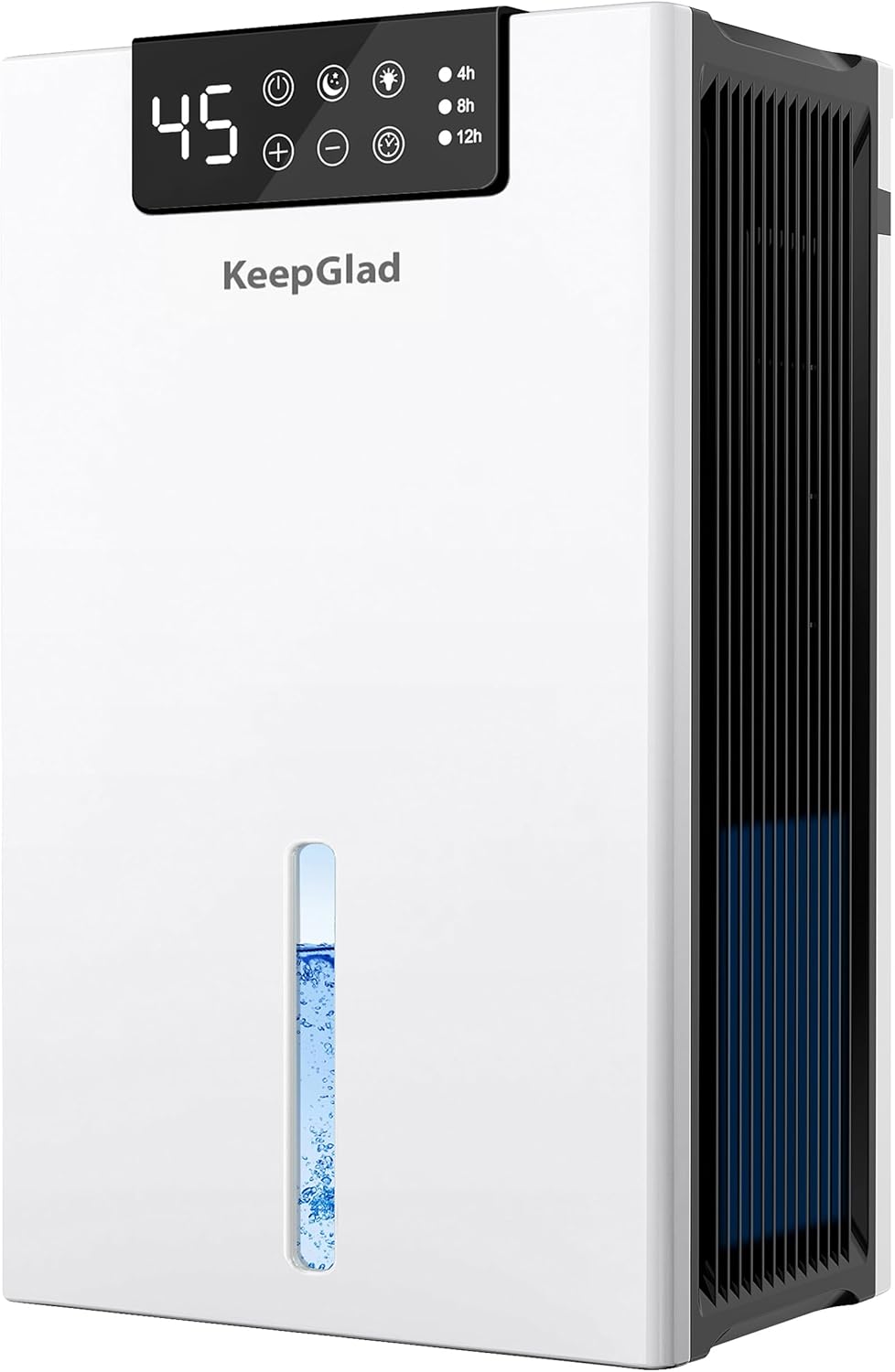
What to Look for When Buying Buying Guide
1. Drain Hose Compatibility & Drainage Options
The primary reason you’re considering a dehumidifier with a drain hose is likely convenience—eliminating the chore of emptying a water bucket. But not all drain systems are equal. Most units feature a standard garden hose thread (usually 5/8″ or 3/4″) at the back or side, allowing you to attach a hose for gravity-fed drainage into a floor drain, sump pump pit, or utility sink. This works well if your unit sits lower than the drain point. However, if you need to move water uphill—say, from a basement to a window well or upstairs laundry sink—you’ll need a model with a built-in condensate pump. These pumps actively push water through the hose, enabling flexible placement and longer hose runs (often up to 15–20 feet). Look for models that specify “pump included” or “auto-pump” functionality. Also check the hose connection size and whether a hose is included—many manufacturers sell it separately, adding unexpected cost.
2. Capacity (Pints per Day)
Dehumidifier capacity is measured in pints of moisture removed per day (PPD), and it’s one of the most critical specs to match to your space. A unit too small will struggle to keep up with humidity levels, while an oversized model may cycle on and off too frequently, reducing efficiency and lifespan. For reference: a 30-pint unit suits spaces up to 1,500 sq. ft. with moderate dampness; a 50-pint model handles up to 3,000 sq. ft. in high-humidity environments like basements or crawl spaces; and 70-pint+ units are best for large, extremely wet areas or commercial use. Always consider your room’s square footage, insulation quality, and typical moisture sources (e.g., groundwater seepage, poor ventilation). ENERGY STAR provides useful sizing charts, but err on the side of slightly higher capacity if you live in a humid climate or have recurring water issues.
3. Energy Efficiency & Operating Costs
Running a dehumidifier continuously can spike your electricity bill, so energy efficiency matters—especially for 24/7 operation. Look for the Energy Factor (EF), measured in liters of water removed per kilowatt-hour (L/kWh). Higher EF values mean better efficiency. ENERGY STAR-certified models typically remove 10–20% more moisture per kilowatt-hour than standard units. For example, a 50-pint ENERGY STAR model might use around 500–600 watts, while a non-certified equivalent could draw 700+ watts. Over a summer, that difference can translate to $30–$50 in extra costs. Also consider units with adjustable humidity settings (humidistats) and auto-defrost features—these prevent ice buildup in cold environments (below 65°F) and ensure consistent performance without manual intervention.
4. Build Quality & Durability
A dehumidifier is a long-term investment, so don’t skimp on construction. Look for sturdy casings (preferably metal or high-impact plastic), sealed compressor compartments, and corrosion-resistant coils—especially important in damp basements. Check user reviews for reports of leaks, noisy operation, or premature failures. Brands like Frigidaire, hOmeLabs, and AprilAire are known for robust builds, while ultra-budget models may use flimsy components that degrade quickly. Pay attention to the compressor type: rotary compressors are quieter and more efficient for continuous use, while piston compressors are cheaper but noisier and less durable over time. Also verify that internal components are accessible for cleaning—dirty coils and filters drastically reduce efficiency.
5. Noise Level & Placement Flexibility
Dehumidifiers aren’t silent appliances, but excessive noise can be disruptive—especially if placed near living areas or bedrooms. Noise is measured in decibels (dB); most residential units range from 45 dB (quiet library) to 60 dB (normal conversation). Units under 50 dB are ideal for living spaces, while 55+ dB may be acceptable for garages or basements. Look for models with “quiet mode” or variable fan speeds. Placement also affects noise: avoid enclosing the unit in tight spaces, as this traps sound and restricts airflow. Ensure there’s at least 6–12 inches of clearance around vents. If you plan to move the unit frequently, check weight and wheel quality—some heavier models (50+ lbs) include recessed handles and smooth-rolling casters for easier transport.
6. Smart Features & Controls
Modern dehumidifiers increasingly offer smart capabilities that enhance usability. Basic models include digital humidistats, timer functions, and auto-restart after power outages. Mid-to-high-end units may feature Wi-Fi connectivity, allowing remote control via smartphone apps (e.g., adjusting settings, receiving full-tank alerts, or monitoring humidity trends). Some integrate with smart home systems like Alexa or Google Home. While not essential, these features add convenience—imagine getting a notification when your basement reaches optimal humidity or scheduling operation during off-peak energy hours. However, avoid overpaying for gimmicks: if you don’t need app control, a well-designed physical interface with clear displays and intuitive buttons is perfectly adequate.
7. Filter Maintenance & Air Quality Benefits
Most dehumidifiers include reusable air filters that trap dust, mold spores, and allergens—improving indoor air quality as they remove moisture. Look for washable, removable filters (typically mesh or foam) that are easy to clean monthly. Some premium models include HEPA or activated carbon filters for enhanced purification, though these require more frequent replacement and add cost. A clean filter ensures optimal airflow and prevents the unit from recirculating contaminants. Neglecting filter maintenance is a common cause of reduced performance and increased energy use. Choose a model where the filter is easily accessible—ideally behind a front or side panel—without needing tools.
8. Warranty & Customer Support
Given the mechanical complexity of dehumidifiers, a solid warranty is a strong indicator of manufacturer confidence. Most reputable brands offer 1–2 years of coverage, with some extending to 5 years on compressors (the most failure-prone component). Read the fine print: does the warranty cover labor, parts, and shipping? Is it voided by improper installation or lack of maintenance? Check online forums and review sites for patterns of customer service responsiveness. Brands like AprilAire and Santa Fe are praised for excellent support, while some budget retailers offer limited or hard-to-reach service. A good warranty can save you hundreds in repair costs if something goes wrong within the first few years.
Different Types of Buying Guide

Common Buying Mistakes to Avoid
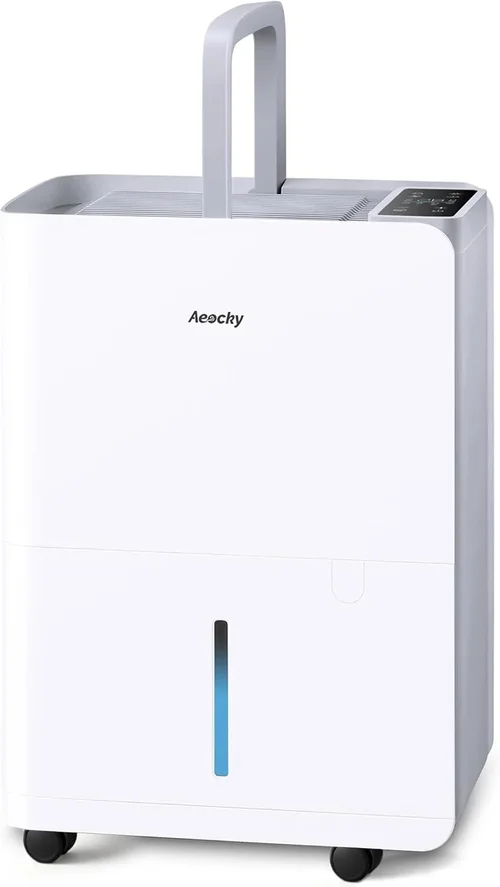
❌ Mistake: Ignoring Drainage Requirements
Why it’s bad: Buying a unit with only gravity drainage when you need to pump water uphill leads to frustration and potential water damage if the hose backs up. Many buyers assume all “drain hose compatible” models include a pump—but most don’t.
What to do instead: Assess your drainage setup before purchasing. Measure the vertical lift needed and choose a model with an integrated pump if required. Look for specs like “15-ft pump lift” or “auto-pump.”
❌ Mistake: Undersizing for the Space
Why it’s bad: A dehumidifier that’s too small will run constantly, wear out quickly, and fail to control humidity effectively—wasting energy and money.
What to do instead: Use a sizing calculator (many brands provide online tools) and factor in humidity severity. When in doubt, go one size up—especially in basements or coastal regions.
❌ Mistake: Overlooking Energy Efficiency
Why it’s bad: A cheaper, inefficient model may cost more in electricity over its lifetime than a slightly pricier ENERGY STAR unit.
What to do instead: Compare annual operating costs using the Energy Guide label. Prioritize models with high EF ratings and auto-humidistat features to avoid over-drying.
❌ Mistake: Neglecting Filter Maintenance
Why it’s bad: Clogged filters restrict airflow, reduce efficiency by up to 30%, and can cause the unit to freeze or shut down.
What to do instead: Clean the filter monthly during peak season. Choose models with easy-access, washable filters—and set calendar reminders.
❌ Mistake: Choosing Based Solely on Price
Why it’s bad: Ultra-cheap models often use inferior compressors and lack durability, leading to frequent repairs or early replacement.
What to do instead: Focus on value—not just upfront cost. Consider total cost of ownership, including energy use, maintenance, and expected lifespan.
❌ Mistake: Not Checking Warranty Details
Why it’s bad: A short or restrictive warranty leaves you vulnerable if the compressor fails—a common and expensive issue.
What to do instead: Opt for brands offering at least a 2-year warranty, with compressor coverage. Register your product promptly to activate protection.
❌ Mistake: Placing the Unit Incorrectly
Why it’s bad: Blocking vents or placing the dehumidifier in a corner reduces airflow, increases noise, and hampers performance.
What to do instead: Position the unit centrally with 6–12 inches of clearance on all sides. Avoid carpeted areas unless using a riser platform.
Budget Guidelines: How Much Should You Spend?
Entry-Level ($150–$250): These compact units are ideal for small spaces (under 1,000 sq. ft.) with mild dampness. Expect basic gravity drainage, manual controls, and modest capacity (20–30 pints). Brands like Ivation and Eva-Dry offer reliable options in this range, though build quality and efficiency may be limited. Great for seasonal use or apartments.
Mid-Range ($250–$450): This is the sweet spot for most homeowners. You’ll find 50-pint models with digital controls, auto-defrost, washable filters, and often optional pump kits. Units like the hOmeLabs 50-Pint or Frigidaire FFAD5033W1 deliver excellent performance, ENERGY STAR ratings, and durable construction. Ideal for basements, garages, and year-round use.
Premium ($450–$700): Designed for demanding environments, these models feature built-in pumps, smart connectivity, ultra-quiet operation (under 50 dB), and advanced air filtration. The AprilAire E070 or AlorAir Sentinel HDi are top contenders, offering whole-home readiness, app control, and 5-year compressor warranties. Perfect for large homes or chronic moisture issues.
Luxury ($700+): Whole-home dehumidifiers like the Santa Fe Compact or Ultra-Aire systems integrate directly with your HVAC, maintaining precise humidity across every room. These are overkill for single rooms but invaluable in humid climates, new builds, or allergy-prone households. Expect professional installation and seamless automation.
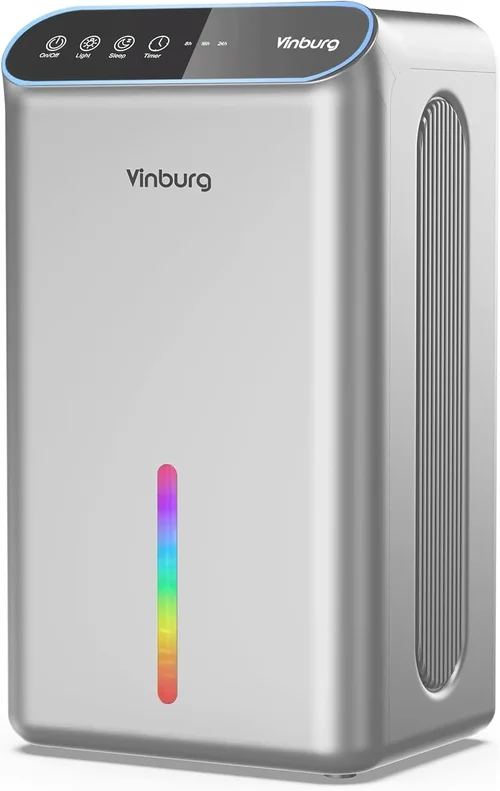
Expert Tips for Getting the Best Deal
– Buy in Spring: Dehumidifier demand peaks in summer, so prices drop in late winter and early spring. Retailers often run promotions in March and April to clear inventory before the humid season hits.
– Shop Online for Better Selection: While big-box stores carry popular models, online retailers (Amazon, Home Depot, Lowe’s) offer wider ranges, detailed specs, and user reviews. Use filters to narrow by drain hose, capacity, and ENERGY STAR status.
– Check for Rebates: Many utility companies offer rebates for ENERGY STAR dehumidifiers—sometimes $30–$100 off. Visit your provider’s website or the ENERGY STAR rebate finder tool.
– Read Recent Reviews: Product performance can change with new model years. Focus on reviews from the past 6–12 months to ensure you’re evaluating the current version.
– Test Return Policies: Ensure the seller allows returns within 30 days. Some units may not perform as expected in your specific environment (e.g., very cold basements).
– Consider Certified Refurbished: Reputable sellers like Amazon Renewed or manufacturer outlets offer refurbished units at 20–40% off, often with full warranties.
– Bundle with Accessories: Look for kits that include hoses, filters, or pump adapters. Buying separately can add $30–$50 in hidden costs.
– Verify Installation Needs: For whole-home or pump-equipped units, confirm whether professional installation is recommended—and budget accordingly.

Frequently Asked Questions
Q: Can I use any garden hose with my dehumidifier?
A: Most dehumidifiers accept standard 5/8″ or 3/4″ garden hoses, but check your model’s manual for exact threading. Vinyl tubing is cheaper but can kink; reinforced vinyl or silicone hoses are more durable for long-term use.
Q: Do I really need a pump if I have a floor drain?
A: Not necessarily—if the dehumidifier sits below the drain level, gravity drainage works fine. But if there’s any vertical lift or long horizontal runs, a pump prevents backups and ensures consistent flow.
Q: How often should I clean the drain hose?
A: Inspect the hose every 3–6 months for mold, algae, or mineral buildup—especially in humid climates. Flush with vinegar or mild bleach solution to prevent clogs and odors.
Q: Will a dehumidifier with a drain hose increase my water bill?
A: No—the water removed is condensed from the air, not supplied by your plumbing. The only added cost is electricity for operation.
Q: Can I run the hose outside through a window?
A: Yes, but seal the gap properly to maintain indoor temperature and prevent pests. Use foam inserts or weather stripping around the hose.
Q: What’s the ideal indoor humidity level?
A: Aim for 30–50% relative humidity. Use a hygrometer to monitor levels. Below 30% can cause dry skin and static; above 50% encourages mold and dust mites.
Q: Are portable dehumidifiers with pumps worth the extra cost?
A: Absolutely—if you need flexibility. A built-in pump lets you place the unit anywhere, even in windowless basements, without worrying about drain proximity.
Q: How long do dehumidifiers typically last?
A: With proper maintenance, most quality units last 5–8 years. Compressor failure is the most common end-of-life issue—hence the importance of a good warranty.
Q: Can I use a dehumidifier in winter?
A: Only if the space stays above 65°F. Most residential units auto-defrost down to 41°F, but efficiency drops significantly in cold temps. Consider a dedicated low-temperature model for unheated garages.
Q: Do smart dehumidifiers save money?
A: Indirectly—yes. By allowing precise scheduling and remote monitoring, they prevent over-drying and reduce runtime during low-humidity periods, cutting energy use by 10–15%.
Our Final Recommendations
Best for Budget-Conscious Buyers: Ivation IVADM35 – At under $200, this 30-pint unit offers reliable gravity drainage, a washable filter, and quiet operation. Ideal for small basements or seasonal use.
Best Overall Value: hOmeLabs 50-Pint Dehumidifier with Pump – Combines robust 50-pint capacity, built-in pump, ENERGY STAR rating, and intuitive controls at a mid-range price. Perfect for most homes.
Best Premium Option: AprilAire E070 – A whole-home ready beast with app control, ultra-quiet operation, and a 5-year warranty. Worth the investment for large or chronically damp homes.
Best for Beginners: Frigidaire FFAD5033W1 – Simple setup, clear display, and excellent customer support. Includes a hose adapter and auto-humidistat—great for first-time buyers.
Best for Advanced Users: AlorAir Sentinel HDi – Features Wi-Fi, a powerful pump, and commercial-grade durability. Ideal for tech-savvy users or those managing multiple moisture zones.
Conclusion: Making the Right Choice
Choosing the best dehumidifier with a drain hose isn’t just about picking the most expensive or feature-packed model—it’s about matching the right tool to your specific environment, usage patterns, and long-term goals. Throughout this guide, we’ve emphasized the importance of drainage flexibility, proper sizing, energy efficiency, and build quality. These factors collectively determine whether your dehumidifier becomes a silent guardian of your home’s health or a noisy, inefficient appliance that ends up in the garage.
Remember, the goal isn’t just to remove moisture—it’s to create a comfortable, safe, and durable living space. Whether you’re protecting family heirlooms in a basement, safeguarding electronics in a workshop, or simply breathing easier in your bedroom, the right dehumidifier makes a tangible difference. Take the time to assess your needs honestly: How big is your space? How severe is the dampness? Do you need smart features or just reliable hands-off operation? Once you answer these questions, refer back to our key factors, budget tiers, and recommendations to narrow your options.
Finally, don’t rush the decision. Read recent reviews, compare warranties, and consider total cost of ownership—not just the sticker price. And if you’re still unsure, start with a mid-range model from a reputable brand; they offer the best balance of performance, reliability, and value for most households. With the insights from this guide, you’re now equipped to make a confident, informed purchase that will serve you well for years to come. Your home—and your peace of mind—will thank you.