
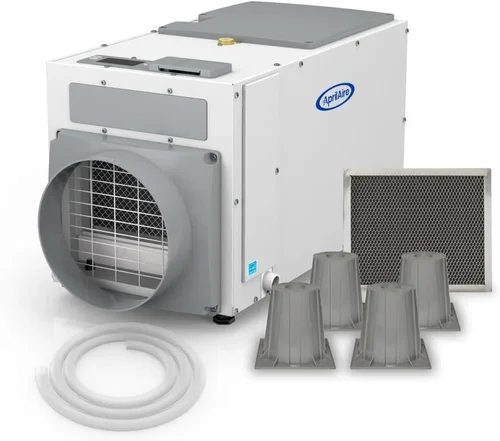
Whole house dehumidifiers are no longer a luxury reserved for humid climates or allergy sufferers—they’ve become essential home comfort systems for anyone serious about indoor air quality, energy efficiency, and long-term structural integrity. Whether you live in a coastal region where moisture clings to every surface, own an older home prone to mold and musty odors, or simply want to breathe cleaner, drier air year-round, a ducted whole house dehumidifier can make a dramatic difference. Unlike portable units that only tackle one room at a time, ducted systems integrate directly into your HVAC setup, silently pulling excess humidity from every corner of your home—without the noise, clutter, or constant maintenance of multiple standalone devices.
This guide is designed for homeowners, property managers, and HVAC professionals who want to cut through the marketing hype and make a smart, informed investment in a ducted whole house dehumidifier. We’ll walk you through everything you need to know: how these systems work, what separates a good unit from a great one, which features truly matter (and which are just fluff), and how to avoid common pitfalls that lead to buyer’s remorse. By the end, you’ll have a clear roadmap to choose the right model for your square footage, climate, budget, and lifestyle—whether you’re upgrading an existing HVAC system or building a new home with indoor air quality as a top priority.
The market for ducted dehumidifiers has matured significantly over the past decade. Once dominated by industrial-grade units with steep price tags and complex installations, today’s residential models offer impressive efficiency, smart controls, and sleek designs that blend seamlessly into modern homes. Brands like AprilAire, Santa Fe, Honeywell, and Ultra-Aire now compete fiercely on performance, reliability, and user experience—but not all units are created equal. Some prioritize raw moisture removal capacity, while others focus on whisper-quiet operation or integration with smart thermostats. This guide will help you navigate those trade-offs and find the perfect balance for your needs.

What to Look for When Buying Buying Guide
1. Moisture Removal Capacity (Pints per Day)
The single most important spec for any dehumidifier is its moisture removal rate, measured in pints per day (PPD). This tells you how much water vapor the unit can extract from the air in a 24-hour period under standard conditions (typically 80°F and 60% relative humidity). For whole house systems, this number must align with your home’s size and humidity load.
Why it matters: A unit that’s too small will struggle to keep up with moisture buildup, especially during rainy seasons or in high-humidity climates. Conversely, an oversized unit may cycle on and off too frequently, wasting energy and reducing lifespan. Most homes between 1,500 and 3,000 square feet require a dehumidifier rated between 50 and 90 PPD. Larger homes or those in extremely humid regions (like the Gulf Coast or Southeast) may need 100+ PPD.
What to look for: Check the manufacturer’s “AHAM rating”—this is the standardized test result from the Association of Home Appliance Manufacturers. Avoid relying solely on “maximum” or “peak” ratings, which are often inflated. Also consider your home’s construction: tightly sealed, energy-efficient homes trap more moisture indoors, so you might need a higher-capacity unit than a draftier older house of the same size.
2. Energy Efficiency (Energy Factor & EER)
Dehumidifiers run continuously in many climates, so energy consumption directly impacts your utility bills. Look for units with high energy efficiency ratings—specifically the Energy Factor (EF) in liters per kilowatt-hour (L/kWh) or the Energy Efficiency Ratio (EER).
Why it matters: A less efficient unit might save you $200 upfront but cost you $100–$150 more per year in electricity. Over a 10-year lifespan, that’s $1,000+ in extra costs. Modern ENERGY STAR-certified ducted dehumidifiers typically achieve EF ratings above 2.0 L/kWh, with top models exceeding 2.5 L/kWh.
What to look for: Prioritize ENERGY STAR certification, which ensures the unit meets strict efficiency guidelines set by the EPA. Also check if the unit uses a variable-speed compressor or desiccant wheel—these technologies adjust output based on demand, reducing energy waste during low-humidity periods. Avoid older refrigerant-based models with fixed-speed compressors unless they’re exceptionally well-insulated and sealed.
3. Integration with Existing HVAC System
Since ducted dehumidifiers connect directly to your home’s ductwork, compatibility with your furnace, air handler, or heat pump is critical. Poor integration can lead to reduced airflow, increased static pressure, or even damage to your HVAC equipment.
Why it matters: Your dehumidifier shouldn’t interfere with your heating and cooling system’s performance. It should enhance it—by pre-drying air before it reaches the AC coil, for example, which improves cooling efficiency and reduces strain on the compressor.
What to look for: Choose a unit designed for “inline” installation with standard 6” to 12” round or rectangular ducts. Ensure it includes a bypass damper or recirculation mode to prevent over-dehumidification when the AC isn’t running. Some advanced models offer dual-mode operation: they can dehumidify independently (using internal fans) or work in tandem with your HVAC blower. If you have a zoned system or mini-splits, confirm the dehumidifier supports multi-zone control or can be installed in a central return duct.
4. Control Options & Smart Features
Manual humidistats are a thing of the past. Today’s best ducted dehumidifiers offer digital controls, remote monitoring, and smart home integration—giving you precise, hands-off management of indoor humidity.
Why it matters: Humidity levels fluctuate daily based on weather, occupancy, and activities like cooking or showering. A smart system automatically adjusts to maintain your target humidity (ideally 30–50%) without constant manual tweaking.
What to look for: Look for models with built-in digital humidistats, programmable schedules, and Wi-Fi connectivity. Top-tier units integrate with platforms like Google Home, Amazon Alexa, or Apple HomeKit, allowing voice control and real-time alerts via smartphone apps. Some even sync with weather forecasts to preemptively adjust settings before a storm hits. Bonus points for models with filter change reminders, fault diagnostics, and energy usage reports.
5. Noise Level (Decibel Rating)
Unlike portable dehumidifiers that sit in your living space, ducted units are typically installed in attics, basements, or utility closets—but their fans and compressors can still generate noticeable noise, especially if located near bedrooms or quiet zones.
Why it matters: A noisy dehumidifier can disrupt sleep, interfere with home theater systems, or become a constant annoyance. Even if it’s out of sight, sound travels through ducts and vents.
What to look for: Aim for units rated below 55 dB—comparable to a quiet conversation. High-end models use insulated cabinets, vibration-dampening mounts, and variable-speed ECM motors to minimize sound. Check manufacturer specs for “sound pressure level” at 1 meter distance. If noise is a major concern, consider placing the unit in a mechanical room with acoustic lining or using flexible ducting to decouple it from main trunks.
6. Build Quality & Durability
A ducted dehumidifier is a long-term investment—expect it to last 10–15 years with proper maintenance. Cheap materials, thin-gauge steel, or flimsy components will lead to premature failure, especially in damp environments like basements.
Why it matters: Corrosion, refrigerant leaks, and motor burnout are common failure points in low-quality units. A well-built dehumidifier withstands humidity, temperature swings, and continuous operation without degrading.
What to look for: Opt for powder-coated steel or aluminum cabinets resistant to rust. Internally, look for copper-aluminum coils (better than all-aluminum), sealed bearings on motors, and high-grade compressors (e.g., rotary or scroll types). Avoid plastic housings or units with exposed wiring. Check user reviews for reports of leaks, rattling, or premature compressor failure—these are red flags.
7. Warranty & Customer Support
Given the complexity and cost of ducted systems, robust warranty coverage and responsive customer service are non-negotiable. A short or limited warranty often signals low confidence in product longevity.
Why it matters: Installation errors, manufacturing defects, or component failures can occur even in premium units. Without strong support, you could be stuck with a $2,000 paperweight.
What to look for: Aim for at least a 5-year warranty on the compressor and a 2-year warranty on parts and labor. Top brands like AprilAire and Santa Fe offer 5–7 years on compressors and lifetime technical support. Verify that local HVAC technicians are trained and certified to service the brand—this ensures faster repairs and genuine parts. Read warranty fine print: some exclude labor costs or require professional installation to remain valid.
8. Ease of Maintenance & Filter Access
Regular maintenance keeps your dehumidifier running efficiently and prevents mold or bacteria growth inside the unit. If filters are hard to reach or cleaning requires disassembly, you’re less likely to do it consistently.
Why it matters: Clogged filters reduce airflow, forcing the unit to work harder and consume more energy. Dirty coils and drain pans can become breeding grounds for microbes, which then get blown into your home.
What to look for: Choose models with front-access or side-access panels for quick filter changes. Washable or reusable MERV 8–11 filters are ideal—they capture dust and allergens without restricting airflow. Ensure the condensate drain pan is easy to clean and includes a float switch to prevent overflow. Some units feature self-cleaning coils or UV-C lights to inhibit microbial growth—useful in high-moisture environments.
Different Types of Buying Guide
Common Buying Mistakes to Avoid
❌ Mistake: Buying Based Solely on Price
Why it’s bad: The cheapest ducted dehumidifier often uses inferior components, lacks smart controls, and has a shorter lifespan. You’ll end up replacing it sooner and paying more in energy and repair costs.
What to do instead: Treat this as a long-term investment. Calculate total cost of ownership—including energy use, maintenance, and expected lifespan—not just the upfront price. A mid-range unit with strong efficiency and warranty often delivers better value than a budget model.
❌ Mistake: Ignoring Your Home’s Specific Humidity Sources
Why it’s bad: Every home has unique moisture contributors: basements, crawl spaces, indoor pools, large families, or poor ventilation. A one-size-fits-all approach leads to underperformance.
What to do instead: Conduct a home assessment. Use a hygrometer to measure humidity in problem areas. Identify sources like leaking pipes, inadequate exhaust fans, or unvented dryers. Choose a unit and installation plan that addresses these specific issues—not just square footage.
❌ Mistake: Skipping Professional Sizing and Installation
Why it’s bad: DIY sizing often results in oversizing or undersizing. Improper duct connections can cause air leaks, reduced efficiency, or even backpressure that damages your HVAC system.
What to do instead: Hire an HVAC contractor experienced with whole house dehumidifiers. They’ll perform a Manual J load calculation and ensure proper duct integration. Many manufacturers require professional installation to validate the warranty.
❌ Mistake: Overlooking Drainage and Condensate Management
Why it’s bad: Ducted dehumidifiers produce gallons of water daily. Without proper drainage, you risk overflow, water damage, or mold growth in hidden spaces.
What to do instead: Ensure your installation includes a dedicated condensate drain line with a P-trap and float switch. In basements, consider a condensate pump if gravity drainage isn’t possible. Never rely solely on evaporation pans.
❌ Mistake: Assuming All “Whole House” Units Are Equal
Why it’s bad: Some brands market small portable units as “whole house” simply because they can be ducted. These lack the capacity, controls, and durability of true integrated systems.
What to do instead: Verify the unit is specifically designed for continuous, whole-house operation—not just adapted from a portable model. Check for features like internal fans, bypass dampers, and HVAC integration kits.
❌ Mistake: Neglecting Regular Maintenance
Why it’s bad: Even the best dehumidifier fails prematurely if filters aren’t cleaned, coils aren’t inspected, or drains aren’t cleared. Poor maintenance also reduces efficiency and indoor air quality.
What to do instead: Set calendar reminders for monthly filter checks, annual coil cleaning, and bi-annual professional inspections. Keep spare filters on hand and document maintenance for warranty purposes.
❌ Mistake: Not Considering Future Needs
Why it’s bad: Adding a sunroom, finishing a basement, or installing a hot tub later can drastically increase your home’s moisture load. A unit sized for today may be inadequate tomorrow.
What to do instead: Plan for growth. If you anticipate renovations or lifestyle changes, choose a slightly larger capacity or a modular system that can be upgraded. Some brands offer add-on modules for expanded coverage.
Budget Guidelines: How Much Should You Spend?
Entry-Level ($1,000 – $1,800): These are typically compact refrigerant-based units aimed at small homes (under 2,000 sq ft) or mild humidity issues. Expect basic digital controls, limited smart features, and shorter warranties (1–3 years). Build quality may use thinner materials, and noise levels can be higher. Best for budget-conscious buyers in moderate climates who prioritize function over frills.
Mid-Range ($1,800 – $3,500): This is the sweet spot for most homeowners. Units in this tier offer 70–90 PPD capacity, ENERGY STAR certification, variable-speed fans, Wi-Fi connectivity, and robust 5-year compressor warranties. Brands like AprilAire and Honeywell dominate here with reliable performance and strong dealer networks. Ideal for 2,000–4,000 sq ft homes in humid regions.
Premium ($3,500 – $6,000): Designed for large homes, high-humidity zones, or discerning users who demand top-tier performance. Features include desiccant-assisted drying, ultra-quiet operation (<50 dB), advanced air filtration (MERV 13+), and seamless smart home integration. Models from Santa Fe and Ultra-Aire excel here, often with customizable duct configurations and remote monitoring dashboards. Luxury ($6,000+): Reserved for estates, historic homes, or specialized applications (e.g., wine cellars, art collections). These hybrid or industrial-grade systems offer 100+ PPD, dual-mode operation, redundant components, and architectural-grade finishes. Expect concierge-level support, extended warranties (7–10 years), and bespoke installation services. Only necessary for extreme conditions or non-negotiable air quality requirements.
Expert Tips for Getting the Best Deal
1. Buy During Off-Peak Seasons: Demand for dehumidifiers peaks in spring and summer. Shop in late fall or winter (October–February) when retailers and HVAC contractors offer discounts to move inventory. You’ll often save 10–20% and get faster installation scheduling.
2. Bundle with HVAC Upgrades: If you’re replacing your furnace, AC, or air handler, ask about package deals. Many contractors offer discounted labor or free duct modifications when installing a dehumidifier alongside major HVAC work.
3. Leverage Utility Rebates: Check with your local utility company—many offer rebates for ENERGY STAR-certified whole house dehumidifiers, especially in humid states like Florida, Louisiana, or Georgia. Rebates can range from $100 to $500, significantly lowering net cost.
4. Compare Total Installation Costs: The unit price is only part of the equation. Get detailed quotes that include ductwork modifications, electrical work, condensate drainage, and labor. A cheaper unit with complex installation can end up more expensive than a pricier plug-and-play model.
5. Read Verified Owner Reviews: Skip the glossy marketing sites. Dig into forums like HVAC-Talk, Reddit’s r/hvac, or Google Reviews from actual homeowners. Look for patterns: recurring complaints about noise, leaks, or poor support are red flags.
6. Test Before Committing (If Possible): Some dealers offer short-term rentals or trial periods for high-end units. Use a hygrometer to measure humidity reduction over a week. If the unit can’t maintain 45% RH in your basement during a rainy spell, it’s not right for you.
7. Negotiate Extended Warranties: Manufacturers often sell extended coverage at markup. Ask your installer if they can bundle it at cost or waive it with purchase. Alternatively, use a credit card that extends warranties automatically.
8. Consider Refurbished or Open-Box Units: Reputable dealers sometimes sell returned or demo units at 20–40% off. Ensure they come with full warranty coverage and have been inspected by a certified technician.
Frequently Asked Questions
Q: Can I install a ducted dehumidifier myself?
A: While technically possible for experienced DIYers, professional installation is strongly recommended. Improper duct connections, electrical wiring, or drainage can void warranties, reduce efficiency, or create safety hazards. Most manufacturers require certified installation for warranty validation.
Q: Will a whole house dehumidifier replace my air conditioner?
A: No—it complements your AC. While dehumidifiers remove moisture, they don’t cool air as effectively as an air conditioner. In fact, many systems work best when paired with AC, as pre-dried air reduces the cooling load and improves comfort.
Q: How often should I clean the filter?
A: Check the filter monthly during high-use seasons (spring–fall). Clean or replace it every 1–3 months depending on dust levels. A clogged filter restricts airflow, forcing the unit to work harder and increasing energy use by up to 15%.
Q: Can I run the dehumidifier year-round?
A: Yes, but adjust settings seasonally. In winter, lower the target humidity (30–40%) to prevent window condensation. In summer, aim for 45–50%. Many smart units do this automatically based on outdoor conditions.
Q: Do ducted dehumidifiers increase my electric bill?
A: They do consume electricity, but modern ENERGY STAR models are highly efficient. Expect an increase of $10–$25 per month depending on runtime and local rates. The energy savings from improved AC efficiency often offset part of this cost.
Q: What’s the difference between a dehumidifier and an ERV/HRV?
A: Energy Recovery Ventilators (ERVs) and Heat Recovery Ventilators (HRVs) bring in fresh outdoor air while recovering energy. They provide some dehumidification but aren’t designed for heavy moisture control. Use an ERV/HRV for ventilation and a dedicated dehumidifier for humidity management.
Q: Can I use a ducted dehumidifier in a crawl space or attic?
A: Yes—many units are designed for these locations. Ensure the model is rated for unconditioned spaces (some aren’t). Attic installations require extra insulation and proper ventilation to prevent heat buildup.
Q: How do I know if my home needs a whole house dehumidifier?
A: Signs include persistent musty odors, condensation on windows, peeling paint, warped wood, or visible mold. Use a hygrometer: if indoor humidity consistently exceeds 55%, especially in multiple rooms, a whole house system is likely beneficial.
Q: Are there tax credits for energy-efficient dehumidifiers?
A: As of 2026, the federal Inflation Reduction Act may offer tax credits for qualifying ENERGY STAR HVAC equipment, including some whole house dehumidifiers. Check the IRS website or consult a tax professional for current eligibility.
Q: What happens if the power goes out?
A: Most units resume normal operation automatically when power returns. However, if you have a condensate pump, ensure it has a battery backup to prevent overflow during outages.
Our Final Recommendations
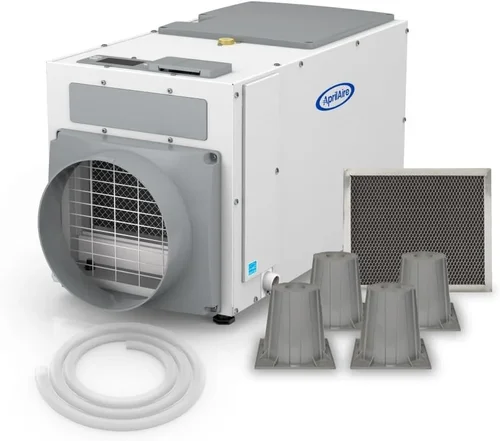
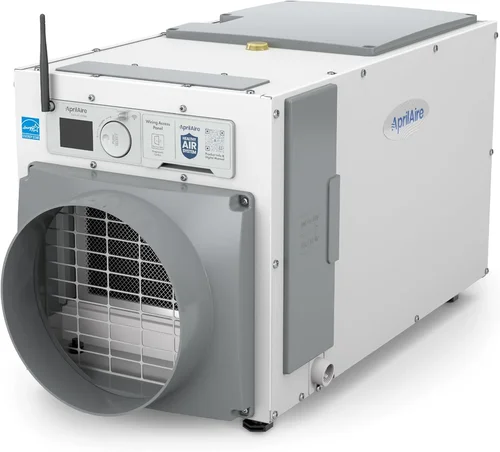
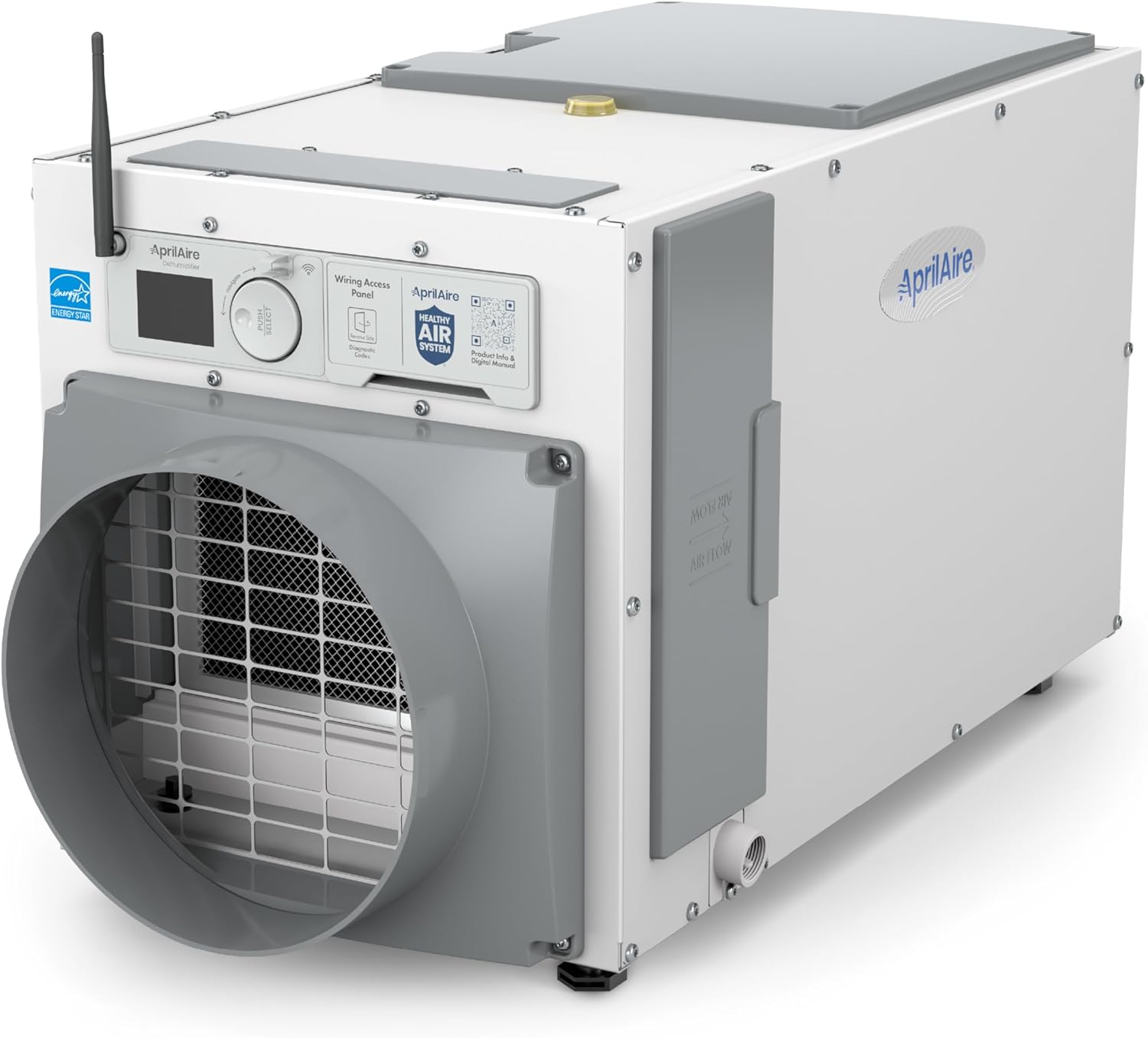
Best for Budget-Conscious Buyers: AprilAire E070 Pro – At around $1,600, this 70-pint unit offers excellent value with ENERGY STAR efficiency, a 5-year warranty, and straightforward installation. Ideal for 2,000–3,000 sq ft homes in moderate humidity.
Best Overall Value: Santa Fe Compact 70 – Priced near $2,800, it delivers 70 PPD with ultra-quiet operation (52 dB), smart controls, and a durable powder-coated cabinet. Perfect balance of performance, features, and reliability.
Best Premium Option: Ultra-Aire UA 100 XT – For $4,200, this 100-pint powerhouse handles large homes or extreme humidity. Features a desiccant assist mode, Wi-Fi app, and MERV 13 filtration. Built to last decades.
Best for Beginners: Honeywell DH70WNC – User-friendly interface, clear maintenance alerts, and wide dealer support make this $2,100 unit ideal for first-time buyers. Integrates easily with most HVAC systems.
Best for Advanced Users: AprilAire Model 1820 Pro – With dual-compressor technology, 95 PPD capacity, and full smart home integration, this $3,800 system is for tech-savvy homeowners who want precision control and maximum performance.
Conclusion: Making the Right Choice
Choosing the best ducted whole house dehumidifier isn’t just about picking the highest number or the shiniest features—it’s about aligning technology with your home’s unique needs, your climate, and your long-term goals for comfort and efficiency. From understanding moisture removal capacity and energy ratings to avoiding common installation pitfalls and leveraging smart controls, every decision you make should serve the ultimate goal: healthier, more comfortable indoor air that protects your home and enhances your quality of life.
Don’t rush the process. Take time to assess your humidity sources, consult with qualified HVAC professionals, and compare total cost of ownership—not just sticker price. Remember, a great dehumidifier doesn’t just remove water from the air; it removes stress, prevents damage, and creates a living environment where you can truly breathe easy.
Whether you’re battling basement mold, protecting cherished belongings, or simply striving for optimal indoor air quality, the right ducted whole house dehumidifier is out there. Use this guide as your compass, prioritize what matters most to you, and invest with confidence. Your home—and your lungs—will thank you for years to come.